

Musk Rebuilds xAI Ties with Tesla Amid SpaceX IPO Plans
Written by Emily J. Thompson, Senior Investment Analyst
Updated: Mar 13 2026
0mins
Source: stocktwits
- Investment Shift: Tesla received U.S. government clearance to convert its $2 billion investment in xAI into a small stake in SpaceX, representing less than 1% ownership, highlighting Musk's financial maneuvering and integration across his ventures.
- Rebuilding Process: Musk stated that xAI is being rebuilt “from the foundations up,” paralleling Tesla's early struggles, indicating a deep reflection and strategic adjustment that could impact investor confidence in Tesla.
- IPO Expectations: As SpaceX prepares for a potential IPO, which could be one of the largest in history, Musk's business empire is undergoing a reshaping, further strengthening the financial ties between Tesla and SpaceX.
- Market Reaction: Tesla's stock declined over 3% on Thursday, snapping a three-day winning streak, reflecting cautious market sentiment towards Musk's diversified investment strategy, with the stock down 12% year-to-date.
Trade with 70% Backtested Accuracy
Stop guessing "Should I Buy TSLA?" and start using high-conviction signals backed by rigorous historical data.
Sign up today to access powerful investing tools and make smarter, data-driven decisions.
Analyst Views on TSLA
Wall Street analysts forecast TSLA stock price to fall
30 Analyst Rating
12 Buy
11 Hold
7 Sell
Hold
Current: 425.300

Low
25.28
Averages
401.93
High
600.00
Current: 425.300
Low
25.28
Averages
401.93
High
600.00
About TSLA
Tesla, Inc. designs, develops, manufactures, sells and leases high-performance fully electric vehicles and energy generation and storage systems, and offers services related to its products. Its segments include automotive, and energy generation and storage. The automotive segment includes the design, development, manufacturing, sales and leasing of high-performance fully electric vehicles, and sales of automotive regulatory credits. It also includes sales of used vehicles, non-warranty maintenance services and collisions, part sales, paid supercharging, insurance services revenue and retail merchandise sales. The energy generation and storage segment include the design, manufacture, installation, sales and leasing of solar energy generation and energy storage products and related services and sales of solar energy systems incentives. Its consumer vehicles include the Model 3, Y, S, X and Cybertruck. Its lithium-ion battery energy storage products include Powerwall and Megapack.
About the author

Emily J. Thompson
Emily J. Thompson, a Chartered Financial Analyst (CFA) with 12 years in investment research, graduated with honors from the Wharton School. Specializing in industrial and technology stocks, she provides in-depth analysis for Intellectia’s earnings and market brief reports.

Tesla Q2 2026 Performance Preview

- Production and Delivery Metrics: In Q2 2026, Tesla produced over 450,000 vehicles and delivered over 480,000, indicating strong demand and sustained growth potential in the electric vehicle market.
- Energy Storage Deployment: The company deployed 13.5 GWh of energy storage products in the same quarter, further solidifying its market position in renewable energy solutions and driving diversified business growth.
- Earnings Release Schedule: Tesla plans to announce its Q2 financial results after market close on July 22, 2026, and will conduct a live Q&A session, enhancing investor interaction and transparency.
- Diverse Financial Performance: While vehicle deliveries and storage deployments are key performance indicators, Tesla emphasizes that quarterly financial results will also be influenced by average selling prices, cost of sales, and foreign exchange fluctuations, reflecting a comprehensive focus on financial health.
See More

Munster Predicts Tesla Deliveries Exceed Expectations
- Delivery Forecast: Gene Munster of Deepwater Asset Management predicts Tesla will deliver 420,000 vehicles in Q2, slightly above Wall Street's consensus of 406,000, indicating an improvement in underlying demand trends with an expected 9% year-over-year growth.
- Core Demand Growth: Adjusting for the absence of Model S and X deliveries last year, the 406,000 consensus implies an 8% year-over-year growth in Model 3 and Y deliveries, while Munster's estimate suggests this could rise to approximately 12%, marking Tesla's strongest underlying delivery growth since December 2023.
- Focus on Autonomy: Munster emphasizes that Full Self-Driving (FSD) adoption and the path to unsupervised autonomy are more critical than quarterly delivery numbers, noting that active FSD subscriptions reached 1.28 million in March, up 51% year-over-year.
- Market Sentiment Shift: On Stocktwits, retail sentiment around TSLA stock shifted from 'neutral' to 'bullish' in the past 24 hours, although some users expressed doubts about the upcoming delivery report, reflecting heightened market attention on Tesla's future performance.
See More

U.S. Stocks Mixed Close, Nasdaq Drops 1.6%


- Employment Data Impact: U.S. nonfarm payrolls increased by a seasonally adjusted 57,000 in June, significantly below the expected 115,000, indicating slower labor market growth, which led to a decline in rate hike expectations and eased investor anxiety.
- Rate Hike Odds Drop: According to the CME FedWatch tool, the odds of a 25-basis-point rate hike fell to 17.6% from 28.9% the previous day, reflecting reduced concerns over a hawkish stance from the Fed, potentially providing support for risk assets.
- Mixed Index Performance: The Dow Jones Industrial Average rose 1.1% to 52,900.07, hitting a record high, while the Nasdaq 100 dropped 1.6% to 29,329.21, indicating ongoing investor rotation out of semiconductor stocks.
- ETF Movements: The SPDR S&P 500 ETF (SPY) fell 0.7%, the Invesco QQQ Trust (QQQ) declined approximately 1.6% for the second consecutive day, while the SPDR Dow Jones Industrial Average ETF (DIA) increased by 1%, reflecting differing sentiments across market segments.
See More
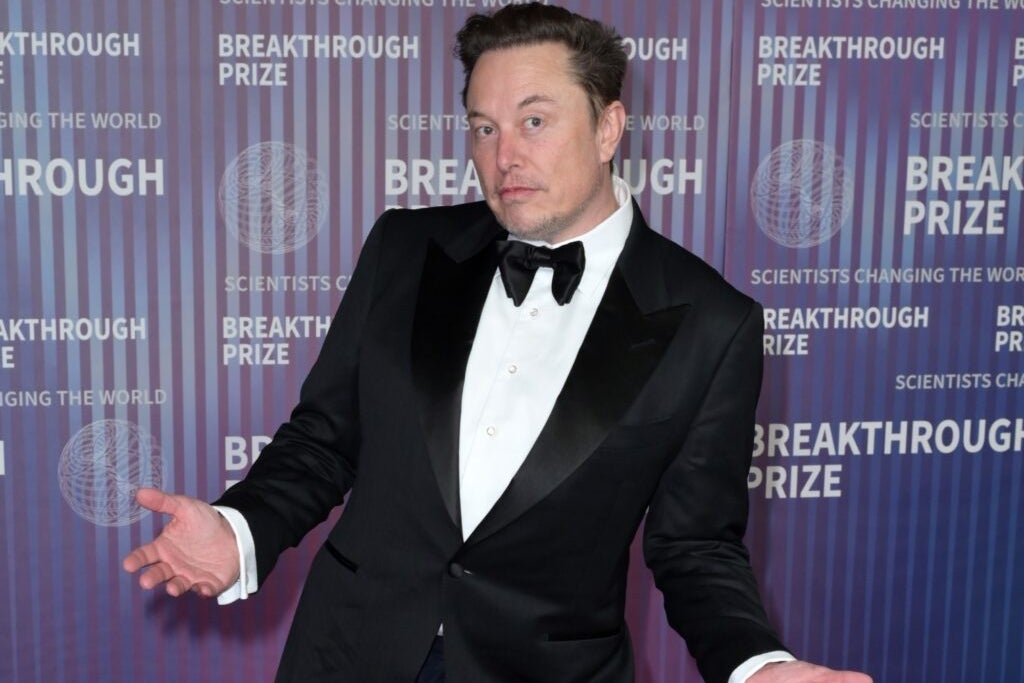
Tesla Exceeds Delivery Expectations in Q2
- Delivery Growth: Tesla reported over 480,000 EV deliveries in Q2, marking a 25% year-over-year increase and surpassing Wall Street's estimate of 406,000, yet the stock fell 7.5%, indicating market concerns about future performance.
- Market Reaction Analysis: Tesla's stock had risen prior to the delivery report, suggesting investors anticipated the strong results, which may have led to a muted market response, reflecting caution regarding future earnings.
- Energy Storage Product Performance: In Q2, Tesla deployed 13.5 GWh of energy storage products, a significant increase from 8.8 GWh in Q1, but still below the 14.2 GWh deployed in Q4 2025, indicating a slowdown in growth pace.
- Future Development Challenges: While the EV business remains a major revenue source for Tesla, its influence on stock price has diminished, with future appreciation relying on the successful development of robotaxis and humanoid robots, both of which are still in early stages and have yet to materially impact financials.
See More

Tesla's Electric Vehicle Deliveries Rebound
- Delivery Growth: Tesla reported over 480,000 EV deliveries in Q2, a 25% year-over-year increase that surpassed Wall Street's estimate of 406,000, yet the stock fell 7.5% post-announcement, indicating market pricing in the results.
- External Factors Impact: The Iran war has driven gas prices to $3.83 per gallon, likely prompting consumers to reconsider the value of EVs, which contributed to the surge in delivery numbers and reflects a growing market interest in electric vehicles.
- Energy Storage Product Performance: Tesla deployed 13.5 GWh of energy storage products in Q2, a significant increase from 8.8 GWh in Q1, but still below the 14.2 GWh deployed in Q4 2025, indicating a slowdown in growth pace.
- Uncertain Future Outlook: While the EV business remains a major revenue source for Tesla, its influence on stock price is waning, with future performance increasingly reliant on the development of robotaxis and humanoid robots, which are still in early stages.
See More
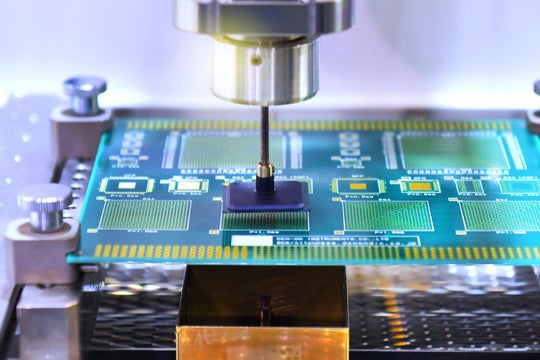
ASML Shares Surge Amid Semiconductor Investment Boom


- Significant Stock Surge: ASML shares rose 24.3% in June to $1,766.84, driven by positive sentiment surrounding semiconductor investments, indicating the company's robust position in the industry despite no financial reports.
- Terafab Project Support: Elon Musk endorsed the Terafab project at ASML's technology conference, envisioning it as a massive semiconductor manufacturing entity to serve SpaceX and Tesla's future needs, further solidifying ASML's critical role in the market.
- Memory Sector Investment Boom: Micron Technology's fiscal Q3 earnings exceeded expectations, raising capital expenditures to $27 billion, while Samsung and SK Hynix announced $520 billion in investments, all of which will drive strong demand for ASML's equipment.
- Increased Industry Spending Projections: Analysts raised their forecasts for semiconductor equipment spending to $190 billion in 2027 and potentially $300 billion by 2028, indicating that ASML will benefit significantly from the industry's rapid growth in the coming years.
See More
Tesla Q2 2026 Performance Preview
- Production and Delivery Metrics: In Q2 2026, Tesla produced over 450,000 vehicles and delivered over 480,000, indicating strong demand and sustained growth potential in the electric vehicle market.
- Energy Storage Deployment: The company deployed 13.5 GWh of energy storage products in the same quarter, further solidifying its market position in renewable energy solutions and driving diversified business growth.
- Earnings Release Schedule: Tesla plans to announce its Q2 financial results after market close on July 22, 2026, and will conduct a live Q&A session, enhancing investor interaction and transparency.
- Diverse Financial Performance: While vehicle deliveries and storage deployments are key performance indicators, Tesla emphasizes that quarterly financial results will also be influenced by average selling prices, cost of sales, and foreign exchange fluctuations, reflecting a comprehensive focus on financial health.
See More
Munster Predicts Tesla Deliveries Exceed Expectations
- Delivery Forecast: Gene Munster of Deepwater Asset Management predicts Tesla will deliver 420,000 vehicles in Q2, slightly above Wall Street's consensus of 406,000, indicating an improvement in underlying demand trends with an expected 9% year-over-year growth.
- Core Demand Growth: Adjusting for the absence of Model S and X deliveries last year, the 406,000 consensus implies an 8% year-over-year growth in Model 3 and Y deliveries, while Munster's estimate suggests this could rise to approximately 12%, marking Tesla's strongest underlying delivery growth since December 2023.
- Focus on Autonomy: Munster emphasizes that Full Self-Driving (FSD) adoption and the path to unsupervised autonomy are more critical than quarterly delivery numbers, noting that active FSD subscriptions reached 1.28 million in March, up 51% year-over-year.
- Market Sentiment Shift: On Stocktwits, retail sentiment around TSLA stock shifted from 'neutral' to 'bullish' in the past 24 hours, although some users expressed doubts about the upcoming delivery report, reflecting heightened market attention on Tesla's future performance.
See More
U.S. Stocks Mixed Close, Nasdaq Drops 1.6%
- Employment Data Impact: U.S. nonfarm payrolls increased by a seasonally adjusted 57,000 in June, significantly below the expected 115,000, indicating slower labor market growth, which led to a decline in rate hike expectations and eased investor anxiety.
- Rate Hike Odds Drop: According to the CME FedWatch tool, the odds of a 25-basis-point rate hike fell to 17.6% from 28.9% the previous day, reflecting reduced concerns over a hawkish stance from the Fed, potentially providing support for risk assets.
- Mixed Index Performance: The Dow Jones Industrial Average rose 1.1% to 52,900.07, hitting a record high, while the Nasdaq 100 dropped 1.6% to 29,329.21, indicating ongoing investor rotation out of semiconductor stocks.
- ETF Movements: The SPDR S&P 500 ETF (SPY) fell 0.7%, the Invesco QQQ Trust (QQQ) declined approximately 1.6% for the second consecutive day, while the SPDR Dow Jones Industrial Average ETF (DIA) increased by 1%, reflecting differing sentiments across market segments.
See More
Tesla Exceeds Delivery Expectations in Q2
- Delivery Growth: Tesla reported over 480,000 EV deliveries in Q2, marking a 25% year-over-year increase and surpassing Wall Street's estimate of 406,000, yet the stock fell 7.5%, indicating market concerns about future performance.
- Market Reaction Analysis: Tesla's stock had risen prior to the delivery report, suggesting investors anticipated the strong results, which may have led to a muted market response, reflecting caution regarding future earnings.
- Energy Storage Product Performance: In Q2, Tesla deployed 13.5 GWh of energy storage products, a significant increase from 8.8 GWh in Q1, but still below the 14.2 GWh deployed in Q4 2025, indicating a slowdown in growth pace.
- Future Development Challenges: While the EV business remains a major revenue source for Tesla, its influence on stock price has diminished, with future appreciation relying on the successful development of robotaxis and humanoid robots, both of which are still in early stages and have yet to materially impact financials.
See More
Tesla's Electric Vehicle Deliveries Rebound
- Delivery Growth: Tesla reported over 480,000 EV deliveries in Q2, a 25% year-over-year increase that surpassed Wall Street's estimate of 406,000, yet the stock fell 7.5% post-announcement, indicating market pricing in the results.
- External Factors Impact: The Iran war has driven gas prices to $3.83 per gallon, likely prompting consumers to reconsider the value of EVs, which contributed to the surge in delivery numbers and reflects a growing market interest in electric vehicles.
- Energy Storage Product Performance: Tesla deployed 13.5 GWh of energy storage products in Q2, a significant increase from 8.8 GWh in Q1, but still below the 14.2 GWh deployed in Q4 2025, indicating a slowdown in growth pace.
- Uncertain Future Outlook: While the EV business remains a major revenue source for Tesla, its influence on stock price is waning, with future performance increasingly reliant on the development of robotaxis and humanoid robots, which are still in early stages.
See More
ASML Shares Surge Amid Semiconductor Investment Boom
- Significant Stock Surge: ASML shares rose 24.3% in June to $1,766.84, driven by positive sentiment surrounding semiconductor investments, indicating the company's robust position in the industry despite no financial reports.
- Terafab Project Support: Elon Musk endorsed the Terafab project at ASML's technology conference, envisioning it as a massive semiconductor manufacturing entity to serve SpaceX and Tesla's future needs, further solidifying ASML's critical role in the market.
- Memory Sector Investment Boom: Micron Technology's fiscal Q3 earnings exceeded expectations, raising capital expenditures to $27 billion, while Samsung and SK Hynix announced $520 billion in investments, all of which will drive strong demand for ASML's equipment.
- Increased Industry Spending Projections: Analysts raised their forecasts for semiconductor equipment spending to $190 billion in 2027 and potentially $300 billion by 2028, indicating that ASML will benefit significantly from the industry's rapid growth in the coming years.
See More




