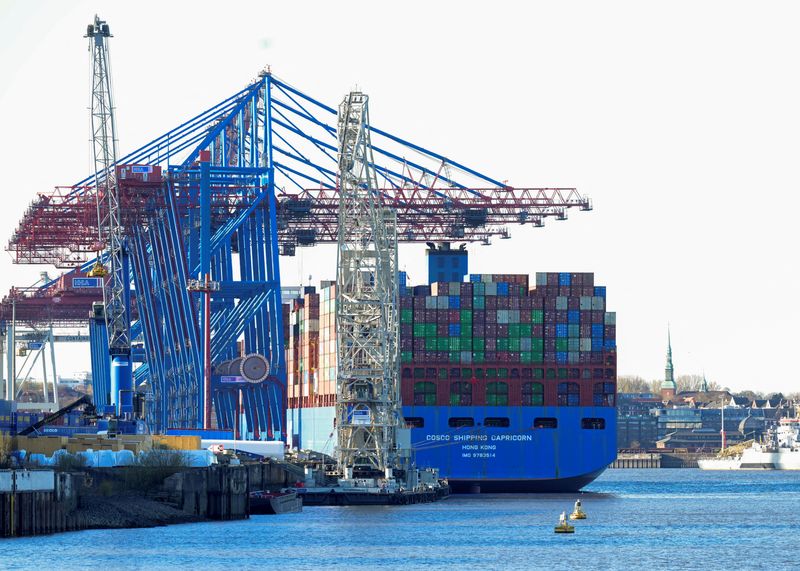
Escalation of Iran War Heightens Global Market Concerns
Written by Emily J. Thompson, Senior Investment Analyst
Updated: 1 day ago
0mins
Source: CNBC
- Market Downturn Expected: European stocks are anticipated to follow Asian markets sharply lower due to escalating concerns over the Iran war, with the U.K.'s FTSE 100 index projected to open 1% lower, Germany's DAX down 1.5%, France's CAC 40 down 1.4%, and Italy's FTSE MIB down 1.5%, indicating heightened sensitivity to geopolitical risks.
- Strait Blockage Impact: The deepening blockade of the Strait of Hormuz raises concerns over a vital maritime passage, potentially leading to volatility in energy prices and affecting global supply chains and economic recovery.
- U.S. Presidential Threats: President Trump stated that he would
Trade with 70% Backtested Accuracy
Stop guessing "Should I Buy XOM?" and start using high-conviction signals backed by rigorous historical data.
Sign up today to access powerful investing tools and make smarter, data-driven decisions.
Analyst Views on XOM
Wall Street analysts forecast XOM stock price to fall
19 Analyst Rating
12 Buy
7 Hold
0 Sell
Moderate Buy
Current: 161.130

Low
114.00
Averages
132.17
High
158.00
Current: 161.130
Low
114.00
Averages
132.17
High
158.00
About XOM
Exxon Mobil Corporation is an energy provider and chemical manufacturer. The Company’s principal business involves exploration for, and production of, crude oil and natural gas; the manufacture, trade, transport and sale of crude oil, natural gas, petroleum products, petrochemicals and a wide variety of specialty products; and pursuit of lower-emission and other new business opportunities, including carbon capture and storage, hydrogen, lower-emission fuels, Proxxima systems, carbon materials, and lithium. Its Upstream segment explores for and produces crude oil and natural gas. The Energy Products, Chemical Products, and Specialty Products segments manufacture and sell petroleum products and petrochemicals. Energy Products segment includes fuels, aromatics, and catalysts and licensing. Chemical Products segment consists of olefins, polyolefins, and intermediates. Specialty Products segment includes finished lubricants, basestocks and waxes, synthetics, and elastomers and resins.
About the author

Emily J. Thompson
Emily J. Thompson, a Chartered Financial Analyst (CFA) with 12 years in investment research, graduated with honors from the Wharton School. Specializing in industrial and technology stocks, she provides in-depth analysis for Intellectia’s earnings and market brief reports.

SBM Offshore Secures ExxonMobil Contracts for FPSO Project

- Contract Signing: SBM Offshore has signed front-end engineering and design (FEED) contracts with ExxonMobil Guyana to initiate the design work for a floating production, storage, and offloading (FPSO) vessel for the Longtail development project in Guyana, marking a significant step towards project implementation.
- Funding Release: The award of the FEED contracts triggers the initial release of funds by ExxonMobil Guyana Limited, ensuring the smooth commencement of FEED activities and allocating a Fast4Ward hull for the Longtail project, thereby enhancing financial security for the project.
- Construction Plan: SBM Offshore will be responsible for the construction and installation of the FPSO, subject to government approvals and final investment decisions, with ownership expected to be transferred to the client before the end of the construction period, ensuring a smooth transition to operations.
- Financing Structure: The construction costs are expected to be partially funded by senior loans, which will be repaid at the time of the FPSO's transfer to the client, a financing arrangement that will help mitigate project risks and ensure liquidity.
See More
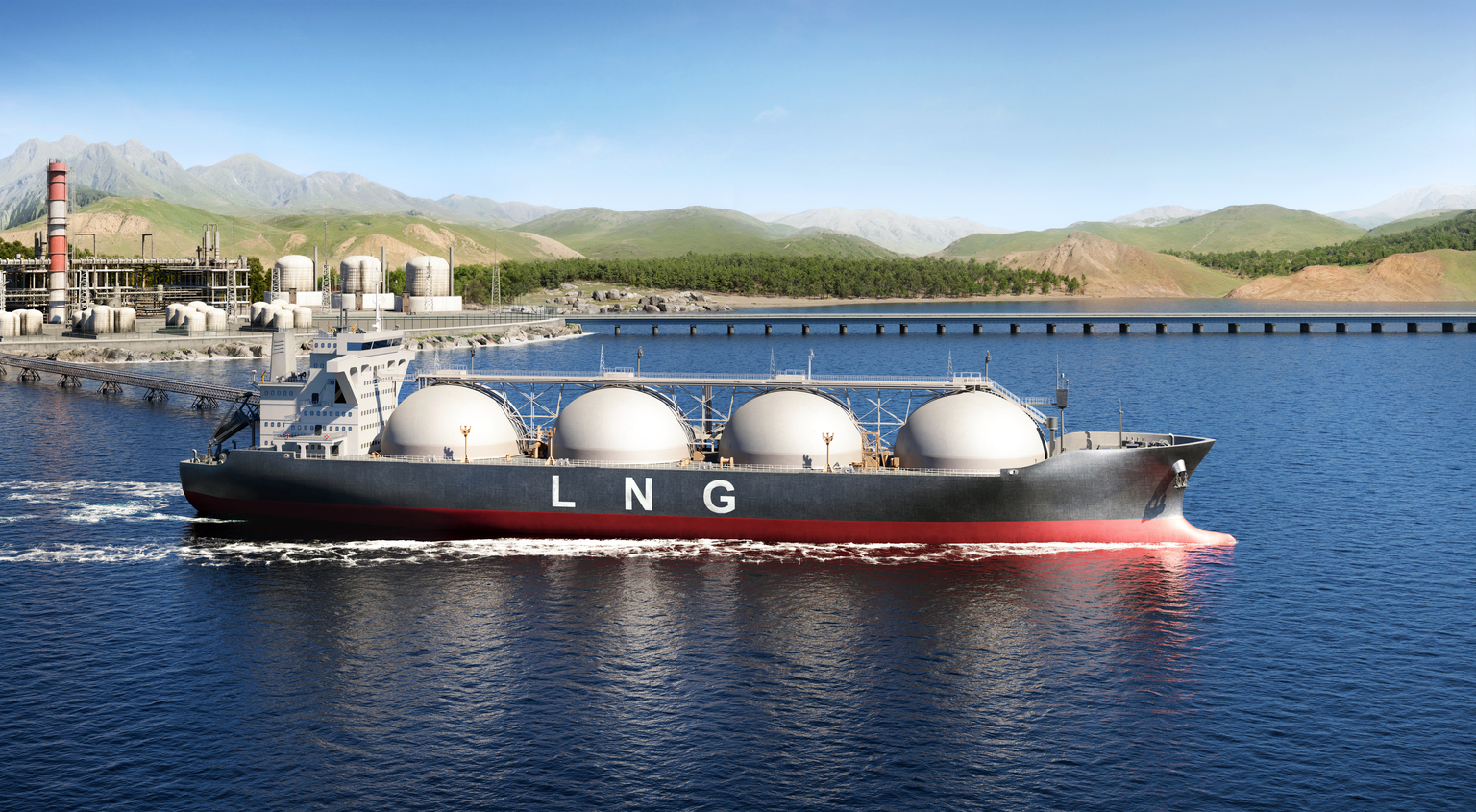
Canada Aims to Boost Natural Gas Exports to Support U.S. Data Centers
- Natural Gas Flow Enhancement: Canadian Energy Minister Tim Hodgson announced plans to increase natural gas flows to the U.S. to meet the power needs of American data centers and boost LNG exports from the Gulf Coast, highlighting the importance of U.S.-Canada energy cooperation.
- High-Level Dialogue Outcomes: At the CERAWeek energy conference, Hodgson had a “wonderful conversation” with U.S. Energy Secretary Chris Wright and Interior Secretary Doug Burgum about how to support the U.S. AI strategy through increased gas supply, emphasizing energy's critical role in technological advancement.
- Oil Sands Production Adjustment: To maintain current output levels, the Canadian government has requested oil sands producers to delay Q2 maintenance, ensuring continued oil supply to the U.S. and its allies, reflecting a focus on energy supply stability.
- Positive Market Reaction: As supplies tighten, gas-related stocks have risen, indicating a positive market response to Canada's gas export plans, while QatarEnergy declared force majeure on LNG contracts, further intensifying market concerns over supply.
See More

Rising Oil Prices Impacting U.S. Economy

- Surging Oil Prices: The average gas price in the U.S. has surged over 30% in the past month, rising from $2.93 to $3.88 per gallon, which is likely to increase consumer pain at the pump and could lead to reduced spending in other areas of the economy.
- Dependence on Oil Imports: Despite being a net petroleum exporter, the U.S. remains reliant on imports of heavy sour crude oil from regions like the Middle East and Venezuela, which limits domestic refinery production capacity and creates a mismatch in the market for light sweet crude oil.
- Refinery Capacity Issues: U.S. refineries are primarily designed to process heavy sour crude, while the booming shale oil production is yielding light sweet crude, leading to a significant gap in refinery capacity that cannot be quickly addressed to lower gas prices in the short term.
- Lack of Policy Intervention: There is a notable absence of effective government interventions to control oil prices, and with gasoline demand not expected to rise significantly in the coming years, the U.S. remains vulnerable in the global oil market.
See More

Stock Market Sentiment Wavers as Investors Remain Cautious


- Market Sentiment Fluctuates: After a strong rally on Monday, Wall Street experienced a pullback on Tuesday morning, although the market rebounded by lunchtime, overall trading volumes remained below average, indicating a cautious investor sentiment.
- Iran Situation Impact: President Trump's statement about “very good and productive” discussions with Iran initially boosted the market, but Iranian media's denial of direct negotiations quickly shifted sentiment, causing oil prices to fluctuate.
- Sector Performance Divergence: Energy stocks rose about 2% due to the rebound in oil prices, while communication services and technology sectors fell by 1%-2%, reflecting investor concerns about the economic outlook and a preference for defensive investments.
- Individual Stock Movements Muted: The performance of the six major Dow components was evenly split with three up and three down, and no standout performers, indicating a lack of strong single-company news driving the overall market.
See More

Oil Price Volatility: ExxonMobil and Chevron Stand Out

- ExxonMobil's Strong Profitability: ExxonMobil generated $28.8 billion in earnings and $52 billion in cash flow last year, both ranking first among international oil companies, showcasing its robust resilience amid oil price volatility.
- Strategic Investments and Cost Savings: By investing in low-cost, high-margin resources and achieving $15.1 billion in structural cost savings since 2019, ExxonMobil expects to grow its annual earnings capacity by $25 billion by 2030, further solidifying its market position.
- Chevron's Resilient Performance: Although smaller than ExxonMobil, Chevron's breakeven level below $50 per barrel and strong balance sheet allowed it to achieve a 35% increase in free cash flow last year, demonstrating its ability to withstand price declines.
- Ongoing Shareholder Returns: Chevron returned a record $27 billion to shareholders through dividends and share repurchases last year, and it is expected to continue increasing dividends and buybacks in the coming years, enhancing investor confidence.
See More
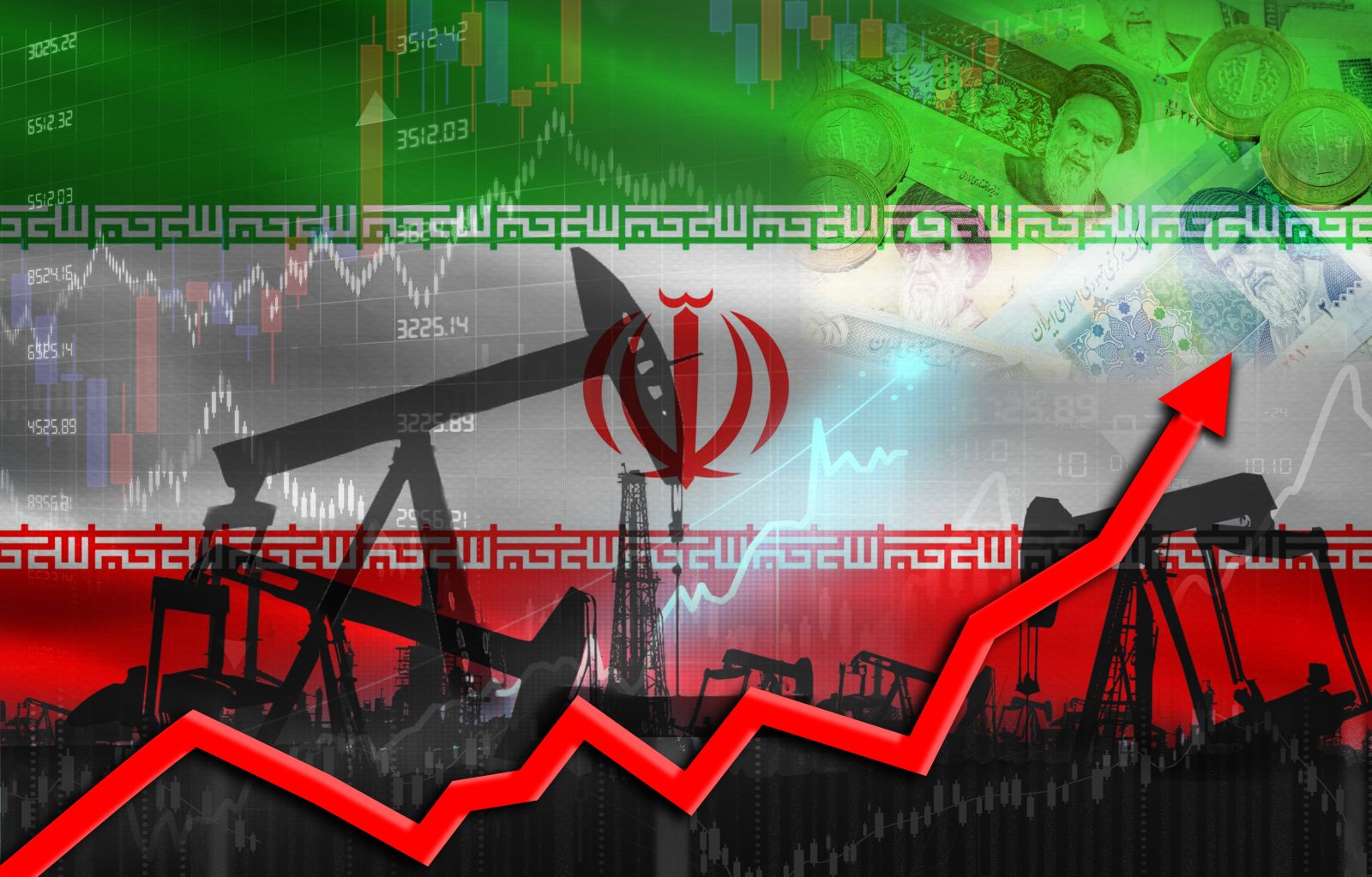
US Stocks Decline Amid Ongoing Iran Conflict


- Market Movement: The S&P 500 Index is down 0.16%, while the Dow Jones Industrial Average is up 0.13%, and the Nasdaq 100 Index has decreased by 0.50%, reflecting investor concerns over the ongoing Iran conflict, which is dampening market sentiment.
- Rising Energy Prices: WTI crude oil prices have surged over 4% due to Iran's missile strikes on Israel and US bases, which not only limits stock market declines but also raises inflation expectations, potentially influencing future monetary policy decisions.
- Economic Data Performance: The US Q4 nonfarm productivity remained unchanged at 1.8%, while unit labor costs were revised up to 4.4% from 2.8%, exceeding market expectations, indicating economic resilience that may support the stock market.
- International Tensions Impact: Saudi Arabia and the UAE have taken steps toward joining the Iran war, potentially escalating the conflict, which increases market concerns about future geopolitical risks and drives investors towards safer assets.
See More
SBM Offshore Secures ExxonMobil Contracts for FPSO Project
- Contract Signing: SBM Offshore has signed front-end engineering and design (FEED) contracts with ExxonMobil Guyana to initiate the design work for a floating production, storage, and offloading (FPSO) vessel for the Longtail development project in Guyana, marking a significant step towards project implementation.
- Funding Release: The award of the FEED contracts triggers the initial release of funds by ExxonMobil Guyana Limited, ensuring the smooth commencement of FEED activities and allocating a Fast4Ward hull for the Longtail project, thereby enhancing financial security for the project.
- Construction Plan: SBM Offshore will be responsible for the construction and installation of the FPSO, subject to government approvals and final investment decisions, with ownership expected to be transferred to the client before the end of the construction period, ensuring a smooth transition to operations.
- Financing Structure: The construction costs are expected to be partially funded by senior loans, which will be repaid at the time of the FPSO's transfer to the client, a financing arrangement that will help mitigate project risks and ensure liquidity.
See More
Canada Aims to Boost Natural Gas Exports to Support U.S. Data Centers
- Natural Gas Flow Enhancement: Canadian Energy Minister Tim Hodgson announced plans to increase natural gas flows to the U.S. to meet the power needs of American data centers and boost LNG exports from the Gulf Coast, highlighting the importance of U.S.-Canada energy cooperation.
- High-Level Dialogue Outcomes: At the CERAWeek energy conference, Hodgson had a “wonderful conversation” with U.S. Energy Secretary Chris Wright and Interior Secretary Doug Burgum about how to support the U.S. AI strategy through increased gas supply, emphasizing energy's critical role in technological advancement.
- Oil Sands Production Adjustment: To maintain current output levels, the Canadian government has requested oil sands producers to delay Q2 maintenance, ensuring continued oil supply to the U.S. and its allies, reflecting a focus on energy supply stability.
- Positive Market Reaction: As supplies tighten, gas-related stocks have risen, indicating a positive market response to Canada's gas export plans, while QatarEnergy declared force majeure on LNG contracts, further intensifying market concerns over supply.
See More
Rising Oil Prices Impacting U.S. Economy
- Surging Oil Prices: The average gas price in the U.S. has surged over 30% in the past month, rising from $2.93 to $3.88 per gallon, which is likely to increase consumer pain at the pump and could lead to reduced spending in other areas of the economy.
- Dependence on Oil Imports: Despite being a net petroleum exporter, the U.S. remains reliant on imports of heavy sour crude oil from regions like the Middle East and Venezuela, which limits domestic refinery production capacity and creates a mismatch in the market for light sweet crude oil.
- Refinery Capacity Issues: U.S. refineries are primarily designed to process heavy sour crude, while the booming shale oil production is yielding light sweet crude, leading to a significant gap in refinery capacity that cannot be quickly addressed to lower gas prices in the short term.
- Lack of Policy Intervention: There is a notable absence of effective government interventions to control oil prices, and with gasoline demand not expected to rise significantly in the coming years, the U.S. remains vulnerable in the global oil market.
See More
Stock Market Sentiment Wavers as Investors Remain Cautious
- Market Sentiment Fluctuates: After a strong rally on Monday, Wall Street experienced a pullback on Tuesday morning, although the market rebounded by lunchtime, overall trading volumes remained below average, indicating a cautious investor sentiment.
- Iran Situation Impact: President Trump's statement about “very good and productive” discussions with Iran initially boosted the market, but Iranian media's denial of direct negotiations quickly shifted sentiment, causing oil prices to fluctuate.
- Sector Performance Divergence: Energy stocks rose about 2% due to the rebound in oil prices, while communication services and technology sectors fell by 1%-2%, reflecting investor concerns about the economic outlook and a preference for defensive investments.
- Individual Stock Movements Muted: The performance of the six major Dow components was evenly split with three up and three down, and no standout performers, indicating a lack of strong single-company news driving the overall market.
See More
Oil Price Volatility: ExxonMobil and Chevron Stand Out
- ExxonMobil's Strong Profitability: ExxonMobil generated $28.8 billion in earnings and $52 billion in cash flow last year, both ranking first among international oil companies, showcasing its robust resilience amid oil price volatility.
- Strategic Investments and Cost Savings: By investing in low-cost, high-margin resources and achieving $15.1 billion in structural cost savings since 2019, ExxonMobil expects to grow its annual earnings capacity by $25 billion by 2030, further solidifying its market position.
- Chevron's Resilient Performance: Although smaller than ExxonMobil, Chevron's breakeven level below $50 per barrel and strong balance sheet allowed it to achieve a 35% increase in free cash flow last year, demonstrating its ability to withstand price declines.
- Ongoing Shareholder Returns: Chevron returned a record $27 billion to shareholders through dividends and share repurchases last year, and it is expected to continue increasing dividends and buybacks in the coming years, enhancing investor confidence.
See More
US Stocks Decline Amid Ongoing Iran Conflict
- Market Movement: The S&P 500 Index is down 0.16%, while the Dow Jones Industrial Average is up 0.13%, and the Nasdaq 100 Index has decreased by 0.50%, reflecting investor concerns over the ongoing Iran conflict, which is dampening market sentiment.
- Rising Energy Prices: WTI crude oil prices have surged over 4% due to Iran's missile strikes on Israel and US bases, which not only limits stock market declines but also raises inflation expectations, potentially influencing future monetary policy decisions.
- Economic Data Performance: The US Q4 nonfarm productivity remained unchanged at 1.8%, while unit labor costs were revised up to 4.4% from 2.8%, exceeding market expectations, indicating economic resilience that may support the stock market.
- International Tensions Impact: Saudi Arabia and the UAE have taken steps toward joining the Iran war, potentially escalating the conflict, which increases market concerns about future geopolitical risks and drives investors towards safer assets.
See More