Costco Wholesale Shares Up 540% Over Decade, Positive Outlook for 2026
- Impressive Long-Term Returns: Costco's stock has surged 540% over the past decade, reflecting the strong appeal of its membership-based shopping model, which attracts loyal consumers who may spend more overall.
- Economic Environment Challenges: While the U.S. economy appears robust entering 2026 with inflation at 2.7%, middle-class families face budget constraints, as consumer spending is primarily driven by higher-income shoppers, highlighting economic complexities.
- Membership Model Advantage: With an annual membership fee of $65 and historical retention rates exceeding 90%, Costco generates stable, high-margin revenue, while its scale reduces reliance on grocery store margins.
- Global Expansion Potential: Costco aims to have half of its store count outside North America in the coming years, with 85% of its 923 stores currently located in the U.S., Canada, and Mexico, indicating ambitious global growth plans.
Trade with 70% Backtested Accuracy
Analyst Views on COST

About COST
About the author

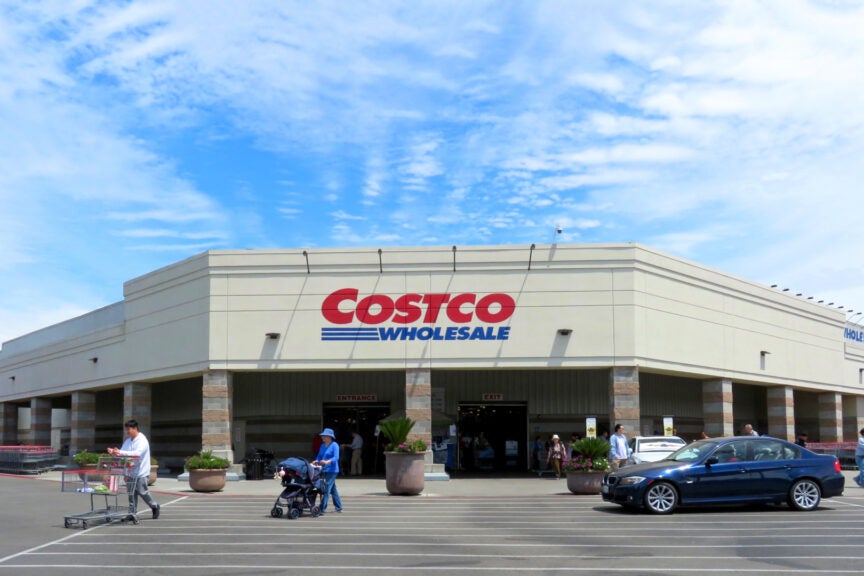
Costco Reports 11.3% Sales Growth for March

- Sales Growth: Costco reported net sales of $28.41 billion for March, reflecting an 11.3% year-over-year increase, which underscores the company's robust performance in the retail sector and boosts investor confidence amid economic recovery.
- Comparable Sales Increase: Comparable sales rose by 9.4% in March, with the U.S. market up 8.7%, Canada up 10.7%, and other international markets up 11.9%, indicating sustained strong demand across various regions, further solidifying its market position.
- E-commerce Surge: E-commerce comparable sales soared by 23.3% in March, highlighting a growing consumer preference for online shopping, which not only drives overall sales growth but also lays a solid foundation for future e-commerce strategies.
- Warehouse Network Expansion: Costco currently operates 928 warehouses globally, including 637 in the U.S. and Puerto Rico, demonstrating its extensive footprint in the global market, which enhances supply chain efficiency and market coverage.

Moderna and Target Stocks Show Recovery


- Moderna Stock Surge: Since the beginning of the year, Moderna's stock has surged nearly 70%, driven by the launch of new vaccine products and a focus on seasonal vaccines, with expectations of up to 10% revenue growth this year, indicating a recovery that is attracting investor interest.
- Vaccine Revenue Support: After generating over $18 billion in vaccine revenue in 2022, Moderna is reshaping its revenue structure by introducing new COVID-19 and RSV vaccines, with seasonal vaccines expected to drive the development of other programs.
- Target's Strategic Transformation: Target's stock has risen over 20% since the start of the year, thanks to a $200 million investment plan by new CEO Michael Fiddelke aimed at improving product displays, refreshing the product assortment, and enhancing employee training to boost customer experience and sales growth.
- Competitive Advantage Enhancement: Despite pressure from competitors like Walmart, Target's lower forward P/E ratio of 14x compared to peers indicates greater growth potential, suggesting that its recovery story in the retail market is ongoing and attracting investor attention.

Investors Shift Focus to Healthcare and Retail Stocks
- Market Shift: In an uncertain market, investors are turning to healthcare and retail stocks, perceived as 'safer' investments due to their potential for revenue stability, reflecting concerns over slowing economic growth.
- Moderna's Recovery: Moderna generated over $18 billion from its COVID-19 vaccine during the pandemic's early days, but its stock plummeted 90% as demand waned; however, investors are now returning, anticipating up to 10% revenue growth in 2023 as it focuses on seasonal vaccines, oncology, and rare diseases.
- Target's Transformation: Target benefited from digital initiatives during the pandemic but faced challenges afterward; new CEO Michael Fiddelke has launched a multi-year $2 billion investment plan to enhance product displays and employee training, resulting in a stock price increase of over 20% since the start of the year.
- Investment Opportunities: With increasing market interest in healthcare and retail stocks, the recovery narratives of Moderna and Target are attracting investors, particularly as Target's price-to-earnings ratio stands at just 14 times, significantly lower than its competitors, indicating substantial growth potential ahead.

GLP-1 Drugs Drive Growth in U.S. Apparel Spending


- Surge in Apparel Demand: Approximately 80% of GLP-1 users anticipate needing new clothing due to size changes, with a Circana survey revealing that 55% of active users have already purchased new items, indicating a fresh wave of consumer spending in the apparel market.
- Significant Market Potential: Bernstein estimates that GLP-1 users could purchase between 150 million and 700 million apparel items due to weight loss, translating to an additional $13 billion in annual spending in the U.S. apparel sector, highlighting robust market demand.
- Brands Adapting to Change: Retailers like Stitch Fix have launched targeted marketing campaigns for weight loss users, with client mentions of weight loss requests tripling over the past two years, demonstrating brands' proactive adaptation to this emerging trend.
- Shift in Consumer Behavior: An increasing number of consumers are opting for more affordable clothing during their weight loss journey, with Destination XL's CEO noting that about 25% of their customers are using GLP-1 drugs, leading to a preference for cost-effective options.

Costco Reports March Net Sales Increase
- Sales Growth: Costco reported net sales of $28.41 billion for the five-week period ending April 5, which is an increase from $25.51 billion in the same period last year, indicating strong market performance.
- Annual Sales Trend: For the first 31 weeks, net sales reached $173.26 billion, up from $158.87 billion last year, demonstrating the company's ability to attract consumers and expand market share.
- Market Performance Analysis: This sales increase reflects ongoing consumer demand for Costco's offerings, particularly amid rising economic uncertainties, showcasing its strong brand loyalty and competitive edge.
- Future Outlook: With steady sales growth, Costco is poised to continue its upward trajectory, further solidifying its leadership position in the retail sector.

Costco Reports 11% Increase in March Sales Despite Reduced Shopping Days

Sales Growth: For the first 31 weeks of the fiscal year, net sales reached $173.26 billion, marking a 9.1% increase from the previous year's $158.87 billion.
March Sales Performance: Comparable sales for the five-week retail March period rose by 9.4%, while the 31-week period saw a 7.2% increase, despite having one fewer shopping day due to the Easter holiday shift.
Wholesale and E-commerce Trends: Costco reported an 11% growth in net sales for March, totaling $28.41 billion, with e-commerce sales increasing by 22.5%, excluding certain factors.
Stock Market Sentiment: Retail sentiment around Costco's stock shifted positively, with 23 out of 37 analysts rating it as a 'Buy' or higher, reflecting a nearly 13% gain over the past 12 months.
Costco Reports 11.3% Sales Growth for March
- Sales Growth: Costco reported net sales of $28.41 billion for March, reflecting an 11.3% year-over-year increase, which underscores the company's robust performance in the retail sector and boosts investor confidence amid economic recovery.
- Comparable Sales Increase: Comparable sales rose by 9.4% in March, with the U.S. market up 8.7%, Canada up 10.7%, and other international markets up 11.9%, indicating sustained strong demand across various regions, further solidifying its market position.
- E-commerce Surge: E-commerce comparable sales soared by 23.3% in March, highlighting a growing consumer preference for online shopping, which not only drives overall sales growth but also lays a solid foundation for future e-commerce strategies.
- Warehouse Network Expansion: Costco currently operates 928 warehouses globally, including 637 in the U.S. and Puerto Rico, demonstrating its extensive footprint in the global market, which enhances supply chain efficiency and market coverage.
Moderna and Target Stocks Show Recovery
- Moderna Stock Surge: Since the beginning of the year, Moderna's stock has surged nearly 70%, driven by the launch of new vaccine products and a focus on seasonal vaccines, with expectations of up to 10% revenue growth this year, indicating a recovery that is attracting investor interest.
- Vaccine Revenue Support: After generating over $18 billion in vaccine revenue in 2022, Moderna is reshaping its revenue structure by introducing new COVID-19 and RSV vaccines, with seasonal vaccines expected to drive the development of other programs.
- Target's Strategic Transformation: Target's stock has risen over 20% since the start of the year, thanks to a $200 million investment plan by new CEO Michael Fiddelke aimed at improving product displays, refreshing the product assortment, and enhancing employee training to boost customer experience and sales growth.
- Competitive Advantage Enhancement: Despite pressure from competitors like Walmart, Target's lower forward P/E ratio of 14x compared to peers indicates greater growth potential, suggesting that its recovery story in the retail market is ongoing and attracting investor attention.
Investors Shift Focus to Healthcare and Retail Stocks
- Market Shift: In an uncertain market, investors are turning to healthcare and retail stocks, perceived as 'safer' investments due to their potential for revenue stability, reflecting concerns over slowing economic growth.
- Moderna's Recovery: Moderna generated over $18 billion from its COVID-19 vaccine during the pandemic's early days, but its stock plummeted 90% as demand waned; however, investors are now returning, anticipating up to 10% revenue growth in 2023 as it focuses on seasonal vaccines, oncology, and rare diseases.
- Target's Transformation: Target benefited from digital initiatives during the pandemic but faced challenges afterward; new CEO Michael Fiddelke has launched a multi-year $2 billion investment plan to enhance product displays and employee training, resulting in a stock price increase of over 20% since the start of the year.
- Investment Opportunities: With increasing market interest in healthcare and retail stocks, the recovery narratives of Moderna and Target are attracting investors, particularly as Target's price-to-earnings ratio stands at just 14 times, significantly lower than its competitors, indicating substantial growth potential ahead.
GLP-1 Drugs Drive Growth in U.S. Apparel Spending
- Surge in Apparel Demand: Approximately 80% of GLP-1 users anticipate needing new clothing due to size changes, with a Circana survey revealing that 55% of active users have already purchased new items, indicating a fresh wave of consumer spending in the apparel market.
- Significant Market Potential: Bernstein estimates that GLP-1 users could purchase between 150 million and 700 million apparel items due to weight loss, translating to an additional $13 billion in annual spending in the U.S. apparel sector, highlighting robust market demand.
- Brands Adapting to Change: Retailers like Stitch Fix have launched targeted marketing campaigns for weight loss users, with client mentions of weight loss requests tripling over the past two years, demonstrating brands' proactive adaptation to this emerging trend.
- Shift in Consumer Behavior: An increasing number of consumers are opting for more affordable clothing during their weight loss journey, with Destination XL's CEO noting that about 25% of their customers are using GLP-1 drugs, leading to a preference for cost-effective options.
Costco Reports March Net Sales Increase
- Sales Growth: Costco reported net sales of $28.41 billion for the five-week period ending April 5, which is an increase from $25.51 billion in the same period last year, indicating strong market performance.
- Annual Sales Trend: For the first 31 weeks, net sales reached $173.26 billion, up from $158.87 billion last year, demonstrating the company's ability to attract consumers and expand market share.
- Market Performance Analysis: This sales increase reflects ongoing consumer demand for Costco's offerings, particularly amid rising economic uncertainties, showcasing its strong brand loyalty and competitive edge.
- Future Outlook: With steady sales growth, Costco is poised to continue its upward trajectory, further solidifying its leadership position in the retail sector.
Costco Reports 11% Increase in March Sales Despite Reduced Shopping Days
Sales Growth: For the first 31 weeks of the fiscal year, net sales reached $173.26 billion, marking a 9.1% increase from the previous year's $158.87 billion.
March Sales Performance: Comparable sales for the five-week retail March period rose by 9.4%, while the 31-week period saw a 7.2% increase, despite having one fewer shopping day due to the Easter holiday shift.
Wholesale and E-commerce Trends: Costco reported an 11% growth in net sales for March, totaling $28.41 billion, with e-commerce sales increasing by 22.5%, excluding certain factors.
Stock Market Sentiment: Retail sentiment around Costco's stock shifted positively, with 23 out of 37 analysts rating it as a 'Buy' or higher, reflecting a nearly 13% gain over the past 12 months.