Coca-Cola's Investment Strengths and Steady Returns
Written by Emily J. Thompson, Senior Investment Analyst
Updated: 2 days ago
0mins

Should l Buy KO?
Source: NASDAQ.COM
- Brand Strength: Coca-Cola sells beverages in 200 countries, leveraging its strong brand and distribution network to create a significant competitive advantage, which positions it for sustained growth in long-term investments.
- Steady Earnings Growth: While Coca-Cola's earnings growth may not surge like tech companies, its stable business model and increasing market share ensure long-term profitability, making it suitable for conservative investors.
- Dividend King Status: Coca-Cola has increased its dividend for over 50 consecutive years, with annual free cash flow exceeding $5 billion, demonstrating its commitment to shareholder returns and enhancing its investment appeal.
- Historical Investment Returns: An investment of $10,000 in Coca-Cola in 1990 would be worth over $358,000 today, illustrating its potential for long-term investment growth, although it may not provide enough for complete retirement considering living costs.
Trade with 70% Backtested Accuracy
Stop guessing "Should I Buy KO?" and start using high-conviction signals backed by rigorous historical data.
Sign up today to access powerful investing tools and make smarter, data-driven decisions.
Analyst Views on KO
Wall Street analysts forecast KO stock price to rise
14 Analyst Rating
13 Buy
1 Hold
0 Sell
Strong Buy
Current: 74.690

Low
71.00
Averages
79.33
High
85.00
Current: 74.690
Low
71.00
Averages
79.33
High
85.00
About KO
The Coca-Cola Company is a beverage company. The Company's segments include Europe, Middle East and Africa (EMEA); Latin America; North America; Asia Pacific, and Bottling Investments. It sells multiple brands across several beverage categories worldwide. Its portfolio of sparkling soft drink brands includes Coca-Cola, Sprite and Fanta. Its water, sports, coffee and tea brands include Dasani, smartwater, vitaminwater, Topo Chico, BODYARMOR, Powerade, Costa, Georgia, Fuze Tea, Gold Peak and Ayataka. Its juice, value-added dairy and plant-based beverage brands include Minute Maid, Simply, innocent, Del Valle, fairlife and Santa Clara. It operates in two lines of business: concentrate operations and finished product operations. Its concentrate operations sell beverage concentrates, syrups, including fountain syrups, and certain finished beverages to authorized bottling operations. Its finished product operations sell sparkling soft drinks and a variety of other finished beverages.
About the author

Emily J. Thompson
Emily J. Thompson, a Chartered Financial Analyst (CFA) with 12 years in investment research, graduated with honors from the Wharton School. Specializing in industrial and technology stocks, she provides in-depth analysis for Intellectia’s earnings and market brief reports.

Investment Havens Amid Market Turmoil

- Valuation Risks: The S&P 500's Shiller CAPE ratio is nearing its highest level since the dot-com bubble burst, indicating that market valuations are high, which necessitates caution from investors regarding potential market corrections.
- Inflation-Protected ETF: The Vanguard Short-Term Inflation-Protected Securities ETF (VTIP) focuses on short-term U.S. Treasury bonds, delivering only a 3.15% return over the past decade, yet effectively safeguards investors' purchasing power during market downturns, with an annual expense ratio of just 0.03%.
- Consumer Staples ETF Performance: The Vanguard Consumer Staples ETF (VDC) holds 104 consumer staples stocks and has historically outperformed the overall market during downturns, finishing 2022 down only 4%, significantly better than the S&P 500's 19% and Nasdaq's 33% declines.
- Dividend Growth ETF: The Vanguard Dividend Appreciation ETF (VIG) tracks the S&P U.S. Dividend Growers Index with 338 stocks, although it carries sell-off risks during market volatility, it has historically outperformed the S&P 500 and has a low annual expense ratio of 0.04%.
See More
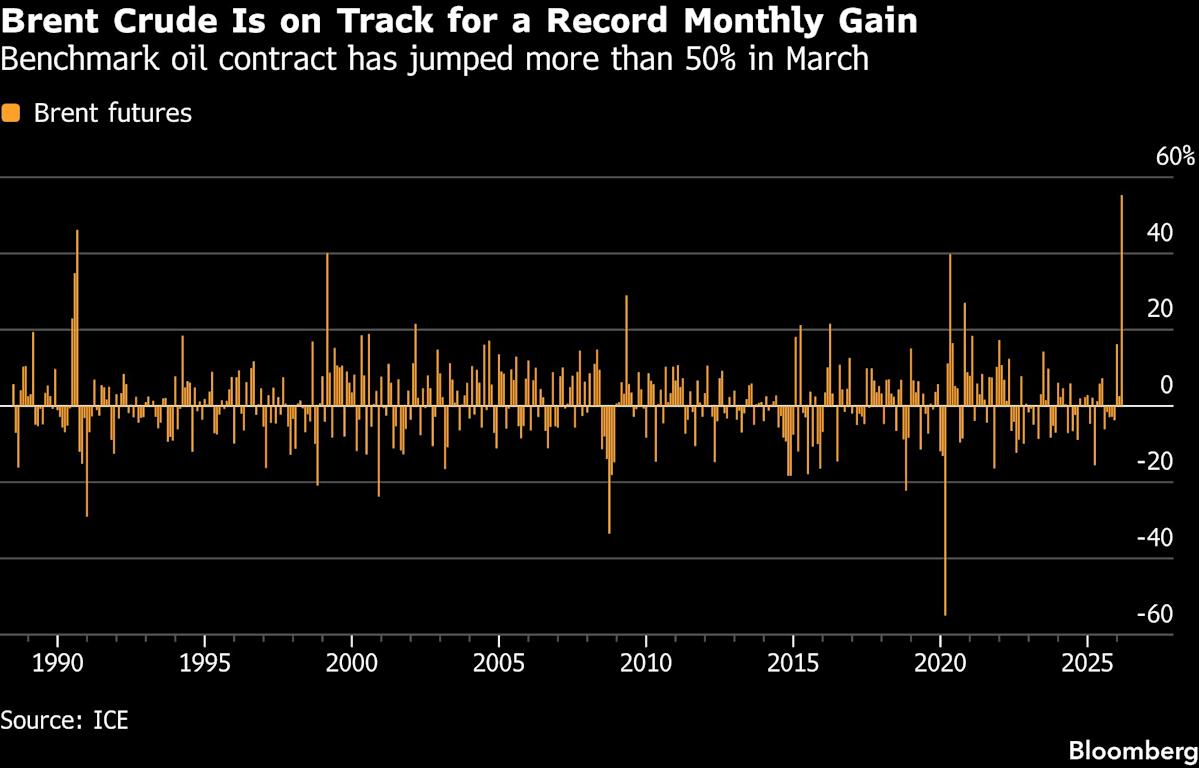
The Iran Conflict May Persist: Current Investment Opportunities for Success.


- Current Market Status: The Nasdaq is currently in a correction, having dropped over 10% from its recent highs.
- Bear Market Concerns: There are increasing fears that the Nasdaq may soon enter a bear market, defined as a decline of 20%.
- Wall Street Perspective: Despite the downturn, there is a common belief on Wall Street that opportunities for profit exist in other sectors.
- Market Sentiment: The overall sentiment reflects anxiety about the tech-heavy index's performance amidst potential further declines.
See More

General Mills Stock Plummets Amidst Future Outlook


- Stock Price Decline: General Mills' stock has plummeted 36.7% over the past year and 40% over the last decade, starkly contrasting with the S&P 500's 222% gain, indicating significant market challenges facing the company.
- Earnings Forecast Downgrade: The company anticipates a 16% to 20% decline in adjusted earnings per share for fiscal 2026, following a 7% drop in fiscal 2025, exacerbating investor concerns as inflationary pressures erode margins.
- Brand Adaptability: While brands like Totino's are struggling, General Mills is actively pivoting its product lines to include healthier options, launching Cheerios Protein and the Ghost brand to cater to consumer demand for nutritious foods.
- High Dividend Appeal: With a dividend yield now at 6.6%, General Mills stands out among peers, and its low valuation combined with improved financial health positions it as a compelling choice for high-yield investors.
See More

General Mills Adapts to Changing Consumer Preferences
- Stock Price Decline: General Mills' stock has plummeted 36.7% over the past year and 40% over the last decade, starkly contrasting with the S&P 500's 222% gain, indicating significant challenges to the company's market competitiveness.
- Increased Dividend Yield: The decline in stock price, coupled with modest dividend increases, has pushed General Mills' dividend yield up to 6.6%, significantly higher than Coca-Cola's 2.8% and PepsiCo's 3.8%, making it a focal point for high-yield investors.
- Earnings Forecast Downgrade: The company anticipates a 16% to 20% decline in adjusted earnings per share for fiscal 2026, following a 7% drop in fiscal 2025, reflecting ongoing profitability pressures exacerbated by inflationary impacts.
- Health Product Innovation: General Mills is actively expanding its health product lines, including the launch of Cheerios Protein and the Ghost brand, aimed at meeting consumer demand for high-protein and high-fiber foods, with Cheerios Protein projected to become a $100 million brand, showcasing the company's adaptability to health trends.
See More

Investor Anxiety Rises as Market Volatility Peaks

- Increased Market Volatility: The CBOE S&P 500 Volatility Index is nearing a multi-month peak, which historically signals potential market corrections, leading to heightened investor anxiety and possible short-term instability.
- Defensive Investment in Verizon: Verizon Communications offers a forward-looking dividend yield of 5.7%, providing stable cash income amid economic uncertainty, highlighting its investment value as consumer demand for mobile services remains strong.
- Coca-Cola's Stability: With a dividend yield of 2.8%, Coca-Cola, despite being lower than Verizon's, boasts a 64-year history of dividend increases and a diverse beverage portfolio, making it a reliable investment during economic downturns as consumers continue to purchase its products.
- Resilience of Waste Management: Waste Management is recognized as a defensive stock that historically performs well during market downturns; despite being a cliché choice, its consistent demand during economic hardships makes it a popular pick among investors.
See More
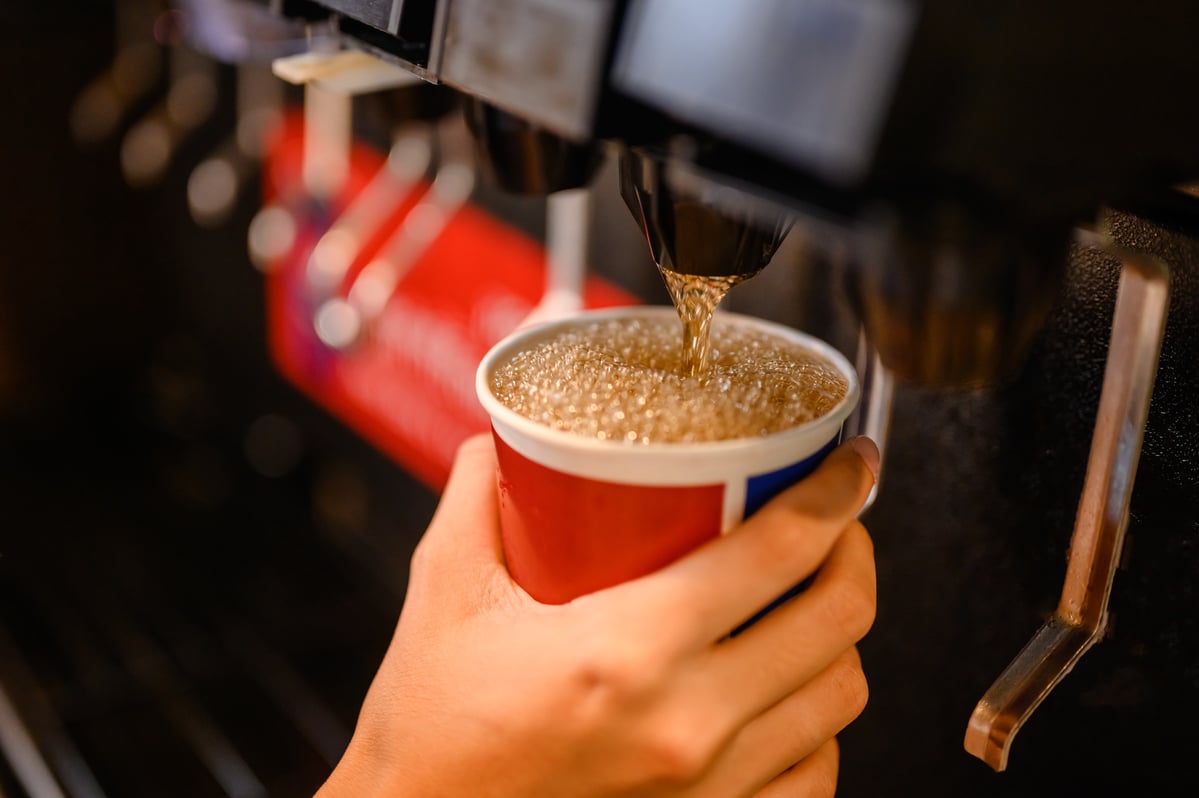
Analyzing the Investment Value of Coca-Cola

- Brand Strength: Coca-Cola sells beverages in 200 countries, and its strong brand and distribution network provide a significant competitive advantage, ensuring sustained market share growth and stability for long-term investors.
- Stable Dividend Growth: As a 'Dividend King', Coca-Cola has increased its dividend for over 50 consecutive years, supported by more than $5 billion in free cash flow, demonstrating a strong commitment to shareholder returns and boosting investor confidence.
- Long-Term Return Potential: An investment of $10,000 in Coca-Cola back in 1990 would be worth over $358,000 today, illustrating its appeal as a long-term investment, even though this amount may not guarantee a comfortable lifestyle due to living costs.
- Diversified Investment Strategy: While Coca-Cola may not deliver massive short-term gains, including it in a portfolio of quality stocks can help achieve long-term wealth growth and mitigate the risks associated with relying on a single investment.
See More
Investment Havens Amid Market Turmoil
- Valuation Risks: The S&P 500's Shiller CAPE ratio is nearing its highest level since the dot-com bubble burst, indicating that market valuations are high, which necessitates caution from investors regarding potential market corrections.
- Inflation-Protected ETF: The Vanguard Short-Term Inflation-Protected Securities ETF (VTIP) focuses on short-term U.S. Treasury bonds, delivering only a 3.15% return over the past decade, yet effectively safeguards investors' purchasing power during market downturns, with an annual expense ratio of just 0.03%.
- Consumer Staples ETF Performance: The Vanguard Consumer Staples ETF (VDC) holds 104 consumer staples stocks and has historically outperformed the overall market during downturns, finishing 2022 down only 4%, significantly better than the S&P 500's 19% and Nasdaq's 33% declines.
- Dividend Growth ETF: The Vanguard Dividend Appreciation ETF (VIG) tracks the S&P U.S. Dividend Growers Index with 338 stocks, although it carries sell-off risks during market volatility, it has historically outperformed the S&P 500 and has a low annual expense ratio of 0.04%.
See More
The Iran Conflict May Persist: Current Investment Opportunities for Success.
- Current Market Status: The Nasdaq is currently in a correction, having dropped over 10% from its recent highs.
- Bear Market Concerns: There are increasing fears that the Nasdaq may soon enter a bear market, defined as a decline of 20%.
- Wall Street Perspective: Despite the downturn, there is a common belief on Wall Street that opportunities for profit exist in other sectors.
- Market Sentiment: The overall sentiment reflects anxiety about the tech-heavy index's performance amidst potential further declines.
See More
General Mills Stock Plummets Amidst Future Outlook
- Stock Price Decline: General Mills' stock has plummeted 36.7% over the past year and 40% over the last decade, starkly contrasting with the S&P 500's 222% gain, indicating significant market challenges facing the company.
- Earnings Forecast Downgrade: The company anticipates a 16% to 20% decline in adjusted earnings per share for fiscal 2026, following a 7% drop in fiscal 2025, exacerbating investor concerns as inflationary pressures erode margins.
- Brand Adaptability: While brands like Totino's are struggling, General Mills is actively pivoting its product lines to include healthier options, launching Cheerios Protein and the Ghost brand to cater to consumer demand for nutritious foods.
- High Dividend Appeal: With a dividend yield now at 6.6%, General Mills stands out among peers, and its low valuation combined with improved financial health positions it as a compelling choice for high-yield investors.
See More
General Mills Adapts to Changing Consumer Preferences
- Stock Price Decline: General Mills' stock has plummeted 36.7% over the past year and 40% over the last decade, starkly contrasting with the S&P 500's 222% gain, indicating significant challenges to the company's market competitiveness.
- Increased Dividend Yield: The decline in stock price, coupled with modest dividend increases, has pushed General Mills' dividend yield up to 6.6%, significantly higher than Coca-Cola's 2.8% and PepsiCo's 3.8%, making it a focal point for high-yield investors.
- Earnings Forecast Downgrade: The company anticipates a 16% to 20% decline in adjusted earnings per share for fiscal 2026, following a 7% drop in fiscal 2025, reflecting ongoing profitability pressures exacerbated by inflationary impacts.
- Health Product Innovation: General Mills is actively expanding its health product lines, including the launch of Cheerios Protein and the Ghost brand, aimed at meeting consumer demand for high-protein and high-fiber foods, with Cheerios Protein projected to become a $100 million brand, showcasing the company's adaptability to health trends.
See More
Investor Anxiety Rises as Market Volatility Peaks
- Increased Market Volatility: The CBOE S&P 500 Volatility Index is nearing a multi-month peak, which historically signals potential market corrections, leading to heightened investor anxiety and possible short-term instability.
- Defensive Investment in Verizon: Verizon Communications offers a forward-looking dividend yield of 5.7%, providing stable cash income amid economic uncertainty, highlighting its investment value as consumer demand for mobile services remains strong.
- Coca-Cola's Stability: With a dividend yield of 2.8%, Coca-Cola, despite being lower than Verizon's, boasts a 64-year history of dividend increases and a diverse beverage portfolio, making it a reliable investment during economic downturns as consumers continue to purchase its products.
- Resilience of Waste Management: Waste Management is recognized as a defensive stock that historically performs well during market downturns; despite being a cliché choice, its consistent demand during economic hardships makes it a popular pick among investors.
See More
Analyzing the Investment Value of Coca-Cola
- Brand Strength: Coca-Cola sells beverages in 200 countries, and its strong brand and distribution network provide a significant competitive advantage, ensuring sustained market share growth and stability for long-term investors.
- Stable Dividend Growth: As a 'Dividend King', Coca-Cola has increased its dividend for over 50 consecutive years, supported by more than $5 billion in free cash flow, demonstrating a strong commitment to shareholder returns and boosting investor confidence.
- Long-Term Return Potential: An investment of $10,000 in Coca-Cola back in 1990 would be worth over $358,000 today, illustrating its appeal as a long-term investment, even though this amount may not guarantee a comfortable lifestyle due to living costs.
- Diversified Investment Strategy: While Coca-Cola may not deliver massive short-term gains, including it in a portfolio of quality stocks can help achieve long-term wealth growth and mitigate the risks associated with relying on a single investment.
See More