Chevron Moves Forward With Megadeal for Hess After Winning Exxon Arbitration
Written by Emily J. Thompson, Senior Investment Analyst
Updated: Jul 18 2025
0mins

Should l Buy XOM?
Source: WSJ
Arbitration Ruling: An arbitration panel has allowed Chevron to proceed with its $53 billion acquisition of Hess, dismissing Exxon's claim to bid for Hess's assets in Guyana.
Chevron's Plans: Following the ruling from the International Chamber of Commerce, Chevron intends to quickly finalize the deal initially agreed upon in October 2023.
Trade with 70% Backtested Accuracy
Stop guessing "Should I Buy XOM?" and start using high-conviction signals backed by rigorous historical data.
Sign up today to access powerful investing tools and make smarter, data-driven decisions.
Analyst Views on XOM
Wall Street analysts forecast XOM stock price to fall
19 Analyst Rating
12 Buy
7 Hold
0 Sell
Moderate Buy
Current: 170.990

Low
114.00
Averages
132.17
High
158.00
Current: 170.990
Low
114.00
Averages
132.17
High
158.00
About XOM
Exxon Mobil Corporation is an energy provider and chemical manufacturer. The Company’s principal business involves exploration for, and production of, crude oil and natural gas; the manufacture, trade, transport and sale of crude oil, natural gas, petroleum products, petrochemicals and a wide variety of specialty products; and pursuit of lower-emission and other new business opportunities, including carbon capture and storage, hydrogen, lower-emission fuels, Proxxima systems, carbon materials, and lithium. Its Upstream segment explores for and produces crude oil and natural gas. The Energy Products, Chemical Products, and Specialty Products segments manufacture and sell petroleum products and petrochemicals. Energy Products segment includes fuels, aromatics, and catalysts and licensing. Chemical Products segment consists of olefins, polyolefins, and intermediates. Specialty Products segment includes finished lubricants, basestocks and waxes, synthetics, and elastomers and resins.
About the author

Emily J. Thompson
Emily J. Thompson, a Chartered Financial Analyst (CFA) with 12 years in investment research, graduated with honors from the Wharton School. Specializing in industrial and technology stocks, she provides in-depth analysis for Intellectia’s earnings and market brief reports.
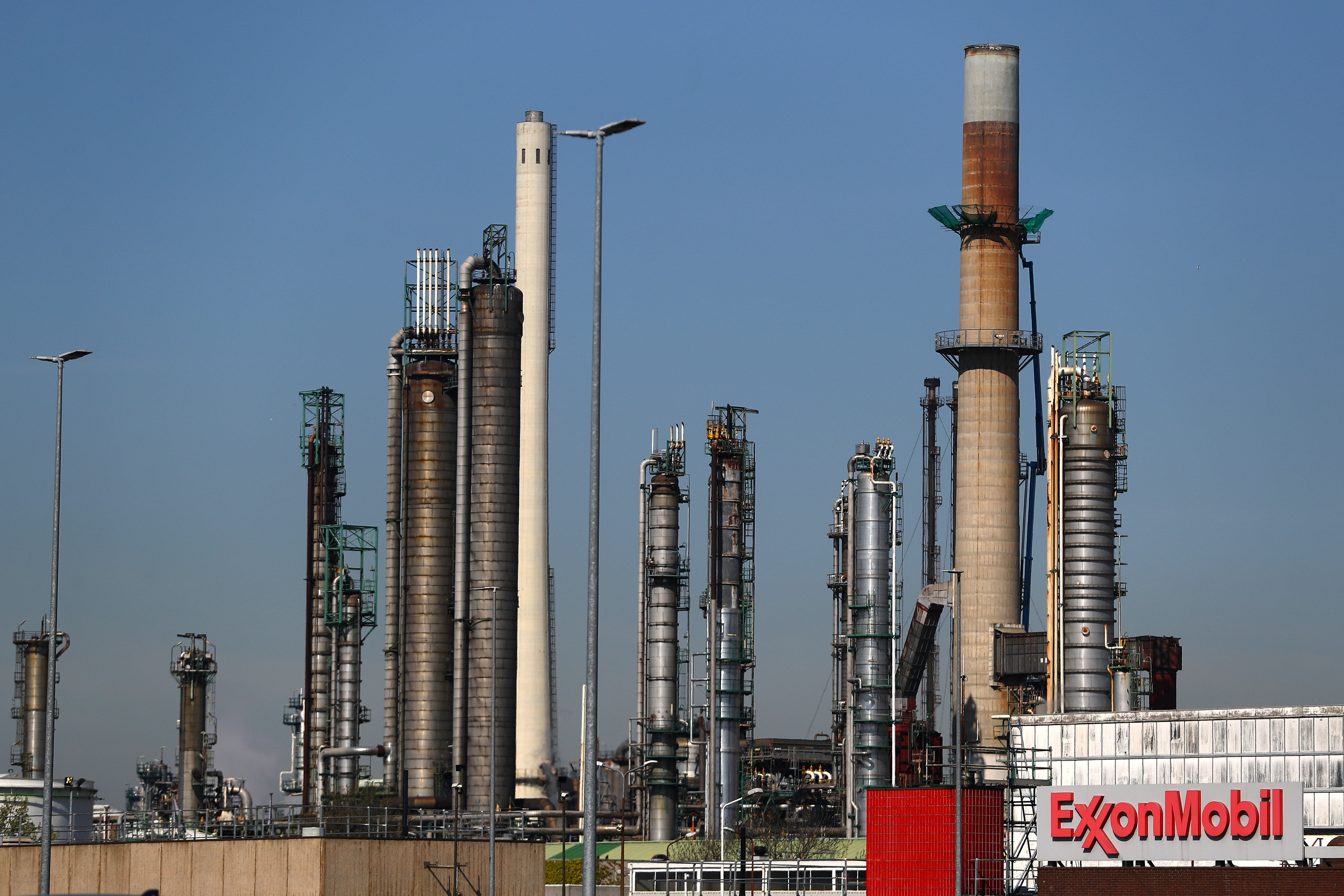
Golden Pass LNG Project Begins Production
- LNG Production Commencement: The Golden Pass joint venture between Exxon Mobil and QatarEnergy has started production at its Texas facility, marking a significant milestone for one of the largest U.S. export projects, with the first cargo expected in Q2.
- Capacity Expansion: The initial production unit will add 6 million metric tons per year of LNG capacity, and once fully operational, the facility will produce 18 million metric tons annually, significantly enhancing U.S. supply capabilities in the global energy market.
- Strategic Importance: Following damage to Qatar's Ras Laffan facility due to Iranian strikes, this facility is poised to become a critical source of supply, further solidifying the U.S. position in the global energy supply chain.
- Investment Context: The Golden Pass project, with a total investment of $10 billion, sees QatarEnergy holding a 70% stake and Exxon Mobil a 30% stake; despite facing delays and cost overruns since its 2019 inception, the project's launch underscores its strategic significance.
See More
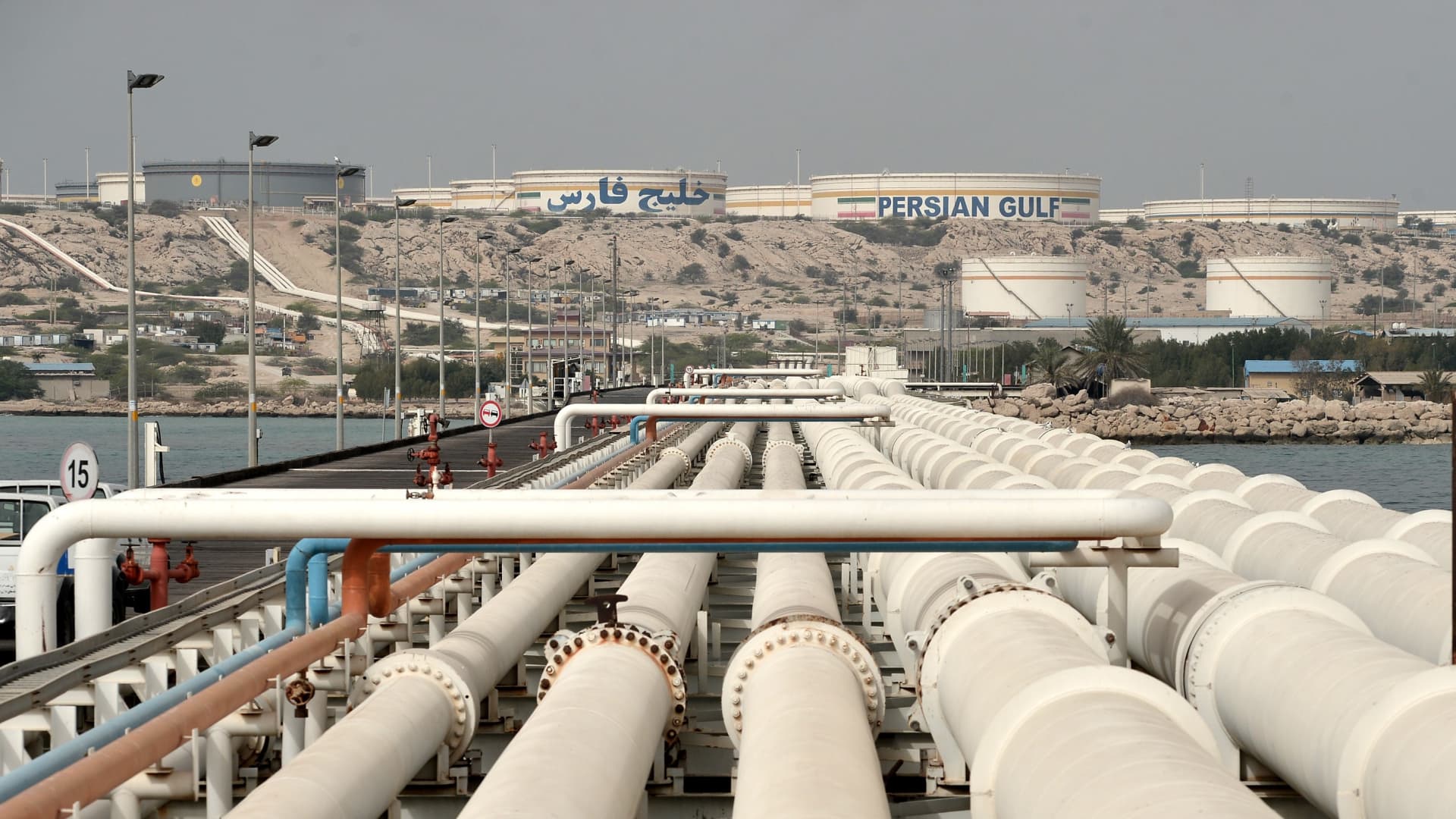
Trump Considers Ending War in Iran Amid Oil Price Fluctuations

- Oil Price Fluctuations: Oil prices reversed course as traders reacted to Trump's statements about potentially ending U.S. operations against Iran, with WTI futures dropping 0.72% to $102.14 per barrel and Brent crude falling 1% to $111.55, indicating market sensitivity to geopolitical risks.
- Escalating Military Threats: Trump threatened to attack Iran's energy infrastructure if Tehran does not reopen the Strait of Hormuz, which could escalate regional tensions and disrupt global energy supply chains, reflecting the precarious balance of power in the region.
- Ongoing Conflict: The Iran war has entered its fifth week, with Tehran striking a fully laden Kuwaiti oil tanker, prompting firefighting operations in Dubai's port, although no injuries were reported, highlighting the conflict's expanding impact on maritime security.
- Ground Troop Considerations: Trump is reportedly weighing the option of deploying ground forces to seize Kharg Island, a critical fuel hub, which could increase U.S. casualties and extend the war's duration and costs, raising concerns among experts about the potential consequences of such actions.
See More

Middle East Conflict Escalates Turmoil in Asia-Pacific Markets


- Escalating Middle East Tensions: As the conflict in the Middle East enters its fifth week, President Trump escalates threats to destroy Iran's electricity and oil facilities if the Strait of Hormuz remains closed, heightening market anxiety and diminishing investor confidence in Asia-Pacific markets.
- Surging Oil Prices: West Texas Intermediate crude prices rose over 3% to settle just below $103 per barrel, while Brent crude futures climbed to $112.78, marking the highest levels since 2022, reflecting concerns over potential supply disruptions.
- Declining Asia-Pacific Markets: Australia's S&P/ASX 200 index fell 0.30% in early trading, with Japan's Nikkei 225 and Hong Kong's Hang Seng index futures also indicating downward trends, suggesting a pessimistic outlook among investors regarding future market performance.
- Divergent U.S. Stock Performance: While the S&P 500 and Nasdaq Composite fell by 0.39% and 0.73% respectively, the Dow Jones Industrial Average managed a slight gain of 0.11%, indicating varied investor reactions across different sectors amidst ongoing uncertainty.
See More
S&P 500 Falls for Third Day; Bond Market Dynamics in Focus


- Bond Yield Movements: The 10-year Treasury yield stands at 4.35%, while the 2-year yield is at 3.838%, indicating investor expectations for a potential rate cut, which could impact stock market performance and trigger shifts in capital flows.
- Oil Price Surge: Amid concerns that the Houthi group in Yemen may attack Israel, both West Texas Intermediate and Brent crude oil futures have risen, reflecting market sensitivity to geopolitical risks that could lead to volatility in energy stocks.
- Palo Alto Networks Stock Fluctuation: The company's shares rose about 5% on Monday, yet they are down 31% from the October peak, highlighting the volatility in market demand for cybersecurity and its potential impact on future performance.
- McCormick Earnings Outlook: The company's stock has fallen 21.6% in the past three months and is down 35% from last March's high, reflecting cautious market sentiment regarding its future performance, which may affect investor confidence.
See More

Energy Stocks Decline Late Monday Afternoon

- Energy Sector Weakness: The NYSE Energy Sector Index fell by 0.6% late Monday afternoon, indicating a decline in market confidence towards energy stocks, likely influenced by concerns over global economic slowdown and uncertain demand outlook.
- Market Sentiment Deterioration: The waning interest in energy stocks has led to a general decline in market sentiment, which could negatively impact the stock performance of related companies, especially ahead of upcoming economic data and earnings reports.
- Uncertain Industry Outlook: As global economic uncertainties increase, fluctuations in energy demand may adversely affect the profitability of energy companies, prompting investors to reassess their investment strategies in this sector.
- Shift in Investor Focus: Against the backdrop of declining energy stocks, investors may redirect their attention to other sectors, particularly those that tend to perform relatively well during economic slowdowns, thereby influencing capital flows.
See More

Oil Prices Surge, ExxonMobil and Chevron Poised to Benefit
- Surging Oil Prices: Blocked trade routes in the Strait of Hormuz have pushed WTI crude oil prices near $100 per barrel, creating unprecedented market opportunities for oil companies, particularly ExxonMobil and Chevron, which are uniquely positioned to capitalize on this turbulence.
- ExxonMobil's Integration Advantage: Through vertical integration, ExxonMobil controls the entire supply chain from oil extraction to refining and distribution, ensuring that incremental revenue flows directly to the bottom line during oil price spikes, avoiding profit margin squeezes often faced by traditional exploration companies.
- Chevron's Low-Cost Position: Supported by its low-cost position in the Permian Basin and Guyana assets, Chevron maintains robust profits by leveraging specialized refineries to process its own oil, reducing reliance on expensive raw materials and curtailing volatility in commodity prices.
- Shareholder Value Creation: Both ExxonMobil and Chevron demonstrate the ability to create consistent shareholder value through dividends and buybacks, backed by strong operating cash flow, highlighting their competitive moats and strategic significance in navigating the challenges of the energy market.
See More
Golden Pass LNG Project Begins Production
- LNG Production Commencement: The Golden Pass joint venture between Exxon Mobil and QatarEnergy has started production at its Texas facility, marking a significant milestone for one of the largest U.S. export projects, with the first cargo expected in Q2.
- Capacity Expansion: The initial production unit will add 6 million metric tons per year of LNG capacity, and once fully operational, the facility will produce 18 million metric tons annually, significantly enhancing U.S. supply capabilities in the global energy market.
- Strategic Importance: Following damage to Qatar's Ras Laffan facility due to Iranian strikes, this facility is poised to become a critical source of supply, further solidifying the U.S. position in the global energy supply chain.
- Investment Context: The Golden Pass project, with a total investment of $10 billion, sees QatarEnergy holding a 70% stake and Exxon Mobil a 30% stake; despite facing delays and cost overruns since its 2019 inception, the project's launch underscores its strategic significance.
See More
Trump Considers Ending War in Iran Amid Oil Price Fluctuations
- Oil Price Fluctuations: Oil prices reversed course as traders reacted to Trump's statements about potentially ending U.S. operations against Iran, with WTI futures dropping 0.72% to $102.14 per barrel and Brent crude falling 1% to $111.55, indicating market sensitivity to geopolitical risks.
- Escalating Military Threats: Trump threatened to attack Iran's energy infrastructure if Tehran does not reopen the Strait of Hormuz, which could escalate regional tensions and disrupt global energy supply chains, reflecting the precarious balance of power in the region.
- Ongoing Conflict: The Iran war has entered its fifth week, with Tehran striking a fully laden Kuwaiti oil tanker, prompting firefighting operations in Dubai's port, although no injuries were reported, highlighting the conflict's expanding impact on maritime security.
- Ground Troop Considerations: Trump is reportedly weighing the option of deploying ground forces to seize Kharg Island, a critical fuel hub, which could increase U.S. casualties and extend the war's duration and costs, raising concerns among experts about the potential consequences of such actions.
See More
Middle East Conflict Escalates Turmoil in Asia-Pacific Markets
- Escalating Middle East Tensions: As the conflict in the Middle East enters its fifth week, President Trump escalates threats to destroy Iran's electricity and oil facilities if the Strait of Hormuz remains closed, heightening market anxiety and diminishing investor confidence in Asia-Pacific markets.
- Surging Oil Prices: West Texas Intermediate crude prices rose over 3% to settle just below $103 per barrel, while Brent crude futures climbed to $112.78, marking the highest levels since 2022, reflecting concerns over potential supply disruptions.
- Declining Asia-Pacific Markets: Australia's S&P/ASX 200 index fell 0.30% in early trading, with Japan's Nikkei 225 and Hong Kong's Hang Seng index futures also indicating downward trends, suggesting a pessimistic outlook among investors regarding future market performance.
- Divergent U.S. Stock Performance: While the S&P 500 and Nasdaq Composite fell by 0.39% and 0.73% respectively, the Dow Jones Industrial Average managed a slight gain of 0.11%, indicating varied investor reactions across different sectors amidst ongoing uncertainty.
See More
S&P 500 Falls for Third Day; Bond Market Dynamics in Focus
- Bond Yield Movements: The 10-year Treasury yield stands at 4.35%, while the 2-year yield is at 3.838%, indicating investor expectations for a potential rate cut, which could impact stock market performance and trigger shifts in capital flows.
- Oil Price Surge: Amid concerns that the Houthi group in Yemen may attack Israel, both West Texas Intermediate and Brent crude oil futures have risen, reflecting market sensitivity to geopolitical risks that could lead to volatility in energy stocks.
- Palo Alto Networks Stock Fluctuation: The company's shares rose about 5% on Monday, yet they are down 31% from the October peak, highlighting the volatility in market demand for cybersecurity and its potential impact on future performance.
- McCormick Earnings Outlook: The company's stock has fallen 21.6% in the past three months and is down 35% from last March's high, reflecting cautious market sentiment regarding its future performance, which may affect investor confidence.
See More
Energy Stocks Decline Late Monday Afternoon
- Energy Sector Weakness: The NYSE Energy Sector Index fell by 0.6% late Monday afternoon, indicating a decline in market confidence towards energy stocks, likely influenced by concerns over global economic slowdown and uncertain demand outlook.
- Market Sentiment Deterioration: The waning interest in energy stocks has led to a general decline in market sentiment, which could negatively impact the stock performance of related companies, especially ahead of upcoming economic data and earnings reports.
- Uncertain Industry Outlook: As global economic uncertainties increase, fluctuations in energy demand may adversely affect the profitability of energy companies, prompting investors to reassess their investment strategies in this sector.
- Shift in Investor Focus: Against the backdrop of declining energy stocks, investors may redirect their attention to other sectors, particularly those that tend to perform relatively well during economic slowdowns, thereby influencing capital flows.
See More
Oil Prices Surge, ExxonMobil and Chevron Poised to Benefit
- Surging Oil Prices: Blocked trade routes in the Strait of Hormuz have pushed WTI crude oil prices near $100 per barrel, creating unprecedented market opportunities for oil companies, particularly ExxonMobil and Chevron, which are uniquely positioned to capitalize on this turbulence.
- ExxonMobil's Integration Advantage: Through vertical integration, ExxonMobil controls the entire supply chain from oil extraction to refining and distribution, ensuring that incremental revenue flows directly to the bottom line during oil price spikes, avoiding profit margin squeezes often faced by traditional exploration companies.
- Chevron's Low-Cost Position: Supported by its low-cost position in the Permian Basin and Guyana assets, Chevron maintains robust profits by leveraging specialized refineries to process its own oil, reducing reliance on expensive raw materials and curtailing volatility in commodity prices.
- Shareholder Value Creation: Both ExxonMobil and Chevron demonstrate the ability to create consistent shareholder value through dividends and buybacks, backed by strong operating cash flow, highlighting their competitive moats and strategic significance in navigating the challenges of the energy market.
See More