Cheniere Wins Triple Honors at Platts Global Energy Awards, Showcasing Industry Leadership
Written by Emily J. Thompson, Senior Investment Analyst
Updated: Dec 12 2025
0mins
Should l Buy LNG?
Source: PRnewswire
- Industry Leadership: Cheniere's recognition at the Platts Global Energy Awards with the Energy Company of the Year, Chief Executive of the Year, and Excellence in Energy - LNG awards underscores its leadership and influence in the global LNG market.
- Successful Strategic Shift: Since pivoting to LNG exports in 2016, Cheniere has become the largest LNG producer in the U.S. and the second-largest operator globally, demonstrating its vital role in market stability across Europe and Asia.
- Outstanding Operational Performance: The judging panel praised Cheniere for its robust financials, operational discipline, and community engagement, further solidifying its competitive edge in the global energy sector.
- Innovation and Sustainability: CEO Jack Fusco was awarded for his direct leadership in the company's strategic transformation and innovation, emphasizing Cheniere's commitment to driving a sustainable energy future.
Trade with 70% Backtested Accuracy
Stop guessing "Should I Buy LNG?" and start using high-conviction signals backed by rigorous historical data.
Sign up today to access powerful investing tools and make smarter, data-driven decisions.
Analyst Views on LNG
Wall Street analysts forecast LNG stock price to fall
11 Analyst Rating
11 Buy
0 Hold
0 Sell
Strong Buy
Current: 283.760

Low
258.00
Averages
274.09
High
290.00
Current: 283.760
Low
258.00
Averages
274.09
High
290.00
About LNG
Cheniere Energy, Inc. is the producer and exporter of liquefied natural gas (LNG) in the United States. The Company provides clean and secure LNG to integrated energy companies, utilities, and energy trading companies worldwide. It operates two natural gas liquefaction and export facilities at Sabine Pass, Louisiana (Sabine Pass LNG Terminal) and near Corpus Christi, Texas (Corpus Christi LNG Terminal). Sabine Pass LNG Terminal, which has natural gas liquefaction facilities consisting of six operational trains, for a total production capacity of approximately 30 million tons per annum (mtpa) of LNG (the SPL Project). Corpus Christi LNG Terminal near Corpus Christi, Texas, consists of three trains for a total production capacity of approximately 15 mtpa of LNG, three LNG storage tanks and two marine berths. It also owns and operates a 94-mile natural gas supply pipeline that interconnects the Sabine Pass LNG Terminal with several large interstate and intrastate pipelines.
About the author

Emily J. Thompson
Emily J. Thompson, a Chartered Financial Analyst (CFA) with 12 years in investment research, graduated with honors from the Wharton School. Specializing in industrial and technology stocks, she provides in-depth analysis for Intellectia’s earnings and market brief reports.
Iran Establishes Toll Corridor in Strait of Hormuz Amid Shipping Crisis
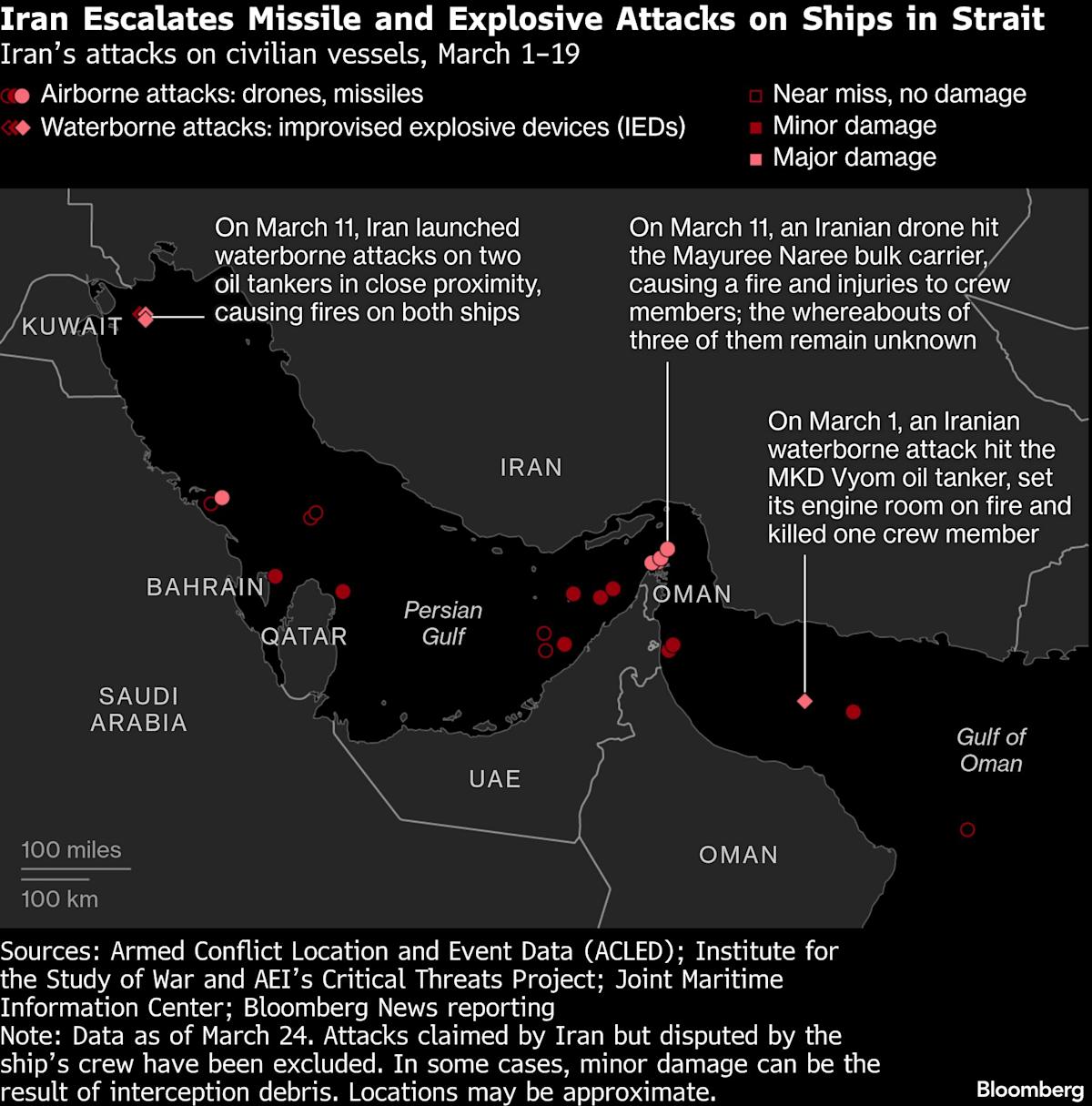
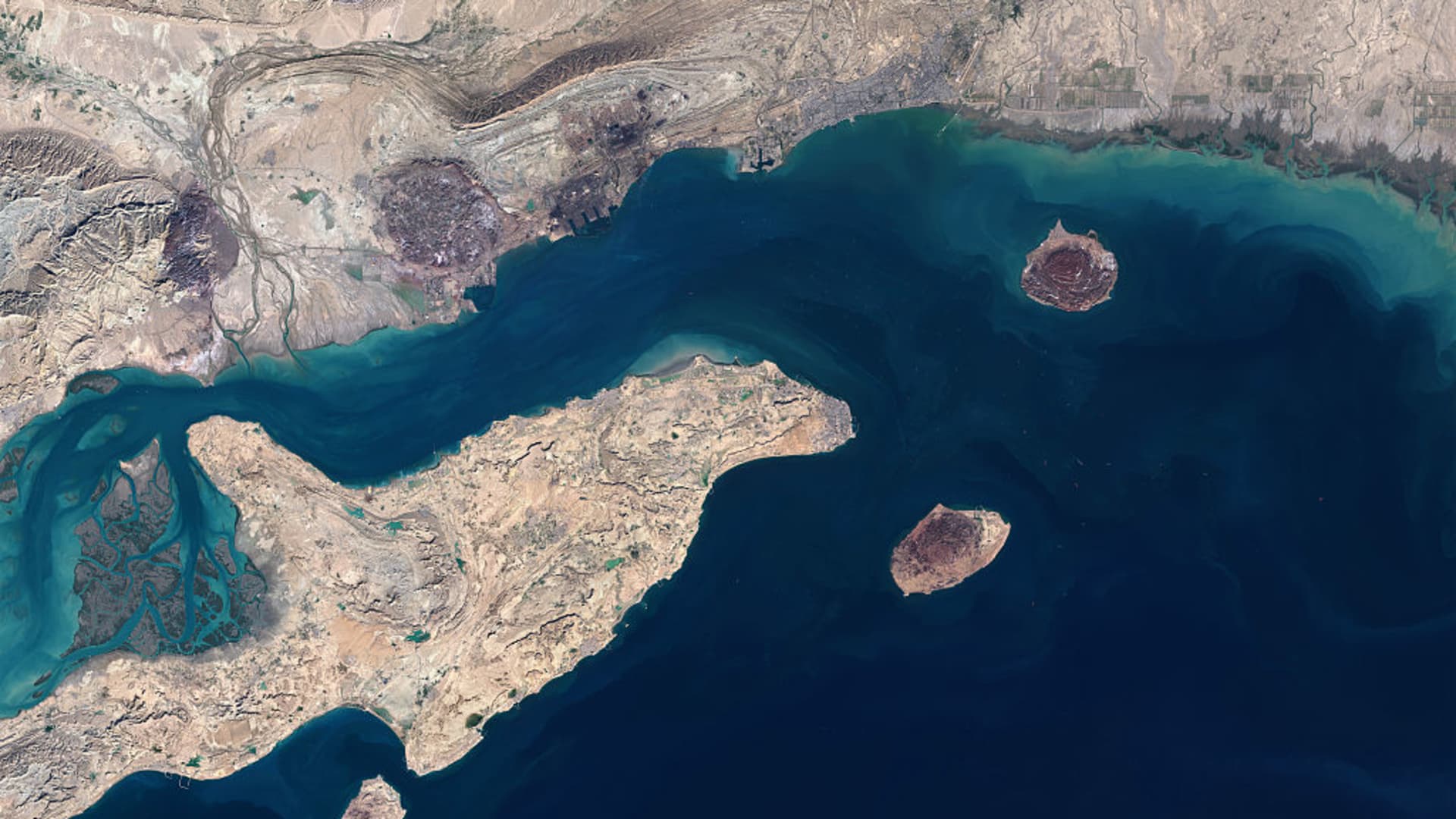
- Shipping Corridor Control: Iran has established a de facto safe shipping corridor near Larak Island in the Strait of Hormuz, resulting in a 90% drop in traffic since February 28, which has caused one of the most severe energy supply shocks globally.
- Toll System Implementation: The Iranian parliament passed a bill to impose fees on vessels transiting the strait, a move that, despite international legal disputes, would institutionalize Tehran's financial control over this critical waterway.
- Selective Passage: All 57 transits recorded since March 13 have taken the Larak detour, indicating strict vetting by the IRGC, which prioritizes vessels from countries with friendly relations, thereby increasing uncertainty in international shipping.
- International Response: While Iran claims the right to charge transit fees, legal experts argue that such unilateral measures may face strong diplomatic and legal challenges under the framework of the United Nations Convention on the Law of the Sea.
See More
High Net Worth Investors Navigate Market Volatility Amid Geopolitical Tensions


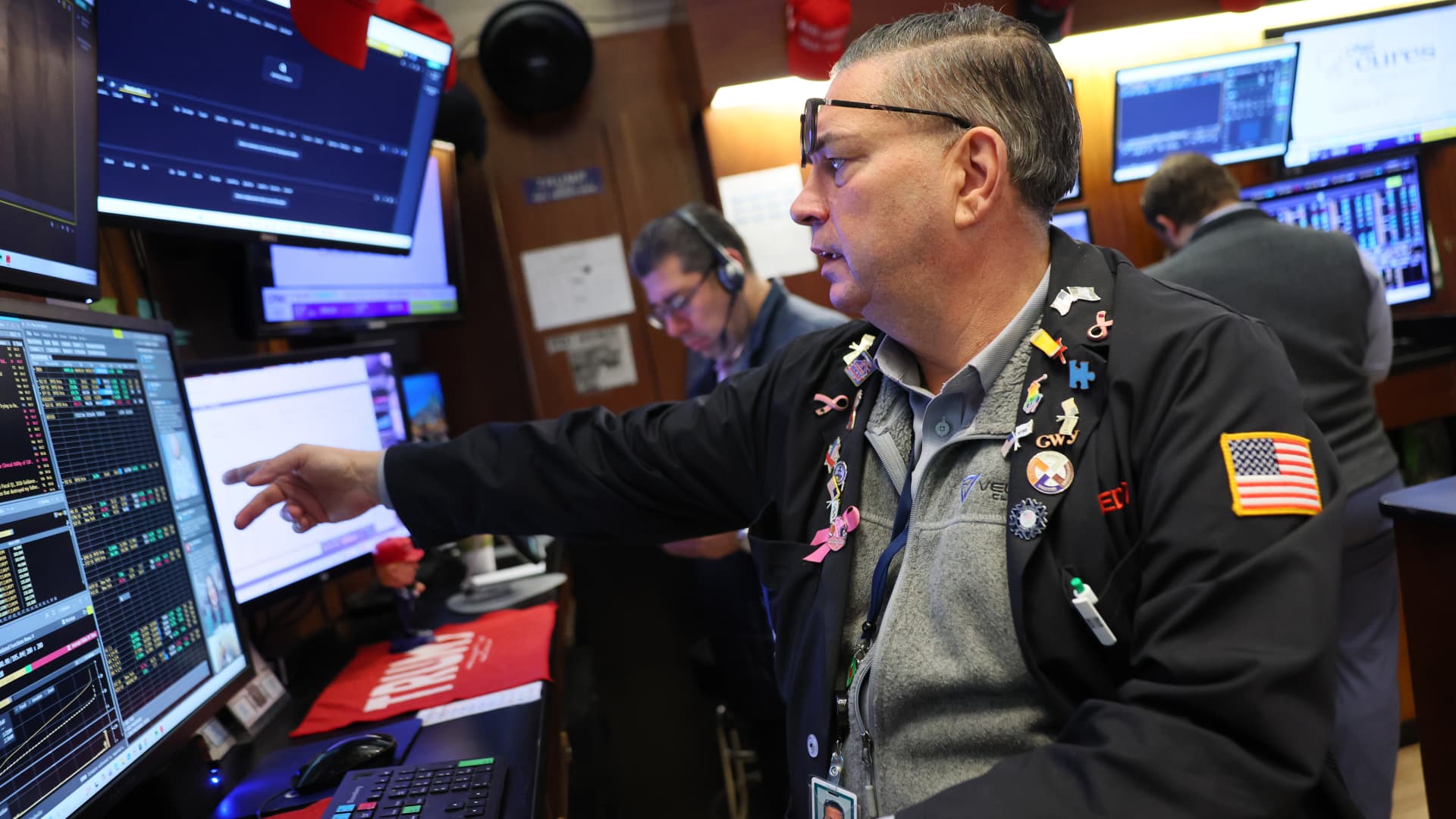
- Cash is King: R360's ultra-high net worth investors are currently holding up to 30% in cash and short-duration debt, reflecting a strategy to maintain liquidity amidst market volatility, emphasizing a long-term investment philosophy.
- Treasury Market Opportunities: With the 10-year Treasury yield rising to 4.3%, high net worth investors are showing strong interest in intermediate fixed income products, indicating an increasing demand for stable returns in the current interest rate environment.
- Tech Stock Buying Opportunities: Sameer Samana from Wells Fargo notes that the sharp pullback in equities has created opportunities for high net worth investors to buy tech stocks at more reasonable valuations, particularly in the software and hardware sectors, reflecting confidence in future growth potential.
- Energy and Commodity Investments: Charlie Garcia from R360 states that investors have shifted 40% of their new money into energy and commodities, particularly Canadian Natural Resources and major oil companies, signaling a long-term bullish outlook on the energy market despite potential short-term oil price fluctuations.
See More
Investment Protection Strategies Amid Persian Gulf Conflict


- Oil and Gas Stock Opportunities: Amid the ongoing conflict in the Persian Gulf, companies like Devon Energy and Diamondback Energy, focused on U.S. oil production, present attractive investment options due to rising oil prices, especially considering pre-conflict price levels, making them ideal for risk management.
- Refining Sector Benefits: With the 3-2-1 crack spread soaring from $20 at the start of the year to $54, refining companies like Valero Energy and PBF Energy are set to benefit from this trend, provided that demand for transportation products does not suffer due to high prices.
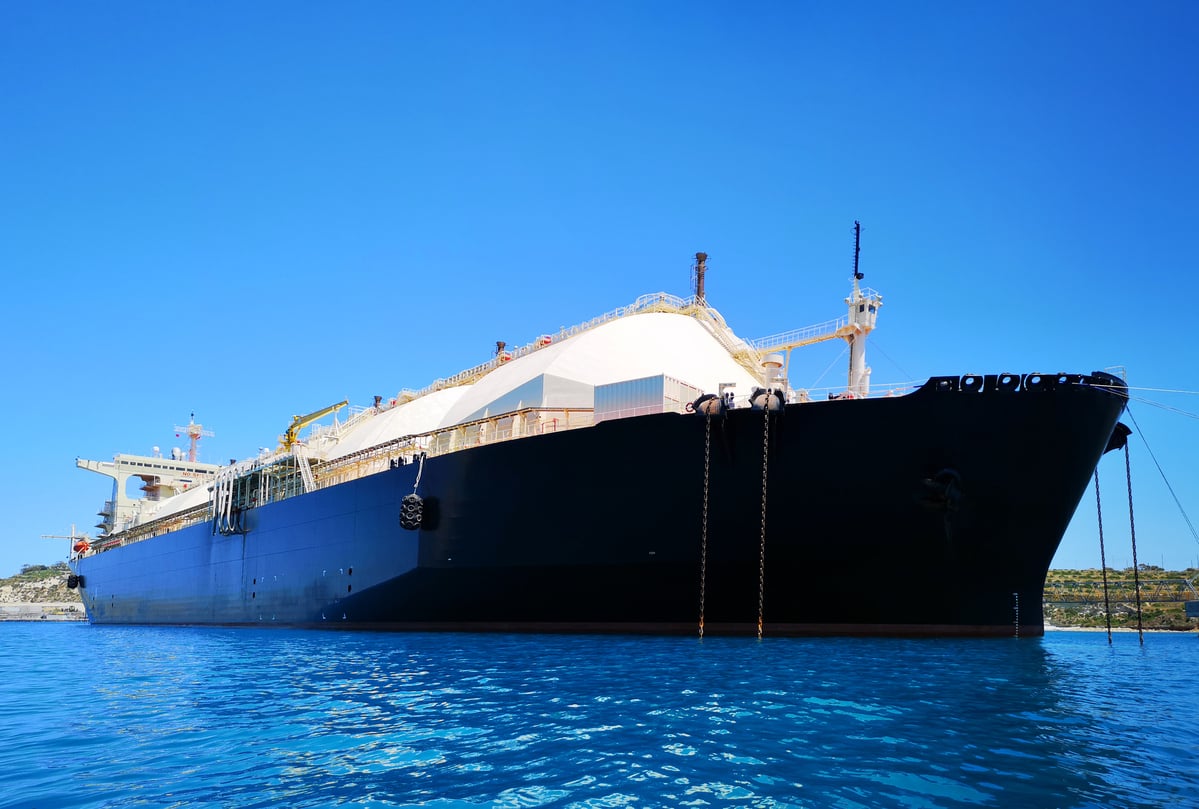
- LNG Supply Gap: The International Energy Agency notes that 34% of global crude oil trade and 20% of LNG trade pass through the Strait of Hormuz, with companies like Woodside Energy and Cheniere Energy positioned to fill the supply gap created by the blockade, particularly for Asian markets.
- Shipping and Fertilizer Sector Outlook: Flex LNG is poised to benefit from increased LNG shipping demand, while CF Industries, as a U.S.-focused fertilizer producer, will leverage its manufacturing facilities in the West and U.S. gas supply to fill the global fertilizer flow gap.
See More

Oil and Gas Sector Benefits from Supply Chain Disruptions
- Supply Chain Impact: Ongoing conflicts in the Persian Gulf are likely to benefit oil, LNG, refining, shipping, and fertilizer companies, particularly U.S. producers and exporters, who are expected to outperform due to supply chain shifts.
- Widening Crack Spread: The 3-2-1 crack spread has surged from under $20 at the start of the year to over $54, which is advantageous for refiners like Valero Energy and PBF Energy, who are likely to continue outperforming the market in a high-price environment.
- LNG Supply Gap Filling: Companies like Woodside Energy, Cheniere Energy, and Equinor are positioned to fill the LNG supply gap created by the Strait blockade, with Cheniere expanding its export capacity expected to ramp up production imminently.
- Fertilizer Producers Benefit: Approximately one-third of global seaborne fertilizer flows through the Strait of Hormuz, and U.S.-focused CF Industries will benefit from its manufacturing facilities in the West and access to domestic gas supplies, enhancing its market competitiveness.
See More

FMDE Stock Price Analysis and ETF Dynamics
- Price Fluctuation Analysis: FMDE's 52-week low is $26.9275 and high is $38.26, with the current trading price at $35.25, indicating cautious market sentiment as the stock fluctuates between these extremes.
- Technical Analysis Tool: Comparing FMDE's latest share price to the 200-day moving average provides investors with valuable insights for technical analysis, aiding in the assessment of price trends and potential buy or sell opportunities.
- ETF Trading Mechanism: Exchange-traded funds (ETFs) trade like stocks, where investors buy and sell 'units' that can be created or destroyed based on demand, impacting the underlying holdings of the ETF.
- Inflows and Outflows Monitoring: Weekly monitoring of changes in shares outstanding for ETFs helps identify those experiencing significant inflows or outflows, providing insights into market dynamics and potential impacts on individual stock components.
See More
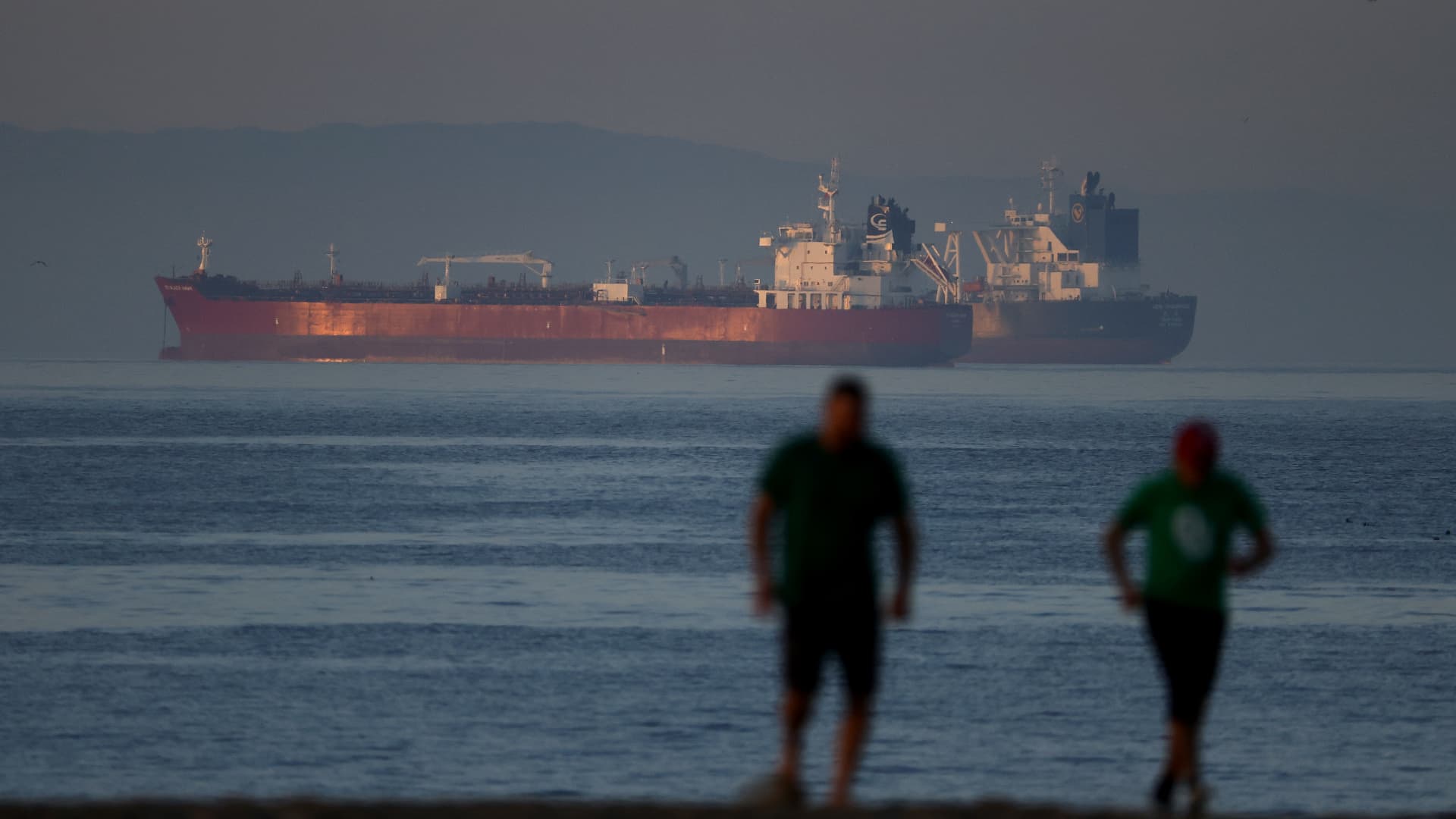
Energy Executives Warn of Middle East War Impact
- Oil Supply Crisis: CEOs of major energy companies warned at S&P Global's CERAWeek that the Iran war has disrupted 8 million barrels of oil and 20% of the LNG market daily, potentially leading to fuel shortages in Asia and Europe, severely impacting the global economy.
- Market Reaction Lag: ConocoPhillips CEO Ryan Lance noted that the market is not reflecting the scale of the supply disruption, with oil prices likely to remain high at $99.64 per barrel even after the conflict ends, as countries will need to restock depleted reserves.
- Geopolitical Risks Escalate: Kuwait Petroleum CEO Sheikh Nawaf al-Sabah stated that Iran's blockade of the Strait of Hormuz is not only an attack on Gulf nations but poses a threat to the global economy, potentially causing a domino effect throughout the supply chain.
- Fuel Shortages Spread: Shell CEO Wael Sawan highlighted that jet fuel and diesel prices have surged to $200 and $160 per barrel respectively, with the crisis expected to impact major Asian economies and reach Europe by April, prompting governments to stockpile and protect their supplies.
See More
Iran Establishes Toll Corridor in Strait of Hormuz Amid Shipping Crisis
- Shipping Corridor Control: Iran has established a de facto safe shipping corridor near Larak Island in the Strait of Hormuz, resulting in a 90% drop in traffic since February 28, which has caused one of the most severe energy supply shocks globally.
- Toll System Implementation: The Iranian parliament passed a bill to impose fees on vessels transiting the strait, a move that, despite international legal disputes, would institutionalize Tehran's financial control over this critical waterway.
- Selective Passage: All 57 transits recorded since March 13 have taken the Larak detour, indicating strict vetting by the IRGC, which prioritizes vessels from countries with friendly relations, thereby increasing uncertainty in international shipping.
- International Response: While Iran claims the right to charge transit fees, legal experts argue that such unilateral measures may face strong diplomatic and legal challenges under the framework of the United Nations Convention on the Law of the Sea.
See More
High Net Worth Investors Navigate Market Volatility Amid Geopolitical Tensions
- Cash is King: R360's ultra-high net worth investors are currently holding up to 30% in cash and short-duration debt, reflecting a strategy to maintain liquidity amidst market volatility, emphasizing a long-term investment philosophy.
- Treasury Market Opportunities: With the 10-year Treasury yield rising to 4.3%, high net worth investors are showing strong interest in intermediate fixed income products, indicating an increasing demand for stable returns in the current interest rate environment.
- Tech Stock Buying Opportunities: Sameer Samana from Wells Fargo notes that the sharp pullback in equities has created opportunities for high net worth investors to buy tech stocks at more reasonable valuations, particularly in the software and hardware sectors, reflecting confidence in future growth potential.
- Energy and Commodity Investments: Charlie Garcia from R360 states that investors have shifted 40% of their new money into energy and commodities, particularly Canadian Natural Resources and major oil companies, signaling a long-term bullish outlook on the energy market despite potential short-term oil price fluctuations.
See More
Investment Protection Strategies Amid Persian Gulf Conflict
- Oil and Gas Stock Opportunities: Amid the ongoing conflict in the Persian Gulf, companies like Devon Energy and Diamondback Energy, focused on U.S. oil production, present attractive investment options due to rising oil prices, especially considering pre-conflict price levels, making them ideal for risk management.
- Refining Sector Benefits: With the 3-2-1 crack spread soaring from $20 at the start of the year to $54, refining companies like Valero Energy and PBF Energy are set to benefit from this trend, provided that demand for transportation products does not suffer due to high prices.
- LNG Supply Gap: The International Energy Agency notes that 34% of global crude oil trade and 20% of LNG trade pass through the Strait of Hormuz, with companies like Woodside Energy and Cheniere Energy positioned to fill the supply gap created by the blockade, particularly for Asian markets.
- Shipping and Fertilizer Sector Outlook: Flex LNG is poised to benefit from increased LNG shipping demand, while CF Industries, as a U.S.-focused fertilizer producer, will leverage its manufacturing facilities in the West and U.S. gas supply to fill the global fertilizer flow gap.
See More
Oil and Gas Sector Benefits from Supply Chain Disruptions
- Supply Chain Impact: Ongoing conflicts in the Persian Gulf are likely to benefit oil, LNG, refining, shipping, and fertilizer companies, particularly U.S. producers and exporters, who are expected to outperform due to supply chain shifts.
- Widening Crack Spread: The 3-2-1 crack spread has surged from under $20 at the start of the year to over $54, which is advantageous for refiners like Valero Energy and PBF Energy, who are likely to continue outperforming the market in a high-price environment.
- LNG Supply Gap Filling: Companies like Woodside Energy, Cheniere Energy, and Equinor are positioned to fill the LNG supply gap created by the Strait blockade, with Cheniere expanding its export capacity expected to ramp up production imminently.
- Fertilizer Producers Benefit: Approximately one-third of global seaborne fertilizer flows through the Strait of Hormuz, and U.S.-focused CF Industries will benefit from its manufacturing facilities in the West and access to domestic gas supplies, enhancing its market competitiveness.
See More
FMDE Stock Price Analysis and ETF Dynamics
- Price Fluctuation Analysis: FMDE's 52-week low is $26.9275 and high is $38.26, with the current trading price at $35.25, indicating cautious market sentiment as the stock fluctuates between these extremes.
- Technical Analysis Tool: Comparing FMDE's latest share price to the 200-day moving average provides investors with valuable insights for technical analysis, aiding in the assessment of price trends and potential buy or sell opportunities.
- ETF Trading Mechanism: Exchange-traded funds (ETFs) trade like stocks, where investors buy and sell 'units' that can be created or destroyed based on demand, impacting the underlying holdings of the ETF.
- Inflows and Outflows Monitoring: Weekly monitoring of changes in shares outstanding for ETFs helps identify those experiencing significant inflows or outflows, providing insights into market dynamics and potential impacts on individual stock components.
See More
Energy Executives Warn of Middle East War Impact
- Oil Supply Crisis: CEOs of major energy companies warned at S&P Global's CERAWeek that the Iran war has disrupted 8 million barrels of oil and 20% of the LNG market daily, potentially leading to fuel shortages in Asia and Europe, severely impacting the global economy.
- Market Reaction Lag: ConocoPhillips CEO Ryan Lance noted that the market is not reflecting the scale of the supply disruption, with oil prices likely to remain high at $99.64 per barrel even after the conflict ends, as countries will need to restock depleted reserves.
- Geopolitical Risks Escalate: Kuwait Petroleum CEO Sheikh Nawaf al-Sabah stated that Iran's blockade of the Strait of Hormuz is not only an attack on Gulf nations but poses a threat to the global economy, potentially causing a domino effect throughout the supply chain.
- Fuel Shortages Spread: Shell CEO Wael Sawan highlighted that jet fuel and diesel prices have surged to $200 and $160 per barrel respectively, with the crisis expected to impact major Asian economies and reach Europe by April, prompting governments to stockpile and protect their supplies.
See More