Carvana's Stock Surged 100% Last Year, But This Analyst Has Changed Their Outlook.
Written by Emily J. Thompson, Senior Investment Analyst
Updated: 2 days ago
0mins

Should l Buy KMX?
Source: Barron's
- Bank of America Downgrade: Bank of America downgraded Carvana on Monday.
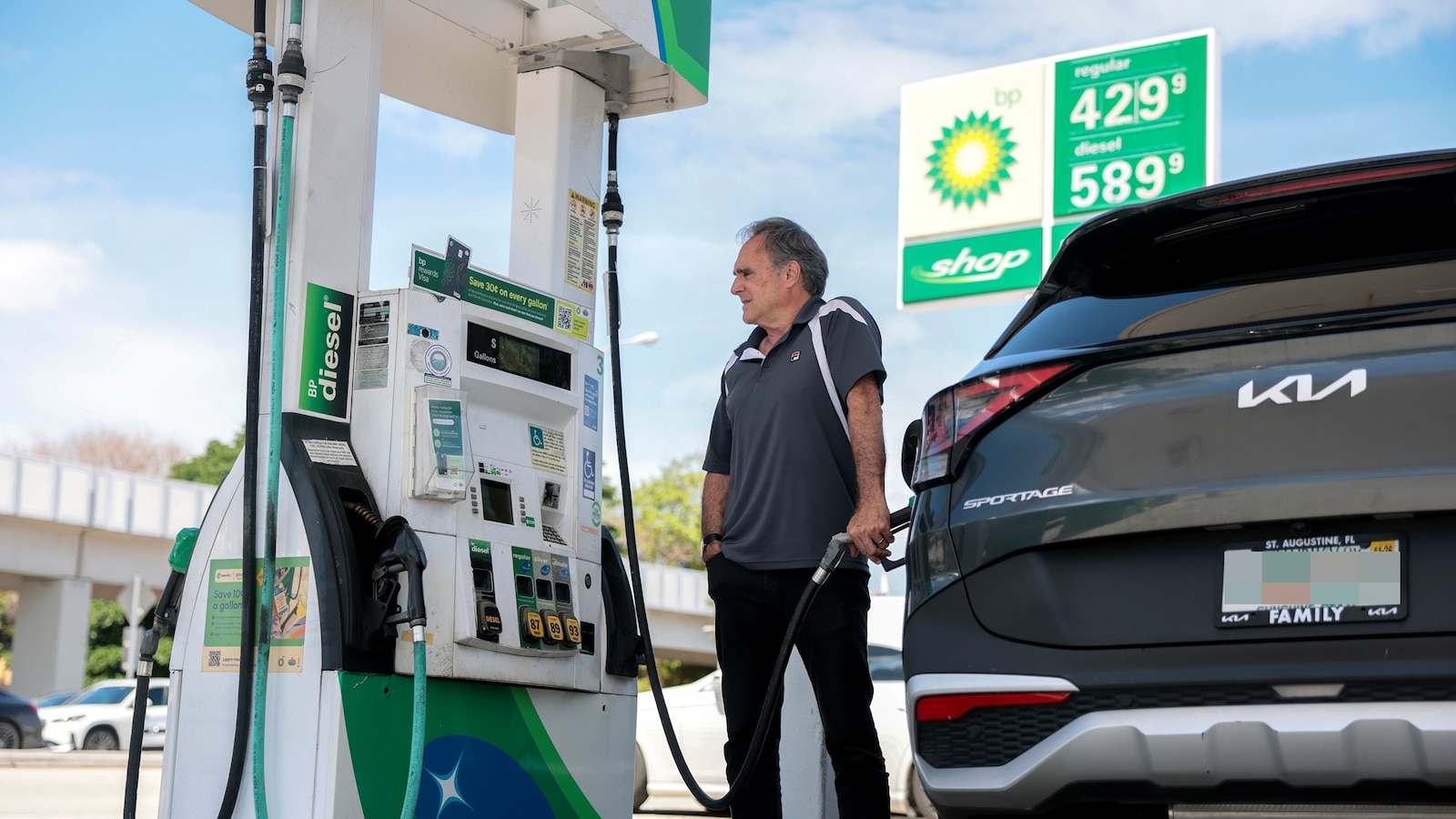
- Impact of Oil Prices: The downgrade was influenced by a recent spike in oil prices.
- Consumer Concerns: The increase in oil prices is expected to affect lower- and middle-income consumers.
- Market Implications: This downgrade may reflect broader concerns about consumer spending and economic conditions.
Trade with 70% Backtested Accuracy
Stop guessing "Should I Buy KMX?" and start using high-conviction signals backed by rigorous historical data.
Sign up today to access powerful investing tools and make smarter, data-driven decisions.
Analyst Views on KMX
Wall Street analysts forecast KMX stock price to fall
13 Analyst Rating
0 Buy
10 Hold
3 Sell
Hold
Current: 43.310

Low
24.00
Averages
33.60
High
37.00
Current: 43.310
Low
24.00
Averages
33.60
High
37.00
About KMX
CarMax, Inc. is a retailer of used autos. The Company operates through two segments: CarMax Sales Operations and CarMax Auto Finance (CAF). The CarMax Sales Operations segment consists of all aspects of its auto merchandising and service operations. The CarMax Sales Operations segment sells used vehicles, purchases used vehicles from customers and other sources, sells related products and services, and arranges financing options for customers. The CAF segment consists solely of its own finance operation that provides financing for customers buying retail vehicles from the Company. The CAF segment also services all auto loans, it originates and is responsible for providing billing statements, collecting payments, maintaining contact with delinquent customers, and arranging for the repossession of vehicles securing defaulted loans. It provides customers with a range of other related products and services, including extended protection plan (EPP) products and vehicle repair services.
About the author

Emily J. Thompson
Emily J. Thompson, a Chartered Financial Analyst (CFA) with 12 years in investment research, graduated with honors from the Wharton School. Specializing in industrial and technology stocks, she provides in-depth analysis for Intellectia’s earnings and market brief reports.
Trump Announces Two-Week Ceasefire with Iran, Boosting Market Futures


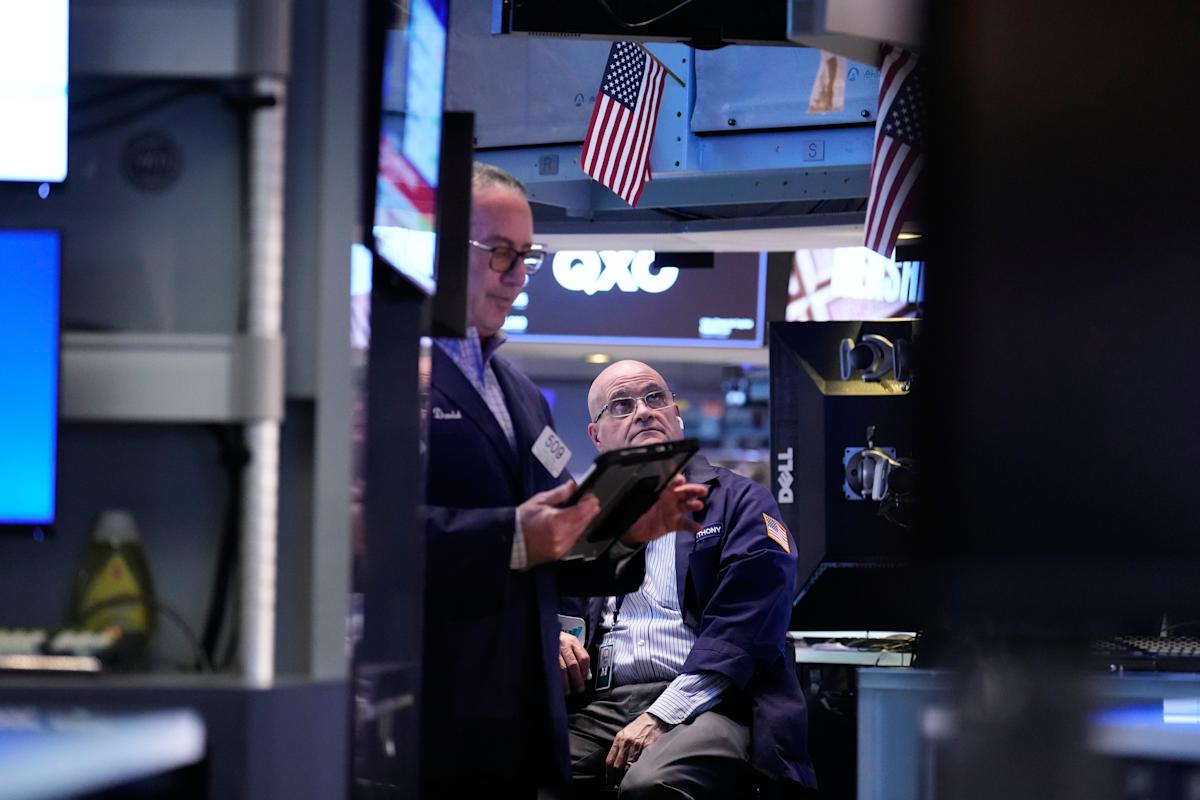
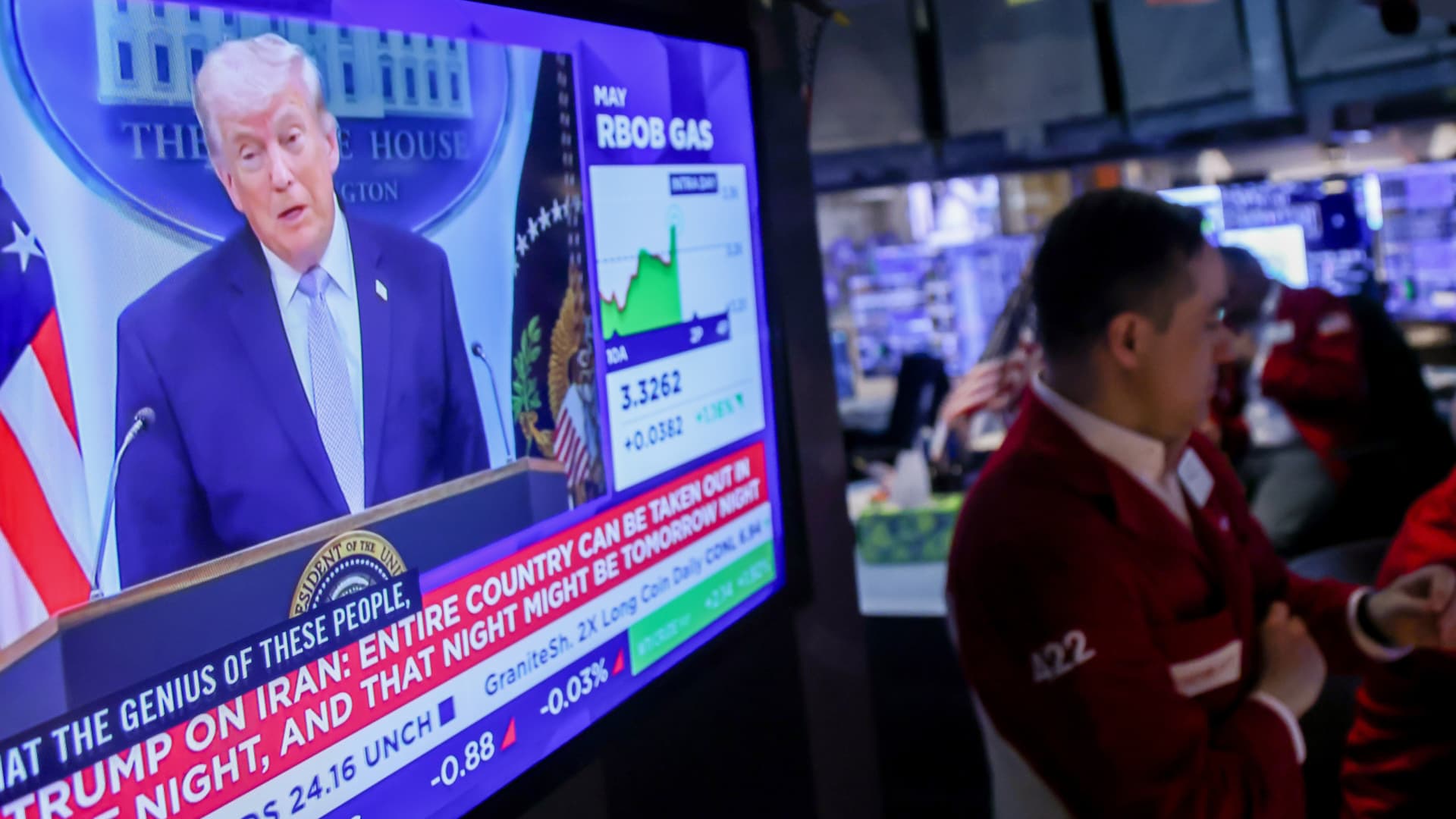
- Market Reaction Positive: Following Trump's announcement of a two-week ceasefire with Iran, stock futures surged, with S&P 500 futures up over 1,300 points, indicating strong market optimism regarding reduced geopolitical risks.
- Oil Prices Plummet: Brent crude futures fell more than 13% and U.S. West Texas Intermediate futures dropped over 16% after the ceasefire news, alleviating fuel cost pressures for airlines and transportation sectors.
- Delta Airlines Adjusts Capacity: Delta Airlines scaled back its capacity growth plans due to soaring fuel costs, yet reported first-quarter earnings that exceeded Wall Street expectations, resulting in a stock price increase of over 12%, reflecting market confidence in its strategic response.
- Strong Demand in Used Car Market: Despite rising gas prices, Cox Automotive reported a 6.2% year-over-year increase in used vehicle prices in March, with inventory dropping below 40 days, indicating robust consumer demand and market resilience.
See More
Used Vehicle Demand Remains Strong Amid Price Increases


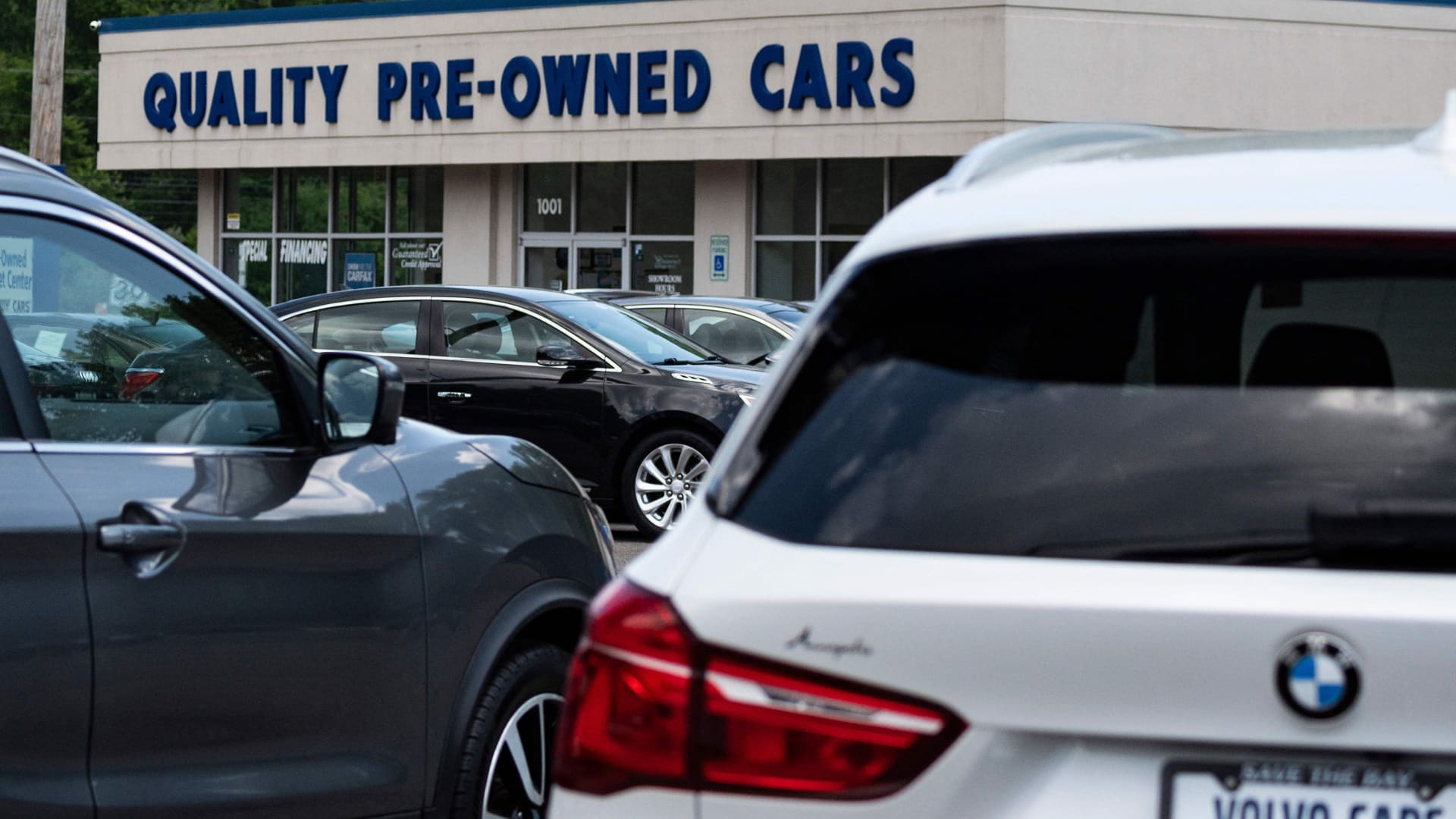
- Price Increase Trend: Cox Automotive's Manheim Used Vehicle Value Index indicates a 6.2% year-over-year increase in used vehicle prices, reaching the highest level since summer 2023, reflecting strong market demand and tight supply conditions.
- Tight Inventory: As of March, the days' supply of used vehicles fell below 40 days, marking the lowest point since 2026, indicating increased inventory pressure faced by dealers and consumers that may impact future sales strategies.
- Sales Forecast Adjustment: Cox raised its 2023 used vehicle sales forecast from 20.3 million to 20.4 million, although a slight decline in sales is expected in the second half of the year, reflecting the ongoing demand for used vehicles amid complex market dynamics.
- Shifting Consumer Preferences: With high new vehicle prices, more U.S. consumers are opting for used vehicles, and Cox anticipates the new vehicle market will reach approximately 15.8 million units this year, further driving growth in the used vehicle market.
See More
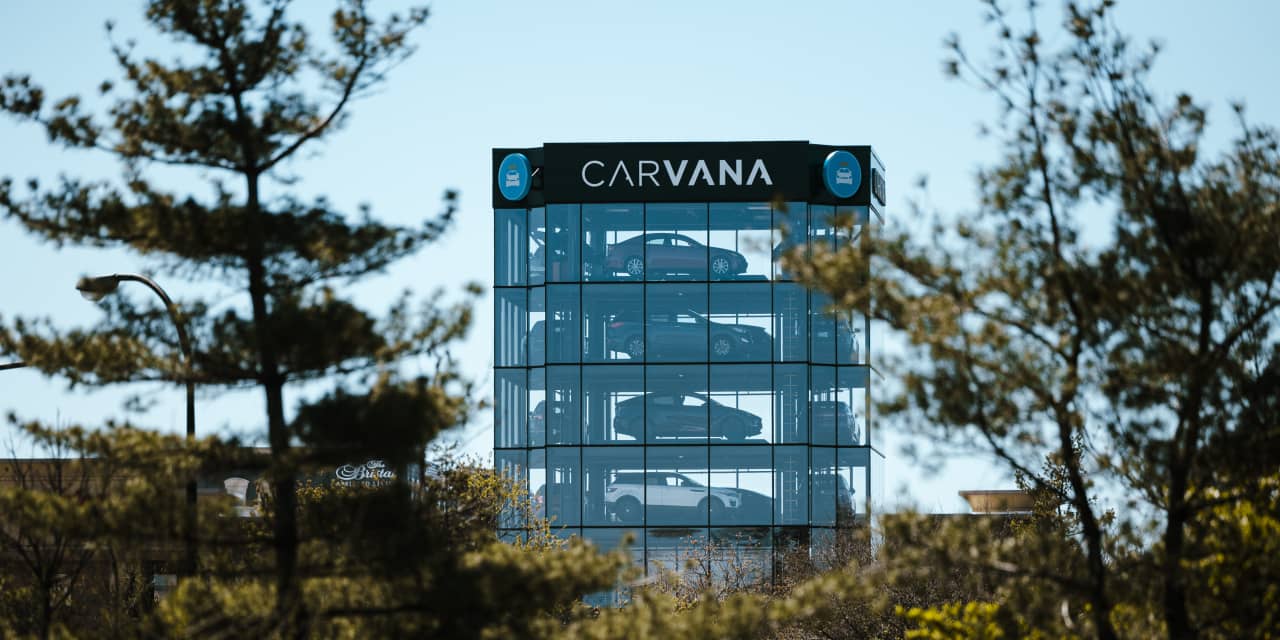
Carvana's Stock Surged 100% Last Year, But This Analyst Has Changed Their Outlook.
- Bank of America Downgrade: Bank of America downgraded Carvana on Monday.
- Impact of Oil Prices: The downgrade was influenced by a recent spike in oil prices.
- Consumer Concerns: The increase in oil prices is expected to affect lower- and middle-income consumers.
- Market Implications: This downgrade may reflect broader concerns about consumer spending and economic conditions.
See More
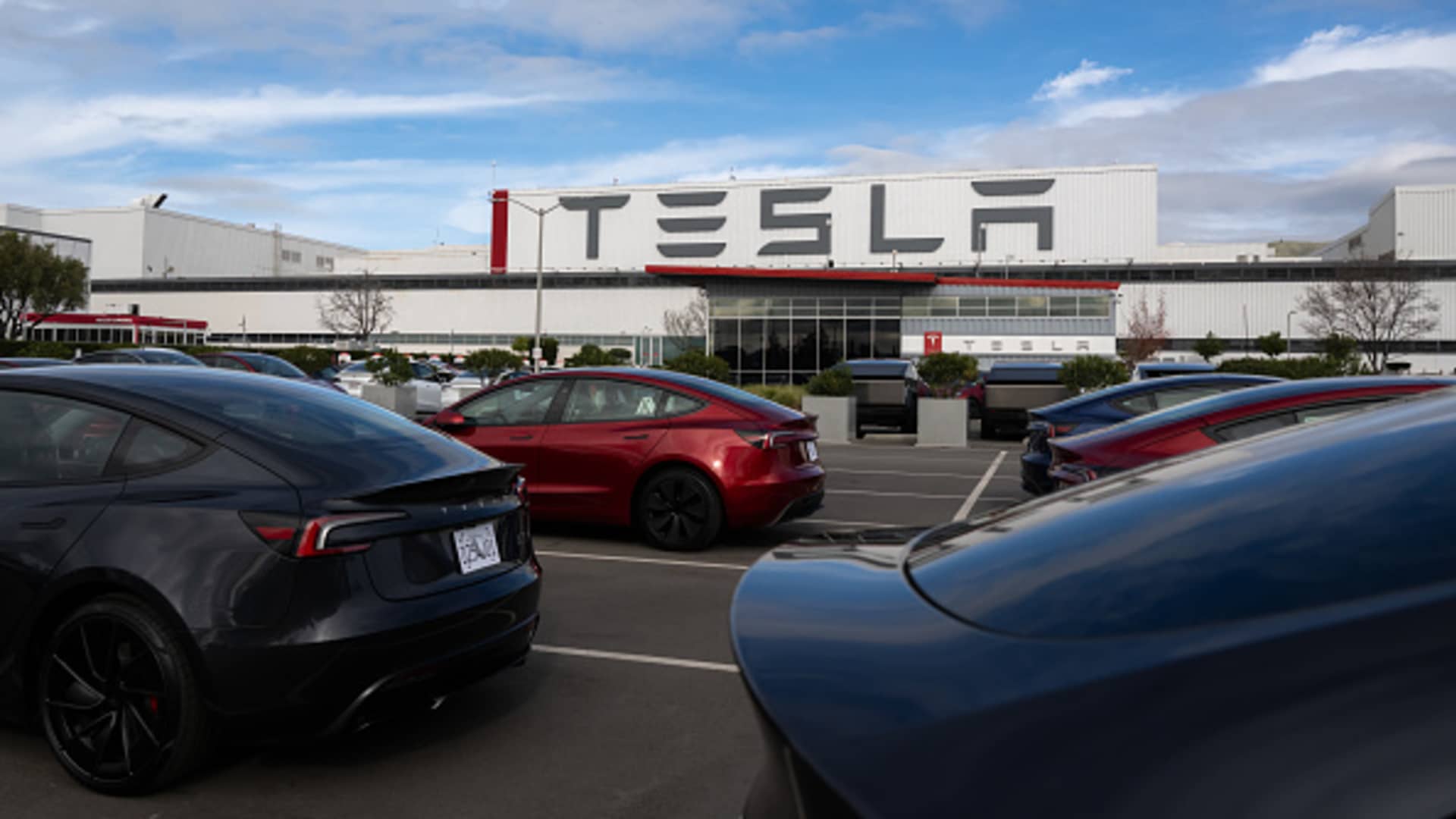
Market Dynamics and Rating Updates


- Tesla Rating Maintained: JPMorgan retains a sell rating on Tesla after the company's first-quarter deliveries fell short of expectations, with a price target of $145 implying a 60% downside, indicating market concerns over EV demand.
- Plastics Makers Downgraded: Bank of America downgraded Dow Inc and LyondellBasell from hold to sell, citing unsustainable gains from Middle East supply disruptions, predicting that petrochemical prices will peak and earnings will normalize.
- Netflix Upgrade: Goldman Sachs upgraded Netflix from hold to buy, as analysts believe the end of the Warner Bros deal will enable Netflix to achieve sustained low double-digit revenue growth in the coming years, with increased buyback activity expected.
- AMD Price Target Cut: Citi lowered AMD's price target from $260 to $248 while maintaining a hold rating, reflecting caution over a flat 2026 despite strong CPU demand from agentic AI, amid new competition in the data center CPU market.
See More

Bank of America Downgrades Carvana to Neutral Amid Economic Headwinds
- Rating Downgrade: Bank of America downgraded Carvana from buy to neutral and lowered the price target from $400 to $360, which still implies nearly a 15% upside, reflecting a more balanced risk/reward profile amid recent macroeconomic and industry developments.
- Market Pressures: The fallout from the Iran war threatens to reduce consumer spending, particularly impacting lower and middle-income consumers, which could adversely affect Carvana's performance as it heads into 2026.
- Rising Gas Prices: Following U.S. military strikes on Iran, gas prices have surged over 30%, potentially squeezing discretionary spending for younger demographics, with Gen Z spending on gas representing nearly 10% of their overall discretionary spend, almost double that of older cohorts.
- Increased Competition: Carvana faces intensified competition from rivals like CarMax, which has indicated plans to lower retail used unit margins to gain market share, potentially compressing Carvana's gross profit per unit and impacting its profitability.
See More
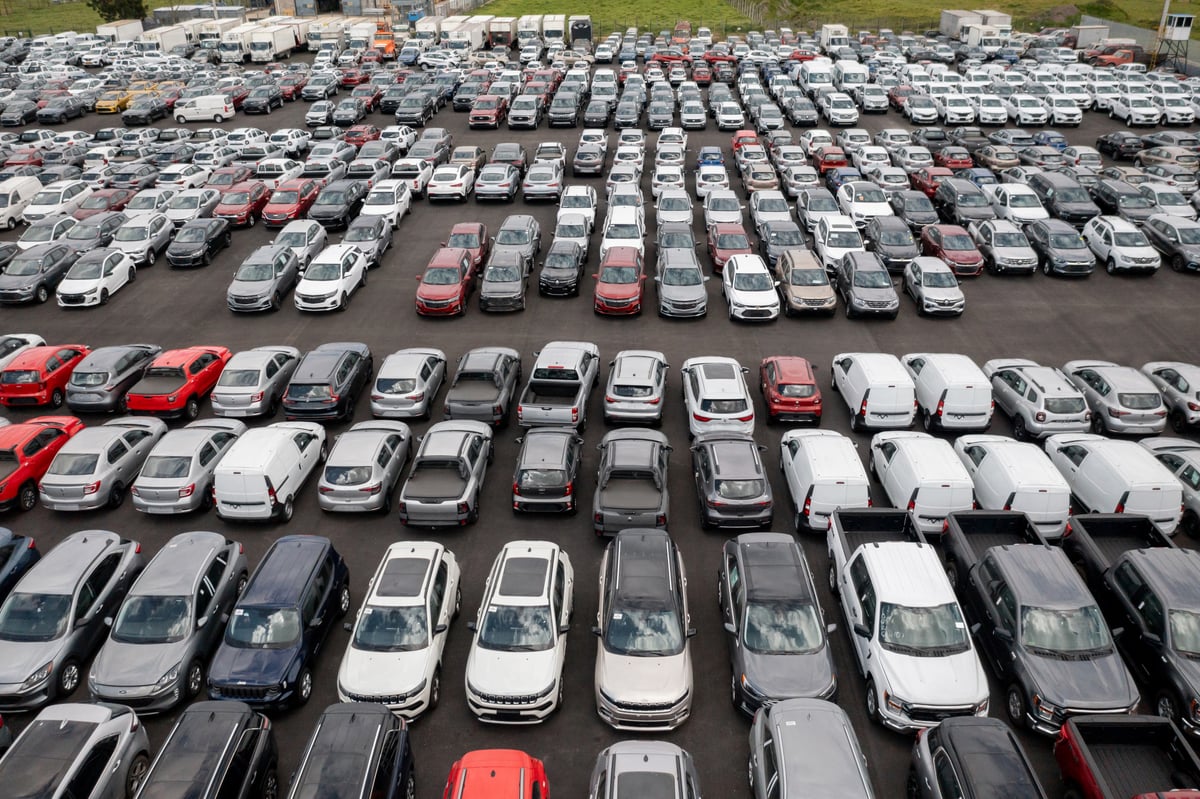
CarMax Appoints New CEO, Signals Turnaround Ahead
- Leadership Change: CarMax appointed Keith Barr as the new CEO on March 16, marking the end of uncertainty in its executive suite, which is expected to drive the company's turnaround despite a 40% stock price drop over the past year.
- Investor Pressure: Activist investor Starboard Value has taken a significant stake valued at approximately $350 million and nominated two new board members, pushing for performance improvements that could benefit investors in the long run.
- Performance Challenges: CarMax is set to release its Q4 2025 results on April 14, with last quarter's used-unit sales down 8% and comparable-store sales down 9%, resulting in a net earnings decline of over 50% year-over-year.
- Market Outlook: CarMax's stock is currently relatively inexpensive, with P/E ratios slightly above 13, and with new leadership focused on performance enhancement and user experience upgrades, the market outlook appears optimistic for its future performance.
See More
Trump Announces Two-Week Ceasefire with Iran, Boosting Market Futures
- Market Reaction Positive: Following Trump's announcement of a two-week ceasefire with Iran, stock futures surged, with S&P 500 futures up over 1,300 points, indicating strong market optimism regarding reduced geopolitical risks.
- Oil Prices Plummet: Brent crude futures fell more than 13% and U.S. West Texas Intermediate futures dropped over 16% after the ceasefire news, alleviating fuel cost pressures for airlines and transportation sectors.
- Delta Airlines Adjusts Capacity: Delta Airlines scaled back its capacity growth plans due to soaring fuel costs, yet reported first-quarter earnings that exceeded Wall Street expectations, resulting in a stock price increase of over 12%, reflecting market confidence in its strategic response.
- Strong Demand in Used Car Market: Despite rising gas prices, Cox Automotive reported a 6.2% year-over-year increase in used vehicle prices in March, with inventory dropping below 40 days, indicating robust consumer demand and market resilience.
See More
Used Vehicle Demand Remains Strong Amid Price Increases
- Price Increase Trend: Cox Automotive's Manheim Used Vehicle Value Index indicates a 6.2% year-over-year increase in used vehicle prices, reaching the highest level since summer 2023, reflecting strong market demand and tight supply conditions.
- Tight Inventory: As of March, the days' supply of used vehicles fell below 40 days, marking the lowest point since 2026, indicating increased inventory pressure faced by dealers and consumers that may impact future sales strategies.
- Sales Forecast Adjustment: Cox raised its 2023 used vehicle sales forecast from 20.3 million to 20.4 million, although a slight decline in sales is expected in the second half of the year, reflecting the ongoing demand for used vehicles amid complex market dynamics.
- Shifting Consumer Preferences: With high new vehicle prices, more U.S. consumers are opting for used vehicles, and Cox anticipates the new vehicle market will reach approximately 15.8 million units this year, further driving growth in the used vehicle market.
See More
Carvana's Stock Surged 100% Last Year, But This Analyst Has Changed Their Outlook.
- Bank of America Downgrade: Bank of America downgraded Carvana on Monday.
- Impact of Oil Prices: The downgrade was influenced by a recent spike in oil prices.
- Consumer Concerns: The increase in oil prices is expected to affect lower- and middle-income consumers.
- Market Implications: This downgrade may reflect broader concerns about consumer spending and economic conditions.
See More
Market Dynamics and Rating Updates
- Tesla Rating Maintained: JPMorgan retains a sell rating on Tesla after the company's first-quarter deliveries fell short of expectations, with a price target of $145 implying a 60% downside, indicating market concerns over EV demand.
- Plastics Makers Downgraded: Bank of America downgraded Dow Inc and LyondellBasell from hold to sell, citing unsustainable gains from Middle East supply disruptions, predicting that petrochemical prices will peak and earnings will normalize.
- Netflix Upgrade: Goldman Sachs upgraded Netflix from hold to buy, as analysts believe the end of the Warner Bros deal will enable Netflix to achieve sustained low double-digit revenue growth in the coming years, with increased buyback activity expected.
- AMD Price Target Cut: Citi lowered AMD's price target from $260 to $248 while maintaining a hold rating, reflecting caution over a flat 2026 despite strong CPU demand from agentic AI, amid new competition in the data center CPU market.
See More
Bank of America Downgrades Carvana to Neutral Amid Economic Headwinds
- Rating Downgrade: Bank of America downgraded Carvana from buy to neutral and lowered the price target from $400 to $360, which still implies nearly a 15% upside, reflecting a more balanced risk/reward profile amid recent macroeconomic and industry developments.
- Market Pressures: The fallout from the Iran war threatens to reduce consumer spending, particularly impacting lower and middle-income consumers, which could adversely affect Carvana's performance as it heads into 2026.
- Rising Gas Prices: Following U.S. military strikes on Iran, gas prices have surged over 30%, potentially squeezing discretionary spending for younger demographics, with Gen Z spending on gas representing nearly 10% of their overall discretionary spend, almost double that of older cohorts.
- Increased Competition: Carvana faces intensified competition from rivals like CarMax, which has indicated plans to lower retail used unit margins to gain market share, potentially compressing Carvana's gross profit per unit and impacting its profitability.
See More
CarMax Appoints New CEO, Signals Turnaround Ahead
- Leadership Change: CarMax appointed Keith Barr as the new CEO on March 16, marking the end of uncertainty in its executive suite, which is expected to drive the company's turnaround despite a 40% stock price drop over the past year.
- Investor Pressure: Activist investor Starboard Value has taken a significant stake valued at approximately $350 million and nominated two new board members, pushing for performance improvements that could benefit investors in the long run.
- Performance Challenges: CarMax is set to release its Q4 2025 results on April 14, with last quarter's used-unit sales down 8% and comparable-store sales down 9%, resulting in a net earnings decline of over 50% year-over-year.
- Market Outlook: CarMax's stock is currently relatively inexpensive, with P/E ratios slightly above 13, and with new leadership focused on performance enhancement and user experience upgrades, the market outlook appears optimistic for its future performance.
See More