Campbell's Q2 Sales and Earnings Miss Expectations
Written by Emily J. Thompson, Senior Investment Analyst
Updated: 4 hours ago
0mins
Should l Buy CPB?
Source: Benzinga
- Sales Decline: Campbell's net sales for Q2 fell by 4.5% year-on-year to $2.564 billion, missing Street expectations of $2.617 billion, indicating challenges the company faces in a competitive market environment.
- Profitability Impact: The company's non-GAAP net income was 51 cents per share, falling short of the consensus estimate of 57 cents, reflecting a decline in profitability under cost pressures and weak market demand.
- Gross Margin Contraction: Gross margin contracted by 270 basis points to 27.7%, primarily due to cost inflation, tariffs, and unfavorable volume/mix, highlighting difficulties in cost control.
- Guidance Adjustment: Although the FY26 guidance cut may provide a more appropriate floor for market sentiment, analysts believe it will not improve investor confidence in the short term, reflecting caution regarding the company's future performance.
Trade with 70% Backtested Accuracy
Stop guessing "Should I Buy CPB?" and start using high-conviction signals backed by rigorous historical data.
Sign up today to access powerful investing tools and make smarter, data-driven decisions.
Analyst Views on CPB
Wall Street analysts forecast CPB stock price to rise
15 Analyst Rating
2 Buy
10 Hold
3 Sell
Hold
Current: 22.940

Low
27.00
Averages
31.07
High
38.00
Current: 22.940
Low
27.00
Averages
31.07
High
38.00
About CPB
The Campbell's Company, formerly Campbell Soup Company, provides affordable food and beverages. The Company is focused on brand powerhouse, across two divisions: Meals & Beverages and Snacks. The Company’s portfolio of approximately 16 brands includes Campbell’s, Cape Cod, Chunky, Goldfish, Kettle Brand, Lance, Late July, Pace, Pacific Foods, Pepperidge Farm, Prego, Rao’s, Snack Factory Pretzel Crisps, Snyder’s of Hanover, Swanson and V8. It offers nutritious, convenient food for Canadian families. Its North American Foodservice division offers food, recipes, and tailored solutions for a wide range of segments, including healthcare facilities, restaurants and specialty coffee shops, schools, vending and micro-markets, and lodging throughout North America. Pacific Foods is a producer of organic broth and soup. Offering a wide range of tasty organic and plant-based options, soups include Creamy Roasted Red Pepper & Tomato and new ready-to-serve canned soups.
About the author

Emily J. Thompson
Emily J. Thompson, a Chartered Financial Analyst (CFA) with 12 years in investment research, graduated with honors from the Wharton School. Specializing in industrial and technology stocks, she provides in-depth analysis for Intellectia’s earnings and market brief reports.

Campbell's Q2 Sales and Earnings Miss Expectations
- Sales Decline Factors: Campbell's Q2 sales and earnings missed expectations, with adverse weather in January being a contributing factor, alongside other influences that highlight the company's vulnerability in the current market environment.
- Analyst Rating Maintained: Despite the disappointing performance, analysts reaffirmed a Neutral rating on Campbell, indicating a cautious market sentiment regarding the company's future prospects, which may impact investor confidence.
- Market Reaction: The earnings miss may prompt investors to reassess their investment strategies regarding Campbell, leading to stock price volatility that reflects concerns about the company's growth potential moving forward.
- Need for Strategic Adjustments: In light of the sales and earnings challenges, Campbell may need to reevaluate its market strategies and product offerings to better respond to evolving consumer demands and competitive pressures.
See More

Oil Price Surge Triggers Market Volatility


- Market Volatility Intensifies: On Thursday, the Dow plunged over 500 points as Iran's new Supreme Leader announced the Strait of Hormuz would remain closed, causing Brent crude to briefly exceed $100 per barrel and West Texas Intermediate to hover around $90, leading to a bearish market sentiment as investors refrained from buying amid rising oil prices.
- Linde Stock Rises: Linde's shares increased as investors see the company benefiting from potential helium shortages linked to the Iran conflict, with Linde stating that the Middle East turmoil is neutral to net positive, allowing for price increases amid supply constraints, highlighting its strong market position.
- Corning Shares Decline: Despite Bank of America raising Corning's price target from $120 to $144, the stock fell 2%, as analysts revealed that the scale-out opportunities in data centers are much larger than previously thought, indicating a disconnect between market perception and underlying value, with Jim emphasizing its importance in their portfolio.
- Rapid Stock Review: Stocks mentioned in Wednesday's rapid review included Dicks Sporting Goods, Dollar General, and CVS Health, with Jim Cramer's charitable trust holding positions in Linde, Q, and Corning, reflecting ongoing confidence in these companies amidst market fluctuations.
See More
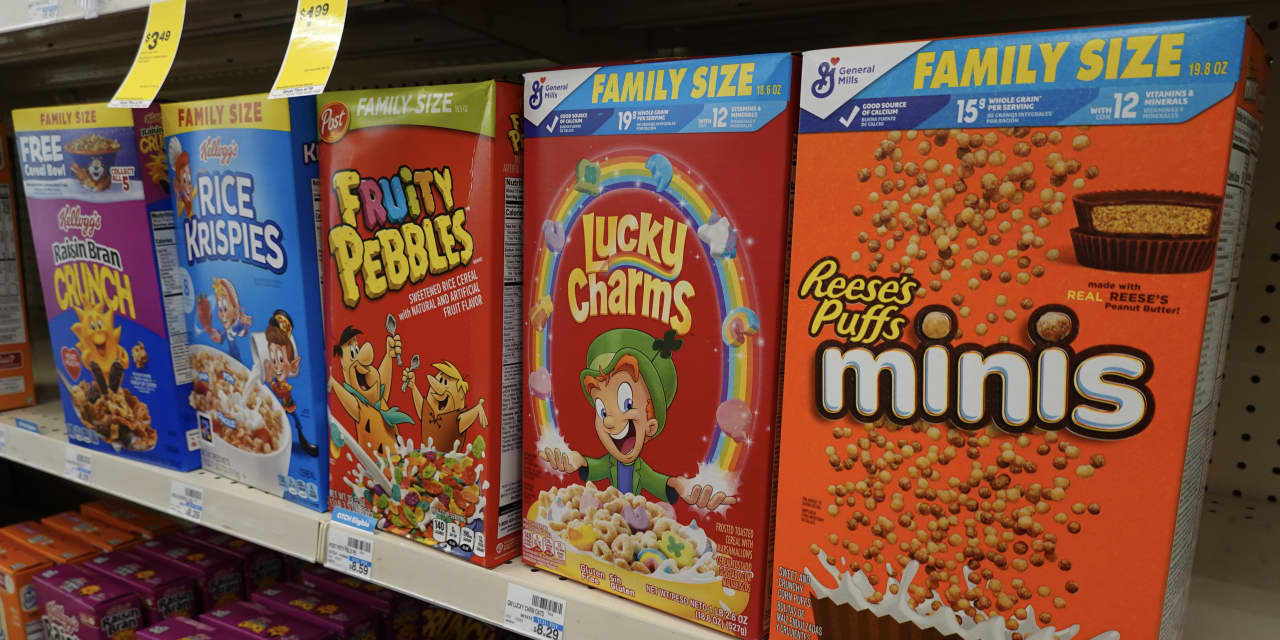
Wells Fargo Downgrades 3 Food Stocks Offering High Dividend Yields

- Food Stocks and Yields: Many food stocks offer attractive yields that may seem appealing to investors.
- Caution Advised: Investors are encouraged to thoroughly evaluate these stocks, akin to reading a nutrition label, before making investment decisions.
- Market Trends: The article suggests that while some food stocks appear safe, their underlying fundamentals should be scrutinized.
- Investment Strategy: A careful analysis of the financial health and performance of food stocks is essential for making informed investment choices.
See More

Major Averages Decline Amid Oil Price Volatility


- Market Impact from Oil Prices: The major averages, including the Dow, fell over 400 points as oil prices surged above $100 earlier in the week, reflecting traders' concerns over volatile energy prices and geopolitical tensions in the Middle East.
- IEA's Strategic Release: The International Energy Agency's decision to release approximately 400 million barrels from strategic reserves aims to stabilize energy markets following supply shocks due to conflicts, which could help mitigate extreme oil price fluctuations.
- Inflation Data Reaction: Recent inflation data showed a 0.3% month-over-month increase in the consumer price index and a 2.4% year-over-year rise, both aligning with consensus expectations, indicating persistent inflationary pressures that may influence future monetary policy decisions.
- Escalating Geopolitical Risks: U.S. forces sunk several Iranian ships near the Strait of Hormuz, heightening the fragility of global energy supply routes and contributing to unstable market sentiment, prompting investors to adopt a cautious stance regarding future market movements.
See More
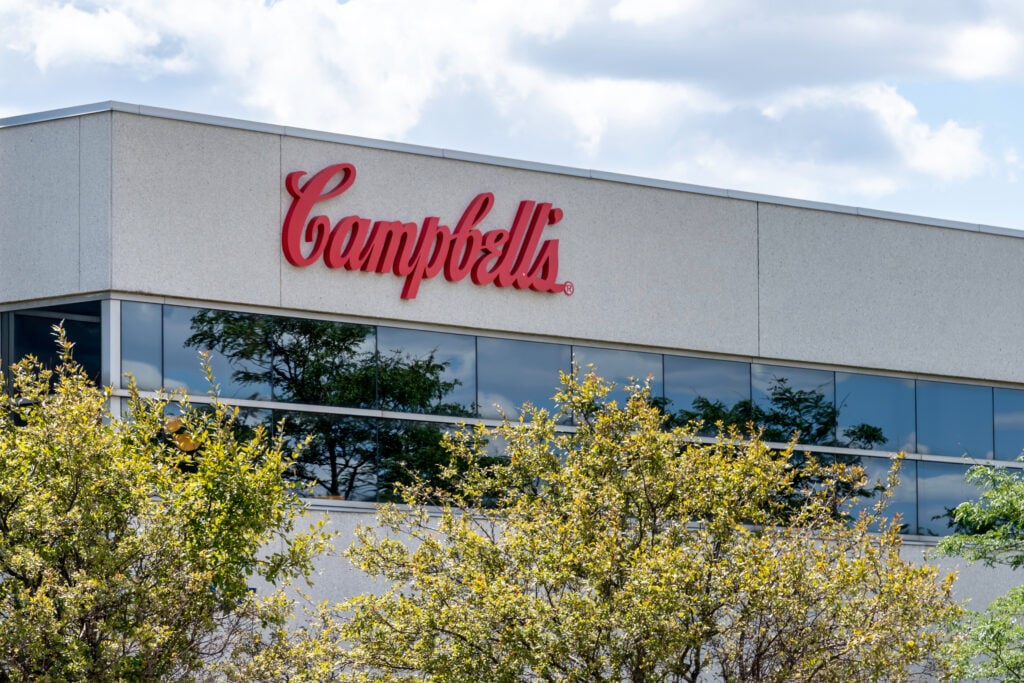
Campbell's Q2 Sales and Earnings Miss Expectations
- Sales Decline: Campbell's net sales for Q2 fell by 4.5% year-on-year to $2.564 billion, missing Street expectations of $2.617 billion, indicating challenges the company faces in a competitive market environment.
- Profitability Impact: The company's non-GAAP net income was 51 cents per share, falling short of the consensus estimate of 57 cents, reflecting a decline in profitability under cost pressures and weak market demand.
- Gross Margin Contraction: Gross margin contracted by 270 basis points to 27.7%, primarily due to cost inflation, tariffs, and unfavorable volume/mix, highlighting difficulties in cost control.
- Guidance Adjustment: Although the FY26 guidance cut may provide a more appropriate floor for market sentiment, analysts believe it will not improve investor confidence in the short term, reflecting caution regarding the company's future performance.
See More
Wall Street Analysts Adjust MU Stock Ratings


- Analyst Rating Changes: Top Wall Street analysts have adjusted their outlook on MU stock, indicating a shift in market sentiment, although specific rating changes were not detailed in the report.
- Increased Market Attention: As analysts focus more on MU stock, investors may reassess their investment strategies, potentially impacting the stock's market performance and price volatility.
- Impact of Rating Changes: Changes in analyst ratings typically have a direct effect on investor confidence, which could lead to increased buying or selling pressure on MU stock, thereby influencing its short-term price movements.
- Information Transparency: Despite the lack of specific rating change details, the market remains highly attentive to analysts' views, reflecting potential uncertainty regarding MU's future performance.
See More
Campbell's Q2 Sales and Earnings Miss Expectations
- Sales Decline Factors: Campbell's Q2 sales and earnings missed expectations, with adverse weather in January being a contributing factor, alongside other influences that highlight the company's vulnerability in the current market environment.
- Analyst Rating Maintained: Despite the disappointing performance, analysts reaffirmed a Neutral rating on Campbell, indicating a cautious market sentiment regarding the company's future prospects, which may impact investor confidence.
- Market Reaction: The earnings miss may prompt investors to reassess their investment strategies regarding Campbell, leading to stock price volatility that reflects concerns about the company's growth potential moving forward.
- Need for Strategic Adjustments: In light of the sales and earnings challenges, Campbell may need to reevaluate its market strategies and product offerings to better respond to evolving consumer demands and competitive pressures.
See More
Oil Price Surge Triggers Market Volatility
- Market Volatility Intensifies: On Thursday, the Dow plunged over 500 points as Iran's new Supreme Leader announced the Strait of Hormuz would remain closed, causing Brent crude to briefly exceed $100 per barrel and West Texas Intermediate to hover around $90, leading to a bearish market sentiment as investors refrained from buying amid rising oil prices.
- Linde Stock Rises: Linde's shares increased as investors see the company benefiting from potential helium shortages linked to the Iran conflict, with Linde stating that the Middle East turmoil is neutral to net positive, allowing for price increases amid supply constraints, highlighting its strong market position.
- Corning Shares Decline: Despite Bank of America raising Corning's price target from $120 to $144, the stock fell 2%, as analysts revealed that the scale-out opportunities in data centers are much larger than previously thought, indicating a disconnect between market perception and underlying value, with Jim emphasizing its importance in their portfolio.
- Rapid Stock Review: Stocks mentioned in Wednesday's rapid review included Dicks Sporting Goods, Dollar General, and CVS Health, with Jim Cramer's charitable trust holding positions in Linde, Q, and Corning, reflecting ongoing confidence in these companies amidst market fluctuations.
See More
Wells Fargo Downgrades 3 Food Stocks Offering High Dividend Yields
- Food Stocks and Yields: Many food stocks offer attractive yields that may seem appealing to investors.
- Caution Advised: Investors are encouraged to thoroughly evaluate these stocks, akin to reading a nutrition label, before making investment decisions.
- Market Trends: The article suggests that while some food stocks appear safe, their underlying fundamentals should be scrutinized.
- Investment Strategy: A careful analysis of the financial health and performance of food stocks is essential for making informed investment choices.
See More
Major Averages Decline Amid Oil Price Volatility
- Market Impact from Oil Prices: The major averages, including the Dow, fell over 400 points as oil prices surged above $100 earlier in the week, reflecting traders' concerns over volatile energy prices and geopolitical tensions in the Middle East.
- IEA's Strategic Release: The International Energy Agency's decision to release approximately 400 million barrels from strategic reserves aims to stabilize energy markets following supply shocks due to conflicts, which could help mitigate extreme oil price fluctuations.
- Inflation Data Reaction: Recent inflation data showed a 0.3% month-over-month increase in the consumer price index and a 2.4% year-over-year rise, both aligning with consensus expectations, indicating persistent inflationary pressures that may influence future monetary policy decisions.
- Escalating Geopolitical Risks: U.S. forces sunk several Iranian ships near the Strait of Hormuz, heightening the fragility of global energy supply routes and contributing to unstable market sentiment, prompting investors to adopt a cautious stance regarding future market movements.
See More
Campbell's Q2 Sales and Earnings Miss Expectations
- Sales Decline: Campbell's net sales for Q2 fell by 4.5% year-on-year to $2.564 billion, missing Street expectations of $2.617 billion, indicating challenges the company faces in a competitive market environment.
- Profitability Impact: The company's non-GAAP net income was 51 cents per share, falling short of the consensus estimate of 57 cents, reflecting a decline in profitability under cost pressures and weak market demand.
- Gross Margin Contraction: Gross margin contracted by 270 basis points to 27.7%, primarily due to cost inflation, tariffs, and unfavorable volume/mix, highlighting difficulties in cost control.
- Guidance Adjustment: Although the FY26 guidance cut may provide a more appropriate floor for market sentiment, analysts believe it will not improve investor confidence in the short term, reflecting caution regarding the company's future performance.
See More
Wall Street Analysts Adjust MU Stock Ratings
- Analyst Rating Changes: Top Wall Street analysts have adjusted their outlook on MU stock, indicating a shift in market sentiment, although specific rating changes were not detailed in the report.
- Increased Market Attention: As analysts focus more on MU stock, investors may reassess their investment strategies, potentially impacting the stock's market performance and price volatility.
- Impact of Rating Changes: Changes in analyst ratings typically have a direct effect on investor confidence, which could lead to increased buying or selling pressure on MU stock, thereby influencing its short-term price movements.
- Information Transparency: Despite the lack of specific rating change details, the market remains highly attentive to analysts' views, reflecting potential uncertainty regarding MU's future performance.
See More