Analysts Downgrade Tencent Music Following Earnings Report
Written by Emily J. Thompson, Senior Investment Analyst
Updated: Mar 18 2026
0mins


Source: NASDAQ.COM
- Analyst Downgrades: Following a weaker-than-expected earnings report, analysts have downgraded Tencent Music for the second consecutive day, with Benchmark's Fawne Jiang lowering her rating from buy to hold without providing a new price target, resulting in a stock drop of over 9%.
- Increased Competition Risks: Despite Tencent Music's strong growth in the online music market, analysts remain cautious about the future, with Jiang highlighting that rising competition and new content consumption methods, particularly the rapid adoption of artificial intelligence, could threaten its high-margin subscription revenue.
- User Growth Slowdown: The earnings report revealed a 5% decline in monthly active users (MAU), raising investor concerns as this key metric's drop could significantly impact future revenue growth, especially for a company heavily reliant on social media dynamics.
- Price Target Cuts: Goldman Sachs analyst Lincoln Kong reduced his price target from $20 to $17.60 while maintaining a buy rating, whereas JPMorgan's Alex Yao slashed his target from $30 to $12, keeping a neutral rating, reflecting widespread market concerns regarding Tencent Music's future performance.
Trade with 70% Backtested Accuracy
Stop guessing "Should I Buy TME?" and start using high-conviction signals backed by rigorous historical data.
Sign up today to access powerful investing tools and make smarter, data-driven decisions.
Analyst Views on TME
Wall Street analysts forecast TME stock price to rise
8 Analyst Rating
6 Buy
2 Hold
0 Sell
Strong Buy
Current: 8.940

Low
21.00
Averages
26.13
High
29.00
Current: 8.940
Low
21.00
Averages
26.13
High
29.00
About TME
Tencent Music Entertainment Group is a holding company mainly engaged in the provision and operation of online music entertainment platform. The Company is mainly engaged in the provision of online music services, social entertainment services and other services. The Company operates four major product brands, QQ Music, Kugou Music, Kuwo Music and WeSing, through which the Company provides online music and social entertainment services to address the music entertainment needs of audience in China. The Company also offers Lazy Audio, the dedicated long-form audio app as a complement to the flagship music-centric product portfolio.
About the author

Emily J. Thompson
Emily J. Thompson, a Chartered Financial Analyst (CFA) with 12 years in investment research, graduated with honors from the Wharton School. Specializing in industrial and technology stocks, she provides in-depth analysis for Intellectia’s earnings and market brief reports.
Tencent Reports 9% Revenue Growth in Q1 2026, Misses Expectations

- Revenue Performance: Tencent reported Q1 2026 revenues of 196.5 billion yuan ($28.9 billion), reflecting a 9% year-over-year increase, yet falling short of analyst expectations of 199 billion yuan, indicating heightened market competition pressures.
- Gaming Revenue Slowdown: Domestic gaming revenues reached 45.4 billion yuan, up 6% year-over-year, but significantly down from the 24% growth seen in Q1 2025, suggesting that the timing shift of Chinese New Year affected revenue recognition rather than underlying demand issues.
- Fintech Growth: Tencent's fintech and other business services generated 60 billion yuan in Q1, a 9% increase, with cloud service demand driving a 20% rise in business services revenue, highlighting strong demand for AI-related services.
- Accelerated Ad Revenue: An upgraded AI-driven ad recommendation model led to a 20% acceleration in advertising revenue growth, indicating that Tencent's AI investments are yielding returns, although the slowdown in gaming revenue growth remains a concern.
See More

US-China Summit May Boost Chinese Tech Stocks


- Impact of US-China Summit: The high-stakes meeting between Trump and Xi is seen as a potential catalyst for easing trade tensions, with analysts expecting a boost in Chinese equities, particularly in the tech sector, thereby enhancing investor confidence.
- Trade Agreement Expectations: Goldman Sachs analysts noted that both sides might agree on increasing Chinese purchases of U.S. agricultural products, energy, and aircraft in exchange for avoiding further tariff escalations, which would positively impact U.S.-China trade relations.
- AI Chip Sales Breakthrough: Following the summit, Washington cleared sales of Nvidia's H200 AI chips to several major Chinese tech firms, including Alibaba and Tencent, marking a significant advancement for China's AI sector and potentially enhancing its global competitiveness.
- Cautious Market Reaction: Although the Hang Seng Tech Index saw a slight uptick, the overall market remains cautious, with investors waiting for the summit's outcomes while focusing on the potential for earnings growth among Chinese firms to guide future investment strategies.
See More

Tencent Music Reports 7% Revenue Growth in Q1 2026
- Revenue Growth: In Q1 2026, Tencent Music reported a 7% year-over-year revenue increase, with music-related services growing by 12%, showcasing the company's success in diversified monetization strategies, particularly with triple-digit growth in offline concert revenues, enhancing market competitiveness.
- Membership Services Performance: Membership services revenue reached RMB 4.6 billion, up 7% year-on-year, but a slight quarter-over-quarter decline due to intensified competition indicates the need for stronger copyright enforcement to address market dynamics affecting user growth.
- Gross Margin Improvement: The gross margin increased to 44.9%, up 0.8 percentage points year-on-year, primarily driven by growth in membership and advertising businesses, along with improved operational efficiency in IP-related sectors, which is expected to positively impact future profitability.
- Competitive Pressure: Social entertainment services revenue decreased by 11% year-on-year, highlighting challenges in this segment, while selling and marketing expenses surged by 36% year-on-year, reflecting strategic spending in a competitive landscape that may affect overall profitability.
See More

Tencent Music Reports Steady Q1 2026 Amid Competitive Pressures
- Steady Revenue Growth: Tencent Music reported RMB 4.6 billion in membership service revenue for Q1 2026, reflecting a 7% year-on-year increase, indicating its ability to maintain stable financial performance amidst a highly competitive landscape, which underscores the ongoing appeal of its user base and content value.
- Copyright Protection Measures: In response to the proliferation of AI-driven pirated content, Tencent Music emphasized the establishment of a dedicated rights production mechanism to tackle infringement issues, which not only helps protect creators' rights but also enhances user trust in the platform, thereby promoting long-term user retention and revenue growth.
- Strategic Transformation: The company is transitioning to a membership-based model aimed at delivering more immersive music experiences, and by deepening integration with the WeChat ecosystem, it seeks to broaden user reach and streamline conversion rates, further enhancing its competitive edge in the market.
- Market Challenge Response: Despite facing disorderly price competition and challenges from AI content, management remains optimistic about its IP-driven comprehensive monetization strategy, expecting to sustain steady growth, which reflects the company's resilience and forward-looking approach in navigating market volatility.
See More
Emerging South Korean Market Opportunities

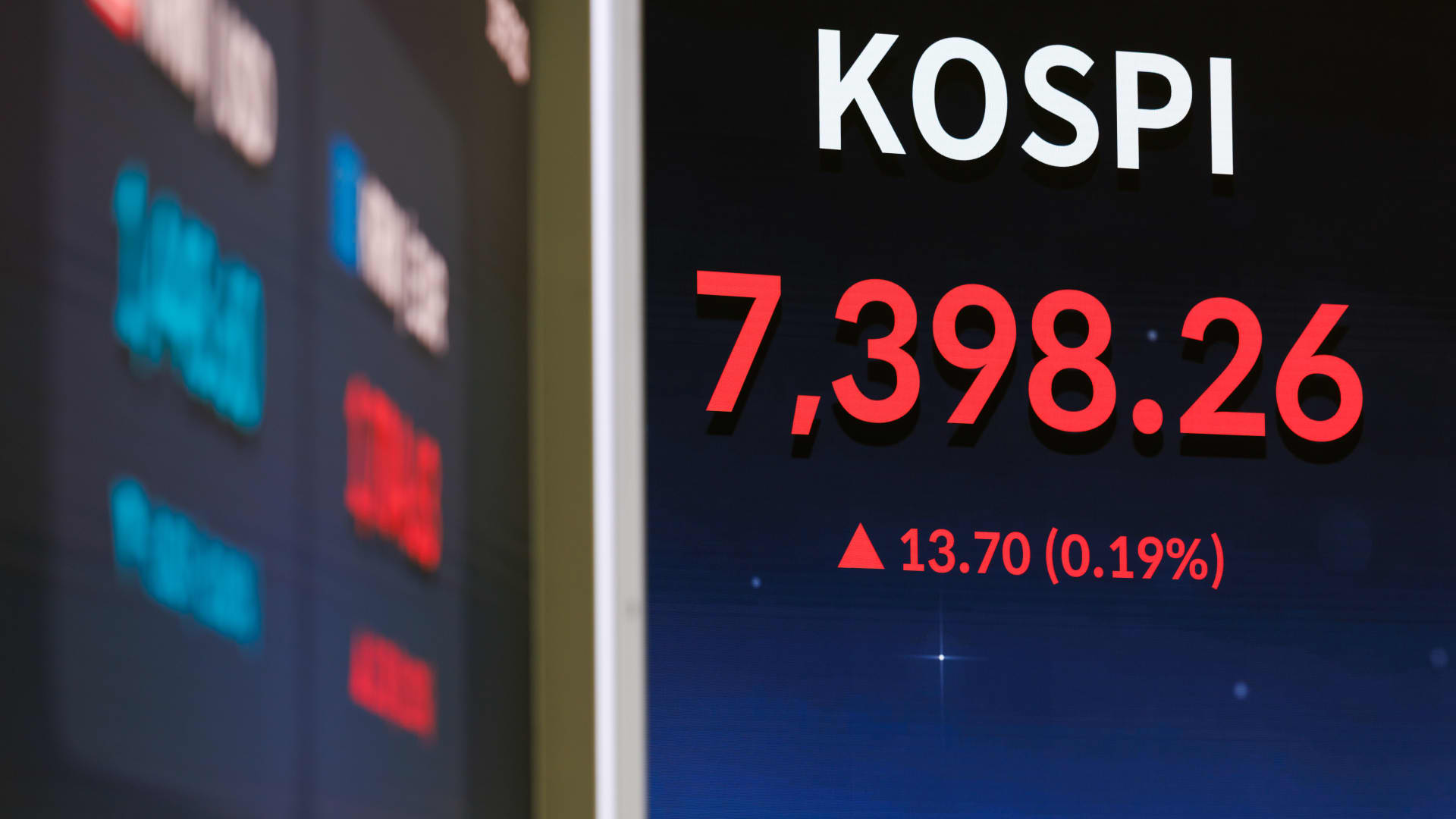
- Strong Market Performance: The South Korean Kospi index has reached an all-time high, posting its strongest weekly gain since 2008 last week, indicating the potential for emerging markets to outperform the U.S. and attracting more investor attention.
- Surge in Semiconductor Shipments: South Korean semiconductor shipments surged nearly 150% year-over-year in the first ten days of May, driven by AI server demand, highlighting the country's critical role in the global tech supply chain.
- ETF Investment Opportunities: The newly launched Roundhill Memory ETF (DRAM) has attracted $5 billion to $6 billion in assets under management within 40 days, reflecting strong market interest in South Korean semiconductor firms, particularly Samsung and SK Hynix.
- Investment Strategy Adjustments: Given that the Kospi index has risen approximately 95% this year, investors should approach with caution, recommending a gradual position build-up at price pullbacks to $47-$45 to mitigate risk while capturing potential gains.
See More
Tencent Music Q1 2026 Earnings Analysis
- Disappointing Earnings: Tencent Music reported a Q1 2026 non-GAAP EPS of $0.19, missing expectations by $0.02, indicating pressure on profitability that could undermine investor confidence.
- Lackluster Revenue Growth: Revenue increased by 13.9% year-over-year to $1.15 billion, yet fell short of expectations by $10 million, reflecting challenges from intensified market competition and slowing user growth.
- Stable Cash Position: As of March 31, 2026, Tencent Music's total cash, cash equivalents, term deposits, and short-term investments amounted to RMB 41.00 billion (approximately $5.94 billion), providing a relatively stable financial foundation for the company.
- Adjusted EBITDA Growth: The adjusted EBITDA reached RMB 2.83 billion (approximately $410 million), representing a year-over-year growth of 10.5%, indicating potential in cost control and operational efficiency despite overall financial performance concerns.
See More
Tencent Reports 9% Revenue Growth in Q1 2026, Misses Expectations
- Revenue Performance: Tencent reported Q1 2026 revenues of 196.5 billion yuan ($28.9 billion), reflecting a 9% year-over-year increase, yet falling short of analyst expectations of 199 billion yuan, indicating heightened market competition pressures.
- Gaming Revenue Slowdown: Domestic gaming revenues reached 45.4 billion yuan, up 6% year-over-year, but significantly down from the 24% growth seen in Q1 2025, suggesting that the timing shift of Chinese New Year affected revenue recognition rather than underlying demand issues.
- Fintech Growth: Tencent's fintech and other business services generated 60 billion yuan in Q1, a 9% increase, with cloud service demand driving a 20% rise in business services revenue, highlighting strong demand for AI-related services.
- Accelerated Ad Revenue: An upgraded AI-driven ad recommendation model led to a 20% acceleration in advertising revenue growth, indicating that Tencent's AI investments are yielding returns, although the slowdown in gaming revenue growth remains a concern.
See More
US-China Summit May Boost Chinese Tech Stocks
- Impact of US-China Summit: The high-stakes meeting between Trump and Xi is seen as a potential catalyst for easing trade tensions, with analysts expecting a boost in Chinese equities, particularly in the tech sector, thereby enhancing investor confidence.
- Trade Agreement Expectations: Goldman Sachs analysts noted that both sides might agree on increasing Chinese purchases of U.S. agricultural products, energy, and aircraft in exchange for avoiding further tariff escalations, which would positively impact U.S.-China trade relations.
- AI Chip Sales Breakthrough: Following the summit, Washington cleared sales of Nvidia's H200 AI chips to several major Chinese tech firms, including Alibaba and Tencent, marking a significant advancement for China's AI sector and potentially enhancing its global competitiveness.
- Cautious Market Reaction: Although the Hang Seng Tech Index saw a slight uptick, the overall market remains cautious, with investors waiting for the summit's outcomes while focusing on the potential for earnings growth among Chinese firms to guide future investment strategies.
See More
Tencent Music Reports 7% Revenue Growth in Q1 2026
- Revenue Growth: In Q1 2026, Tencent Music reported a 7% year-over-year revenue increase, with music-related services growing by 12%, showcasing the company's success in diversified monetization strategies, particularly with triple-digit growth in offline concert revenues, enhancing market competitiveness.
- Membership Services Performance: Membership services revenue reached RMB 4.6 billion, up 7% year-on-year, but a slight quarter-over-quarter decline due to intensified competition indicates the need for stronger copyright enforcement to address market dynamics affecting user growth.
- Gross Margin Improvement: The gross margin increased to 44.9%, up 0.8 percentage points year-on-year, primarily driven by growth in membership and advertising businesses, along with improved operational efficiency in IP-related sectors, which is expected to positively impact future profitability.
- Competitive Pressure: Social entertainment services revenue decreased by 11% year-on-year, highlighting challenges in this segment, while selling and marketing expenses surged by 36% year-on-year, reflecting strategic spending in a competitive landscape that may affect overall profitability.
See More
Tencent Music Reports Steady Q1 2026 Amid Competitive Pressures
- Steady Revenue Growth: Tencent Music reported RMB 4.6 billion in membership service revenue for Q1 2026, reflecting a 7% year-on-year increase, indicating its ability to maintain stable financial performance amidst a highly competitive landscape, which underscores the ongoing appeal of its user base and content value.
- Copyright Protection Measures: In response to the proliferation of AI-driven pirated content, Tencent Music emphasized the establishment of a dedicated rights production mechanism to tackle infringement issues, which not only helps protect creators' rights but also enhances user trust in the platform, thereby promoting long-term user retention and revenue growth.
- Strategic Transformation: The company is transitioning to a membership-based model aimed at delivering more immersive music experiences, and by deepening integration with the WeChat ecosystem, it seeks to broaden user reach and streamline conversion rates, further enhancing its competitive edge in the market.
- Market Challenge Response: Despite facing disorderly price competition and challenges from AI content, management remains optimistic about its IP-driven comprehensive monetization strategy, expecting to sustain steady growth, which reflects the company's resilience and forward-looking approach in navigating market volatility.
See More
Emerging South Korean Market Opportunities
- Strong Market Performance: The South Korean Kospi index has reached an all-time high, posting its strongest weekly gain since 2008 last week, indicating the potential for emerging markets to outperform the U.S. and attracting more investor attention.
- Surge in Semiconductor Shipments: South Korean semiconductor shipments surged nearly 150% year-over-year in the first ten days of May, driven by AI server demand, highlighting the country's critical role in the global tech supply chain.
- ETF Investment Opportunities: The newly launched Roundhill Memory ETF (DRAM) has attracted $5 billion to $6 billion in assets under management within 40 days, reflecting strong market interest in South Korean semiconductor firms, particularly Samsung and SK Hynix.
- Investment Strategy Adjustments: Given that the Kospi index has risen approximately 95% this year, investors should approach with caution, recommending a gradual position build-up at price pullbacks to $47-$45 to mitigate risk while capturing potential gains.
See More
Tencent Music Q1 2026 Earnings Analysis
- Disappointing Earnings: Tencent Music reported a Q1 2026 non-GAAP EPS of $0.19, missing expectations by $0.02, indicating pressure on profitability that could undermine investor confidence.
- Lackluster Revenue Growth: Revenue increased by 13.9% year-over-year to $1.15 billion, yet fell short of expectations by $10 million, reflecting challenges from intensified market competition and slowing user growth.
- Stable Cash Position: As of March 31, 2026, Tencent Music's total cash, cash equivalents, term deposits, and short-term investments amounted to RMB 41.00 billion (approximately $5.94 billion), providing a relatively stable financial foundation for the company.
- Adjusted EBITDA Growth: The adjusted EBITDA reached RMB 2.83 billion (approximately $410 million), representing a year-over-year growth of 10.5%, indicating potential in cost control and operational efficiency despite overall financial performance concerns.
See More