Analysis of Current U.S. Labor Market Conditions
Written by Emily J. Thompson, Senior Investment Analyst
Updated: Mar 05 2026
0mins
Source: seekingalpha
- Job Growth Expectations: February's nonfarm payrolls are projected to increase by approximately 60,000, down from 130,000 in January, indicating moderate growth in the labor market, though it fails to inspire strong economic confidence.
- Unemployment Rate Increase: The unemployment rate is expected to rise to 4.4% from 4.3% last month, reflecting signs of weakening consumer spending that could negatively impact economic growth.
- Weakening Consumer Spending: Real personal consumption expenditures have slowed to a year-over-year growth rate of 1.7%, about half of the long-term average, indicating a decline in consumer confidence that may affect future economic activity.
- Industry Dynamics Observation: While job growth in healthcare and social services continues, layoffs in the tech sector raise concerns, particularly regarding job shifts related to artificial intelligence, which may impact the overall structure of the labor market.
Trade with 70% Backtested Accuracy
Stop guessing "Should I Buy UNH?" and start using high-conviction signals backed by rigorous historical data.
Sign up today to access powerful investing tools and make smarter, data-driven decisions.
Analyst Views on UNH
Wall Street analysts forecast UNH stock price to rise
19 Analyst Rating
16 Buy
3 Hold
0 Sell
Strong Buy
Current: 261.790

Low
330.00
Averages
397.82
High
444.00
Current: 261.790
Low
330.00
Averages
397.82
High
444.00
About UNH
UnitedHealth Group Incorporated is a healthcare and well-being company. Its segments include Optum Health, Optum Insight, Optum Rx, and UnitedHealthcare, which includes UnitedHealthcare Employer & Individual, UnitedHealthcare Medicare & Retirement and UnitedHealthcare Community & State. Optum Health provides comprehensive and patient-centered care, addressing the physical, mental, and social well-being. Optum Health delivers primary, specialty and surgical care and helps patients and providers navigate and address complex, chronic and behavioral health needs. Optum Insight connects the healthcare system with services, analytics and platforms that make clinical, administrative and financial processes simpler and more efficient for all participants in the healthcare system. Optum Rx offers a range of pharmacy care services through retail pharmacies, through home delivery, specialty and community health pharmacies and the provision of in-home and community-based infusion services.
About the author

Emily J. Thompson
Emily J. Thompson, a Chartered Financial Analyst (CFA) with 12 years in investment research, graduated with honors from the Wharton School. Specializing in industrial and technology stocks, she provides in-depth analysis for Intellectia’s earnings and market brief reports.
Berkshire Increases Stake in UnitedHealth Amid Revenue Decline

- Berkshire's Stake Increase: In August 2025, Berkshire Hathaway purchased over 5 million shares of UnitedHealth (UNH) for approximately $1.6 billion, making it one of its largest equity holdings at the time, despite the insurer facing mounting regulatory scrutiny and rising healthcare costs.
- Revenue Outlook Decline: UnitedHealth now expects its first annual revenue decline in over 30 years, with 2026 revenue projected just above $439 billion, representing a 2% decrease from 2025 levels, which negatively impacts the company's long-term growth prospects.
- AI Strategy Potential: Despite recent challenges, Bernstein SocGen maintains an 'Outperform' rating with a $405 price target, highlighting UnitedHealth's expanding AI strategy as a potential long-term competitive advantage, particularly in reducing operating costs and gaining market share.
- Market Sentiment Shift: Retail investor sentiment for UnitedHealth has shifted from neutral to bullish amid extremely high message volume, indicating a growing optimism about its future performance, even as the stock has lost nearly half its value over the past year.
See More
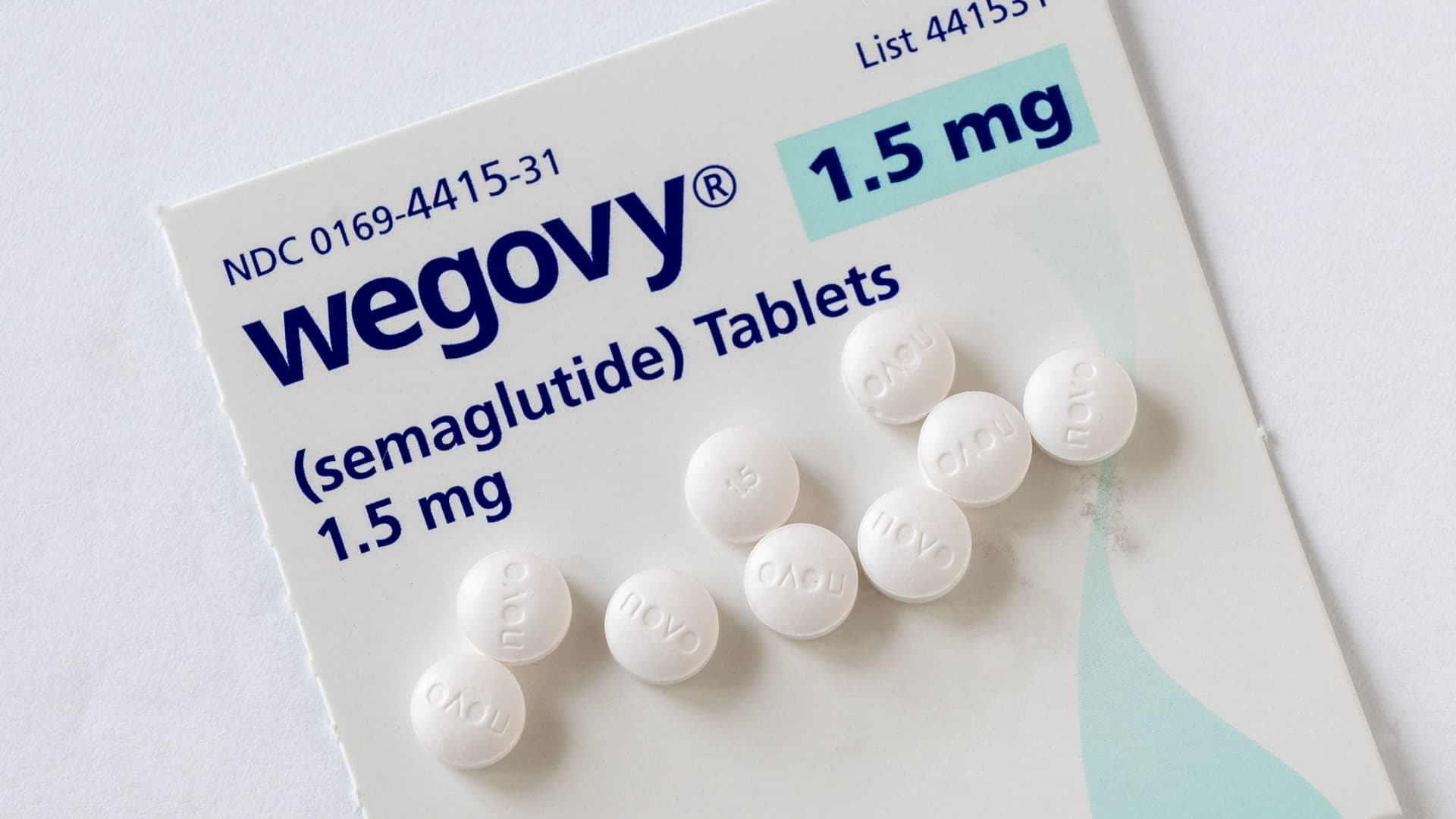
Novo Nordisk Launches Wegovy Subscription Program for Obesity Treatment

- Subscription Program Launch: Novo Nordisk launched a multi-month subscription program for its Wegovy obesity drug on Tuesday, aiming to provide cash-paying patients with lower and more predictable monthly prices, thereby enhancing patient adherence to therapy.
- Pricing and Savings: The three-month subscription for the injection is priced at $329 per month, saving patients $240 annually, while the 12-month plan drops to $249 per month, allowing for savings of up to $1,200 per year, significantly easing the financial burden on patients.
- Market Competition Pressure: As Novo's Wegovy drug experiences rapid uptake in the U.S. market, it is expected to face competition from an upcoming oral GLP-1 from Eli Lilly, which currently holds about 60% of the GLP-1 market share compared to Novo's 39%.
- Patient Flexibility: Patients can opt out of the subscription while active, and Novo aims to help patients feel more comfortable managing obesity treatment in the long term, although the program is not yet available on its NovoCare platform.
See More
Schwab U.S. Dividend Equity ETF Reconstitution Boosts Healthcare Allocation


- Annual Reconstitution Update: The Schwab U.S. Dividend Equity ETF has optimized its portfolio through the deletion of 22 stocks and the addition of 25 new stocks in its latest annual reconstitution, ensuring it holds the top 100 high-yield dividend stocks and enhancing overall portfolio quality.
- Increased Healthcare Allocation: Following the reconstitution, the allocation to the healthcare sector has risen from 15.4% to 18.9%, with UnitedHealth and Abbott Laboratories joining the top ten holdings at 4% and 3.95% respectively, thereby strengthening the fund's investment in the healthcare sector.
- Dividend Growth Potential: While the overall dividend yield of the ETF remains at 3.4% post-reconstitution, the new holdings boast a higher average five-year dividend growth rate of 9.4%, which is expected to generate greater long-term income for investors, enhancing the fund's appeal.
- Strong Dividend Track Record: Both UnitedHealth and Abbott Laboratories have impressive dividend growth records, with the former increasing dividends by 52% over the past five years and the latter by 40%, providing investors with a stable income source and further solidifying the ETF's investment value.
See More

Schwab U.S. Dividend ETF Reconstitutes, Increases Healthcare Holdings
- Healthcare Stock Increase: The Schwab U.S. Dividend ETF's recent annual reconstitution added two healthcare stocks, raising the sector's allocation from 15.4% to 18.9%, making it the second-largest sector, indicating a strategic focus on the growth potential of healthcare.
- High-Yield Stock Selection: During this reconstitution, UnitedHealth and Abbott Laboratories were added to the top ten holdings with allocations of 4% and 3.95%, respectively, reflecting the fund's preference for high-yield healthcare stocks, which is expected to enhance long-term investor returns.
- Dividend Growth Potential: The new holdings have an average dividend growth rate of 9.4%, surpassing the pre-reconstitution rate of 8.6%, and while the overall yield remains at 3.4%, the faster growth rate could lead to higher total returns for investors in the future.
- Strong Dividend Records: Both UnitedHealth and Abbott have robust dividend growth histories, with the former increasing its dividend by 52% over the past five years and the latter by 40%, showcasing the attractiveness and stability of the healthcare sector in dividend investing.
See More

Medicare Trust Fund Expected to Deplete by 2040

- Trust Fund Depletion Risk: The Medicare Hospital Insurance Trust Fund is projected to be depleted by 2040 according to updated projections from the Congressional Budget Office, which would lead to payment cuts to hospitals and providers, initially estimated to be in the low double digits, potentially triggering a ripple effect throughout the healthcare supply chain.
- Limited Payment Capacity: Once the trust fund reserves are exhausted, Medicare will shift to a pay-as-you-go system, meaning it can only pay what it receives from payroll taxes, which could further reduce hospital margins and limit available services.
- Inadequate Mitigation Measures: Analysts indicate that while options like increasing the current 2.9% payroll tax rate or cutting spending could mitigate risks, these measures are highly unpopular, and no significant changes are expected until the situation becomes critical, likely leading to increased volatility in the healthcare sector.
- Congressional Options: Congress has the ability to protect Medicare by raising payroll taxes or adjusting Medicare Advantage payments, but these proposals face significant resistance, particularly the idea of raising the eligibility age, which could impact insurers like UnitedHealthcare (UNH) and Humana (HUM).
See More

UnitedHealth Group Stock Falls 3.37% Amid Market Decline
- Stock Performance: UnitedHealth Group (UNH) closed at $259.02, reflecting a 3.37% decline from the previous day, underperforming the S&P 500's 1.67% drop, indicating market concerns regarding its future profitability.
- Industry Performance: Over the past month, UNH's stock has fallen by 6.49%, contributing to a 7.36% loss in the Medical sector, which is significantly worse than the S&P 500's 6.15% decline, highlighting the company's relative weakness in the industry.
- Earnings Expectations: The company is expected to release its earnings report on April 21, 2026, with consensus estimates forecasting an EPS of $6.62, an 8.06% year-over-year decline, and revenue of $110.08 billion, indicating a modest 0.46% growth, suggesting signs of stagnation.
- Valuation Analysis: UnitedHealth Group currently trades at a Forward P/E ratio of 15.15, aligning with the industry average, but its PEG ratio of 1.23 exceeds the industry average of 0.94, suggesting higher market expectations for future growth, which may also indicate valuation pressure.
See More
Berkshire Increases Stake in UnitedHealth Amid Revenue Decline
- Berkshire's Stake Increase: In August 2025, Berkshire Hathaway purchased over 5 million shares of UnitedHealth (UNH) for approximately $1.6 billion, making it one of its largest equity holdings at the time, despite the insurer facing mounting regulatory scrutiny and rising healthcare costs.
- Revenue Outlook Decline: UnitedHealth now expects its first annual revenue decline in over 30 years, with 2026 revenue projected just above $439 billion, representing a 2% decrease from 2025 levels, which negatively impacts the company's long-term growth prospects.
- AI Strategy Potential: Despite recent challenges, Bernstein SocGen maintains an 'Outperform' rating with a $405 price target, highlighting UnitedHealth's expanding AI strategy as a potential long-term competitive advantage, particularly in reducing operating costs and gaining market share.
- Market Sentiment Shift: Retail investor sentiment for UnitedHealth has shifted from neutral to bullish amid extremely high message volume, indicating a growing optimism about its future performance, even as the stock has lost nearly half its value over the past year.
See More
Novo Nordisk Launches Wegovy Subscription Program for Obesity Treatment
- Subscription Program Launch: Novo Nordisk launched a multi-month subscription program for its Wegovy obesity drug on Tuesday, aiming to provide cash-paying patients with lower and more predictable monthly prices, thereby enhancing patient adherence to therapy.
- Pricing and Savings: The three-month subscription for the injection is priced at $329 per month, saving patients $240 annually, while the 12-month plan drops to $249 per month, allowing for savings of up to $1,200 per year, significantly easing the financial burden on patients.
- Market Competition Pressure: As Novo's Wegovy drug experiences rapid uptake in the U.S. market, it is expected to face competition from an upcoming oral GLP-1 from Eli Lilly, which currently holds about 60% of the GLP-1 market share compared to Novo's 39%.
- Patient Flexibility: Patients can opt out of the subscription while active, and Novo aims to help patients feel more comfortable managing obesity treatment in the long term, although the program is not yet available on its NovoCare platform.
See More
Schwab U.S. Dividend Equity ETF Reconstitution Boosts Healthcare Allocation
- Annual Reconstitution Update: The Schwab U.S. Dividend Equity ETF has optimized its portfolio through the deletion of 22 stocks and the addition of 25 new stocks in its latest annual reconstitution, ensuring it holds the top 100 high-yield dividend stocks and enhancing overall portfolio quality.
- Increased Healthcare Allocation: Following the reconstitution, the allocation to the healthcare sector has risen from 15.4% to 18.9%, with UnitedHealth and Abbott Laboratories joining the top ten holdings at 4% and 3.95% respectively, thereby strengthening the fund's investment in the healthcare sector.
- Dividend Growth Potential: While the overall dividend yield of the ETF remains at 3.4% post-reconstitution, the new holdings boast a higher average five-year dividend growth rate of 9.4%, which is expected to generate greater long-term income for investors, enhancing the fund's appeal.
- Strong Dividend Track Record: Both UnitedHealth and Abbott Laboratories have impressive dividend growth records, with the former increasing dividends by 52% over the past five years and the latter by 40%, providing investors with a stable income source and further solidifying the ETF's investment value.
See More
Schwab U.S. Dividend ETF Reconstitutes, Increases Healthcare Holdings
- Healthcare Stock Increase: The Schwab U.S. Dividend ETF's recent annual reconstitution added two healthcare stocks, raising the sector's allocation from 15.4% to 18.9%, making it the second-largest sector, indicating a strategic focus on the growth potential of healthcare.
- High-Yield Stock Selection: During this reconstitution, UnitedHealth and Abbott Laboratories were added to the top ten holdings with allocations of 4% and 3.95%, respectively, reflecting the fund's preference for high-yield healthcare stocks, which is expected to enhance long-term investor returns.
- Dividend Growth Potential: The new holdings have an average dividend growth rate of 9.4%, surpassing the pre-reconstitution rate of 8.6%, and while the overall yield remains at 3.4%, the faster growth rate could lead to higher total returns for investors in the future.
- Strong Dividend Records: Both UnitedHealth and Abbott have robust dividend growth histories, with the former increasing its dividend by 52% over the past five years and the latter by 40%, showcasing the attractiveness and stability of the healthcare sector in dividend investing.
See More
Medicare Trust Fund Expected to Deplete by 2040
- Trust Fund Depletion Risk: The Medicare Hospital Insurance Trust Fund is projected to be depleted by 2040 according to updated projections from the Congressional Budget Office, which would lead to payment cuts to hospitals and providers, initially estimated to be in the low double digits, potentially triggering a ripple effect throughout the healthcare supply chain.
- Limited Payment Capacity: Once the trust fund reserves are exhausted, Medicare will shift to a pay-as-you-go system, meaning it can only pay what it receives from payroll taxes, which could further reduce hospital margins and limit available services.
- Inadequate Mitigation Measures: Analysts indicate that while options like increasing the current 2.9% payroll tax rate or cutting spending could mitigate risks, these measures are highly unpopular, and no significant changes are expected until the situation becomes critical, likely leading to increased volatility in the healthcare sector.
- Congressional Options: Congress has the ability to protect Medicare by raising payroll taxes or adjusting Medicare Advantage payments, but these proposals face significant resistance, particularly the idea of raising the eligibility age, which could impact insurers like UnitedHealthcare (UNH) and Humana (HUM).
See More
UnitedHealth Group Stock Falls 3.37% Amid Market Decline
- Stock Performance: UnitedHealth Group (UNH) closed at $259.02, reflecting a 3.37% decline from the previous day, underperforming the S&P 500's 1.67% drop, indicating market concerns regarding its future profitability.
- Industry Performance: Over the past month, UNH's stock has fallen by 6.49%, contributing to a 7.36% loss in the Medical sector, which is significantly worse than the S&P 500's 6.15% decline, highlighting the company's relative weakness in the industry.
- Earnings Expectations: The company is expected to release its earnings report on April 21, 2026, with consensus estimates forecasting an EPS of $6.62, an 8.06% year-over-year decline, and revenue of $110.08 billion, indicating a modest 0.46% growth, suggesting signs of stagnation.
- Valuation Analysis: UnitedHealth Group currently trades at a Forward P/E ratio of 15.15, aligning with the industry average, but its PEG ratio of 1.23 exceeds the industry average of 0.94, suggesting higher market expectations for future growth, which may also indicate valuation pressure.
See More