AI Transformation Triggers Cybersecurity Stock Sell-off
Written by Emily J. Thompson, Senior Investment Analyst
Updated: 2 hours ago
0mins

Should l Buy PANW?
Source: Fool
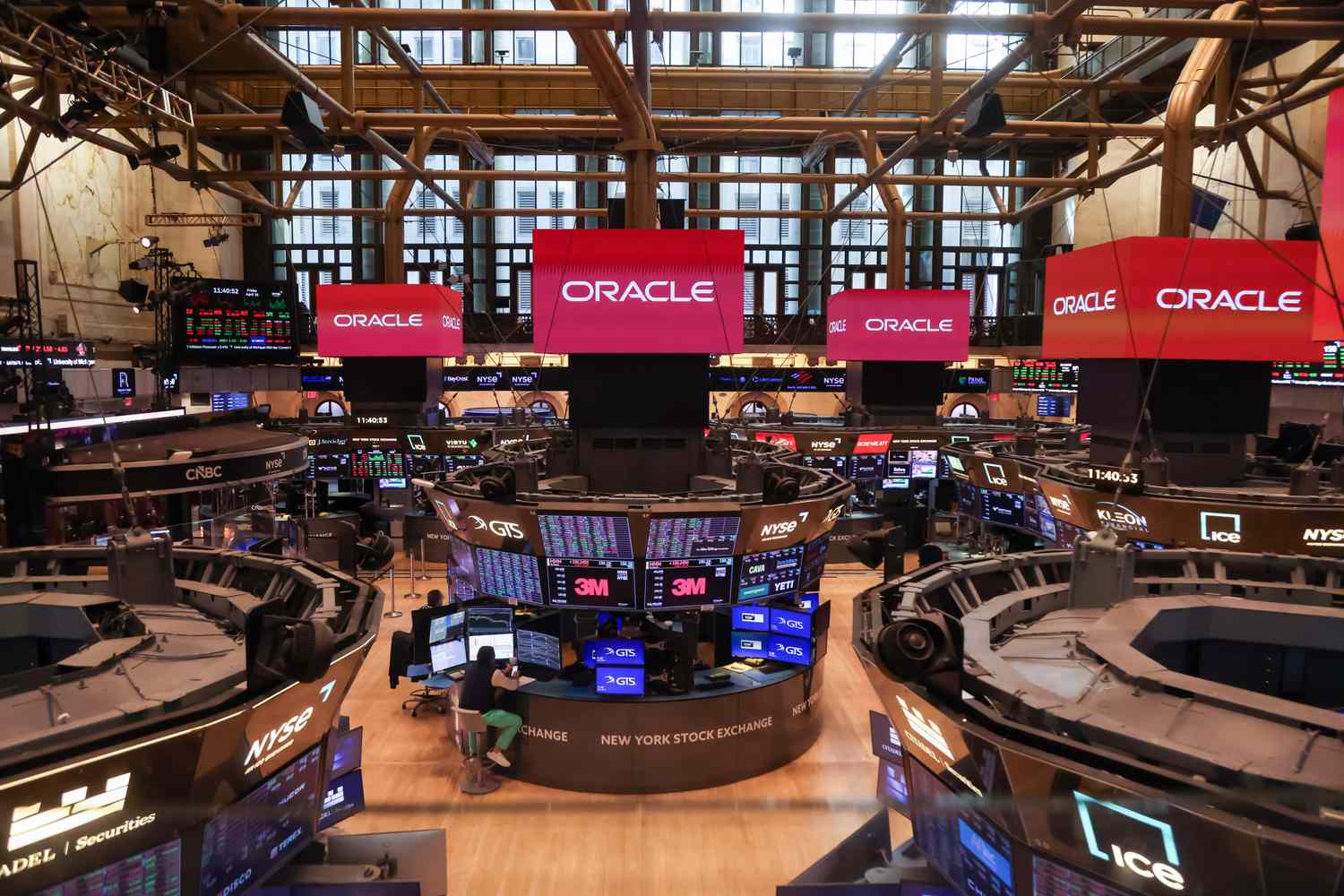
- SaaS Market Collapse: In 2026, investor enthusiasm for AI shifted to alarm, leading to a significant sell-off in SaaS stocks, which also impacted the cybersecurity sector, reflecting market concerns over AI potentially replacing traditional solutions and affecting stock performance.
- Resilience of Cybersecurity Firms: Despite the power of AI technology, cybersecurity companies remain essential as they provide multi-layered protection capable of addressing complex issues that AI cannot solve, such as strategic decision-making and ethical considerations, ensuring security in the digital age.
- Emerging Investment Opportunities: The SaaSpocalypse has led to undervaluation of cybersecurity stocks like Okta, Rubrik, and Palo Alto Networks, with Okta and Palo Alto Networks achieving 11% and 15% sales growth respectively in Q1 2023, while Rubrik stood out with an impressive 46% year-over-year growth despite still being unprofitable.
- Competitive Advantages in the AI Era: Palo Alto Networks offers comprehensive protection through its feature-rich platform, Okta focuses on identity and access management to ensure only authorized users access systems, and Rubrik plays a crucial role in data integrity, all of which maintain their competitiveness in the AI landscape.
Trade with 70% Backtested Accuracy
Stop guessing "Should I Buy PANW?" and start using high-conviction signals backed by rigorous historical data.
Sign up today to access powerful investing tools and make smarter, data-driven decisions.
Analyst Views on PANW
Wall Street analysts forecast PANW stock price to rise
34 Analyst Rating
28 Buy
5 Hold
1 Sell
Strong Buy
Current: 162.510

Low
157.00
Averages
232.49
High
265.00
Current: 162.510
Low
157.00
Averages
232.49
High
265.00
About PANW
Palo Alto Networks, Inc. is a global artificial intelligence (AI) cybersecurity company, with a comprehensive portfolio of cybersecurity solutions and platforms across network, cloud, security operations, AI and Identity. Its network security platform includes Secure Access Service Edge (SASE), Next-Generation Firewalls, Cloud Delivered Security Services (CDSS), Prisma AIRS, and Strata Cloud Manager (SCM). It delivers security operations capabilities that unifies standalone Security Information and Event Management (SIEM) tools, endpoint security, security automation, cloud detection and response (CDR), as well as attack surface management (ASM) capabilities on its Cortex platform. It delivers comprehensive security across the cloud application development lifecycle through Cortex Cloud. Its Unit 42 brings together expertise across threat research, incident response, and security consulting to deliver intelligence-driven, response-ready outcomes that help customers reduce cyber risk.
About the author

Emily J. Thompson
Emily J. Thompson, a Chartered Financial Analyst (CFA) with 12 years in investment research, graduated with honors from the Wharton School. Specializing in industrial and technology stocks, she provides in-depth analysis for Intellectia’s earnings and market brief reports.

AI Transformation Triggers Cybersecurity Stock Sell-off


- SaaS Market Collapse: In 2026, investor enthusiasm for AI shifted to alarm, leading to a significant sell-off in SaaS stocks, which also impacted the cybersecurity sector, reflecting market concerns over AI potentially replacing traditional solutions and affecting stock performance.
- Resilience of Cybersecurity Firms: Despite the power of AI technology, cybersecurity companies remain essential as they provide multi-layered protection capable of addressing complex issues that AI cannot solve, such as strategic decision-making and ethical considerations, ensuring security in the digital age.
- Emerging Investment Opportunities: The SaaSpocalypse has led to undervaluation of cybersecurity stocks like Okta, Rubrik, and Palo Alto Networks, with Okta and Palo Alto Networks achieving 11% and 15% sales growth respectively in Q1 2023, while Rubrik stood out with an impressive 46% year-over-year growth despite still being unprofitable.
- Competitive Advantages in the AI Era: Palo Alto Networks offers comprehensive protection through its feature-rich platform, Okta focuses on identity and access management to ensure only authorized users access systems, and Rubrik plays a crucial role in data integrity, all of which maintain their competitiveness in the AI landscape.
See More

Palo Alto Networks Stock Rallies on Analyst Upgrades

- Market Sentiment Recovery: Following a top-down analysis from Goldman Sachs, which highlighted that many tech stocks were oversold, Palo Alto Networks saw a 4.37% increase in stock price to $162.53, with a market cap of $127 billion, indicating a positive shift in investor sentiment.
- Analyst Recommendation: Piper Sandler's Rob Owens reiterated his overweight rating on Palo Alto, setting a price target of $265, reflecting strong confidence in the company's future performance, particularly after engaging with investors during recent meetings.
- AI Integration Advantage: After discussions with company executives, Owens believes Palo Alto is not only resilient to AI disruption but also well-positioned to benefit from AI integration, providing additional confidence to investors and further driving stock price appreciation.
- Industry Recovery Signal: The revival of tech stocks signals increased investor confidence in Palo Alto, reflecting recognition of the company's adaptability in a rapidly changing technological landscape, suggesting potential for future growth.
See More

Analysts Bullish on Palo Alto Networks' Recovery
- Industry Recovery Signal: Analysts generally believe that the tech sector and Palo Alto Networks' stock are oversold, and Monday's market rally indicates that investors are beginning to accept this view, which could drive a price rebound.
- Analyst Support: Goldman Sachs' Peter Oppenheimer's analysis published on Friday highlighted that many tech companies, after significant declines, still maintain robust growth rates, leading to a mismatch between valuations and growth, further boosting market confidence.
- Price Target Increase: Piper Sandler's Rob Owens reiterated his 'overweight' rating on Palo Alto on Monday, setting a price target of $265, believing the company has a competitive edge in AI integration and can withstand potential industry disruptions.
- Improved Market Sentiment: As analysts shift to a more optimistic view on Palo Alto, market sentiment is also improving, which may attract more investors to the stock, potentially driving its price higher.
See More

Stock Market Resilience Amid Rising Oil Prices

- Market Resilience: Despite WTI crude oil prices rising to $105 per barrel, the stock market showed strong performance on Monday, with the S&P 500 index achieving eight gains in the past nine trading days, reflecting investor confidence and market resilience.
- Iran Situation Impact: President Trump ordered a blockade of maritime traffic to and from Iranian ports, yet optimism remains for a potential deal, leading to further gains in the S&P 500 after Trump announced that Iranian officials expressed a desire to negotiate.
- Tech Sector Outperformance: The technology sector excelled on Monday, driven by strong performances in AI-related stocks, with companies like CrowdStrike, Salesforce, Palo Alto Networks, and Microsoft each rising over 2%, although they are still down more than 10% year-to-date.
- Earnings Preview: Before Tuesday's opening bell, earnings reports from Johnson & Johnson, Wells Fargo, JPMorgan, BlackRock, Citigroup, and CarMax are expected, with the market closely monitoring their potential impact on stock performance.
See More

Market Faces Multiple Challenges and Opportunities

- Impact of Iran War: Since the onset of the Iran war, oil prices have doubled, and despite a significant drop following the two-week ceasefire news, the S&P 500 remains only 2.3% below its all-time high, indicating market resilience and adaptability to rising oil prices.
- Tech Stock Turmoil: Software stocks like ServiceNow and Salesforce have plummeted by 30% to 40% despite strong profitability due to fears of AI's impact, while hardware stocks have surged by 50% to 150%, reflecting a stark divergence in market sentiment towards the tech sector.
- Bond Market Stability: The 10-year Treasury yield peaked at 4.5% on March 27 before settling at 4.32%, with the low-rate environment providing support for the stock market, even as discussions about Federal Reserve policies remain prevalent.
- Bank Earnings Season: Goldman Sachs is set to report earnings, expected to showcase a stronger narrative than traditional banks, while Wells Fargo's performance may be influenced by market underestimations of its historical issues, potentially leading to more realistic expectations.
See More

S&P 500 Posts Best Week Since November Amid Ceasefire Agreement

- Market Rally: The S&P 500 surged 3.6% this week, marking its best performance since November, driven by a temporary ceasefire agreement between the U.S. and Iran, reflecting positive market sentiment towards easing geopolitical risks.
- Inflation Data Impact: The consumer price index rose 0.9% in March, pushing the annual inflation rate to 3.3%, with a significant 10.9% increase in energy costs; however, core prices came in better than expected, indicating that underlying inflation pressures are being contained, which may support market stability.
- Software vs. Hardware Divergence: Investors shifted towards hardware companies linked to data centers and AI infrastructure, with Marvell Technology and Intel seeing stock increases of 20% and 23%, respectively, while software firms like Salesforce and Adobe faced sell-offs, reflecting a bearish sentiment towards the software sector.
- Meta's AI Advancement: Meta unveiled its new AI model, Muse Spark, leading to a 9.6% stock price increase, indicating progress in the AI space; if successful, this could bolster market confidence in its aggressive investment plans, with projected capital expenditures for FY 2026 reaching between $115 billion and $135 billion.
See More
AI Transformation Triggers Cybersecurity Stock Sell-off
- SaaS Market Collapse: In 2026, investor enthusiasm for AI shifted to alarm, leading to a significant sell-off in SaaS stocks, which also impacted the cybersecurity sector, reflecting market concerns over AI potentially replacing traditional solutions and affecting stock performance.
- Resilience of Cybersecurity Firms: Despite the power of AI technology, cybersecurity companies remain essential as they provide multi-layered protection capable of addressing complex issues that AI cannot solve, such as strategic decision-making and ethical considerations, ensuring security in the digital age.
- Emerging Investment Opportunities: The SaaSpocalypse has led to undervaluation of cybersecurity stocks like Okta, Rubrik, and Palo Alto Networks, with Okta and Palo Alto Networks achieving 11% and 15% sales growth respectively in Q1 2023, while Rubrik stood out with an impressive 46% year-over-year growth despite still being unprofitable.
- Competitive Advantages in the AI Era: Palo Alto Networks offers comprehensive protection through its feature-rich platform, Okta focuses on identity and access management to ensure only authorized users access systems, and Rubrik plays a crucial role in data integrity, all of which maintain their competitiveness in the AI landscape.
See More
Palo Alto Networks Stock Rallies on Analyst Upgrades
- Market Sentiment Recovery: Following a top-down analysis from Goldman Sachs, which highlighted that many tech stocks were oversold, Palo Alto Networks saw a 4.37% increase in stock price to $162.53, with a market cap of $127 billion, indicating a positive shift in investor sentiment.
- Analyst Recommendation: Piper Sandler's Rob Owens reiterated his overweight rating on Palo Alto, setting a price target of $265, reflecting strong confidence in the company's future performance, particularly after engaging with investors during recent meetings.
- AI Integration Advantage: After discussions with company executives, Owens believes Palo Alto is not only resilient to AI disruption but also well-positioned to benefit from AI integration, providing additional confidence to investors and further driving stock price appreciation.
- Industry Recovery Signal: The revival of tech stocks signals increased investor confidence in Palo Alto, reflecting recognition of the company's adaptability in a rapidly changing technological landscape, suggesting potential for future growth.
See More
Analysts Bullish on Palo Alto Networks' Recovery
- Industry Recovery Signal: Analysts generally believe that the tech sector and Palo Alto Networks' stock are oversold, and Monday's market rally indicates that investors are beginning to accept this view, which could drive a price rebound.
- Analyst Support: Goldman Sachs' Peter Oppenheimer's analysis published on Friday highlighted that many tech companies, after significant declines, still maintain robust growth rates, leading to a mismatch between valuations and growth, further boosting market confidence.
- Price Target Increase: Piper Sandler's Rob Owens reiterated his 'overweight' rating on Palo Alto on Monday, setting a price target of $265, believing the company has a competitive edge in AI integration and can withstand potential industry disruptions.
- Improved Market Sentiment: As analysts shift to a more optimistic view on Palo Alto, market sentiment is also improving, which may attract more investors to the stock, potentially driving its price higher.
See More
Stock Market Resilience Amid Rising Oil Prices
- Market Resilience: Despite WTI crude oil prices rising to $105 per barrel, the stock market showed strong performance on Monday, with the S&P 500 index achieving eight gains in the past nine trading days, reflecting investor confidence and market resilience.
- Iran Situation Impact: President Trump ordered a blockade of maritime traffic to and from Iranian ports, yet optimism remains for a potential deal, leading to further gains in the S&P 500 after Trump announced that Iranian officials expressed a desire to negotiate.
- Tech Sector Outperformance: The technology sector excelled on Monday, driven by strong performances in AI-related stocks, with companies like CrowdStrike, Salesforce, Palo Alto Networks, and Microsoft each rising over 2%, although they are still down more than 10% year-to-date.
- Earnings Preview: Before Tuesday's opening bell, earnings reports from Johnson & Johnson, Wells Fargo, JPMorgan, BlackRock, Citigroup, and CarMax are expected, with the market closely monitoring their potential impact on stock performance.
See More
Market Faces Multiple Challenges and Opportunities
- Impact of Iran War: Since the onset of the Iran war, oil prices have doubled, and despite a significant drop following the two-week ceasefire news, the S&P 500 remains only 2.3% below its all-time high, indicating market resilience and adaptability to rising oil prices.
- Tech Stock Turmoil: Software stocks like ServiceNow and Salesforce have plummeted by 30% to 40% despite strong profitability due to fears of AI's impact, while hardware stocks have surged by 50% to 150%, reflecting a stark divergence in market sentiment towards the tech sector.
- Bond Market Stability: The 10-year Treasury yield peaked at 4.5% on March 27 before settling at 4.32%, with the low-rate environment providing support for the stock market, even as discussions about Federal Reserve policies remain prevalent.
- Bank Earnings Season: Goldman Sachs is set to report earnings, expected to showcase a stronger narrative than traditional banks, while Wells Fargo's performance may be influenced by market underestimations of its historical issues, potentially leading to more realistic expectations.
See More
S&P 500 Posts Best Week Since November Amid Ceasefire Agreement
- Market Rally: The S&P 500 surged 3.6% this week, marking its best performance since November, driven by a temporary ceasefire agreement between the U.S. and Iran, reflecting positive market sentiment towards easing geopolitical risks.
- Inflation Data Impact: The consumer price index rose 0.9% in March, pushing the annual inflation rate to 3.3%, with a significant 10.9% increase in energy costs; however, core prices came in better than expected, indicating that underlying inflation pressures are being contained, which may support market stability.
- Software vs. Hardware Divergence: Investors shifted towards hardware companies linked to data centers and AI infrastructure, with Marvell Technology and Intel seeing stock increases of 20% and 23%, respectively, while software firms like Salesforce and Adobe faced sell-offs, reflecting a bearish sentiment towards the software sector.
- Meta's AI Advancement: Meta unveiled its new AI model, Muse Spark, leading to a 9.6% stock price increase, indicating progress in the AI space; if successful, this could bolster market confidence in its aggressive investment plans, with projected capital expenditures for FY 2026 reaching between $115 billion and $135 billion.
See More