American States Water and Coca-Cola: Reliable Dividend Kings
Written by Emily J. Thompson, Senior Investment Analyst
Updated: 1 day ago
0mins

Source: Fool
- American States Water Overview: American States Water has raised its dividend for 72 consecutive years, currently offering a 2.7% yield and a market cap of $2.9 billion, demonstrating its stability and income potential in uncertain markets.
- Earnings Growth Drivers: EPS is projected to grow from $1.60 to $3.37 between 2015 and 2025, primarily driven by investments in water infrastructure and approved rate increases, ensuring ample room for future dividend growth.
- Coca-Cola's Market Position: Coca-Cola has increased its dividend for 64 years, with a current yield of 2.7% and a market cap of $329 billion, and as the world's largest beverage maker, it generates stable profits from high-margin concentrates and syrups.
- Diversification Strategy: To combat declining soda consumption, Coca-Cola has diversified its portfolio with bottled water, teas, juices, and energy drinks, enhancing its competitive edge and is expected to continue attracting younger consumers.
Trade with 70% Backtested Accuracy
Stop guessing "Should I Buy KO?" and start using high-conviction signals backed by rigorous historical data.
Sign up today to access powerful investing tools and make smarter, data-driven decisions.
Analyst Views on KO
Wall Street analysts forecast KO stock price to rise
14 Analyst Rating
13 Buy
1 Hold
0 Sell
Strong Buy
Current: 75.900

Low
71.00
Averages
79.33
High
85.00
Current: 75.900
Low
71.00
Averages
79.33
High
85.00
About KO
The Coca-Cola Company is a beverage company. The Company's segments include Europe, Middle East and Africa (EMEA); Latin America; North America; Asia Pacific, and Bottling Investments. It sells multiple brands across several beverage categories worldwide. Its portfolio of sparkling soft drink brands includes Coca-Cola, Sprite and Fanta. Its water, sports, coffee and tea brands include Dasani, smartwater, vitaminwater, Topo Chico, BODYARMOR, Powerade, Costa, Georgia, Fuze Tea, Gold Peak and Ayataka. Its juice, value-added dairy and plant-based beverage brands include Minute Maid, Simply, innocent, Del Valle, fairlife and Santa Clara. It operates in two lines of business: concentrate operations and finished product operations. Its concentrate operations sell beverage concentrates, syrups, including fountain syrups, and certain finished beverages to authorized bottling operations. Its finished product operations sell sparkling soft drinks and a variety of other finished beverages.
About the author

Emily J. Thompson
Emily J. Thompson, a Chartered Financial Analyst (CFA) with 12 years in investment research, graduated with honors from the Wharton School. Specializing in industrial and technology stocks, she provides in-depth analysis for Intellectia’s earnings and market brief reports.
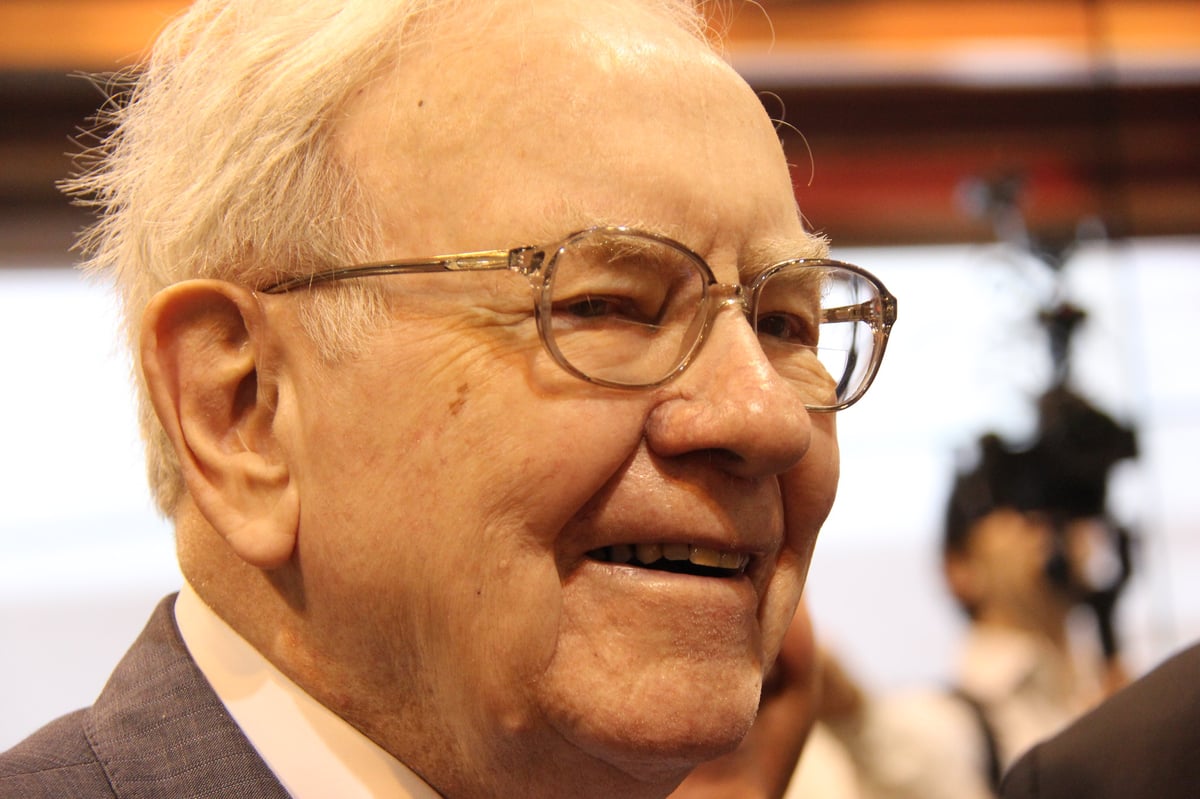
Buffett Retires, Abel Takes Over as CEO of Berkshire Hathaway

- Leadership Transition: Warren Buffett officially retired on December 31, 2025, with Greg Abel taking over the day-to-day operations of Berkshire Hathaway, managing a $318 billion investment portfolio, marking a significant shift in the company's leadership.
- Portfolio Concentration: Abel inherited a portfolio where the top ten holdings account for 79% of invested assets, with Apple representing $59.4 billion or 18.7% of total investments, indicating a strong reliance on core assets.
- Capital Return Strategy: All of Berkshire's top ten holdings pay dividends, with Coca-Cola yielding an impressive 63% annually, reflecting Abel's continuation of Buffett's focus on capital returns to enhance shareholder value.
- Value Investment Principle: Abel emphasizes the importance of value in managing the portfolio, recently selling approximately 75% of Berkshire's Apple shares, indicating that maintaining the portfolio's value is a top priority in the face of high valuations.
See More

Greg Abel Takes Over After Buffett's Retirement at Berkshire Hathaway
- Portfolio Transition: Following Warren Buffett's retirement on December 31, 2025, Greg Abel inherited a $318 billion investment portfolio, facing the challenge of a highly concentrated and brand-heavy asset base while committing to uphold Buffett's investment philosophy.
- Capital Return Strategy: All of Berkshire's top ten holdings feature robust capital return programs, with each company paying dividends; Coca-Cola boasts an impressive 63% annual yield, underscoring Abel's dedication to maintaining shareholder value.
- Long-Term Holding Strategy: In his first shareholder letter, Abel classified Apple and Moody's as 'indefinite holdings,' indicating confidence in their long-term prospects, despite Berkshire having sold approximately 75% of its Apple stake in the past two years.
- Value Investment Principle: Both Abel and Buffett emphasize the importance of securing good deals, as evidenced by Berkshire's recent reductions in holdings, reflecting sensitivity to market valuations, particularly when bank stocks trade above book value.
See More

PepsiCo's Anticipated Q1 Earnings Report


- Earnings Release Date: PepsiCo is set to report its Q1 earnings on April 16, with analysts forecasting earnings per share of $1.55 and sales of $18.93 billion, which, if achieved, would solidify its position in the consumer goods market.
- Stock Performance: Year-to-date, PepsiCo's stock has risen approximately 8%, outperforming many consumer staples companies, indicating resilience and investor confidence in the brand.
- Pricing Strategy Adjustments: The company announced price reductions on some snack brands in February, following previous price hikes that alienated cost-conscious consumers, and the earnings report is expected to shed light on its pricing strategy to regain consumer trust.
- Cash Flow Growth Expectations: Free cash flow is anticipated to increase by 40% this year, with $9.5 billion in cash reserves at the end of last year, providing financial support for future dividend increases and share buybacks, thereby enhancing investor confidence.
See More

PepsiCo Set to Report Earnings Amid Market Anticipation
- Earnings Expectations: PepsiCo is set to report earnings on April 16, with analysts forecasting earnings per share of $1.55 and sales of $18.93 billion, providing crucial financial data for investors to assess the company's future performance.
- Stock Performance: Year-to-date, PepsiCo's stock has risen approximately 8%, outperforming most competitors in the consumer goods sector, indicating strong market confidence in its growth prospects.
- Market Volatility: Although PepsiCo's stock is typically low in volatility, options markets are pricing in a 4.3% post-earnings move, below the average of 5.4% over the past four quarters, suggesting a cautious investor sentiment ahead of the earnings report.
- Health Product Strategy: Facing dual pressures for healthier ingredients from both the government and consumers, PepsiCo could alleviate investor concerns by demonstrating its balance between health-focused products and sales growth in its earnings report.
See More

Nvidia Upgraded to Buy as AI Trade Gains Momentum; Johnson & Johnson Receives Strong Buy Rating

- Nvidia Upgrade: Nvidia (NVDA) has been upgraded to Buy by Deep Value Investing, as early strong signs suggest a resurgence in the AI trade; despite the stock's stagnation over the past six months, its nine-day consecutive rise indicates a return to risk-on sentiment, with expectations for continued performance beats and guidance raises.
- Johnson & Johnson Strong Performance: Johnson & Johnson (JNJ) received a Strong Buy upgrade from Edmund Ingham after reporting Q1 revenues of $24.1 billion, up nearly 10% year-over-year, and raising its full-year 2026 sales guidance above $100 billion, positioning it as a clear growth leader in healthcare with minimal patent risk.
- Accenture Downgrade: Accenture (ACN) was downgraded to Hold by Redfox Capital Ideas due to slowing bookings momentum and mixed pricing trends; despite record bookings of $22.1 billion, growth has slowed to just 1%, leading analysts to express concerns about near-term growth acceleration.
- Coca-Cola Downgrade: Coca-Cola (KO) has been downgraded to Hold by Dhierin Bechai, as the stock has risen 8.4% since coverage began, but macroeconomic pressures and inflation are seen as limiting further upside potential, potentially increasing input and logistics costs while reducing consumption in away-from-home sales channels.
See More
Buffett's Investment Legacy and the Resilience of Coca-Cola and Kroger

- Coca-Cola's Market Resilience: As a long-held stock by Buffett, Coca-Cola showcases its robust risk management with a 64-year dividend history and a 12% year-to-date increase, serving as a safe haven for investors during market volatility and reinforcing its critical role in the U.S. economy.
- Kroger's Growth Potential: As the largest premium grocer in the U.S. with nearly 2,700 stores, Kroger capitalizes on significant market opportunities in food, attracting affluent customers, and despite being acquired by Buffett at a low price in 2019, it continues to offer stable investment returns.
- Portfolio Stability: Following Buffett's departure, successor Greg Abel has indicated no changes to the existing investment strategy, ensuring that Buffett's favored stocks like Coca-Cola and Kroger will remain integral to Berkshire Hathaway's portfolio, thereby maintaining investor confidence.
- Adaptability to Market Conditions: Amid current geopolitical unrest and oil price fluctuations, while the S&P 500 remains flat, Coca-Cola and Kroger stocks have excelled, rising 12% and 9% respectively, demonstrating their adaptability and investment value in uncertain market environments.
See More
Buffett Retires, Abel Takes Over as CEO of Berkshire Hathaway
- Leadership Transition: Warren Buffett officially retired on December 31, 2025, with Greg Abel taking over the day-to-day operations of Berkshire Hathaway, managing a $318 billion investment portfolio, marking a significant shift in the company's leadership.
- Portfolio Concentration: Abel inherited a portfolio where the top ten holdings account for 79% of invested assets, with Apple representing $59.4 billion or 18.7% of total investments, indicating a strong reliance on core assets.
- Capital Return Strategy: All of Berkshire's top ten holdings pay dividends, with Coca-Cola yielding an impressive 63% annually, reflecting Abel's continuation of Buffett's focus on capital returns to enhance shareholder value.
- Value Investment Principle: Abel emphasizes the importance of value in managing the portfolio, recently selling approximately 75% of Berkshire's Apple shares, indicating that maintaining the portfolio's value is a top priority in the face of high valuations.
See More
Greg Abel Takes Over After Buffett's Retirement at Berkshire Hathaway
- Portfolio Transition: Following Warren Buffett's retirement on December 31, 2025, Greg Abel inherited a $318 billion investment portfolio, facing the challenge of a highly concentrated and brand-heavy asset base while committing to uphold Buffett's investment philosophy.
- Capital Return Strategy: All of Berkshire's top ten holdings feature robust capital return programs, with each company paying dividends; Coca-Cola boasts an impressive 63% annual yield, underscoring Abel's dedication to maintaining shareholder value.
- Long-Term Holding Strategy: In his first shareholder letter, Abel classified Apple and Moody's as 'indefinite holdings,' indicating confidence in their long-term prospects, despite Berkshire having sold approximately 75% of its Apple stake in the past two years.
- Value Investment Principle: Both Abel and Buffett emphasize the importance of securing good deals, as evidenced by Berkshire's recent reductions in holdings, reflecting sensitivity to market valuations, particularly when bank stocks trade above book value.
See More
PepsiCo's Anticipated Q1 Earnings Report
- Earnings Release Date: PepsiCo is set to report its Q1 earnings on April 16, with analysts forecasting earnings per share of $1.55 and sales of $18.93 billion, which, if achieved, would solidify its position in the consumer goods market.
- Stock Performance: Year-to-date, PepsiCo's stock has risen approximately 8%, outperforming many consumer staples companies, indicating resilience and investor confidence in the brand.
- Pricing Strategy Adjustments: The company announced price reductions on some snack brands in February, following previous price hikes that alienated cost-conscious consumers, and the earnings report is expected to shed light on its pricing strategy to regain consumer trust.
- Cash Flow Growth Expectations: Free cash flow is anticipated to increase by 40% this year, with $9.5 billion in cash reserves at the end of last year, providing financial support for future dividend increases and share buybacks, thereby enhancing investor confidence.
See More
PepsiCo Set to Report Earnings Amid Market Anticipation
- Earnings Expectations: PepsiCo is set to report earnings on April 16, with analysts forecasting earnings per share of $1.55 and sales of $18.93 billion, providing crucial financial data for investors to assess the company's future performance.
- Stock Performance: Year-to-date, PepsiCo's stock has risen approximately 8%, outperforming most competitors in the consumer goods sector, indicating strong market confidence in its growth prospects.
- Market Volatility: Although PepsiCo's stock is typically low in volatility, options markets are pricing in a 4.3% post-earnings move, below the average of 5.4% over the past four quarters, suggesting a cautious investor sentiment ahead of the earnings report.
- Health Product Strategy: Facing dual pressures for healthier ingredients from both the government and consumers, PepsiCo could alleviate investor concerns by demonstrating its balance between health-focused products and sales growth in its earnings report.
See More
Nvidia Upgraded to Buy as AI Trade Gains Momentum; Johnson & Johnson Receives Strong Buy Rating
- Nvidia Upgrade: Nvidia (NVDA) has been upgraded to Buy by Deep Value Investing, as early strong signs suggest a resurgence in the AI trade; despite the stock's stagnation over the past six months, its nine-day consecutive rise indicates a return to risk-on sentiment, with expectations for continued performance beats and guidance raises.
- Johnson & Johnson Strong Performance: Johnson & Johnson (JNJ) received a Strong Buy upgrade from Edmund Ingham after reporting Q1 revenues of $24.1 billion, up nearly 10% year-over-year, and raising its full-year 2026 sales guidance above $100 billion, positioning it as a clear growth leader in healthcare with minimal patent risk.
- Accenture Downgrade: Accenture (ACN) was downgraded to Hold by Redfox Capital Ideas due to slowing bookings momentum and mixed pricing trends; despite record bookings of $22.1 billion, growth has slowed to just 1%, leading analysts to express concerns about near-term growth acceleration.
- Coca-Cola Downgrade: Coca-Cola (KO) has been downgraded to Hold by Dhierin Bechai, as the stock has risen 8.4% since coverage began, but macroeconomic pressures and inflation are seen as limiting further upside potential, potentially increasing input and logistics costs while reducing consumption in away-from-home sales channels.
See More
Buffett's Investment Legacy and the Resilience of Coca-Cola and Kroger
- Coca-Cola's Market Resilience: As a long-held stock by Buffett, Coca-Cola showcases its robust risk management with a 64-year dividend history and a 12% year-to-date increase, serving as a safe haven for investors during market volatility and reinforcing its critical role in the U.S. economy.
- Kroger's Growth Potential: As the largest premium grocer in the U.S. with nearly 2,700 stores, Kroger capitalizes on significant market opportunities in food, attracting affluent customers, and despite being acquired by Buffett at a low price in 2019, it continues to offer stable investment returns.
- Portfolio Stability: Following Buffett's departure, successor Greg Abel has indicated no changes to the existing investment strategy, ensuring that Buffett's favored stocks like Coca-Cola and Kroger will remain integral to Berkshire Hathaway's portfolio, thereby maintaining investor confidence.
- Adaptability to Market Conditions: Amid current geopolitical unrest and oil price fluctuations, while the S&P 500 remains flat, Coca-Cola and Kroger stocks have excelled, rising 12% and 9% respectively, demonstrating their adaptability and investment value in uncertain market environments.
See More