ADNOC CEO Condemns Iran's Economic Terrorism
Written by Emily J. Thompson, Senior Investment Analyst
Updated: 1 hour ago
0mins
Should l Buy SPGI?
Source: CNBC
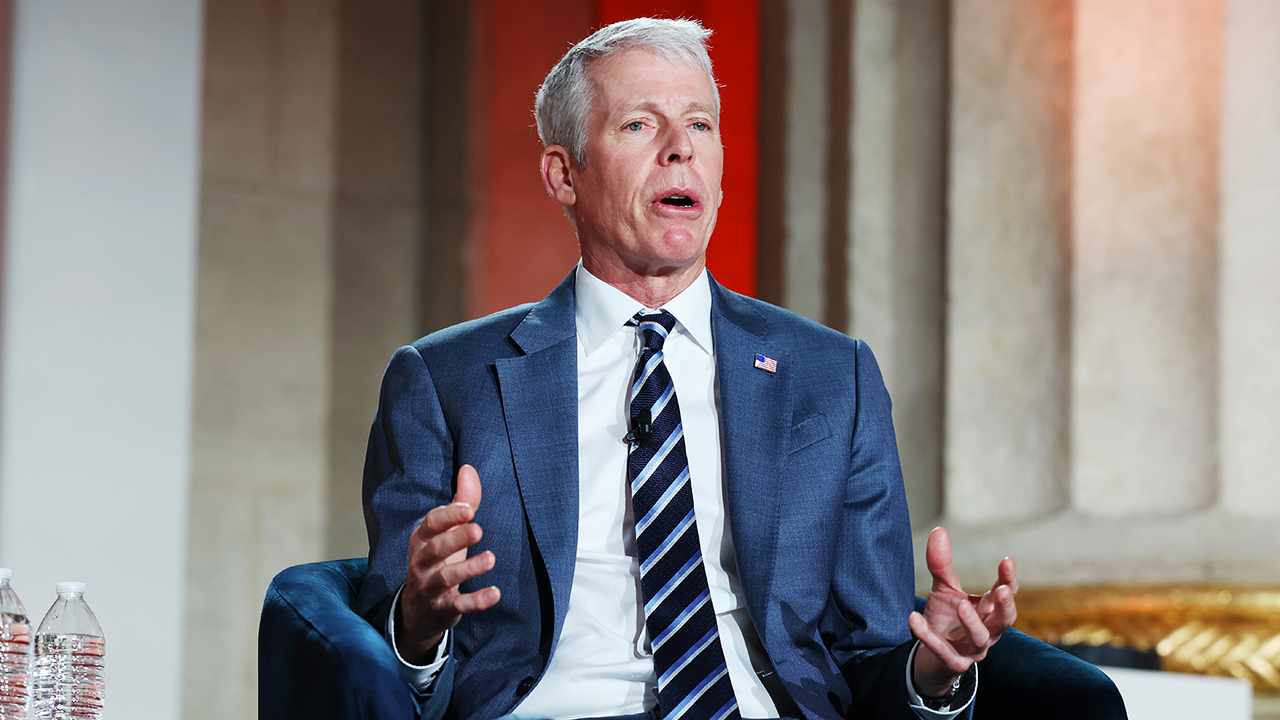
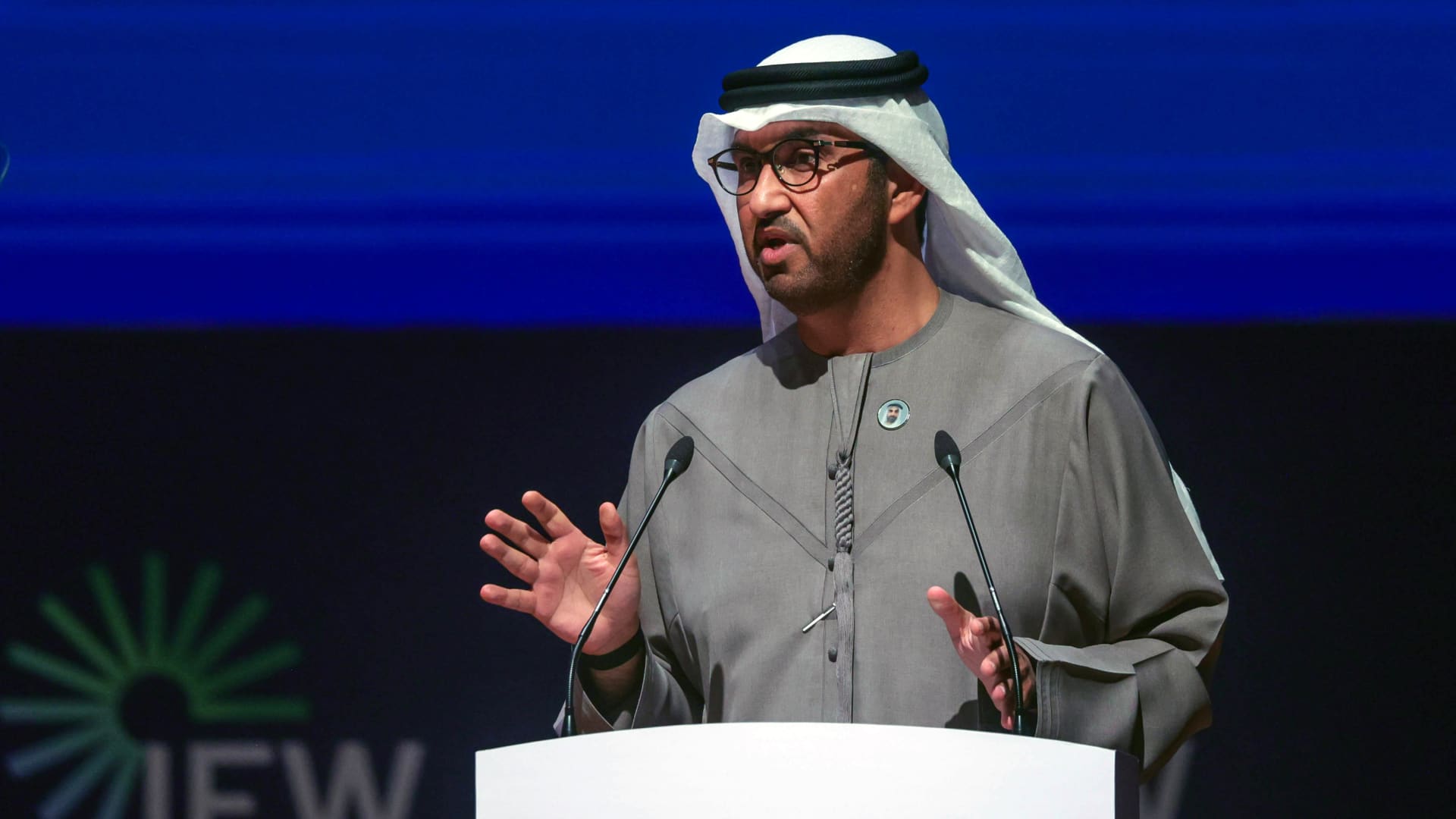
- Strait of Hormuz Security Issue: ADNOC CEO Al Jaber condemned the weaponization of the Strait of Hormuz as economic terrorism affecting 20% of global oil and LNG supplies, emphasizing the need to keep the strait open to stabilize global markets during his remarks at a Houston conference.
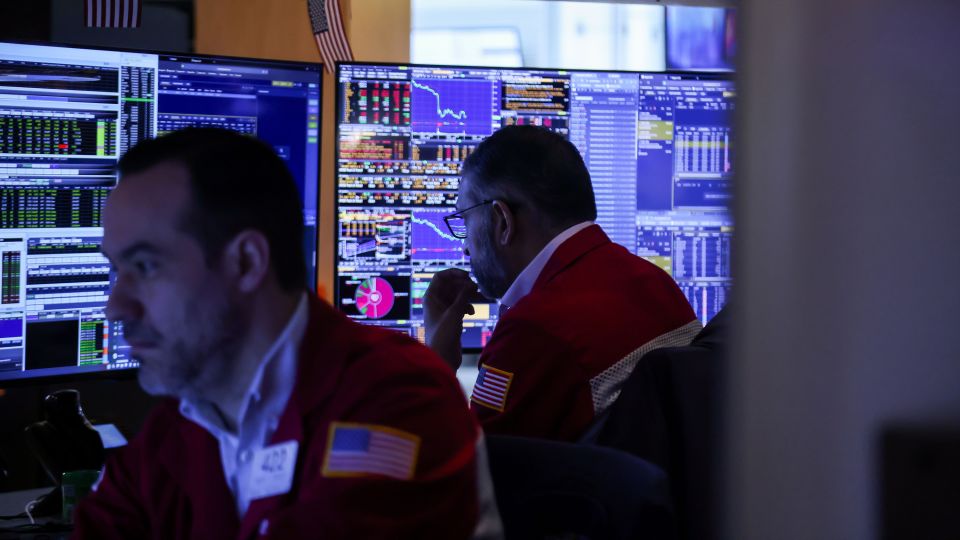
- War Impact and Market Reaction: Oil prices plummeted nearly 11% on Monday due to Iranian attacks, while prices have surged over 30% since the war began, indicating market sensitivity to geopolitical tensions that could lead to future supply chain uncertainties.
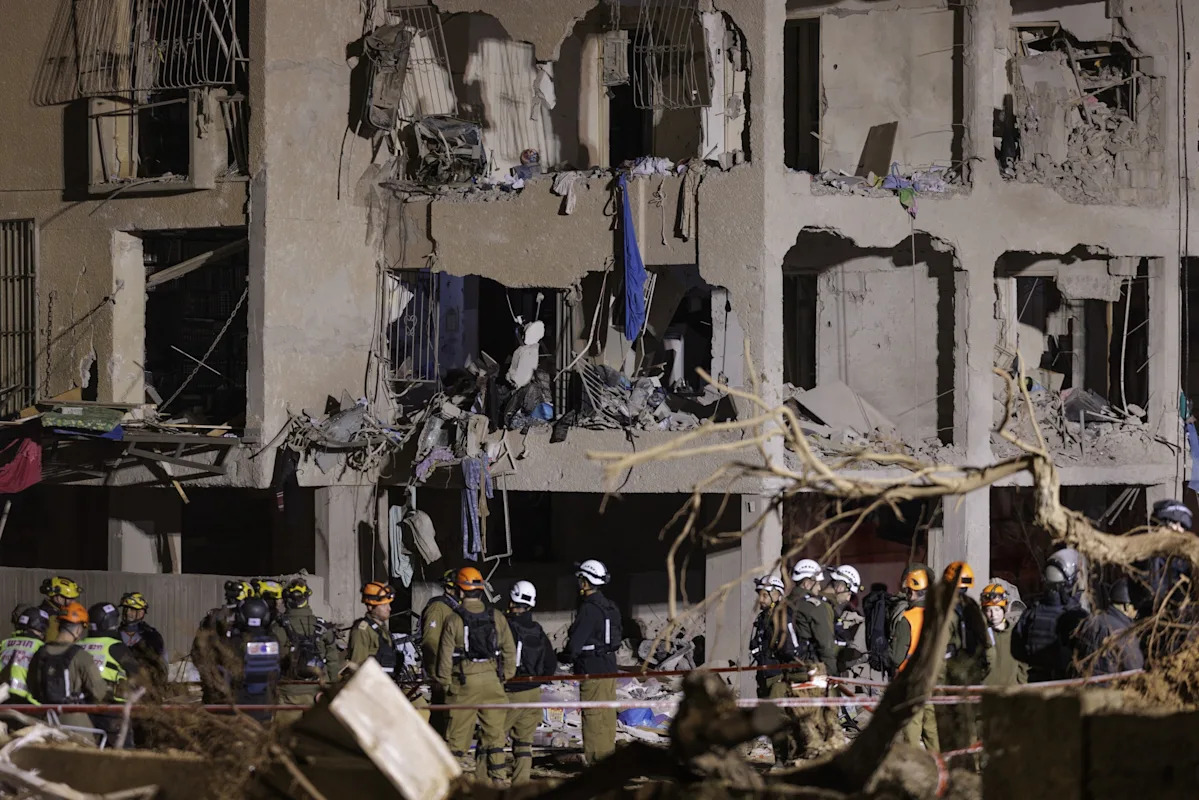
- UAE Under Attack: The UAE has faced 352 ballistic missiles, 15 cruise missiles, and over 1,700 drones since the war's onset, resulting in eight fatalities and 161 injuries, with Al Jaber labeling these attacks as illegal and unjustified, asserting that the UAE did not seek this conflict.
- Absence of International Leaders: The war's impact led to the cancellation of in-person appearances by the CEOs of Kuwait Petroleum Corporation and Saudi Aramco at the conference, opting for virtual remarks instead, reflecting the industry's heightened concern and unease regarding the current situation.
Trade with 70% Backtested Accuracy
Stop guessing "Should I Buy SPGI?" and start using high-conviction signals backed by rigorous historical data.
Sign up today to access powerful investing tools and make smarter, data-driven decisions.
Analyst Views on SPGI
Wall Street analysts forecast SPGI stock price to rise
15 Analyst Rating
14 Buy
1 Hold
0 Sell
Strong Buy
Current: 424.430

Low
546.00
Averages
617.77
High
675.00
Current: 424.430
Low
546.00
Averages
617.77
High
675.00
About SPGI
S&P Global Inc. provides essential intelligence. Its operations consist of five businesses: S&P Global Market Intelligence (Market Intelligence), S&P Global Ratings (Ratings), S&P Global Commodity Insights (Commodity Insights), S&P Global Mobility (Mobility) and S&P Dow Jones Indices (Indices). Market Intelligence is a global provider of multi-asset-class data and analytics integrated with purpose-built workflow solutions. Ratings is an independent provider of credit ratings, research, and analytics, offering investors and other market participants information, ratings and benchmarks. Commodity Insights is an independent provider of information and benchmark prices for the commodity and energy markets. Mobility is a provider of solutions serving the full automotive value chain, including vehicle manufacturers and retailers. Indices is a global index provider that maintains a variety of valuation and index benchmarks for investment advisors, wealth managers and institutional investors.
About the author

Emily J. Thompson
Emily J. Thompson, a Chartered Financial Analyst (CFA) with 12 years in investment research, graduated with honors from the Wharton School. Specializing in industrial and technology stocks, she provides in-depth analysis for Intellectia’s earnings and market brief reports.
ADNOC CEO Condemns Iran's Economic Terrorism
- Strait of Hormuz Security Issue: ADNOC CEO Al Jaber condemned the weaponization of the Strait of Hormuz as economic terrorism affecting 20% of global oil and LNG supplies, emphasizing the need to keep the strait open to stabilize global markets during his remarks at a Houston conference.
- War Impact and Market Reaction: Oil prices plummeted nearly 11% on Monday due to Iranian attacks, while prices have surged over 30% since the war began, indicating market sensitivity to geopolitical tensions that could lead to future supply chain uncertainties.
- UAE Under Attack: The UAE has faced 352 ballistic missiles, 15 cruise missiles, and over 1,700 drones since the war's onset, resulting in eight fatalities and 161 injuries, with Al Jaber labeling these attacks as illegal and unjustified, asserting that the UAE did not seek this conflict.
- Absence of International Leaders: The war's impact led to the cancellation of in-person appearances by the CEOs of Kuwait Petroleum Corporation and Saudi Aramco at the conference, opting for virtual remarks instead, reflecting the industry's heightened concern and unease regarding the current situation.
See More
Trump Postpones Military Strikes Against Iran, Stocks Rally
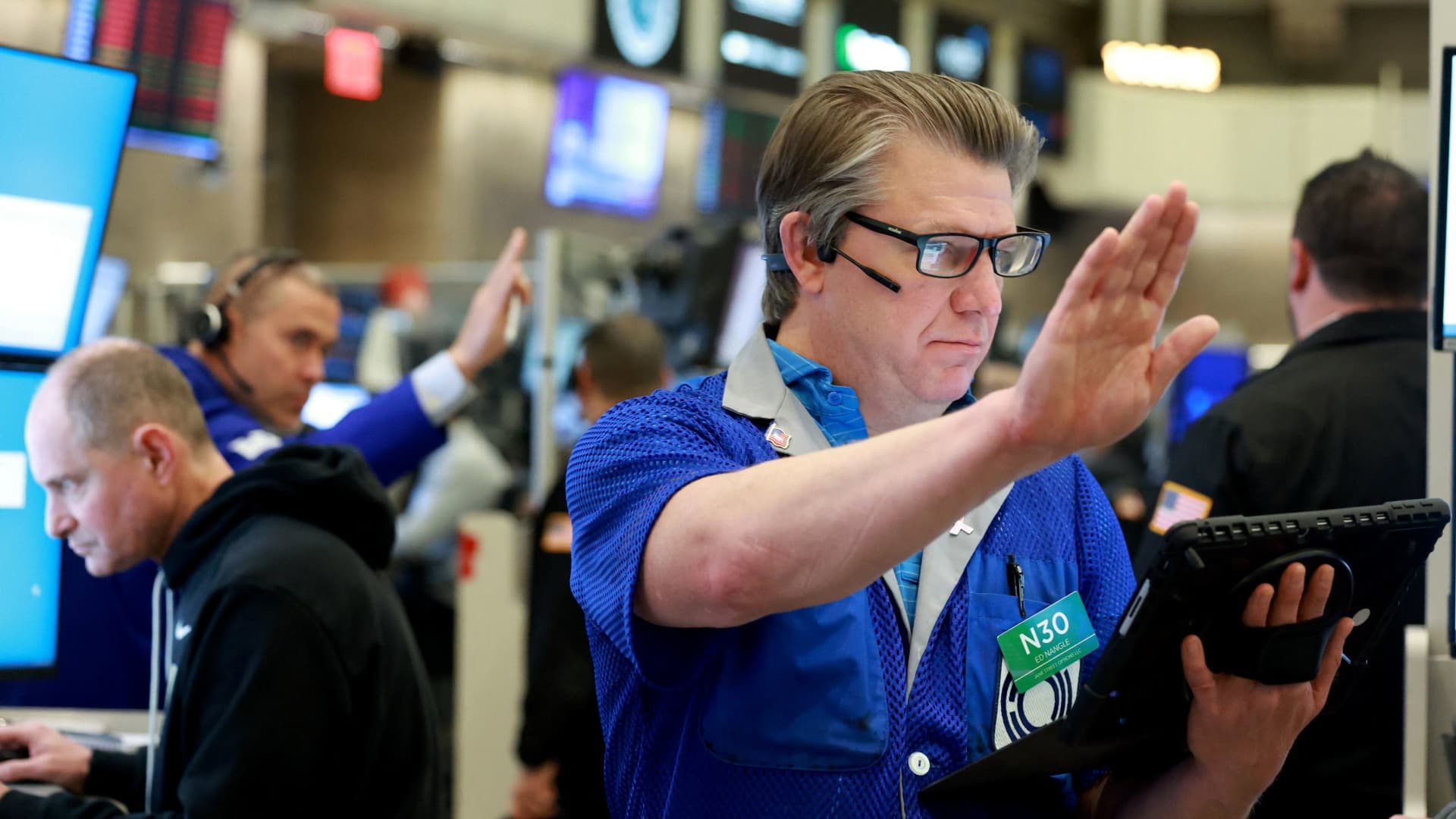
- Military Action Postponed: Trump announced a five-day delay in military strikes against Iranian power plants and energy infrastructure, based on what he termed 'very good and productive conversations' with Iran, which initially boosted stock prices as the market anticipated a de-escalation of tensions.
- Market Volatility: Although Trump's comments initially lifted the market, stocks retraced some gains after the Iranian parliament speaker denied negotiations, indicating the market's sensitivity and uncertainty regarding the evolving geopolitical situation.
- Oil and Bond Yield Changes: Following Trump's announcement, WTI crude fell to around $90, and the 10-year yield dipped to about 4.35%, reflecting a mix of optimism about a potential peace deal and a reassessment of risk by investors in the financial markets.
- Future Outlook and Caution: Despite the market's optimistic view on easing tensions, analysts caution that the lack of concrete negotiation details could lead to a weak rebound, urging investors to monitor oil tanker movements through the Strait of Hormuz and a halt to missile launches to gauge the sustainability of the market rally.
See More
Strait of Hormuz Closure Impacts Oil Market


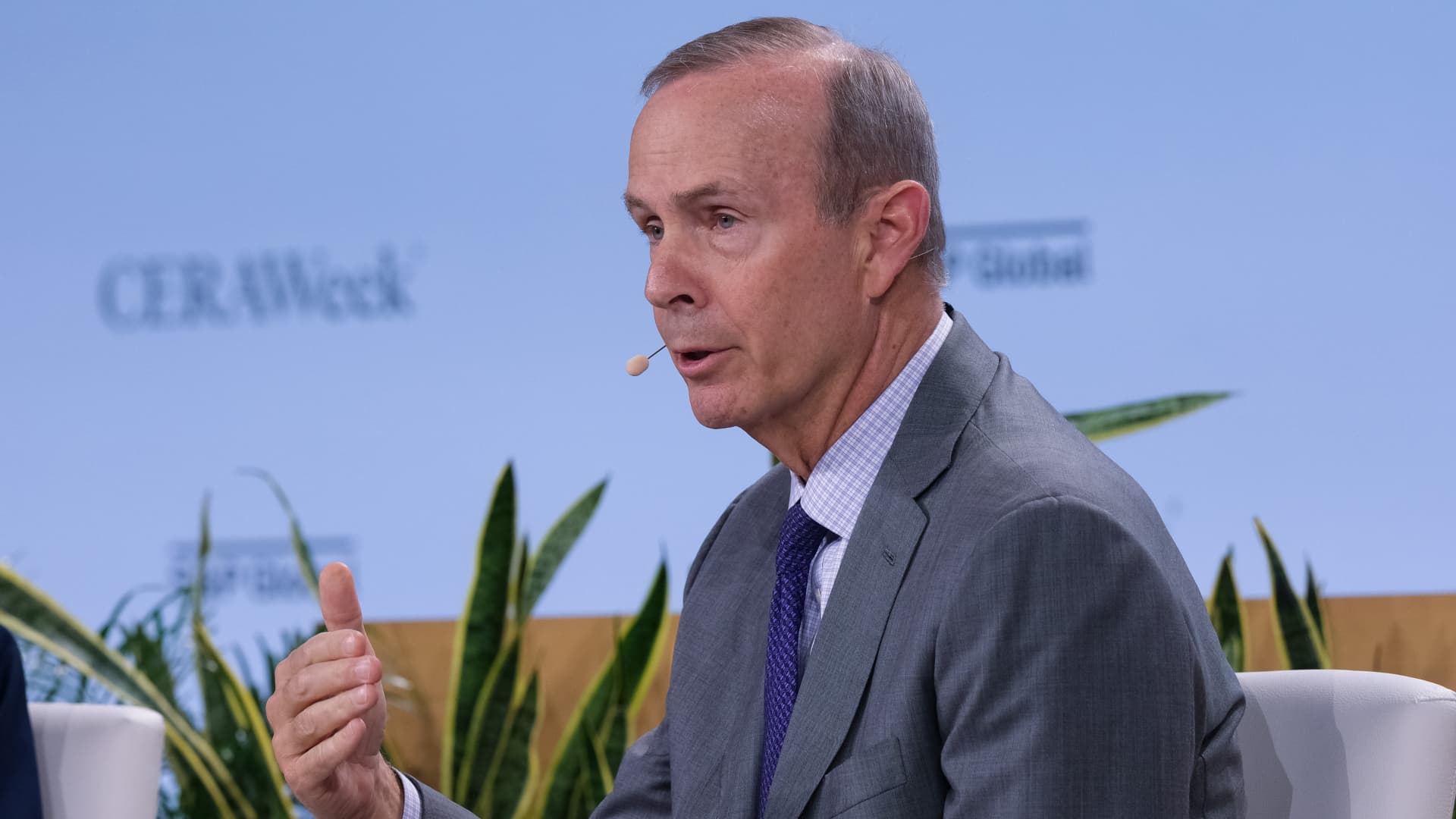
- Supply Disruption Impact: Chevron CEO Mike Wirth stated that the closure of the Strait of Hormuz has led to significant supply disruptions in the global oil market, and despite a 9% drop in oil prices on Monday, the market has not fully accounted for this reality, indicating potential over-optimism in future price expectations.
- Price Volatility: As of 1:44 PM on Monday, the U.S. crude oil contract for May delivery was trading around $89 per barrel, while Brent prices hovered around $101 per barrel, reflecting insufficient market confidence in supply recovery, especially considering potential tightness in the coming months.
- Inventory Rebuilding Challenges: Wirth emphasized that even if the Strait reopens, rebuilding inventories will take time, as approximately 20% of global oil supplies flowed through this route before the war, and current oil tanker traffic has plummeted due to Iranian attacks on commercial shipping.
- Production Recovery Uncertainty: Wirth noted that Gulf Arab producers have cut output due to export restrictions through the strait, and some governments are implementing policies to limit exports, creating uncertainty about the speed of production recovery, which will have lasting implications for the global oil market.
See More
U.S. Plans to Boost Diesel Supply Amid Soaring Prices


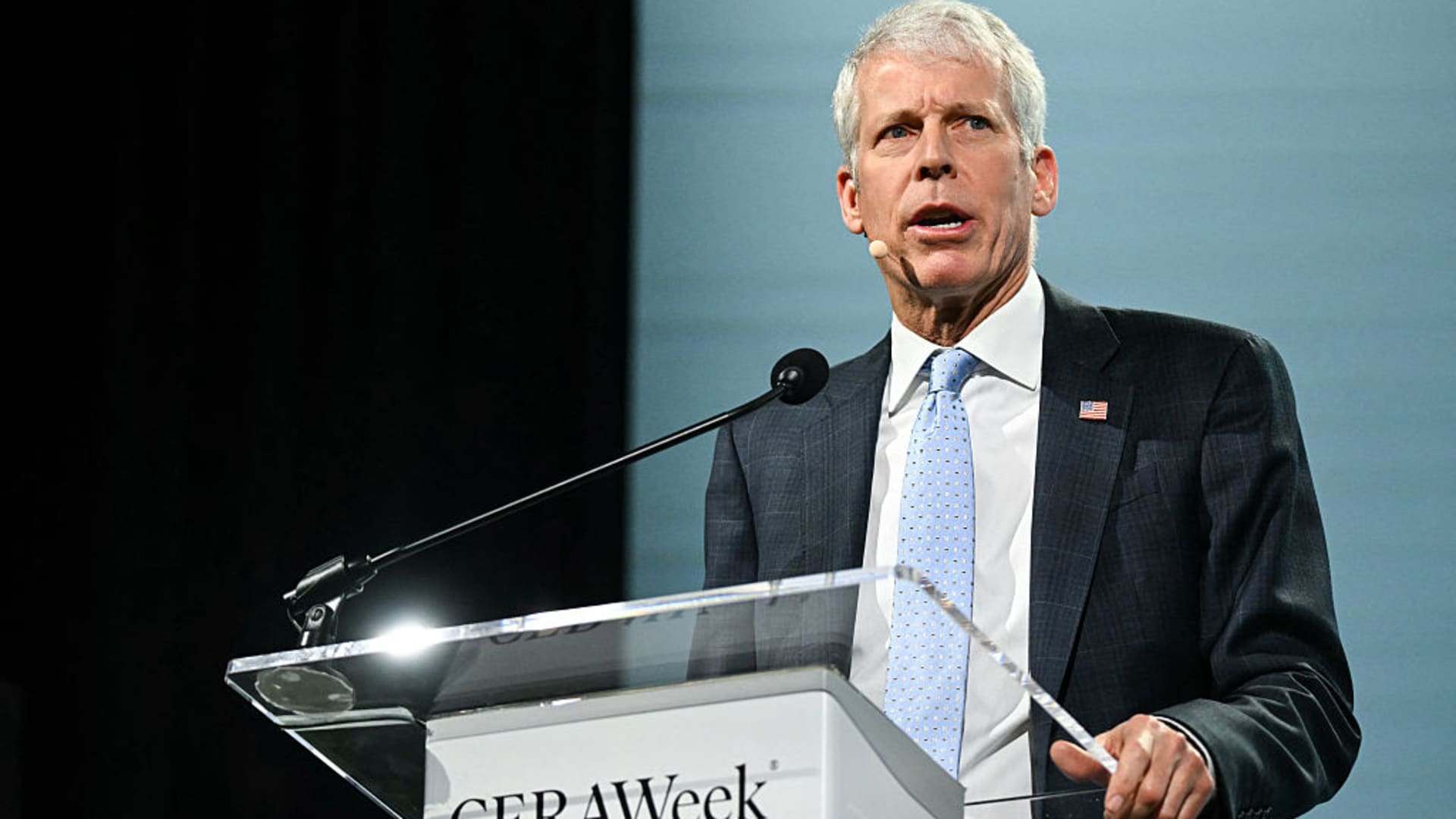
- Surging Diesel Prices: Diesel prices have surged approximately 40% to $5.29 per gallon due to the largest oil supply disruption in history triggered by the U.S.-Iran conflict, placing significant pressure on the transportation sector.
- Emergency Oil Reserve Releases: Energy Secretary Chris Wright announced that the U.S. will release about 1 to 1.5 million barrels per day from its Strategic Petroleum Reserve, with total releases expected to approach 3 million barrels, aimed at stabilizing the market amid supply disruptions.
- International Cooperation to Inject Supply: Over 30 nations in the International Energy Agency agreed on March 11 to inject 400 million barrels of oil into the global market, with the U.S. contributing 172 million barrels, demonstrating a commitment to collaborative efforts in addressing the energy crisis.
- Market Response and Demand Outlook: Despite oil prices rising over 30%, Wright indicated that prices have not yet reached levels that would significantly depress global demand, suggesting that market signals are still encouraging producers to increase supply, viewing the supply disruption as a short-term challenge rather than a long-term issue.
See More

Analysis of Market Winners and Losers

- Divergent Market Performance: The S&P 500 faced its fourth consecutive weekly decline, breaking below the 200-day moving average, indicating a less constructive environment with only 11 stocks rising, reflecting weakened investor confidence.
- Pepsi's Pricing Strategy: Pepsi plans to lower prices to gain market share, resulting in a 5% stock increase this year despite a 3% drop in the overall market, showcasing its unique market strategy and resilience.
- Consumer Goods Struggles: Major consumer companies like McDonald's, Walmart, Home Depot, and Procter & Gamble faced setbacks, suggesting a potential shift in spending patterns among low-income consumers that could impact sales performance.
- Energy Stocks Rise: Amidst overall market downturns, energy stocks like Exxon and Chevron rose by 2%, indicating that major energy companies may benefit from a reassessment of energy demand despite oil price fluctuations.
See More
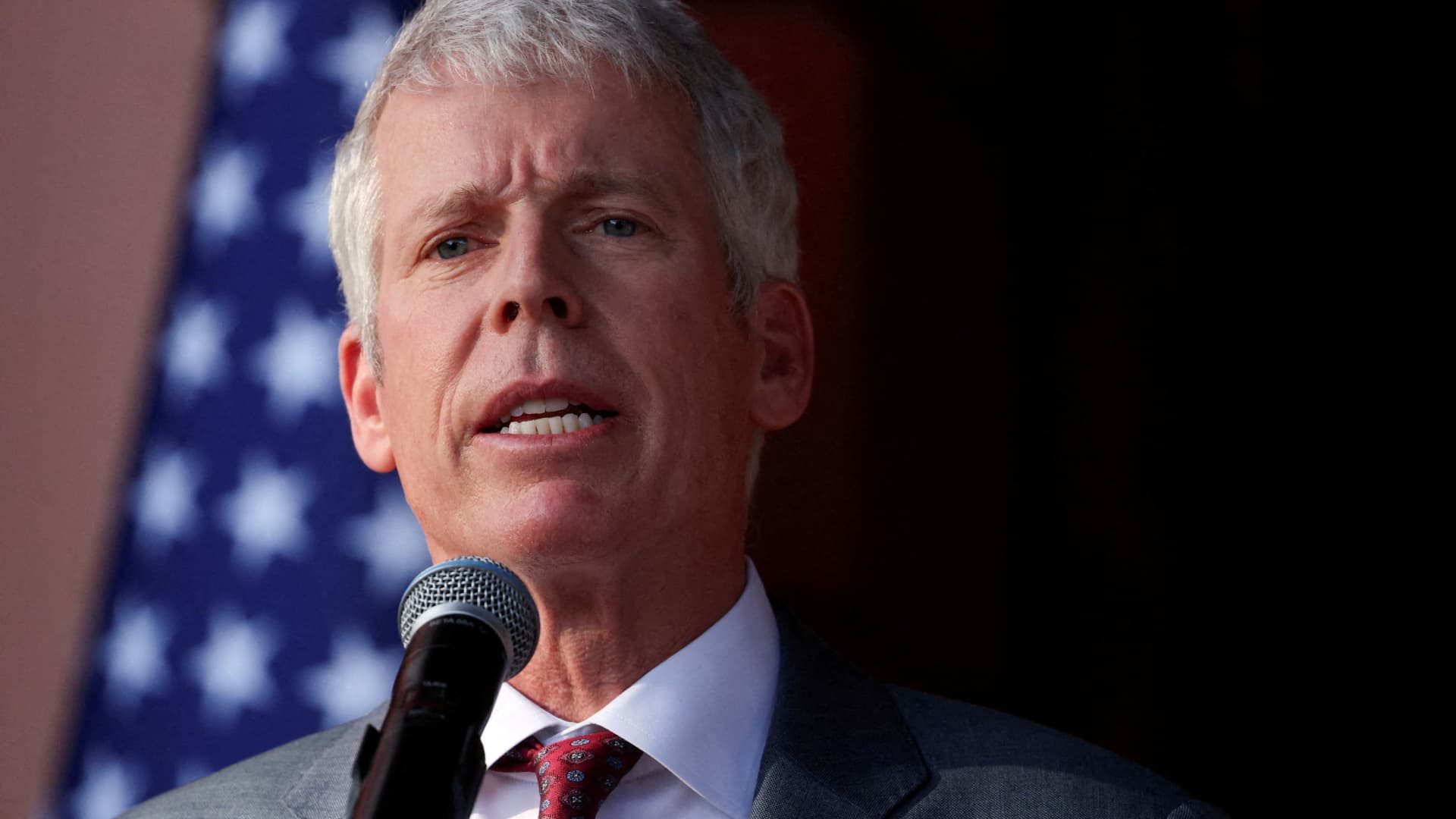
U.S. Energy Secretary to Speak at Energy Conference
- High-Level Gathering: U.S. Energy Secretary Chris Wright will speak at S&P Global's annual CERAWeek conference in Houston, which gathers top oil executives and policymakers from around the world, highlighting the market's keen interest in energy policy.
- Iran Situation Easing: President Trump announced a delay in strikes on Iran's power infrastructure following 'productive' talks, raising market hopes for a potential deal that could help stabilize oil prices amid ongoing tensions.
- Oil Price Volatility: Brent crude prices have surged over 40% to exceed $100 per barrel since the U.S. and Israel's attack on Iran on February 28, reflecting market concerns over supply disruptions in the Middle East, while Dow futures rose and the 10-year Treasury yield fell.
- Strait Traffic Disruption: Oil tanker traffic through the Strait of Hormuz has plummeted due to Iranian attacks on commercial vessels, with the strait being the world's most crucial oil export route, accounting for about 20% of global supplies, indicating that escalating tensions could further exacerbate supply disruptions.
See More
ADNOC CEO Condemns Iran's Economic Terrorism
- Strait of Hormuz Security Issue: ADNOC CEO Al Jaber condemned the weaponization of the Strait of Hormuz as economic terrorism affecting 20% of global oil and LNG supplies, emphasizing the need to keep the strait open to stabilize global markets during his remarks at a Houston conference.
- War Impact and Market Reaction: Oil prices plummeted nearly 11% on Monday due to Iranian attacks, while prices have surged over 30% since the war began, indicating market sensitivity to geopolitical tensions that could lead to future supply chain uncertainties.
- UAE Under Attack: The UAE has faced 352 ballistic missiles, 15 cruise missiles, and over 1,700 drones since the war's onset, resulting in eight fatalities and 161 injuries, with Al Jaber labeling these attacks as illegal and unjustified, asserting that the UAE did not seek this conflict.
- Absence of International Leaders: The war's impact led to the cancellation of in-person appearances by the CEOs of Kuwait Petroleum Corporation and Saudi Aramco at the conference, opting for virtual remarks instead, reflecting the industry's heightened concern and unease regarding the current situation.
See More
Trump Postpones Military Strikes Against Iran, Stocks Rally
- Military Action Postponed: Trump announced a five-day delay in military strikes against Iranian power plants and energy infrastructure, based on what he termed 'very good and productive conversations' with Iran, which initially boosted stock prices as the market anticipated a de-escalation of tensions.
- Market Volatility: Although Trump's comments initially lifted the market, stocks retraced some gains after the Iranian parliament speaker denied negotiations, indicating the market's sensitivity and uncertainty regarding the evolving geopolitical situation.
- Oil and Bond Yield Changes: Following Trump's announcement, WTI crude fell to around $90, and the 10-year yield dipped to about 4.35%, reflecting a mix of optimism about a potential peace deal and a reassessment of risk by investors in the financial markets.
- Future Outlook and Caution: Despite the market's optimistic view on easing tensions, analysts caution that the lack of concrete negotiation details could lead to a weak rebound, urging investors to monitor oil tanker movements through the Strait of Hormuz and a halt to missile launches to gauge the sustainability of the market rally.
See More
Strait of Hormuz Closure Impacts Oil Market
- Supply Disruption Impact: Chevron CEO Mike Wirth stated that the closure of the Strait of Hormuz has led to significant supply disruptions in the global oil market, and despite a 9% drop in oil prices on Monday, the market has not fully accounted for this reality, indicating potential over-optimism in future price expectations.
- Price Volatility: As of 1:44 PM on Monday, the U.S. crude oil contract for May delivery was trading around $89 per barrel, while Brent prices hovered around $101 per barrel, reflecting insufficient market confidence in supply recovery, especially considering potential tightness in the coming months.
- Inventory Rebuilding Challenges: Wirth emphasized that even if the Strait reopens, rebuilding inventories will take time, as approximately 20% of global oil supplies flowed through this route before the war, and current oil tanker traffic has plummeted due to Iranian attacks on commercial shipping.
- Production Recovery Uncertainty: Wirth noted that Gulf Arab producers have cut output due to export restrictions through the strait, and some governments are implementing policies to limit exports, creating uncertainty about the speed of production recovery, which will have lasting implications for the global oil market.
See More
U.S. Plans to Boost Diesel Supply Amid Soaring Prices
- Surging Diesel Prices: Diesel prices have surged approximately 40% to $5.29 per gallon due to the largest oil supply disruption in history triggered by the U.S.-Iran conflict, placing significant pressure on the transportation sector.
- Emergency Oil Reserve Releases: Energy Secretary Chris Wright announced that the U.S. will release about 1 to 1.5 million barrels per day from its Strategic Petroleum Reserve, with total releases expected to approach 3 million barrels, aimed at stabilizing the market amid supply disruptions.
- International Cooperation to Inject Supply: Over 30 nations in the International Energy Agency agreed on March 11 to inject 400 million barrels of oil into the global market, with the U.S. contributing 172 million barrels, demonstrating a commitment to collaborative efforts in addressing the energy crisis.
- Market Response and Demand Outlook: Despite oil prices rising over 30%, Wright indicated that prices have not yet reached levels that would significantly depress global demand, suggesting that market signals are still encouraging producers to increase supply, viewing the supply disruption as a short-term challenge rather than a long-term issue.
See More
Analysis of Market Winners and Losers
- Divergent Market Performance: The S&P 500 faced its fourth consecutive weekly decline, breaking below the 200-day moving average, indicating a less constructive environment with only 11 stocks rising, reflecting weakened investor confidence.
- Pepsi's Pricing Strategy: Pepsi plans to lower prices to gain market share, resulting in a 5% stock increase this year despite a 3% drop in the overall market, showcasing its unique market strategy and resilience.
- Consumer Goods Struggles: Major consumer companies like McDonald's, Walmart, Home Depot, and Procter & Gamble faced setbacks, suggesting a potential shift in spending patterns among low-income consumers that could impact sales performance.
- Energy Stocks Rise: Amidst overall market downturns, energy stocks like Exxon and Chevron rose by 2%, indicating that major energy companies may benefit from a reassessment of energy demand despite oil price fluctuations.
See More
U.S. Energy Secretary to Speak at Energy Conference
- High-Level Gathering: U.S. Energy Secretary Chris Wright will speak at S&P Global's annual CERAWeek conference in Houston, which gathers top oil executives and policymakers from around the world, highlighting the market's keen interest in energy policy.
- Iran Situation Easing: President Trump announced a delay in strikes on Iran's power infrastructure following 'productive' talks, raising market hopes for a potential deal that could help stabilize oil prices amid ongoing tensions.
- Oil Price Volatility: Brent crude prices have surged over 40% to exceed $100 per barrel since the U.S. and Israel's attack on Iran on February 28, reflecting market concerns over supply disruptions in the Middle East, while Dow futures rose and the 10-year Treasury yield fell.
- Strait Traffic Disruption: Oil tanker traffic through the Strait of Hormuz has plummeted due to Iranian attacks on commercial vessels, with the strait being the world's most crucial oil export route, accounting for about 20% of global supplies, indicating that escalating tensions could further exacerbate supply disruptions.
See More