Macy's Announces 5% Dividend Increase Amid Market Decline

Macy's Inc. shares fell 4.20% and hit a 20-day low amid a broader market decline, with the Nasdaq-100 down 0.65% and the S&P 500 down 0.79%.
The company declared a quarterly dividend of 19.15 cents per share, reflecting a 5% increase, indicating strong cash flow and profitability. This dividend will be payable on April 1, 2026, to shareholders of record as of March 13, 2026, which is expected to boost investor confidence. Macy's continues to solidify its leadership in the retail market through its iconic brands, including Macy's, Bloomingdale's, and Bluemercury.
This dividend increase demonstrates Macy's commitment to returning value to shareholders, even as the stock experiences downward pressure. The company's strong cash flow positions it well for future growth, and the dividend announcement may attract more investors looking for reliable income.
Trade with 70% Backtested Accuracy
Analyst Views on M

About M
About the author

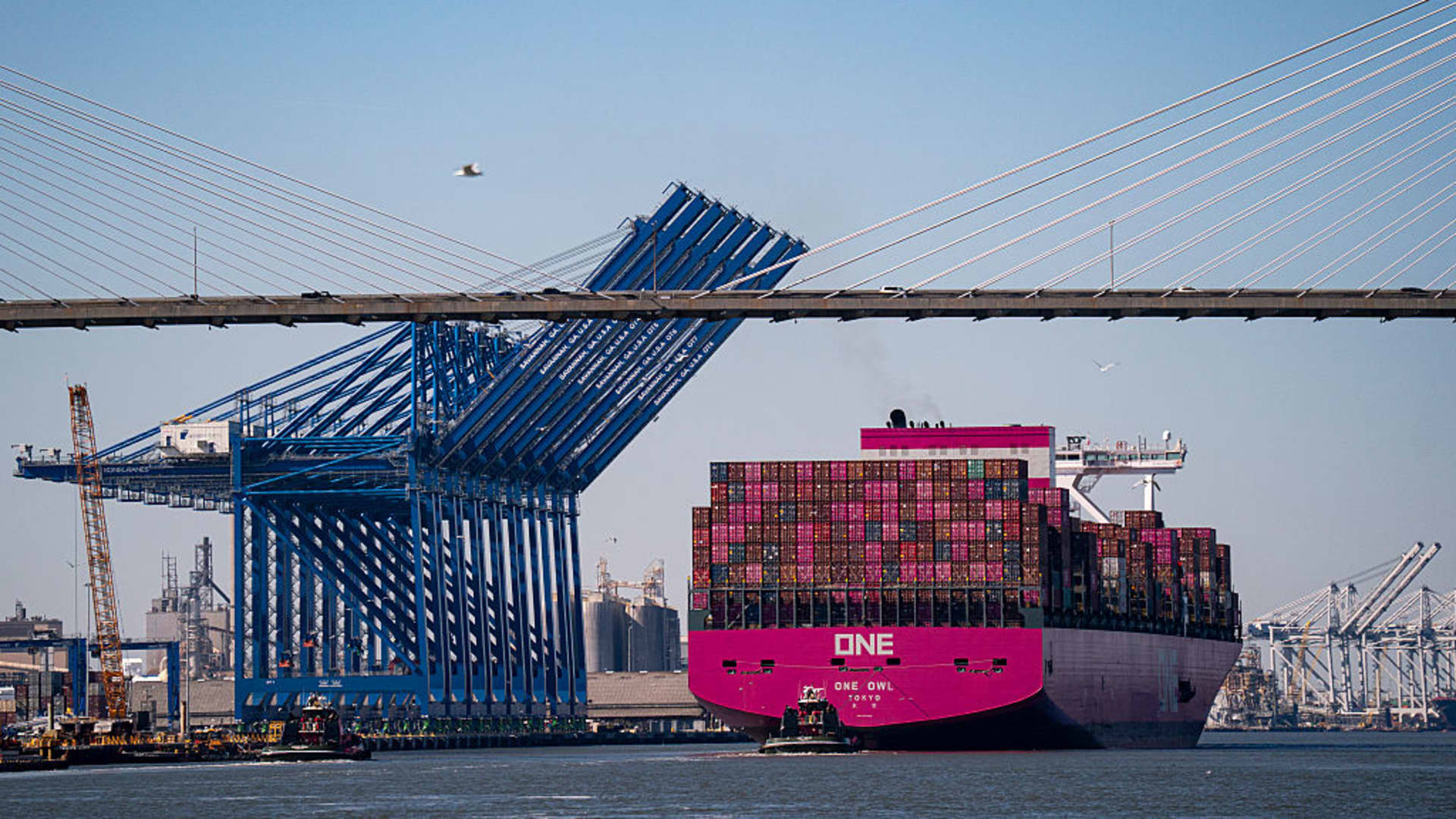
U.S. Importers Set to Claim $160 Billion in Tariff Refunds


- Total Tariff Refunds: U.S. importers, including Walmart and Target, are set to claim over $160 billion in tariff refunds following a Supreme Court ruling, although the refund process may encounter complex legal and bureaucratic hurdles.
- Claims Filing System Launch: The U.S. Customs and Border Protection will launch the CAPE claims filing portal on Monday, allowing importers to submit claims for refunds on tariffs imposed under the now-invalidated Trump administration authority, which is expected to streamline the refund process but still requires multiple validations.
- Retailer Refund Expectations: Analysts project Walmart will receive $10.2 billion in refunds, Target $2.2 billion, and Nike $1 billion, with these refunds potentially reflecting positively on future financial reports by improving profits and cash flow.
- Legal Risk Warning: While refunds could provide short-term financial benefits, trade lawyers caution that companies may face legal risks as many have passed tariff costs onto consumers, potentially leading to lawsuits from customers.

U.S. Tariff Refund Claims Portal Launches Amid Skepticism
- Tariff Refund Portal Launch: The U.S. Customs and Border Protection launched a tariff refund claims portal on Monday, expected to facilitate over $160 billion in refunds for importers, including Walmart, although analysts express skepticism about the speed of these refunds.
- Massive Refund Estimates: According to Citi's analysis, Walmart is projected to receive $10.2 billion, Target $2.2 billion, and Nike $1 billion in refunds, highlighting the significant financial impact on major retailers from the tariff refund process.
- Legal Vulnerability Concerns: Trade lawyers warn that while refunds could enhance company financials, the potential for lawsuits arises as many companies passed on tariff costs to consumers, increasing compliance risks and complicating the refund process.
- Uncertainty in Future Tariff Policies: Treasury Secretary indicated the possibility of reinstating tariffs through Section 301, raising concerns among importers about future tariff implications, especially as the current refund process remains uncertain and could affect market dynamics.

India's E-commerce Market Experiences Rapid Growth


- Investment Commitment: Amazon's pledge of $35 billion in India last year aims to digitize 12 million small businesses and enhance logistics infrastructure, demonstrating confidence in future market potential despite online shopping accounting for only 1.6% of GDP.
- User Growth Trend: According to Deloitte, India's e-commerce market experienced a compound annual growth of 23% from 2020 to 2025, with projections indicating it will reach $250 billion by 2030, highlighting both user growth and increased spending per shopper.
- Rise of Small City Consumers: Deloitte reports that over 60% of online shoppers come from smaller cities, marking a decisive shift in consumer dynamics and driving e-commerce order growth, indicating a rapid increase in purchasing power among these consumers.
- Quick Commerce Model: Amazon's quick commerce service, Amazon Now, sees a 25% month-over-month order growth, with Prime members tripling their shopping frequency, underscoring the significance of rapid delivery in meeting the demands of consumers in smaller cities.

Bloomingdale's CEO Sells Macy's Shares Amid Strong Performance
- Transaction Overview: On April 6, 2026, Bloomingdale's CEO Olivier Bron disposed of 7,228 shares of Macy's common stock through option exercise and immediate sale, with a transaction value of approximately $130,000, indicating a routine liquidity management approach.
- Holding Change Analysis: This transaction reduced Bron's direct holdings by 25.08%, yet he retains 21,590 shares along with a substantial balance of restricted stock units and outstanding options, suggesting ongoing alignment with Macy's equity performance.
- Market Performance Context: The shares were sold at a weighted average price of $17.92, reflecting a total return of 74.7% over the past year, highlighting the company's positive financial trajectory amid a competitive retail landscape.
- Investor Confidence: While the sale raised eyebrows, it primarily served to cover tax obligations, and with Macy's exceeding fourth-quarter sales expectations, investors can maintain confidence in the stock, anticipating further growth potential ahead.

Bloomingdale's CEO Sells Macy's Shares Amid Positive Earnings
- Transaction Overview: On April 6, 2026, Bloomingdale's CEO Olivier Bron exercised 13,146 options and sold 7,228 shares of Macy's common stock for approximately $130,000, based on a weighted average sale price of $17.92 per share, resulting in a 25.08% reduction in direct holdings to 21,590 shares.
- Tax Obligation Coverage: The sale was executed to cover tax withholding obligations related to the vesting of 13,146 restricted stock units, indicating that this transaction is not a negative signal for investors but rather a strategic move during a period of rising stock prices.
- Financial Performance Highlights: Macy's reported Q4 net sales of $7.6 billion for the fiscal year 2026, with total revenue down to $7.9 billion compared to $8 billion last year; however, a comparable store sales growth of 1.8% exceeded expectations, showcasing the effectiveness of its “Bold New Chapter” strategy.
- Cash Flow Improvement: By the end of its 2026 fiscal year, Macy's free cash flow improved to $797 million, up from $679 million the previous year, strengthening its ability to maintain a robust 4% dividend yield, making it an attractive option for income investors.

Bloomingdale's CEO Sells Macy's Shares Amid Strong Performance
- Transaction Overview: On April 6, 2026, Bloomingdale's CEO Olivier Bron disposed of 7,228 shares of Macy's, Inc. (NYSE:M) common stock through option exercise and immediate sale, totaling approximately $130K, which reduced his direct holdings by 25.08%, indicating a need for liquidity management.
- Financial Performance: Macy's reported net sales of $7.6 billion for Q4 2026, with total revenue down to $7.9 billion from $8 billion last year, yet a comparable store sales growth of 1.8% exceeded expectations, showcasing the effectiveness of the company's
U.S. Importers Set to Claim $160 Billion in Tariff Refunds
- Total Tariff Refunds: U.S. importers, including Walmart and Target, are set to claim over $160 billion in tariff refunds following a Supreme Court ruling, although the refund process may encounter complex legal and bureaucratic hurdles.
- Claims Filing System Launch: The U.S. Customs and Border Protection will launch the CAPE claims filing portal on Monday, allowing importers to submit claims for refunds on tariffs imposed under the now-invalidated Trump administration authority, which is expected to streamline the refund process but still requires multiple validations.
- Retailer Refund Expectations: Analysts project Walmart will receive $10.2 billion in refunds, Target $2.2 billion, and Nike $1 billion, with these refunds potentially reflecting positively on future financial reports by improving profits and cash flow.
- Legal Risk Warning: While refunds could provide short-term financial benefits, trade lawyers caution that companies may face legal risks as many have passed tariff costs onto consumers, potentially leading to lawsuits from customers.
U.S. Tariff Refund Claims Portal Launches Amid Skepticism
- Tariff Refund Portal Launch: The U.S. Customs and Border Protection launched a tariff refund claims portal on Monday, expected to facilitate over $160 billion in refunds for importers, including Walmart, although analysts express skepticism about the speed of these refunds.
- Massive Refund Estimates: According to Citi's analysis, Walmart is projected to receive $10.2 billion, Target $2.2 billion, and Nike $1 billion in refunds, highlighting the significant financial impact on major retailers from the tariff refund process.
- Legal Vulnerability Concerns: Trade lawyers warn that while refunds could enhance company financials, the potential for lawsuits arises as many companies passed on tariff costs to consumers, increasing compliance risks and complicating the refund process.
- Uncertainty in Future Tariff Policies: Treasury Secretary indicated the possibility of reinstating tariffs through Section 301, raising concerns among importers about future tariff implications, especially as the current refund process remains uncertain and could affect market dynamics.
India's E-commerce Market Experiences Rapid Growth
- Investment Commitment: Amazon's pledge of $35 billion in India last year aims to digitize 12 million small businesses and enhance logistics infrastructure, demonstrating confidence in future market potential despite online shopping accounting for only 1.6% of GDP.
- User Growth Trend: According to Deloitte, India's e-commerce market experienced a compound annual growth of 23% from 2020 to 2025, with projections indicating it will reach $250 billion by 2030, highlighting both user growth and increased spending per shopper.
- Rise of Small City Consumers: Deloitte reports that over 60% of online shoppers come from smaller cities, marking a decisive shift in consumer dynamics and driving e-commerce order growth, indicating a rapid increase in purchasing power among these consumers.
- Quick Commerce Model: Amazon's quick commerce service, Amazon Now, sees a 25% month-over-month order growth, with Prime members tripling their shopping frequency, underscoring the significance of rapid delivery in meeting the demands of consumers in smaller cities.
Bloomingdale's CEO Sells Macy's Shares Amid Strong Performance
- Transaction Overview: On April 6, 2026, Bloomingdale's CEO Olivier Bron disposed of 7,228 shares of Macy's common stock through option exercise and immediate sale, with a transaction value of approximately $130,000, indicating a routine liquidity management approach.
- Holding Change Analysis: This transaction reduced Bron's direct holdings by 25.08%, yet he retains 21,590 shares along with a substantial balance of restricted stock units and outstanding options, suggesting ongoing alignment with Macy's equity performance.
- Market Performance Context: The shares were sold at a weighted average price of $17.92, reflecting a total return of 74.7% over the past year, highlighting the company's positive financial trajectory amid a competitive retail landscape.
- Investor Confidence: While the sale raised eyebrows, it primarily served to cover tax obligations, and with Macy's exceeding fourth-quarter sales expectations, investors can maintain confidence in the stock, anticipating further growth potential ahead.
Bloomingdale's CEO Sells Macy's Shares Amid Positive Earnings
- Transaction Overview: On April 6, 2026, Bloomingdale's CEO Olivier Bron exercised 13,146 options and sold 7,228 shares of Macy's common stock for approximately $130,000, based on a weighted average sale price of $17.92 per share, resulting in a 25.08% reduction in direct holdings to 21,590 shares.
- Tax Obligation Coverage: The sale was executed to cover tax withholding obligations related to the vesting of 13,146 restricted stock units, indicating that this transaction is not a negative signal for investors but rather a strategic move during a period of rising stock prices.
- Financial Performance Highlights: Macy's reported Q4 net sales of $7.6 billion for the fiscal year 2026, with total revenue down to $7.9 billion compared to $8 billion last year; however, a comparable store sales growth of 1.8% exceeded expectations, showcasing the effectiveness of its “Bold New Chapter” strategy.
- Cash Flow Improvement: By the end of its 2026 fiscal year, Macy's free cash flow improved to $797 million, up from $679 million the previous year, strengthening its ability to maintain a robust 4% dividend yield, making it an attractive option for income investors.
Bloomingdale's CEO Sells Macy's Shares Amid Strong Performance
- Transaction Overview: On April 6, 2026, Bloomingdale's CEO Olivier Bron disposed of 7,228 shares of Macy's, Inc. (NYSE:M) common stock through option exercise and immediate sale, totaling approximately $130K, which reduced his direct holdings by 25.08%, indicating a need for liquidity management.
- Financial Performance: Macy's reported net sales of $7.6 billion for Q4 2026, with total revenue down to $7.9 billion from $8 billion last year, yet a comparable store sales growth of 1.8% exceeded expectations, showcasing the effectiveness of the company's