Halliburton's Price Target Raised Amid Positive Market Sentiment

Halliburton Co's stock has surged 3.02% and reached a 52-week high, reflecting strong investor confidence in the company's future prospects.
The price target for Halliburton was raised from $29 to $36 by Susquehanna, indicating over a 10% upside from current levels. This optimism is driven by the potential impact of U.S. actions in Venezuela, where Halliburton has filed an international arbitration case against the Venezuelan government for broken contracts. If the political situation improves, the company could see significant financial benefits, enhancing its market position.
This positive outlook suggests that Halliburton is well-positioned to capitalize on future opportunities in the oil sector, despite broader market challenges affecting the energy industry.
Trade with 70% Backtested Accuracy
Analyst Views on HAL

About HAL
About the author


Wall Street Earnings Season Faces Major Test


- Earnings Season Significance: Wall Street is set for a packed earnings season featuring key companies like Capital One and Boeing, with investors eager to glean insights into the economic impact of the Iran war from these reports.
- Capital One Performance Focus: Capital One is scheduled to report earnings on Tuesday, with market attention on its consumer health metrics and the progress of its acquisitions of Discover and Brex, particularly amid rising economic uncertainties.
- Boeing Earnings Outlook: Boeing is expected to release its earnings report on Wednesday, with market focus on order volumes in both its commercial and defense sectors, as well as free cash flow performance, especially after previous unexpected losses.
- GE Vernova Order Growth: GE Vernova will report alongside Boeing, with first-quarter new orders anticipated to reach $14.4 billion, reflecting a 65% year-over-year increase, indicating strong market performance amid rising electricity demand.

US Stocks Surge as Oil Prices Plunge Amid Peace Talks


- Market Rally: The S&P 500 rose 1.20% and the Nasdaq 100 increased by 1.29%, reaching all-time highs, reflecting investor optimism regarding US-Iran peace talks, which may enhance risk appetite in the markets.
- Oil Price Plunge: WTI crude prices fell over 11% to a five-week low after Iran announced the Strait of Hormuz is fully open, easing inflation concerns and causing the 10-year T-note yield to drop 7 basis points to 4.24%.
- Strong Earnings Season: The earnings season started robustly, with 81% of the 48 S&P 500 companies reporting Q1 earnings exceeding estimates, projecting a 12% year-over-year increase in earnings, providing strong support for the stock market.
- Airline Stocks Surge: Airline stocks surged as fuel costs decreased, with Alaska Air Group (ALK) rising over 10% and Royal Caribbean Cruises Ltd (RCL) up more than 7%, indicating market confidence in the recovery of the airline industry.

Analyst Bullish on Energy Stock Investment Opportunities

- Optimistic Oil Outlook: Analyst Mehta emphasizes a long-term view that Brent crude will normalize at $75 per barrel, despite current ICE Brent futures trading over 8% lower, presenting potential buying opportunities for energy stocks.
- Quality Stock Picks: Companies like ConocoPhillips, Halliburton, Permian Resources, and Vistra are highlighted as top picks with over 18% upside potential, all of which pay dividends, enhancing their investment appeal.
- Capital Expenditure Growth: Mehta notes that ConocoPhillips' capital spending will significantly boost free cash flow, with an expected compound annual growth rate of 20% to 25% per share through 2030, further driving its stock price upward.
- Market Volatility Opportunities: Although major energy stocks fell due to declining oil prices, Goldman Sachs suggests this could represent a buying opportunity, particularly for dividend-paying energy stocks, indicating potential market rebound space.

Wall Street Optimism Rises Amid Ceasefire Hopes


- Market Rebound: The S&P 500 and Nasdaq Composite reached all-time highs this week, with the S&P 500 surpassing 7,100 for the first time, reflecting strong investor confidence in economic recovery and suggesting further upward momentum for equities.
- Earnings Expectations: According to FactSet, the S&P 500 is projected to have a blended growth rate of 12.5% in Q1, with 78% of reporting companies exceeding expectations, providing a positive backdrop for the upcoming earnings season that could further bolster market confidence.
- Oil Price Volatility: While oil prices have fallen to around $80 per barrel, significantly below the $110 peak during the conflict, the market must remain vigilant regarding the potential impacts of U.S.-Iran tensions on global supply chains, particularly concerning the safety of transit through the Strait of Hormuz.
- Technical Fragility: Despite the market's strong short-term performance, analyst Craig Johnson warns that the rapid transition from oversold to overbought conditions masks underlying macroeconomic risks, urging investors to remain cautious and focus on high-quality investment opportunities.
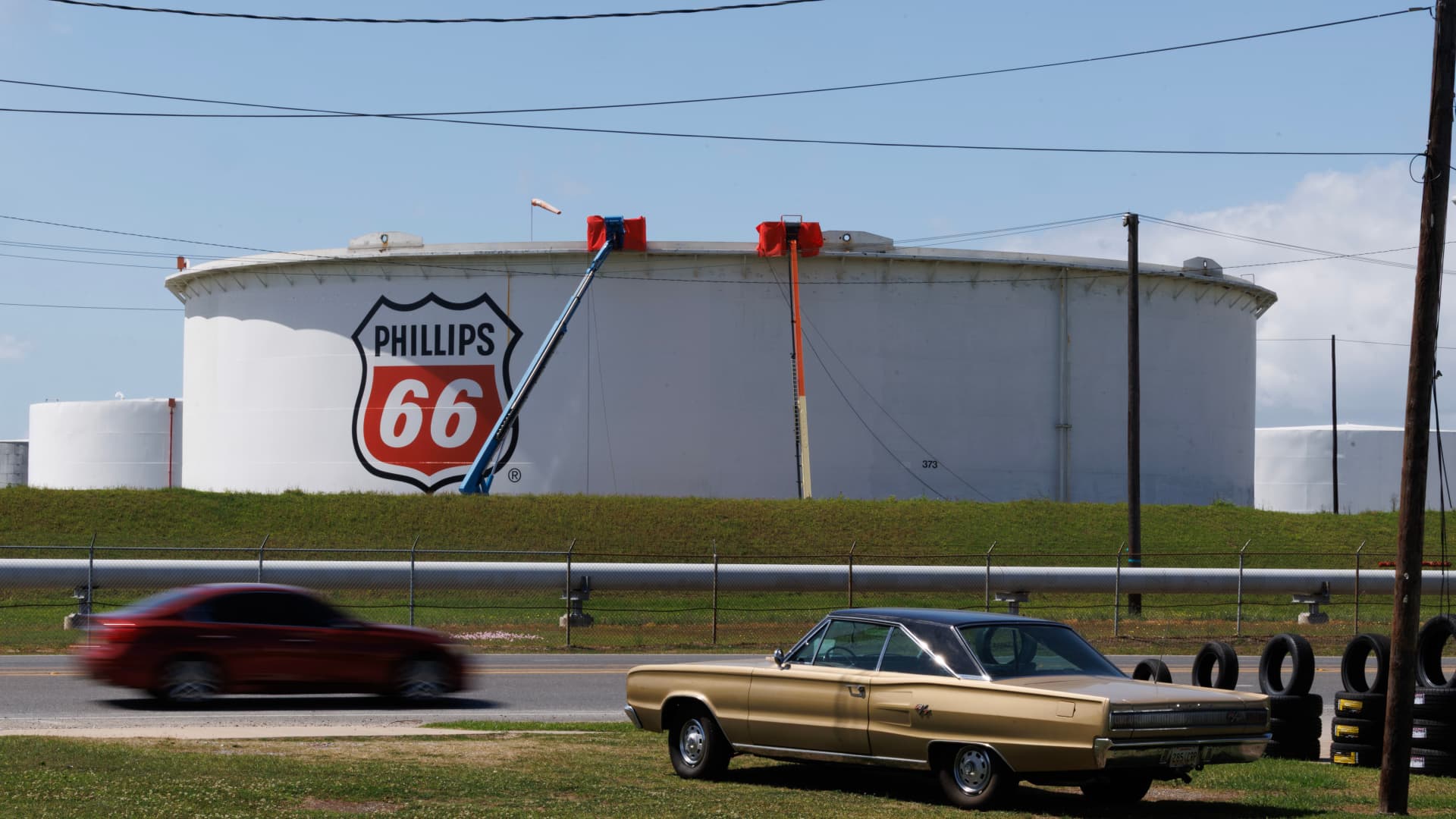
Energy Stocks Hit by Oil Price Drop, Buying Opportunities Arise


- Oil Price Impact: Brent crude futures fell over 8% and West Texas Intermediate dropped 10%, leading to a broad decline in energy stocks, which may present buying opportunities for stocks favored by Goldman Sachs.
- Goldman’s Stock Picks: Analyst Neil Mehta noted that despite geopolitical and commodity volatility, the energy stocks he recommends are fundamentally supported in the mid-term, particularly with a bullish long-term view that Brent crude will normalize at $75 per barrel.
- Cash Flow Growth Potential: ConocoPhillips is expected to achieve a 20% to 25% compound annual growth rate in free cash flow per share through cost reductions and major projects coming online, with a price target of $144 implying an 18% upside from Thursday's close.
- Electrification Investment Theme: Vistra is performing well under the electrification theme, with attractive fundamentals, a price target of $212 suggesting a 28% upside, and recent agreements with Meta providing additional support for future growth.
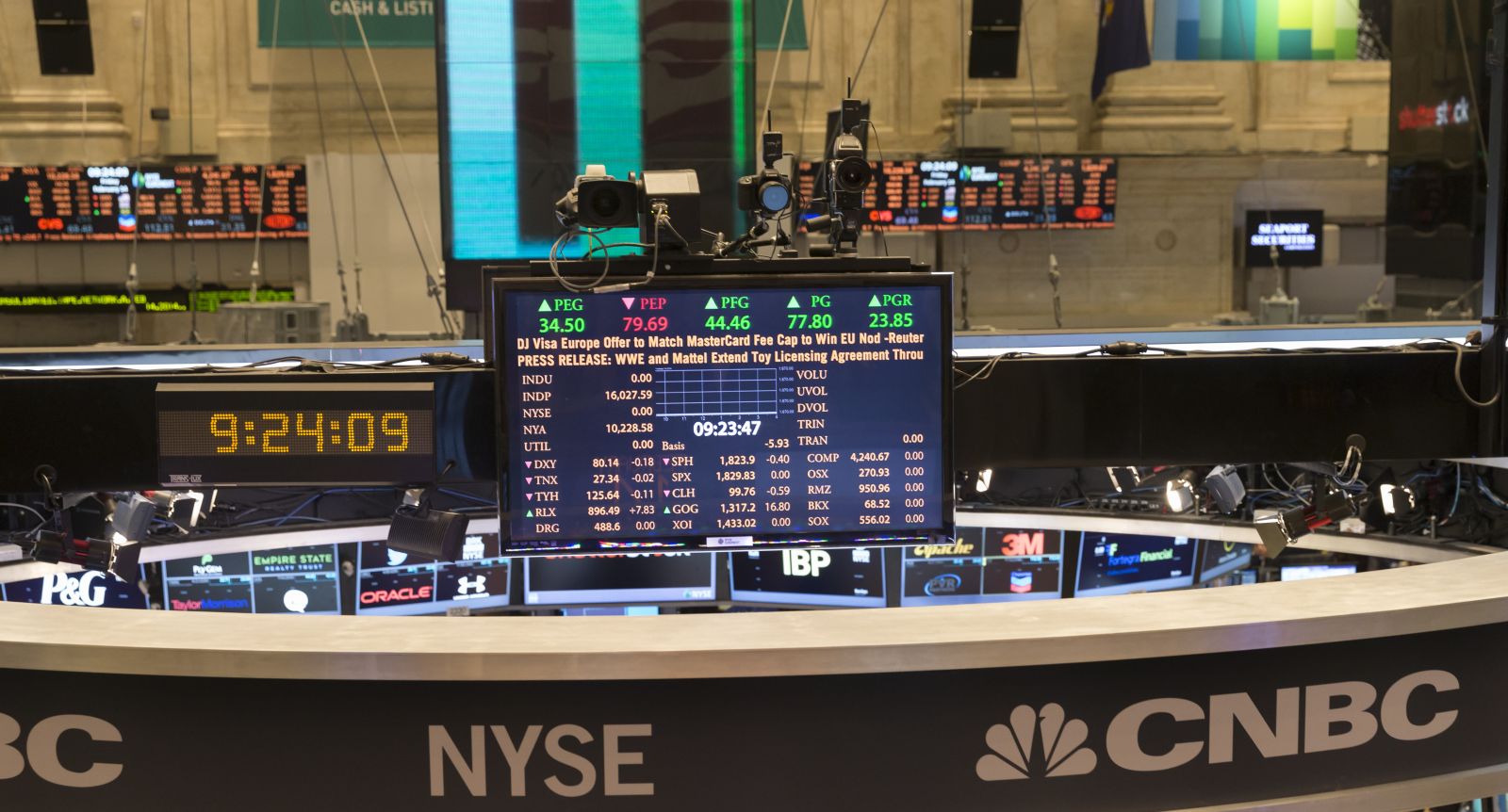
US Stocks Rally as Oil Prices Plunge Amid Peace Talks
- Market Surge: The S&P 500 rose by 1.28% and the Nasdaq 100 reached an all-time high, reflecting investor optimism driven by peace talks between the US and Iran, which may enhance risk appetite and bolster overall market confidence.
- Oil Price Plunge: WTI crude oil prices fell over 13% to a five-week low after the Strait of Hormuz reopened, easing inflation concerns and causing the 10-year Treasury yield to drop by 8 basis points, further supporting the bond market.
- Earnings Growth Expectations: Q1 earnings for the S&P 500 are projected to increase by 12% year-over-year, although excluding the tech sector, growth is only 3%, indicating resilience in corporate performance amid economic recovery and providing market support.
- Airline Stocks Soar: With reduced fuel costs, Alaska Air Group and United Airlines surged by over 14% and 11%, respectively, demonstrating the positive impact of falling oil prices on the airline industry, which could enhance profitability for related companies.
Wall Street Earnings Season Faces Major Test
- Earnings Season Significance: Wall Street is set for a packed earnings season featuring key companies like Capital One and Boeing, with investors eager to glean insights into the economic impact of the Iran war from these reports.
- Capital One Performance Focus: Capital One is scheduled to report earnings on Tuesday, with market attention on its consumer health metrics and the progress of its acquisitions of Discover and Brex, particularly amid rising economic uncertainties.
- Boeing Earnings Outlook: Boeing is expected to release its earnings report on Wednesday, with market focus on order volumes in both its commercial and defense sectors, as well as free cash flow performance, especially after previous unexpected losses.
- GE Vernova Order Growth: GE Vernova will report alongside Boeing, with first-quarter new orders anticipated to reach $14.4 billion, reflecting a 65% year-over-year increase, indicating strong market performance amid rising electricity demand.
US Stocks Surge as Oil Prices Plunge Amid Peace Talks
- Market Rally: The S&P 500 rose 1.20% and the Nasdaq 100 increased by 1.29%, reaching all-time highs, reflecting investor optimism regarding US-Iran peace talks, which may enhance risk appetite in the markets.
- Oil Price Plunge: WTI crude prices fell over 11% to a five-week low after Iran announced the Strait of Hormuz is fully open, easing inflation concerns and causing the 10-year T-note yield to drop 7 basis points to 4.24%.
- Strong Earnings Season: The earnings season started robustly, with 81% of the 48 S&P 500 companies reporting Q1 earnings exceeding estimates, projecting a 12% year-over-year increase in earnings, providing strong support for the stock market.
- Airline Stocks Surge: Airline stocks surged as fuel costs decreased, with Alaska Air Group (ALK) rising over 10% and Royal Caribbean Cruises Ltd (RCL) up more than 7%, indicating market confidence in the recovery of the airline industry.
Analyst Bullish on Energy Stock Investment Opportunities
- Optimistic Oil Outlook: Analyst Mehta emphasizes a long-term view that Brent crude will normalize at $75 per barrel, despite current ICE Brent futures trading over 8% lower, presenting potential buying opportunities for energy stocks.
- Quality Stock Picks: Companies like ConocoPhillips, Halliburton, Permian Resources, and Vistra are highlighted as top picks with over 18% upside potential, all of which pay dividends, enhancing their investment appeal.
- Capital Expenditure Growth: Mehta notes that ConocoPhillips' capital spending will significantly boost free cash flow, with an expected compound annual growth rate of 20% to 25% per share through 2030, further driving its stock price upward.
- Market Volatility Opportunities: Although major energy stocks fell due to declining oil prices, Goldman Sachs suggests this could represent a buying opportunity, particularly for dividend-paying energy stocks, indicating potential market rebound space.
Wall Street Optimism Rises Amid Ceasefire Hopes
- Market Rebound: The S&P 500 and Nasdaq Composite reached all-time highs this week, with the S&P 500 surpassing 7,100 for the first time, reflecting strong investor confidence in economic recovery and suggesting further upward momentum for equities.
- Earnings Expectations: According to FactSet, the S&P 500 is projected to have a blended growth rate of 12.5% in Q1, with 78% of reporting companies exceeding expectations, providing a positive backdrop for the upcoming earnings season that could further bolster market confidence.
- Oil Price Volatility: While oil prices have fallen to around $80 per barrel, significantly below the $110 peak during the conflict, the market must remain vigilant regarding the potential impacts of U.S.-Iran tensions on global supply chains, particularly concerning the safety of transit through the Strait of Hormuz.
- Technical Fragility: Despite the market's strong short-term performance, analyst Craig Johnson warns that the rapid transition from oversold to overbought conditions masks underlying macroeconomic risks, urging investors to remain cautious and focus on high-quality investment opportunities.
Energy Stocks Hit by Oil Price Drop, Buying Opportunities Arise
- Oil Price Impact: Brent crude futures fell over 8% and West Texas Intermediate dropped 10%, leading to a broad decline in energy stocks, which may present buying opportunities for stocks favored by Goldman Sachs.
- Goldman’s Stock Picks: Analyst Neil Mehta noted that despite geopolitical and commodity volatility, the energy stocks he recommends are fundamentally supported in the mid-term, particularly with a bullish long-term view that Brent crude will normalize at $75 per barrel.
- Cash Flow Growth Potential: ConocoPhillips is expected to achieve a 20% to 25% compound annual growth rate in free cash flow per share through cost reductions and major projects coming online, with a price target of $144 implying an 18% upside from Thursday's close.
- Electrification Investment Theme: Vistra is performing well under the electrification theme, with attractive fundamentals, a price target of $212 suggesting a 28% upside, and recent agreements with Meta providing additional support for future growth.
US Stocks Rally as Oil Prices Plunge Amid Peace Talks
- Market Surge: The S&P 500 rose by 1.28% and the Nasdaq 100 reached an all-time high, reflecting investor optimism driven by peace talks between the US and Iran, which may enhance risk appetite and bolster overall market confidence.
- Oil Price Plunge: WTI crude oil prices fell over 13% to a five-week low after the Strait of Hormuz reopened, easing inflation concerns and causing the 10-year Treasury yield to drop by 8 basis points, further supporting the bond market.
- Earnings Growth Expectations: Q1 earnings for the S&P 500 are projected to increase by 12% year-over-year, although excluding the tech sector, growth is only 3%, indicating resilience in corporate performance amid economic recovery and providing market support.
- Airline Stocks Soar: With reduced fuel costs, Alaska Air Group and United Airlines surged by over 14% and 11%, respectively, demonstrating the positive impact of falling oil prices on the airline industry, which could enhance profitability for related companies.