CF Industries Reports Earnings Beat Amid Market Gains

CF Industries shares fell by 5.00% as the stock crossed below the 5-day SMA, indicating a bearish trend in the short term.
Despite the decline, CF Industries reported fourth-quarter earnings of $2.99 per share on February 18, exceeding analyst expectations of $2.54, while quarterly sales reached $1.872 billion, surpassing the forecast of $1.787 billion. This strong performance reflects the company's competitive edge and sustained profitability, contributing to positive investor sentiment in the agricultural sector.
The earnings beat highlights CF Industries' resilience in a favorable market environment, where the broader indices like Nasdaq-100 and S&P 500 are experiencing gains. Investors may view this as a temporary setback, with potential for recovery as the company continues to demonstrate strong fundamentals.
Trade with 70% Backtested Accuracy
Analyst Views on CF

About CF
About the author


Oil Prices Surge Amid Trade Tensions and Geopolitical Strains


- Oil Price Surge: Despite the International Energy Agency's agreement to release a record 400 million barrels of oil, Brent crude prices surged past $100 per barrel on Thursday, indicating a strong market reaction to supply constraints that could lead to higher energy costs for consumers and businesses.
- U.S. Strategic Petroleum Reserve: The U.S. announced it would tap 172 million barrels from its Strategic Petroleum Reserve to help lower energy costs; however, this measure failed to stabilize market volatility, reflecting the complexity and uncertainty of the global energy landscape.
- Escalating Trade War: The U.S. government launched trade probes into over a dozen countries, targeting the EU, China, and Mexico, aiming to replace reciprocal tariffs ruled illegal by the Supreme Court, which could further escalate global trade tensions and impact international market confidence.
- Middle East Conflict Impact: The ongoing war in Iran poses risks to AI infrastructure development in the Middle East, with experts warning that attacks on data centers have already caused outages in banking and consumer services, highlighting the geopolitical risks threatening technology investments.

Strait of Hormuz Conflict Threatens Global Food Prices
- Rising Energy and Food Costs: The conflict in the Strait of Hormuz disrupts energy and fertilizer shipments, with the International Food Policy Research Institute warning that this could reignite global food inflation just as retail food prices had returned to historical levels in many countries.
- Short-term Risks for Gulf Countries: Gulf Cooperation Council nations like Qatar, Bahrain, and Saudi Arabia heavily rely on maritime imports through the Strait of Hormuz, and if shipping remains constrained, they may need to reroute supplies through more expensive alternatives, leading to immediate spikes in food prices.
- Vulnerability of Sub-Saharan Africa: Research indicates that over 90% of fertilizers consumed in Sub-Saharan Africa are imported, and the sensitivity of farmers to fertilizer shortages could lead to lower yields of staple crops like maize, thereby increasing food prices and impacting the poorest and most densely populated regions.
- Pressure on Asian Agricultural Economies: Major agricultural economies such as India, Bangladesh, and Thailand are heavily dependent on imported fertilizers from the Gulf, and sustained disruptions could drive up costs for farmers during critical planting seasons, further straining the food supply chain.

IEA Releases Record 400 Million Barrels of Oil Amid Middle East Conflict


- Historic Oil Release: The International Energy Agency's decision to release 400 million barrels of oil marks the largest reserve release in history, aimed at alleviating the pressure of rising global energy costs due to the Middle East conflict.
- U.S. Strategic Reserve Tapping: The U.S. will tap 172 million barrels from its Strategic Petroleum Reserve; however, market reactions remain negative, with crude prices rising over 4% on Wednesday, indicating concerns over supply chain security.
- Strait of Hormuz Closure Impact: The closure of the Strait of Hormuz not only disrupts oil transport but also affects over one-third of global fertilizer shipments, raising the risk of increased agricultural costs and food inflation, thereby impacting global food supply chains.
- Escalating Trade Tensions: The Trump administration has initiated trade probes into over a dozen countries to replace tariffs deemed illegal by the Supreme Court, further exacerbating global market uncertainty, particularly against the backdrop of energy volatility and tightening supply chains.

Middle East War Disrupts Fertilizer Market

- Stock Performance Surge: On Wednesday, Mosaic and CF Industries surged by 10.1% and 9.1%, respectively, ranking among the top three gainers on the S&P 500, reflecting market sensitivity to fertilizer supply disruptions.
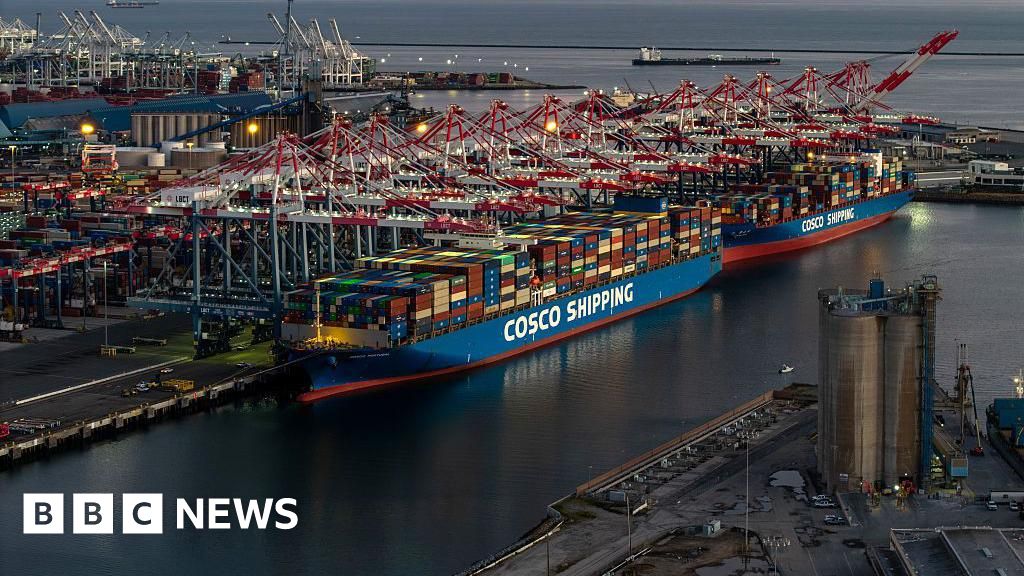
- Transport Disruptions: The ongoing Middle East war has largely halted commercial traffic through the Strait of Hormuz, affecting over a third of global fertilizer trade, coinciding with the critical spring planting season for farmers in the Northern Hemisphere.
- Price Surge Trend: According to data from The Fertilizer Institute, the price of urea fertilizer imports in the U.S. jumped 30% between the weeks ending February 27 and March 6, following the onset of the war, which will further elevate agricultural costs and impact crop yields.
- Food Price Risk: Wolfe Research chief economist Stephanie Roth highlighted that fertilizer shortages could lead to increased agricultural costs, posing a potential negative impact on food prices, especially as farmers may reduce application rates during the spring planting period.
Hormuz Strait Conflict May Drive Up Food Prices

- Fertilizer Supply Risks: The conflict in the Hormuz Strait disrupts over one-third of global fertilizer trade, impacting supply chains and potentially affecting crop fertilization just before spring planting, which could reduce yields.
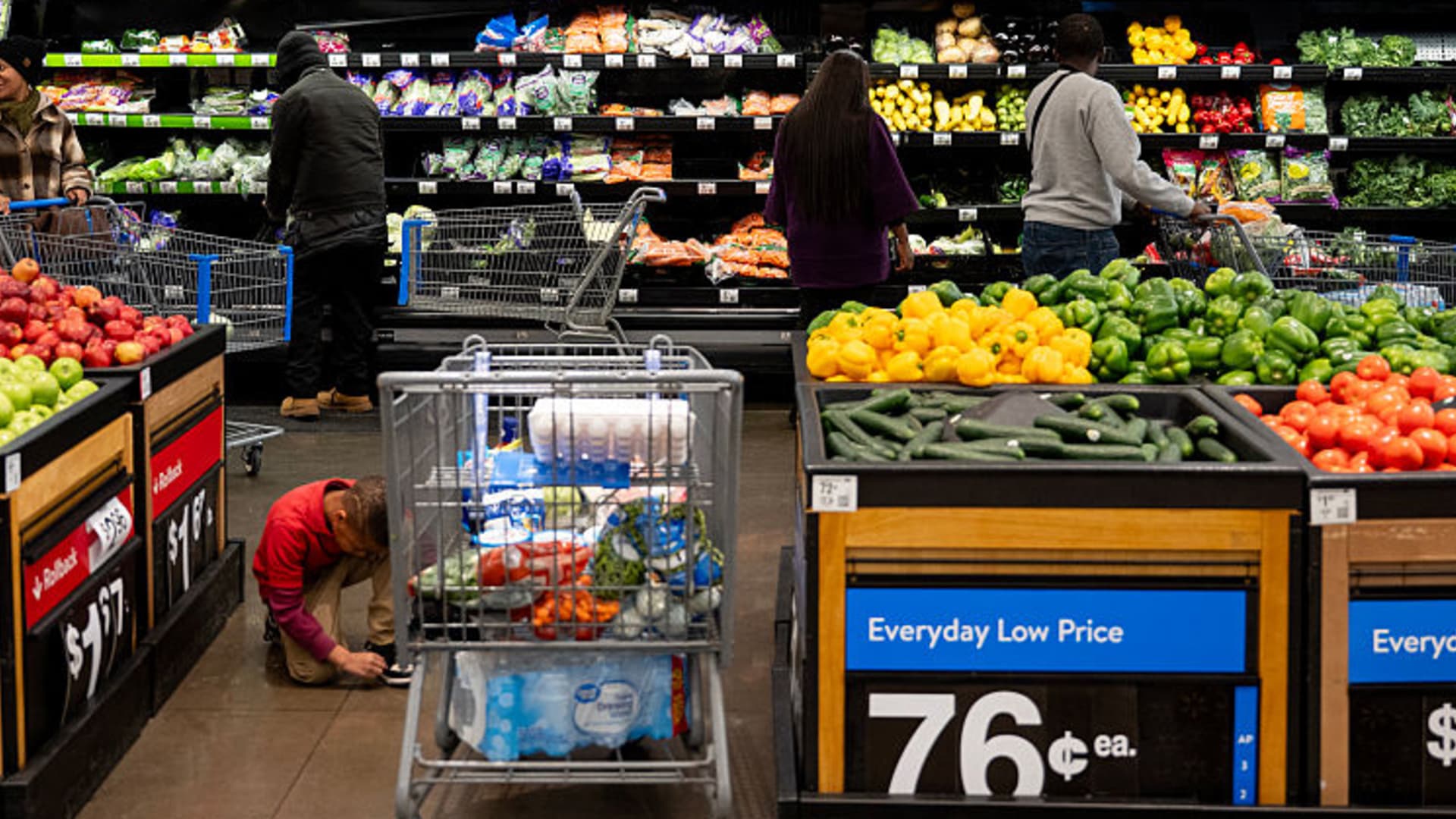
- Inflationary Pressures: Analysts estimate that fertilizer shortages could raise U.S. food-at-home inflation by approximately 2 percentage points, exacerbating the ongoing price pressures consumers face in food, housing, and energy.
- Surging Fertilizer Prices: In just a few weeks following the onset of the war, the price of urea fertilizer imports in the U.S. surged by 30%, directly increasing production costs for farmers and likely leading to higher food prices for consumers.
- Global Ripple Effects: Many countries, particularly India and several African economies, heavily rely on fertilizer imports from the Gulf region, meaning disruptions could have widespread economic impacts, affecting agricultural output and household expenses.

Gold Bull Run May Be Ending as Funds Shift to Grains

- Gold Price Decline: Gold is trading around $5,185 per ounce, down about 1% from the previous day, indicating a weakening demand in the market that may signal the end of the bull run.
- Limited Geopolitical Impact: Despite the Iran war being considered one of the biggest geopolitical events in decades, gold has failed to rally, with analyst Wyckoff suggesting that the market's lack of response to bullish news indicates that the bulls may be exhausted.
- Funds Shifting to Grains: Wyckoff noted that speculative and hedge fund money appears to be rotating into grain markets, with corn, soybeans, and wheat prices trending higher since January, highlighting their relative attractiveness compared to gold.
- Fertilizer Prices Surge: The ongoing Iran conflict has caused urea prices in New Orleans to surge over 30%, which may lead farmers to reduce corn planting in favor of soybeans, potentially tightening grain supply and driving prices higher later this year.
Oil Prices Surge Amid Trade Tensions and Geopolitical Strains
- Oil Price Surge: Despite the International Energy Agency's agreement to release a record 400 million barrels of oil, Brent crude prices surged past $100 per barrel on Thursday, indicating a strong market reaction to supply constraints that could lead to higher energy costs for consumers and businesses.
- U.S. Strategic Petroleum Reserve: The U.S. announced it would tap 172 million barrels from its Strategic Petroleum Reserve to help lower energy costs; however, this measure failed to stabilize market volatility, reflecting the complexity and uncertainty of the global energy landscape.
- Escalating Trade War: The U.S. government launched trade probes into over a dozen countries, targeting the EU, China, and Mexico, aiming to replace reciprocal tariffs ruled illegal by the Supreme Court, which could further escalate global trade tensions and impact international market confidence.
- Middle East Conflict Impact: The ongoing war in Iran poses risks to AI infrastructure development in the Middle East, with experts warning that attacks on data centers have already caused outages in banking and consumer services, highlighting the geopolitical risks threatening technology investments.
Strait of Hormuz Conflict Threatens Global Food Prices
- Rising Energy and Food Costs: The conflict in the Strait of Hormuz disrupts energy and fertilizer shipments, with the International Food Policy Research Institute warning that this could reignite global food inflation just as retail food prices had returned to historical levels in many countries.
- Short-term Risks for Gulf Countries: Gulf Cooperation Council nations like Qatar, Bahrain, and Saudi Arabia heavily rely on maritime imports through the Strait of Hormuz, and if shipping remains constrained, they may need to reroute supplies through more expensive alternatives, leading to immediate spikes in food prices.
- Vulnerability of Sub-Saharan Africa: Research indicates that over 90% of fertilizers consumed in Sub-Saharan Africa are imported, and the sensitivity of farmers to fertilizer shortages could lead to lower yields of staple crops like maize, thereby increasing food prices and impacting the poorest and most densely populated regions.
- Pressure on Asian Agricultural Economies: Major agricultural economies such as India, Bangladesh, and Thailand are heavily dependent on imported fertilizers from the Gulf, and sustained disruptions could drive up costs for farmers during critical planting seasons, further straining the food supply chain.
IEA Releases Record 400 Million Barrels of Oil Amid Middle East Conflict
- Historic Oil Release: The International Energy Agency's decision to release 400 million barrels of oil marks the largest reserve release in history, aimed at alleviating the pressure of rising global energy costs due to the Middle East conflict.
- U.S. Strategic Reserve Tapping: The U.S. will tap 172 million barrels from its Strategic Petroleum Reserve; however, market reactions remain negative, with crude prices rising over 4% on Wednesday, indicating concerns over supply chain security.
- Strait of Hormuz Closure Impact: The closure of the Strait of Hormuz not only disrupts oil transport but also affects over one-third of global fertilizer shipments, raising the risk of increased agricultural costs and food inflation, thereby impacting global food supply chains.
- Escalating Trade Tensions: The Trump administration has initiated trade probes into over a dozen countries to replace tariffs deemed illegal by the Supreme Court, further exacerbating global market uncertainty, particularly against the backdrop of energy volatility and tightening supply chains.
Middle East War Disrupts Fertilizer Market
- Stock Performance Surge: On Wednesday, Mosaic and CF Industries surged by 10.1% and 9.1%, respectively, ranking among the top three gainers on the S&P 500, reflecting market sensitivity to fertilizer supply disruptions.
- Transport Disruptions: The ongoing Middle East war has largely halted commercial traffic through the Strait of Hormuz, affecting over a third of global fertilizer trade, coinciding with the critical spring planting season for farmers in the Northern Hemisphere.
- Price Surge Trend: According to data from The Fertilizer Institute, the price of urea fertilizer imports in the U.S. jumped 30% between the weeks ending February 27 and March 6, following the onset of the war, which will further elevate agricultural costs and impact crop yields.
- Food Price Risk: Wolfe Research chief economist Stephanie Roth highlighted that fertilizer shortages could lead to increased agricultural costs, posing a potential negative impact on food prices, especially as farmers may reduce application rates during the spring planting period.
Hormuz Strait Conflict May Drive Up Food Prices
- Fertilizer Supply Risks: The conflict in the Hormuz Strait disrupts over one-third of global fertilizer trade, impacting supply chains and potentially affecting crop fertilization just before spring planting, which could reduce yields.
- Inflationary Pressures: Analysts estimate that fertilizer shortages could raise U.S. food-at-home inflation by approximately 2 percentage points, exacerbating the ongoing price pressures consumers face in food, housing, and energy.
- Surging Fertilizer Prices: In just a few weeks following the onset of the war, the price of urea fertilizer imports in the U.S. surged by 30%, directly increasing production costs for farmers and likely leading to higher food prices for consumers.
- Global Ripple Effects: Many countries, particularly India and several African economies, heavily rely on fertilizer imports from the Gulf region, meaning disruptions could have widespread economic impacts, affecting agricultural output and household expenses.
Gold Bull Run May Be Ending as Funds Shift to Grains
- Gold Price Decline: Gold is trading around $5,185 per ounce, down about 1% from the previous day, indicating a weakening demand in the market that may signal the end of the bull run.
- Limited Geopolitical Impact: Despite the Iran war being considered one of the biggest geopolitical events in decades, gold has failed to rally, with analyst Wyckoff suggesting that the market's lack of response to bullish news indicates that the bulls may be exhausted.
- Funds Shifting to Grains: Wyckoff noted that speculative and hedge fund money appears to be rotating into grain markets, with corn, soybeans, and wheat prices trending higher since January, highlighting their relative attractiveness compared to gold.
- Fertilizer Prices Surge: The ongoing Iran conflict has caused urea prices in New Orleans to surge over 30%, which may lead farmers to reduce corn planting in favor of soybeans, potentially tightening grain supply and driving prices higher later this year.