Century Aluminum and EGA to Build New U.S. Aluminum Smelting Plant

Century Aluminum Co's stock fell 8.01% as it crossed below the 5-day SMA, reflecting broader market weakness with the Nasdaq-100 down 1.42% and S&P 500 down 0.52%.
The company announced a joint venture with Emirates Global Aluminum to construct the first new aluminum smelting plant in the U.S. since 1980, with EGA holding 60% and Century 40%. This significant investment aims to produce 750,000 metric tons of aluminum annually, more than doubling current U.S. production capacity to meet rising demand. The project will utilize advanced smelting technology, enhancing production efficiency and environmental standards.
This development is expected to create thousands of jobs and strengthen Century Aluminum's position in the market. However, the stock's decline amid broader market weakness indicates potential investor concerns about the company's immediate performance despite the long-term growth prospects.
Trade with 70% Backtested Accuracy
Analyst Views on CENX

About CENX
About the author

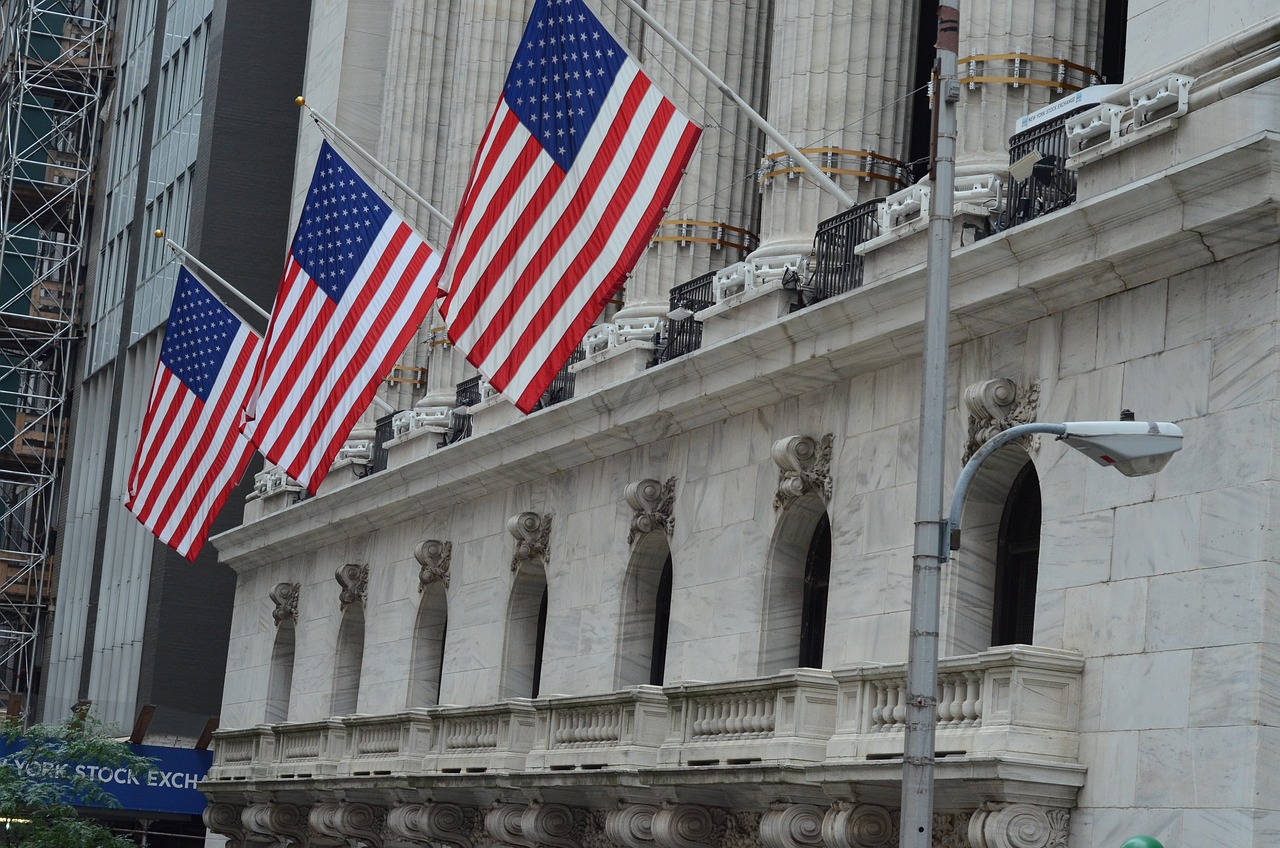
US Stocks Close Mixed Amid Oil Surge and Economic Data

- Market Fluctuations: The S&P 500 Index closed up 0.11%, while the Dow Jones Industrial Average fell 0.13%, and the Nasdaq 100 Index rose 0.11%, reflecting volatility influenced by surging oil prices and economic data.
- Positive Economic Data: Weekly initial unemployment claims unexpectedly fell by 9,000 to 202,000, indicating a stronger labor market than the anticipated increase to 212,000, which could impact the Fed's interest rate policy.
- Impact of Oil Surge: Crude oil prices soared over 11% due to President Trump's tougher stance on Iran, leading to sharp declines in airline and cruise line stocks, with United Airlines and Carnival both down more than 3%.
- Corporate Developments: SBA Communications surged over 18% as it explores potential acquisition options, while Globalstar rose over 13% amid reports of Amazon's interest in acquiring the company, highlighting market focus on M&A activity.
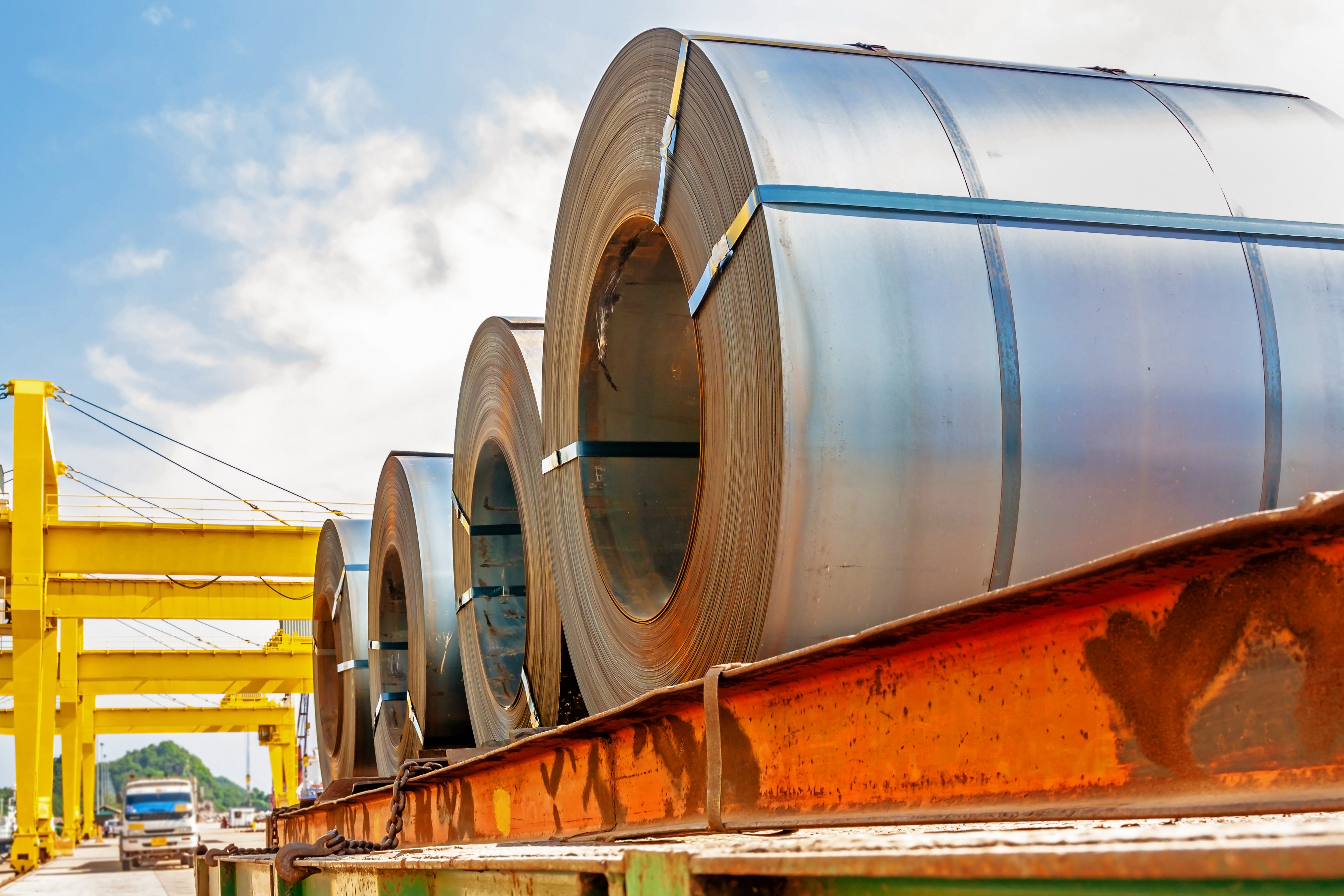
Trump Administration Adjusts Metal Tariff Policy
- Tariff Adjustment: The Trump administration confirmed it will adjust Section 232 tariffs on steel, aluminum, and copper imports, reducing the tariff on finished products from 50% to 25%, which will apply to the entire value of products containing these metals, thereby simplifying compliance processes.
- Commodity Products Remain High Taxed: The 50% tariff will still apply to commodity-grade steel, aluminum, and copper products, meaning that the import costs for these goods will remain unchanged, potentially affecting the competitiveness of related industries.
- New Classification Standards: Products containing less than 15% metal content will not be subject to the metals tariff but will instead face Trump's separate 10% global minimum tariff, prompting importers to reassess their product material compositions.
- Positive Industry Response: Century Aluminum (CENX) praised the policy changes, stating that they will close valuation loopholes exploited by importers, enhancing protection for U.S. steel and aluminum markets, which could positively impact the market performance of related companies.

Impact of War on Metal Markets


- Aluminum Surge: Since the onset of the war, aluminum futures have surged nearly 12%, indicating strong market demand that may reflect supply chain tensions and investor optimism about future needs.
- Precious Metals Decline: In stark contrast to aluminum, gold futures have fallen about 9%, while silver, palladium, and platinum futures have dropped between 17% and 19%, suggesting a waning interest in safe-haven assets and potential for increased market volatility.
- Tariff Impact: One year after Trump's tariff announcement, Walmart's stock has risen nearly 40%, and Tesla's shares have soared about 35%, indicating that some companies have successfully adapted to policy changes, while Best Buy's 15% decline highlights the varied impacts across different firms.
- Jobless Claims Expectations: Initial jobless claims are expected to reach 212,000, with a trade deficit forecast of $62 billion, up from last month's $54.46 billion, reflecting the complexities of economic recovery and market focus on upcoming economic data.
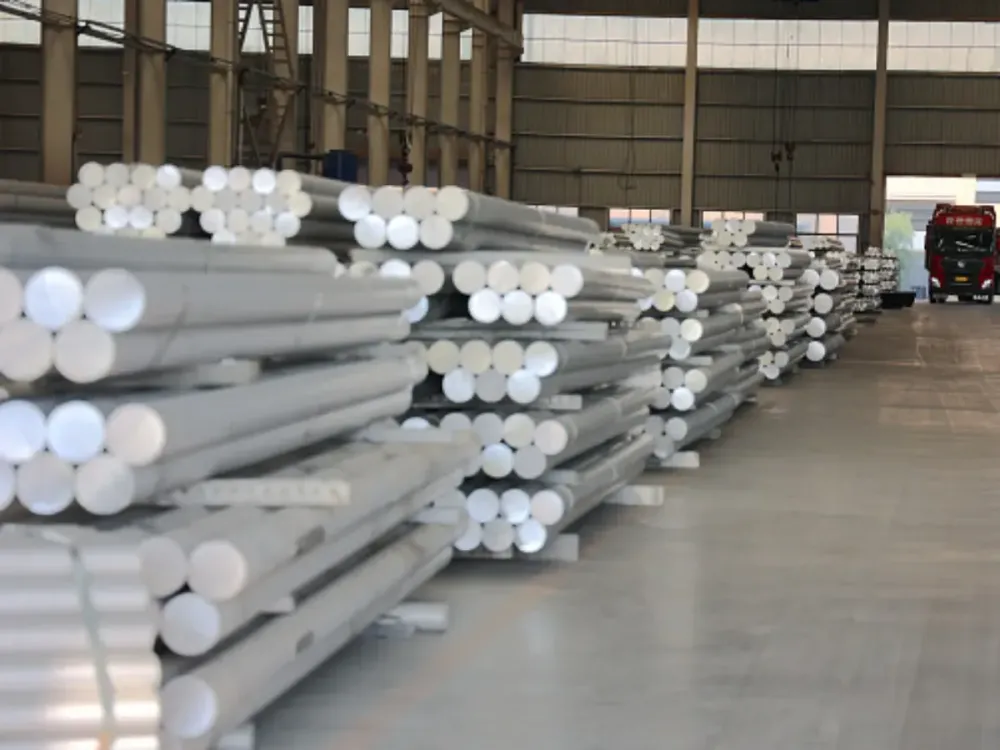
Abu Dhabi Smelter Shutdown Sparks Aluminum Price Surge
- Aluminum Price Surge: The shutdown of the Abu Dhabi smelter due to strikes has led to a 2% increase in aluminum prices on the London Metal Exchange, indicating market concerns over supply disruptions that could lead to further price volatility.
- Smelter Operations Halted: Emirates Global Aluminium was forced to halt operations at its Al Taweelah smelter after it was struck by Iranian missiles and drones, resulting in a power loss that impacts aluminum production capacity and may exert pressure on the global aluminum supply chain.
- Analyst Rating Upgrades: JPMorgan upgraded Alcoa's rating from 'Underweight' to 'Neutral' with a price target increase from $50 to $68, reflecting a positive outlook on the aluminum market, particularly amid rising regional supply risks.
- Positive Market Reaction: Shares of Alcoa, Kaiser Aluminum, and Century Aluminum have gained 32%, 11.5%, and 57.5% respectively this year, demonstrating strong investor confidence in the aluminum sector, especially in light of the current geopolitical tensions.

CENX Stock Trend Analysis for Investors
- Price Growth Trend: Century Aluminum (CENX) has seen a 21.5% price increase over the past 12 weeks, reflecting sustained investor interest in the stock's potential upside, thereby enhancing its appeal for trend investing.
- Short-Term Price Stability: The stock has gained 3.7% in the last four weeks, indicating that the price trend remains stable, which reduces the risk of a trend reversal in the near term.
- Strong Fundamental Support: CENX currently holds a Zacks Rank of #1 (Strong Buy), placing it in the top 5% of over 4,000 ranked stocks, suggesting that trends in earnings estimate revisions and EPS surprises are very positive, potentially driving short-term price increases.
- Optimistic Broker Recommendations: With an average broker recommendation of #1 (Strong Buy), analysts exhibit high optimism regarding CENX's near-term price performance, further confirming the stock's strong fundamentals.

Iran War Triggers Market Turmoil Amid Conflicting Statements

- Market Uncertainty: The oil markets are experiencing volatility due to conflicting statements regarding the Iran war, with both WTI and Brent crude prices initially rising before pulling back, indicating investor concerns about future developments.
- Defense Secretary Investment Controversy: U.S. Defense Secretary Pete Hegseth's broker reportedly sought to make multimillion-dollar investments in major defense companies before the war, raising questions about potential insider trading, although the Pentagon has dismissed these claims.
- Trump's Tough Rhetoric: President Trump threatened to destroy Iran's oil wells and power plants if a peace deal is not reached, which has heightened market anxiety and complicated investor expectations regarding the conflict's trajectory.
- Fed's Inflation Outlook: Federal Reserve Chair Jerome Powell stated that inflation expectations remain grounded despite rising energy prices, suggesting that the central bank does not need to respond with higher interest rates, which could influence market perceptions of future monetary policy.
US Stocks Close Mixed Amid Oil Surge and Economic Data
- Market Fluctuations: The S&P 500 Index closed up 0.11%, while the Dow Jones Industrial Average fell 0.13%, and the Nasdaq 100 Index rose 0.11%, reflecting volatility influenced by surging oil prices and economic data.
- Positive Economic Data: Weekly initial unemployment claims unexpectedly fell by 9,000 to 202,000, indicating a stronger labor market than the anticipated increase to 212,000, which could impact the Fed's interest rate policy.
- Impact of Oil Surge: Crude oil prices soared over 11% due to President Trump's tougher stance on Iran, leading to sharp declines in airline and cruise line stocks, with United Airlines and Carnival both down more than 3%.
- Corporate Developments: SBA Communications surged over 18% as it explores potential acquisition options, while Globalstar rose over 13% amid reports of Amazon's interest in acquiring the company, highlighting market focus on M&A activity.
Trump Administration Adjusts Metal Tariff Policy
- Tariff Adjustment: The Trump administration confirmed it will adjust Section 232 tariffs on steel, aluminum, and copper imports, reducing the tariff on finished products from 50% to 25%, which will apply to the entire value of products containing these metals, thereby simplifying compliance processes.
- Commodity Products Remain High Taxed: The 50% tariff will still apply to commodity-grade steel, aluminum, and copper products, meaning that the import costs for these goods will remain unchanged, potentially affecting the competitiveness of related industries.
- New Classification Standards: Products containing less than 15% metal content will not be subject to the metals tariff but will instead face Trump's separate 10% global minimum tariff, prompting importers to reassess their product material compositions.
- Positive Industry Response: Century Aluminum (CENX) praised the policy changes, stating that they will close valuation loopholes exploited by importers, enhancing protection for U.S. steel and aluminum markets, which could positively impact the market performance of related companies.
Impact of War on Metal Markets
- Aluminum Surge: Since the onset of the war, aluminum futures have surged nearly 12%, indicating strong market demand that may reflect supply chain tensions and investor optimism about future needs.
- Precious Metals Decline: In stark contrast to aluminum, gold futures have fallen about 9%, while silver, palladium, and platinum futures have dropped between 17% and 19%, suggesting a waning interest in safe-haven assets and potential for increased market volatility.
- Tariff Impact: One year after Trump's tariff announcement, Walmart's stock has risen nearly 40%, and Tesla's shares have soared about 35%, indicating that some companies have successfully adapted to policy changes, while Best Buy's 15% decline highlights the varied impacts across different firms.
- Jobless Claims Expectations: Initial jobless claims are expected to reach 212,000, with a trade deficit forecast of $62 billion, up from last month's $54.46 billion, reflecting the complexities of economic recovery and market focus on upcoming economic data.
Abu Dhabi Smelter Shutdown Sparks Aluminum Price Surge
- Aluminum Price Surge: The shutdown of the Abu Dhabi smelter due to strikes has led to a 2% increase in aluminum prices on the London Metal Exchange, indicating market concerns over supply disruptions that could lead to further price volatility.
- Smelter Operations Halted: Emirates Global Aluminium was forced to halt operations at its Al Taweelah smelter after it was struck by Iranian missiles and drones, resulting in a power loss that impacts aluminum production capacity and may exert pressure on the global aluminum supply chain.
- Analyst Rating Upgrades: JPMorgan upgraded Alcoa's rating from 'Underweight' to 'Neutral' with a price target increase from $50 to $68, reflecting a positive outlook on the aluminum market, particularly amid rising regional supply risks.
- Positive Market Reaction: Shares of Alcoa, Kaiser Aluminum, and Century Aluminum have gained 32%, 11.5%, and 57.5% respectively this year, demonstrating strong investor confidence in the aluminum sector, especially in light of the current geopolitical tensions.
CENX Stock Trend Analysis for Investors
- Price Growth Trend: Century Aluminum (CENX) has seen a 21.5% price increase over the past 12 weeks, reflecting sustained investor interest in the stock's potential upside, thereby enhancing its appeal for trend investing.
- Short-Term Price Stability: The stock has gained 3.7% in the last four weeks, indicating that the price trend remains stable, which reduces the risk of a trend reversal in the near term.
- Strong Fundamental Support: CENX currently holds a Zacks Rank of #1 (Strong Buy), placing it in the top 5% of over 4,000 ranked stocks, suggesting that trends in earnings estimate revisions and EPS surprises are very positive, potentially driving short-term price increases.
- Optimistic Broker Recommendations: With an average broker recommendation of #1 (Strong Buy), analysts exhibit high optimism regarding CENX's near-term price performance, further confirming the stock's strong fundamentals.
Iran War Triggers Market Turmoil Amid Conflicting Statements
- Market Uncertainty: The oil markets are experiencing volatility due to conflicting statements regarding the Iran war, with both WTI and Brent crude prices initially rising before pulling back, indicating investor concerns about future developments.
- Defense Secretary Investment Controversy: U.S. Defense Secretary Pete Hegseth's broker reportedly sought to make multimillion-dollar investments in major defense companies before the war, raising questions about potential insider trading, although the Pentagon has dismissed these claims.
- Trump's Tough Rhetoric: President Trump threatened to destroy Iran's oil wells and power plants if a peace deal is not reached, which has heightened market anxiety and complicated investor expectations regarding the conflict's trajectory.
- Fed's Inflation Outlook: Federal Reserve Chair Jerome Powell stated that inflation expectations remain grounded despite rising energy prices, suggesting that the central bank does not need to respond with higher interest rates, which could influence market perceptions of future monetary policy.