Alcoa Corp Declines Amid Tariff Policy Reversal

Alcoa Corp's stock fell by 5.49% as it hit a 5-day low, reflecting investor concerns over potential tariff rollbacks affecting aluminum prices.
The decline follows reports of President Trump's plans to reverse aluminum tariffs, which has led to a drop in aluminum futures and heightened market uncertainty. This policy change could significantly impact profit margins for U.S. aluminum producers, including Alcoa, as it may increase foreign competition and reduce domestic pricing power.
The implications of this tariff reversal could reshape the aluminum market, leading to increased volatility and affecting the overall profitability of companies like Alcoa. Investors are closely monitoring these developments as they could have lasting effects on the sector.
Trade with 70% Backtested Accuracy
Analyst Views on AA

About AA
About the author

U.S. Launches New Trade Investigations Raising Concerns


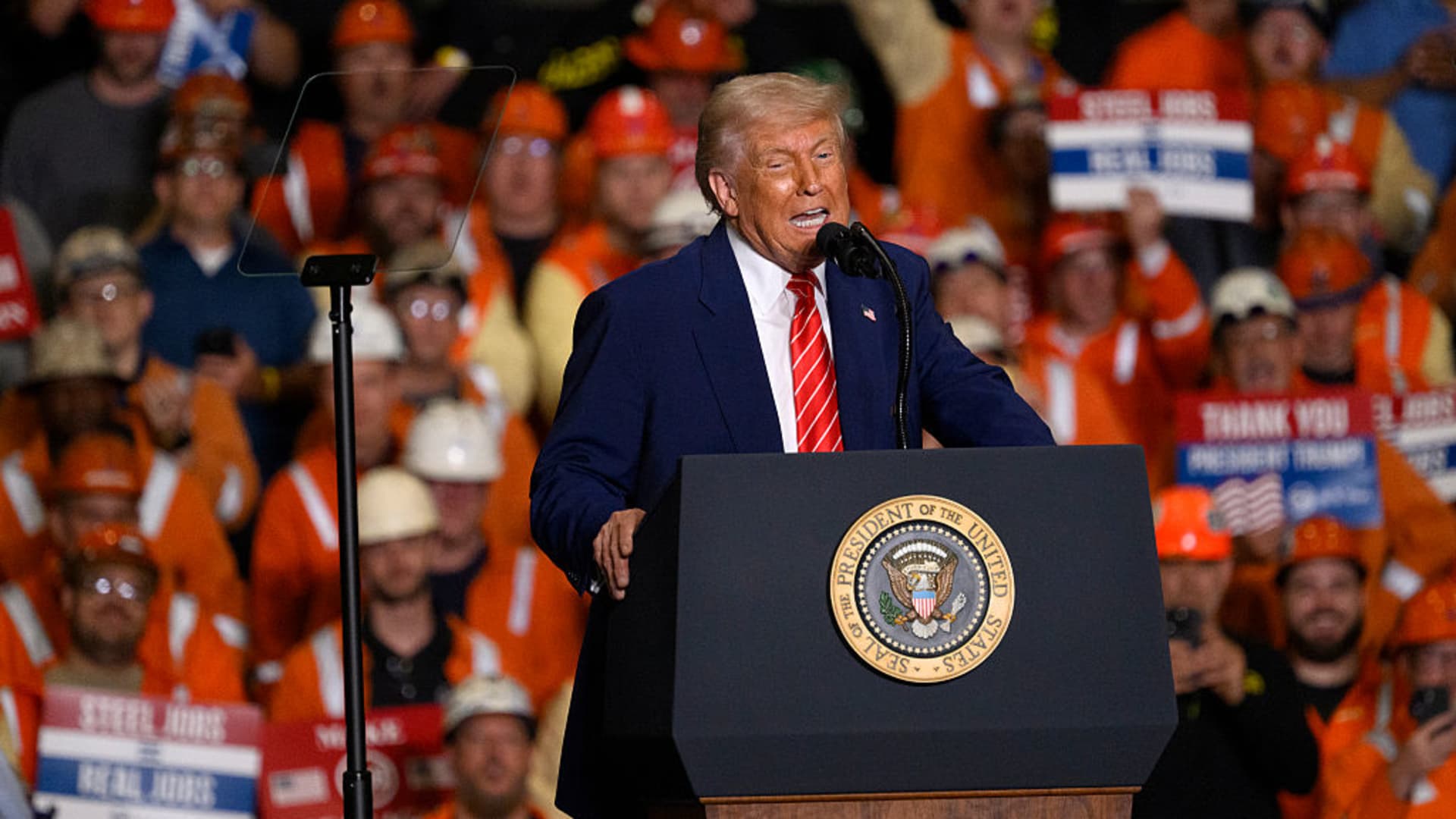
- Broad Investigation Scope: The U.S. Trade Representative's Office has announced new investigations targeting 16 trading partners, including China, Mexico, and the EU, to assess whether their trade practices impose unreasonable or discriminatory burdens on U.S. commerce, potentially leading to new tariffs.
- Legal Context: These investigations are conducted under Section 301 of the Trade Act of 1974, following a Supreme Court ruling that deemed the Trump administration's 'reciprocal' tariffs unlawful, highlighting the urgency for the government to reimpose duties.
- Economic Impact: The focus will be on structural excess capacity in manufacturing, as the Trump administration argues that such practices threaten U.S. manufacturing and hinder the reshoring of critical supply chains and the creation of well-paying jobs, potentially exacerbating trade deficits.
- Next Steps: The USTR will hold public hearings starting May 5 to consult with the economies under investigation, and will propose responsive actions based on findings, which may include tariffs or other import restrictions.
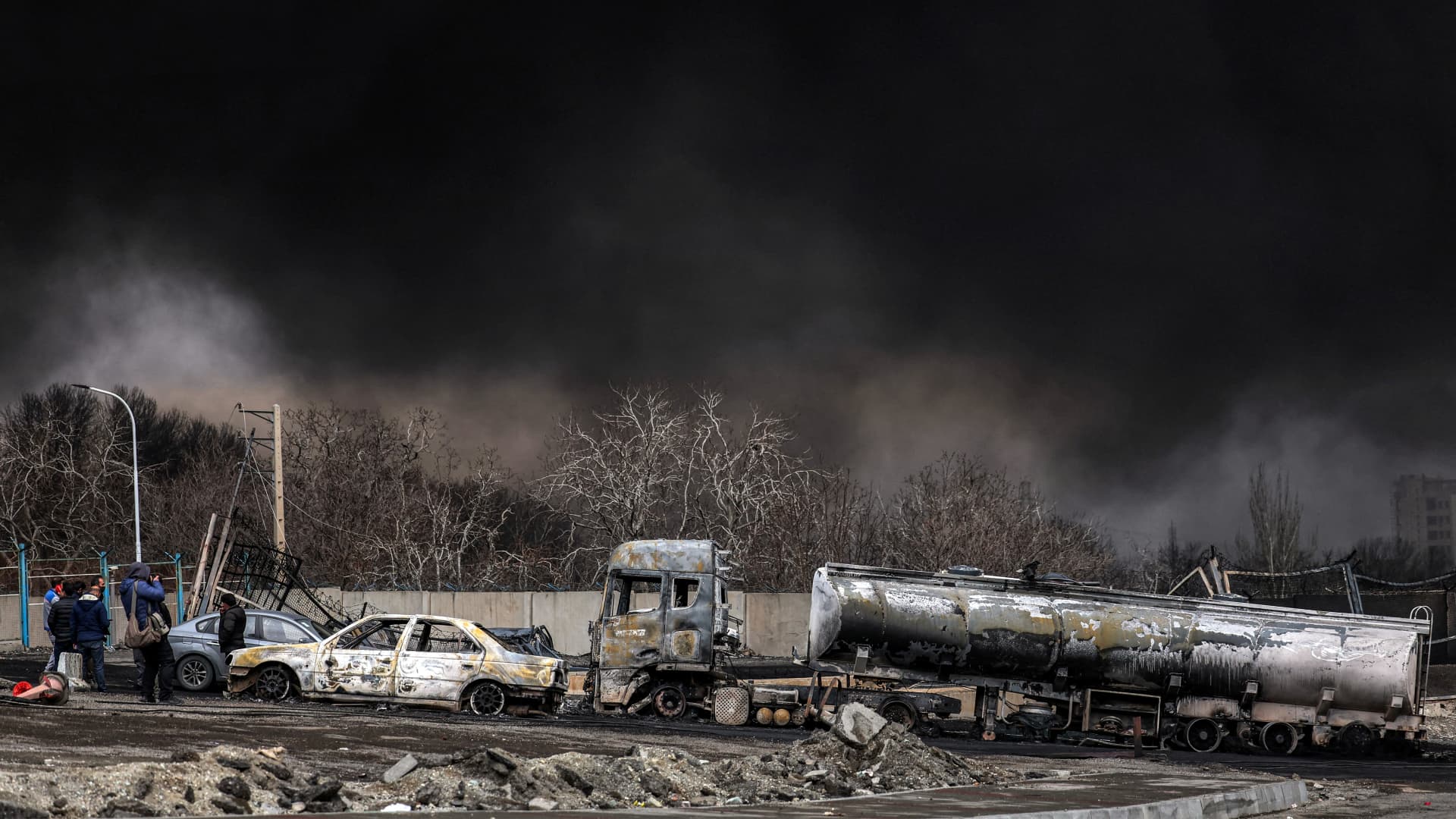
Oil Prices Surge Amid Trade Tensions and Geopolitical Strains

- Oil Price Surge: Despite the International Energy Agency's agreement to release a record 400 million barrels of oil, Brent crude prices surged past $100 per barrel on Thursday, indicating a strong market reaction to supply constraints that could lead to higher energy costs for consumers and businesses.
- U.S. Strategic Petroleum Reserve: The U.S. announced it would tap 172 million barrels from its Strategic Petroleum Reserve to help lower energy costs; however, this measure failed to stabilize market volatility, reflecting the complexity and uncertainty of the global energy landscape.
- Escalating Trade War: The U.S. government launched trade probes into over a dozen countries, targeting the EU, China, and Mexico, aiming to replace reciprocal tariffs ruled illegal by the Supreme Court, which could further escalate global trade tensions and impact international market confidence.
- Middle East Conflict Impact: The ongoing war in Iran poses risks to AI infrastructure development in the Middle East, with experts warning that attacks on data centers have already caused outages in banking and consumer services, highlighting the geopolitical risks threatening technology investments.

IEA Releases Record 400 Million Barrels of Oil Amid Middle East Conflict


- Historic Oil Release: The International Energy Agency's decision to release 400 million barrels of oil marks the largest reserve release in history, aimed at alleviating the pressure of rising global energy costs due to the Middle East conflict.
- U.S. Strategic Reserve Tapping: The U.S. will tap 172 million barrels from its Strategic Petroleum Reserve; however, market reactions remain negative, with crude prices rising over 4% on Wednesday, indicating concerns over supply chain security.
- Strait of Hormuz Closure Impact: The closure of the Strait of Hormuz not only disrupts oil transport but also affects over one-third of global fertilizer shipments, raising the risk of increased agricultural costs and food inflation, thereby impacting global food supply chains.
- Escalating Trade Tensions: The Trump administration has initiated trade probes into over a dozen countries to replace tariffs deemed illegal by the Supreme Court, further exacerbating global market uncertainty, particularly against the backdrop of energy volatility and tightening supply chains.
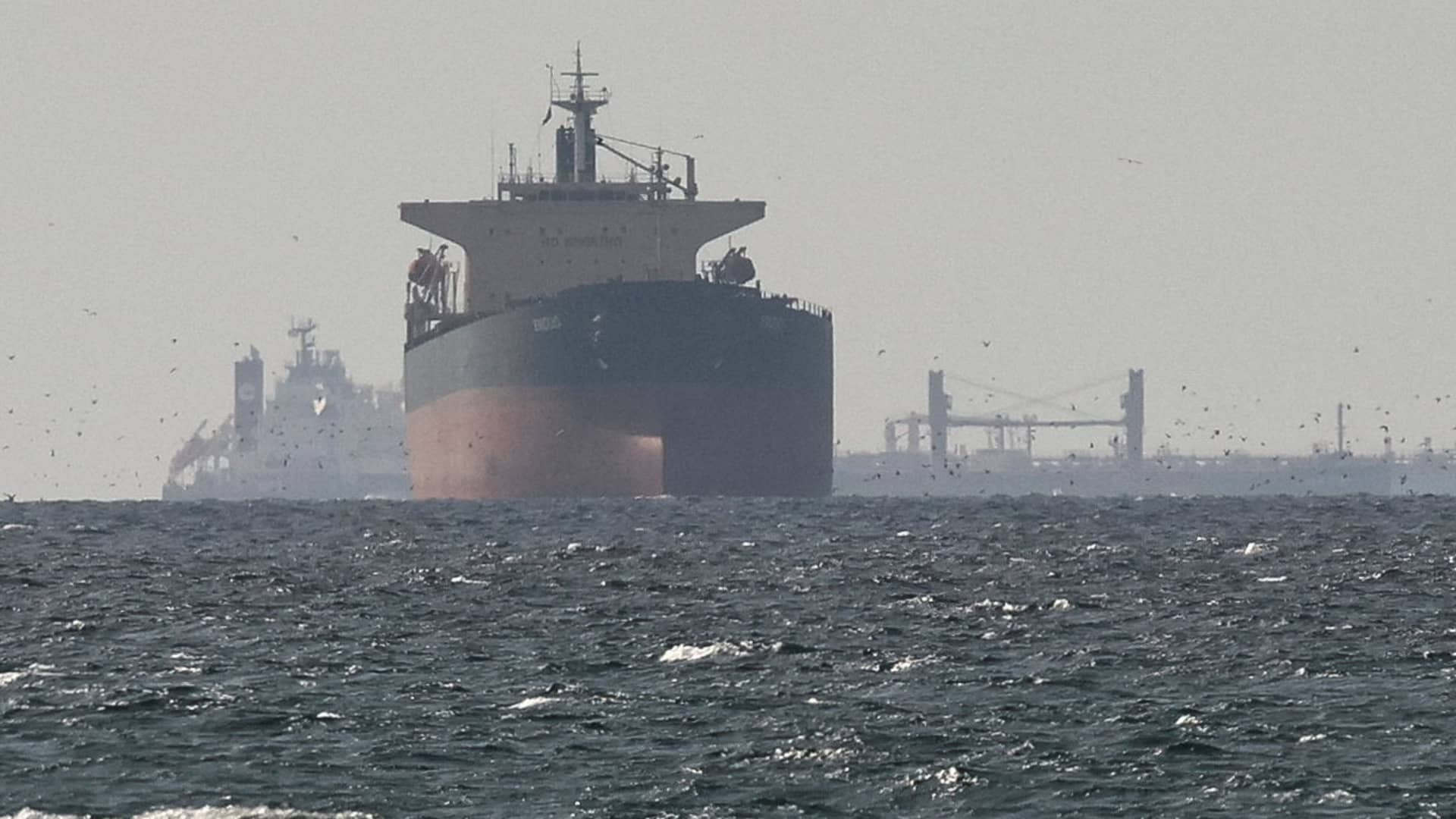
Strait of Hormuz Situation Disrupts Global Supply Chains

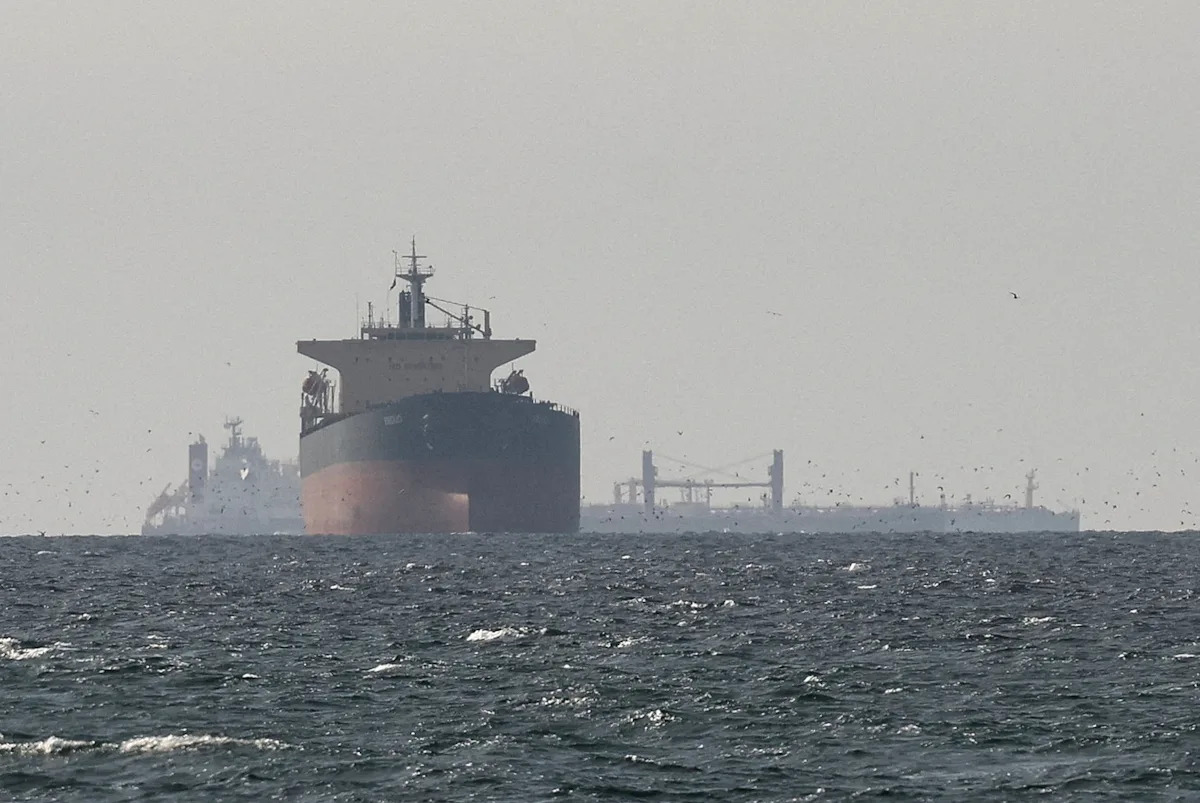
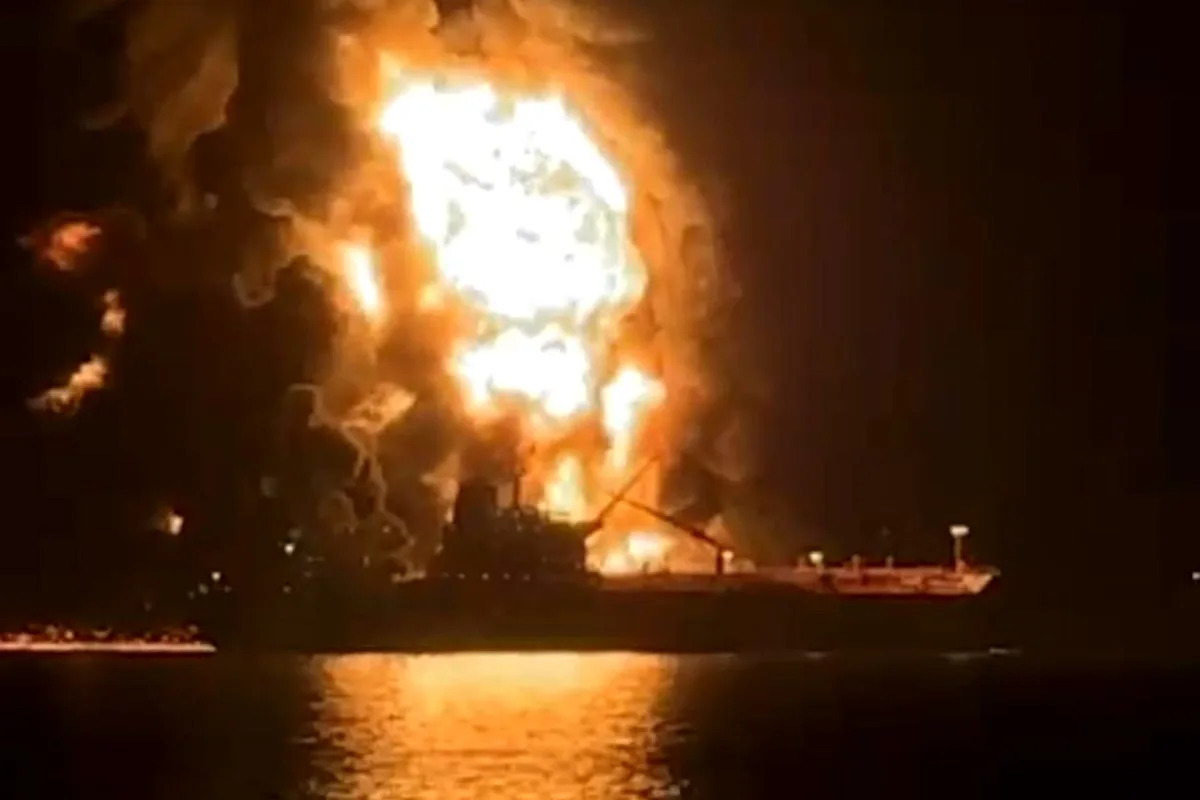
- Oil Price Volatility: The International Energy Agency's unprecedented release of 400 million barrels from reserves comes as oil shipments through the Strait of Hormuz halt, creating upward pressure on oil prices that could slow economic growth in the U.S. and globally.
- Aluminum Supply Tightening: With the Middle East accounting for 21% of U.S. unwrought aluminum imports in 2025, escalating conflict could drive aluminum prices higher, impacting production costs in automotive, aerospace, and construction sectors, thereby increasing manufacturing pressures.
- Fertilizer Price Surge: Urea prices at the New Orleans fertilizer hub have risen from $475 to $680 per metric ton, and potential disruptions during the spring planting season could exacerbate food inflation, affecting soybean and corn cultivation.
- Retail Cost Increases: Rerouting shipping lanes may extend consumer delivery times by 1 to 10 days while raising logistics costs by 5% to 20%, leading retailers to face higher inbound logistics costs and inventory delays, ultimately pushing up product prices.
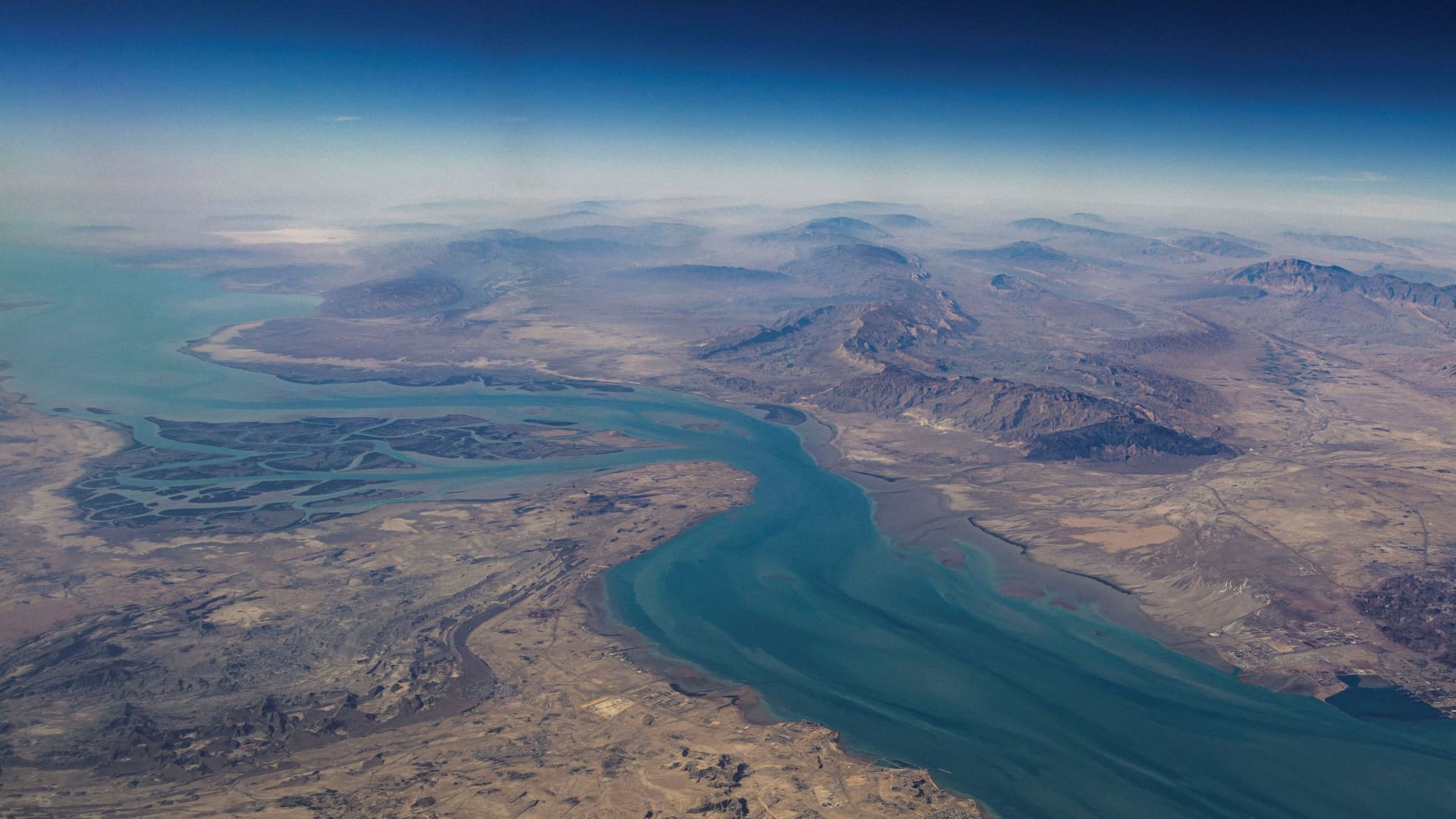
Impact of Iran War on Global Auto Industry
- Supply Chain Risks: The Iran war exacerbates supply constraints for the global auto industry, as the region, while not a major auto parts producer, is crucial for key resources like oil and aluminum, with 20% of the world's oil passing through the Strait of Hormuz, causing prices to surge above $100 per barrel, directly impacting manufacturing costs.
- Fuel Price Increases: Gas prices in the U.S. have surpassed $3 per gallon, with two significant 12-cent increases nationwide in the past two weeks, creating consumer anxiety that may suppress driving and travel demand, thereby affecting auto sales.
- Aluminum Supply Tightness: Bahrain and the UAE account for 9% of global aluminum smelting, with the U.S. relying on imports for 80% to 90% of its aluminum, 20% from the Gulf, and rising aluminum prices, a key material for lightweight vehicles, will further inflate manufacturing costs, impacting electric and hybrid vehicle production.
- Industry Transition Challenges: Automakers are grappling with the fallout from the Iran conflict while incurring billions in tariff costs due to trade disputes, as the industry navigates dual transitions towards profitable electric vehicles and new hardware/software rollouts, lacking effective strategies to address supply chain crises, leading to resource strain and production instability.

Aluminum Prices Surge to Four-Year High Due to Supply Disruption

- Supply Disruption Impact: Alba Aluminum declared force majeure due to transit route disruptions through the Strait of Hormuz, halting deliveries and causing aluminum prices to surge to $3,418 per ton on the London Metals Exchange, the highest in four years, indicating strong global demand for aluminum.
- Market Response: Aluminum prices have risen over 9% this year, outperforming other industrial metals, reflecting a growing demand amid increasing supply risks, particularly in emerging sectors like electric vehicles and data centers.
- Declining Production Capacity: While Alba continues production, the U.S. has seen a steady decline in domestic smelting capacity, with only six primary smelters operational, increasing market vulnerability to import shocks and potentially tightening future supply.
- High Energy Demand: The aluminum production process is complex and energy-intensive, requiring approximately 14 megawatt-hours of electricity per ton, and as demand from electric vehicles and high-tech industries rises, the strategic importance of aluminum becomes increasingly pronounced.
U.S. Launches New Trade Investigations Raising Concerns
- Broad Investigation Scope: The U.S. Trade Representative's Office has announced new investigations targeting 16 trading partners, including China, Mexico, and the EU, to assess whether their trade practices impose unreasonable or discriminatory burdens on U.S. commerce, potentially leading to new tariffs.
- Legal Context: These investigations are conducted under Section 301 of the Trade Act of 1974, following a Supreme Court ruling that deemed the Trump administration's 'reciprocal' tariffs unlawful, highlighting the urgency for the government to reimpose duties.
- Economic Impact: The focus will be on structural excess capacity in manufacturing, as the Trump administration argues that such practices threaten U.S. manufacturing and hinder the reshoring of critical supply chains and the creation of well-paying jobs, potentially exacerbating trade deficits.
- Next Steps: The USTR will hold public hearings starting May 5 to consult with the economies under investigation, and will propose responsive actions based on findings, which may include tariffs or other import restrictions.
Oil Prices Surge Amid Trade Tensions and Geopolitical Strains
- Oil Price Surge: Despite the International Energy Agency's agreement to release a record 400 million barrels of oil, Brent crude prices surged past $100 per barrel on Thursday, indicating a strong market reaction to supply constraints that could lead to higher energy costs for consumers and businesses.
- U.S. Strategic Petroleum Reserve: The U.S. announced it would tap 172 million barrels from its Strategic Petroleum Reserve to help lower energy costs; however, this measure failed to stabilize market volatility, reflecting the complexity and uncertainty of the global energy landscape.
- Escalating Trade War: The U.S. government launched trade probes into over a dozen countries, targeting the EU, China, and Mexico, aiming to replace reciprocal tariffs ruled illegal by the Supreme Court, which could further escalate global trade tensions and impact international market confidence.
- Middle East Conflict Impact: The ongoing war in Iran poses risks to AI infrastructure development in the Middle East, with experts warning that attacks on data centers have already caused outages in banking and consumer services, highlighting the geopolitical risks threatening technology investments.
IEA Releases Record 400 Million Barrels of Oil Amid Middle East Conflict
- Historic Oil Release: The International Energy Agency's decision to release 400 million barrels of oil marks the largest reserve release in history, aimed at alleviating the pressure of rising global energy costs due to the Middle East conflict.
- U.S. Strategic Reserve Tapping: The U.S. will tap 172 million barrels from its Strategic Petroleum Reserve; however, market reactions remain negative, with crude prices rising over 4% on Wednesday, indicating concerns over supply chain security.
- Strait of Hormuz Closure Impact: The closure of the Strait of Hormuz not only disrupts oil transport but also affects over one-third of global fertilizer shipments, raising the risk of increased agricultural costs and food inflation, thereby impacting global food supply chains.
- Escalating Trade Tensions: The Trump administration has initiated trade probes into over a dozen countries to replace tariffs deemed illegal by the Supreme Court, further exacerbating global market uncertainty, particularly against the backdrop of energy volatility and tightening supply chains.
Strait of Hormuz Situation Disrupts Global Supply Chains
- Oil Price Volatility: The International Energy Agency's unprecedented release of 400 million barrels from reserves comes as oil shipments through the Strait of Hormuz halt, creating upward pressure on oil prices that could slow economic growth in the U.S. and globally.
- Aluminum Supply Tightening: With the Middle East accounting for 21% of U.S. unwrought aluminum imports in 2025, escalating conflict could drive aluminum prices higher, impacting production costs in automotive, aerospace, and construction sectors, thereby increasing manufacturing pressures.
- Fertilizer Price Surge: Urea prices at the New Orleans fertilizer hub have risen from $475 to $680 per metric ton, and potential disruptions during the spring planting season could exacerbate food inflation, affecting soybean and corn cultivation.
- Retail Cost Increases: Rerouting shipping lanes may extend consumer delivery times by 1 to 10 days while raising logistics costs by 5% to 20%, leading retailers to face higher inbound logistics costs and inventory delays, ultimately pushing up product prices.
Impact of Iran War on Global Auto Industry
- Supply Chain Risks: The Iran war exacerbates supply constraints for the global auto industry, as the region, while not a major auto parts producer, is crucial for key resources like oil and aluminum, with 20% of the world's oil passing through the Strait of Hormuz, causing prices to surge above $100 per barrel, directly impacting manufacturing costs.
- Fuel Price Increases: Gas prices in the U.S. have surpassed $3 per gallon, with two significant 12-cent increases nationwide in the past two weeks, creating consumer anxiety that may suppress driving and travel demand, thereby affecting auto sales.
- Aluminum Supply Tightness: Bahrain and the UAE account for 9% of global aluminum smelting, with the U.S. relying on imports for 80% to 90% of its aluminum, 20% from the Gulf, and rising aluminum prices, a key material for lightweight vehicles, will further inflate manufacturing costs, impacting electric and hybrid vehicle production.
- Industry Transition Challenges: Automakers are grappling with the fallout from the Iran conflict while incurring billions in tariff costs due to trade disputes, as the industry navigates dual transitions towards profitable electric vehicles and new hardware/software rollouts, lacking effective strategies to address supply chain crises, leading to resource strain and production instability.
Aluminum Prices Surge to Four-Year High Due to Supply Disruption
- Supply Disruption Impact: Alba Aluminum declared force majeure due to transit route disruptions through the Strait of Hormuz, halting deliveries and causing aluminum prices to surge to $3,418 per ton on the London Metals Exchange, the highest in four years, indicating strong global demand for aluminum.
- Market Response: Aluminum prices have risen over 9% this year, outperforming other industrial metals, reflecting a growing demand amid increasing supply risks, particularly in emerging sectors like electric vehicles and data centers.
- Declining Production Capacity: While Alba continues production, the U.S. has seen a steady decline in domestic smelting capacity, with only six primary smelters operational, increasing market vulnerability to import shocks and potentially tightening future supply.
- High Energy Demand: The aluminum production process is complex and energy-intensive, requiring approximately 14 megawatt-hours of electricity per ton, and as demand from electric vehicles and high-tech industries rises, the strategic importance of aluminum becomes increasingly pronounced.