Walmart's Operating Income Grows Significantly Faster Than Revenue
Written by Emily J. Thompson, Senior Investment Analyst
Updated: Mar 07 2026
0mins
Source: NASDAQ.COM
- Income Growth Comparison: Walmart's operating income surged 10.8% year-over-year in the latest fiscal quarter, significantly outpacing its 5.6% revenue growth, indicating robust business momentum, particularly in high-margin advertising and membership income.
- Strong E-commerce Sales: Walmart's global e-commerce sales increased by 24% year-over-year, now accounting for 23% of total net sales, which not only enhances customer responsiveness but also strengthens the company's position in the highly competitive retail market.
- BJ's Membership Income Growth: BJ's membership fee income rose by 10.9% to $129.8 million, and despite a decline in merchandise gross margin due to product mix changes, a 31% increase in digital sales demonstrates its market potential.
- Long-term Investment Value: Although BJ's has a lower valuation, Walmart shows greater long-term investment resilience due to its higher profit margins and diversified revenue streams, especially in rapidly growing high-margin business areas.
Trade with 70% Backtested Accuracy
Stop guessing "Should I Buy WMT?" and start using high-conviction signals backed by rigorous historical data.
Sign up today to access powerful investing tools and make smarter, data-driven decisions.
Analyst Views on WMT
Wall Street analysts forecast WMT stock price to fall
26 Analyst Rating
25 Buy
1 Hold
0 Sell
Strong Buy
Current: 127.500

Low
119.00
Averages
125.75
High
136.00
Current: 127.500
Low
119.00
Averages
125.75
High
136.00
About WMT
Walmart Inc. is a technology-powered omnichannel retailer. The Company is engaged in the operation of retail and wholesale stores and clubs, as well as eCommerce Websites and mobile applications, located throughout the United States (U.S.), Africa, Canada, Central America, Chile, China, India and Mexico. It operates in three reportable segments: Walmart U.S., Walmart International and Sam's Club U.S. The Walmart U.S. segment includes the Company's mass merchandising concept in the U.S., as well as eCommerce, which includes omni-channel initiatives and certain other business offerings such as advertising services. The Walmart International segment consists of the Company's operations outside of the U.S. through its subsidiaries, as well as eCommerce and omni-channel initiatives. The Sam's Club U.S. segment includes the warehouse membership clubs in the U.S., as well as samsclub.com and omni-channel initiatives.
About the author

Emily J. Thompson
Emily J. Thompson, a Chartered Financial Analyst (CFA) with 12 years in investment research, graduated with honors from the Wharton School. Specializing in industrial and technology stocks, she provides in-depth analysis for Intellectia’s earnings and market brief reports.

Walmart to Remodel Nine Stores in New Hampshire

- Store Remodeling Initiative: Walmart plans to remodel nine stores in New Hampshire and open a new pharmacy in Keene, aiming to expand the assortment of healthy foods and trendy items while enhancing both in-store and online shopping experiences.
- Investment and Upgrades: Over the past five years, Walmart has invested more than $82 million in New Hampshire for store upgrades, intending to modernize shopping experiences, improve employee service capabilities, and create local job opportunities.
- Enhanced Customer Experience: The renovations will include wider aisles, modern signage, new digital touchpoints, and improved parking and landscaping, with interactive displays allowing customers to visualize products in their homes.
- Community Contributions: In the past year, Walmart donated $3 million to local nonprofits and provided over 1.8 million pounds of food to combat hunger, demonstrating its commitment to community support.
See More
U.S. Corporate Borrowing Sees Significant Increase

- Corporate Borrowing Surge: U.S. banks reported a sharp increase in corporate borrowing last week, indicating resilience in parts of the economy despite inflationary pressures and fears of a slowdown, showcasing the ongoing demand for working capital.
- Strong Commercial Loan Growth: Bank of America reported over 12% growth in commercial loans, while Wells Fargo's commercial loans surged by 16.4%, highlighting companies' strategies to secure cheaper financing amid uncertain policy conditions.
- Stable Consumer Borrowing: While some banks reported flat or declining consumer loans, overall consumer borrowing balances grew steadily, reflecting resilience in consumer spending, particularly driven by wealthier households.
- Cautious Economic Outlook: Economists caution that prolonged war and persistent inflation could weigh on borrowing, although current financial health of businesses and consumers remains strong, with upcoming quarterly reports expected to provide clearer insights into consumer spending trends.
See More
Walmart Tests New Delivery Strategy Against Amazon

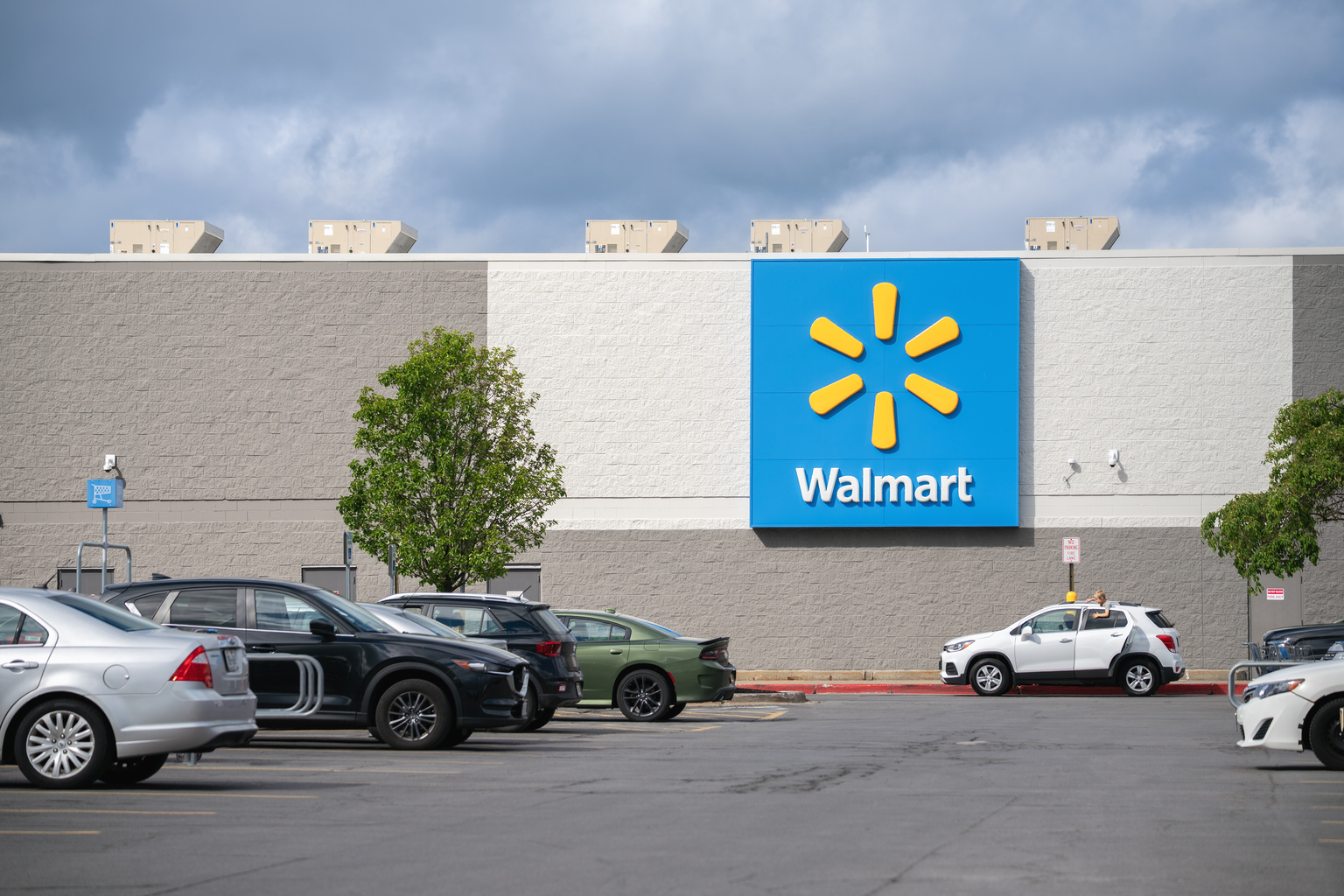
- New Delivery Model: Walmart is testing a strategy of storing third-party marketplace products in-store back rooms to accelerate delivery speeds, allowing for same-day delivery on some orders, enhancing customer experience and competitiveness against Amazon.
- Market Pilot: The pilot is underway in several Dallas-area stores, leveraging Walmart's extensive store network as e-commerce delivery hubs, with over one-third of online orders arriving within three hours, showcasing its logistical advantages.
- Supply Chain Upgrades: Recent automation in warehouse operations has freed up space for the new initiative, allowing merchandise to arrive at stores pre-sorted, further optimizing inventory management and delivery efficiency.
- AI Utilization: Walmart employs artificial intelligence to analyze local demand and determine which marketplace products should be stocked in each store, thereby increasing inventory turnover and driving marketplace revenue growth of approximately 20% annually.
See More

Consumer Staples Companies Resilient to Market Volatility

- Coca-Cola's Global Reach: Coca-Cola boasts over 200 beverage varieties consumed at 2.2 billion servings daily, with a stellar adjusted operating margin of 31.2% supporting its 64 consecutive years of dividend growth, showcasing strong brand power and profitability, although its total return of 123% over the past decade lags behind the S&P 500's 300%.
- Costco's Steady Growth: With 924 locations worldwide, Costco's low prices and membership model enable it to achieve consistent same-store sales growth amid economic fluctuations, delivering a total return of 182% over the past five years, significantly outperforming the S&P 500, despite a high P/E ratio of 51.5 indicating strong market favor.
- Procter & Gamble's Resilience: Procter & Gamble's essential products like laundry detergent and toothpaste maintain steady demand during downturns, with only a 3.3% revenue dip during the 2009 recession and consistent quarterly growth during the pandemic, highlighted by 136 years of uninterrupted dividends and a total return of 127% over the past decade.
- Walmart's Market Dominance: Walmart generated $706 billion in net sales for fiscal 2026 with 10,900 stores globally, achieving a 4.5% same-store sales increase and 53 years of dividend growth, demonstrating strong competitive strength in recessions, although its current P/E of 45.7 suggests a high valuation.
See More

Global Beverage Giant's Stable Performance
- Coca-Cola's Profitability: Coca-Cola achieved an adjusted operating margin of 31.2% in fiscal 2025, enabling the company to increase dividends for 64 consecutive years, demonstrating its strong resilience during economic downturns.
- Costco's Market Performance: Costco's total return of 182% over the past five years significantly outperformed the S&P 500, although its current P/E ratio of 51.5 indicates that investors are optimistic about its future growth potential.
- Procter & Gamble's Stable Demand: Procter & Gamble experienced only a 3.3% revenue dip during the 2009 recession and reported growth in every quarter during the pandemic in 2020 and 2021, highlighting the essential nature of its products in any economic climate.
- Walmart's Sales Growth: Walmart generated $706 billion in net sales in fiscal 2026 with 10,900 stores worldwide, and despite a P/E ratio of 45.7, its stock price surged 167% over the past five years, reflecting strong market performance.
See More

Walmart Increases Dividend for 53 Consecutive Years
- Dividend Growth Stability: Walmart has increased its dividend for 53 consecutive years despite facing wars, financial crises, and pandemics, demonstrating strong financial resilience and stability, which enhances investor confidence.
- Diversified Revenue Sources: Walmart's global advertising operations generated $6.4 billion in revenue in fiscal 2026, providing additional support for shareholder returns beyond its core retail business, further solidifying its market position.
- Pricing Power Advantage: With 270 million customers visiting weekly, Walmart can exert pricing pressure on suppliers, maintaining low prices and high margins, ensuring profitability even amid tariff and inflationary pressures.
- Membership Driving Sales: The Walmart+ membership service not only generates direct revenue but also increases shopping cart totals, enhancing customer loyalty and is expected to further drive future revenue growth and dividend payment capacity.
See More
Walmart to Remodel Nine Stores in New Hampshire
- Store Remodeling Initiative: Walmart plans to remodel nine stores in New Hampshire and open a new pharmacy in Keene, aiming to expand the assortment of healthy foods and trendy items while enhancing both in-store and online shopping experiences.
- Investment and Upgrades: Over the past five years, Walmart has invested more than $82 million in New Hampshire for store upgrades, intending to modernize shopping experiences, improve employee service capabilities, and create local job opportunities.
- Enhanced Customer Experience: The renovations will include wider aisles, modern signage, new digital touchpoints, and improved parking and landscaping, with interactive displays allowing customers to visualize products in their homes.
- Community Contributions: In the past year, Walmart donated $3 million to local nonprofits and provided over 1.8 million pounds of food to combat hunger, demonstrating its commitment to community support.
See More
U.S. Corporate Borrowing Sees Significant Increase
- Corporate Borrowing Surge: U.S. banks reported a sharp increase in corporate borrowing last week, indicating resilience in parts of the economy despite inflationary pressures and fears of a slowdown, showcasing the ongoing demand for working capital.
- Strong Commercial Loan Growth: Bank of America reported over 12% growth in commercial loans, while Wells Fargo's commercial loans surged by 16.4%, highlighting companies' strategies to secure cheaper financing amid uncertain policy conditions.
- Stable Consumer Borrowing: While some banks reported flat or declining consumer loans, overall consumer borrowing balances grew steadily, reflecting resilience in consumer spending, particularly driven by wealthier households.
- Cautious Economic Outlook: Economists caution that prolonged war and persistent inflation could weigh on borrowing, although current financial health of businesses and consumers remains strong, with upcoming quarterly reports expected to provide clearer insights into consumer spending trends.
See More
Walmart Tests New Delivery Strategy Against Amazon
- New Delivery Model: Walmart is testing a strategy of storing third-party marketplace products in-store back rooms to accelerate delivery speeds, allowing for same-day delivery on some orders, enhancing customer experience and competitiveness against Amazon.
- Market Pilot: The pilot is underway in several Dallas-area stores, leveraging Walmart's extensive store network as e-commerce delivery hubs, with over one-third of online orders arriving within three hours, showcasing its logistical advantages.
- Supply Chain Upgrades: Recent automation in warehouse operations has freed up space for the new initiative, allowing merchandise to arrive at stores pre-sorted, further optimizing inventory management and delivery efficiency.
- AI Utilization: Walmart employs artificial intelligence to analyze local demand and determine which marketplace products should be stocked in each store, thereby increasing inventory turnover and driving marketplace revenue growth of approximately 20% annually.
See More
Consumer Staples Companies Resilient to Market Volatility
- Coca-Cola's Global Reach: Coca-Cola boasts over 200 beverage varieties consumed at 2.2 billion servings daily, with a stellar adjusted operating margin of 31.2% supporting its 64 consecutive years of dividend growth, showcasing strong brand power and profitability, although its total return of 123% over the past decade lags behind the S&P 500's 300%.
- Costco's Steady Growth: With 924 locations worldwide, Costco's low prices and membership model enable it to achieve consistent same-store sales growth amid economic fluctuations, delivering a total return of 182% over the past five years, significantly outperforming the S&P 500, despite a high P/E ratio of 51.5 indicating strong market favor.
- Procter & Gamble's Resilience: Procter & Gamble's essential products like laundry detergent and toothpaste maintain steady demand during downturns, with only a 3.3% revenue dip during the 2009 recession and consistent quarterly growth during the pandemic, highlighted by 136 years of uninterrupted dividends and a total return of 127% over the past decade.
- Walmart's Market Dominance: Walmart generated $706 billion in net sales for fiscal 2026 with 10,900 stores globally, achieving a 4.5% same-store sales increase and 53 years of dividend growth, demonstrating strong competitive strength in recessions, although its current P/E of 45.7 suggests a high valuation.
See More
Global Beverage Giant's Stable Performance
- Coca-Cola's Profitability: Coca-Cola achieved an adjusted operating margin of 31.2% in fiscal 2025, enabling the company to increase dividends for 64 consecutive years, demonstrating its strong resilience during economic downturns.
- Costco's Market Performance: Costco's total return of 182% over the past five years significantly outperformed the S&P 500, although its current P/E ratio of 51.5 indicates that investors are optimistic about its future growth potential.
- Procter & Gamble's Stable Demand: Procter & Gamble experienced only a 3.3% revenue dip during the 2009 recession and reported growth in every quarter during the pandemic in 2020 and 2021, highlighting the essential nature of its products in any economic climate.
- Walmart's Sales Growth: Walmart generated $706 billion in net sales in fiscal 2026 with 10,900 stores worldwide, and despite a P/E ratio of 45.7, its stock price surged 167% over the past five years, reflecting strong market performance.
See More
Walmart Increases Dividend for 53 Consecutive Years
- Dividend Growth Stability: Walmart has increased its dividend for 53 consecutive years despite facing wars, financial crises, and pandemics, demonstrating strong financial resilience and stability, which enhances investor confidence.
- Diversified Revenue Sources: Walmart's global advertising operations generated $6.4 billion in revenue in fiscal 2026, providing additional support for shareholder returns beyond its core retail business, further solidifying its market position.
- Pricing Power Advantage: With 270 million customers visiting weekly, Walmart can exert pricing pressure on suppliers, maintaining low prices and high margins, ensuring profitability even amid tariff and inflationary pressures.
- Membership Driving Sales: The Walmart+ membership service not only generates direct revenue but also increases shopping cart totals, enhancing customer loyalty and is expected to further drive future revenue growth and dividend payment capacity.
See More