Valero Refinery Explosion: Market Impact Analysis

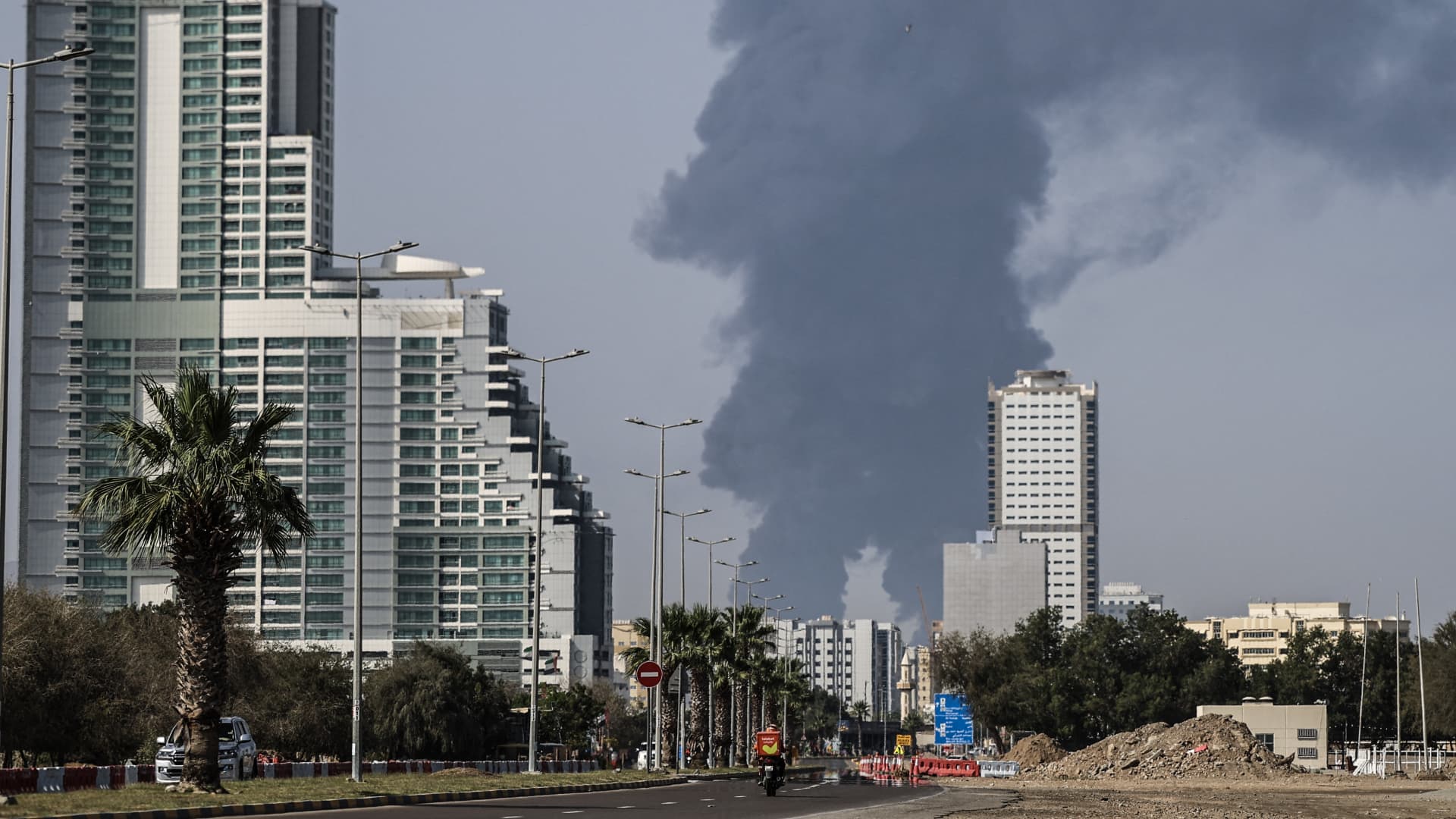
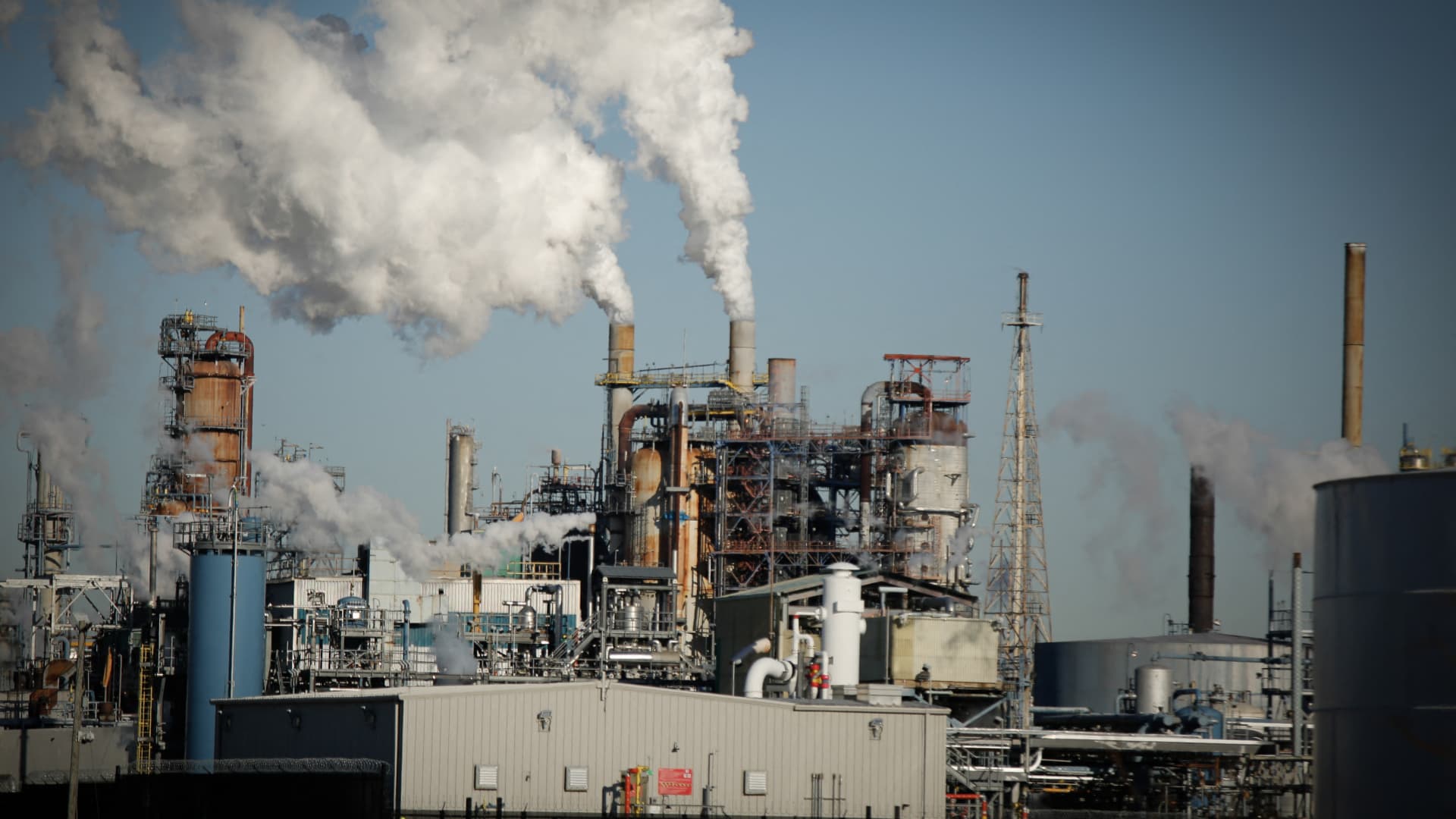
- Incident Overview: An explosion at Valero's Port Arthur refinery in Texas led to a temporary shutdown of its 435,000 BPD facility, raising concerns about energy supply despite no injuries reported.
- Market Reaction: Initial speculation linked the explosion to the U.S.-Iran conflict; however, Valero clarified that an unforeseen release of process fluid caused the incident, which did not directly impact the oil market and may stabilize market sentiment.
- Restart Plans: Valero is preparing to restart the idled refinery, expected to return to near maximum capacity soon, which is positive for refining margins currently bolstered by the ongoing conflict with Iran.
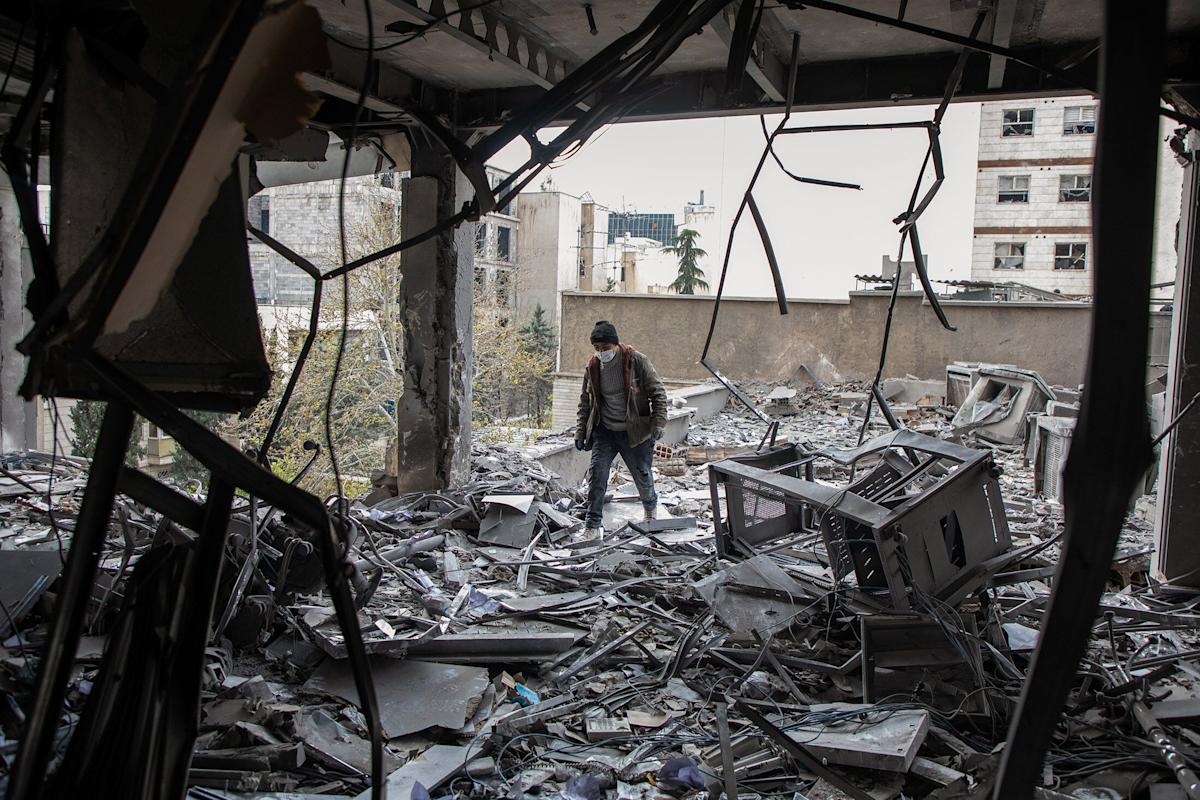
- Energy Market Risks: While the short shutdown won't exacerbate current energy market pressures, the potential for further damage to global energy infrastructure due to the war necessitates investor vigilance regarding sustained high energy prices.
Trade with 70% Backtested Accuracy
Analyst Views on VLO

About VLO
About the author


The Iran Conflict May Persist: Current Investment Opportunities for Success.


- Current Market Status: The Nasdaq is currently in a correction, having dropped over 10% from its recent highs.
- Bear Market Concerns: There are increasing fears that the Nasdaq may soon enter a bear market, defined as a decline of 20%.
- Wall Street Perspective: Despite the downturn, there is a common belief on Wall Street that opportunities for profit exist in other sectors.
- Market Sentiment: The overall sentiment reflects anxiety about the tech-heavy index's performance amidst potential further declines.

Locating Profitable Stocks During the Iran War Crisis


Current Market Status: The Nasdaq Composite is currently in a correction, having fallen over 10% from its recent highs.
Bear Market Concerns: There are increasing fears that the index may soon enter a bear market, defined as a decline of 20% or more.
Wall Street Perspective: Despite the downturn, the sentiment on Wall Street remains optimistic, suggesting that there are always opportunities for gains in other sectors.
Investment Outlook: Investors are encouraged to look for potential bull markets in different areas, even amidst the current challenges faced by the tech-heavy index.
Middle East Tensions Escalate, Oil Prices Surge


- U.S. Troop Increase: President Trump indicated the possibility of deploying ground forces to Iran's Kharg Island, with 3,500 U.S. troops already in the region, signaling an escalation in military presence that could heighten tensions and impact global energy markets.
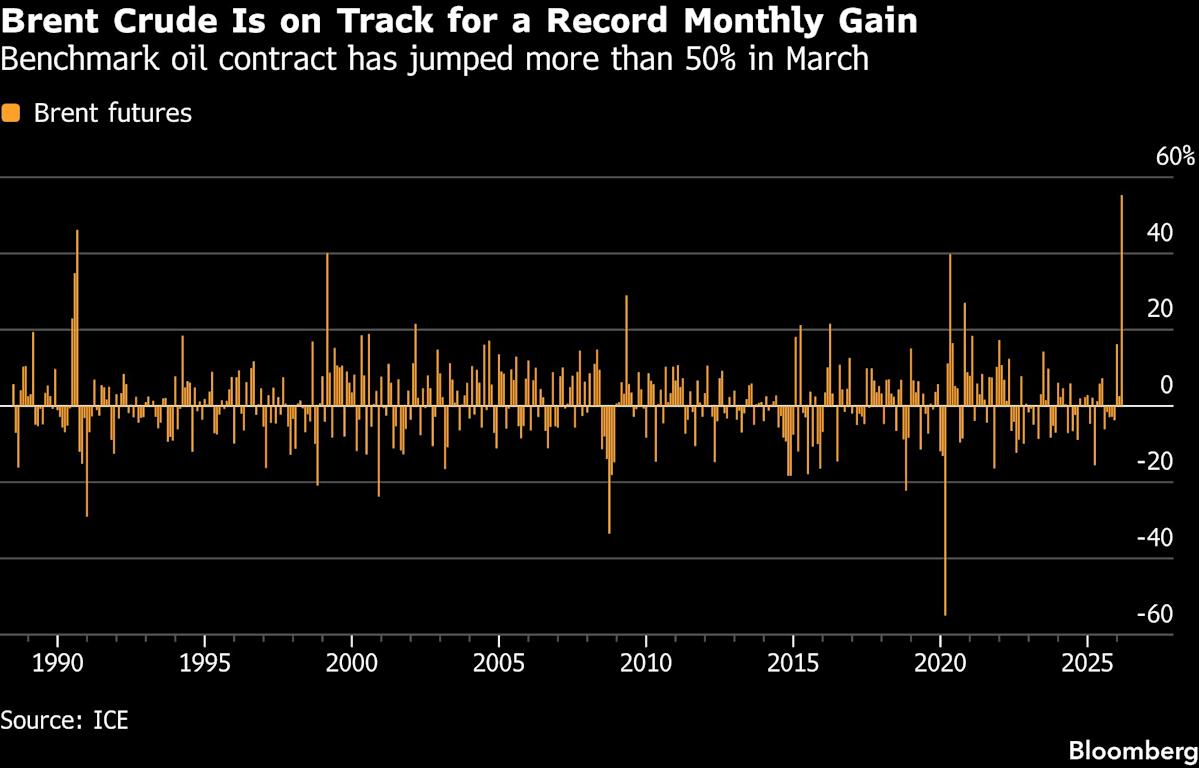
- Surging Oil Prices: Brent crude futures rose 2.92% to $115.86 per barrel, while U.S. West Texas Intermediate futures increased by 3.20% to $102.80 per barrel, reflecting market concerns over escalating tensions in the Middle East that could lead to higher energy costs.
- Infrastructure Attacks: An attack on a power generation and desalination plant in Kuwait resulted in the death of an Indian worker, highlighting the threat posed by Iranian aggression to critical infrastructure, which could disrupt water and electricity supplies and escalate regional conflict.
- Houthi Forces Involvement: The Houthi forces from Yemen launched ballistic missiles targeting Israel, further intensifying regional tensions and indicating a broader conflict that could have significant implications for global markets.
Houthi Missile Strike on Israel Drives Oil Prices Higher
- Oil Price Surge: Following the Houthi missile strike on Israel, Brent crude futures rose by 2.92% to $115.86 per barrel, while WTI futures increased by 3.20% to $102.80 per barrel, indicating a market response to heightened geopolitical risks.
- Conflict Escalation: The Houthis' direct involvement in the U.S.-Israel war against Iran marks a significant escalation, as they targeted sensitive Israeli military sites, potentially leading to increased expectations for oil prices since the conflict began on February 28.
- Market Sentiment: Ed Yardeni of Yardeni Research noted that global equities are beginning to reflect a

Impact of Iran War on U.S. Economy Intensifies
- Strait of Hormuz Closure Risk: Iran's attacks on civilian ships and energy infrastructure have led to a near standstill in the Strait of Hormuz, threatening about 20% of global oil supply, and if not reopened within the next three weeks, energy prices could surge, putting pressure on the global economy.
- Oil Price Volatility: Brent crude futures have risen 36% since February 27, while Dubai crude prices have surged 76%, highlighting a significant disparity between paper prices and physical delivery prices, reflecting market concerns over future supply shortages.
- Strategic Reserve Release: The U.S. government plans to release 400 million barrels from its strategic oil reserves, the largest release on record, aimed at alleviating market pressure; however, analysts warn that the effectiveness of this measure will diminish by mid-April, potentially leading to soaring oil prices.
- Market Confidence Erosion: Despite a slight uptick in the S&P 500 amid optimism over Trump's delay of military action, the index fell 3.4% in subsequent days, indicating investor concerns about inflation and interest rate prospects, leading to a significant deterioration in market sentiment.
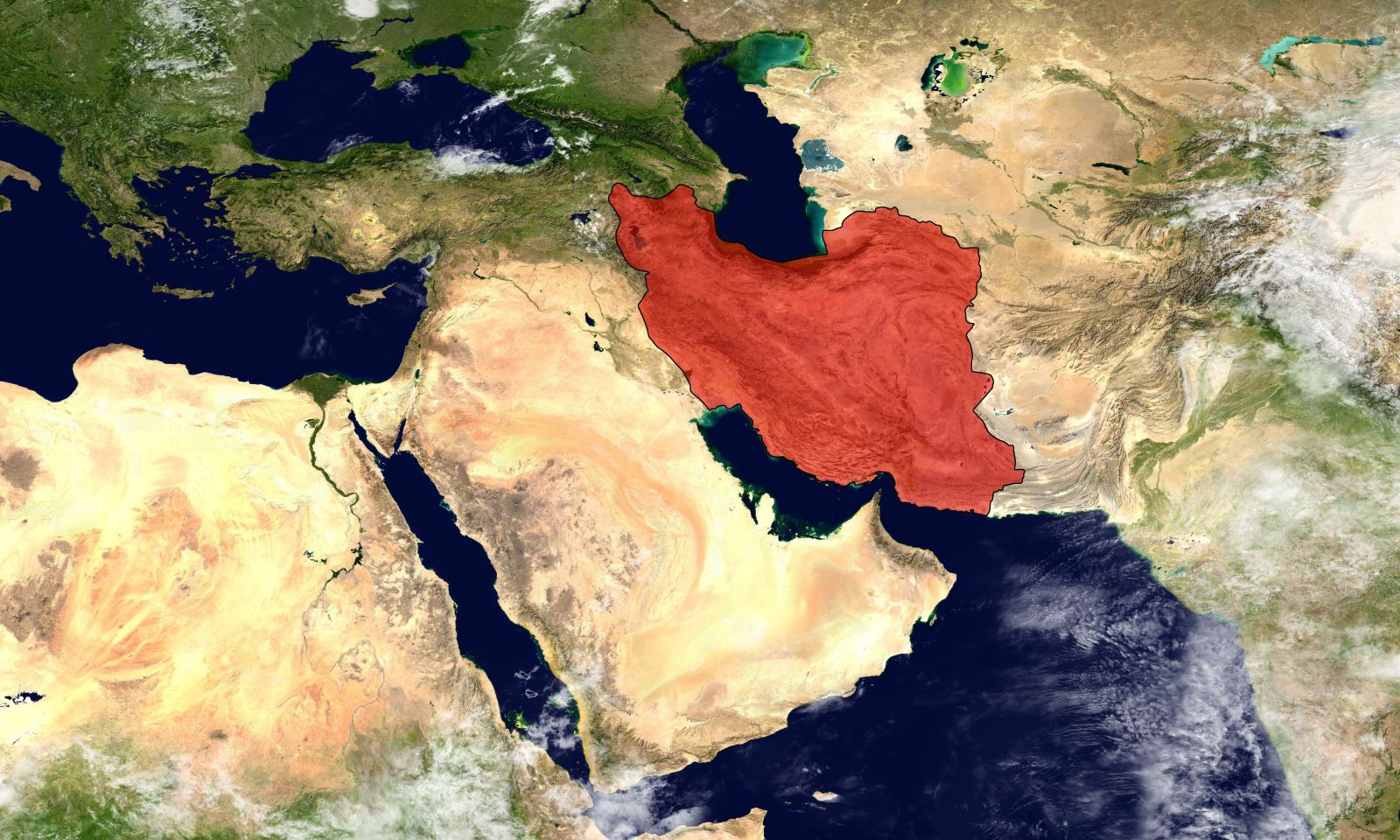
US Stocks Plunge as Oil Prices Surge Amid Iran Conflict


- Market Decline: The S&P 500 index fell by 1.67%, marking a 7-month low, while the Nasdaq 100 and Dow Jones Industrial Average dropped by 1.93% and 1.73%, respectively, indicating heightened concerns over economic slowdown.
- Oil Price Surge: WTI crude oil prices surged over 5% due to fears surrounding the Iran conflict, which not only exacerbates inflation expectations but may also compel the Federal Reserve to tighten monetary policy, impacting overall economic growth.
- Consumer Sentiment Drop: The University of Michigan's consumer sentiment index was revised down to 53.3 from 55.5, below the expected 54.0, reflecting a pessimistic outlook among consumers regarding future economic conditions, potentially suppressing consumer spending.
- Escalating US-China Trade Tensions: China launched investigations into US trade practices targeting restrictions on Chinese goods, which could further disrupt global supply chains and increase market uncertainty.
The Iran Conflict May Persist: Current Investment Opportunities for Success.
- Current Market Status: The Nasdaq is currently in a correction, having dropped over 10% from its recent highs.
- Bear Market Concerns: There are increasing fears that the Nasdaq may soon enter a bear market, defined as a decline of 20%.
- Wall Street Perspective: Despite the downturn, there is a common belief on Wall Street that opportunities for profit exist in other sectors.
- Market Sentiment: The overall sentiment reflects anxiety about the tech-heavy index's performance amidst potential further declines.
Locating Profitable Stocks During the Iran War Crisis
Current Market Status: The Nasdaq Composite is currently in a correction, having fallen over 10% from its recent highs.
Bear Market Concerns: There are increasing fears that the index may soon enter a bear market, defined as a decline of 20% or more.
Wall Street Perspective: Despite the downturn, the sentiment on Wall Street remains optimistic, suggesting that there are always opportunities for gains in other sectors.
Investment Outlook: Investors are encouraged to look for potential bull markets in different areas, even amidst the current challenges faced by the tech-heavy index.
Middle East Tensions Escalate, Oil Prices Surge
- U.S. Troop Increase: President Trump indicated the possibility of deploying ground forces to Iran's Kharg Island, with 3,500 U.S. troops already in the region, signaling an escalation in military presence that could heighten tensions and impact global energy markets.
- Surging Oil Prices: Brent crude futures rose 2.92% to $115.86 per barrel, while U.S. West Texas Intermediate futures increased by 3.20% to $102.80 per barrel, reflecting market concerns over escalating tensions in the Middle East that could lead to higher energy costs.
- Infrastructure Attacks: An attack on a power generation and desalination plant in Kuwait resulted in the death of an Indian worker, highlighting the threat posed by Iranian aggression to critical infrastructure, which could disrupt water and electricity supplies and escalate regional conflict.
- Houthi Forces Involvement: The Houthi forces from Yemen launched ballistic missiles targeting Israel, further intensifying regional tensions and indicating a broader conflict that could have significant implications for global markets.
Houthi Missile Strike on Israel Drives Oil Prices Higher
- Oil Price Surge: Following the Houthi missile strike on Israel, Brent crude futures rose by 2.92% to $115.86 per barrel, while WTI futures increased by 3.20% to $102.80 per barrel, indicating a market response to heightened geopolitical risks.
- Conflict Escalation: The Houthis' direct involvement in the U.S.-Israel war against Iran marks a significant escalation, as they targeted sensitive Israeli military sites, potentially leading to increased expectations for oil prices since the conflict began on February 28.
- Market Sentiment: Ed Yardeni of Yardeni Research noted that global equities are beginning to reflect a
Impact of Iran War on U.S. Economy Intensifies
- Strait of Hormuz Closure Risk: Iran's attacks on civilian ships and energy infrastructure have led to a near standstill in the Strait of Hormuz, threatening about 20% of global oil supply, and if not reopened within the next three weeks, energy prices could surge, putting pressure on the global economy.
- Oil Price Volatility: Brent crude futures have risen 36% since February 27, while Dubai crude prices have surged 76%, highlighting a significant disparity between paper prices and physical delivery prices, reflecting market concerns over future supply shortages.
- Strategic Reserve Release: The U.S. government plans to release 400 million barrels from its strategic oil reserves, the largest release on record, aimed at alleviating market pressure; however, analysts warn that the effectiveness of this measure will diminish by mid-April, potentially leading to soaring oil prices.
- Market Confidence Erosion: Despite a slight uptick in the S&P 500 amid optimism over Trump's delay of military action, the index fell 3.4% in subsequent days, indicating investor concerns about inflation and interest rate prospects, leading to a significant deterioration in market sentiment.
US Stocks Plunge as Oil Prices Surge Amid Iran Conflict
- Market Decline: The S&P 500 index fell by 1.67%, marking a 7-month low, while the Nasdaq 100 and Dow Jones Industrial Average dropped by 1.93% and 1.73%, respectively, indicating heightened concerns over economic slowdown.
- Oil Price Surge: WTI crude oil prices surged over 5% due to fears surrounding the Iran conflict, which not only exacerbates inflation expectations but may also compel the Federal Reserve to tighten monetary policy, impacting overall economic growth.
- Consumer Sentiment Drop: The University of Michigan's consumer sentiment index was revised down to 53.3 from 55.5, below the expected 54.0, reflecting a pessimistic outlook among consumers regarding future economic conditions, potentially suppressing consumer spending.
- Escalating US-China Trade Tensions: China launched investigations into US trade practices targeting restrictions on Chinese goods, which could further disrupt global supply chains and increase market uncertainty.