U.S. Stocks Fall Below 200-Day Moving Average
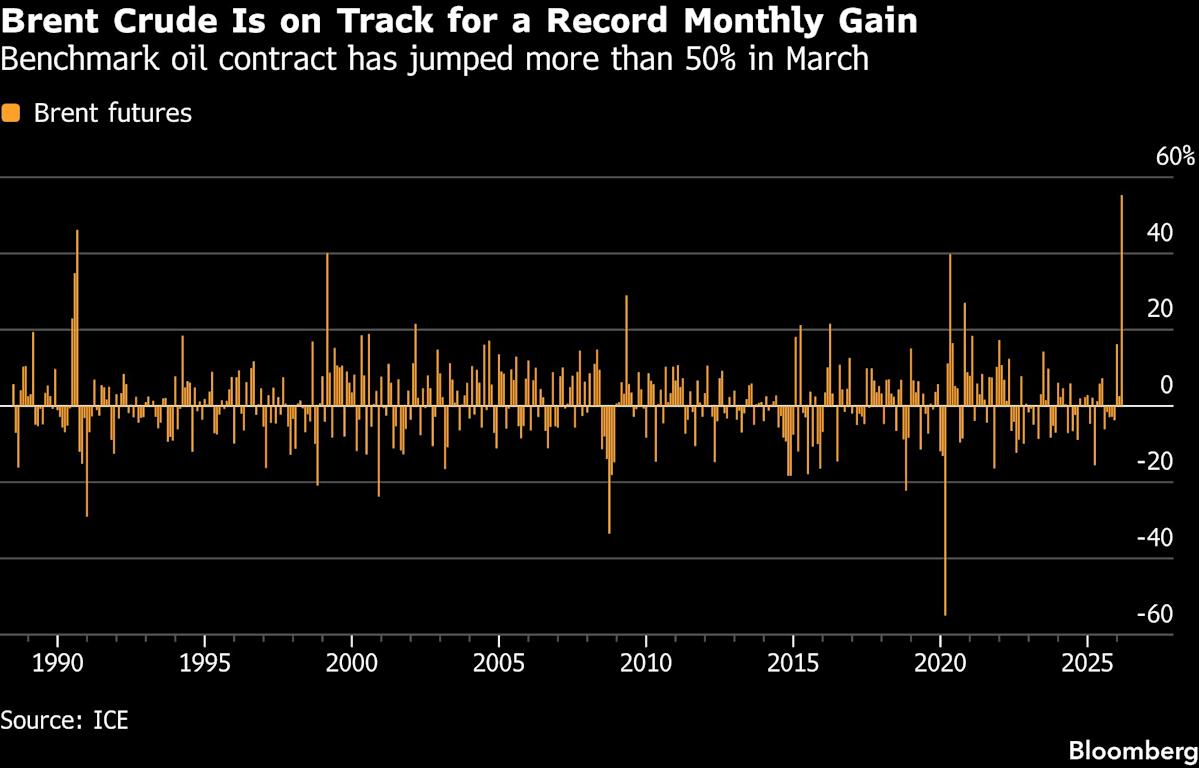
- Technical Breakdown: The S&P 500, Dow Jones Industrial Average, and Nasdaq Composite have all fallen below the crucial 200-day moving average, indicating a significant impact on investor sentiment due to rising oil prices, with all three major indexes down in 2026.
- Significance of 200-Day Average: The 200-day moving average is widely regarded as the 'ultimate trendsetter' in financial markets, smoothing out the closing prices over the past 200 trading days to reveal long-term trends, and its breach is seen as a major shift in investor sentiment.
- Uncertain Market Outlook: Amidst volatile oil prices, the outlook for corporate profits has become uncertain, and analysts note that there is currently a lack of catalysts for the major indexes to climb back above the 200-day moving average, keeping market sentiment subdued.
- Geopolitical Impact: Even if the U.S. conflict with Iran concludes soon, elevated oil prices may persist, and interest rate cuts from the Federal Reserve may not occur this year, marking a significant shift in the investing dynamic compared to the beginning of the year.
Trade with 70% Backtested Accuracy
Analyst Views on TFC

About TFC
About the author


Market Volatility Amid Oil Price Concerns


- Market Bounce and Caution: Following President Trump's announcement of 'productive' talks between the U.S. and Russia, stocks surged on Monday; however, analysts warn that the market still faces new downward pressures, suggesting the rebound may merely be a 'dead cat bounce.'
- Impact of Economic Data: Analysts predict that any further declines in the stock market will primarily stem from economic data, particularly the 'stagflation' phenomenon of high inflation and low growth, which could lead to slow, gradual declines rather than violent swings.
- Oil Prices and Economic Resilience: Despite U.S. crude prices rising back to around $100 per barrel, Wells Fargo argues that the U.S. economy is better positioned to withstand oil shocks today, being a net exporter of fossil fuels and having historically low household energy expenditure percentages.
- Future Data Focus: Investors will closely monitor upcoming economic data, especially the March retail sales report, to gauge consumer behavior amid current economic turmoil, with market sentiment likely influenced by the duration of the ongoing conflict.

Citigroup Under Scrutiny as Bank Refutes Claims of Regional Lender Acquisition – C Shares Drop 3%

Citi Group's Potential Acquisition: Citi Group is reportedly considering acquiring U.S. regional banks with approximately $500 billion in assets, which could mark a significant shift from its focus on internal restructuring.
Denial of Speculation: Citi has denied these acquisition reports, labeling them as "baseless speculation" and emphasizing its current strategy of organic growth and completing its transformation.
Market Reaction: The news of a potential acquisition led to a decline in Citi's stock, which fell by about 3%, reflecting bearish sentiment among retail investors.
Broader Implications: The potential acquisition could enhance Citi's deposit base and lending capacity, while also expanding its access to high-net-worth clients, indicating a strategic move to strengthen its market position.

Analysis and Outlook: Nasdaq Enters Correction Phase

- Market Status: The Nasdaq Composite has entered correction territory as of today.
- Political Context: A deadline for peace talks between Iran and the U.S. is approaching, contributing to market volatility.
- Deadline Extension: The deadline for the peace talks has been extended, which may impact market reactions.
- Investor Sentiment: The combination of geopolitical tensions and market corrections is influencing investor sentiment.

Wall Street's Latest Ratings: Apple and Dell Rated Buy


- Apple and Dell Benefiting: Goldman Sachs reiterates Buy ratings for Apple (AAPL) and Dell (DELL), citing increased demand for PC hardware driven by the rise of open-source autonomous AI agents, which is expected to enhance their market performance.
- Abercrombie & Fitch Coverage Initiated: Needham initiates coverage on Abercrombie & Fitch (ANF) with a Buy rating and a $108 price target, believing that after a challenging FY25, the company's fundamentals are stabilizing, making it attractive for investors.
- Spotify Performance Outlook: Daiwa rates Spotify Technology (SPOT) as Outperform with a $535 price target, based on expectations of steady revenue growth, indicating confidence in its future development.
- Somnigroup International Upgrade: Jefferies upgrades Somnigroup International (SGI) from Hold to Buy, noting that SGI shares have fallen about 17% since the start of the Iran war, yet its valuation remains attractive, reflecting market confidence in its future growth potential.

JPMorgan: Truist Securities Lowers Target Price to $323 from $330

JPMorgan's Target Price Adjustment: JPMorgan has reduced its target price for a specific security from $330 to $323.
Market Implications: This adjustment may reflect changing market conditions or company performance expectations.

Federal Realty Investment Trust Added to Dividend Kings and Aristocrats List

- Price Target Increase: Scotiabank analyst Nicholas Yulico raised the price target for Federal Realty Investment Trust from $113 to $118 while reiterating an Outperform rating, indicating strong market confidence in its future performance.
- Conservative Guidance Outlook: The analyst noted that management appears to be incorporating deliberate conservatism into their initial 2026 same-store net operating income guidance, which could create room for outperformance as market conditions evolve, reflecting a cautiously optimistic view.
- Truist Rating Adjustment: Truist raised its price target for Federal Realty from $111 to $112 while maintaining a Hold rating, with this adjustment based on fourth-quarter results, revenue growth trends, and updated expense assumptions, showcasing recognition of the company's stability.
- Market Positioning Analysis: Federal Realty Investment Trust focuses on owning, operating, and redeveloping retail properties, with its portfolio largely concentrated in major coastal markets and select underserved areas demonstrating strong economic and demographic fundamentals, indicating a strategic positioning in the retail market.
Market Volatility Amid Oil Price Concerns
- Market Bounce and Caution: Following President Trump's announcement of 'productive' talks between the U.S. and Russia, stocks surged on Monday; however, analysts warn that the market still faces new downward pressures, suggesting the rebound may merely be a 'dead cat bounce.'
- Impact of Economic Data: Analysts predict that any further declines in the stock market will primarily stem from economic data, particularly the 'stagflation' phenomenon of high inflation and low growth, which could lead to slow, gradual declines rather than violent swings.
- Oil Prices and Economic Resilience: Despite U.S. crude prices rising back to around $100 per barrel, Wells Fargo argues that the U.S. economy is better positioned to withstand oil shocks today, being a net exporter of fossil fuels and having historically low household energy expenditure percentages.
- Future Data Focus: Investors will closely monitor upcoming economic data, especially the March retail sales report, to gauge consumer behavior amid current economic turmoil, with market sentiment likely influenced by the duration of the ongoing conflict.
Citigroup Under Scrutiny as Bank Refutes Claims of Regional Lender Acquisition – C Shares Drop 3%
Citi Group's Potential Acquisition: Citi Group is reportedly considering acquiring U.S. regional banks with approximately $500 billion in assets, which could mark a significant shift from its focus on internal restructuring.
Denial of Speculation: Citi has denied these acquisition reports, labeling them as "baseless speculation" and emphasizing its current strategy of organic growth and completing its transformation.
Market Reaction: The news of a potential acquisition led to a decline in Citi's stock, which fell by about 3%, reflecting bearish sentiment among retail investors.
Broader Implications: The potential acquisition could enhance Citi's deposit base and lending capacity, while also expanding its access to high-net-worth clients, indicating a strategic move to strengthen its market position.
Analysis and Outlook: Nasdaq Enters Correction Phase
- Market Status: The Nasdaq Composite has entered correction territory as of today.
- Political Context: A deadline for peace talks between Iran and the U.S. is approaching, contributing to market volatility.
- Deadline Extension: The deadline for the peace talks has been extended, which may impact market reactions.
- Investor Sentiment: The combination of geopolitical tensions and market corrections is influencing investor sentiment.
Wall Street's Latest Ratings: Apple and Dell Rated Buy
- Apple and Dell Benefiting: Goldman Sachs reiterates Buy ratings for Apple (AAPL) and Dell (DELL), citing increased demand for PC hardware driven by the rise of open-source autonomous AI agents, which is expected to enhance their market performance.
- Abercrombie & Fitch Coverage Initiated: Needham initiates coverage on Abercrombie & Fitch (ANF) with a Buy rating and a $108 price target, believing that after a challenging FY25, the company's fundamentals are stabilizing, making it attractive for investors.
- Spotify Performance Outlook: Daiwa rates Spotify Technology (SPOT) as Outperform with a $535 price target, based on expectations of steady revenue growth, indicating confidence in its future development.
- Somnigroup International Upgrade: Jefferies upgrades Somnigroup International (SGI) from Hold to Buy, noting that SGI shares have fallen about 17% since the start of the Iran war, yet its valuation remains attractive, reflecting market confidence in its future growth potential.
JPMorgan: Truist Securities Lowers Target Price to $323 from $330
JPMorgan's Target Price Adjustment: JPMorgan has reduced its target price for a specific security from $330 to $323.
Market Implications: This adjustment may reflect changing market conditions or company performance expectations.
Federal Realty Investment Trust Added to Dividend Kings and Aristocrats List
- Price Target Increase: Scotiabank analyst Nicholas Yulico raised the price target for Federal Realty Investment Trust from $113 to $118 while reiterating an Outperform rating, indicating strong market confidence in its future performance.
- Conservative Guidance Outlook: The analyst noted that management appears to be incorporating deliberate conservatism into their initial 2026 same-store net operating income guidance, which could create room for outperformance as market conditions evolve, reflecting a cautiously optimistic view.
- Truist Rating Adjustment: Truist raised its price target for Federal Realty from $111 to $112 while maintaining a Hold rating, with this adjustment based on fourth-quarter results, revenue growth trends, and updated expense assumptions, showcasing recognition of the company's stability.
- Market Positioning Analysis: Federal Realty Investment Trust focuses on owning, operating, and redeveloping retail properties, with its portfolio largely concentrated in major coastal markets and select underserved areas demonstrating strong economic and demographic fundamentals, indicating a strategic positioning in the retail market.