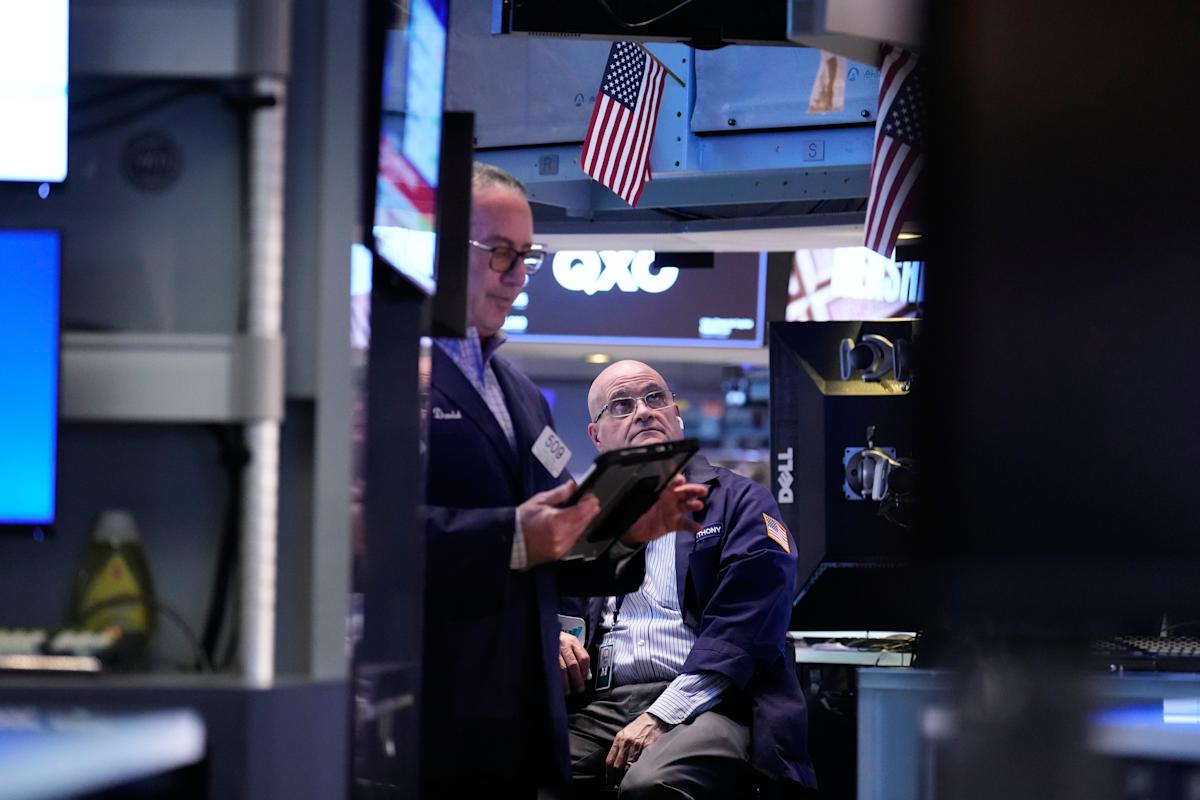
Three Challenges Coca-Cola Faces Amid Iran War
Written by Emily J. Thompson, Senior Investment Analyst
Updated: Mar 21 2026
0mins

Should l Buy KO?
Source: Yahoo Finance
- Rising Production Costs: The conflict in the Strait of Hormuz is driving up global oil prices, which will significantly increase manufacturing, packaging, and transportation costs for Coca-Cola and its bottling partners, potentially forcing them to raise prices to maintain margins despite local sourcing of ingredients.
- Exhausted Pricing Power: In 2025, Coca-Cola generated 22.6% of its revenue from the EMEA region, which saw a 6% organic sales increase; however, the war could hinder growth by raising prices and depressing consumer demand, impacting overall profitability.
- Impact of a Stronger Dollar: With most of Coca-Cola's revenue coming from overseas, a stronger dollar typically suppresses sales and profits, and in a volatile market, rising oil prices and a stronger dollar could create additional currency risks for the company.
- Investor Strategy: Despite potential slowdowns in sales, margin declines, and currency pressures, Coca-Cola may still attract safety-seeking investors, suggesting that current shareholders should consider maintaining their positions while monitoring market developments.
Trade with 70% Backtested Accuracy
Stop guessing "Should I Buy KO?" and start using high-conviction signals backed by rigorous historical data.
Sign up today to access powerful investing tools and make smarter, data-driven decisions.
Analyst Views on KO
Wall Street analysts forecast KO stock price to rise
14 Analyst Rating
13 Buy
1 Hold
0 Sell
Strong Buy
Current: 75.910

Low
71.00
Averages
79.33
High
85.00
Current: 75.910
Low
71.00
Averages
79.33
High
85.00
About KO
The Coca-Cola Company is a beverage company. The Company's segments include Europe, Middle East and Africa (EMEA); Latin America; North America; Asia Pacific, and Bottling Investments. It sells multiple brands across several beverage categories worldwide. Its portfolio of sparkling soft drink brands includes Coca-Cola, Sprite and Fanta. Its water, sports, coffee and tea brands include Dasani, smartwater, vitaminwater, Topo Chico, BODYARMOR, Powerade, Costa, Georgia, Fuze Tea, Gold Peak and Ayataka. Its juice, value-added dairy and plant-based beverage brands include Minute Maid, Simply, innocent, Del Valle, fairlife and Santa Clara. It operates in two lines of business: concentrate operations and finished product operations. Its concentrate operations sell beverage concentrates, syrups, including fountain syrups, and certain finished beverages to authorized bottling operations. Its finished product operations sell sparkling soft drinks and a variety of other finished beverages.
About the author

Emily J. Thompson
Emily J. Thompson, a Chartered Financial Analyst (CFA) with 12 years in investment research, graduated with honors from the Wharton School. Specializing in industrial and technology stocks, she provides in-depth analysis for Intellectia’s earnings and market brief reports.

Warren Buffett's Top Three Dividend Stocks


- American Tower Overview: American Tower (AMT) operates approximately 150,000 sites across 22 countries, functioning as a Real Estate Investment Trust (REIT) with a dividend yield of about 4%, having increased dividends for over a decade, reflecting its stable income and strong market demand.
- American Express Innovation: American Express (AXP) not only processes payments but also issues credit cards and runs its payment network, showcasing resilience and profitability with a 59% dividend increase, supported by its premium customer service strategy amidst economic fluctuations.
- Coca-Cola's Brand Strength: Coca-Cola (KO) has raised its dividend annually since 1962, currently yielding around 2.8%, and its diversified product portfolio along with strong brand influence allows it to maintain a competitive edge, ensuring steady performance despite slower growth.
- Investment Strategy Advice: Given the increasing market volatility, investors are advised to focus on these stable dividend stocks, leveraging long-term holding and compounding effects to achieve wealth growth while avoiding the risks of timing the market.
See More

Dividend Growth of American Tower, American Express, and Coca-Cola
- American Tower's Dividend Performance: American Tower (AMT) has raised its dividend annually for over a decade, currently yielding around 4%, making it a favored REIT among investors, enhancing long-term shareholder returns through stable income distribution.
- American Express's Growth Potential: American Express (AXP) has boosted its dividend by 59% over the past three years, with a current yield of only 1.1%, yet its rising stock price reflects the company's strong competitiveness and innovation in the premium market, particularly in blockchain and AI applications.
- Coca-Cola's Steady Strategy: Coca-Cola (KO) has increased its dividend every year since 1962, with a yield of about 2.8%, and its enduring brand strength and diversified product portfolio allow it to maintain stability amid market fluctuations, attracting long-term investors despite slower growth.
- Challenges of Timing the Market: While timing the market is notoriously difficult, even investment legend Warren Buffett admits to the unpredictability of short-term market volatility; thus, holding reliable dividend stocks and leveraging compounding for long-term gains emerges as a more prudent investment strategy.
See More

Coca-Cola and Walmart: Investment Opportunities Amid Economic Turmoil

- Coca-Cola's Resilience: Coca-Cola produces most of its products domestically for the U.S. market, minimizing the financial impact of tariffs; despite potential recession-induced consumer spending cuts, its status as a consumer staples giant ensures stable revenue and earnings, making it an attractive investment during tough times.
- Strong Brand Moat: With a renowned brand and a 50-year history of dividend increases, Coca-Cola provides investors with stable returns amid market volatility, and reinvesting dividends can significantly enhance long-term gains, with shares currently trading near $77, making it a worthwhile investment.
- Walmart's Low-Price Strategy: Walmart is known for its Everyday Low Price strategy, and despite tariff pressures on the retail sector, its scale allows it to negotiate favorable deals with suppliers, enabling it to maintain competitive pricing even when costs rise, thus attracting a large customer base.
- E-commerce Growth: Walmart's e-commerce business has been a key growth driver in recent years, with about 90% of U.S. residents living within 10 miles of a store, providing a convenient shopping experience and fast shipping options, which helps it attract consumers even during economic downturns, with shares priced around $127.
See More

Investment Value of Coca-Cola and Walmart Amid Market Turmoil
- Coca-Cola's Resilience: Coca-Cola has increased its dividends for 117 consecutive years, demonstrating stability during economic turmoil, particularly attracting consistent business even when consumer spending tightens, ensuring its long-term investment appeal.
- Walmart's Pricing Strategy: Walmart is renowned for its Everyday Low Price strategy, leveraging its massive scale to negotiate favorable deals with suppliers, allowing it to maintain competitiveness and attract a significant number of shoppers during cost increases in the retail sector, ensuring stable sales during economic downturns.
- E-commerce Growth: Walmart's online business has rapidly expanded in the U.S., becoming a crucial growth driver, especially as consumers shift towards online shopping, further solidifying its market position.
- Dividend King Status: Both Coca-Cola and Walmart are Dividend Kings, with 53 and 50 years of consecutive dividend increases, respectively, and their reliable dividends not only help mitigate market volatility losses but also significantly enhance long-term returns through reinvestment.
See More

AI Stocks Face Market Volatility Amid Investor Concerns


- Market Sentiment Shift: Over the past three years, AI stocks like Nvidia and Palantir surged over 1,100% and 2,600%, respectively, but recent investor concerns over high valuations have negatively impacted their performance, indicating a shift in market confidence towards the AI sector.
- Retail Giants' Warning: In Q1, Costco and Walmart added $60 billion and $103 billion in market cap, respectively, while Nvidia lost $300 billion, suggesting investors are rotating out of high-risk AI stocks into safer consumer goods companies, reflecting a risk-averse sentiment in the market.
- Strong Consumer ETF Performance: The Vanguard Consumer Staples ETF gained over 6% in the same quarter, with major holdings in Walmart and Costco, further confirming investor preference for stable revenue sources, which may lead to continued stagnation in AI stocks.
- Long-Term Optimism Remains: Despite the current unfavorable market conditions for AI stocks, tech companies continue to report strong demand for AI products, indicating that as long as AI technology is utilized, related firms are likely to achieve earnings growth, suggesting investors should patiently hold quality AI stocks.
See More

AI Stocks Face Turbulence as Investors Shift to Consumer Goods
- Declining AI Stock Performance: Over the past three years, Nvidia and Palantir saw stock increases of over 1,100% and 2,600%, respectively, but recent investor concerns about AI spending and the economic environment have led to turbulence, with Nvidia losing $300 billion in market value, indicating a waning confidence in AI stocks.
- Consumer Stocks Surge: In Q1, Costco and Walmart gained $60 billion and $103 billion in market cap, respectively, while Nvidia faced significant losses, suggesting that investors are shifting towards 'safer' consumer stocks in uncertain market conditions, reflecting a change in market sentiment.
- Market Trend Shift: The Vanguard Consumer Staples ETF rose over 6% in the same quarter, with major holdings in Costco and Walmart, indicating a preference for stable revenue sources among investors, which may continue to pressure AI stocks in the short term, necessitating cautious portfolio assessments.
- Optimistic AI Market Outlook: Despite the current unfavorable market conditions for AI stocks, tech companies continue to report strong demand for AI products, suggesting that real-world applications are gradually unfolding, and companies involved in AI may still achieve earnings growth, prompting investors to consider adding quality AI stocks when valuations appear attractive.
See More
Warren Buffett's Top Three Dividend Stocks
- American Tower Overview: American Tower (AMT) operates approximately 150,000 sites across 22 countries, functioning as a Real Estate Investment Trust (REIT) with a dividend yield of about 4%, having increased dividends for over a decade, reflecting its stable income and strong market demand.
- American Express Innovation: American Express (AXP) not only processes payments but also issues credit cards and runs its payment network, showcasing resilience and profitability with a 59% dividend increase, supported by its premium customer service strategy amidst economic fluctuations.
- Coca-Cola's Brand Strength: Coca-Cola (KO) has raised its dividend annually since 1962, currently yielding around 2.8%, and its diversified product portfolio along with strong brand influence allows it to maintain a competitive edge, ensuring steady performance despite slower growth.
- Investment Strategy Advice: Given the increasing market volatility, investors are advised to focus on these stable dividend stocks, leveraging long-term holding and compounding effects to achieve wealth growth while avoiding the risks of timing the market.
See More
Dividend Growth of American Tower, American Express, and Coca-Cola
- American Tower's Dividend Performance: American Tower (AMT) has raised its dividend annually for over a decade, currently yielding around 4%, making it a favored REIT among investors, enhancing long-term shareholder returns through stable income distribution.
- American Express's Growth Potential: American Express (AXP) has boosted its dividend by 59% over the past three years, with a current yield of only 1.1%, yet its rising stock price reflects the company's strong competitiveness and innovation in the premium market, particularly in blockchain and AI applications.
- Coca-Cola's Steady Strategy: Coca-Cola (KO) has increased its dividend every year since 1962, with a yield of about 2.8%, and its enduring brand strength and diversified product portfolio allow it to maintain stability amid market fluctuations, attracting long-term investors despite slower growth.
- Challenges of Timing the Market: While timing the market is notoriously difficult, even investment legend Warren Buffett admits to the unpredictability of short-term market volatility; thus, holding reliable dividend stocks and leveraging compounding for long-term gains emerges as a more prudent investment strategy.
See More
Coca-Cola and Walmart: Investment Opportunities Amid Economic Turmoil
- Coca-Cola's Resilience: Coca-Cola produces most of its products domestically for the U.S. market, minimizing the financial impact of tariffs; despite potential recession-induced consumer spending cuts, its status as a consumer staples giant ensures stable revenue and earnings, making it an attractive investment during tough times.
- Strong Brand Moat: With a renowned brand and a 50-year history of dividend increases, Coca-Cola provides investors with stable returns amid market volatility, and reinvesting dividends can significantly enhance long-term gains, with shares currently trading near $77, making it a worthwhile investment.
- Walmart's Low-Price Strategy: Walmart is known for its Everyday Low Price strategy, and despite tariff pressures on the retail sector, its scale allows it to negotiate favorable deals with suppliers, enabling it to maintain competitive pricing even when costs rise, thus attracting a large customer base.
- E-commerce Growth: Walmart's e-commerce business has been a key growth driver in recent years, with about 90% of U.S. residents living within 10 miles of a store, providing a convenient shopping experience and fast shipping options, which helps it attract consumers even during economic downturns, with shares priced around $127.
See More
Investment Value of Coca-Cola and Walmart Amid Market Turmoil
- Coca-Cola's Resilience: Coca-Cola has increased its dividends for 117 consecutive years, demonstrating stability during economic turmoil, particularly attracting consistent business even when consumer spending tightens, ensuring its long-term investment appeal.
- Walmart's Pricing Strategy: Walmart is renowned for its Everyday Low Price strategy, leveraging its massive scale to negotiate favorable deals with suppliers, allowing it to maintain competitiveness and attract a significant number of shoppers during cost increases in the retail sector, ensuring stable sales during economic downturns.
- E-commerce Growth: Walmart's online business has rapidly expanded in the U.S., becoming a crucial growth driver, especially as consumers shift towards online shopping, further solidifying its market position.
- Dividend King Status: Both Coca-Cola and Walmart are Dividend Kings, with 53 and 50 years of consecutive dividend increases, respectively, and their reliable dividends not only help mitigate market volatility losses but also significantly enhance long-term returns through reinvestment.
See More
AI Stocks Face Market Volatility Amid Investor Concerns
- Market Sentiment Shift: Over the past three years, AI stocks like Nvidia and Palantir surged over 1,100% and 2,600%, respectively, but recent investor concerns over high valuations have negatively impacted their performance, indicating a shift in market confidence towards the AI sector.
- Retail Giants' Warning: In Q1, Costco and Walmart added $60 billion and $103 billion in market cap, respectively, while Nvidia lost $300 billion, suggesting investors are rotating out of high-risk AI stocks into safer consumer goods companies, reflecting a risk-averse sentiment in the market.
- Strong Consumer ETF Performance: The Vanguard Consumer Staples ETF gained over 6% in the same quarter, with major holdings in Walmart and Costco, further confirming investor preference for stable revenue sources, which may lead to continued stagnation in AI stocks.
- Long-Term Optimism Remains: Despite the current unfavorable market conditions for AI stocks, tech companies continue to report strong demand for AI products, indicating that as long as AI technology is utilized, related firms are likely to achieve earnings growth, suggesting investors should patiently hold quality AI stocks.
See More
AI Stocks Face Turbulence as Investors Shift to Consumer Goods
- Declining AI Stock Performance: Over the past three years, Nvidia and Palantir saw stock increases of over 1,100% and 2,600%, respectively, but recent investor concerns about AI spending and the economic environment have led to turbulence, with Nvidia losing $300 billion in market value, indicating a waning confidence in AI stocks.
- Consumer Stocks Surge: In Q1, Costco and Walmart gained $60 billion and $103 billion in market cap, respectively, while Nvidia faced significant losses, suggesting that investors are shifting towards 'safer' consumer stocks in uncertain market conditions, reflecting a change in market sentiment.
- Market Trend Shift: The Vanguard Consumer Staples ETF rose over 6% in the same quarter, with major holdings in Costco and Walmart, indicating a preference for stable revenue sources among investors, which may continue to pressure AI stocks in the short term, necessitating cautious portfolio assessments.
- Optimistic AI Market Outlook: Despite the current unfavorable market conditions for AI stocks, tech companies continue to report strong demand for AI products, suggesting that real-world applications are gradually unfolding, and companies involved in AI may still achieve earnings growth, prompting investors to consider adding quality AI stocks when valuations appear attractive.
See More