Teekay Tankers Set to Announce Q4 Earnings on February 18
Written by Emily J. Thompson, Senior Investment Analyst
Updated: Feb 17 2026
0mins
Should l Buy TNK?
Source: seekingalpha
- Earnings Announcement Date: Teekay Tankers is set to announce its Q4 earnings on February 18 after market close, with a consensus EPS estimate of $2.73, reflecting an impressive 82% year-over-year growth, indicating strong performance amidst market fluctuations.
- Revenue Expectations: Despite the optimistic EPS forecast, the revenue estimate stands at $187.92 million, representing a 27.3% year-over-year decline, which suggests challenges in revenue growth that could impact investor confidence.
- Historical Performance Review: Over the past two years, Teekay Tankers has beaten EPS estimates 63% of the time and has exceeded revenue estimates 100% of the time, demonstrating the company's stability and reliability in financial performance.
- Estimate Revision Dynamics: In the last three months, EPS estimates have seen two upward revisions and two downward adjustments, while revenue estimates have experienced two upward revisions with no downward changes, reflecting market divergence and uncertainty regarding the company's future performance.
Trade with 70% Backtested Accuracy
Stop guessing "Should I Buy TNK?" and start using high-conviction signals backed by rigorous historical data.
Sign up today to access powerful investing tools and make smarter, data-driven decisions.
Analyst Views on TNK
About TNK
Teekay Tankers Ltd. is a Bermuda-based company. The Company's primary business is to own and operate crude oil and refined product. operates mid-sized tankers. In addition, to its core business, the Company also provide STS support services, along with its tanker commercial management operations. The Company owns a fleet of approximately 42 double-hull tankers, including 24 Supermax tankers,18 Aframax/LR2 tankers, and has six time chartered-in tankers. Its vessels are typically employed through a mix of spot tanker market trading and short- or medium-term fixed-rate time charter contracts. The Company also owns a crude carrier (VLCC) through a joint venture. It owns a ship-to-ship transfer business that performs full-service lightering and lightering support operations in the United States, Gulf, and Caribbean.
About the author

Emily J. Thompson
Emily J. Thompson, a Chartered Financial Analyst (CFA) with 12 years in investment research, graduated with honors from the Wharton School. Specializing in industrial and technology stocks, she provides in-depth analysis for Intellectia’s earnings and market brief reports.
US Sinks Iranian Ships Amid Strait of Hormuz Tensions


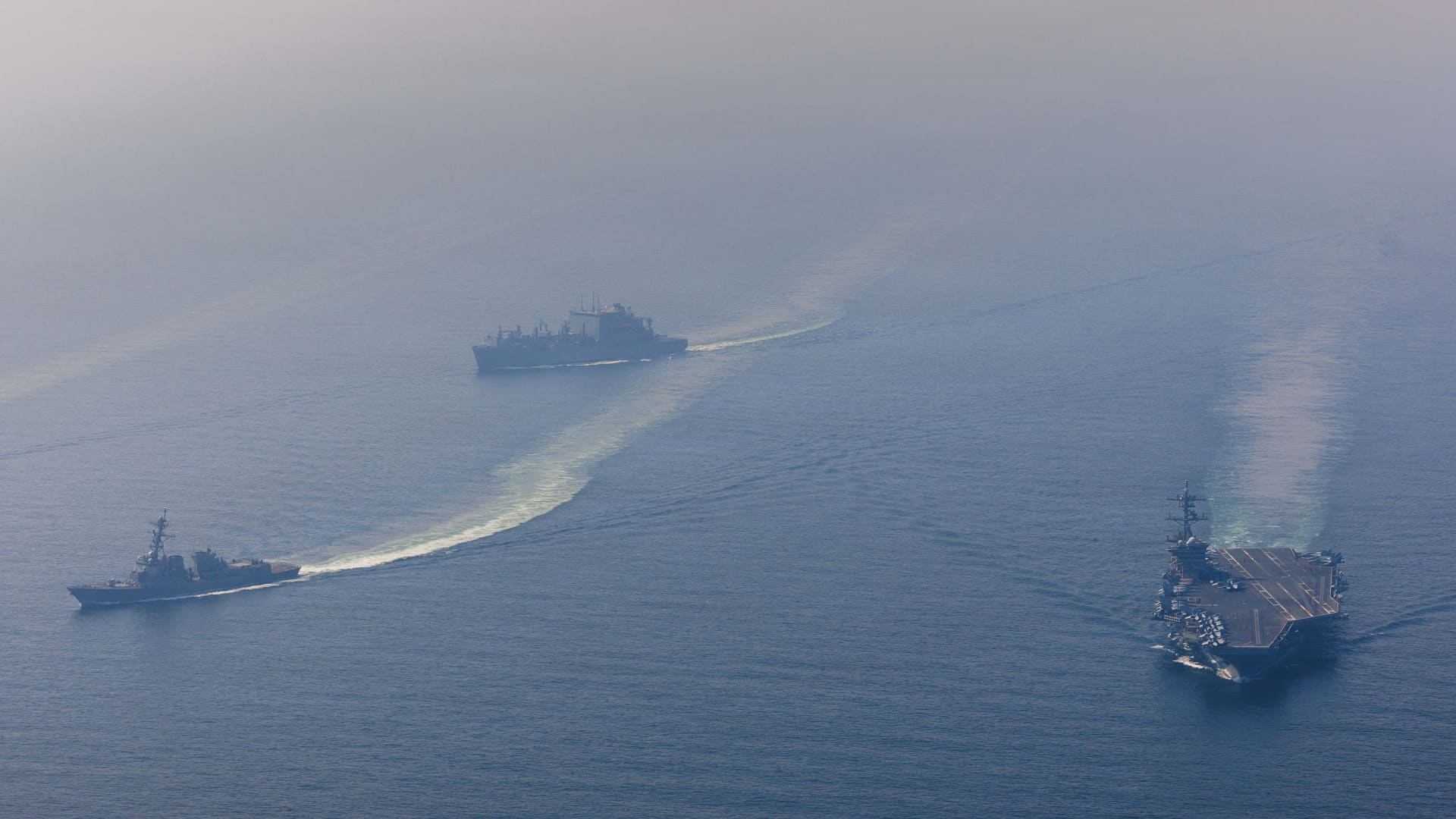
- Military Escalation: The U.S. Central Command reported that American forces sank several Iranian ships, including 16 minelayers, near the Strait of Hormuz on Tuesday, responding to Iran's threat of mining the waterway, which could severely impact global energy supplies.
- Oil Price Volatility: Oil prices surged to nearly $120 a barrel on Monday due to escalating conflict, although they have since retreated, with U.S. WTI crude trading at $83.8 and global benchmark Brent at $87.9, reflecting market sensitivity to geopolitical risks.
- Iranian Naval Capability: Despite CNN's report of Iran laying a few mines recently in the Strait, Iran retains over 80% of its small boats and minelayers, potentially laying hundreds of mines, which could further escalate regional tensions.
- U.S. Navy Response Strategy: President Trump stated he ordered the U.S. Development Finance Corporation to provide political risk insurance for all maritime trade through the Gulf, although the U.S. Navy has declined shipping industry requests for escort due to high attack risks, potentially affecting energy transport security.
See More
Strait of Hormuz Tensions Rise, Oil Prices Surge

- Oil Price Surge: Crude oil prices have surged past $100 per barrel due to escalating tensions in the Strait of Hormuz, reflecting market fears of supply disruptions that could lead to increased global energy costs and economic impacts.
- Iran's Military Stance: The Iranian Foreign Ministry spokesperson stated that attacks on U.S. military bases in the Gulf are legitimate under international law, a position that may escalate regional tensions and affect international relations.
- New Leadership Impact: The appointment of Mojtaba Khamenei as Iran's new Supreme Leader is expected to unify the nation, with the spokesperson asserting that state institutions and the populace will rally around the new leadership, potentially leading to a more aggressive foreign policy.
- Sovereignty and International Law: Iran emphasized its right to choose its leaders without foreign intervention, asserting its commitment to defending national sovereignty under international law, which may provoke widespread attention and reactions from the international community.
See More
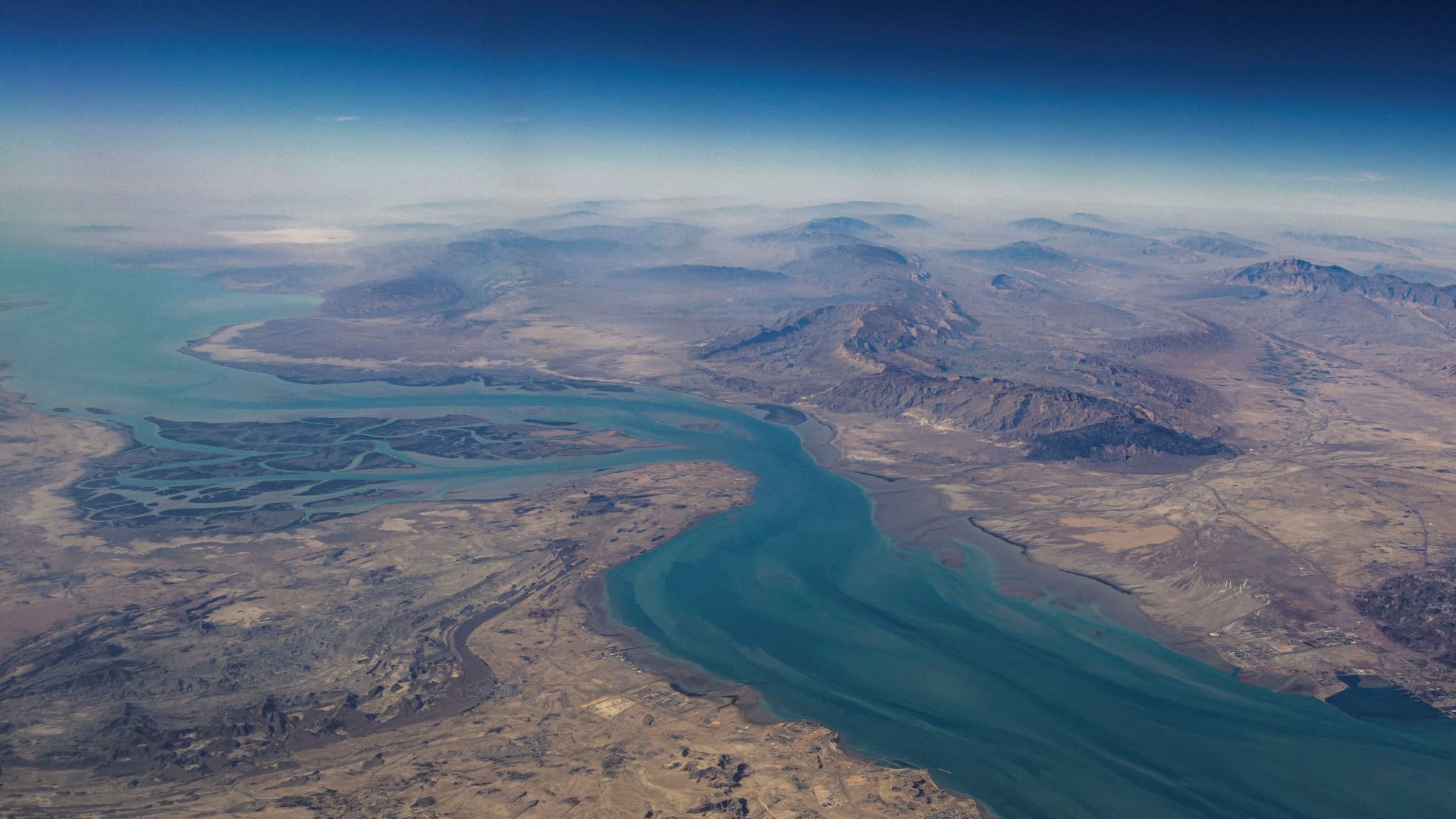
Analysis of Market Impact from Geopolitical Turmoil


- Muted Market Reaction: Despite the military actions by the U.S. and Israel against Iran escalating geopolitical tensions, the S&P 500 showed minimal movement on the first trading day, indicating that investors are relatively unfazed by the conflict, which suggests a market resilience to short-term disruptions.
- Surging Oil Prices: U.S. oil prices surged above $90 per barrel last week, marking a 35% weekly increase, the largest since 1983, with analysts warning that a rise above $100 could trigger a global recession, necessitating close monitoring of oil price trends and their potential market impacts.
- Cautious Investor Sentiment: Although the market's response to geopolitical events has been tepid, analysts caution that investors may become complacent due to frequent geopolitical occurrences, potentially overlooking larger risks in the future, particularly regarding tensions between China and Taiwan.
- Defense Stocks Rally: As the conflict continues, defense stocks such as RTX, Lockheed Martin, and Northrop Grumman have risen between 2.1% and 4.4% over the past week, reflecting market expectations for increased defense spending, prompting investors to keep an eye on the performance of related equities.
See More
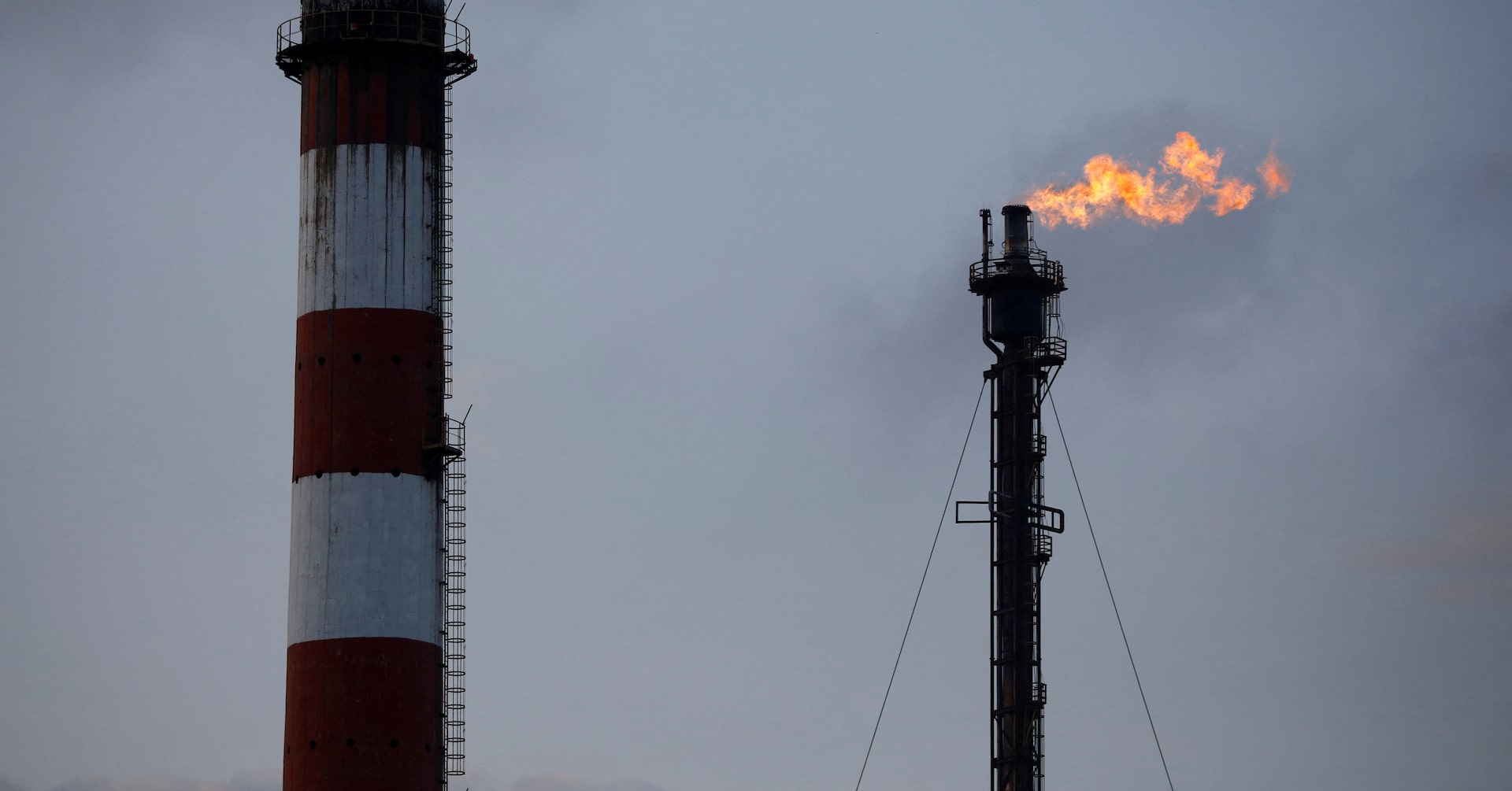
No Timeline for Safe Passage in Strait of Hormuz Amid Rising Oil Prices
- Surging Oil Prices: U.S. oil prices have surged 28% this week to over $86 per barrel due to Iranian attacks on tankers, while Brent crude has risen 22% to $89, with analysts warning that prolonged closure of the Strait could push prices above $100, potentially triggering a global recession.
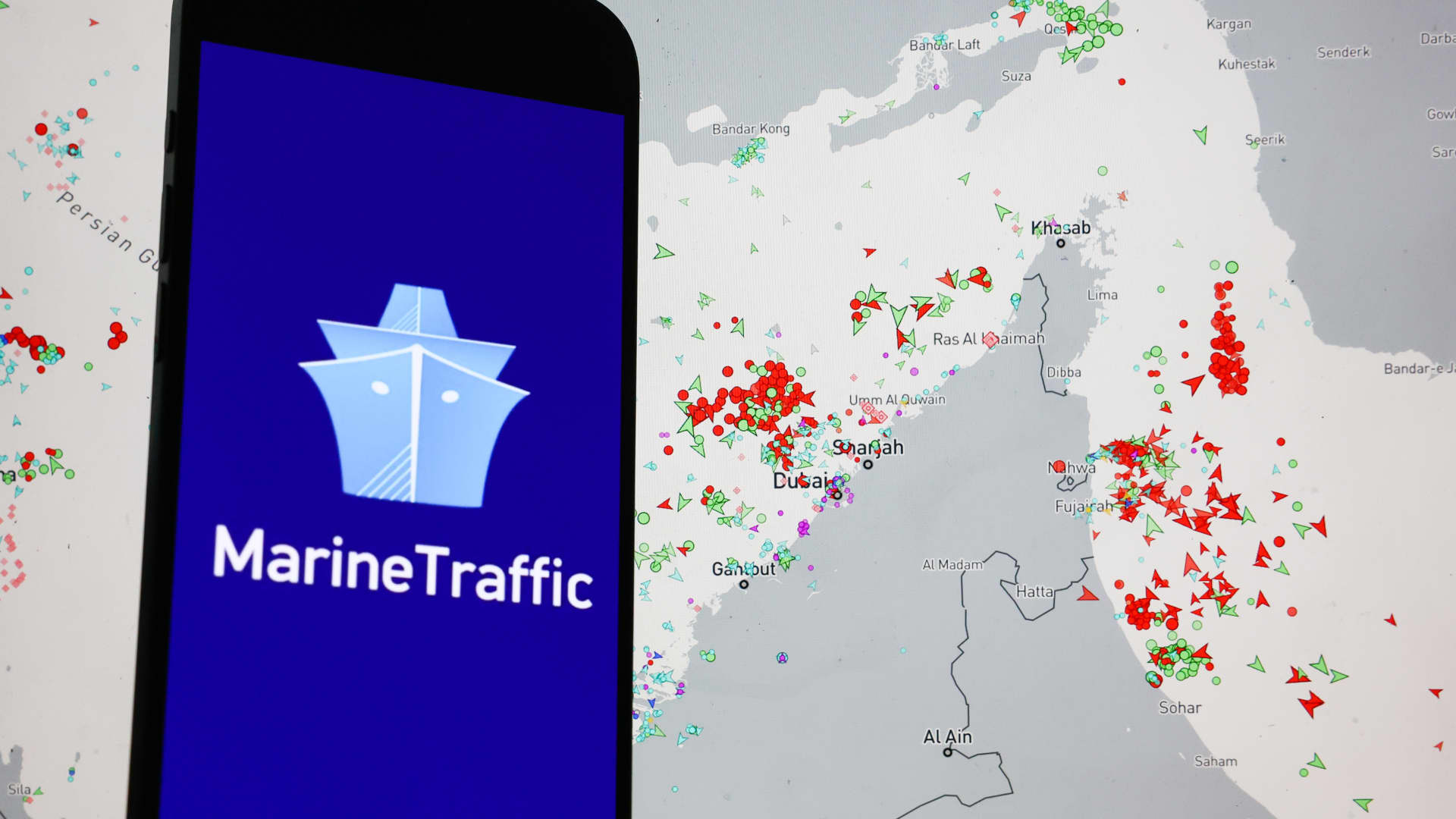
- Transport Disruptions: Normally, about 100 tankers pass through the Strait daily, but currently, around 400 are stuck in the Gulf due to the conflict, severely impacting global crude transportation and threatening supply chain stability.
- U.S. Navy Escort Commitment: President Trump has pledged to deploy the Navy to escort tankers if necessary and provide political risk insurance to owners, which calmed the market temporarily; however, analysts emphasize that restoring safe passage will require time and confidence in reduced Iranian military threats.
- Production Cut Risks: With the Strait of Hormuz inactive, Iraq has already cut production by 1.5 million barrels per day, and analysts warn that if the situation persists, Brent prices could spike to $120, exacerbating pressures on the global oil market.
See More

Tensions Rise Ahead of US-China Trade Talks


- High-Level Talks: On October 30, 2025, US President Donald Trump and Chinese President Xi Jinping met in South Korea to seek a truce in their trade war, with Trump expressing optimism about the meeting while China remained cautious, highlighting the complexities in their trade relations.
- Impact of Iran War: The US military actions against Iran have heightened tensions between the US and China, particularly given China's status as the largest buyer of Iranian oil, suggesting that Trump's aggressive stance could influence the atmosphere of the upcoming summit.
- Market Reactions: The military conflict has disrupted shipments through the Strait of Hormuz, causing a rebound in international oil prices and creating visible ripples in the global economy, especially affecting China and other Asian economies reliant on oil from the region.
- China's Strategic Considerations: Despite facing US military pressure, China has responded with an unusually soft tone, indicating its desire to maintain dialogue with the US, particularly in light of its expanding investments in the Middle East, which may influence future bilateral relations.
See More

Trump's Pledge to Ensure Energy Flow in Persian Gulf


- Trump's Commitment: President Trump pledged to ensure the free flow of energy through the Persian Gulf by providing political risk insurance and financial guarantees via the U.S. International Development Finance Corporation, although this is seen as only a partial solution that may face execution challenges.
- Oil Price Fluctuations: Trump's comments led to a pullback in oil prices; however, RBC Capital analysts question the adequacy of planning for the insurance backstop and believe there could be significant challenges in executing this plan quickly, especially given ongoing Iranian attacks.
- Cautious Shipowners: Shipowners have expressed caution regarding the insurance provisions and costs, stating that confidence issues cannot be easily resolved by U.S. Navy escorts, particularly with limited escort capacity and ongoing Houthi attacks in the Red Sea.
- Navy Resource Constraints: The U.S. Navy previously escorted tankers in the 1980s, but now has fewer ships, while oil and gas exports from the region have nearly doubled to about 20 million barrels per day, raising concerns about whether there are enough Navy assets to escort ships and continue operations against Iran.
See More
US Sinks Iranian Ships Amid Strait of Hormuz Tensions
- Military Escalation: The U.S. Central Command reported that American forces sank several Iranian ships, including 16 minelayers, near the Strait of Hormuz on Tuesday, responding to Iran's threat of mining the waterway, which could severely impact global energy supplies.
- Oil Price Volatility: Oil prices surged to nearly $120 a barrel on Monday due to escalating conflict, although they have since retreated, with U.S. WTI crude trading at $83.8 and global benchmark Brent at $87.9, reflecting market sensitivity to geopolitical risks.
- Iranian Naval Capability: Despite CNN's report of Iran laying a few mines recently in the Strait, Iran retains over 80% of its small boats and minelayers, potentially laying hundreds of mines, which could further escalate regional tensions.
- U.S. Navy Response Strategy: President Trump stated he ordered the U.S. Development Finance Corporation to provide political risk insurance for all maritime trade through the Gulf, although the U.S. Navy has declined shipping industry requests for escort due to high attack risks, potentially affecting energy transport security.
See More
Strait of Hormuz Tensions Rise, Oil Prices Surge
- Oil Price Surge: Crude oil prices have surged past $100 per barrel due to escalating tensions in the Strait of Hormuz, reflecting market fears of supply disruptions that could lead to increased global energy costs and economic impacts.
- Iran's Military Stance: The Iranian Foreign Ministry spokesperson stated that attacks on U.S. military bases in the Gulf are legitimate under international law, a position that may escalate regional tensions and affect international relations.
- New Leadership Impact: The appointment of Mojtaba Khamenei as Iran's new Supreme Leader is expected to unify the nation, with the spokesperson asserting that state institutions and the populace will rally around the new leadership, potentially leading to a more aggressive foreign policy.
- Sovereignty and International Law: Iran emphasized its right to choose its leaders without foreign intervention, asserting its commitment to defending national sovereignty under international law, which may provoke widespread attention and reactions from the international community.
See More
Analysis of Market Impact from Geopolitical Turmoil
- Muted Market Reaction: Despite the military actions by the U.S. and Israel against Iran escalating geopolitical tensions, the S&P 500 showed minimal movement on the first trading day, indicating that investors are relatively unfazed by the conflict, which suggests a market resilience to short-term disruptions.
- Surging Oil Prices: U.S. oil prices surged above $90 per barrel last week, marking a 35% weekly increase, the largest since 1983, with analysts warning that a rise above $100 could trigger a global recession, necessitating close monitoring of oil price trends and their potential market impacts.
- Cautious Investor Sentiment: Although the market's response to geopolitical events has been tepid, analysts caution that investors may become complacent due to frequent geopolitical occurrences, potentially overlooking larger risks in the future, particularly regarding tensions between China and Taiwan.
- Defense Stocks Rally: As the conflict continues, defense stocks such as RTX, Lockheed Martin, and Northrop Grumman have risen between 2.1% and 4.4% over the past week, reflecting market expectations for increased defense spending, prompting investors to keep an eye on the performance of related equities.
See More
No Timeline for Safe Passage in Strait of Hormuz Amid Rising Oil Prices
- Surging Oil Prices: U.S. oil prices have surged 28% this week to over $86 per barrel due to Iranian attacks on tankers, while Brent crude has risen 22% to $89, with analysts warning that prolonged closure of the Strait could push prices above $100, potentially triggering a global recession.
- Transport Disruptions: Normally, about 100 tankers pass through the Strait daily, but currently, around 400 are stuck in the Gulf due to the conflict, severely impacting global crude transportation and threatening supply chain stability.
- U.S. Navy Escort Commitment: President Trump has pledged to deploy the Navy to escort tankers if necessary and provide political risk insurance to owners, which calmed the market temporarily; however, analysts emphasize that restoring safe passage will require time and confidence in reduced Iranian military threats.
- Production Cut Risks: With the Strait of Hormuz inactive, Iraq has already cut production by 1.5 million barrels per day, and analysts warn that if the situation persists, Brent prices could spike to $120, exacerbating pressures on the global oil market.
See More
Tensions Rise Ahead of US-China Trade Talks
- High-Level Talks: On October 30, 2025, US President Donald Trump and Chinese President Xi Jinping met in South Korea to seek a truce in their trade war, with Trump expressing optimism about the meeting while China remained cautious, highlighting the complexities in their trade relations.
- Impact of Iran War: The US military actions against Iran have heightened tensions between the US and China, particularly given China's status as the largest buyer of Iranian oil, suggesting that Trump's aggressive stance could influence the atmosphere of the upcoming summit.
- Market Reactions: The military conflict has disrupted shipments through the Strait of Hormuz, causing a rebound in international oil prices and creating visible ripples in the global economy, especially affecting China and other Asian economies reliant on oil from the region.
- China's Strategic Considerations: Despite facing US military pressure, China has responded with an unusually soft tone, indicating its desire to maintain dialogue with the US, particularly in light of its expanding investments in the Middle East, which may influence future bilateral relations.
See More
Trump's Pledge to Ensure Energy Flow in Persian Gulf
- Trump's Commitment: President Trump pledged to ensure the free flow of energy through the Persian Gulf by providing political risk insurance and financial guarantees via the U.S. International Development Finance Corporation, although this is seen as only a partial solution that may face execution challenges.
- Oil Price Fluctuations: Trump's comments led to a pullback in oil prices; however, RBC Capital analysts question the adequacy of planning for the insurance backstop and believe there could be significant challenges in executing this plan quickly, especially given ongoing Iranian attacks.
- Cautious Shipowners: Shipowners have expressed caution regarding the insurance provisions and costs, stating that confidence issues cannot be easily resolved by U.S. Navy escorts, particularly with limited escort capacity and ongoing Houthi attacks in the Red Sea.
- Navy Resource Constraints: The U.S. Navy previously escorted tankers in the 1980s, but now has fewer ships, while oil and gas exports from the region have nearly doubled to about 20 million barrels per day, raising concerns about whether there are enough Navy assets to escort ships and continue operations against Iran.
See More