Sweetgreen Faces Weak Demand and Ongoing Losses
Written by Emily J. Thompson, Senior Investment Analyst
Updated: Mar 10 2026
0mins
Should l Buy SG?
Source: NASDAQ.COM
- Weak Demand: Sweetgreen's expensive menu items are facing weaker demand in the current economic climate, with same-store sales dropping 7.9% and overall revenue growth limited to just 0.4% in fiscal 2025, indicating significant challenges to its business model.
- Ongoing Losses: The company reported a net loss of $134 million in fiscal 2025, worsening from the previous year, highlighting its persistent struggle with profitability and the urgent need to scale operations and increase revenue to achieve financial stability.
- Stock Price Plunge: As of March 5, Sweetgreen's shares have plummeted 73% over the past 12 months, reflecting a loss of market confidence in its growth prospects, although its current price-to-sales ratio of 1 may attract value investors looking for bargains.
- Brand Value Enhancement Plan: Under the Sweet Growth Transformation Plan, management aims to enhance the perceived value of the brand to drive sales in an uncertain market environment, making the success of this strategy critical for the company's future growth trajectory.
Trade with 70% Backtested Accuracy
Stop guessing "Should I Buy SG?" and start using high-conviction signals backed by rigorous historical data.
Sign up today to access powerful investing tools and make smarter, data-driven decisions.
Analyst Views on SG
Wall Street analysts forecast SG stock price to rise
14 Analyst Rating
3 Buy
10 Hold
1 Sell
Hold
Current: 6.870

Low
5.00
Averages
7.57
High
10.00
Current: 6.870
Low
5.00
Averages
7.57
High
10.00
About SG
Sweetgreen, Inc. is a restaurant and lifestyle brand that serves healthy food at scale. The Company has designed its menu to be customizable and convenient to empower its customers to make healthier choices for both lunch and dinner. The Company's core menu features approximately 13 signature items which are offered year-round in all of its locations, including its new steak plate. In addition to its core menu items, its single most popular item is the custom salad or bowl, which can include combinations from 40-plus ingredients as well as its made-from-scratch dressings. On its Owned Digital Channels, it offers exclusive menu items, including seasonal digital exclusives and collections relevant to each customer. It has a five-channel model that is designed to help its customers to order. The Company's five-channel model includes Pick-Up, Native Delivery, Outpost and Catering, In-Store, and Marketplace. It has approximately 250 restaurants across the country.
About the author

Emily J. Thompson
Emily J. Thompson, a Chartered Financial Analyst (CFA) with 12 years in investment research, graduated with honors from the Wharton School. Specializing in industrial and technology stocks, she provides in-depth analysis for Intellectia’s earnings and market brief reports.

Sweetgreen and Bitdeer Options Trading Volume Surge


- Sweetgreen Options Volume: Sweetgreen Inc saw options trading volume of 41,201 contracts, equivalent to approximately 4.1 million shares, exceeding 105.4% of its average daily trading volume of 3.9 million shares over the past month, indicating strong market interest in its future performance.
- High-Frequency Trading Analysis: Notably, the $10 strike call option has seen a trading volume of 20,001 contracts today, representing about 2.0 million shares, suggesting investor confidence in Sweetgreen's potential upside.
- Bitdeer Options Dynamics: Bitdeer Technologies Group recorded an options trading volume of 77,128 contracts, approximately 7.7 million shares, which is 98.4% of its average daily trading volume of 7.8 million shares over the past month, reflecting strong market interest in its stock.
- Key Strike Price Observation: For Bitdeer, the $12.50 strike call option has traded 23,690 contracts, equivalent to about 2.4 million shares, indicating optimistic expectations from investors regarding its future performance.
See More
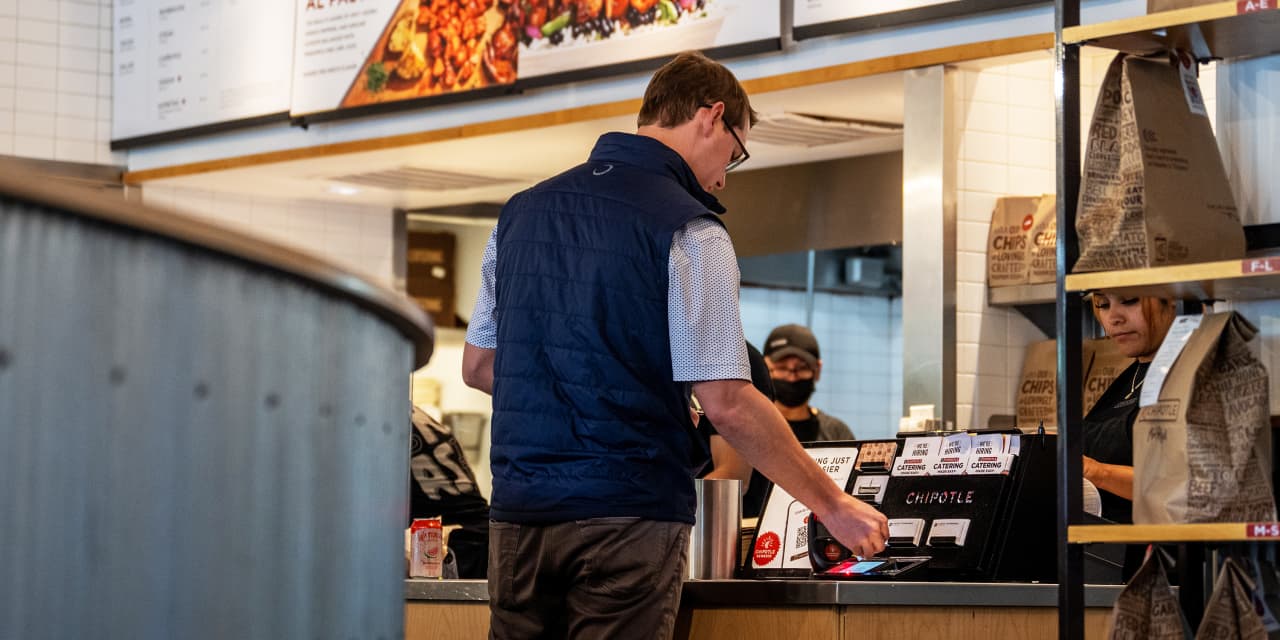
Sweetgreen Launches Chicken Sesame Crunch Salad
- New Product Launch: Sweetgreen introduces the Chicken Sesame Crunch salad, featuring antibiotic-free roasted chicken, fresh vegetables, and crispy noodles, delivering over 35 grams of protein, aimed at attracting health-conscious consumers and enhancing brand image.
- Spring Campaign Kickoff: The salad's launch marks the beginning of Sweetgreen's 'Spread the Sunshine' campaign, designed to draw customers in with bright citrus flavors and a positive spring vibe, thereby increasing brand awareness.
- Limited-Time Promotions: Sweetgreen will host 'Spread the Sunshine' activations at select NYC locations on March 24-25, where customers can receive a free Chicken Sesame Crunch from 12-3 PM, enhancing customer engagement and brand loyalty.
- Nationwide Rollout: The Chicken Sesame Crunch salad will be available nationwide starting March 24, with ordering options through the Sweetgreen app or online, expected to drive sales growth and strengthen market competitiveness.
See More

Restaurant Stocks Face Inflation and Economic Volatility Challenges


- Industry Decline: The S&P 500 Hotels, Restaurants, and Leisure sector is down approximately 4% in 2026, while the broader benchmark index has fallen 1.8%, indicating the restaurant industry's struggles amid inflation and uneven economic growth.
- Fast-Food Chains Struggling: DoorDash's stock has plummeted over 27%, Chipotle is down nearly 12%, and Wendy's has lost 15% year-to-date, reflecting shifts in consumer spending habits and the impact of GLP-1 drugs on dining out.
- Impact of GLP-1 Drugs: Research indicates that households with GLP-1 users experienced an 8% short-term decline in food-away-from-home spending, which could significantly affect sales at quick-service and fast-casual restaurants, particularly among lower-income consumers.
- Labor Market Volatility: The unemployment rate rose slightly to 4.4% in February, correlating with weak restaurant demand, as fast-casual and quick-service restaurants reported stagnant or declining same-store sales, highlighting the sensitivity of younger consumers to labor market changes.
See More
Sweetgreen Stock Plummets 90% Amidst Competitive Pressures
- Performance Decline: Sweetgreen's same-store sales growth plummeted by 11.5% last quarter, resulting in a net loss of $49.7 million compared to $29 million a year earlier, highlighting the company's vulnerability in a competitive market.
- Pricing Pressure: Facing customer attrition due to aggressive pricing from competitors, management is responding by cutting costs, revamping operations, and introducing a Sweetgreen wrap priced around $10 to attract price-sensitive customers.
- Future Outlook: Although management anticipates same-store sales growth to remain negative at -4% to -2% in 2026, the introduction of new products may entice customers back, and plans to open 15 new locations in 2026 indicate potential for expansion.
- Investment Risks: While Sweetgreen's price-to-sales ratio is just below 1, suggesting the stock may be undervalued, intense pricing competition and the risk of management failing to reverse declining sales growth warrant caution for investors, recommending to avoid purchasing the stock at this time.
See More

Sweetgreen Faces Sales Decline Amid Pricing Wars
- Disappointing Sales Performance: Sweetgreen's same-store sales plummeted by 11.5% in 2025, resulting in a net loss of $49.7 million compared to a $29 million loss a year earlier, highlighting the company's vulnerability in a competitive market.
- Operational Revamp Plans: Management recognizes that high prices are driving customers away, and is responding by cutting corporate costs, revamping store operations, and enhancing the customer rewards program, while introducing a Sweetgreen wrap priced around $10 to attract price-sensitive customers.
- Bleak Future Outlook: Despite excitement around new product offerings, management expects same-store sales to decline by 4% to 2% in 2026, which would again fall below inflation, reflecting the challenges in regaining customer confidence.
- Intensifying Market Competition: The pricing wars in the restaurant industry are exacerbated by McDonald's introduction of new menu items priced at $3 and $4, increasing pressure on Sweetgreen; while its stock appears cheap based on price-to-sales ratio, significant risks remain for investors if management fails to reverse the sales decline.
See More
Sweetgreen Faces 90% Stock Decline Amid Challenges

- Significant Sales Decline: Sweetgreen's same-store sales fell by 11.5% last quarter, leading to a net loss of $49.7 million compared to a $29 million loss a year earlier, highlighting the company's vulnerability in a competitive restaurant market amid high inflation.
- Cost-Cutting Measures: In response to customer attrition and perceived high prices, management is cutting corporate costs, revamping store operations, and introducing a lower-priced Sweetgreen wrap to attract price-sensitive customers, aiming to improve sales performance.
- Bleak Future Outlook: Despite management's expectation of a continued same-store sales decline of 4% to 2% by 2026, below inflation, the introduction of new products may entice customers back; however, ongoing pricing competition poses a significant risk.
- Expansion Potential: With only 281 locations in the U.S., Sweetgreen plans to open 15 new stores in 2026, and while the stock appears cheap based on its price-to-sales ratio, failure to resolve profitability issues could lead investors to view current investments as misguided in hindsight.
See More
Sweetgreen and Bitdeer Options Trading Volume Surge
- Sweetgreen Options Volume: Sweetgreen Inc saw options trading volume of 41,201 contracts, equivalent to approximately 4.1 million shares, exceeding 105.4% of its average daily trading volume of 3.9 million shares over the past month, indicating strong market interest in its future performance.
- High-Frequency Trading Analysis: Notably, the $10 strike call option has seen a trading volume of 20,001 contracts today, representing about 2.0 million shares, suggesting investor confidence in Sweetgreen's potential upside.
- Bitdeer Options Dynamics: Bitdeer Technologies Group recorded an options trading volume of 77,128 contracts, approximately 7.7 million shares, which is 98.4% of its average daily trading volume of 7.8 million shares over the past month, reflecting strong market interest in its stock.
- Key Strike Price Observation: For Bitdeer, the $12.50 strike call option has traded 23,690 contracts, equivalent to about 2.4 million shares, indicating optimistic expectations from investors regarding its future performance.
See More
Sweetgreen Launches Chicken Sesame Crunch Salad
- New Product Launch: Sweetgreen introduces the Chicken Sesame Crunch salad, featuring antibiotic-free roasted chicken, fresh vegetables, and crispy noodles, delivering over 35 grams of protein, aimed at attracting health-conscious consumers and enhancing brand image.
- Spring Campaign Kickoff: The salad's launch marks the beginning of Sweetgreen's 'Spread the Sunshine' campaign, designed to draw customers in with bright citrus flavors and a positive spring vibe, thereby increasing brand awareness.
- Limited-Time Promotions: Sweetgreen will host 'Spread the Sunshine' activations at select NYC locations on March 24-25, where customers can receive a free Chicken Sesame Crunch from 12-3 PM, enhancing customer engagement and brand loyalty.
- Nationwide Rollout: The Chicken Sesame Crunch salad will be available nationwide starting March 24, with ordering options through the Sweetgreen app or online, expected to drive sales growth and strengthen market competitiveness.
See More
Restaurant Stocks Face Inflation and Economic Volatility Challenges
- Industry Decline: The S&P 500 Hotels, Restaurants, and Leisure sector is down approximately 4% in 2026, while the broader benchmark index has fallen 1.8%, indicating the restaurant industry's struggles amid inflation and uneven economic growth.
- Fast-Food Chains Struggling: DoorDash's stock has plummeted over 27%, Chipotle is down nearly 12%, and Wendy's has lost 15% year-to-date, reflecting shifts in consumer spending habits and the impact of GLP-1 drugs on dining out.
- Impact of GLP-1 Drugs: Research indicates that households with GLP-1 users experienced an 8% short-term decline in food-away-from-home spending, which could significantly affect sales at quick-service and fast-casual restaurants, particularly among lower-income consumers.
- Labor Market Volatility: The unemployment rate rose slightly to 4.4% in February, correlating with weak restaurant demand, as fast-casual and quick-service restaurants reported stagnant or declining same-store sales, highlighting the sensitivity of younger consumers to labor market changes.
See More
Sweetgreen Stock Plummets 90% Amidst Competitive Pressures
- Performance Decline: Sweetgreen's same-store sales growth plummeted by 11.5% last quarter, resulting in a net loss of $49.7 million compared to $29 million a year earlier, highlighting the company's vulnerability in a competitive market.
- Pricing Pressure: Facing customer attrition due to aggressive pricing from competitors, management is responding by cutting costs, revamping operations, and introducing a Sweetgreen wrap priced around $10 to attract price-sensitive customers.
- Future Outlook: Although management anticipates same-store sales growth to remain negative at -4% to -2% in 2026, the introduction of new products may entice customers back, and plans to open 15 new locations in 2026 indicate potential for expansion.
- Investment Risks: While Sweetgreen's price-to-sales ratio is just below 1, suggesting the stock may be undervalued, intense pricing competition and the risk of management failing to reverse declining sales growth warrant caution for investors, recommending to avoid purchasing the stock at this time.
See More
Sweetgreen Faces Sales Decline Amid Pricing Wars
- Disappointing Sales Performance: Sweetgreen's same-store sales plummeted by 11.5% in 2025, resulting in a net loss of $49.7 million compared to a $29 million loss a year earlier, highlighting the company's vulnerability in a competitive market.
- Operational Revamp Plans: Management recognizes that high prices are driving customers away, and is responding by cutting corporate costs, revamping store operations, and enhancing the customer rewards program, while introducing a Sweetgreen wrap priced around $10 to attract price-sensitive customers.
- Bleak Future Outlook: Despite excitement around new product offerings, management expects same-store sales to decline by 4% to 2% in 2026, which would again fall below inflation, reflecting the challenges in regaining customer confidence.
- Intensifying Market Competition: The pricing wars in the restaurant industry are exacerbated by McDonald's introduction of new menu items priced at $3 and $4, increasing pressure on Sweetgreen; while its stock appears cheap based on price-to-sales ratio, significant risks remain for investors if management fails to reverse the sales decline.
See More
Sweetgreen Faces 90% Stock Decline Amid Challenges
- Significant Sales Decline: Sweetgreen's same-store sales fell by 11.5% last quarter, leading to a net loss of $49.7 million compared to a $29 million loss a year earlier, highlighting the company's vulnerability in a competitive restaurant market amid high inflation.
- Cost-Cutting Measures: In response to customer attrition and perceived high prices, management is cutting corporate costs, revamping store operations, and introducing a lower-priced Sweetgreen wrap to attract price-sensitive customers, aiming to improve sales performance.
- Bleak Future Outlook: Despite management's expectation of a continued same-store sales decline of 4% to 2% by 2026, below inflation, the introduction of new products may entice customers back; however, ongoing pricing competition poses a significant risk.
- Expansion Potential: With only 281 locations in the U.S., Sweetgreen plans to open 15 new stores in 2026, and while the stock appears cheap based on its price-to-sales ratio, failure to resolve profitability issues could lead investors to view current investments as misguided in hindsight.
See More