Signs of Recovery in Real Estate Investment


- Investment Reversal Trend: After a period of rapid interest rate hikes, investors are beginning to refocus on non-traded publicly registered REITs, with investments dropping from $33.2 billion in 2022 to an expected $5.7 billion by 2025, indicating signs of market recovery.
- Increase in Fund Inflows: According to Stanger Investment Banking, non-traded REITs raised $593 million from investors in January 2023, up from $467 million in December 2022 and $416 million in November 2022, suggesting a restoration of investor confidence.
- Commercial Property Value Fluctuations: The Green Street Commercial Property Price Index shows that commercial real estate values fell 22% from their peak in April 2022, and while currently in a slow U-shaped recovery, this presents an attractive entry point for investors.
- Asset Allocation Shift: As investors withdraw from private credit funds, more capital is expected to flow into real estate, with Blackstone's BREIT experiencing its best inflows since 2022 in Q1 2023, reflecting a growing interest in real estate assets.
Trade with 70% Backtested Accuracy
Analyst Views on BX

About BX
About the author


Wall Street Earnings Season Faces Major Test

- Earnings Season Significance: Wall Street is set for a packed earnings season featuring key companies like Capital One and Boeing, with investors eager to glean insights into the economic impact of the Iran war from these reports.
- Capital One Performance Focus: Capital One is scheduled to report earnings on Tuesday, with market attention on its consumer health metrics and the progress of its acquisitions of Discover and Brex, particularly amid rising economic uncertainties.
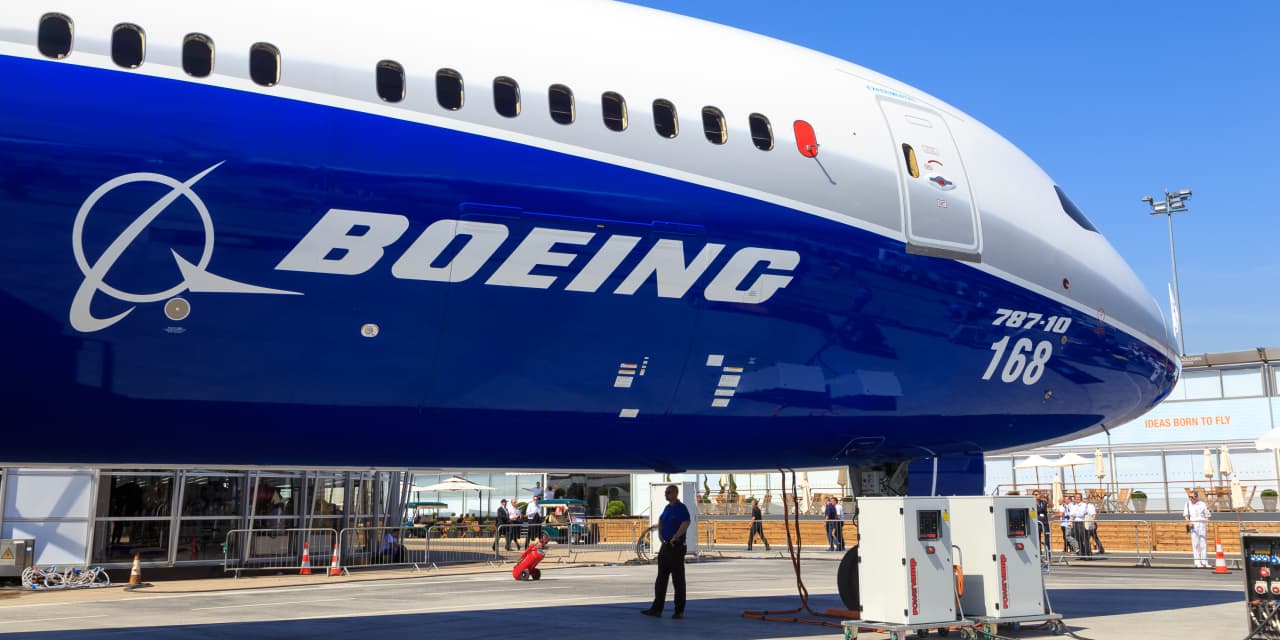
- Boeing Earnings Outlook: Boeing is expected to release its earnings report on Wednesday, with market focus on order volumes in both its commercial and defense sectors, as well as free cash flow performance, especially after previous unexpected losses.
- GE Vernova Order Growth: GE Vernova will report alongside Boeing, with first-quarter new orders anticipated to reach $14.4 billion, reflecting a 65% year-over-year increase, indicating strong market performance amid rising electricity demand.
Jim Cramer Analyzes Market Rally Dynamics

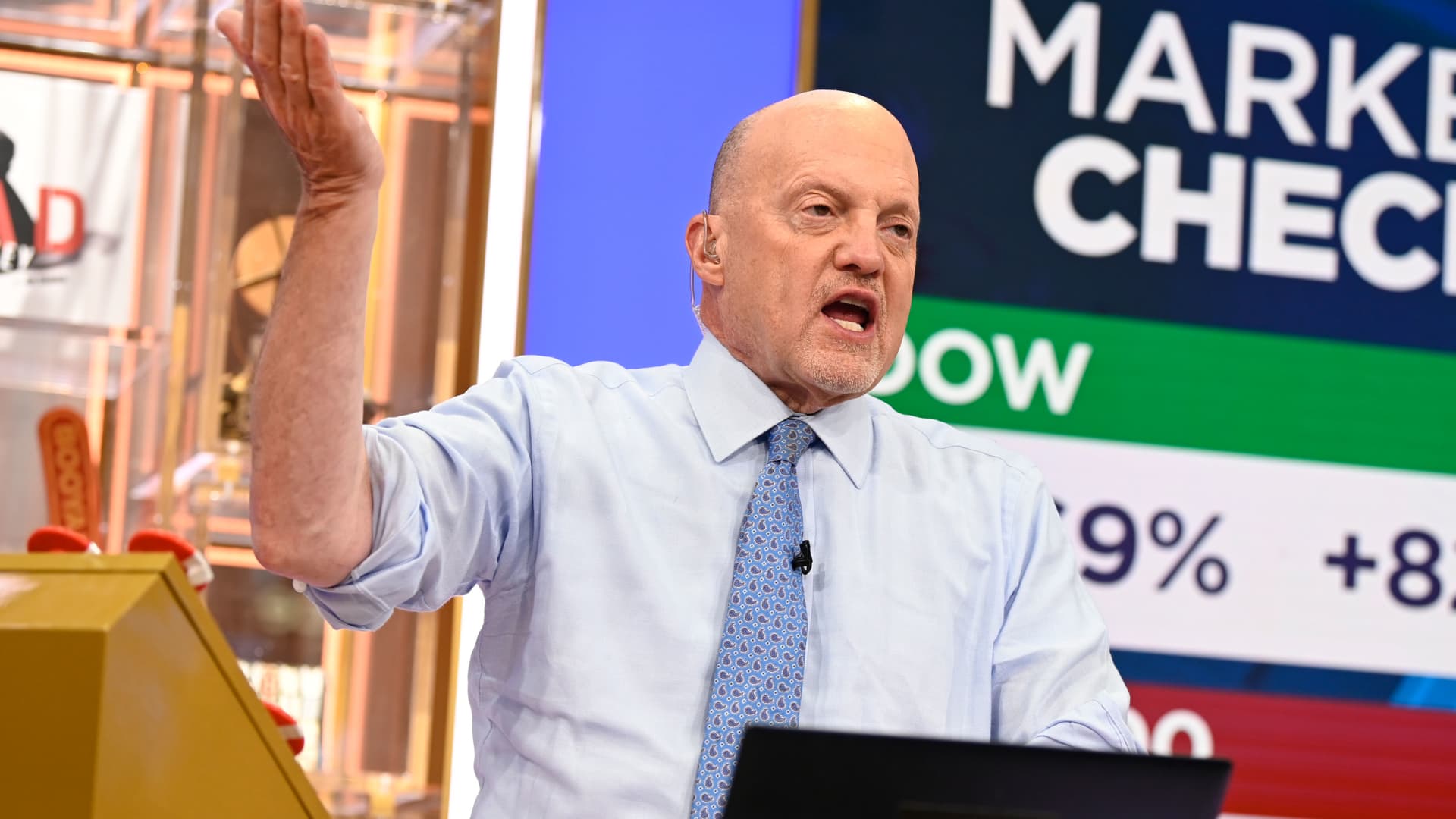
- Remarkable Market Rally: Jim Cramer described this week's market rally as one of the most 'remarkable' he has ever seen, with the S&P 500 rising 1.2% and the Nasdaq gaining 1.5%, reflecting strong market resilience amid easing tensions in the Middle East.
- Key Earnings Week: Cramer highlighted that the upcoming week features several important earnings reports, including Alaska Airlines and Boeing, which are expected to significantly impact market trends, particularly with potential merger activity in the airline sector as the prospect of war ending improves.
- Investor Focus: Cramer specifically noted that Tesla's earnings report will be a focal point for investors, as interest in its autonomy and robotics technologies is growing despite pressures on core auto sales, which could influence stock performance.
- Defensive Investment Strategy: Cramer advised adopting a defensive investment strategy ahead of earnings from American Express and Procter & Gamble, especially given expectations of weak performance, suggesting these stocks remain attractive defensive investment options.
Middle East Calm Fuels Market Rally


- Market Surge: The major indices experienced a significant rally on Friday, with the Dow Jones Industrial Average soaring 869 points, or 1.7%, while the S&P 500 and Nasdaq gained 1.2% and 1.5%, respectively, indicating a robust market rebound and restored investor confidence due to easing tensions in the Middle East.
- Nasdaq Winning Streak: The Nasdaq extended its winning streak to 13 sessions, marking its longest consecutive rise since 1992, which highlights the pivotal role of tech stocks in the market recovery and their ability to attract substantial investor interest.
- Upcoming Earnings Outlook: With the earnings season approaching, companies like Alaska Air, RTX, Boeing, and Tesla are set to be in the spotlight, and Cramer believes their performances could play a crucial role in future market dynamics, especially with the potential revival of merger activities in the airline sector.
- Defensive Investment Strategy: Cramer advises investors to focus on defensive stocks such as Procter & Gamble, which, despite expectations of a weak quarter, is viewed as an attractive and cheaper option in the consumer staples sector, reflecting a strategic response to market uncertainties.
Wall Street Optimism Rises Amid Ceasefire Hopes


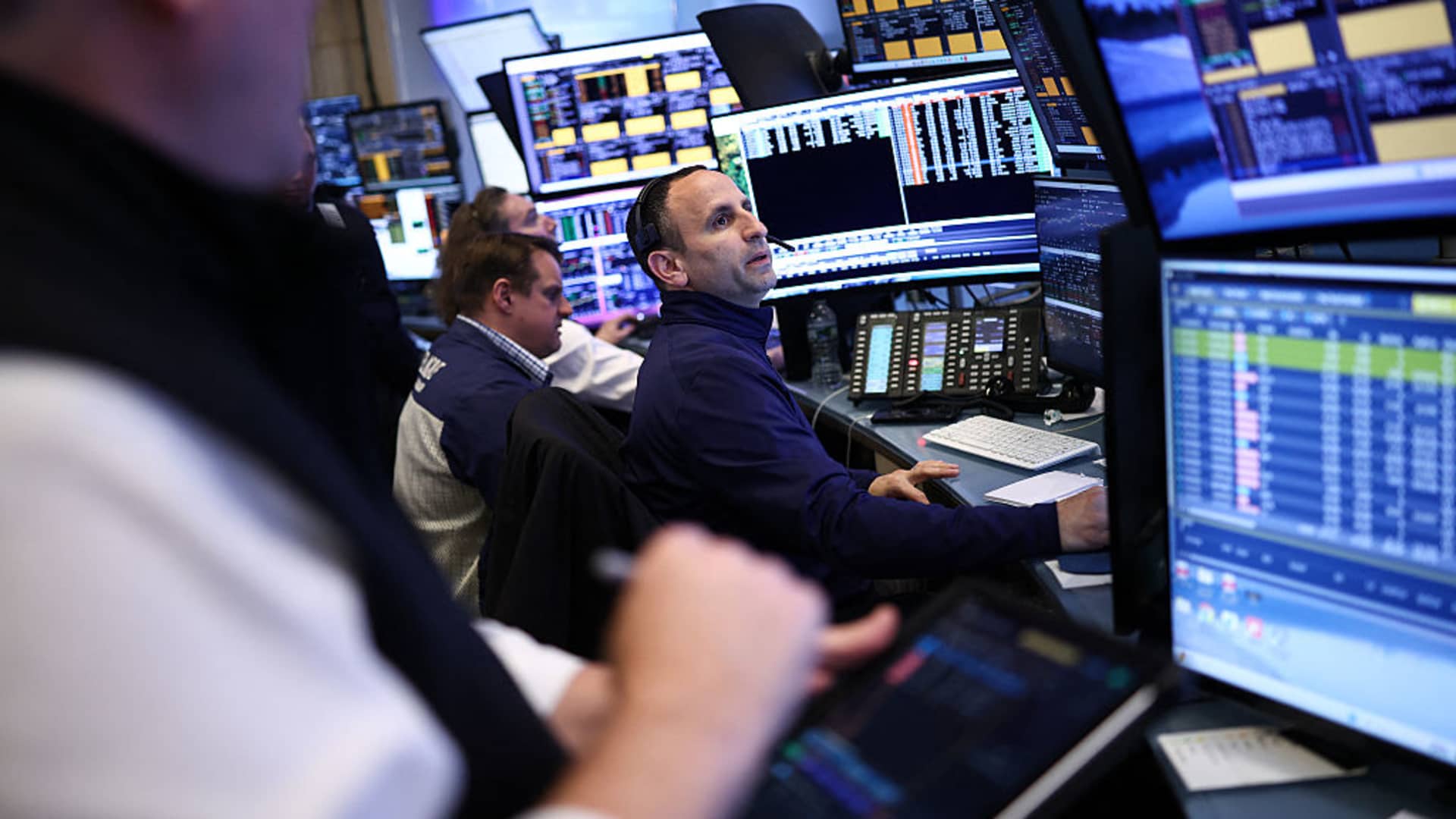
- Market Rebound: The S&P 500 and Nasdaq Composite reached all-time highs this week, with the S&P 500 surpassing 7,100 for the first time, reflecting strong investor confidence in economic recovery and suggesting further upward momentum for equities.
- Earnings Expectations: According to FactSet, the S&P 500 is projected to have a blended growth rate of 12.5% in Q1, with 78% of reporting companies exceeding expectations, providing a positive backdrop for the upcoming earnings season that could further bolster market confidence.
- Oil Price Volatility: While oil prices have fallen to around $80 per barrel, significantly below the $110 peak during the conflict, the market must remain vigilant regarding the potential impacts of U.S.-Iran tensions on global supply chains, particularly concerning the safety of transit through the Strait of Hormuz.
- Technical Fragility: Despite the market's strong short-term performance, analyst Craig Johnson warns that the rapid transition from oversold to overbought conditions masks underlying macroeconomic risks, urging investors to remain cautious and focus on high-quality investment opportunities.
JPMorgan and Barclays Among Firms Providing CDS for Apollo, Ares, and Blackstone Funds - FT


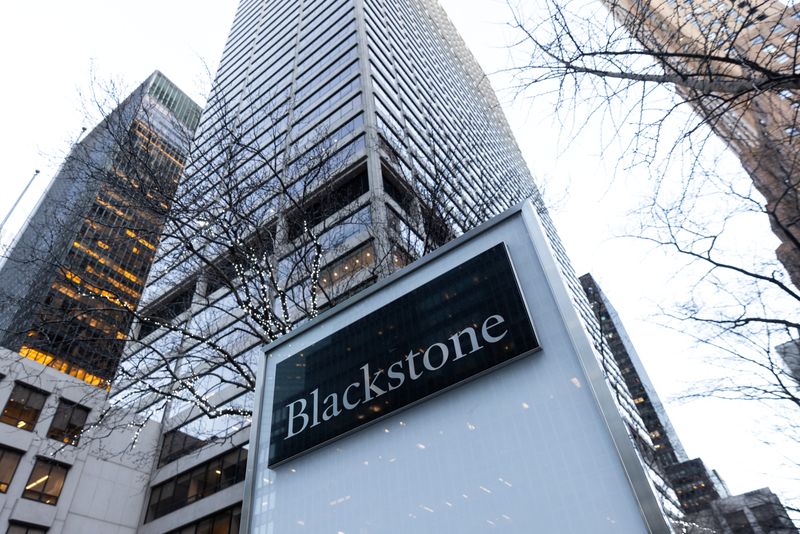
Financial Institutions Involved: JPMorgan and Barclays are among the banks offering certificates of deposit (CDs) on a platform called Apollo, which is associated with Ares and Blackstone funds.
Investment Opportunities: The collaboration aims to provide investors with access to various investment products through the CD offerings, potentially enhancing their portfolio options.
JP Morgan Increases Blackstone's Target Price to $142, Up from $122
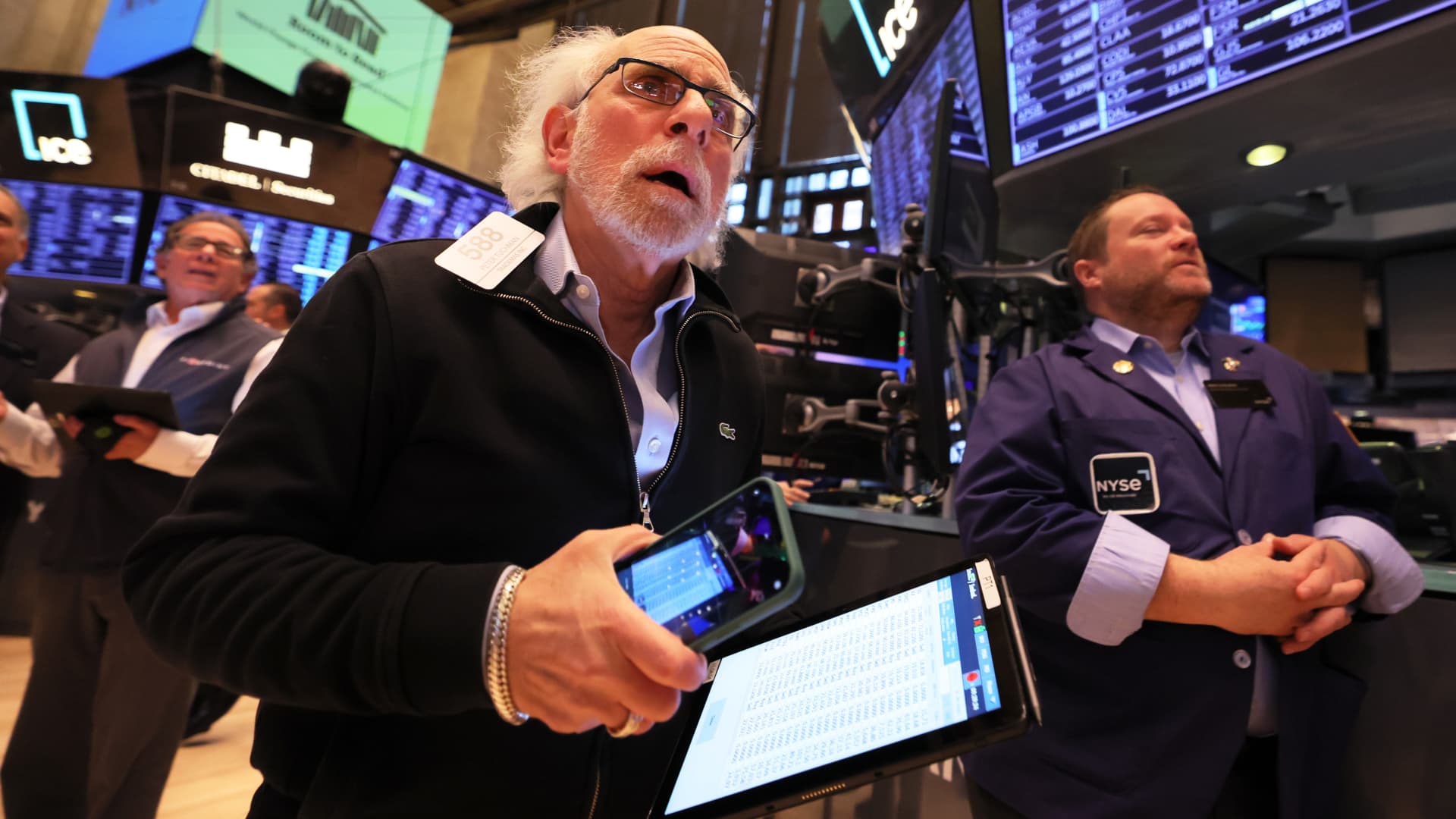
- Company Update: Blackstone has raised the target price for JPMorgan from $122 to $142.
- Market Impact: This adjustment reflects a positive outlook on JPMorgan's performance and potential growth.
Wall Street Earnings Season Faces Major Test
- Earnings Season Significance: Wall Street is set for a packed earnings season featuring key companies like Capital One and Boeing, with investors eager to glean insights into the economic impact of the Iran war from these reports.
- Capital One Performance Focus: Capital One is scheduled to report earnings on Tuesday, with market attention on its consumer health metrics and the progress of its acquisitions of Discover and Brex, particularly amid rising economic uncertainties.
- Boeing Earnings Outlook: Boeing is expected to release its earnings report on Wednesday, with market focus on order volumes in both its commercial and defense sectors, as well as free cash flow performance, especially after previous unexpected losses.
- GE Vernova Order Growth: GE Vernova will report alongside Boeing, with first-quarter new orders anticipated to reach $14.4 billion, reflecting a 65% year-over-year increase, indicating strong market performance amid rising electricity demand.
Jim Cramer Analyzes Market Rally Dynamics
- Remarkable Market Rally: Jim Cramer described this week's market rally as one of the most 'remarkable' he has ever seen, with the S&P 500 rising 1.2% and the Nasdaq gaining 1.5%, reflecting strong market resilience amid easing tensions in the Middle East.
- Key Earnings Week: Cramer highlighted that the upcoming week features several important earnings reports, including Alaska Airlines and Boeing, which are expected to significantly impact market trends, particularly with potential merger activity in the airline sector as the prospect of war ending improves.
- Investor Focus: Cramer specifically noted that Tesla's earnings report will be a focal point for investors, as interest in its autonomy and robotics technologies is growing despite pressures on core auto sales, which could influence stock performance.
- Defensive Investment Strategy: Cramer advised adopting a defensive investment strategy ahead of earnings from American Express and Procter & Gamble, especially given expectations of weak performance, suggesting these stocks remain attractive defensive investment options.
Middle East Calm Fuels Market Rally
- Market Surge: The major indices experienced a significant rally on Friday, with the Dow Jones Industrial Average soaring 869 points, or 1.7%, while the S&P 500 and Nasdaq gained 1.2% and 1.5%, respectively, indicating a robust market rebound and restored investor confidence due to easing tensions in the Middle East.
- Nasdaq Winning Streak: The Nasdaq extended its winning streak to 13 sessions, marking its longest consecutive rise since 1992, which highlights the pivotal role of tech stocks in the market recovery and their ability to attract substantial investor interest.
- Upcoming Earnings Outlook: With the earnings season approaching, companies like Alaska Air, RTX, Boeing, and Tesla are set to be in the spotlight, and Cramer believes their performances could play a crucial role in future market dynamics, especially with the potential revival of merger activities in the airline sector.
- Defensive Investment Strategy: Cramer advises investors to focus on defensive stocks such as Procter & Gamble, which, despite expectations of a weak quarter, is viewed as an attractive and cheaper option in the consumer staples sector, reflecting a strategic response to market uncertainties.
Wall Street Optimism Rises Amid Ceasefire Hopes
- Market Rebound: The S&P 500 and Nasdaq Composite reached all-time highs this week, with the S&P 500 surpassing 7,100 for the first time, reflecting strong investor confidence in economic recovery and suggesting further upward momentum for equities.
- Earnings Expectations: According to FactSet, the S&P 500 is projected to have a blended growth rate of 12.5% in Q1, with 78% of reporting companies exceeding expectations, providing a positive backdrop for the upcoming earnings season that could further bolster market confidence.
- Oil Price Volatility: While oil prices have fallen to around $80 per barrel, significantly below the $110 peak during the conflict, the market must remain vigilant regarding the potential impacts of U.S.-Iran tensions on global supply chains, particularly concerning the safety of transit through the Strait of Hormuz.
- Technical Fragility: Despite the market's strong short-term performance, analyst Craig Johnson warns that the rapid transition from oversold to overbought conditions masks underlying macroeconomic risks, urging investors to remain cautious and focus on high-quality investment opportunities.
JPMorgan and Barclays Among Firms Providing CDS for Apollo, Ares, and Blackstone Funds - FT
Financial Institutions Involved: JPMorgan and Barclays are among the banks offering certificates of deposit (CDs) on a platform called Apollo, which is associated with Ares and Blackstone funds.
Investment Opportunities: The collaboration aims to provide investors with access to various investment products through the CD offerings, potentially enhancing their portfolio options.
JP Morgan Increases Blackstone's Target Price to $142, Up from $122
- Company Update: Blackstone has raised the target price for JPMorgan from $122 to $142.
- Market Impact: This adjustment reflects a positive outlook on JPMorgan's performance and potential growth.