Q4 Earnings Surprise May Provide Trex Stock with a Route to Recovery

Strong Earnings Report: Trex Company Inc. reported strong earnings, exceeding market expectations with a revenue of $161.13 million, which is 11.5% higher than estimates, indicating solid demand for their innovative wood-alternative decking products.
Leadership Change: The company announced the retirement of President and CEO Bryan Fairbanks, effective April 28, with Adam D. Zambanni set to replace him, which has raised investor confidence despite potential concerns over leadership transitions.
Future Growth Prospects: Trex's management remains optimistic about future growth, projecting revenues between $1.185 billion and $1.230 billion for 2026, driven by ongoing product innovation and a strong pipeline of new products.
Market Position and Consumer Demand: Trex's stock trades below its consensus price target, and analysts suggest that growth in consumer confidence and spending on outdoor living projects could positively impact the company's performance in the second half of the year.
Trade with 70% Backtested Accuracy
Analyst Views on HD

About HD
About the author


California's Antitrust Case Against Amazon Unveils New Evidence


- New Evidence in Antitrust Case: California's Attorney General released documents revealing internal communications between Amazon and major vendors, indicating alleged coercion to raise prices at rival retailers like Walmart and Target, thereby stifling competition and impacting consumer pricing.
- Price Manipulation Allegations: Amazon is accused of pressuring brands such as Levi Strauss and Hanes to inflate prices on competing platforms, resulting in higher costs for consumers across multiple sites and further entrenching its dominant market position.
- Legal Action Request: The Attorney General's office has requested the court to prohibit Amazon from continuing these alleged price-fixing practices and to appoint an independent monitor to ensure compliance, reflecting serious concerns over Amazon's market behavior.
- Market Share Impact: With Amazon controlling up to 50% of the U.S. e-commerce market, its pricing strategies are seen as a primary factor driving up prices for competitors, potentially leading to significant implications for future market dynamics and consumer choices.
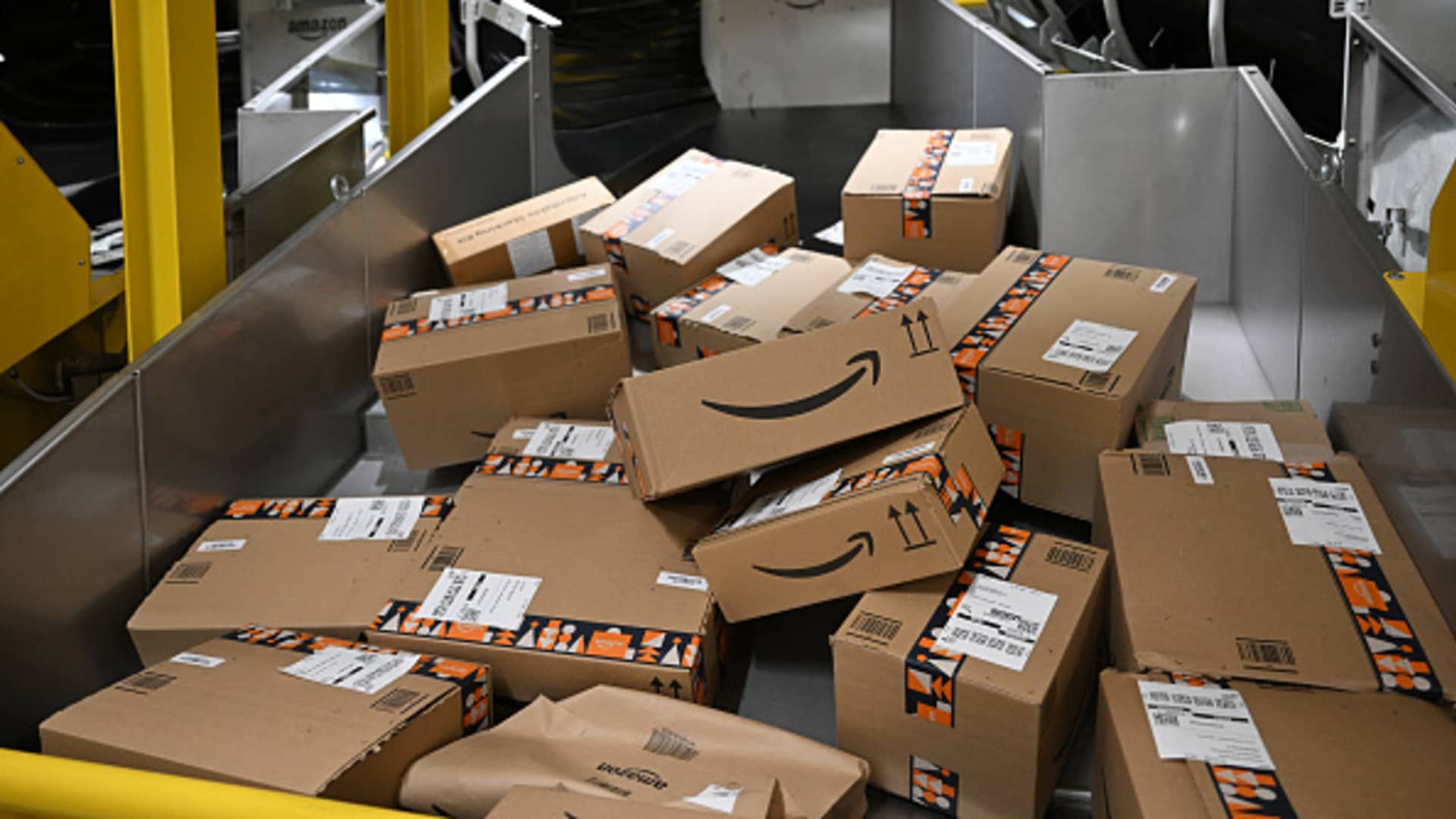
Amazon Accused of Price Fixing in Antitrust Case
- Price Fixing Allegations: California Attorney General accuses Amazon of pressuring major brands like Levi Strauss and Hanes to inflate prices on competing platforms, resulting in higher costs for consumers and highlighting Amazon's dominant position in the e-commerce market.
- Antitrust Lawsuit Developments: Newly unsealed documents reveal communications between Amazon and Hanes, where Hanes confirmed reaching out to Target and Walmart to raise prices, indicating Amazon's pressure tactics to maintain profit margins in a competitive landscape.
- Market Share Impact: With Amazon controlling approximately 50% of the U.S. e-commerce market, the Attorney General asserts that such practices not only harm competition but also lead to increased consumer prices, reflecting Amazon's stronghold in the industry.
- Expected Legal Consequences: The Attorney General has requested the court to prohibit Amazon from continuing these alleged price-fixing practices during the lawsuit and to appoint an independent monitor for compliance, with the case set to go to trial in 2027, potentially impacting Amazon's operational model significantly.
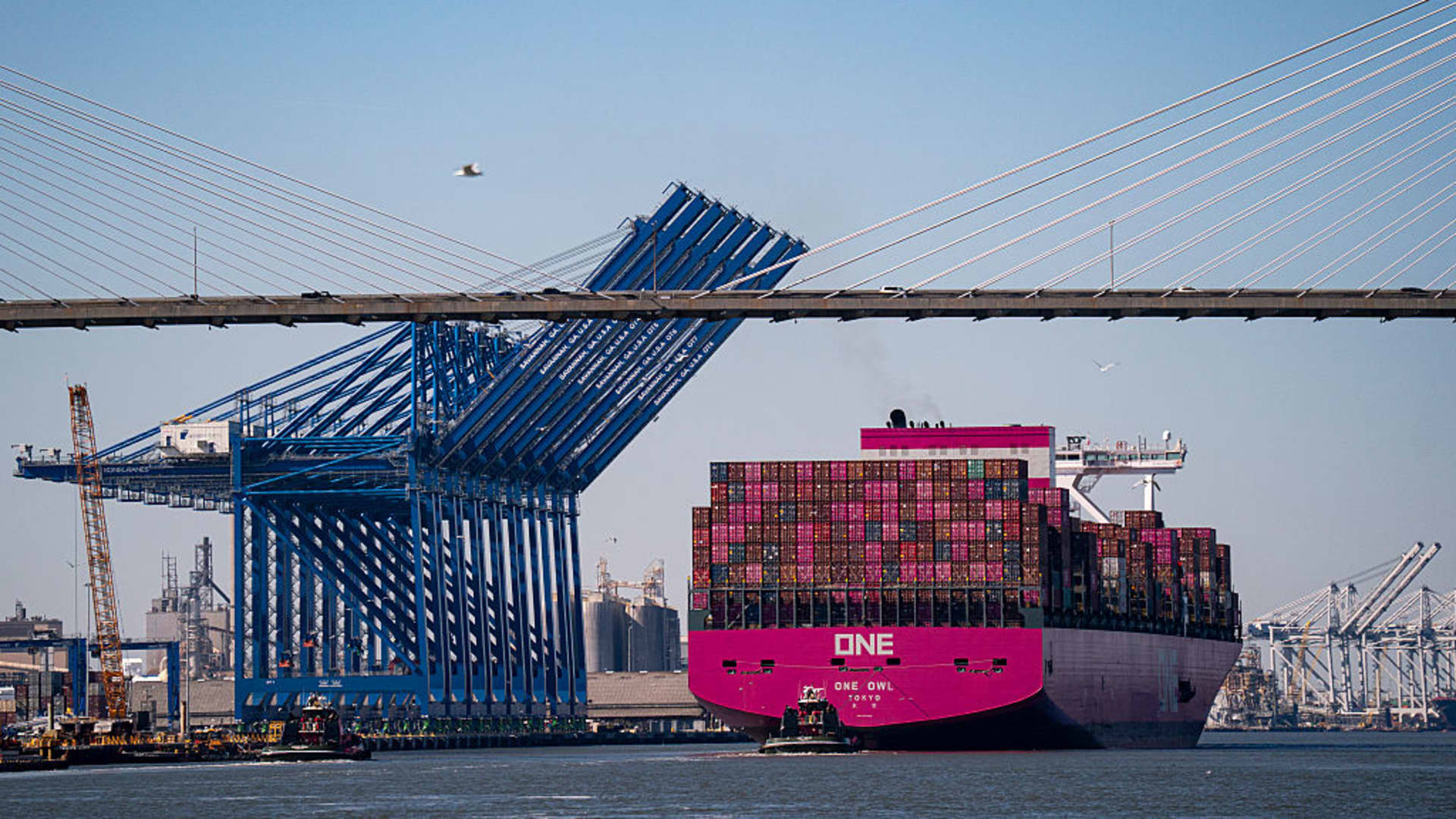
U.S. Importers Set to Claim $160 Billion in Tariff Refunds


- Total Tariff Refunds: U.S. importers, including Walmart and Target, are set to claim over $160 billion in tariff refunds following a Supreme Court ruling, although the refund process may encounter complex legal and bureaucratic hurdles.
- Claims Filing System Launch: The U.S. Customs and Border Protection will launch the CAPE claims filing portal on Monday, allowing importers to submit claims for refunds on tariffs imposed under the now-invalidated Trump administration authority, which is expected to streamline the refund process but still requires multiple validations.
- Retailer Refund Expectations: Analysts project Walmart will receive $10.2 billion in refunds, Target $2.2 billion, and Nike $1 billion, with these refunds potentially reflecting positively on future financial reports by improving profits and cash flow.
- Legal Risk Warning: While refunds could provide short-term financial benefits, trade lawyers caution that companies may face legal risks as many have passed tariff costs onto consumers, potentially leading to lawsuits from customers.

California Sues Amazon for Alleged Price Fixing
- Price Fixing Allegations: California Attorney General Rob Bonta alleges that Amazon colluded with merchants like Levi Strauss to pressure competitors such as Walmart and Home Depot to raise prices, indicating Amazon's manipulative behavior in the market.
- Lawsuit Details Unveiled: In a 3.5-year antitrust lawsuit, numerous instances of alleged price-fixing were disclosed, including interventions on khaki pants, fertilizers, and pet food prices, demonstrating Amazon's tactics to maintain its market dominance through price manipulation.
- Profit Recovery Demands: Bonta's lawsuit seeks not only to halt Amazon's alleged price-fixing but also to recover what he termed
U.S. Corporate Borrowing Sees Significant Increase


- Corporate Borrowing Surge: U.S. banks reported a sharp increase in corporate borrowing last week, indicating resilience in parts of the economy despite inflationary pressures and fears of a slowdown, showcasing the ongoing demand for working capital.
- Strong Commercial Loan Growth: Bank of America reported over 12% growth in commercial loans, while Wells Fargo's commercial loans surged by 16.4%, highlighting companies' strategies to secure cheaper financing amid uncertain policy conditions.
- Stable Consumer Borrowing: While some banks reported flat or declining consumer loans, overall consumer borrowing balances grew steadily, reflecting resilience in consumer spending, particularly driven by wealthier households.
- Cautious Economic Outlook: Economists caution that prolonged war and persistent inflation could weigh on borrowing, although current financial health of businesses and consumers remains strong, with upcoming quarterly reports expected to provide clearer insights into consumer spending trends.

Market Update: Rising Oil Prices and M&A Activity


- Oil Price Surge Amid Tensions: Renewed tensions in the Strait of Hormuz have led to rising oil prices, with the U.S. seizing an Iranian commercial ship attempting to evade a Navy blockade, potentially impacting global oil markets.
- M&A Activity on the Rise: Roofing and construction supplies distributor QXO has agreed to acquire installation firm TopBuild for $17 billion, positioning QXO as a leader in waterproofing and insulation, which is expected to significantly enhance its market share.
- Optimistic Apple Earnings Forecast: Morgan Stanley anticipates Apple will report quarterly earnings per share of $2.02 and revenue of $110.82 billion, exceeding market expectations, with analysts expressing confidence in Apple's supply chain management capabilities and maintaining a $300 price target.
- Airline Industry Hit by Fuel Costs: KLM has canceled over 150 European flights due to soaring jet fuel costs, indicating financial strain on the airline industry, which could negatively affect related companies like Boeing.
California's Antitrust Case Against Amazon Unveils New Evidence
- New Evidence in Antitrust Case: California's Attorney General released documents revealing internal communications between Amazon and major vendors, indicating alleged coercion to raise prices at rival retailers like Walmart and Target, thereby stifling competition and impacting consumer pricing.
- Price Manipulation Allegations: Amazon is accused of pressuring brands such as Levi Strauss and Hanes to inflate prices on competing platforms, resulting in higher costs for consumers across multiple sites and further entrenching its dominant market position.
- Legal Action Request: The Attorney General's office has requested the court to prohibit Amazon from continuing these alleged price-fixing practices and to appoint an independent monitor to ensure compliance, reflecting serious concerns over Amazon's market behavior.
- Market Share Impact: With Amazon controlling up to 50% of the U.S. e-commerce market, its pricing strategies are seen as a primary factor driving up prices for competitors, potentially leading to significant implications for future market dynamics and consumer choices.
Amazon Accused of Price Fixing in Antitrust Case
- Price Fixing Allegations: California Attorney General accuses Amazon of pressuring major brands like Levi Strauss and Hanes to inflate prices on competing platforms, resulting in higher costs for consumers and highlighting Amazon's dominant position in the e-commerce market.
- Antitrust Lawsuit Developments: Newly unsealed documents reveal communications between Amazon and Hanes, where Hanes confirmed reaching out to Target and Walmart to raise prices, indicating Amazon's pressure tactics to maintain profit margins in a competitive landscape.
- Market Share Impact: With Amazon controlling approximately 50% of the U.S. e-commerce market, the Attorney General asserts that such practices not only harm competition but also lead to increased consumer prices, reflecting Amazon's stronghold in the industry.
- Expected Legal Consequences: The Attorney General has requested the court to prohibit Amazon from continuing these alleged price-fixing practices during the lawsuit and to appoint an independent monitor for compliance, with the case set to go to trial in 2027, potentially impacting Amazon's operational model significantly.
U.S. Importers Set to Claim $160 Billion in Tariff Refunds
- Total Tariff Refunds: U.S. importers, including Walmart and Target, are set to claim over $160 billion in tariff refunds following a Supreme Court ruling, although the refund process may encounter complex legal and bureaucratic hurdles.
- Claims Filing System Launch: The U.S. Customs and Border Protection will launch the CAPE claims filing portal on Monday, allowing importers to submit claims for refunds on tariffs imposed under the now-invalidated Trump administration authority, which is expected to streamline the refund process but still requires multiple validations.
- Retailer Refund Expectations: Analysts project Walmart will receive $10.2 billion in refunds, Target $2.2 billion, and Nike $1 billion, with these refunds potentially reflecting positively on future financial reports by improving profits and cash flow.
- Legal Risk Warning: While refunds could provide short-term financial benefits, trade lawyers caution that companies may face legal risks as many have passed tariff costs onto consumers, potentially leading to lawsuits from customers.
California Sues Amazon for Alleged Price Fixing
- Price Fixing Allegations: California Attorney General Rob Bonta alleges that Amazon colluded with merchants like Levi Strauss to pressure competitors such as Walmart and Home Depot to raise prices, indicating Amazon's manipulative behavior in the market.
- Lawsuit Details Unveiled: In a 3.5-year antitrust lawsuit, numerous instances of alleged price-fixing were disclosed, including interventions on khaki pants, fertilizers, and pet food prices, demonstrating Amazon's tactics to maintain its market dominance through price manipulation.
- Profit Recovery Demands: Bonta's lawsuit seeks not only to halt Amazon's alleged price-fixing but also to recover what he termed
U.S. Corporate Borrowing Sees Significant Increase
- Corporate Borrowing Surge: U.S. banks reported a sharp increase in corporate borrowing last week, indicating resilience in parts of the economy despite inflationary pressures and fears of a slowdown, showcasing the ongoing demand for working capital.
- Strong Commercial Loan Growth: Bank of America reported over 12% growth in commercial loans, while Wells Fargo's commercial loans surged by 16.4%, highlighting companies' strategies to secure cheaper financing amid uncertain policy conditions.
- Stable Consumer Borrowing: While some banks reported flat or declining consumer loans, overall consumer borrowing balances grew steadily, reflecting resilience in consumer spending, particularly driven by wealthier households.
- Cautious Economic Outlook: Economists caution that prolonged war and persistent inflation could weigh on borrowing, although current financial health of businesses and consumers remains strong, with upcoming quarterly reports expected to provide clearer insights into consumer spending trends.
Market Update: Rising Oil Prices and M&A Activity
- Oil Price Surge Amid Tensions: Renewed tensions in the Strait of Hormuz have led to rising oil prices, with the U.S. seizing an Iranian commercial ship attempting to evade a Navy blockade, potentially impacting global oil markets.
- M&A Activity on the Rise: Roofing and construction supplies distributor QXO has agreed to acquire installation firm TopBuild for $17 billion, positioning QXO as a leader in waterproofing and insulation, which is expected to significantly enhance its market share.
- Optimistic Apple Earnings Forecast: Morgan Stanley anticipates Apple will report quarterly earnings per share of $2.02 and revenue of $110.82 billion, exceeding market expectations, with analysts expressing confidence in Apple's supply chain management capabilities and maintaining a $300 price target.
- Airline Industry Hit by Fuel Costs: KLM has canceled over 150 European flights due to soaring jet fuel costs, indicating financial strain on the airline industry, which could negatively affect related companies like Boeing.