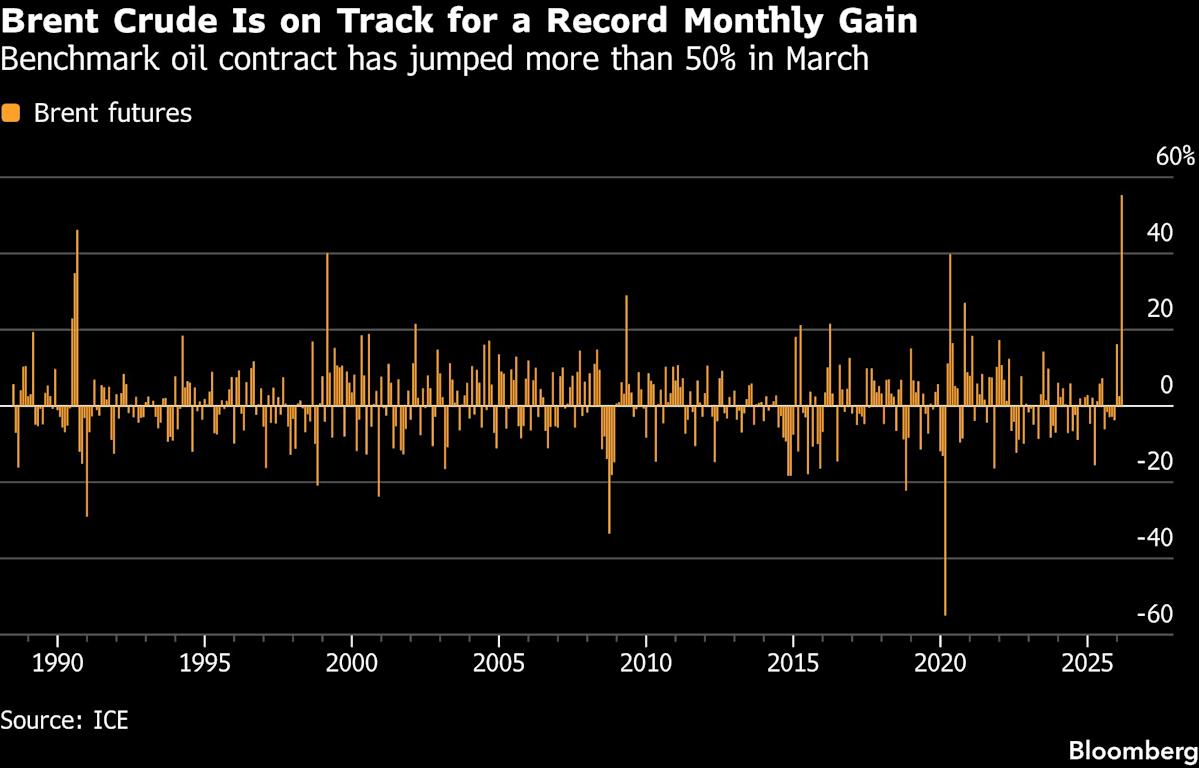
PepsiCo Mitigates Pressures Through Local Sourcing
Written by Emily J. Thompson, Senior Investment Analyst
Updated: Mar 23 2026
0mins
Should l Buy PEP?
Source: seekingalpha
- Local Sourcing Strategy: PepsiCo sources 95% of its ingredients locally, significantly reducing geopolitical and cost pressures, thereby enhancing supply chain resilience and ensuring production stability.
- Hedging Strategy Implementation: The company has implemented hedging strategies for various commodities, which not only helps manage price volatility risks effectively but also enhances overall financial stability and market competitiveness.
- AI Deployment: PepsiCo is deploying artificial intelligence across its operations, particularly in precision agriculture and manufacturing management, which is expected to improve operational efficiency and reduce production costs, thereby driving profit growth.
- Collaboration with Local Growers: The company works closely with local growers, especially for potato supply, which strengthens its upstream supply chain resilience and further solidifies its market position.
Trade with 70% Backtested Accuracy
Stop guessing "Should I Buy PEP?" and start using high-conviction signals backed by rigorous historical data.
Sign up today to access powerful investing tools and make smarter, data-driven decisions.
Analyst Views on PEP
Wall Street analysts forecast PEP stock price to rise
12 Analyst Rating
6 Buy
6 Hold
0 Sell
Moderate Buy
Current: 153.040

Low
144.00
Averages
161.90
High
172.00
Current: 153.040
Low
144.00
Averages
161.90
High
172.00
About PEP
PepsiCo, Inc. is a global beverage and convenient food company. The Company’s segments include PepsiCo Foods North America (PFNA), PepsiCo Beverages North America (PBNA), International Beverages Franchise (IB Franchise), Europe, Middle East and Africa (EMEA), Latin America Foods (LatAm Foods), and Asia Pacific Foods. PFNA segment includes all of its convenient food businesses in the United States and Canada. PBNA segment includes all of its beverage businesses in the United States and Canada. IB Franchise segment includes its international franchise beverage businesses, as well as its SodaStream business. EMEA segment includes its convenient food businesses and beverage businesses with Company-owned bottlers in Europe, the Middle East and Africa. LatAm Foods segment includes all of its convenient food businesses in Latin America. Asia Pacific Foods segment consists of its convenient food businesses in Asia Pacific, including China, Australia and New Zealand, as well as India.
About the author

Emily J. Thompson
Emily J. Thompson, a Chartered Financial Analyst (CFA) with 12 years in investment research, graduated with honors from the Wharton School. Specializing in industrial and technology stocks, she provides in-depth analysis for Intellectia’s earnings and market brief reports.

Consumer Packaged Goods Sector Faces New Challenges


- Increased Market Competition: Analysts at Deutsche Bank highlight that the rise of contract manufacturing and e-commerce allows new brands to enter the market at lower costs, leading to decreased brand loyalty and erosion of existing brands' price premiums and market share, ultimately impacting overall industry profitability.
- Slowing Population Growth: The deceleration of global population growth and aging demographics are viewed as a 'lasting governor' on the long-run organic growth potential of the consumer packaged goods sector, which will pressure industry performance in the future.
- Value-Seeking Consumer Behavior: While higher-income households support premiumization, financial pressures on low-to-middle-income consumers drive them towards value and private label offerings, intensifying market competition.
- Normalization of Supply Chain Volatility: The predictability and efficiency of global supply chains seem to be a thing of the past, as tariffs and trade policies force CPG companies to reassess their global supply chains, increasing revenue risks and affecting consumer confidence.
See More

Vanguard ETFs Shine Amid Market Turbulence

- Safe Haven: The Vanguard Short-Term Inflation-Protected Securities ETF (VTIP) focuses on short-term U.S. Treasury bonds, delivering only a 3.15% return over the past decade, yet it protects capital during market downturns, ensuring investors' purchasing power remains intact against inflation.
- Consumer Staples ETF Outperformance: The Vanguard Consumer Staples ETF (VDC), holding 104 consumer staples stocks, only fell 4% during the 2022 bear market, significantly outperforming the S&P 500's 19% drop and the Nasdaq's 33%, demonstrating its resilience amid economic uncertainty.
- Attractiveness of High-Quality Dividend Stocks: The Vanguard Dividend Appreciation ETF (VIG) tracks the S&P U.S. Dividend Growers Index and currently holds 338 stocks; while it is not immune to market sell-offs, it has historically outperformed the S&P 500 during downturns, with an annual expense ratio of just 0.04%.
- Cost Efficiency Advantage: The Vanguard Consumer Staples ETF boasts an annual expense ratio of 0.09%, significantly lower than the average 0.73% for similar funds, making it a preferred choice for investors seeking cost-effective options during turbulent times.
See More

Investment Havens Amid Market Turmoil
- Valuation Risks: The S&P 500's Shiller CAPE ratio is nearing its highest level since the dot-com bubble burst, indicating that market valuations are high, which necessitates caution from investors regarding potential market corrections.
- Inflation-Protected ETF: The Vanguard Short-Term Inflation-Protected Securities ETF (VTIP) focuses on short-term U.S. Treasury bonds, delivering only a 3.15% return over the past decade, yet effectively safeguards investors' purchasing power during market downturns, with an annual expense ratio of just 0.03%.
- Consumer Staples ETF Performance: The Vanguard Consumer Staples ETF (VDC) holds 104 consumer staples stocks and has historically outperformed the overall market during downturns, finishing 2022 down only 4%, significantly better than the S&P 500's 19% and Nasdaq's 33% declines.
- Dividend Growth ETF: The Vanguard Dividend Appreciation ETF (VIG) tracks the S&P U.S. Dividend Growers Index with 338 stocks, although it carries sell-off risks during market volatility, it has historically outperformed the S&P 500 and has a low annual expense ratio of 0.04%.
See More

Celsius Holdings Shares Drop 21% Amid Market Challenges
- Increased Market Competition: Celsius Holdings' shares have plummeted 21% over the past six trading days, primarily due to Costco's launch of a new energy drink line, although analysts believe the market reaction is overdone as Celsius continues to gain market share.
- Sales Growth Recovery: Following the acquisition of Alani Nu, Celsius has reported revenue growth of 85%, 173%, and 117% over the past three quarters, with a projected 132% increase in the current quarter, indicating strong market demand and brand appeal.
- Profitability Improvement: Celsius has exceeded analyst earnings estimates in the last three quarters, with Q1 actual EPS at $0.47, surpassing expectations by 93%, demonstrating the company's ongoing enhancement in profitability.
- Valuation Attractiveness: Despite Celsius's nearly perfect growth trajectory, its current P/E ratio stands at just 21 times this year's earnings, with a projected 16 times for next year, indicating that its stock remains attractive in the current market environment.
See More

Celsius Shares Drop 20% Amid Market Challenges
- Stock Decline: Celsius has seen its stock price drop over 20% in the last six trading days, currently trading at 16 times next year's projected earnings, indicating market concerns about its future growth prospects.
- Increased Market Competition: Costco's launch of Kirkland Signature energy drinks, while unlikely to have a major direct impact on Celsius, could divert some consumers, particularly in a price-sensitive market environment.
- Sales Growth Slowdown: Following the acquisition of Alani Nu, Celsius achieved revenue growth of 85%, 173%, and 117%, but is expected to see a slowdown to 132% growth in the current quarter, reflecting insufficient market confidence in its sustained growth.
- Attractive Valuation: Despite Celsius's strong growth trajectory, its current P/E ratio stands at 21 times, with a forward P/E of just 16 times projected earnings, indicating that its stock may be relatively cheap and could attract investor interest.
See More

Investment Opportunities in Target, Chevron, and PepsiCo


- Target's Transformation Plan: Newly appointed CEO Michael Fiddelke took over on February 1, outlining a $5 billion investment plan over the next few years to upgrade stores, hire more staff, and enhance AI capabilities, with analysts forecasting a 3% net sales growth in fiscal 2026 despite a 2% sales decline in fiscal 2025.
- Chevron's Robust Dividends: Chevron has increased its dividend for 39 consecutive years, paying $7.12 per share in 2025, yielding 3.3%; although the dividend cost was $12.8 billion, its $16.6 billion in free cash flow ensures the potential for future dividend growth.
- PepsiCo's Brand Revival: PepsiCo reported $93 billion in revenue, growing 2%, with an annual dividend of $5.69 per share yielding 3.8%; the company is cutting costs using AI and closing less productive plants to enhance brand competitiveness.
- Market Environment Impact: Amid heightened geopolitical tensions, consumers are leaning towards essentials, prompting investors to rotate into consumer staples stocks for stable dividend returns, positioning Target, Chevron, and PepsiCo as strong growth and income opportunities in this climate.
See More
Consumer Packaged Goods Sector Faces New Challenges
- Increased Market Competition: Analysts at Deutsche Bank highlight that the rise of contract manufacturing and e-commerce allows new brands to enter the market at lower costs, leading to decreased brand loyalty and erosion of existing brands' price premiums and market share, ultimately impacting overall industry profitability.
- Slowing Population Growth: The deceleration of global population growth and aging demographics are viewed as a 'lasting governor' on the long-run organic growth potential of the consumer packaged goods sector, which will pressure industry performance in the future.
- Value-Seeking Consumer Behavior: While higher-income households support premiumization, financial pressures on low-to-middle-income consumers drive them towards value and private label offerings, intensifying market competition.
- Normalization of Supply Chain Volatility: The predictability and efficiency of global supply chains seem to be a thing of the past, as tariffs and trade policies force CPG companies to reassess their global supply chains, increasing revenue risks and affecting consumer confidence.
See More
Vanguard ETFs Shine Amid Market Turbulence
- Safe Haven: The Vanguard Short-Term Inflation-Protected Securities ETF (VTIP) focuses on short-term U.S. Treasury bonds, delivering only a 3.15% return over the past decade, yet it protects capital during market downturns, ensuring investors' purchasing power remains intact against inflation.
- Consumer Staples ETF Outperformance: The Vanguard Consumer Staples ETF (VDC), holding 104 consumer staples stocks, only fell 4% during the 2022 bear market, significantly outperforming the S&P 500's 19% drop and the Nasdaq's 33%, demonstrating its resilience amid economic uncertainty.
- Attractiveness of High-Quality Dividend Stocks: The Vanguard Dividend Appreciation ETF (VIG) tracks the S&P U.S. Dividend Growers Index and currently holds 338 stocks; while it is not immune to market sell-offs, it has historically outperformed the S&P 500 during downturns, with an annual expense ratio of just 0.04%.
- Cost Efficiency Advantage: The Vanguard Consumer Staples ETF boasts an annual expense ratio of 0.09%, significantly lower than the average 0.73% for similar funds, making it a preferred choice for investors seeking cost-effective options during turbulent times.
See More
Investment Havens Amid Market Turmoil
- Valuation Risks: The S&P 500's Shiller CAPE ratio is nearing its highest level since the dot-com bubble burst, indicating that market valuations are high, which necessitates caution from investors regarding potential market corrections.
- Inflation-Protected ETF: The Vanguard Short-Term Inflation-Protected Securities ETF (VTIP) focuses on short-term U.S. Treasury bonds, delivering only a 3.15% return over the past decade, yet effectively safeguards investors' purchasing power during market downturns, with an annual expense ratio of just 0.03%.
- Consumer Staples ETF Performance: The Vanguard Consumer Staples ETF (VDC) holds 104 consumer staples stocks and has historically outperformed the overall market during downturns, finishing 2022 down only 4%, significantly better than the S&P 500's 19% and Nasdaq's 33% declines.
- Dividend Growth ETF: The Vanguard Dividend Appreciation ETF (VIG) tracks the S&P U.S. Dividend Growers Index with 338 stocks, although it carries sell-off risks during market volatility, it has historically outperformed the S&P 500 and has a low annual expense ratio of 0.04%.
See More
Celsius Holdings Shares Drop 21% Amid Market Challenges
- Increased Market Competition: Celsius Holdings' shares have plummeted 21% over the past six trading days, primarily due to Costco's launch of a new energy drink line, although analysts believe the market reaction is overdone as Celsius continues to gain market share.
- Sales Growth Recovery: Following the acquisition of Alani Nu, Celsius has reported revenue growth of 85%, 173%, and 117% over the past three quarters, with a projected 132% increase in the current quarter, indicating strong market demand and brand appeal.
- Profitability Improvement: Celsius has exceeded analyst earnings estimates in the last three quarters, with Q1 actual EPS at $0.47, surpassing expectations by 93%, demonstrating the company's ongoing enhancement in profitability.
- Valuation Attractiveness: Despite Celsius's nearly perfect growth trajectory, its current P/E ratio stands at just 21 times this year's earnings, with a projected 16 times for next year, indicating that its stock remains attractive in the current market environment.
See More
Celsius Shares Drop 20% Amid Market Challenges
- Stock Decline: Celsius has seen its stock price drop over 20% in the last six trading days, currently trading at 16 times next year's projected earnings, indicating market concerns about its future growth prospects.
- Increased Market Competition: Costco's launch of Kirkland Signature energy drinks, while unlikely to have a major direct impact on Celsius, could divert some consumers, particularly in a price-sensitive market environment.
- Sales Growth Slowdown: Following the acquisition of Alani Nu, Celsius achieved revenue growth of 85%, 173%, and 117%, but is expected to see a slowdown to 132% growth in the current quarter, reflecting insufficient market confidence in its sustained growth.
- Attractive Valuation: Despite Celsius's strong growth trajectory, its current P/E ratio stands at 21 times, with a forward P/E of just 16 times projected earnings, indicating that its stock may be relatively cheap and could attract investor interest.
See More
Investment Opportunities in Target, Chevron, and PepsiCo
- Target's Transformation Plan: Newly appointed CEO Michael Fiddelke took over on February 1, outlining a $5 billion investment plan over the next few years to upgrade stores, hire more staff, and enhance AI capabilities, with analysts forecasting a 3% net sales growth in fiscal 2026 despite a 2% sales decline in fiscal 2025.
- Chevron's Robust Dividends: Chevron has increased its dividend for 39 consecutive years, paying $7.12 per share in 2025, yielding 3.3%; although the dividend cost was $12.8 billion, its $16.6 billion in free cash flow ensures the potential for future dividend growth.
- PepsiCo's Brand Revival: PepsiCo reported $93 billion in revenue, growing 2%, with an annual dividend of $5.69 per share yielding 3.8%; the company is cutting costs using AI and closing less productive plants to enhance brand competitiveness.
- Market Environment Impact: Amid heightened geopolitical tensions, consumers are leaning towards essentials, prompting investors to rotate into consumer staples stocks for stable dividend returns, positioning Target, Chevron, and PepsiCo as strong growth and income opportunities in this climate.
See More