Market Update: Opportunities in Gold and Commodities
Written by Emily J. Thompson, Senior Investment Analyst
Updated: 6 days ago
0mins
Source: CNBC
- Gold Investment Opportunity: DoubleLine CEO Jeffrey Gundlach indicated a favorable opportunity to invest in gold and commodities at current levels, despite gold futures dropping 16% since the war began, reflecting a strong demand for safe-haven assets in the market.
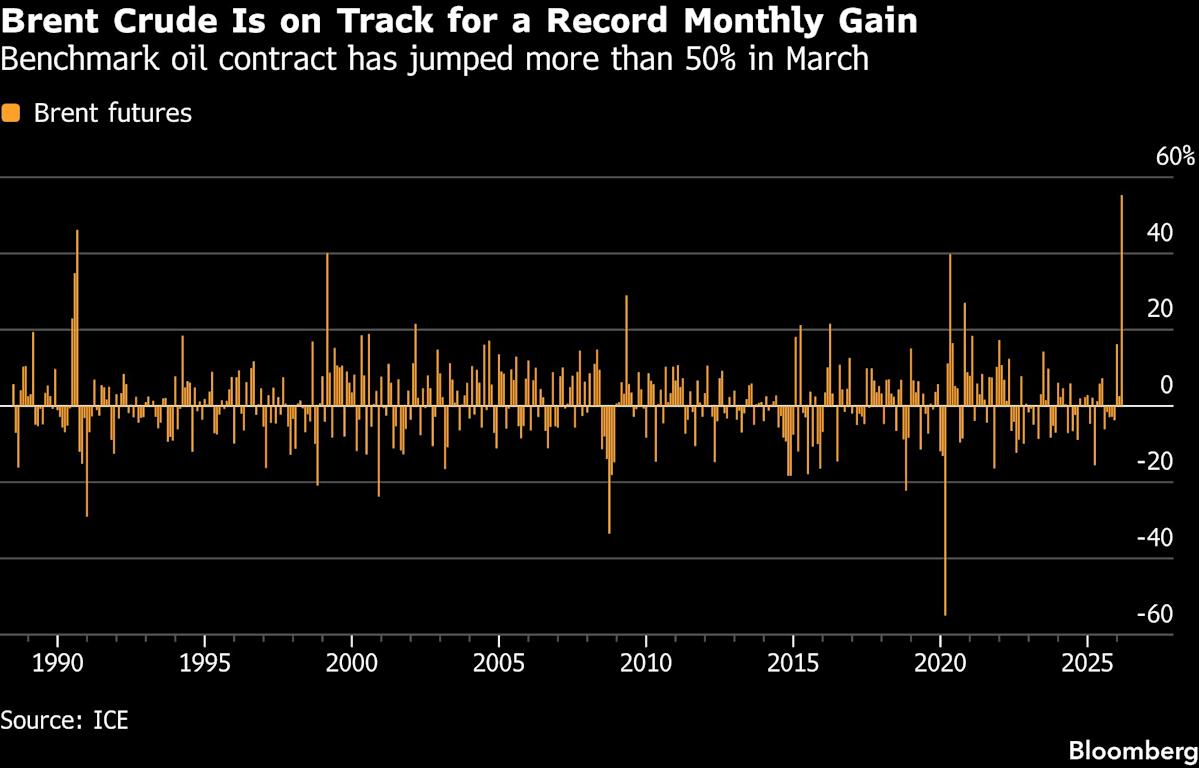
- Commodity Price Fluctuations: In March, West Texas Intermediate crude futures rose 33% and Brent crude futures increased by 38%, indicating robust demand for energy products, which could drive the performance of related stocks.
- Poor Stock Market Performance: The Nasdaq Composite and S&P 500 indices fell by 3% and 4.3% respectively in March, while the Dow Jones dropped about 5.7%, suggesting weakened investor confidence in stocks, prompting a potential shift towards commodities.
- GameStop and KB Home Reports: GameStop shares rose 7.7% over the past three months but are down 35% from May highs; KB Home shares fell 6.4% in the same period, down 22.5% from September highs, highlighting volatility in the retail and real estate sectors.
Trade with 70% Backtested Accuracy
Stop guessing "Should I Buy CVX?" and start using high-conviction signals backed by rigorous historical data.
Sign up today to access powerful investing tools and make smarter, data-driven decisions.
Analyst Views on CVX
Wall Street analysts forecast CVX stock price to fall
19 Analyst Rating
15 Buy
4 Hold
0 Sell
Strong Buy
Current: 211.150

Low
158.00
Averages
176.95
High
206.00
Current: 211.150
Low
158.00
Averages
176.95
High
206.00
About CVX
Chevron Corporation is an integrated energy company. The Company produces crude oil and natural gas; manufactures transportation fuels, lubricants, petrochemicals and additives; and develops technologies that enhance its business and industry. The Company’s segments include Upstream and Downstream. Upstream operations consist primarily of exploring for, developing, producing and transporting crude oil and natural gas; liquefaction, transportation and regasification associated with LNG; transporting crude oil by major international oil export pipelines; processing, transporting, storage and marketing of natural gas; carbon capture and storage; and a gas-to-liquids plant. Downstream operations consist primarily of the refining of crude oil into petroleum products; marketing crude oil, refined products, and lubricants; manufacturing and marketing of renewable fuels, and transporting of crude oil and refined products by pipeline, marine vessel, motor equipment and rail car.
About the author

Emily J. Thompson
Emily J. Thompson, a Chartered Financial Analyst (CFA) with 12 years in investment research, graduated with honors from the Wharton School. Specializing in industrial and technology stocks, she provides in-depth analysis for Intellectia’s earnings and market brief reports.
Libya Signs MOU with Chevron to Boost Oil Exploration

- International Investment Return: Libya's National Oil Corporation signed a memorandum of understanding with Chevron to conduct technical studies on the NC 146 offshore block, signaling the potential return of international investment to Libya's energy sector after years of instability due to two civil wars and the fall of the Gaddafi regime.
- Significant Reserve Potential: NOC Chairman Mesud Suleiman stated that the block holds substantial potential to enhance Libya's national reserves and could yield significant discoveries, thereby driving economic recovery for the nation.
- Confidence Message: Suleiman emphasized that the partnership with Chevron is more than just a technical arrangement; it conveys confidence in Libya's investment environment and indicates that major companies are returning to explore and operate in promising opportunities within the country.
- Rich Oil Resources: Chevron's VP for exploration, Kevin Mclachlan, noted that Libya has significant proven oil reserves and a long history of resource production, providing a solid foundation for future investments.
See More
Markets Misinterpret Fed's Rate Hike Signals Amid Oil Price Surge


- Market Expectation Volatility: Investors have rapidly shifted their expectations regarding U.S. interest rates, with the CME Group's FedWatch tool indicating that futures markets implied over a 50% chance of a rate hike by the end of 2026 on Friday, which fell to about 14% by Monday morning, reflecting an overreaction to rate hike signals.
- Impact of Surging Oil Prices: Global Brent crude prices have surged above $115 per barrel due to the ongoing Iran war, exacerbating inflation concerns and prompting investors to question whether the Fed might tighten monetary policy again despite signs of slowing growth.
- Historical Lessons: Goldman Sachs highlights the cautionary tale of the 1990 oil shock, where markets initially anticipated a hawkish Fed response but ultimately saw rate cuts as economic conditions worsened, suggesting that current market pricing may be misaligned with historical precedents.
- Political Factors at Play: President Trump indicated that an end to the conflict with Iran may be near, although he warned that if a peace deal is not reached soon, the U.S. would attack key Iranian energy infrastructure, which could further influence oil price movements.
See More
Chevron's Wheatstone LNG Facility Faces Extended Production Halt
- Production Resumption Delay: Chevron announced that its Wheatstone liquefied natural gas facility in Western Australia is unlikely to resume full production for several weeks due to damage from last week's tropical cyclone, which poses another setback for the global LNG market.
- Global Supply Impact: The Wheatstone plant accounted for 2.4% of global LNG trade in February, shipping 11 cargoes—10 to Japan and 1 to Thailand—meaning its production halt will significantly disrupt the global supply chain.
- Climate Disaster Effects: The cyclone is estimated to have disrupted Australian LNG supply by over 30 million metric tons per year, and combined with the shocks from the Middle East conflict, over 25% of global LNG supply has been disrupted, exacerbating market tensions.
- Other Facility Recovery Status: While Wheatstone is affected, Chevron's Gorgon facility has returned to full production levels, and Woodside Energy is working to restore normal operations at its North West Shelf facility, indicating ongoing recovery efforts within the industry.
See More

Oil Prices Surge, ExxonMobil and Chevron Poised to Benefit

- Surging Oil Prices: Blocked trade routes in the Strait of Hormuz have pushed WTI crude oil prices near $100 per barrel, creating unprecedented market opportunities for oil companies, particularly ExxonMobil and Chevron, which are uniquely positioned to capitalize on this turbulence.
- ExxonMobil's Integration Advantage: Through vertical integration, ExxonMobil controls the entire supply chain from oil extraction to refining and distribution, ensuring that incremental revenue flows directly to the bottom line during oil price spikes, avoiding profit margin squeezes often faced by traditional exploration companies.
- Chevron's Low-Cost Position: Supported by its low-cost position in the Permian Basin and Guyana assets, Chevron maintains robust profits by leveraging specialized refineries to process its own oil, reducing reliance on expensive raw materials and curtailing volatility in commodity prices.
- Shareholder Value Creation: Both ExxonMobil and Chevron demonstrate the ability to create consistent shareholder value through dividends and buybacks, backed by strong operating cash flow, highlighting their competitive moats and strategic significance in navigating the challenges of the energy market.
See More
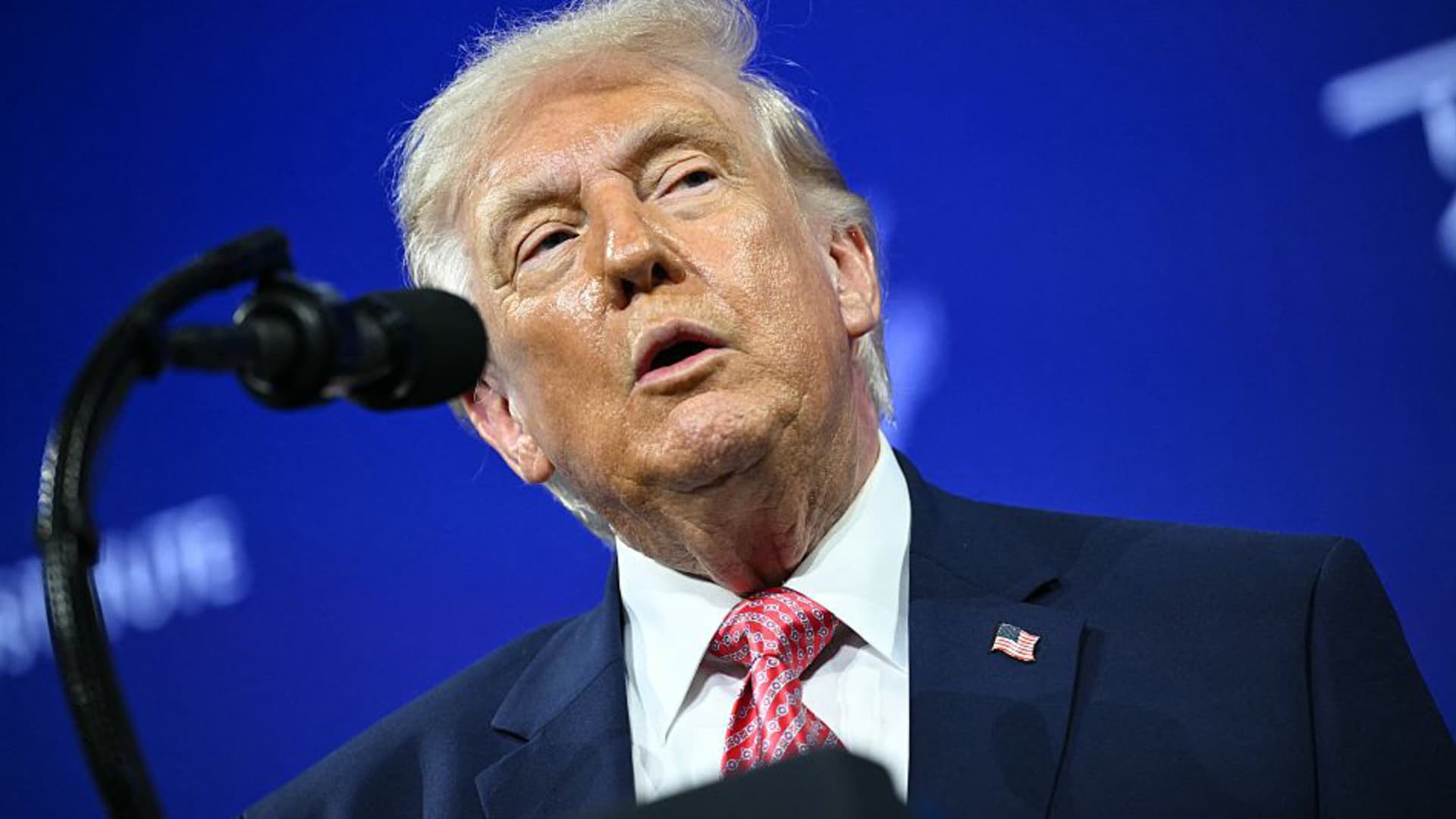
Trump Threatens to Obliterate Iran's Energy Infrastructure

- Escalating Strategic Threats: Trump stated that the U.S. would completely obliterate Iran's electric generating plants, oil wells, and Kharg Island if the Strait of Hormuz is not reopened and a peace deal is not reached, which could escalate regional tensions and impact global energy markets significantly.
- Oil Export Dependency: Kharg Island serves as a critical hub for Iran's oil industry, with approximately 90% of the country's crude exports passing through it and a loading capacity of around 7 million barrels per day; Trump's threats could have substantial implications for global oil prices, especially given the current upward trend.
- Military Action Consideration: The Trump administration is weighing the deployment of ground forces to seize Kharg Island, which would intensify military conflict with Iran and potentially lead to broader regional instability, affecting international relations.
- Iran's Tepid Response: Despite the attention Trump's remarks have garnered, Iran has yet to formally respond, with a Foreign Ministry spokesperson labeling the U.S. 15-point plan as
See More
Stock Futures Rise Amid Oil Price Surge and Market Recovery

- Oil Price Surge: Crude oil prices skyrocketed by 55% in March following Trump's threat to seize Iranian oil, marking the largest monthly gain ever, which pressures the U.S. economy and forces companies to adjust pricing strategies to cope with rising costs.
- Market Recovery Signal: Despite the S&P 500 and Nasdaq Composite experiencing their worst week of 2026, stock futures rose after Trump indicated “great progress” in negotiations with Iran, reflecting investor optimism about market recovery.
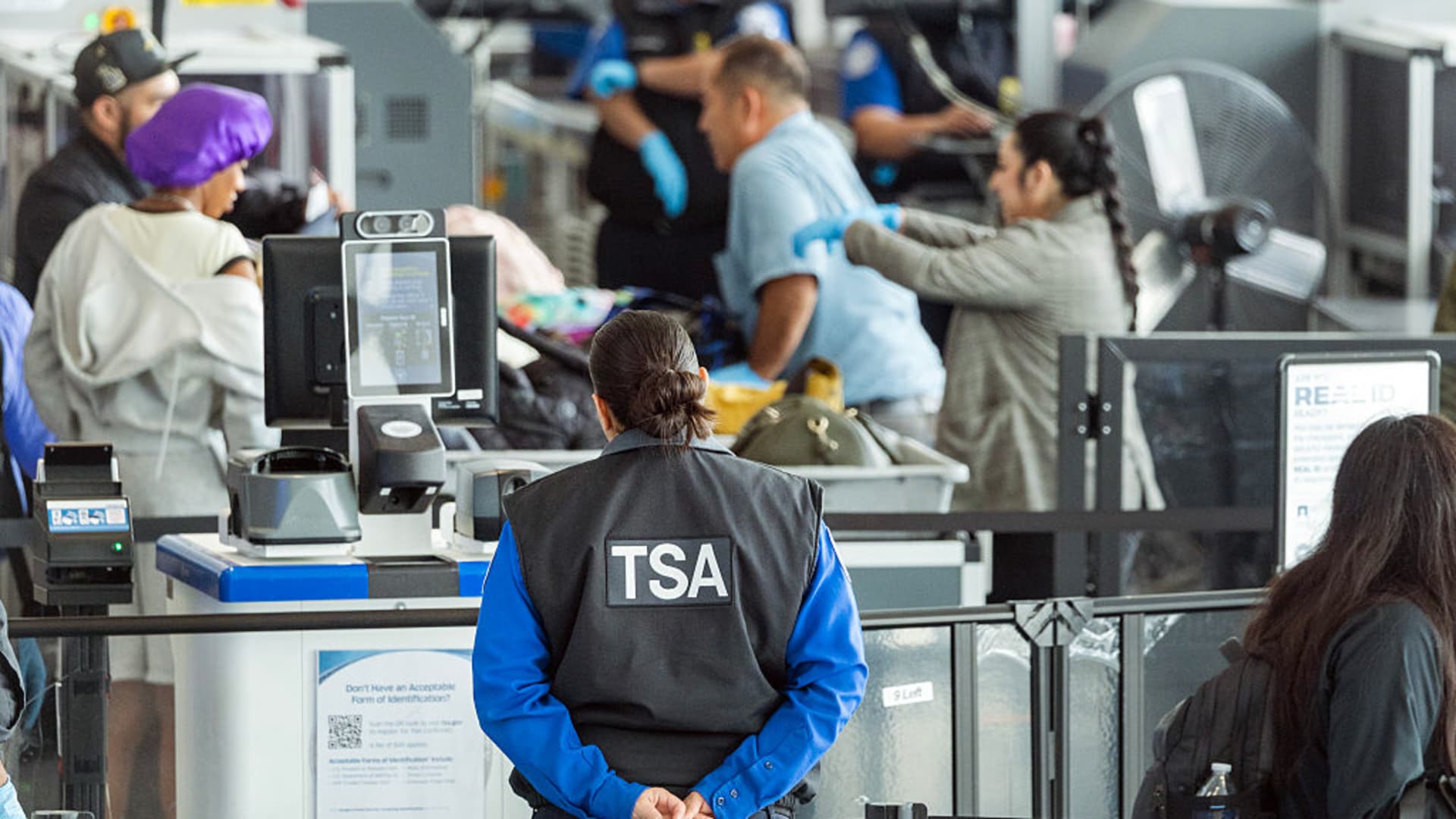
- TSA Employee Pay Restoration: Trump signed an executive order ensuring Transportation Security Administration employees will receive pay after Congress failed to reach a deal to end the government shutdown, alleviating traveler frustrations caused by long security wait times.
- AI Drug Development Partnership: Eli Lilly struck a $2.75 billion deal with Insilico Medicine to bring AI-developed drugs to market, enhancing Lilly's market confidence and potentially accelerating the application of AI in the pharmaceutical industry.
See More
Libya Signs MOU with Chevron to Boost Oil Exploration
- International Investment Return: Libya's National Oil Corporation signed a memorandum of understanding with Chevron to conduct technical studies on the NC 146 offshore block, signaling the potential return of international investment to Libya's energy sector after years of instability due to two civil wars and the fall of the Gaddafi regime.
- Significant Reserve Potential: NOC Chairman Mesud Suleiman stated that the block holds substantial potential to enhance Libya's national reserves and could yield significant discoveries, thereby driving economic recovery for the nation.
- Confidence Message: Suleiman emphasized that the partnership with Chevron is more than just a technical arrangement; it conveys confidence in Libya's investment environment and indicates that major companies are returning to explore and operate in promising opportunities within the country.
- Rich Oil Resources: Chevron's VP for exploration, Kevin Mclachlan, noted that Libya has significant proven oil reserves and a long history of resource production, providing a solid foundation for future investments.
See More
Markets Misinterpret Fed's Rate Hike Signals Amid Oil Price Surge
- Market Expectation Volatility: Investors have rapidly shifted their expectations regarding U.S. interest rates, with the CME Group's FedWatch tool indicating that futures markets implied over a 50% chance of a rate hike by the end of 2026 on Friday, which fell to about 14% by Monday morning, reflecting an overreaction to rate hike signals.
- Impact of Surging Oil Prices: Global Brent crude prices have surged above $115 per barrel due to the ongoing Iran war, exacerbating inflation concerns and prompting investors to question whether the Fed might tighten monetary policy again despite signs of slowing growth.
- Historical Lessons: Goldman Sachs highlights the cautionary tale of the 1990 oil shock, where markets initially anticipated a hawkish Fed response but ultimately saw rate cuts as economic conditions worsened, suggesting that current market pricing may be misaligned with historical precedents.
- Political Factors at Play: President Trump indicated that an end to the conflict with Iran may be near, although he warned that if a peace deal is not reached soon, the U.S. would attack key Iranian energy infrastructure, which could further influence oil price movements.
See More
Chevron's Wheatstone LNG Facility Faces Extended Production Halt
- Production Resumption Delay: Chevron announced that its Wheatstone liquefied natural gas facility in Western Australia is unlikely to resume full production for several weeks due to damage from last week's tropical cyclone, which poses another setback for the global LNG market.
- Global Supply Impact: The Wheatstone plant accounted for 2.4% of global LNG trade in February, shipping 11 cargoes—10 to Japan and 1 to Thailand—meaning its production halt will significantly disrupt the global supply chain.
- Climate Disaster Effects: The cyclone is estimated to have disrupted Australian LNG supply by over 30 million metric tons per year, and combined with the shocks from the Middle East conflict, over 25% of global LNG supply has been disrupted, exacerbating market tensions.
- Other Facility Recovery Status: While Wheatstone is affected, Chevron's Gorgon facility has returned to full production levels, and Woodside Energy is working to restore normal operations at its North West Shelf facility, indicating ongoing recovery efforts within the industry.
See More
Oil Prices Surge, ExxonMobil and Chevron Poised to Benefit
- Surging Oil Prices: Blocked trade routes in the Strait of Hormuz have pushed WTI crude oil prices near $100 per barrel, creating unprecedented market opportunities for oil companies, particularly ExxonMobil and Chevron, which are uniquely positioned to capitalize on this turbulence.
- ExxonMobil's Integration Advantage: Through vertical integration, ExxonMobil controls the entire supply chain from oil extraction to refining and distribution, ensuring that incremental revenue flows directly to the bottom line during oil price spikes, avoiding profit margin squeezes often faced by traditional exploration companies.
- Chevron's Low-Cost Position: Supported by its low-cost position in the Permian Basin and Guyana assets, Chevron maintains robust profits by leveraging specialized refineries to process its own oil, reducing reliance on expensive raw materials and curtailing volatility in commodity prices.
- Shareholder Value Creation: Both ExxonMobil and Chevron demonstrate the ability to create consistent shareholder value through dividends and buybacks, backed by strong operating cash flow, highlighting their competitive moats and strategic significance in navigating the challenges of the energy market.
See More
Trump Threatens to Obliterate Iran's Energy Infrastructure
- Escalating Strategic Threats: Trump stated that the U.S. would completely obliterate Iran's electric generating plants, oil wells, and Kharg Island if the Strait of Hormuz is not reopened and a peace deal is not reached, which could escalate regional tensions and impact global energy markets significantly.
- Oil Export Dependency: Kharg Island serves as a critical hub for Iran's oil industry, with approximately 90% of the country's crude exports passing through it and a loading capacity of around 7 million barrels per day; Trump's threats could have substantial implications for global oil prices, especially given the current upward trend.
- Military Action Consideration: The Trump administration is weighing the deployment of ground forces to seize Kharg Island, which would intensify military conflict with Iran and potentially lead to broader regional instability, affecting international relations.
- Iran's Tepid Response: Despite the attention Trump's remarks have garnered, Iran has yet to formally respond, with a Foreign Ministry spokesperson labeling the U.S. 15-point plan as
See More
Stock Futures Rise Amid Oil Price Surge and Market Recovery
- Oil Price Surge: Crude oil prices skyrocketed by 55% in March following Trump's threat to seize Iranian oil, marking the largest monthly gain ever, which pressures the U.S. economy and forces companies to adjust pricing strategies to cope with rising costs.
- Market Recovery Signal: Despite the S&P 500 and Nasdaq Composite experiencing their worst week of 2026, stock futures rose after Trump indicated “great progress” in negotiations with Iran, reflecting investor optimism about market recovery.
- TSA Employee Pay Restoration: Trump signed an executive order ensuring Transportation Security Administration employees will receive pay after Congress failed to reach a deal to end the government shutdown, alleviating traveler frustrations caused by long security wait times.
- AI Drug Development Partnership: Eli Lilly struck a $2.75 billion deal with Insilico Medicine to bring AI-developed drugs to market, enhancing Lilly's market confidence and potentially accelerating the application of AI in the pharmaceutical industry.
See More