Lululemon Falls 10% Over Three Months: Should Investors Seize the Opportunity or Remain Wary?

Stock Performance: Lululemon's shares have declined by 10% over the past three months, underperforming both the textile-apparel industry and the S&P 500, with significant challenges in the U.S. market impacting demand and margins.
Profitability Challenges: The company faces margin pressures due to rising product costs, increased markdowns, and higher tariffs, leading to downward revisions in earnings estimates for fiscal 2025 and 2026.
Strategic Initiatives: Lululemon is in a transition phase, focusing on product innovation and design acceleration to revive demand, while also investing in digital marketing and store openings to support long-term growth.
Long-Term Outlook: Despite near-term challenges, Lululemon maintains strong brand health and international growth potential, positioning itself for future performance improvements as it strengthens its product creation capabilities.
Trade with 70% Backtested Accuracy
Analyst Views on LULU

About LULU
About the author


Lululemon Faces New Quality Complaints Amid Struggles

- Recurring Quality Issues: Lululemon's 'Heart Scatter' yoga pants have come under fire for being see-through during bending or squatting, following complaints about the 'Get Low' line, indicating ongoing challenges in product quality management.
- Historical Patterns: This marks the third instance of Lululemon facing criticism for transparency issues, as the company previously halted sales of its Luon pants in 2013 due to similar complaints, highlighting persistent failures in quality control.
- Intensifying Market Competition: Amidst fierce competition for relevance with Gen Z and Millennials, Lululemon is grappling with declining brand relevance, compounded by a lack of a CEO and the emergence of an activist investor, resulting in a 57% year-over-year stock price decline.
- Optimistic Financial Outlook: Despite quality concerns, Lululemon anticipates Q4 revenue and earnings at the high end of its previously guided ranges, projecting $3.50B to $3.58B in revenue and $4.66 to $4.76 per share in earnings, providing a glimmer of hope for investors.

Crocs Shares Surge 21% on Strong Earnings Guidance


- Crocs Strong Guidance: Crocs shares surged 21% after the company projected adjusted earnings between $2.67 and $2.77 per share for the current quarter, exceeding the market expectation of $2.52, indicating resilience and growth potential in the current economic climate.
- Restaurant Brands Challenges: Despite reporting revenue and profit beats, Restaurant Brands' shares fell 6%, primarily due to rising costs, including beef, which pressured profits, reflecting the dual challenges of intensified industry competition and cost pressures.
- Cognex Stock Surge: Cognex shares jumped over 37% after reporting adjusted earnings and revenue beats for the fourth quarter, along with optimistic guidance for the current quarter, showcasing significant advancements in AI-enabled industrial machine vision technology.
- Equinix Exceeds Guidance: Equinix shares rose 12% after projecting adjusted EBITDA of $5.141 billion to $5.221 billion by 2026, surpassing analyst expectations, demonstrating strong growth potential in the digital infrastructure sector.
Lululemon Cuts Employee Bonuses Amid Financial Struggles
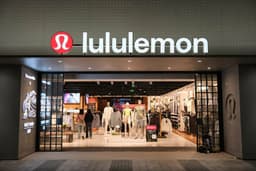
- Bonus Reduction: Lululemon plans to cut employee bonuses, reflecting the company's urgent need to preserve cash after a 'tough year,' with profit growth expectations for 2025 limited to just 1.1% to 2%, leaving little room for generous payouts.
- Stagnant Sales: The company has faced stagnant sales over the past two years due to U.S. import tariffs, market saturation, and shifts in consumer spending, particularly as $100+ yoga pants have become a luxury item, intensifying market competition.
- Competitive Challenges: Lululemon has struggled to compete with emerging brands like Alo, Vuori, and Fabletics, primarily due to its collection lacking the variety in colors and sizes that consumers find elsewhere, exacerbating its sales difficulties.
- Stock Decline: Lululemon's shares fell another 1.6% on Wednesday, contributing to a year-over-year loss of 55%, indicating market pessimism regarding its recovery prospects, despite early signs of potential turnaround efforts.

Eddie Bauer Files for Voluntary Chapter 11 Bankruptcy Protection Amid Operational Pressures


- Bankruptcy Filing: Eddie Bauer LLC announced on Monday that it has filed for voluntary Chapter 11 bankruptcy protection, primarily due to tariff uncertainty and mounting operational pressures, highlighting the severe financial challenges the company faces.
- Restructuring Agreement: The company has entered into a Restructuring Support Agreement with its secured lenders and commenced voluntary bankruptcy proceedings in the U.S. Bankruptcy Court for the District of New Jersey, aiming to maintain operations and seek a buyer through restructuring.
- Retail Operations Continuity: Despite entering bankruptcy, Eddie Bauer's stores in the U.S. and Canada will remain open for liquidation sales, maximizing asset value while searching for a going-concern buyer, indicating a strategic approach to asset management during financial distress.
- E-commerce Business Stability: Eddie Bauer's e-commerce and wholesale operations, which transitioned to Outdoor 5, LLC in January, remain unaffected by the bankruptcy process, suggesting that the company has managed to stabilize part of its business during this transition.
Michael Burry Sees Acquisition Potential in Lululemon
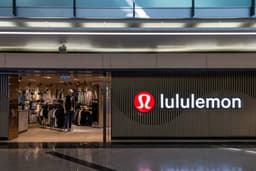
- Investor Interest: Renowned investor Michael Burry labeled Lululemon (LULU) as a “tempting” acquisition candidate, indicating a growing interest in the company for private equity buyouts, which may attract more investor attention.
- Increased Holdings: Burry initiated a 50,000 share position in Lululemon through Scion Management in Q2 2025 and doubled it to 100,000 shares in Q3, raising its portfolio weight to approximately 2%, reflecting his confidence in the company.
- Strong Financials: At the end of Q3, Lululemon held $1 billion in cash and cash equivalents, with the capacity to borrow an additional $593 million under its revolving credit facility, indicating robust financial health and the ability to navigate market fluctuations.
- Stock Price Volatility: Despite a 42% decline in Lululemon's stock price over recent months, shares rose 3% on Monday, suggesting a potential reassessment of the company's future prospects, which may present buying opportunities for investors.

Nike and Lululemon Struggle Amid Consumer Spending Challenges

- Stock Performance Comparison: Nike's stock has dropped about 63% from its previous highs, with a 13% decline over the past 12 months, while Lululemon has seen a 50% drop, indicating Nike's relative resilience amid market volatility.
- Revenue Pressure Analysis: Both companies face revenue pressures from tariffs and soft demand, with Nike reporting a 16% year-over-year sales decline in Greater China, while Lululemon achieved a 7% revenue increase in the last quarter, showcasing its stronger recovery potential.
- Inventory Management Advantage: Lululemon successfully sold excess inventory during the holiday season, positioning itself with leaner inventory ahead of the spring product refresh, which could help tighten margins by avoiding promotional sales pressure.
- Valuation Comparison: Lululemon's forward price-to-earnings ratio is around 15, significantly lower than Nike's 42, indicating that Lululemon shares are perceived as better value in the current market environment.
Lululemon Faces New Quality Complaints Amid Struggles
- Recurring Quality Issues: Lululemon's 'Heart Scatter' yoga pants have come under fire for being see-through during bending or squatting, following complaints about the 'Get Low' line, indicating ongoing challenges in product quality management.
- Historical Patterns: This marks the third instance of Lululemon facing criticism for transparency issues, as the company previously halted sales of its Luon pants in 2013 due to similar complaints, highlighting persistent failures in quality control.
- Intensifying Market Competition: Amidst fierce competition for relevance with Gen Z and Millennials, Lululemon is grappling with declining brand relevance, compounded by a lack of a CEO and the emergence of an activist investor, resulting in a 57% year-over-year stock price decline.
- Optimistic Financial Outlook: Despite quality concerns, Lululemon anticipates Q4 revenue and earnings at the high end of its previously guided ranges, projecting $3.50B to $3.58B in revenue and $4.66 to $4.76 per share in earnings, providing a glimmer of hope for investors.
Crocs Shares Surge 21% on Strong Earnings Guidance
- Crocs Strong Guidance: Crocs shares surged 21% after the company projected adjusted earnings between $2.67 and $2.77 per share for the current quarter, exceeding the market expectation of $2.52, indicating resilience and growth potential in the current economic climate.
- Restaurant Brands Challenges: Despite reporting revenue and profit beats, Restaurant Brands' shares fell 6%, primarily due to rising costs, including beef, which pressured profits, reflecting the dual challenges of intensified industry competition and cost pressures.
- Cognex Stock Surge: Cognex shares jumped over 37% after reporting adjusted earnings and revenue beats for the fourth quarter, along with optimistic guidance for the current quarter, showcasing significant advancements in AI-enabled industrial machine vision technology.
- Equinix Exceeds Guidance: Equinix shares rose 12% after projecting adjusted EBITDA of $5.141 billion to $5.221 billion by 2026, surpassing analyst expectations, demonstrating strong growth potential in the digital infrastructure sector.
Lululemon Cuts Employee Bonuses Amid Financial Struggles
- Bonus Reduction: Lululemon plans to cut employee bonuses, reflecting the company's urgent need to preserve cash after a 'tough year,' with profit growth expectations for 2025 limited to just 1.1% to 2%, leaving little room for generous payouts.
- Stagnant Sales: The company has faced stagnant sales over the past two years due to U.S. import tariffs, market saturation, and shifts in consumer spending, particularly as $100+ yoga pants have become a luxury item, intensifying market competition.
- Competitive Challenges: Lululemon has struggled to compete with emerging brands like Alo, Vuori, and Fabletics, primarily due to its collection lacking the variety in colors and sizes that consumers find elsewhere, exacerbating its sales difficulties.
- Stock Decline: Lululemon's shares fell another 1.6% on Wednesday, contributing to a year-over-year loss of 55%, indicating market pessimism regarding its recovery prospects, despite early signs of potential turnaround efforts.
Eddie Bauer Files for Voluntary Chapter 11 Bankruptcy Protection Amid Operational Pressures
- Bankruptcy Filing: Eddie Bauer LLC announced on Monday that it has filed for voluntary Chapter 11 bankruptcy protection, primarily due to tariff uncertainty and mounting operational pressures, highlighting the severe financial challenges the company faces.
- Restructuring Agreement: The company has entered into a Restructuring Support Agreement with its secured lenders and commenced voluntary bankruptcy proceedings in the U.S. Bankruptcy Court for the District of New Jersey, aiming to maintain operations and seek a buyer through restructuring.
- Retail Operations Continuity: Despite entering bankruptcy, Eddie Bauer's stores in the U.S. and Canada will remain open for liquidation sales, maximizing asset value while searching for a going-concern buyer, indicating a strategic approach to asset management during financial distress.
- E-commerce Business Stability: Eddie Bauer's e-commerce and wholesale operations, which transitioned to Outdoor 5, LLC in January, remain unaffected by the bankruptcy process, suggesting that the company has managed to stabilize part of its business during this transition.
Michael Burry Sees Acquisition Potential in Lululemon
- Investor Interest: Renowned investor Michael Burry labeled Lululemon (LULU) as a “tempting” acquisition candidate, indicating a growing interest in the company for private equity buyouts, which may attract more investor attention.
- Increased Holdings: Burry initiated a 50,000 share position in Lululemon through Scion Management in Q2 2025 and doubled it to 100,000 shares in Q3, raising its portfolio weight to approximately 2%, reflecting his confidence in the company.
- Strong Financials: At the end of Q3, Lululemon held $1 billion in cash and cash equivalents, with the capacity to borrow an additional $593 million under its revolving credit facility, indicating robust financial health and the ability to navigate market fluctuations.
- Stock Price Volatility: Despite a 42% decline in Lululemon's stock price over recent months, shares rose 3% on Monday, suggesting a potential reassessment of the company's future prospects, which may present buying opportunities for investors.
Nike and Lululemon Struggle Amid Consumer Spending Challenges
- Stock Performance Comparison: Nike's stock has dropped about 63% from its previous highs, with a 13% decline over the past 12 months, while Lululemon has seen a 50% drop, indicating Nike's relative resilience amid market volatility.
- Revenue Pressure Analysis: Both companies face revenue pressures from tariffs and soft demand, with Nike reporting a 16% year-over-year sales decline in Greater China, while Lululemon achieved a 7% revenue increase in the last quarter, showcasing its stronger recovery potential.
- Inventory Management Advantage: Lululemon successfully sold excess inventory during the holiday season, positioning itself with leaner inventory ahead of the spring product refresh, which could help tighten margins by avoiding promotional sales pressure.
- Valuation Comparison: Lululemon's forward price-to-earnings ratio is around 15, significantly lower than Nike's 42, indicating that Lululemon shares are perceived as better value in the current market environment.