JPMorgan CEO Warns of Geopolitical Risks in Annual Letter
Written by Emily J. Thompson, Senior Investment Analyst
Updated: 2 days ago
0mins


Should l Buy JPM?
Source: CNBC
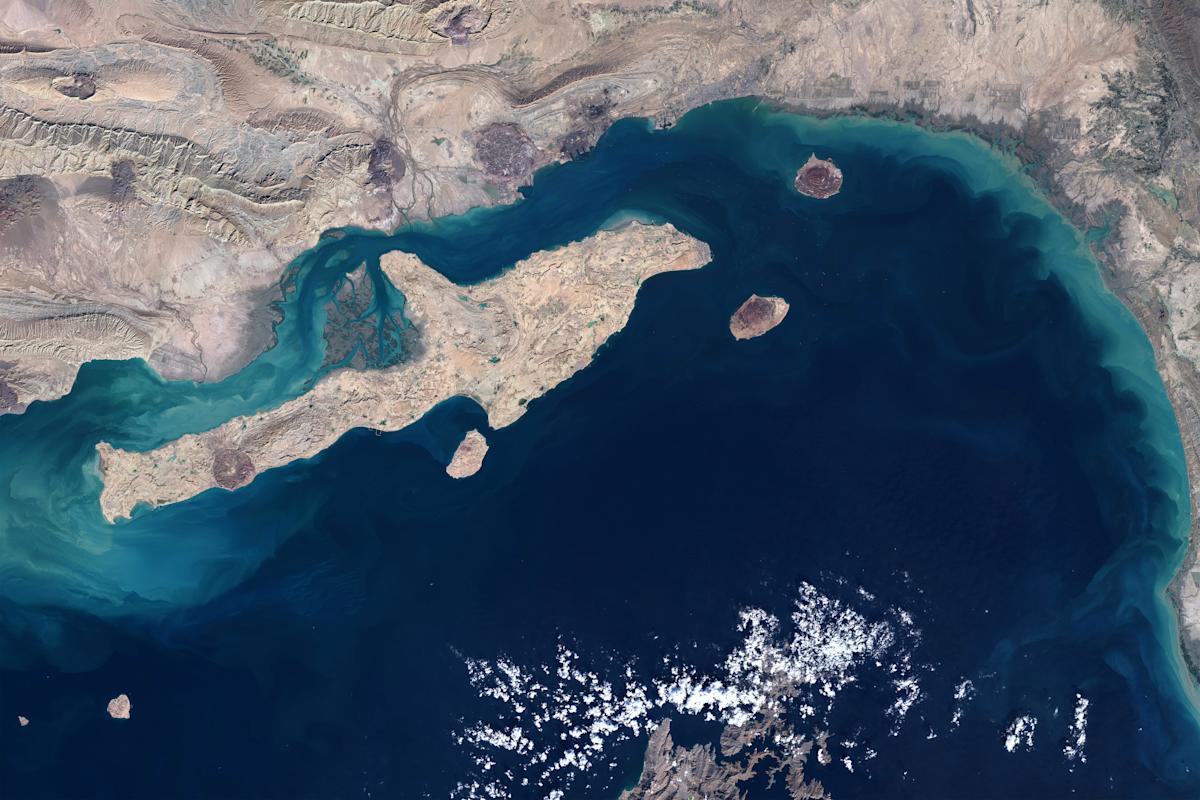
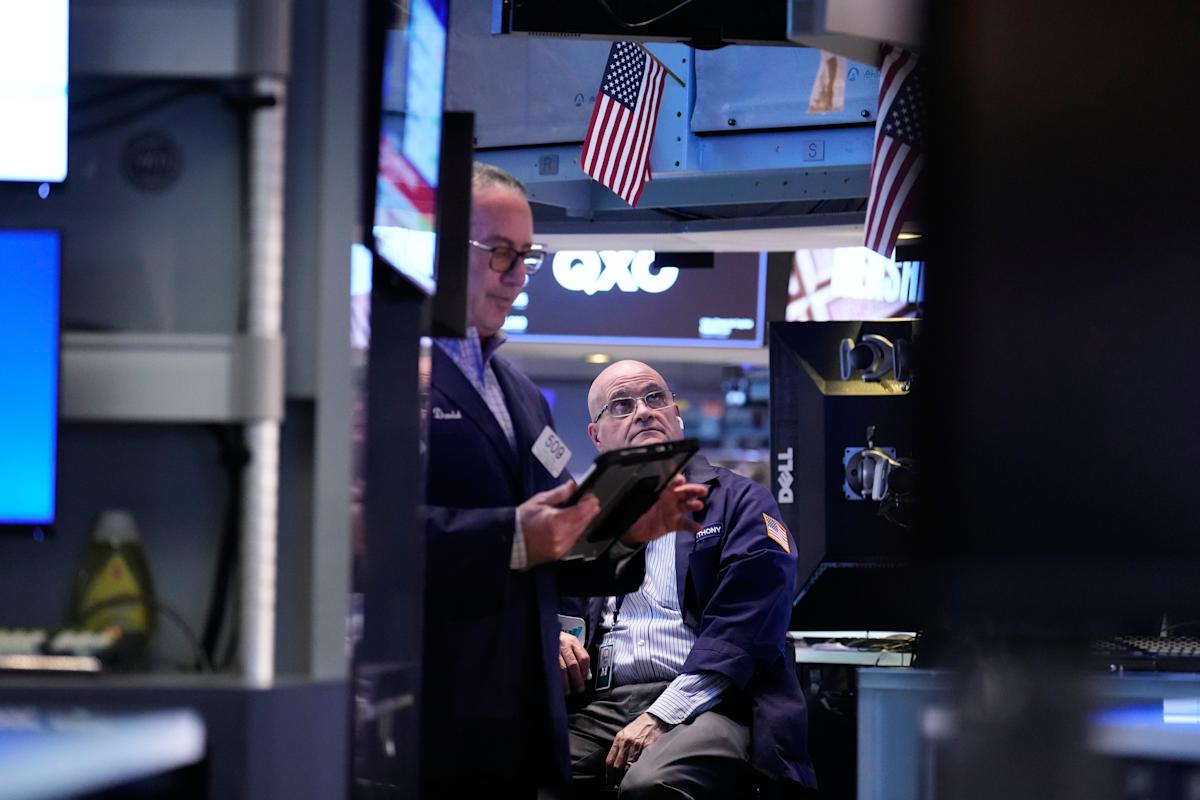
- Geopolitical Risks: JPMorgan CEO Jamie Dimon highlighted in his annual letter that the ongoing wars in Ukraine and Iran, along with tensions in the Middle East, pose significant risks that could impact commodities and global markets, thereby affecting the bank's operations and profitability.
- Regulatory Challenges: Dimon criticized existing capital and liquidity requirements, arguing that they have weakened the financial system, necessitating 50% more capital for loans to U.S. consumers and businesses compared to non-GSIB banks, which undermines the bank's competitiveness.
- Private Market Turmoil: He addressed the upheaval in private markets, particularly the massive redemption requests triggered by loans to software firms, noting that the lack of transparency and rigorous valuation standards increases market instability and may lead to higher future capital demands.
- Transformational Impact of AI: Dimon emphasized that the rapid adoption of artificial intelligence will bring profound changes, and while the ultimate winners and losers remain uncertain, JPMorgan is committed to deploying AI to enhance service quality for customers and employees, reflecting a strong focus on technological transformation.
Trade with 70% Backtested Accuracy
Stop guessing "Should I Buy JPM?" and start using high-conviction signals backed by rigorous historical data.
Sign up today to access powerful investing tools and make smarter, data-driven decisions.
Analyst Views on JPM
Wall Street analysts forecast JPM stock price to rise
19 Analyst Rating
11 Buy
7 Hold
1 Sell
Moderate Buy
Current: 297.400

Low
260.00
Averages
341.38
High
400.00
Current: 297.400
Low
260.00
Averages
341.38
High
400.00
About JPM
JPMorgan Chase & Co. is a financial holding company. The Company is engaged in investment banking, financial services for consumers and small businesses, commercial banking, financial transaction processing and asset management. The Company operates through three segments: Consumer & Community Banking (CCB), Commercial & Investment Bank (CIB), and Asset & Wealth Management (AWM). Its CCB segment offers products and services to consumers and small businesses through bank branches, ATMs, digital and telephone banking. Its CIB segment consists of banking and payments and markets and securities services, and offers a suite of investment banking, lending, payments, market-making, financing, custody and securities products and services to a global base of corporate and institutional clients. AWM segment offers investment and wealth management solutions. It offers multi-asset investment management solutions, retirement products and services, brokerage, custody, estate planning, and others.
About the author

Emily J. Thompson
Emily J. Thompson, a Chartered Financial Analyst (CFA) with 12 years in investment research, graduated with honors from the Wharton School. Specializing in industrial and technology stocks, she provides in-depth analysis for Intellectia’s earnings and market brief reports.

JPMorgan Chase Releases 2025 Annual Report

- Annual Report Release: JPMorgan Chase has published its 2025 Annual Report, which includes letters to shareholders from the Chairman & CEO and other business heads, showcasing the firm's leadership in the global financial services sector.
- Asset Scale: As of December 31, 2025, JPMorgan Chase reported total assets of $4.4 trillion and stockholders' equity of $362 billion, reflecting its strong financial foundation and market influence.
- Business Scope: The firm leads in investment banking, financial services for consumers and small businesses, commercial banking, financial transaction processing, and asset management, serving millions of customers in the U.S. and many prominent corporate and government clients worldwide.
- Information Access: The Annual Report and related letters are now available on JPMorgan Chase's Investor Relations website, with investors able to access detailed information at jpmorganchase.com/ir/annual-report.
See More

Indian Textile Industry Faces New Challenges Amid Iran War


- Export Decline: India's textile exports from April 2025 to February 2026 totaled $29.5 billion, a slight drop from $29.8 billion the previous year, indicating the fragility of recovery in an industry aiming for $100 billion in exports by 2030.
- Rising Costs: The Iran war has driven raw material and packaging costs up, with polyester prices increasing over 40% since the conflict began, complicating companies' ability to pass costs onto customers and impacting production and profitability.
- Weak Demand: Although tariff relief from the U.S. provided temporary respite, industry leaders warn that a prolonged war could dampen U.S. consumer demand, leading to declining sales and rising inventories, posing significant challenges for retailers.
- Production Cuts: Companies like Filatex have already reduced production by 25% and are awaiting demand recovery, with widespread concerns that failure to pass on costs could lead to larger-scale production cuts, further affecting employment and economic growth.
See More

Capital Inflows into Digital Assets Slow Significantly

- Slowed Capital Inflows: According to JPMorgan's report, capital inflows into the digital asset market reached approximately $11 billion in Q1 2026, which is only one-third of the pace seen in 2025, indicating an increasing reliance on a small group of buyers and resulting in small or negative investor flows, thereby impacting market activity.
- Strategy's Bitcoin Purchases: Strategy, formerly known as MicroStrategy, continued to be the most aggressive buyer in the market during Q1 2026, acquiring 22,337 Bitcoin in mid-March and an additional 4,871 Bitcoin in early April, bringing its total holdings to 766,970 Bitcoin, despite facing an unrealized loss of $14.46 billion, which still attracted investor interest.
- Increased Market Volatility: The total crypto market value fell by about 20% in Q1 2026, with Bitcoin and Ethereum experiencing declines of 23% and over 30% respectively, attributed to geopolitical tensions and broader economic pressures that forced a pullback from risky assets, although prices stabilized towards the end of March.
- Venture Capital Bright Spots: Despite a quiet trading environment, venture capital remained a positive area, with a decrease in the number of deals but an increase in the size of individual investments, as capital shifted towards stablecoins, payment systems, and tokenization projects, indicating a growing interest in the underlying utility of blockchain technology.
See More

OpenAI Plans to Reserve Shares for Retail Investors in IPO


- IPO Outlook: CFO Sarah Friar announced that OpenAI will reserve a portion of shares for retail investors during its IPO, emphasizing the importance of public participation to enhance consumer trust and broaden its investor base.
- Enterprise Revenue Growth: Currently, enterprise accounts for 40% of OpenAI's revenue and is projected to reach parity with consumer revenue by the end of 2026, which will further drive overall revenue growth and market competitiveness.
- Successful Fundraising: In its recent funding round, OpenAI raised $3 billion through private placements with banks like JP Morgan, Morgan Stanley, and Goldman Sachs, tripling its initial target, reflecting strong market confidence in its business model.
- Investment in Compute Power: OpenAI plans to invest $600 billion over the next five years in semiconductors and data centers to enhance its computing capabilities, viewed as a key asset for gaining competitive advantage, expected to drive revenue and cash flow growth.
See More
Federal Reserve Investigation May Impact Powell's Tenure


- Investigation Stalled: Federal prosecutors in Washington are contemplating an appeal regarding Powell's investigation, but former federal prosecutors warn that complex legal procedures may further delay the investigation, impacting Powell's tenure and the stability of Federal Reserve policies.
- Uncertainty in Powell's Term: Powell's term is set to expire on May 15, and while he expects to remain as interim chair, the ongoing investigation could hinder the Trump administration's nomination of Kevin Warsh, thereby affecting interest rate decisions.
- Legal Challenges Intensify: Prosecutors admitted in court that they have yet to find evidence of wrongdoing by Powell, and the judge has quashed subpoenas against him, leaving the investigation in limbo and presenting greater legal challenges for the prosecutors in any future appeals.
- Complex Political Context: The political motivations behind the investigation may influence future legal proceedings, as judges might question the prosecutors' intentions in pursuing the Fed, further eroding public trust in judicial impartiality and impacting the likelihood of success in cases.
See More

Anthropic Launches Claude Mythos, A New Era in AI Security


- AI Model Launch: Anthropic unveiled the Claude Mythos Preview, the most advanced general-purpose AI model to date, focusing on coding and agentic tasks, marking a significant advancement in AI's role in cybersecurity.
- Vulnerability Detection: The Claude Mythos Preview has identified thousands of zero-day vulnerabilities across major operating systems and web browsers, compelling the industry to act swiftly to prevent potential cyberattacks.
- Industry Collaboration: Anthropic initiated Project Glasswing, uniting tech giants like Nvidia, Amazon, and Apple to address the vulnerabilities identified by Claude Mythos, ensuring the security of critical infrastructure.
- Financial Backing: Anthropic is backing the project with $100 million in usage credits and has raised $4 million for open-source security organizations, highlighting the industry's urgent commitment to AI security.
See More
JPMorgan Chase Releases 2025 Annual Report
- Annual Report Release: JPMorgan Chase has published its 2025 Annual Report, which includes letters to shareholders from the Chairman & CEO and other business heads, showcasing the firm's leadership in the global financial services sector.
- Asset Scale: As of December 31, 2025, JPMorgan Chase reported total assets of $4.4 trillion and stockholders' equity of $362 billion, reflecting its strong financial foundation and market influence.
- Business Scope: The firm leads in investment banking, financial services for consumers and small businesses, commercial banking, financial transaction processing, and asset management, serving millions of customers in the U.S. and many prominent corporate and government clients worldwide.
- Information Access: The Annual Report and related letters are now available on JPMorgan Chase's Investor Relations website, with investors able to access detailed information at jpmorganchase.com/ir/annual-report.
See More
Indian Textile Industry Faces New Challenges Amid Iran War
- Export Decline: India's textile exports from April 2025 to February 2026 totaled $29.5 billion, a slight drop from $29.8 billion the previous year, indicating the fragility of recovery in an industry aiming for $100 billion in exports by 2030.
- Rising Costs: The Iran war has driven raw material and packaging costs up, with polyester prices increasing over 40% since the conflict began, complicating companies' ability to pass costs onto customers and impacting production and profitability.
- Weak Demand: Although tariff relief from the U.S. provided temporary respite, industry leaders warn that a prolonged war could dampen U.S. consumer demand, leading to declining sales and rising inventories, posing significant challenges for retailers.
- Production Cuts: Companies like Filatex have already reduced production by 25% and are awaiting demand recovery, with widespread concerns that failure to pass on costs could lead to larger-scale production cuts, further affecting employment and economic growth.
See More
Capital Inflows into Digital Assets Slow Significantly
- Slowed Capital Inflows: According to JPMorgan's report, capital inflows into the digital asset market reached approximately $11 billion in Q1 2026, which is only one-third of the pace seen in 2025, indicating an increasing reliance on a small group of buyers and resulting in small or negative investor flows, thereby impacting market activity.
- Strategy's Bitcoin Purchases: Strategy, formerly known as MicroStrategy, continued to be the most aggressive buyer in the market during Q1 2026, acquiring 22,337 Bitcoin in mid-March and an additional 4,871 Bitcoin in early April, bringing its total holdings to 766,970 Bitcoin, despite facing an unrealized loss of $14.46 billion, which still attracted investor interest.
- Increased Market Volatility: The total crypto market value fell by about 20% in Q1 2026, with Bitcoin and Ethereum experiencing declines of 23% and over 30% respectively, attributed to geopolitical tensions and broader economic pressures that forced a pullback from risky assets, although prices stabilized towards the end of March.
- Venture Capital Bright Spots: Despite a quiet trading environment, venture capital remained a positive area, with a decrease in the number of deals but an increase in the size of individual investments, as capital shifted towards stablecoins, payment systems, and tokenization projects, indicating a growing interest in the underlying utility of blockchain technology.
See More
OpenAI Plans to Reserve Shares for Retail Investors in IPO
- IPO Outlook: CFO Sarah Friar announced that OpenAI will reserve a portion of shares for retail investors during its IPO, emphasizing the importance of public participation to enhance consumer trust and broaden its investor base.
- Enterprise Revenue Growth: Currently, enterprise accounts for 40% of OpenAI's revenue and is projected to reach parity with consumer revenue by the end of 2026, which will further drive overall revenue growth and market competitiveness.
- Successful Fundraising: In its recent funding round, OpenAI raised $3 billion through private placements with banks like JP Morgan, Morgan Stanley, and Goldman Sachs, tripling its initial target, reflecting strong market confidence in its business model.
- Investment in Compute Power: OpenAI plans to invest $600 billion over the next five years in semiconductors and data centers to enhance its computing capabilities, viewed as a key asset for gaining competitive advantage, expected to drive revenue and cash flow growth.
See More
Federal Reserve Investigation May Impact Powell's Tenure
- Investigation Stalled: Federal prosecutors in Washington are contemplating an appeal regarding Powell's investigation, but former federal prosecutors warn that complex legal procedures may further delay the investigation, impacting Powell's tenure and the stability of Federal Reserve policies.
- Uncertainty in Powell's Term: Powell's term is set to expire on May 15, and while he expects to remain as interim chair, the ongoing investigation could hinder the Trump administration's nomination of Kevin Warsh, thereby affecting interest rate decisions.
- Legal Challenges Intensify: Prosecutors admitted in court that they have yet to find evidence of wrongdoing by Powell, and the judge has quashed subpoenas against him, leaving the investigation in limbo and presenting greater legal challenges for the prosecutors in any future appeals.
- Complex Political Context: The political motivations behind the investigation may influence future legal proceedings, as judges might question the prosecutors' intentions in pursuing the Fed, further eroding public trust in judicial impartiality and impacting the likelihood of success in cases.
See More
Anthropic Launches Claude Mythos, A New Era in AI Security
- AI Model Launch: Anthropic unveiled the Claude Mythos Preview, the most advanced general-purpose AI model to date, focusing on coding and agentic tasks, marking a significant advancement in AI's role in cybersecurity.
- Vulnerability Detection: The Claude Mythos Preview has identified thousands of zero-day vulnerabilities across major operating systems and web browsers, compelling the industry to act swiftly to prevent potential cyberattacks.
- Industry Collaboration: Anthropic initiated Project Glasswing, uniting tech giants like Nvidia, Amazon, and Apple to address the vulnerabilities identified by Claude Mythos, ensuring the security of critical infrastructure.
- Financial Backing: Anthropic is backing the project with $100 million in usage credits and has raised $4 million for open-source security organizations, highlighting the industry's urgent commitment to AI security.
See More