Jim Cramer's Investment Advice Amid Middle East Tensions


- Selective Investment Strategy: Jim Cramer advises investors to be selective following the U.S.-Israeli conflict with Iran, noting that while stocks initially sold off, there is no need for a full portfolio overhaul, particularly as the long-term narrative around artificial intelligence remains intact.
- Healthcare Sector Opportunities: Cramer recommends investing in the healthcare sector, asserting it will remain insulated from economic fallout, and initiated a position in Cardinal Health on Monday morning, which plays a crucial role in healthcare distribution and is pursuing growth through acquisitions.
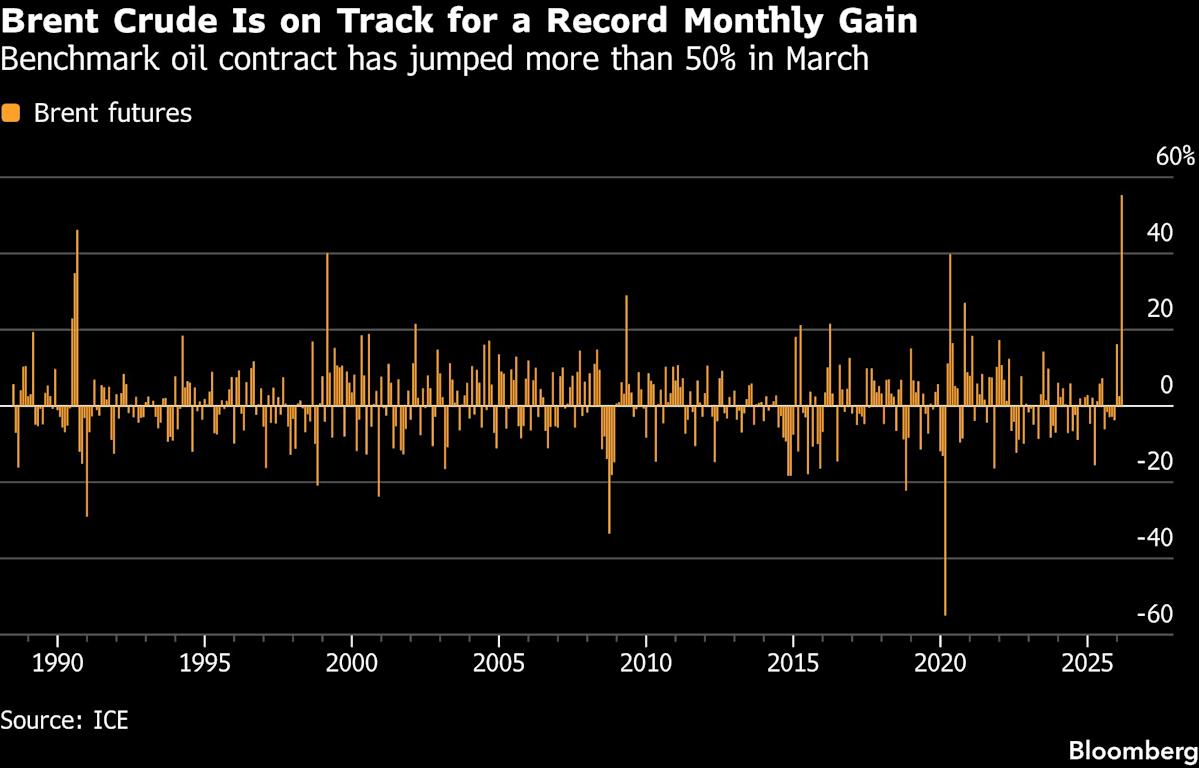
- Reducing Oil Exposure: Cramer highlights that the market reaction creates opportunities to lighten oil positions, suggesting a 50% reduction in holdings due to inflated valuations from rising oil prices, drawing on historical patterns where such stocks tend to decline after initial spikes.
- Cautious on Consumer Staples: While Procter & Gamble is typically viewed as a classic defensive stock, Cramer expresses caution, indicating that rising oil prices could squeeze consumer spending, potentially impacting the performance of such stocks.
Trade with 70% Backtested Accuracy
Analyst Views on PG

About PG
About the author

Procter & Gamble Thrives Amid Economic Uncertainty
- Stable Market Demand: Procter & Gamble's household essentials like Tide and Head & Shoulders maintain steady demand, allowing the company to grow even during economic downturns, as evidenced by revenue growth in fiscal years 2020 and 2021 amid the COVID-19 pandemic.
- Strong Financial Performance: With a projected net profit margin of 19% for fiscal 2025, Procter & Gamble demonstrates robust profitability; despite a total return of 126% over the past decade trailing the S&P 500's 277%, it still offers investors a solid foundational holding.
- Consistent Dividend Growth: The company boasts a remarkable 69-year streak of increasing dividends, with a current yield nearing 3%, providing a reliable income stream for investors, particularly valuable during times of economic uncertainty.
- Market Capitalization and Trading Performance: Procter & Gamble has a market cap of $332 billion, with a current stock price of $142.75, trading within a daily range of $141.97 to $144.07, reflecting its stability and attractiveness to investors.

Market Dynamics and Investment Opportunities Analysis


- Market Opening Outlook: The S&P 500 is set for a higher open as President Trump signals progress in U.S.-Iran war talks, reflecting investor optimism despite typically rising oil prices dragging down stocks, indicating a potential shift in market sentiment.
- S&P 500 Performance Review: The S&P 500 has faced nearly a 6% decline in March, marking its fifth consecutive weekly loss, yet it narrowly avoids entering correction territory, with upcoming job reports expected to provide insights into economic health.
- Meta Platforms Investment Advice: Morgan Stanley recommends buying Meta Platforms, asserting that sentiment has bottomed out, and despite the company facing two litigation losses last week that impacted stock prices, early trading shows a slight recovery, indicating renewed investor confidence.
- Oracle's Positive Outlook: Bernstein analysts view Oracle's cloud and database sectors as potential AI winners, setting a price target of $319, which is more than double Friday's closing price of nearly $140, reflecting strong market confidence in its growth prospects.

Vanguard ETFs Shine Amid Market Turbulence


- Safe Haven: The Vanguard Short-Term Inflation-Protected Securities ETF (VTIP) focuses on short-term U.S. Treasury bonds, delivering only a 3.15% return over the past decade, yet it protects capital during market downturns, ensuring investors' purchasing power remains intact against inflation.
- Consumer Staples ETF Outperformance: The Vanguard Consumer Staples ETF (VDC), holding 104 consumer staples stocks, only fell 4% during the 2022 bear market, significantly outperforming the S&P 500's 19% drop and the Nasdaq's 33%, demonstrating its resilience amid economic uncertainty.
- Attractiveness of High-Quality Dividend Stocks: The Vanguard Dividend Appreciation ETF (VIG) tracks the S&P U.S. Dividend Growers Index and currently holds 338 stocks; while it is not immune to market sell-offs, it has historically outperformed the S&P 500 during downturns, with an annual expense ratio of just 0.04%.
- Cost Efficiency Advantage: The Vanguard Consumer Staples ETF boasts an annual expense ratio of 0.09%, significantly lower than the average 0.73% for similar funds, making it a preferred choice for investors seeking cost-effective options during turbulent times.

Investment Havens Amid Market Turmoil
- Valuation Risks: The S&P 500's Shiller CAPE ratio is nearing its highest level since the dot-com bubble burst, indicating that market valuations are high, which necessitates caution from investors regarding potential market corrections.
- Inflation-Protected ETF: The Vanguard Short-Term Inflation-Protected Securities ETF (VTIP) focuses on short-term U.S. Treasury bonds, delivering only a 3.15% return over the past decade, yet effectively safeguards investors' purchasing power during market downturns, with an annual expense ratio of just 0.03%.
- Consumer Staples ETF Performance: The Vanguard Consumer Staples ETF (VDC) holds 104 consumer staples stocks and has historically outperformed the overall market during downturns, finishing 2022 down only 4%, significantly better than the S&P 500's 19% and Nasdaq's 33% declines.
- Dividend Growth ETF: The Vanguard Dividend Appreciation ETF (VIG) tracks the S&P U.S. Dividend Growers Index with 338 stocks, although it carries sell-off risks during market volatility, it has historically outperformed the S&P 500 and has a low annual expense ratio of 0.04%.
The Iran Conflict May Persist: Current Investment Opportunities for Success.


- Current Market Status: The Nasdaq is currently in a correction, having dropped over 10% from its recent highs.
- Bear Market Concerns: There are increasing fears that the Nasdaq may soon enter a bear market, defined as a decline of 20%.
- Wall Street Perspective: Despite the downturn, there is a common belief on Wall Street that opportunities for profit exist in other sectors.
- Market Sentiment: The overall sentiment reflects anxiety about the tech-heavy index's performance amidst potential further declines.
Locating Profitable Stocks During the Iran War Crisis


Current Market Status: The Nasdaq Composite is currently in a correction, having fallen over 10% from its recent highs.
Bear Market Concerns: There are increasing fears that the index may soon enter a bear market, defined as a decline of 20% or more.
Wall Street Perspective: Despite the downturn, the sentiment on Wall Street remains optimistic, suggesting that there are always opportunities for gains in other sectors.
Investment Outlook: Investors are encouraged to look for potential bull markets in different areas, even amidst the current challenges faced by the tech-heavy index.
Procter & Gamble Thrives Amid Economic Uncertainty
- Stable Market Demand: Procter & Gamble's household essentials like Tide and Head & Shoulders maintain steady demand, allowing the company to grow even during economic downturns, as evidenced by revenue growth in fiscal years 2020 and 2021 amid the COVID-19 pandemic.
- Strong Financial Performance: With a projected net profit margin of 19% for fiscal 2025, Procter & Gamble demonstrates robust profitability; despite a total return of 126% over the past decade trailing the S&P 500's 277%, it still offers investors a solid foundational holding.
- Consistent Dividend Growth: The company boasts a remarkable 69-year streak of increasing dividends, with a current yield nearing 3%, providing a reliable income stream for investors, particularly valuable during times of economic uncertainty.
- Market Capitalization and Trading Performance: Procter & Gamble has a market cap of $332 billion, with a current stock price of $142.75, trading within a daily range of $141.97 to $144.07, reflecting its stability and attractiveness to investors.
Market Dynamics and Investment Opportunities Analysis
- Market Opening Outlook: The S&P 500 is set for a higher open as President Trump signals progress in U.S.-Iran war talks, reflecting investor optimism despite typically rising oil prices dragging down stocks, indicating a potential shift in market sentiment.
- S&P 500 Performance Review: The S&P 500 has faced nearly a 6% decline in March, marking its fifth consecutive weekly loss, yet it narrowly avoids entering correction territory, with upcoming job reports expected to provide insights into economic health.
- Meta Platforms Investment Advice: Morgan Stanley recommends buying Meta Platforms, asserting that sentiment has bottomed out, and despite the company facing two litigation losses last week that impacted stock prices, early trading shows a slight recovery, indicating renewed investor confidence.
- Oracle's Positive Outlook: Bernstein analysts view Oracle's cloud and database sectors as potential AI winners, setting a price target of $319, which is more than double Friday's closing price of nearly $140, reflecting strong market confidence in its growth prospects.
Vanguard ETFs Shine Amid Market Turbulence
- Safe Haven: The Vanguard Short-Term Inflation-Protected Securities ETF (VTIP) focuses on short-term U.S. Treasury bonds, delivering only a 3.15% return over the past decade, yet it protects capital during market downturns, ensuring investors' purchasing power remains intact against inflation.
- Consumer Staples ETF Outperformance: The Vanguard Consumer Staples ETF (VDC), holding 104 consumer staples stocks, only fell 4% during the 2022 bear market, significantly outperforming the S&P 500's 19% drop and the Nasdaq's 33%, demonstrating its resilience amid economic uncertainty.
- Attractiveness of High-Quality Dividend Stocks: The Vanguard Dividend Appreciation ETF (VIG) tracks the S&P U.S. Dividend Growers Index and currently holds 338 stocks; while it is not immune to market sell-offs, it has historically outperformed the S&P 500 during downturns, with an annual expense ratio of just 0.04%.
- Cost Efficiency Advantage: The Vanguard Consumer Staples ETF boasts an annual expense ratio of 0.09%, significantly lower than the average 0.73% for similar funds, making it a preferred choice for investors seeking cost-effective options during turbulent times.
Investment Havens Amid Market Turmoil
- Valuation Risks: The S&P 500's Shiller CAPE ratio is nearing its highest level since the dot-com bubble burst, indicating that market valuations are high, which necessitates caution from investors regarding potential market corrections.
- Inflation-Protected ETF: The Vanguard Short-Term Inflation-Protected Securities ETF (VTIP) focuses on short-term U.S. Treasury bonds, delivering only a 3.15% return over the past decade, yet effectively safeguards investors' purchasing power during market downturns, with an annual expense ratio of just 0.03%.
- Consumer Staples ETF Performance: The Vanguard Consumer Staples ETF (VDC) holds 104 consumer staples stocks and has historically outperformed the overall market during downturns, finishing 2022 down only 4%, significantly better than the S&P 500's 19% and Nasdaq's 33% declines.
- Dividend Growth ETF: The Vanguard Dividend Appreciation ETF (VIG) tracks the S&P U.S. Dividend Growers Index with 338 stocks, although it carries sell-off risks during market volatility, it has historically outperformed the S&P 500 and has a low annual expense ratio of 0.04%.
The Iran Conflict May Persist: Current Investment Opportunities for Success.
- Current Market Status: The Nasdaq is currently in a correction, having dropped over 10% from its recent highs.
- Bear Market Concerns: There are increasing fears that the Nasdaq may soon enter a bear market, defined as a decline of 20%.
- Wall Street Perspective: Despite the downturn, there is a common belief on Wall Street that opportunities for profit exist in other sectors.
- Market Sentiment: The overall sentiment reflects anxiety about the tech-heavy index's performance amidst potential further declines.
Locating Profitable Stocks During the Iran War Crisis
Current Market Status: The Nasdaq Composite is currently in a correction, having fallen over 10% from its recent highs.
Bear Market Concerns: There are increasing fears that the index may soon enter a bear market, defined as a decline of 20% or more.
Wall Street Perspective: Despite the downturn, the sentiment on Wall Street remains optimistic, suggesting that there are always opportunities for gains in other sectors.
Investment Outlook: Investors are encouraged to look for potential bull markets in different areas, even amidst the current challenges faced by the tech-heavy index.