Investment Opportunities Amid Market Corrections
Written by Emily J. Thompson, Senior Investment Analyst
Updated: 5 days ago
0mins

Source: Fool
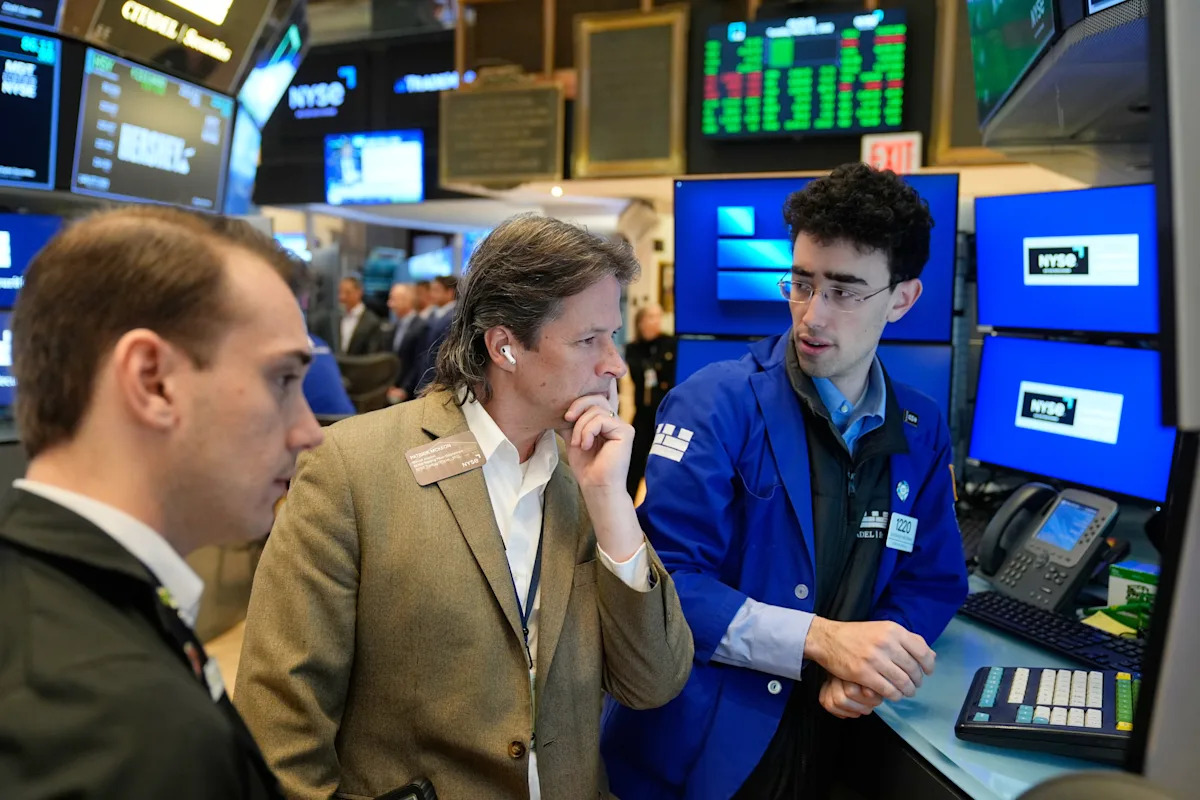
- Market Correction Impact: At the start of 2023, broader market weakness led to the S&P 500 and Nasdaq indices briefly falling over 10%, although they have since partially recovered, creating opportunities for investors to buy high-quality companies at lower prices.
- Berkshire Hathaway Buyback: Following Warren Buffett's retirement, Greg Abel has taken over as CEO and announced the resumption of stock buybacks, with shares currently priced at $476.38, down 11% from their 52-week high, indicating a strategic move to repurchase shares at a valuation of 1.4 times book value.
- Progressive Insurance Performance: Despite Progressive's stock declining over 33% in the past two years, its premiums grew by 10% in 2023 and 2024, and the company reported a combined ratio of 85% in the first quarter, showcasing its strong underwriting capabilities.
- S&P Global Market Position: S&P Global holds a 50% share of the U.S. credit ratings market, and despite facing pressures from the software sell-off and potential AI disruptions, its ratings and indices businesses remain strong moats, with the stock priced near its lowest multiple in four years, making it an attractive buy for long-term investors.
Trade with 70% Backtested Accuracy
Stop guessing "Should I Buy SPGI?" and start using high-conviction signals backed by rigorous historical data.
Sign up today to access powerful investing tools and make smarter, data-driven decisions.
Analyst Views on SPGI
Wall Street analysts forecast SPGI stock price to rise
15 Analyst Rating
14 Buy
1 Hold
0 Sell
Strong Buy
Current: 424.320

Low
546.00
Averages
617.77
High
675.00
Current: 424.320
Low
546.00
Averages
617.77
High
675.00
About SPGI
S&P Global Inc. provides essential intelligence. Its operations consist of five businesses: S&P Global Market Intelligence (Market Intelligence), S&P Global Ratings (Ratings), S&P Global Commodity Insights (Commodity Insights), S&P Global Mobility (Mobility) and S&P Dow Jones Indices (Indices). Market Intelligence is a global provider of multi-asset-class data and analytics integrated with purpose-built workflow solutions. Ratings is an independent provider of credit ratings, research, and analytics, offering investors and other market participants information, ratings and benchmarks. Commodity Insights is an independent provider of information and benchmark prices for the commodity and energy markets. Mobility is a provider of solutions serving the full automotive value chain, including vehicle manufacturers and retailers. Indices is a global index provider that maintains a variety of valuation and index benchmarks for investment advisors, wealth managers and institutional investors.
About the author

Emily J. Thompson
Emily J. Thompson, a Chartered Financial Analyst (CFA) with 12 years in investment research, graduated with honors from the Wharton School. Specializing in industrial and technology stocks, she provides in-depth analysis for Intellectia’s earnings and market brief reports.

Wall Street Banks Launch Credit Default Swap Index
- Index Launch: JPMorgan Chase and other major Wall Street banks are collaborating with S&P Global to introduce a credit-default swap index, expected to begin sales next week, aimed at providing investors with tools to hedge against corporate default risks and enhance market liquidity.
- Private Credit Inclusion: The CDX Financials index will include 12% from private credit funds managed by Apollo Global Management, Ares Management, and Blackstone, reflecting the growing significance of the private credit market and its appeal to investors.
- Rising Market Demand: Investors reportedly sought over $20 billion in redemptions from private credit firms in Q1 2026, indicating increasing concerns about the asset class, which may drive demand for the new product and prompt market adjustments.
- Revival of Credit Default Swaps: Although credit-default swaps fell out of favor after the 2008 financial crisis, trading volumes reached a record $38 trillion in 2025, signaling a renewed recognition and growing demand for this derivative instrument in the market.
See More
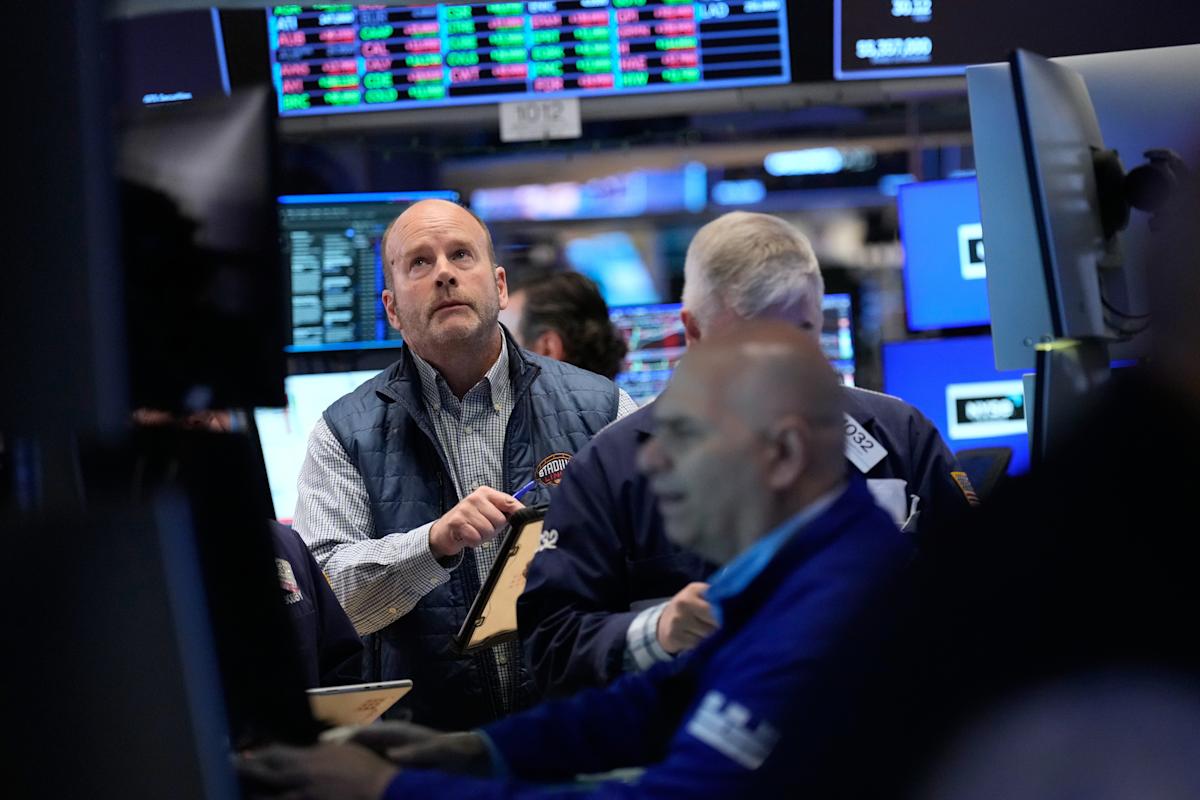
S&P 500 Index Reclaims 200-Day Moving Average
- Market Trend Reversal: The S&P 500 index has reclaimed its 200-day moving average, indicating a shift in market sentiment towards the bulls, which may signal a potential upward trend following the rebound since October 2022.
- Historical Context: The last time the index fell below the 200-day moving average was in March 2025, followed by significant selling pressure, highlighting the importance of this average in market psychology, necessitating investor attention on its support and resistance roles.
- Technical Analysis: While the market may experience volatility around the 200-day average, the current breakout places pressure on bears, and a failure of this breakout could lead to a market pullback, requiring investors to remain vigilant.
- Investor Strategy: Investors are advised to add the 200-day moving average to their Yahoo Finance charts to better monitor market dynamics and utilize technical indicators for more effective investment decisions.
See More

Indian Textile Industry Faces New Challenges Amid Iran War


- Export Decline: India's textile exports from April 2025 to February 2026 totaled $29.5 billion, a slight drop from $29.8 billion the previous year, indicating the fragility of recovery in an industry aiming for $100 billion in exports by 2030.
- Rising Costs: The Iran war has driven raw material and packaging costs up, with polyester prices increasing over 40% since the conflict began, complicating companies' ability to pass costs onto customers and impacting production and profitability.
- Weak Demand: Although tariff relief from the U.S. provided temporary respite, industry leaders warn that a prolonged war could dampen U.S. consumer demand, leading to declining sales and rising inventories, posing significant challenges for retailers.
- Production Cuts: Companies like Filatex have already reduced production by 25% and are awaiting demand recovery, with widespread concerns that failure to pass on costs could lead to larger-scale production cuts, further affecting employment and economic growth.
See More

Spot Crude Prices Surge Amid Supply Disruptions


- Surge in Spot Prices: On Wednesday, the spot price for Brent crude reached $124.68 per barrel, indicating that despite the ceasefire agreement between the U.S. and Iran, significant supply disruptions persist, leading to tight oil supplies in the coming weeks.
- Futures vs. Spot Discrepancy: The spot price is nearly $30 higher than the June futures contract, which closed at $94.75 on Wednesday, suggesting that market concerns about short-term supply far exceed long-term expectations, potentially leading to increased price volatility.
- Middle East Production Constraints: Middle Eastern oil producers have shut down 13 million barrels per day due to a sharp decline in tanker traffic through the Strait of Hormuz, exacerbating supply tightness in the market, with recovery unlikely in the short term.
- Production Recovery Timeline: Experts estimate that restoring production capacity could take up to five months, particularly as Kuwait's pre-war output was 2.6 million barrels per day, with the timeline for returning to pre-war levels contingent on the durability of the ceasefire agreement.
See More
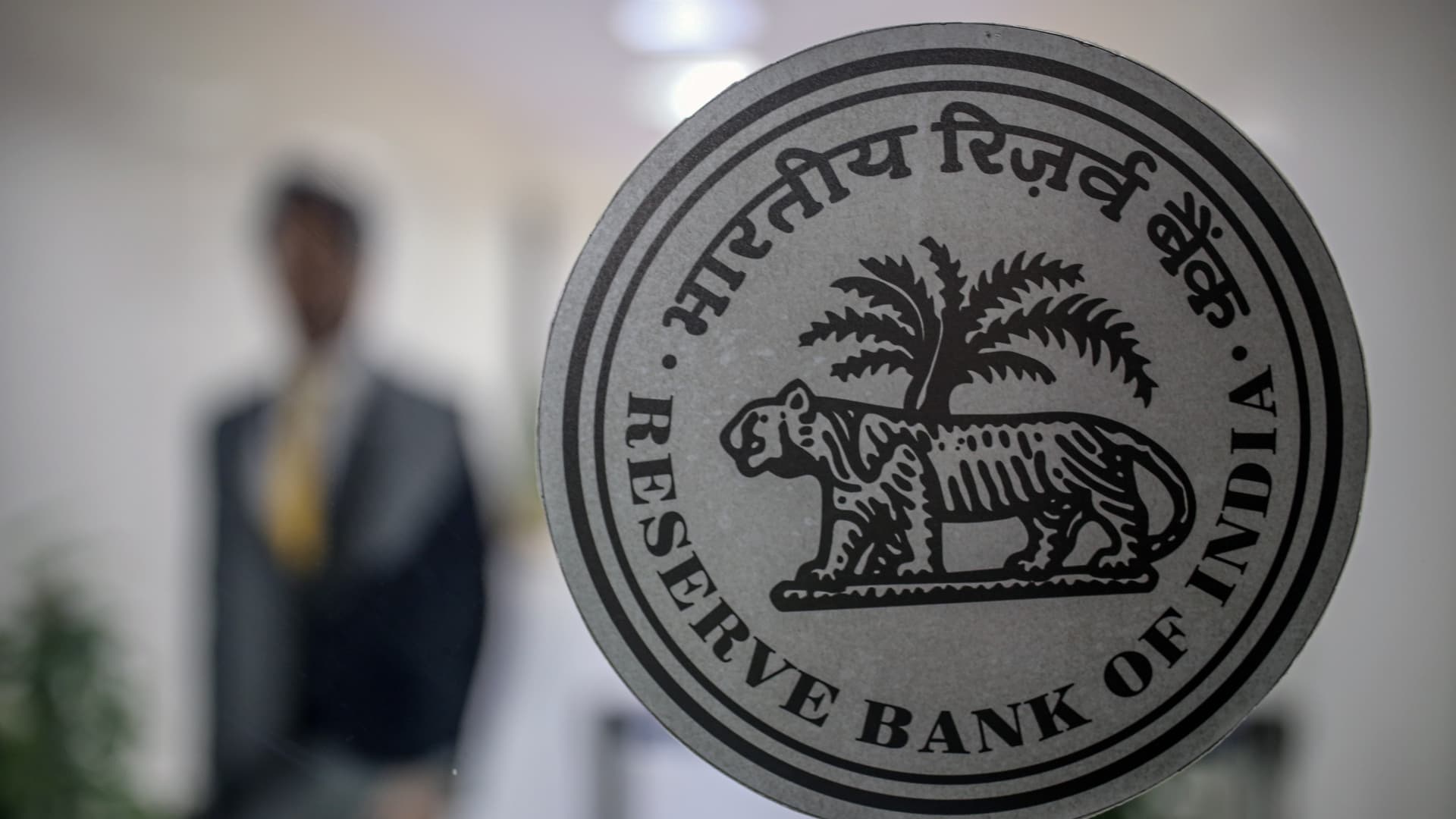
India's Central Bank Holds Rates Steady Amid Inflation Risks
- Stable Rate Policy: The Reserve Bank of India decided on April 5 to keep the benchmark interest rate at 5.25%, reflecting strong economic growth that allows for a tight policy stance despite inflation risks from the Iran war.
- Rising Inflation Data: India's consumer inflation rose for the fourth consecutive month to 3.21% in February, up from 2.75% the previous month, indicating potential inflationary pressures from rising energy prices.
- Threatened Growth Outlook: Despite a robust economic growth rate of 7.8% in the December quarter, the ongoing Middle East conflict poses considerable downside risks to growth forecasts, potentially impacting future inflation and economic stability.
- Supply Chain Disruption Risks: The conflict has disrupted supplies of key commodities like oil and gas, driving up import prices and logistics costs, which further exacerbate economic uncertainty and inflationary pressures.
See More
S&P Global Launches Matching Program for Child Savings Accounts
- Child Savings Account Initiative: S&P Global has announced it will match the U.S. government's $1,000 contributions to newly established Section 530A child savings accounts, aimed at helping employees' children born between 2025 and 2028 build wealth, reflecting the company's commitment to employee financial wellness.
- Wealth Accumulation Support: This initiative, established under the Working Family Tax Cut program, is designed to provide families with tax-advantaged savings and investment opportunities, thereby enhancing long-term economic security and increasing employee satisfaction and loyalty.
- Long-term Corporate Commitment: S&P Global has consistently invested in programs that support employee financial security and work-life balance, and this matching program further solidifies its leadership in employee benefits, likely attracting more top talent to the company.
- Strategic Implications: By implementing such initiatives, S&P Global not only enhances employee financial security but also strengthens its appeal in a competitive market, supporting its ongoing growth in a rapidly changing global economic landscape.
See More
Wall Street Banks Launch Credit Default Swap Index
- Index Launch: JPMorgan Chase and other major Wall Street banks are collaborating with S&P Global to introduce a credit-default swap index, expected to begin sales next week, aimed at providing investors with tools to hedge against corporate default risks and enhance market liquidity.
- Private Credit Inclusion: The CDX Financials index will include 12% from private credit funds managed by Apollo Global Management, Ares Management, and Blackstone, reflecting the growing significance of the private credit market and its appeal to investors.
- Rising Market Demand: Investors reportedly sought over $20 billion in redemptions from private credit firms in Q1 2026, indicating increasing concerns about the asset class, which may drive demand for the new product and prompt market adjustments.
- Revival of Credit Default Swaps: Although credit-default swaps fell out of favor after the 2008 financial crisis, trading volumes reached a record $38 trillion in 2025, signaling a renewed recognition and growing demand for this derivative instrument in the market.
See More
S&P 500 Index Reclaims 200-Day Moving Average
- Market Trend Reversal: The S&P 500 index has reclaimed its 200-day moving average, indicating a shift in market sentiment towards the bulls, which may signal a potential upward trend following the rebound since October 2022.
- Historical Context: The last time the index fell below the 200-day moving average was in March 2025, followed by significant selling pressure, highlighting the importance of this average in market psychology, necessitating investor attention on its support and resistance roles.
- Technical Analysis: While the market may experience volatility around the 200-day average, the current breakout places pressure on bears, and a failure of this breakout could lead to a market pullback, requiring investors to remain vigilant.
- Investor Strategy: Investors are advised to add the 200-day moving average to their Yahoo Finance charts to better monitor market dynamics and utilize technical indicators for more effective investment decisions.
See More
Indian Textile Industry Faces New Challenges Amid Iran War
- Export Decline: India's textile exports from April 2025 to February 2026 totaled $29.5 billion, a slight drop from $29.8 billion the previous year, indicating the fragility of recovery in an industry aiming for $100 billion in exports by 2030.
- Rising Costs: The Iran war has driven raw material and packaging costs up, with polyester prices increasing over 40% since the conflict began, complicating companies' ability to pass costs onto customers and impacting production and profitability.
- Weak Demand: Although tariff relief from the U.S. provided temporary respite, industry leaders warn that a prolonged war could dampen U.S. consumer demand, leading to declining sales and rising inventories, posing significant challenges for retailers.
- Production Cuts: Companies like Filatex have already reduced production by 25% and are awaiting demand recovery, with widespread concerns that failure to pass on costs could lead to larger-scale production cuts, further affecting employment and economic growth.
See More
Spot Crude Prices Surge Amid Supply Disruptions
- Surge in Spot Prices: On Wednesday, the spot price for Brent crude reached $124.68 per barrel, indicating that despite the ceasefire agreement between the U.S. and Iran, significant supply disruptions persist, leading to tight oil supplies in the coming weeks.
- Futures vs. Spot Discrepancy: The spot price is nearly $30 higher than the June futures contract, which closed at $94.75 on Wednesday, suggesting that market concerns about short-term supply far exceed long-term expectations, potentially leading to increased price volatility.
- Middle East Production Constraints: Middle Eastern oil producers have shut down 13 million barrels per day due to a sharp decline in tanker traffic through the Strait of Hormuz, exacerbating supply tightness in the market, with recovery unlikely in the short term.
- Production Recovery Timeline: Experts estimate that restoring production capacity could take up to five months, particularly as Kuwait's pre-war output was 2.6 million barrels per day, with the timeline for returning to pre-war levels contingent on the durability of the ceasefire agreement.
See More
India's Central Bank Holds Rates Steady Amid Inflation Risks
- Stable Rate Policy: The Reserve Bank of India decided on April 5 to keep the benchmark interest rate at 5.25%, reflecting strong economic growth that allows for a tight policy stance despite inflation risks from the Iran war.
- Rising Inflation Data: India's consumer inflation rose for the fourth consecutive month to 3.21% in February, up from 2.75% the previous month, indicating potential inflationary pressures from rising energy prices.
- Threatened Growth Outlook: Despite a robust economic growth rate of 7.8% in the December quarter, the ongoing Middle East conflict poses considerable downside risks to growth forecasts, potentially impacting future inflation and economic stability.
- Supply Chain Disruption Risks: The conflict has disrupted supplies of key commodities like oil and gas, driving up import prices and logistics costs, which further exacerbate economic uncertainty and inflationary pressures.
See More
S&P Global Launches Matching Program for Child Savings Accounts
- Child Savings Account Initiative: S&P Global has announced it will match the U.S. government's $1,000 contributions to newly established Section 530A child savings accounts, aimed at helping employees' children born between 2025 and 2028 build wealth, reflecting the company's commitment to employee financial wellness.
- Wealth Accumulation Support: This initiative, established under the Working Family Tax Cut program, is designed to provide families with tax-advantaged savings and investment opportunities, thereby enhancing long-term economic security and increasing employee satisfaction and loyalty.
- Long-term Corporate Commitment: S&P Global has consistently invested in programs that support employee financial security and work-life balance, and this matching program further solidifies its leadership in employee benefits, likely attracting more top talent to the company.
- Strategic Implications: By implementing such initiatives, S&P Global not only enhances employee financial security but also strengthens its appeal in a competitive market, supporting its ongoing growth in a rapidly changing global economic landscape.
See More