Domino's Q1 Earnings Analysis Reveals Mixed Results
Written by Emily J. Thompson, Senior Investment Analyst
Updated: 5 days ago
0mins


Should l Buy DPZ?
Source: NASDAQ.COM
- Disappointing Performance: Domino's reported adjusted earnings of $4.13 per share for Q1 2026, missing the expected $4.28, with revenue around $1.2 billion falling short of the $1.17 billion forecast, indicating signs of consumer spending slowdown.
- Same-Store Sales Growth: While same-store sales increased marginally, the U.S. growth was only 0.9%, which, when adjusted for inflation, suggests a real decline in sales, reflecting the pressure on consumer spending.
- Share Buyback Plan: The company announced an additional $1 billion allocation for stock buybacks, demonstrating management's confidence in the company's value, although the market's negative reaction indicates investor concerns about future growth.
- Operating Income Growth: Despite a $30 million non-cash loss impacting net income, Domino's operating income rose by 10%, driven by a more efficient supply chain and increased franchise fees, showcasing the core business's strong profitability.
Trade with 70% Backtested Accuracy
Stop guessing "Should I Buy DPZ?" and start using high-conviction signals backed by rigorous historical data.
Sign up today to access powerful investing tools and make smarter, data-driven decisions.
Analyst Views on DPZ
Wall Street analysts forecast DPZ stock price to rise
15 Analyst Rating
6 Buy
8 Hold
1 Sell
Moderate Buy
Current: 330.420

Low
370.00
Averages
464.83
High
556.00
Current: 330.420
Low
370.00
Averages
464.83
High
556.00
About DPZ
Domino’s Pizza, Inc. is a pizza company with a significant business in both delivery and carryout. The Company operates through three segments: U.S. stores, international franchise, and supply chain. The U.S. stores segment is comprised primarily of its franchise operations, which consists of franchised stores located in the United States. The segment also operates a network of United States Company-owned stores. The international franchise segment primarily includes operations related to the Company’s franchising business in foreign markets. The supply chain segment primarily includes the distribution of food, equipment and supplies to stores from the Company’s supply chain center operations in the United States and Canada. It is primarily a franchisor, with approximately 99% of its global stores owned and operated by its independent franchisees. In its international markets, the Company generally grants geographical rights to the Domino’s Pizza brand to master franchisees.
About the author

Emily J. Thompson
Emily J. Thompson, a Chartered Financial Analyst (CFA) with 12 years in investment research, graduated with honors from the Wharton School. Specializing in industrial and technology stocks, she provides in-depth analysis for Intellectia’s earnings and market brief reports.
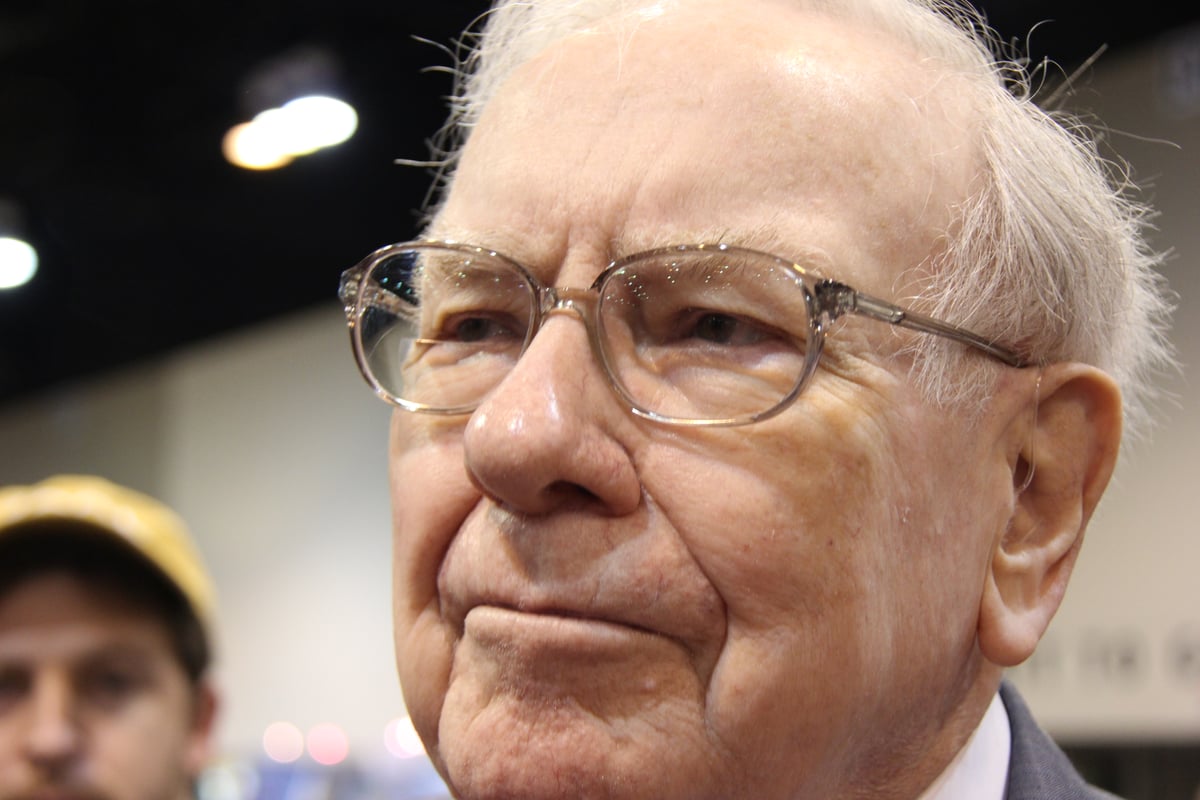
Buffett Warns Investors to Be Cautious in Current Market

- Market Performance Analysis: The S&P 500 has surged 78% over the past three years, indicating a strong bull market; however, Buffett's consistent net selling of stocks for over a dozen quarters suggests a cautious stance, implying investors should avoid rushing into high valuations.
- Increased Cash Reserves: Berkshire Hathaway has built up a record pile of cash and short-term investments, allowing the company to remain flexible amid rising market uncertainties, reflecting Buffett's careful selection of future investment opportunities.
- Valuation Warning: Buffett highlighted that current market valuations are near historical highs, particularly with the S&P 500 Shiller CAPE ratio, indicating that many stocks may be overpriced, posing risks for long-term investors.
- Selective Investment Opportunities: Although Buffett hasn't heavily invested in stocks, he remains active in specific opportunities, such as increasing his stakes in The New York Times and Domino's Pizza in the fourth quarter, suggesting that reasonable investment choices still exist in the current market environment.
See More

U.S. Restaurant Chains Report Weak Sales Growth Amid Rising Gas Prices
- Sales Growth Slowdown: Several U.S. restaurant chains, including Wingstop and Domino's, reported weaker-than-expected sales growth in the latest quarter, primarily due to soaring gasoline prices caused by the U.S.-Israeli war, forcing consumers to cut back on other spending, with expectations that other chains will face similar challenges ahead.
- Significant Oil Price Impact: According to GasBuddy.com, the average gasoline price in the U.S. has reached $4.43, a nearly 40% increase from last year, with prices in California exceeding $6, presenting unprecedented challenges for the restaurant industry, as evidenced by Wingstop's 8.7% decline in same-store sales.
- Diminished Market Confidence: Since the onset of the war, the LSEG U.S. restaurant index has dropped by 5%, erasing over $40 billion in market value, reflecting a decline in investor confidence in the sector, with a notable increase in analysts downgrading profit forecasts for the upcoming quarter.
- Changing Consumer Behavior: As gasoline prices rise, restaurant visitations are gradually declining, with analysis predicting that at $4.20 per gallon, visits could decrease by approximately 1.5%, and if prices exceed $5.10, fast-food traffic may drop by 3%, indicating a long-term impact on the restaurant industry.
See More

Buffett's Key Remarks at Shareholder Meeting Highlight Company Performance

- Operating Profit Surge: Berkshire Hathaway reported an 18% increase in operating profit for Q1, with insurance underwriting profits rising over 28%, indicating strong performance across its diversified portfolio and reinforcing its market leadership.
- Record Cash Reserves: As of March 31, Berkshire's cash reserves reached $397.4 billion, up 6.5% from the end of last year, providing ample capital for future investments and showcasing the company's flexibility in capital allocation.
- Stock Buyback Strategy: Berkshire resumed stock buybacks on March 4, with a total of $234 million repurchased in March, which, while positive, fell short of aggressive expectations, reflecting a cautious approach to capital management.
- Declining Attendance: Attendance at the shareholder meeting significantly dropped, with only half of the seats filled due to Buffett's absence from the stage, indicating challenges for new CEO Abel in attracting investor interest.
See More

Consumer Discretionary Earnings Season Accelerates

- Earnings Overview: This week, 15 companies in the S&P 500 consumer discretionary sector reported earnings, with 12 exceeding profit expectations, indicating resilience in the industry despite inflation and geopolitical pressures, reflecting a degree of stability in consumer spending.
- Domino's Pizza Report: Domino's reported Q1 revenue up 3.6% year-over-year to $1.15 billion, missing consensus estimates, yet showing positive trends with 4% growth in international markets and 2.8% in the U.S., indicating continued growth in market share and order count.
- Chipotle Growth Drivers: Chipotle's Q1 total revenue rose 7.4% year-over-year to $3.1 billion, driven by new restaurant openings and a 0.5% increase in comparable restaurant sales, surpassing market expectations and demonstrating strong performance in the competitive fast-food sector.
- Amazon AWS Highlights: Amazon's Q1 AWS revenue surged 28% to $37.6 billion, driving total company operating income to $23.9 billion, although heavy AI-related spending led to a significant drop in free cash flow, still showcasing robust growth potential in the cloud computing space.
See More
Smoothie King Capitalizes on Wellness Trends for Growth
- Significant Sales Growth: Smoothie King has achieved a remarkable 64% increase in system-wide sales over the past five years, indicating strong performance in the health beverage market, particularly as consumers become more conscious of nutritional choices.
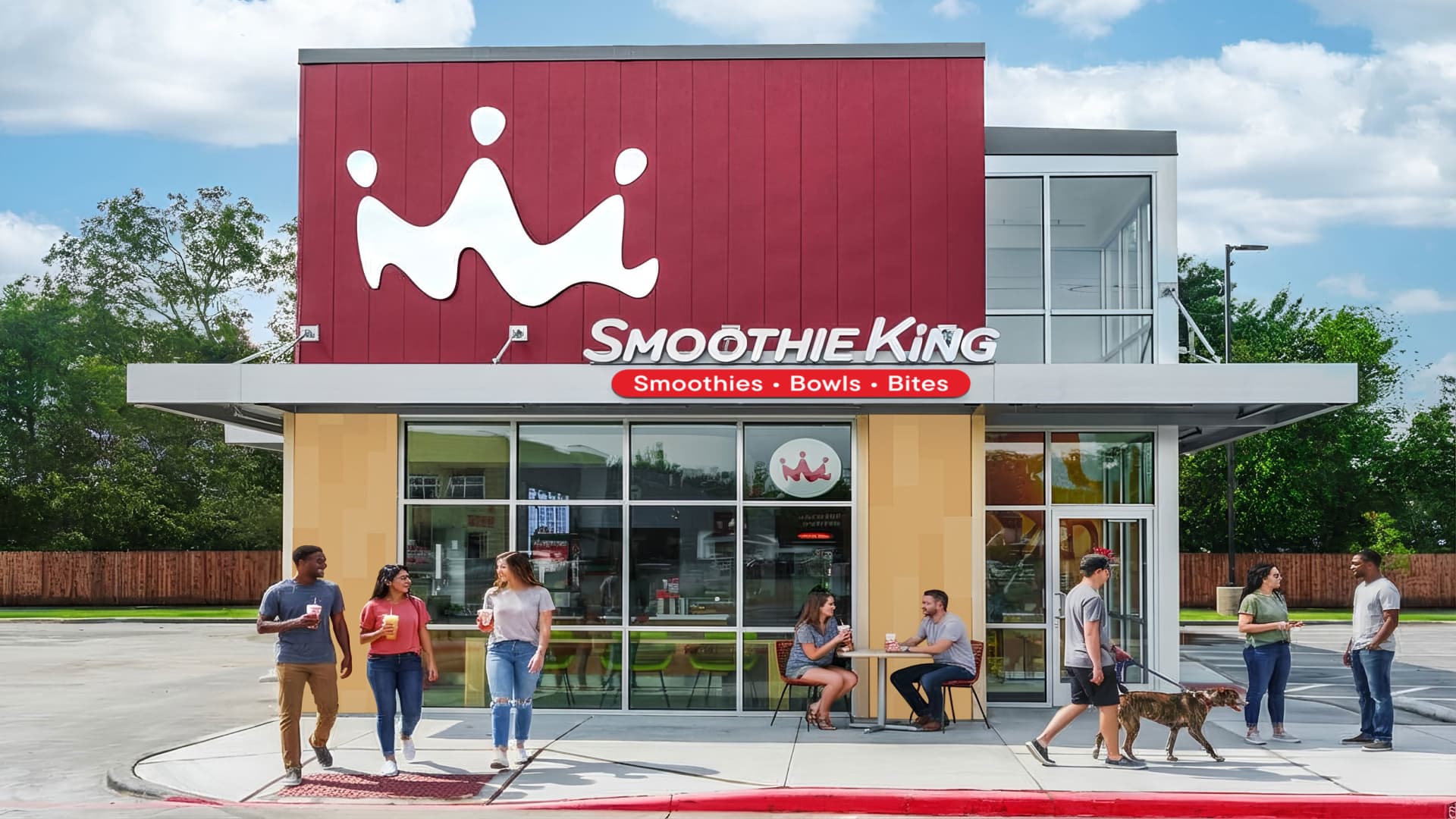
- New Store Design and Expansion Plans: The company announced a new store design focused on “warmth” and “approachability,” with plans to open over 200 new locations in the coming years, including approximately 90 new stores this year, which will enhance market presence and brand image.
- Wellness Trends Driving Sales: As consumer demand for protein and fiber rises, Smoothie King's sales have surged even as many restaurant chains struggle, demonstrating its proactive positioning in the health food sector.
- Clean Formula Strategy: Smoothie King completed its “Clean Blends Initiative” in 2019, removing artificial ingredients and adding organic vegetables, showcasing its commitment to healthy eating, which is expected to attract more health-conscious consumers.
See More
Smoothie King Accelerates Growth Amid Wellness Trends
- Significant Sales Growth: Smoothie King has experienced a remarkable 64% increase in system-wide sales over the past five years, alongside a 23% rise in the number of locations, reflecting the brand's strong performance in the health beverage market amid growing consumer focus on nutrition.
- New Store Design Launch: The company has unveiled a new store design aimed at enhancing warmth and approachability, with plans to gradually roll it out across its network, aligning with consumer demands for health and comfort, which is expected to further drive sales growth.
- Clear Expansion Plans: Smoothie King aims to open over 200 new locations in the coming years, with approximately 90 new stores set to launch in 2023, demonstrating its commitment to strategic growth in the rapidly expanding health beverage market.
- Health Trends Driving Sales: The rise of GLP-1 medications and consumer interest in high-protein, high-fiber diets have positively impacted Smoothie King's sales, and despite challenges faced by the broader restaurant industry, the brand remains optimistic about attracting health-conscious consumers.
See More
Buffett Warns Investors to Be Cautious in Current Market
- Market Performance Analysis: The S&P 500 has surged 78% over the past three years, indicating a strong bull market; however, Buffett's consistent net selling of stocks for over a dozen quarters suggests a cautious stance, implying investors should avoid rushing into high valuations.
- Increased Cash Reserves: Berkshire Hathaway has built up a record pile of cash and short-term investments, allowing the company to remain flexible amid rising market uncertainties, reflecting Buffett's careful selection of future investment opportunities.
- Valuation Warning: Buffett highlighted that current market valuations are near historical highs, particularly with the S&P 500 Shiller CAPE ratio, indicating that many stocks may be overpriced, posing risks for long-term investors.
- Selective Investment Opportunities: Although Buffett hasn't heavily invested in stocks, he remains active in specific opportunities, such as increasing his stakes in The New York Times and Domino's Pizza in the fourth quarter, suggesting that reasonable investment choices still exist in the current market environment.
See More
U.S. Restaurant Chains Report Weak Sales Growth Amid Rising Gas Prices
- Sales Growth Slowdown: Several U.S. restaurant chains, including Wingstop and Domino's, reported weaker-than-expected sales growth in the latest quarter, primarily due to soaring gasoline prices caused by the U.S.-Israeli war, forcing consumers to cut back on other spending, with expectations that other chains will face similar challenges ahead.
- Significant Oil Price Impact: According to GasBuddy.com, the average gasoline price in the U.S. has reached $4.43, a nearly 40% increase from last year, with prices in California exceeding $6, presenting unprecedented challenges for the restaurant industry, as evidenced by Wingstop's 8.7% decline in same-store sales.
- Diminished Market Confidence: Since the onset of the war, the LSEG U.S. restaurant index has dropped by 5%, erasing over $40 billion in market value, reflecting a decline in investor confidence in the sector, with a notable increase in analysts downgrading profit forecasts for the upcoming quarter.
- Changing Consumer Behavior: As gasoline prices rise, restaurant visitations are gradually declining, with analysis predicting that at $4.20 per gallon, visits could decrease by approximately 1.5%, and if prices exceed $5.10, fast-food traffic may drop by 3%, indicating a long-term impact on the restaurant industry.
See More
Buffett's Key Remarks at Shareholder Meeting Highlight Company Performance
- Operating Profit Surge: Berkshire Hathaway reported an 18% increase in operating profit for Q1, with insurance underwriting profits rising over 28%, indicating strong performance across its diversified portfolio and reinforcing its market leadership.
- Record Cash Reserves: As of March 31, Berkshire's cash reserves reached $397.4 billion, up 6.5% from the end of last year, providing ample capital for future investments and showcasing the company's flexibility in capital allocation.
- Stock Buyback Strategy: Berkshire resumed stock buybacks on March 4, with a total of $234 million repurchased in March, which, while positive, fell short of aggressive expectations, reflecting a cautious approach to capital management.
- Declining Attendance: Attendance at the shareholder meeting significantly dropped, with only half of the seats filled due to Buffett's absence from the stage, indicating challenges for new CEO Abel in attracting investor interest.
See More
Consumer Discretionary Earnings Season Accelerates
- Earnings Overview: This week, 15 companies in the S&P 500 consumer discretionary sector reported earnings, with 12 exceeding profit expectations, indicating resilience in the industry despite inflation and geopolitical pressures, reflecting a degree of stability in consumer spending.
- Domino's Pizza Report: Domino's reported Q1 revenue up 3.6% year-over-year to $1.15 billion, missing consensus estimates, yet showing positive trends with 4% growth in international markets and 2.8% in the U.S., indicating continued growth in market share and order count.
- Chipotle Growth Drivers: Chipotle's Q1 total revenue rose 7.4% year-over-year to $3.1 billion, driven by new restaurant openings and a 0.5% increase in comparable restaurant sales, surpassing market expectations and demonstrating strong performance in the competitive fast-food sector.
- Amazon AWS Highlights: Amazon's Q1 AWS revenue surged 28% to $37.6 billion, driving total company operating income to $23.9 billion, although heavy AI-related spending led to a significant drop in free cash flow, still showcasing robust growth potential in the cloud computing space.
See More
Smoothie King Capitalizes on Wellness Trends for Growth
- Significant Sales Growth: Smoothie King has achieved a remarkable 64% increase in system-wide sales over the past five years, indicating strong performance in the health beverage market, particularly as consumers become more conscious of nutritional choices.
- New Store Design and Expansion Plans: The company announced a new store design focused on “warmth” and “approachability,” with plans to open over 200 new locations in the coming years, including approximately 90 new stores this year, which will enhance market presence and brand image.
- Wellness Trends Driving Sales: As consumer demand for protein and fiber rises, Smoothie King's sales have surged even as many restaurant chains struggle, demonstrating its proactive positioning in the health food sector.
- Clean Formula Strategy: Smoothie King completed its “Clean Blends Initiative” in 2019, removing artificial ingredients and adding organic vegetables, showcasing its commitment to healthy eating, which is expected to attract more health-conscious consumers.
See More
Smoothie King Accelerates Growth Amid Wellness Trends
- Significant Sales Growth: Smoothie King has experienced a remarkable 64% increase in system-wide sales over the past five years, alongside a 23% rise in the number of locations, reflecting the brand's strong performance in the health beverage market amid growing consumer focus on nutrition.
- New Store Design Launch: The company has unveiled a new store design aimed at enhancing warmth and approachability, with plans to gradually roll it out across its network, aligning with consumer demands for health and comfort, which is expected to further drive sales growth.
- Clear Expansion Plans: Smoothie King aims to open over 200 new locations in the coming years, with approximately 90 new stores set to launch in 2023, demonstrating its commitment to strategic growth in the rapidly expanding health beverage market.
- Health Trends Driving Sales: The rise of GLP-1 medications and consumer interest in high-protein, high-fiber diets have positively impacted Smoothie King's sales, and despite challenges faced by the broader restaurant industry, the brand remains optimistic about attracting health-conscious consumers.
See More