Daily Dividend Update: MSFT, SBUX, ARE, DRH, ENB


Starbucks Dividend Announcement: Starbucks has approved a quarterly cash dividend of $0.62 per share, payable on February 27, 2026, to shareholders of record on February 13, 2026.
Alexandria Real Estate Equities Dividend Reduction: Alexandria Real Estate Equities declared a quarterly cash dividend of $0.72 per share for Q4 2025, a 45% decrease from the previous quarter, payable on January 15, 2026.
DiamondRock Hospitality Dividend Details: DiamondRock Hospitality announced a fourth quarter dividend of $0.12 per share, which includes a regular dividend and a stub dividend, with total dividends for 2025 amounting to $0.36 per share, a 12.5% increase from 2024.
Enbridge Dividend Increase: Enbridge declared a quarterly dividend of $0.9700 per share, reflecting a 3% increase from the previous rate, payable on March 1, 2026, marking the 31st consecutive year of dividend increases.
Trade with 70% Backtested Accuracy
Analyst Views on MSFT

About MSFT
About the author


Microsoft Raises Office Suite Prices Amid AI Integration

- Price Increase: Microsoft is raising the monthly fee for its enterprise Microsoft 365 E7 to $99, a 65% increase from the $60 E5 subscription, aiming to attract more enterprise users to its Copilot AI add-on, thereby boosting overall revenue.
- New Product Bundle: The E7 suite includes $30 for Copilot, $12 for Entra identity tools, and $15 for Agent 365, providing a comprehensive AI management solution that enhances companies' competitiveness in digital transformation.
- Increased Market Adoption: Microsoft’s commercial CEO Judson Althoff stated that the launch of E7 is expected to drive broader adoption of Copilot, which has yet to become common among commercial productivity users, indicating a growing demand for AI tools in the market.
- Competitive Pressure: This pricing and product update comes amid investor concerns about AI models from Anthropic potentially threatening established software companies, with Microsoft’s strategic adjustments aimed at solidifying its market position and addressing competitive challenges.

OpenAI Plans to Acquire Security Startup Promptfoo
- Acquisition Announcement: OpenAI has revealed plans to acquire Promptfoo, a startup focused on helping enterprises identify and rectify vulnerabilities in AI systems, indicating a strategic move into the AI security sector.
- Market Impact: Promptfoo's open-source tools have been downloaded by over 125,000 developers and are currently utilized by more than 25% of Fortune 500 companies, highlighting the widespread acceptance and significance of its products in the market.
- Technology Integration: OpenAI plans to integrate several of Promptfoo's tools into its Frontier platform, enhancing the security and reliability of AI applications, thereby improving safety testing and oversight capabilities during AI development workflows.
- Founders' Background: Promptfoo's founders, Ian Webster and Michael D'Angelo, bring extensive industry experience, with Webster previously leading large language model engineering teams at Discord and D'Angelo serving as the former VP of engineering at Smile Identity, showcasing their technical expertise and industry insights.

Eli Lilly and Ford's Strategic Investments and Innovations

- Eli Lilly's Investment Plan: Eli Lilly submitted a marketing application for its experimental weight loss drug orforglipron in China and plans to invest $3 billion over the next decade to expand its supply chain capabilities, particularly by establishing local production capacity, thereby enhancing its competitive edge in the Chinese market.
- NIO's Financial Improvement: Despite a 1.9% drop in NIO's stock price, the company received an upgrade from Nomura following its latest earnings report, with analysts noting significant improvements in financial performance and shipment momentum over the past two quarters, indicating a transition into a healthier business cycle.
- Microsoft's Legal Support: Microsoft shares rose 0.2% as it backed Anthropic's lawsuit against the Pentagon's blacklisting, emphasizing that as a partner, it is directly affected by the Department of Defense's assessment of Anthropic as a supply chain risk, highlighting its concern over national security issues.
- Ford's Intelligent Assistant: Ford's stock ticked up 0.1% after unveiling the Ford Pro AI intelligent fleet assistant, designed to help commercial customers increase efficiency, identify vehicles needing maintenance, and monitor driving patterns, thereby driving growth in its commercial software revenue and strengthening its position in the commercial vehicle market.

Investment Opportunities in Amazon and Target


- AWS Growth: Amazon's cloud computing division, AWS, is projected to contribute 57% of operating income in 2025, with Q4 sales growing 23.6% year-over-year to $35.6 billion and operating income increasing 17.2% to $12.5 billion, indicating strong earnings potential despite management's forecast of capital expenditures rising from $131.8 billion to $200 billion.
- Market Share Advantage: AWS holds a leading 28% market share in Q4, ahead of Microsoft's 21% and Google's 14%, providing Amazon with a unique opportunity for future growth as generative artificial intelligence becomes more prevalent, despite the pressure from higher expenses.
- Target's Strategic Shift: New CEO Michael Fiddelke aims to return Target to its core merchandising strategy, enhancing online and in-store customer experiences, with expectations for a slight increase in same-store sales and an operating margin rise from 4.6% to 4.8% this year to counteract previous sales declines.
- Valuation Appeal: Target's P/E ratio has risen from 13 to 15, yet remains below the S&P 500 multiple, indicating the stock's attractiveness, especially as it seeks to improve sales and profitability, leading investors to maintain an optimistic outlook on its future performance.

Middle East AI Infrastructure Investments Face Challenges Amid Iran Conflict

- Rising Security Risks: The Iran conflict has rendered data centers legitimate targets in modern armed conflicts, leading to attacks on AWS facilities in the UAE and Bahrain, which caused outages in banking and payment services, prompting companies to reassess their data center security strategies.
- Investment Plan Adjustments: While the Middle East continues to attract AI infrastructure investments, rising geopolitical risks may lead companies to delay new capital deployments or pause planned partnerships to reduce exposure to ongoing conflicts.
- Regional Appeal Remains: The Middle East remains attractive for AI infrastructure development due to capital from sovereign wealth funds, government support, and abundant energy resources, particularly as the UAE invests billions in AI transition, highlighting its commitment to future growth.
- Uncertainty in Future Development: As the conflict persists, companies may consider shifting data center construction to safer regions like Northern Europe, India, or Southeast Asia to ensure stable power supply and regulatory environments, thereby impacting future investment decisions.
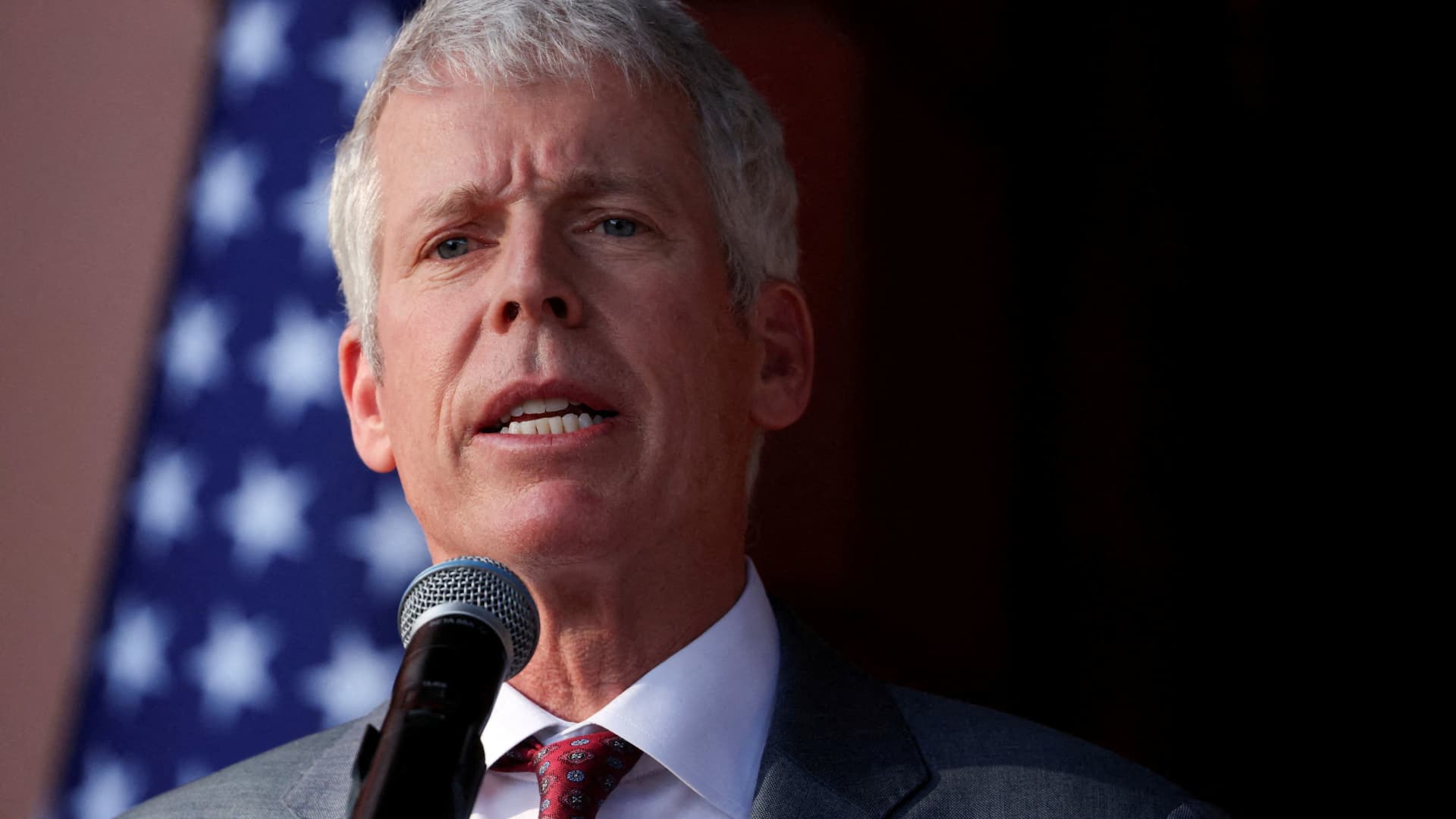
U.S. Energy Secretary Visits Venezuela Amid Oil Policy Focus


- High-Level Energy Visit: U.S. Energy Secretary Chris Wright's meeting with Venezuela's interim President Delcy Rodriguez marks the first high-level U.S. visit focused on energy policy in nearly three decades, indicating a strategic interest in rebuilding Venezuela's oil industry.
- Oil Price Volatility: Wright's deleted post about U.S. Navy escorting a tanker led to an over 11% drop in oil prices, which partially recovered after clarifications, highlighting market uncertainty regarding U.S. energy policy.
- Cloud Business Surge: Oracle's shares rose 10% after reporting a 44% increase in cloud revenue to $8.9 billion in Q3, with future performance obligations exceeding $550 billion, showcasing the company's robust growth potential in the cloud sector.
- Diverging Tech Stances: Microsoft supports Anthropic's legal battle against the Pentagon, seeking a temporary restraining order, while Alphabet aims to strengthen ties with the Defense Department by launching custom AI agent features, reflecting differing strategies among tech giants in government collaboration.
Microsoft Raises Office Suite Prices Amid AI Integration
- Price Increase: Microsoft is raising the monthly fee for its enterprise Microsoft 365 E7 to $99, a 65% increase from the $60 E5 subscription, aiming to attract more enterprise users to its Copilot AI add-on, thereby boosting overall revenue.
- New Product Bundle: The E7 suite includes $30 for Copilot, $12 for Entra identity tools, and $15 for Agent 365, providing a comprehensive AI management solution that enhances companies' competitiveness in digital transformation.
- Increased Market Adoption: Microsoft’s commercial CEO Judson Althoff stated that the launch of E7 is expected to drive broader adoption of Copilot, which has yet to become common among commercial productivity users, indicating a growing demand for AI tools in the market.
- Competitive Pressure: This pricing and product update comes amid investor concerns about AI models from Anthropic potentially threatening established software companies, with Microsoft’s strategic adjustments aimed at solidifying its market position and addressing competitive challenges.
OpenAI Plans to Acquire Security Startup Promptfoo
- Acquisition Announcement: OpenAI has revealed plans to acquire Promptfoo, a startup focused on helping enterprises identify and rectify vulnerabilities in AI systems, indicating a strategic move into the AI security sector.
- Market Impact: Promptfoo's open-source tools have been downloaded by over 125,000 developers and are currently utilized by more than 25% of Fortune 500 companies, highlighting the widespread acceptance and significance of its products in the market.
- Technology Integration: OpenAI plans to integrate several of Promptfoo's tools into its Frontier platform, enhancing the security and reliability of AI applications, thereby improving safety testing and oversight capabilities during AI development workflows.
- Founders' Background: Promptfoo's founders, Ian Webster and Michael D'Angelo, bring extensive industry experience, with Webster previously leading large language model engineering teams at Discord and D'Angelo serving as the former VP of engineering at Smile Identity, showcasing their technical expertise and industry insights.
Eli Lilly and Ford's Strategic Investments and Innovations
- Eli Lilly's Investment Plan: Eli Lilly submitted a marketing application for its experimental weight loss drug orforglipron in China and plans to invest $3 billion over the next decade to expand its supply chain capabilities, particularly by establishing local production capacity, thereby enhancing its competitive edge in the Chinese market.
- NIO's Financial Improvement: Despite a 1.9% drop in NIO's stock price, the company received an upgrade from Nomura following its latest earnings report, with analysts noting significant improvements in financial performance and shipment momentum over the past two quarters, indicating a transition into a healthier business cycle.
- Microsoft's Legal Support: Microsoft shares rose 0.2% as it backed Anthropic's lawsuit against the Pentagon's blacklisting, emphasizing that as a partner, it is directly affected by the Department of Defense's assessment of Anthropic as a supply chain risk, highlighting its concern over national security issues.
- Ford's Intelligent Assistant: Ford's stock ticked up 0.1% after unveiling the Ford Pro AI intelligent fleet assistant, designed to help commercial customers increase efficiency, identify vehicles needing maintenance, and monitor driving patterns, thereby driving growth in its commercial software revenue and strengthening its position in the commercial vehicle market.
Investment Opportunities in Amazon and Target
- AWS Growth: Amazon's cloud computing division, AWS, is projected to contribute 57% of operating income in 2025, with Q4 sales growing 23.6% year-over-year to $35.6 billion and operating income increasing 17.2% to $12.5 billion, indicating strong earnings potential despite management's forecast of capital expenditures rising from $131.8 billion to $200 billion.
- Market Share Advantage: AWS holds a leading 28% market share in Q4, ahead of Microsoft's 21% and Google's 14%, providing Amazon with a unique opportunity for future growth as generative artificial intelligence becomes more prevalent, despite the pressure from higher expenses.
- Target's Strategic Shift: New CEO Michael Fiddelke aims to return Target to its core merchandising strategy, enhancing online and in-store customer experiences, with expectations for a slight increase in same-store sales and an operating margin rise from 4.6% to 4.8% this year to counteract previous sales declines.
- Valuation Appeal: Target's P/E ratio has risen from 13 to 15, yet remains below the S&P 500 multiple, indicating the stock's attractiveness, especially as it seeks to improve sales and profitability, leading investors to maintain an optimistic outlook on its future performance.
Middle East AI Infrastructure Investments Face Challenges Amid Iran Conflict
- Rising Security Risks: The Iran conflict has rendered data centers legitimate targets in modern armed conflicts, leading to attacks on AWS facilities in the UAE and Bahrain, which caused outages in banking and payment services, prompting companies to reassess their data center security strategies.
- Investment Plan Adjustments: While the Middle East continues to attract AI infrastructure investments, rising geopolitical risks may lead companies to delay new capital deployments or pause planned partnerships to reduce exposure to ongoing conflicts.
- Regional Appeal Remains: The Middle East remains attractive for AI infrastructure development due to capital from sovereign wealth funds, government support, and abundant energy resources, particularly as the UAE invests billions in AI transition, highlighting its commitment to future growth.
- Uncertainty in Future Development: As the conflict persists, companies may consider shifting data center construction to safer regions like Northern Europe, India, or Southeast Asia to ensure stable power supply and regulatory environments, thereby impacting future investment decisions.
U.S. Energy Secretary Visits Venezuela Amid Oil Policy Focus
- High-Level Energy Visit: U.S. Energy Secretary Chris Wright's meeting with Venezuela's interim President Delcy Rodriguez marks the first high-level U.S. visit focused on energy policy in nearly three decades, indicating a strategic interest in rebuilding Venezuela's oil industry.
- Oil Price Volatility: Wright's deleted post about U.S. Navy escorting a tanker led to an over 11% drop in oil prices, which partially recovered after clarifications, highlighting market uncertainty regarding U.S. energy policy.
- Cloud Business Surge: Oracle's shares rose 10% after reporting a 44% increase in cloud revenue to $8.9 billion in Q3, with future performance obligations exceeding $550 billion, showcasing the company's robust growth potential in the cloud sector.
- Diverging Tech Stances: Microsoft supports Anthropic's legal battle against the Pentagon, seeking a temporary restraining order, while Alphabet aims to strengthen ties with the Defense Department by launching custom AI agent features, reflecting differing strategies among tech giants in government collaboration.