Costco Raises Membership Fees for First Time in Seven Years
Written by Emily J. Thompson, Senior Investment Analyst
Updated: Apr 12 2026
0mins


Should l Buy COST?
Source: Yahoo Finance
- Membership Fee Increase: Costco raised its membership fee to $130 from $120 in 2024, marking the first increase in seven years, which is expected to enhance profitability in a fiercely competitive retail landscape.
- Sales Performance: For the first 24 weeks of fiscal year 2026, Costco generated $134.2 billion in net sales, with only $15 billion in operating income after merchandise costs, reflecting its low-margin business model.
- Renewal Rates: Management reported a 92.1% renewal rate for U.S. and Canadian members, down just 0.1%, while the 2024 price hike accounted for one-third of membership fee growth, indicating strong brand loyalty.
- Future Growth Potential: Analysts estimate Costco's earnings growth will average 10% annually over the next three to five years, with membership fee increases likely to accelerate this trend, suggesting room for further price hikes in the future.
Trade with 70% Backtested Accuracy
Stop guessing "Should I Buy COST?" and start using high-conviction signals backed by rigorous historical data.
Sign up today to access powerful investing tools and make smarter, data-driven decisions.
Analyst Views on COST
Wall Street analysts forecast COST stock price to rise
24 Analyst Rating
19 Buy
4 Hold
1 Sell
Strong Buy
Current: 987.210

Low
769.00
Averages
1061
High
1205
Current: 987.210
Low
769.00
Averages
1061
High
1205
About COST
Costco Wholesale Corporation (Costco) operates membership warehouses and e-commerce sites that offer a selection of nationally branded and private-label products in a wide range of categories. The Company buys the majority of its merchandise directly from suppliers and route it to cross-docking consolidation points (depots) or directly to its warehouses. It operates 891 warehouses, including 614 in the United States and Puerto Rico, 108 in Canada, 40 in Mexico, 35 in Japan, 29 in the United Kingdom, 19 in Korea, 15 in Australia, 14 in Taiwan, seven in China, five in Spain, two in France, and one each in Iceland, New Zealand and Sweden. It also operates e-commerce sites in the United States, Canada, the United Kingdom, Mexico, Korea, Taiwan, Japan and Australia. The Company provides wide selection of merchandise, plus the convenience of specialty departments and exclusive member services.
About the author

Emily J. Thompson
Emily J. Thompson, a Chartered Financial Analyst (CFA) with 12 years in investment research, graduated with honors from the Wharton School. Specializing in industrial and technology stocks, she provides in-depth analysis for Intellectia’s earnings and market brief reports.

Costco and MercadoLibre: Long-Term Investment Opportunities

- Costco's Resilience: Despite increasing economic uncertainty, Costco maintains a membership retention rate above 90%, providing stability to its revenues and cash flow, with net sales increasing by 9.1% year-over-year in the second quarter, showcasing strong market performance.
- Global Expansion Strategy: With over 600 warehouses in the U.S. and nearly 300 abroad, Costco's ongoing global expansion not only enhances its market share but also boosts brand influence, further solidifying its leadership position in the retail sector.
- MercadoLibre's Ecosystem: MercadoLibre's financial services platform, Mercado Pago, saw a 90% year-over-year growth in its credit portfolio as of Q4 2025, indicating strong growth potential in the Latin American fintech sector, while overall net revenue surged 45% in the last quarter of last year, reaching $8.76 billion.
- Optimistic Market Outlook: Although MercadoLibre's stock has fallen 7% year-to-date, its forward P/E ratio slightly above 30 and analysts' bullish consensus on its ability to build an ecosystem throughout Latin America suggest immense long-term growth opportunities.
See More

Costco and MercadoLibre's Growth Potential
- High Membership Renewal: Costco boasts a remarkable 90% membership renewal rate, providing a solid level of consistency and visibility in revenue and cash flow, ensuring sustained growth amid market volatility.
- Significant Sales Growth: In the second quarter, Costco reported a 9.1% year-over-year increase in net sales, while expanding globally with over 600 warehouses in the U.S. and nearly 300 abroad, demonstrating its robust market expansion capabilities.
- Rapid Growth of MercadoLibre: MercadoLibre's net revenue surged 45% in the last quarter of the previous year, reaching $8.76 billion, while its financial services platform, Mercado Pago, saw a 90% year-over-year growth in its credit portfolio, showcasing strong growth potential in the Latin American market.
- Optimistic Market Outlook: Despite a 7% decline in MercadoLibre's stock year-to-date, its forward P/E ratio slightly above 30 indicates strong long-term growth prospects as the market remains bullish on its efforts to build an ecosystem throughout Latin America, highlighting its significant investment appeal.
See More
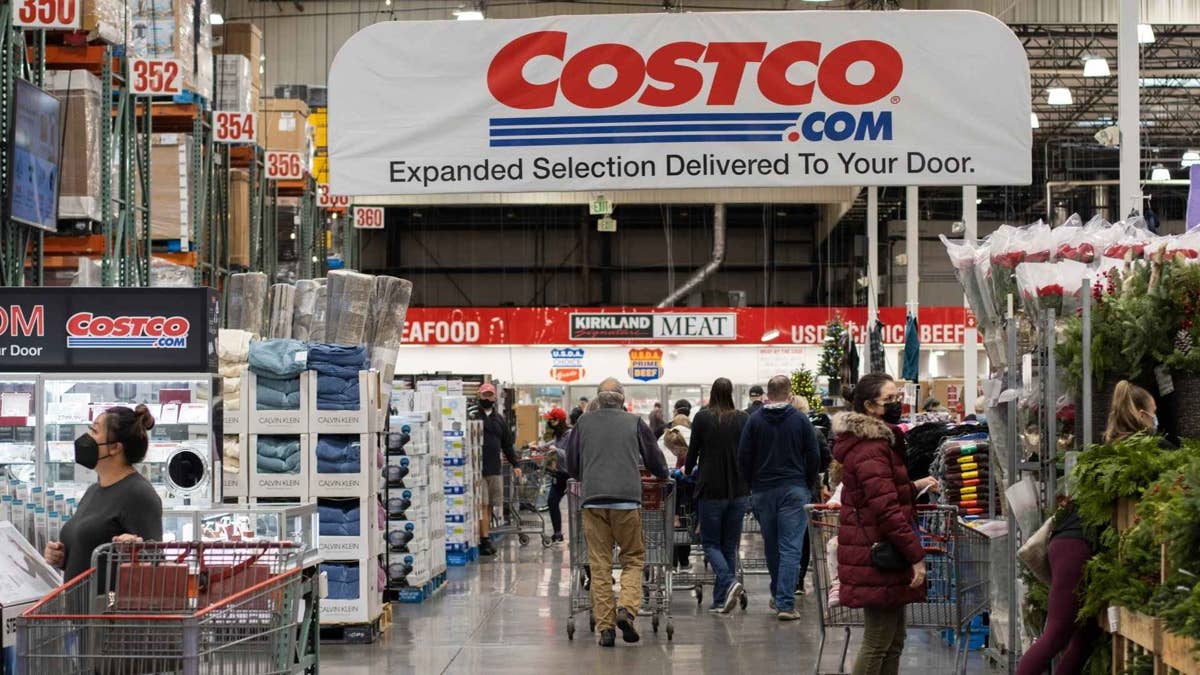
Costco's Low-Price Strategy Drives Membership Growth

- Membership Growth Driver: During strong economic times, Costco's treasure hunt model has attracted more members, with analysts noting that the company continues to deliver compelling value and novelty, thereby enhancing customer shopping consolidation.
- Market Share Increase: Data shows that Costco's market share rose from 7% in the 2020-2021 period to 8.4% in 2024-2025, making it the only retailer in the top 20 to achieve market share growth each year, demonstrating its robust performance in a competitive market.
- Price Competitive Advantage: Costco's grocery prices are 21.4% lower than Walmart's, and it maintains a low-price strategy compared to other major retailers, further solidifying its position as a pricing authority in consumers' minds.
- Commitment to Ongoing Investment: Costco's CEO stated that the company will continue to invest in business expansion while keeping prices low, expecting to achieve good returns through increased member traffic and sales, thereby enhancing its market competitiveness.
See More
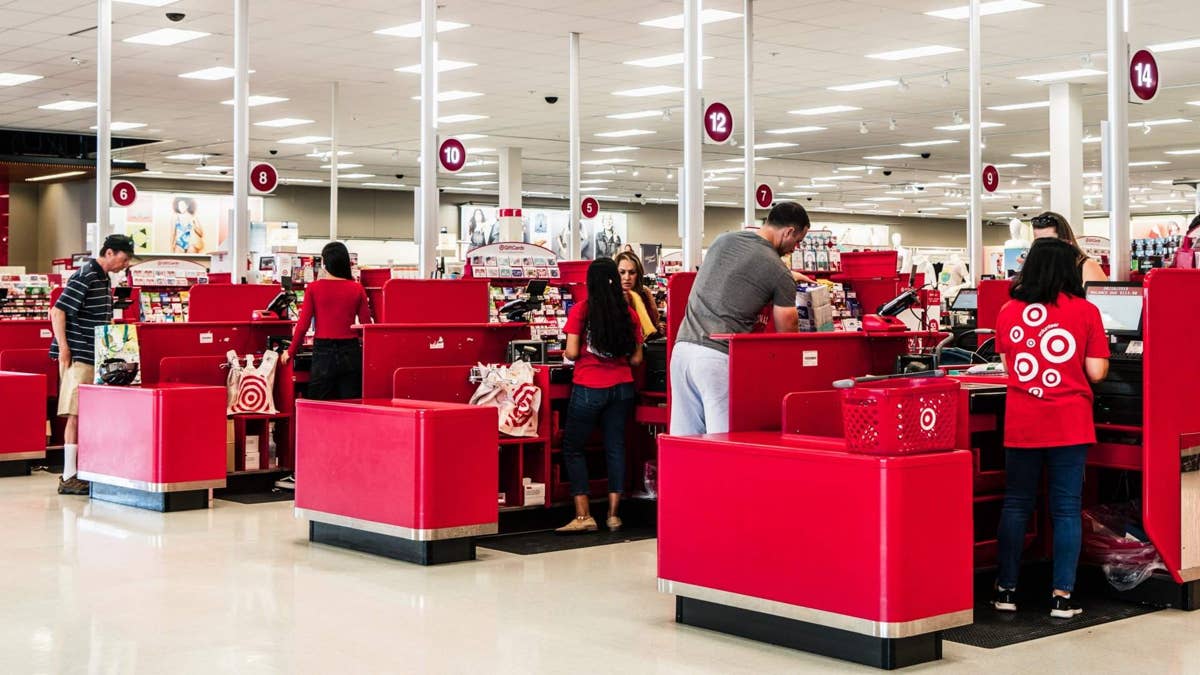
Target Launches Exclusive Pokémon Collection for 30th Anniversary

- Market Position Shift: Target, once known for its unique style and affordability, has seen its market position weaken due to inflation and intensified competition, necessitating a restoration of consumer trust.
- Exclusive Collaboration Launch: To celebrate Pokémon's 30th anniversary, Target is launching over 100 exclusive items, including apparel, accessories, and home goods, aiming to attract consumers through unique partnerships.
- Consumer Input in Design: The collection's design incorporates feedback from Pokémon fans, ensuring that the products not only hold commercial value but also authentically reflect fan interests, thereby enhancing brand loyalty.
- Revitalizing Shopping Experience: The Pokémon collection launch is not just about boosting sales but also about reclaiming Target's brand identity, reminding consumers of the joy of shopping, although a single product launch may not suffice to address its core issues.
See More
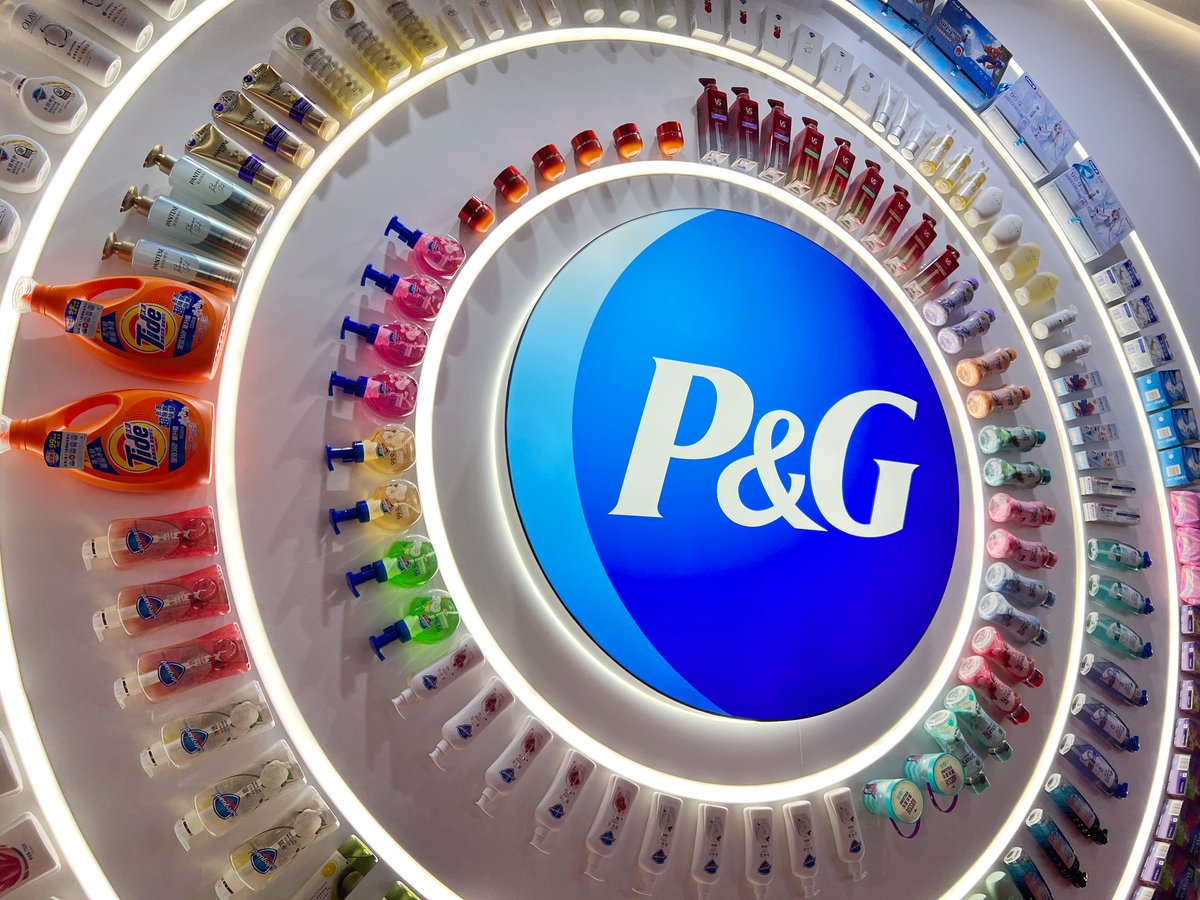
Procter & Gamble Announces 70th Consecutive Dividend Increase
- Dividend Increase: Procter & Gamble raised its quarterly dividend from $1.0568 to $1.0885 per share, resulting in an annual payout of $4.354 and a forward yield of 3%, reflecting the company's ongoing commitment to shareholder returns.
- Dividend King Status: This increase positions P&G among only five companies that have raised dividends for over 70 consecutive years, further solidifying its status as a Dividend King and attracting income-focused investors.
- Market Competitiveness: As the largest household and personal products company globally, P&G demonstrates resilience with an operating margin exceeding 20%, despite facing consumer spending challenges, showcasing its ability to maintain stability during economic fluctuations.
- Investment Opportunity: The recent stock sell-off has pushed P&G's dividend yield to a five-year high, with a price-to-earnings ratio of 21.4 and a forward P/E of 20.8, presenting an attractive buying opportunity for value investors looking to anchor their passive income portfolios.
See More

Procter & Gamble Announces 70th Consecutive Dividend Increase
- Dividend Increase: Procter & Gamble raised its quarterly dividend from $1.0568 to $1.0885 per share, resulting in an annual payout of $4.354 and a forward yield of 3%, demonstrating the company's resilience amid economic slowdowns.
- Industry Position: As the largest household and personal products company globally, P&G ranks third in market capitalization among U.S. consumer staples, trailing only Walmart and Costco, highlighting its strong competitive edge in the market.
- Financial Health: With earnings per share at $6.75 and free cash flow at $6.09, P&G maintains a solid dividend payout ratio of 61.9%, indicating robust financial health while sustaining dividend growth.
- Market Adaptability: Despite consumer spending challenges, P&G effectively offsets weak performance in North America by leveraging a diversified product portfolio and geographic flexibility, ensuring continued growth in the global market.
See More
Costco and MercadoLibre: Long-Term Investment Opportunities
- Costco's Resilience: Despite increasing economic uncertainty, Costco maintains a membership retention rate above 90%, providing stability to its revenues and cash flow, with net sales increasing by 9.1% year-over-year in the second quarter, showcasing strong market performance.
- Global Expansion Strategy: With over 600 warehouses in the U.S. and nearly 300 abroad, Costco's ongoing global expansion not only enhances its market share but also boosts brand influence, further solidifying its leadership position in the retail sector.
- MercadoLibre's Ecosystem: MercadoLibre's financial services platform, Mercado Pago, saw a 90% year-over-year growth in its credit portfolio as of Q4 2025, indicating strong growth potential in the Latin American fintech sector, while overall net revenue surged 45% in the last quarter of last year, reaching $8.76 billion.
- Optimistic Market Outlook: Although MercadoLibre's stock has fallen 7% year-to-date, its forward P/E ratio slightly above 30 and analysts' bullish consensus on its ability to build an ecosystem throughout Latin America suggest immense long-term growth opportunities.
See More
Costco and MercadoLibre's Growth Potential
- High Membership Renewal: Costco boasts a remarkable 90% membership renewal rate, providing a solid level of consistency and visibility in revenue and cash flow, ensuring sustained growth amid market volatility.
- Significant Sales Growth: In the second quarter, Costco reported a 9.1% year-over-year increase in net sales, while expanding globally with over 600 warehouses in the U.S. and nearly 300 abroad, demonstrating its robust market expansion capabilities.
- Rapid Growth of MercadoLibre: MercadoLibre's net revenue surged 45% in the last quarter of the previous year, reaching $8.76 billion, while its financial services platform, Mercado Pago, saw a 90% year-over-year growth in its credit portfolio, showcasing strong growth potential in the Latin American market.
- Optimistic Market Outlook: Despite a 7% decline in MercadoLibre's stock year-to-date, its forward P/E ratio slightly above 30 indicates strong long-term growth prospects as the market remains bullish on its efforts to build an ecosystem throughout Latin America, highlighting its significant investment appeal.
See More
Costco's Low-Price Strategy Drives Membership Growth
- Membership Growth Driver: During strong economic times, Costco's treasure hunt model has attracted more members, with analysts noting that the company continues to deliver compelling value and novelty, thereby enhancing customer shopping consolidation.
- Market Share Increase: Data shows that Costco's market share rose from 7% in the 2020-2021 period to 8.4% in 2024-2025, making it the only retailer in the top 20 to achieve market share growth each year, demonstrating its robust performance in a competitive market.
- Price Competitive Advantage: Costco's grocery prices are 21.4% lower than Walmart's, and it maintains a low-price strategy compared to other major retailers, further solidifying its position as a pricing authority in consumers' minds.
- Commitment to Ongoing Investment: Costco's CEO stated that the company will continue to invest in business expansion while keeping prices low, expecting to achieve good returns through increased member traffic and sales, thereby enhancing its market competitiveness.
See More
Target Launches Exclusive Pokémon Collection for 30th Anniversary
- Market Position Shift: Target, once known for its unique style and affordability, has seen its market position weaken due to inflation and intensified competition, necessitating a restoration of consumer trust.
- Exclusive Collaboration Launch: To celebrate Pokémon's 30th anniversary, Target is launching over 100 exclusive items, including apparel, accessories, and home goods, aiming to attract consumers through unique partnerships.
- Consumer Input in Design: The collection's design incorporates feedback from Pokémon fans, ensuring that the products not only hold commercial value but also authentically reflect fan interests, thereby enhancing brand loyalty.
- Revitalizing Shopping Experience: The Pokémon collection launch is not just about boosting sales but also about reclaiming Target's brand identity, reminding consumers of the joy of shopping, although a single product launch may not suffice to address its core issues.
See More
Procter & Gamble Announces 70th Consecutive Dividend Increase
- Dividend Increase: Procter & Gamble raised its quarterly dividend from $1.0568 to $1.0885 per share, resulting in an annual payout of $4.354 and a forward yield of 3%, reflecting the company's ongoing commitment to shareholder returns.
- Dividend King Status: This increase positions P&G among only five companies that have raised dividends for over 70 consecutive years, further solidifying its status as a Dividend King and attracting income-focused investors.
- Market Competitiveness: As the largest household and personal products company globally, P&G demonstrates resilience with an operating margin exceeding 20%, despite facing consumer spending challenges, showcasing its ability to maintain stability during economic fluctuations.
- Investment Opportunity: The recent stock sell-off has pushed P&G's dividend yield to a five-year high, with a price-to-earnings ratio of 21.4 and a forward P/E of 20.8, presenting an attractive buying opportunity for value investors looking to anchor their passive income portfolios.
See More
Procter & Gamble Announces 70th Consecutive Dividend Increase
- Dividend Increase: Procter & Gamble raised its quarterly dividend from $1.0568 to $1.0885 per share, resulting in an annual payout of $4.354 and a forward yield of 3%, demonstrating the company's resilience amid economic slowdowns.
- Industry Position: As the largest household and personal products company globally, P&G ranks third in market capitalization among U.S. consumer staples, trailing only Walmart and Costco, highlighting its strong competitive edge in the market.
- Financial Health: With earnings per share at $6.75 and free cash flow at $6.09, P&G maintains a solid dividend payout ratio of 61.9%, indicating robust financial health while sustaining dividend growth.
- Market Adaptability: Despite consumer spending challenges, P&G effectively offsets weak performance in North America by leveraging a diversified product portfolio and geographic flexibility, ensuring continued growth in the global market.
See More