Coca-Cola: A Stable Dividend Investment Choice
Written by Emily J. Thompson, Senior Investment Analyst
Updated: 2 days ago
0mins
Should l Buy KO?
Source: Fool
- Stable Dividend Yield: At Coca-Cola's current stock price of $75.91, a $5,000 investment would purchase 66 shares, generating approximately $140 in annual passive income, highlighting its appeal as a dividend stock.
- Consistent Dividend Increases: Coca-Cola raised its quarterly dividend to $0.53 in February, marking the 64th consecutive year of dividend hikes approved by the board, demonstrating a strong commitment to shareholders over the long term.
- Strong Market Position: With a market cap of $333 billion, Coca-Cola's robust brand and pricing power help maintain profitability in the competitive beverage industry, reducing the risk of disruption from technological changes.
- Realistic Investment Expectations: Although Coca-Cola's 10-year total return falls short of the S&P 500 index, its stable dividends and long operational history make it an ideal choice for conservative investors seeking reliable income.
Trade with 70% Backtested Accuracy
Stop guessing "Should I Buy KO?" and start using high-conviction signals backed by rigorous historical data.
Sign up today to access powerful investing tools and make smarter, data-driven decisions.
Analyst Views on KO
Wall Street analysts forecast KO stock price to rise
14 Analyst Rating
13 Buy
1 Hold
0 Sell
Strong Buy
Current: 78.180

Low
71.00
Averages
79.33
High
85.00
Current: 78.180
Low
71.00
Averages
79.33
High
85.00
About KO
The Coca-Cola Company is a beverage company. The Company's segments include Europe, Middle East and Africa (EMEA); Latin America; North America; Asia Pacific, and Bottling Investments. It sells multiple brands across several beverage categories worldwide. Its portfolio of sparkling soft drink brands includes Coca-Cola, Sprite and Fanta. Its water, sports, coffee and tea brands include Dasani, smartwater, vitaminwater, Topo Chico, BODYARMOR, Powerade, Costa, Georgia, Fuze Tea, Gold Peak and Ayataka. Its juice, value-added dairy and plant-based beverage brands include Minute Maid, Simply, innocent, Del Valle, fairlife and Santa Clara. It operates in two lines of business: concentrate operations and finished product operations. Its concentrate operations sell beverage concentrates, syrups, including fountain syrups, and certain finished beverages to authorized bottling operations. Its finished product operations sell sparkling soft drinks and a variety of other finished beverages.
About the author

Emily J. Thompson
Emily J. Thompson, a Chartered Financial Analyst (CFA) with 12 years in investment research, graduated with honors from the Wharton School. Specializing in industrial and technology stocks, she provides in-depth analysis for Intellectia’s earnings and market brief reports.
S&P 500 Dividend Yield Hits 50-Year Low


- Dividend Yield Decline: The average dividend yield of the S&P 500 has shrunk to just over 1.2%, marking a 50-year low, which poses challenges for income investors and may prompt a reevaluation of investment strategies.
- AbbVie's Strong Position: AbbVie boasts a current dividend yield of 3.3%, despite its stock price dropping over 7% due to the FDA approval of competitor Johnson & Johnson's drug Icotyde; however, its robust commercial portfolio and extensive pipeline maintain its competitive edge in the pharmaceutical sector.
- Procter & Gamble's Stability: Procter & Gamble offers a dividend yield of 2.9%, with net sales reaching $84.3 billion in 2025 and annual free cash flow ranging from $13.6 billion to $16.5 billion, ensuring its ability to sustain dividend payments and highlighting its significant influence in the consumer goods market.
- Coca-Cola's Continued Growth: Coca-Cola's dividend yield stands at 2.7%, as it maintains its
See More

Dividend Kings: High-Yield Stock Analysis
- Dividend Yield Analysis: The average dividend yield of the S&P 500 has dropped to 1.2%, marking a 50-year low, indicating challenges for income investors, although companies like AbbVie, Procter & Gamble, and Coca-Cola still offer yields above average.
- AbbVie's Market Challenges: Despite AbbVie's long history of dividend growth, its stock has fallen over 7% this year, primarily due to competition from Johnson & Johnson's new drug Icotyde, although Skyrizi's multiple indications remain a competitive advantage.
- Procter & Gamble's Stable Cash Flow: Procter & Gamble reported net sales of $84.3 billion in 2025, with free cash flow ranging from $13.6 billion to $16.5 billion over the past five years, ensuring its ability to maintain dividend payments and demonstrating its strong influence in the retail market.
- Coca-Cola's Profitability: Coca-Cola has maintained a net margin above 20% since 2021 and successfully executed its 64th annual dividend increase in February, raising its quarterly dividend by 4% to $0.51 per share, showcasing its robust cash flow and ongoing profitability.
See More

Investment Opportunities Amid Inflation Pressures

- ExxonMobil's Diverse Profit Model: As the second-largest oil and gas company globally, ExxonMobil leverages its integrated upstream, downstream, and chemicals operations to profit in multiple ways when oil and gas prices rise, with its total addressable market projected to double to around $8 trillion by 2050, indicating robust growth potential.
- Copper as an Inflation Hedge: Freeport-McMoRan, a top copper producer, is expected to see copper demand increase by 50% by 2040, driven by accelerating electrification and data center construction, further solidifying its investment value in an inflationary environment.
- Berkshire Hathaway's Inflation Resistance: While not as overtly inflation-resistant as ExxonMobil and Freeport-McMoRan, Berkshire Hathaway's diversification and pricing power allow it to perform well during high inflation periods, particularly as its energy and railroad businesses can pass costs onto consumers.
- Strategic Importance of Cash Reserves: As of the end of 2025, Berkshire Hathaway's cash and short-term investments exceeded $373 billion, positioning it to benefit from potential interest rate hikes, which would significantly boost its interest income and enhance its inflation resilience.
See More
OECD Predicts U.S. Inflation Will Exceed Fed's Projections
- Inflation Forecast Adjustment: The OECD's April 2026 report predicts U.S. inflation will reach 4.2%, significantly higher than the Fed's 2.7% estimate, which could lead to reduced consumer spending and negatively impact corporate revenues and earnings.
- Strong Energy Stock Performance: ExxonMobil (XOM), the world's second-largest oil and gas company, is expected to thrive in a high-inflation environment, with its total addressable market projected to double to around $8 trillion by 2050, and a dividend yield of 2.5% indicating robust financial stability.
- Copper Price Growth Potential: Freeport-McMoRan (FCX), one of the largest copper producers globally, anticipates a 50% increase in copper demand by 2040, driven by accelerating electrification, with additional growth from data center construction and energy transition.
- Diversification Investment Advantage: Berkshire Hathaway (BRK.B) is well-positioned during high inflation due to its diversified business model and pricing power, with utilities and railroads able to pass costs to customers, and a cash reserve exceeding $373 billion that could yield additional income if interest rates rise.
See More
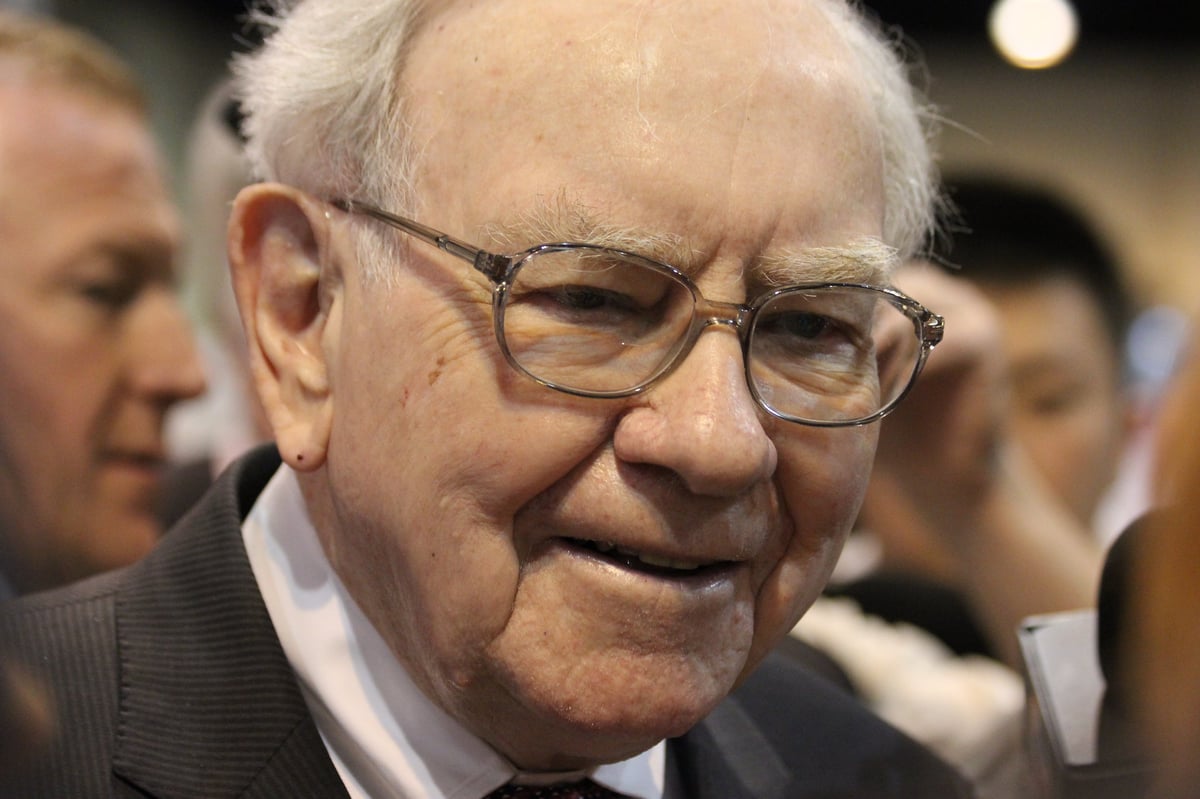
Three Dividend Stocks Buffett Might Favor in a Market Crash

- Coca-Cola's Stability: Coca-Cola (KO), valued at over $30 billion and the third-largest position in Buffett's portfolio, has raised its dividend for 64 consecutive years, with a current yield of 2.7%, showcasing its strong cash flow and long-term investment appeal.
- Chevron's Outlook: Chevron (CVX) remains a key holding for Buffett, offering a forward-looking dividend yield of 3.7%; despite pressures from the transition to renewables, the IEA projects oil consumption will continue to grow through 2050, supporting its profitability.
- McDonald's Business Model: Although McDonald's (MCD) is not currently in Buffett's portfolio, its strong brand, reliable cash flow, and a current dividend yield of 2.4% make it a smart investment choice, having raised dividends for 49 consecutive years.
- Opportunities in Market Pullbacks: Given the potential for market pullbacks, these dividend stocks present long-term investment opportunities, aligning with Buffett's philosophy that short-term dips can provide favorable buying conditions.
See More

Coca-Cola and Buffett's Dividend Investment Strategy
- Coca-Cola's Dividend Performance: Coca-Cola has raised its annual dividend for 64 consecutive years, with a forward-looking yield of 2.7%, making it Buffett's third-largest investment at over $30 billion, reflecting its stable cash flow and attractiveness.
- Chevron's Investment Potential: Despite pressures from the transition to renewable energy, Chevron's forward-looking dividend yield stands at 3.7%, and the International Energy Agency projects crude oil consumption will continue to grow through 2050, supporting its future profitability and aligning with Buffett's investment criteria.
- McDonald's Business Model: McDonald's operates primarily as a rental real estate company, with 95% of its restaurants run by franchisees, ensuring stable rental income that has allowed it to raise its per-share dividend for 49 consecutive years, with a forward-looking yield of 2.4%.
- Investment Opportunities in Market Pullbacks: While the market may face short-term volatility, seasoned investors believe that any short-term dip presents a long-term buying opportunity, as Buffett's investment strategy emphasizes increasing stakes in quality dividend stocks during market corrections.
See More
S&P 500 Dividend Yield Hits 50-Year Low
- Dividend Yield Decline: The average dividend yield of the S&P 500 has shrunk to just over 1.2%, marking a 50-year low, which poses challenges for income investors and may prompt a reevaluation of investment strategies.
- AbbVie's Strong Position: AbbVie boasts a current dividend yield of 3.3%, despite its stock price dropping over 7% due to the FDA approval of competitor Johnson & Johnson's drug Icotyde; however, its robust commercial portfolio and extensive pipeline maintain its competitive edge in the pharmaceutical sector.
- Procter & Gamble's Stability: Procter & Gamble offers a dividend yield of 2.9%, with net sales reaching $84.3 billion in 2025 and annual free cash flow ranging from $13.6 billion to $16.5 billion, ensuring its ability to sustain dividend payments and highlighting its significant influence in the consumer goods market.
- Coca-Cola's Continued Growth: Coca-Cola's dividend yield stands at 2.7%, as it maintains its
See More
Dividend Kings: High-Yield Stock Analysis
- Dividend Yield Analysis: The average dividend yield of the S&P 500 has dropped to 1.2%, marking a 50-year low, indicating challenges for income investors, although companies like AbbVie, Procter & Gamble, and Coca-Cola still offer yields above average.
- AbbVie's Market Challenges: Despite AbbVie's long history of dividend growth, its stock has fallen over 7% this year, primarily due to competition from Johnson & Johnson's new drug Icotyde, although Skyrizi's multiple indications remain a competitive advantage.
- Procter & Gamble's Stable Cash Flow: Procter & Gamble reported net sales of $84.3 billion in 2025, with free cash flow ranging from $13.6 billion to $16.5 billion over the past five years, ensuring its ability to maintain dividend payments and demonstrating its strong influence in the retail market.
- Coca-Cola's Profitability: Coca-Cola has maintained a net margin above 20% since 2021 and successfully executed its 64th annual dividend increase in February, raising its quarterly dividend by 4% to $0.51 per share, showcasing its robust cash flow and ongoing profitability.
See More
Investment Opportunities Amid Inflation Pressures
- ExxonMobil's Diverse Profit Model: As the second-largest oil and gas company globally, ExxonMobil leverages its integrated upstream, downstream, and chemicals operations to profit in multiple ways when oil and gas prices rise, with its total addressable market projected to double to around $8 trillion by 2050, indicating robust growth potential.
- Copper as an Inflation Hedge: Freeport-McMoRan, a top copper producer, is expected to see copper demand increase by 50% by 2040, driven by accelerating electrification and data center construction, further solidifying its investment value in an inflationary environment.
- Berkshire Hathaway's Inflation Resistance: While not as overtly inflation-resistant as ExxonMobil and Freeport-McMoRan, Berkshire Hathaway's diversification and pricing power allow it to perform well during high inflation periods, particularly as its energy and railroad businesses can pass costs onto consumers.
- Strategic Importance of Cash Reserves: As of the end of 2025, Berkshire Hathaway's cash and short-term investments exceeded $373 billion, positioning it to benefit from potential interest rate hikes, which would significantly boost its interest income and enhance its inflation resilience.
See More
OECD Predicts U.S. Inflation Will Exceed Fed's Projections
- Inflation Forecast Adjustment: The OECD's April 2026 report predicts U.S. inflation will reach 4.2%, significantly higher than the Fed's 2.7% estimate, which could lead to reduced consumer spending and negatively impact corporate revenues and earnings.
- Strong Energy Stock Performance: ExxonMobil (XOM), the world's second-largest oil and gas company, is expected to thrive in a high-inflation environment, with its total addressable market projected to double to around $8 trillion by 2050, and a dividend yield of 2.5% indicating robust financial stability.
- Copper Price Growth Potential: Freeport-McMoRan (FCX), one of the largest copper producers globally, anticipates a 50% increase in copper demand by 2040, driven by accelerating electrification, with additional growth from data center construction and energy transition.
- Diversification Investment Advantage: Berkshire Hathaway (BRK.B) is well-positioned during high inflation due to its diversified business model and pricing power, with utilities and railroads able to pass costs to customers, and a cash reserve exceeding $373 billion that could yield additional income if interest rates rise.
See More
Three Dividend Stocks Buffett Might Favor in a Market Crash
- Coca-Cola's Stability: Coca-Cola (KO), valued at over $30 billion and the third-largest position in Buffett's portfolio, has raised its dividend for 64 consecutive years, with a current yield of 2.7%, showcasing its strong cash flow and long-term investment appeal.
- Chevron's Outlook: Chevron (CVX) remains a key holding for Buffett, offering a forward-looking dividend yield of 3.7%; despite pressures from the transition to renewables, the IEA projects oil consumption will continue to grow through 2050, supporting its profitability.
- McDonald's Business Model: Although McDonald's (MCD) is not currently in Buffett's portfolio, its strong brand, reliable cash flow, and a current dividend yield of 2.4% make it a smart investment choice, having raised dividends for 49 consecutive years.
- Opportunities in Market Pullbacks: Given the potential for market pullbacks, these dividend stocks present long-term investment opportunities, aligning with Buffett's philosophy that short-term dips can provide favorable buying conditions.
See More
Coca-Cola and Buffett's Dividend Investment Strategy
- Coca-Cola's Dividend Performance: Coca-Cola has raised its annual dividend for 64 consecutive years, with a forward-looking yield of 2.7%, making it Buffett's third-largest investment at over $30 billion, reflecting its stable cash flow and attractiveness.
- Chevron's Investment Potential: Despite pressures from the transition to renewable energy, Chevron's forward-looking dividend yield stands at 3.7%, and the International Energy Agency projects crude oil consumption will continue to grow through 2050, supporting its future profitability and aligning with Buffett's investment criteria.
- McDonald's Business Model: McDonald's operates primarily as a rental real estate company, with 95% of its restaurants run by franchisees, ensuring stable rental income that has allowed it to raise its per-share dividend for 49 consecutive years, with a forward-looking yield of 2.4%.
- Investment Opportunities in Market Pullbacks: While the market may face short-term volatility, seasoned investors believe that any short-term dip presents a long-term buying opportunity, as Buffett's investment strategy emphasizes increasing stakes in quality dividend stocks during market corrections.
See More