Breakingviews - The Surge of Family Offices Highlights Elite Inequality


Growth of Family Offices: Single-family offices are expanding rapidly, with assets under management projected to reach $5.4 trillion by 2030, reflecting a significant increase in their influence in private markets.
Emerging Divide: A stark divide is forming between larger family offices, which operate similarly to traditional asset managers, and smaller ones, leading to disparities in governance, investment strategies, and access to lucrative deals.
Impact of Market Conditions: Current market pressures, including high interest rates and challenges in private equity exits, are pushing smaller family offices to sell off illiquid holdings, allowing larger offices to acquire assets at discounted prices.
Concentration of Wealth and Influence: A small number of wealthy families are gaining substantial control over private assets, reshaping the financial landscape and creating a hierarchy that influences market dynamics and talent acquisition in the finance sector.
Trade with 70% Backtested Accuracy
Analyst Views on WMT

About WMT
About the author


Unilever Merges Food Business with McCormick for $15.7 Billion

- Strategic Shift: Unilever's decision to sell its food business, including Hellmann's mayo and Marmite, to McCormick for $15.7 billion signifies a pivot towards high-growth health and beauty care sectors, aiming to enhance market relevance and profitability in a changing consumer landscape.
- Industry Trend: This move reflects a broader shift in the consumer goods sector from a 'bigger-is-better' approach to 'targeted scale,' emphasizing the importance of dominating specific categories in response to increasing competition and consumer demand for sustainability.
- Market Challenges: With growth in major markets like China stalling, Unilever and other consumer giants are facing difficulties in organic growth, prompting a strategic focus on mergers and acquisitions to explore new growth avenues, particularly in high-margin core categories.
- Core Business Focus: Unilever's spinoff of its ice cream business last year, creating the world's largest standalone ice cream company Magnum, further illustrates the company's commitment to concentrating resources on high-growth areas, addressing the declining demand for branded goods in the market.
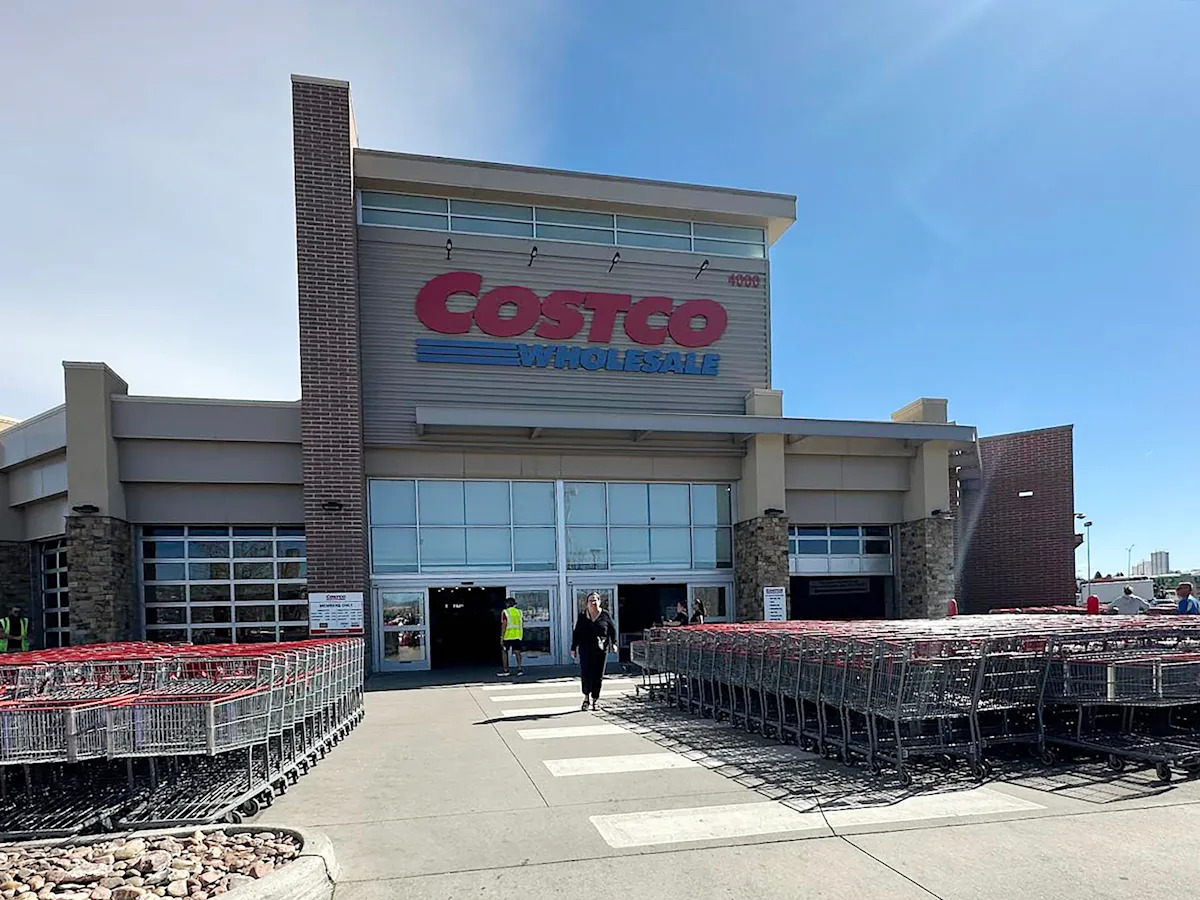
Costco Profits from Rising Gas Prices
- Sales Growth Momentum: Since the launch of Operation Epic Fury on February 28, Costco's (COST) stock has risen by 1%, outperforming the S&P 500's 8.2% decline, reflecting investor confidence in its sales growth amid surging gas prices.
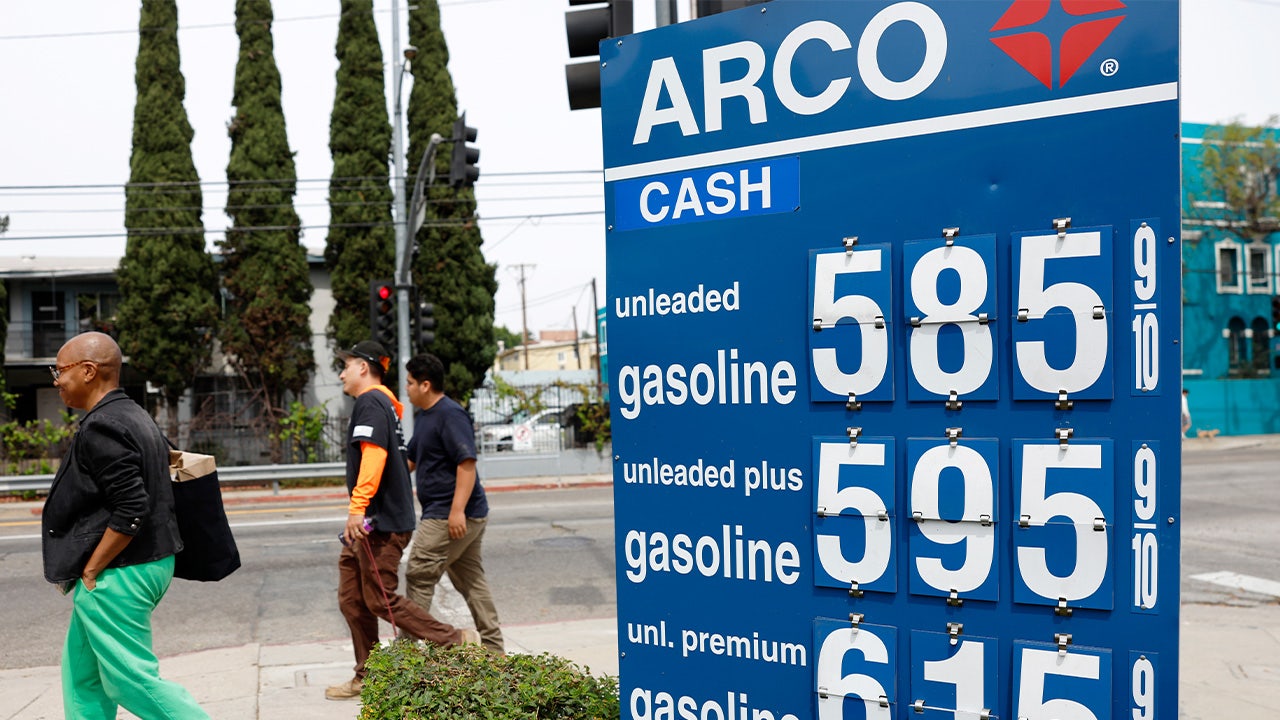
- California Market Impact: Approximately 26% of Costco's sales come from California, where gas prices have soared to an average of $6 per gallon, the highest in the nation, driving consumers to fill up at Costco and shop for groceries, thereby boosting overall sales.
- Future Sales Expectations: Analysts project a strong 10% sales growth for Costco in March, with even stronger results anticipated in the coming months, indicating that consumers' increased pursuit of value will further enhance performance.
- Historical Context Analysis: In spring 2022, the Ukraine conflict led to a 43% increase in retail gas prices, and despite consumer pressure, Costco's operating momentum improved, highlighting the significance of its price leadership in the market.
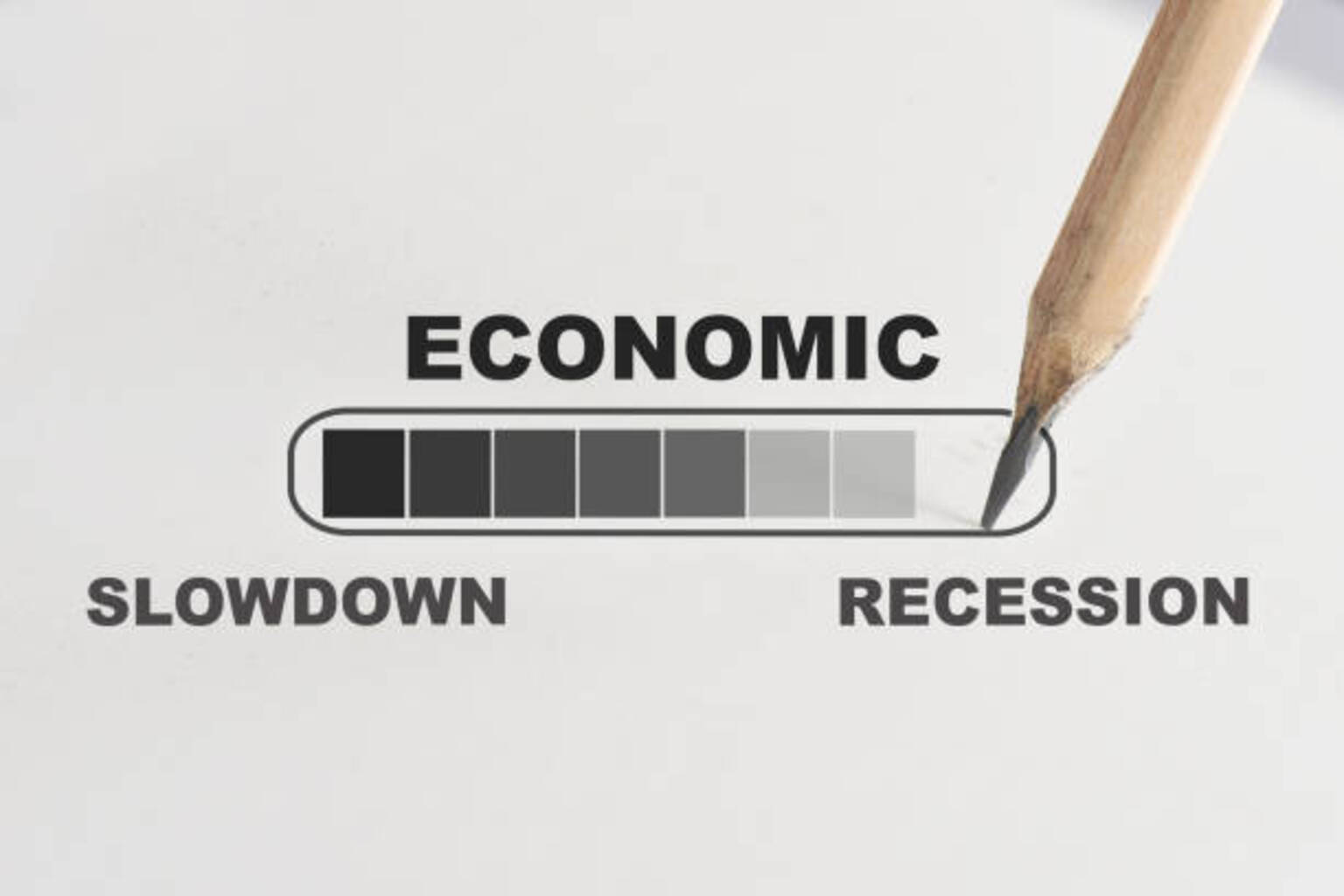
Walmart's Economic Indicator Signals Downturn Ahead
- Walmart Recession Signal: Walmart's stock has risen 10.9% YTD, contrasting with a 14.8% decline in the S&P Global Luxury Index, indicating a divergence that suggests potential economic downturn risks.
- Historical Warning Signs: The WRS is nearing its highest recorded level, similar to the pre-2008-09 financial crisis, indicating that signs of economic slowdown may be intensifying, particularly among lower- and middle-income consumers.
- Policy Expectations: While Paulsen anticipates no recession this year, he believes a significant economic slowdown is unfolding, which may necessitate additional economic policy accommodation and lower interest rates to mitigate emerging pressures.
- Labor Market Implications: Paulsen highlights that the WRS rose significantly before unemployment rates surged in the late 1990s, suggesting that current economic stresses may not yet be reflected in unemployment figures, indicating potential future labor market turbulence.
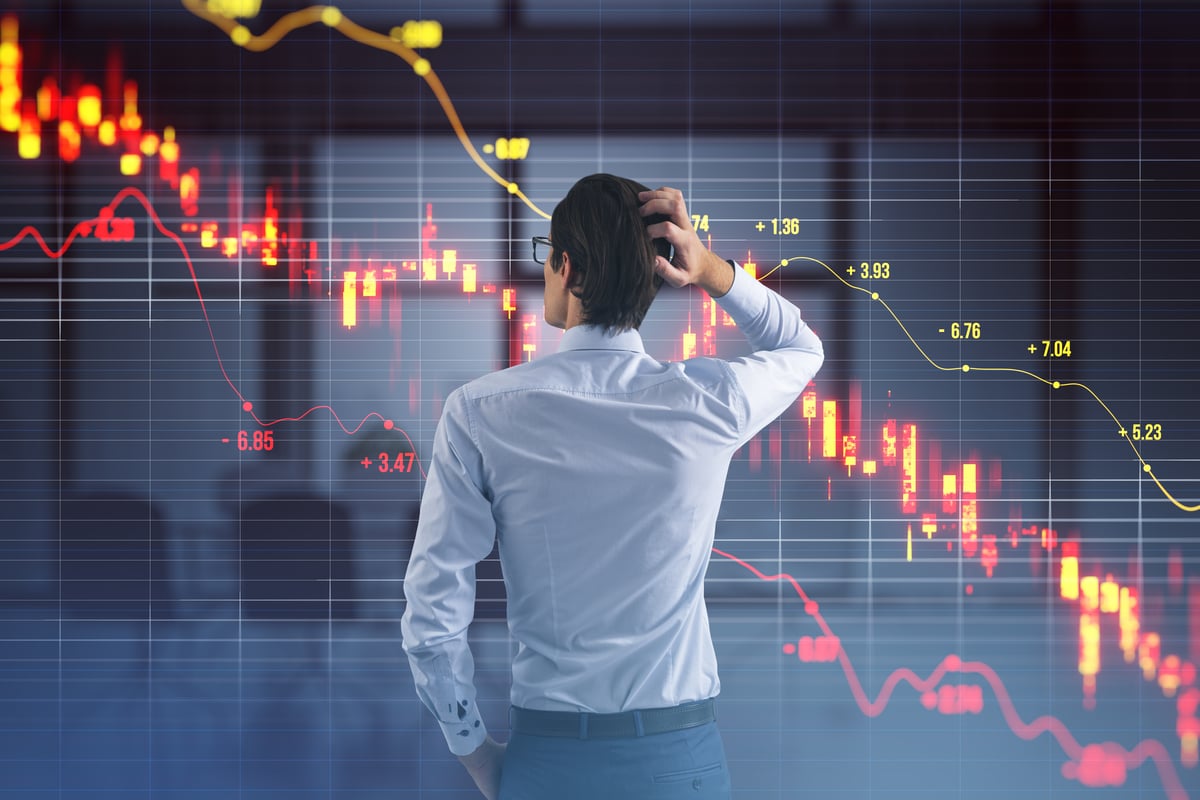
Dow Jones Index Approaches Correction Territory


- Dow Jones Volatility: The Dow Jones Industrial Average briefly slipped into correction territory, down 10% from its previous high, but slightly rebounded on March 30, 2026, indicating market uncertainty that could lead to another drop.
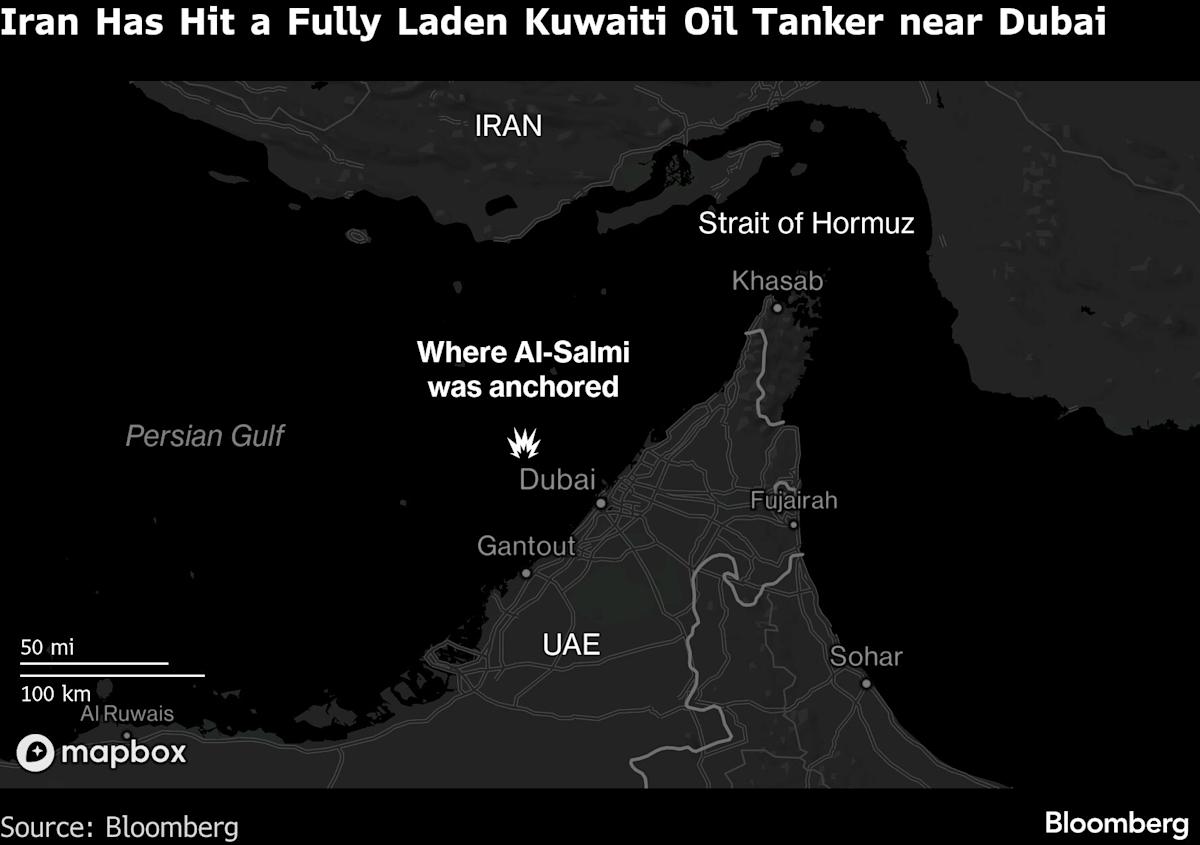
- Chevron's Strong Performance: Chevron (CVX) has been the best-performing stock year-to-date, benefiting from skyrocketing oil and gas prices due to Iran's closure of the Strait of Hormuz, with a market cap of $420 billion and projected annual EPS and free cash flow growth exceeding 10%, making it a solid hedge for investors.
- Challenges for JPMorgan Chase: JPMorgan Chase (JPM) has struggled in 2026 as rising oil prices raise inflation concerns, yet it maintains a strong balance sheet with a market cap of $765 billion, positioning it well for potential economic downturns.
- Walmart as a Safe Haven: Walmart (WMT) has attracted investors during market volatility, with its stock rising year-to-date and a market cap of $985 billion, leveraging its low-price leadership and robust e-commerce platform to potentially outperform most stocks in a significant market pullback.

Chevron Thrives Amid Soaring Oil Prices, Walmart and JPMorgan Chase Remain Strong Picks
- Chevron's Strong Performance: Chevron (NYSE: CVX) has emerged as the best-performing stock in the Dow Jones Industrial Average due to Iran's effective closure of the Strait of Hormuz, with significant year-to-date gains and projected average annual earnings per share and free cash flow growth exceeding 10%, making it a top choice for investors.
- JPMorgan Chase's Resilience: Although JPMorgan Chase (NYSE: JPM) has underperformed in 2026, it has been named the best private bank globally, boasting a robust balance sheet that should provide resilience during a potential economic downturn, with a current price-to-earnings ratio of only 13.4, indicating undervaluation.
- Walmart as a Safe Haven: Walmart (NASDAQ: WMT) remains a favorite among investors during market volatility, with its stock rising year-to-date; its position as a low-price leader and strong e-commerce platform suggest it will outperform most stocks in a significant market pullback.
- Long-Term Investor Appeal: Despite not being recommended by The Motley Fool Stock Advisor, Chevron's strong performance and stable dividend yield of approximately 3.4% continue to make it attractive for long-term investors in an uncertain market environment.

Nebius Signs $27 Billion AI Deal with Meta Platforms


- Major Partnership Agreement: Nebius has signed a $27 billion AI infrastructure deal with Meta Platforms, ensuring that Meta secures sufficient computing power over the next five years to support its AI model development, showcasing Nebius's strong competitive position in the AI cloud computing sector.
- Market Validation: The deal's value exceeds Nebius's previous company valuation, marking a significant recognition of its status as an emerging cloud provider and proving the viability of its business model, which attracts increased investor interest.
- Technological Investment: Nebius will provide Meta with $12 billion worth of computing capacity using Nvidia's latest Vera Rubin chips, a technological choice that will significantly enhance Meta's competitiveness in the AI space, ensuring it stays ahead in technological advancements.
- Strategic Expansion: This agreement not only deepens the collaboration between Nebius and Meta but also complements other significant investments from Nvidia and Microsoft, further solidifying Nebius's critical role in the global AI infrastructure market.
Unilever Merges Food Business with McCormick for $15.7 Billion
- Strategic Shift: Unilever's decision to sell its food business, including Hellmann's mayo and Marmite, to McCormick for $15.7 billion signifies a pivot towards high-growth health and beauty care sectors, aiming to enhance market relevance and profitability in a changing consumer landscape.
- Industry Trend: This move reflects a broader shift in the consumer goods sector from a 'bigger-is-better' approach to 'targeted scale,' emphasizing the importance of dominating specific categories in response to increasing competition and consumer demand for sustainability.
- Market Challenges: With growth in major markets like China stalling, Unilever and other consumer giants are facing difficulties in organic growth, prompting a strategic focus on mergers and acquisitions to explore new growth avenues, particularly in high-margin core categories.
- Core Business Focus: Unilever's spinoff of its ice cream business last year, creating the world's largest standalone ice cream company Magnum, further illustrates the company's commitment to concentrating resources on high-growth areas, addressing the declining demand for branded goods in the market.
Costco Profits from Rising Gas Prices
- Sales Growth Momentum: Since the launch of Operation Epic Fury on February 28, Costco's (COST) stock has risen by 1%, outperforming the S&P 500's 8.2% decline, reflecting investor confidence in its sales growth amid surging gas prices.
- California Market Impact: Approximately 26% of Costco's sales come from California, where gas prices have soared to an average of $6 per gallon, the highest in the nation, driving consumers to fill up at Costco and shop for groceries, thereby boosting overall sales.
- Future Sales Expectations: Analysts project a strong 10% sales growth for Costco in March, with even stronger results anticipated in the coming months, indicating that consumers' increased pursuit of value will further enhance performance.
- Historical Context Analysis: In spring 2022, the Ukraine conflict led to a 43% increase in retail gas prices, and despite consumer pressure, Costco's operating momentum improved, highlighting the significance of its price leadership in the market.
Walmart's Economic Indicator Signals Downturn Ahead
- Walmart Recession Signal: Walmart's stock has risen 10.9% YTD, contrasting with a 14.8% decline in the S&P Global Luxury Index, indicating a divergence that suggests potential economic downturn risks.
- Historical Warning Signs: The WRS is nearing its highest recorded level, similar to the pre-2008-09 financial crisis, indicating that signs of economic slowdown may be intensifying, particularly among lower- and middle-income consumers.
- Policy Expectations: While Paulsen anticipates no recession this year, he believes a significant economic slowdown is unfolding, which may necessitate additional economic policy accommodation and lower interest rates to mitigate emerging pressures.
- Labor Market Implications: Paulsen highlights that the WRS rose significantly before unemployment rates surged in the late 1990s, suggesting that current economic stresses may not yet be reflected in unemployment figures, indicating potential future labor market turbulence.
Dow Jones Index Approaches Correction Territory
- Dow Jones Volatility: The Dow Jones Industrial Average briefly slipped into correction territory, down 10% from its previous high, but slightly rebounded on March 30, 2026, indicating market uncertainty that could lead to another drop.
- Chevron's Strong Performance: Chevron (CVX) has been the best-performing stock year-to-date, benefiting from skyrocketing oil and gas prices due to Iran's closure of the Strait of Hormuz, with a market cap of $420 billion and projected annual EPS and free cash flow growth exceeding 10%, making it a solid hedge for investors.
- Challenges for JPMorgan Chase: JPMorgan Chase (JPM) has struggled in 2026 as rising oil prices raise inflation concerns, yet it maintains a strong balance sheet with a market cap of $765 billion, positioning it well for potential economic downturns.
- Walmart as a Safe Haven: Walmart (WMT) has attracted investors during market volatility, with its stock rising year-to-date and a market cap of $985 billion, leveraging its low-price leadership and robust e-commerce platform to potentially outperform most stocks in a significant market pullback.
Chevron Thrives Amid Soaring Oil Prices, Walmart and JPMorgan Chase Remain Strong Picks
- Chevron's Strong Performance: Chevron (NYSE: CVX) has emerged as the best-performing stock in the Dow Jones Industrial Average due to Iran's effective closure of the Strait of Hormuz, with significant year-to-date gains and projected average annual earnings per share and free cash flow growth exceeding 10%, making it a top choice for investors.
- JPMorgan Chase's Resilience: Although JPMorgan Chase (NYSE: JPM) has underperformed in 2026, it has been named the best private bank globally, boasting a robust balance sheet that should provide resilience during a potential economic downturn, with a current price-to-earnings ratio of only 13.4, indicating undervaluation.
- Walmart as a Safe Haven: Walmart (NASDAQ: WMT) remains a favorite among investors during market volatility, with its stock rising year-to-date; its position as a low-price leader and strong e-commerce platform suggest it will outperform most stocks in a significant market pullback.
- Long-Term Investor Appeal: Despite not being recommended by The Motley Fool Stock Advisor, Chevron's strong performance and stable dividend yield of approximately 3.4% continue to make it attractive for long-term investors in an uncertain market environment.
Nebius Signs $27 Billion AI Deal with Meta Platforms
- Major Partnership Agreement: Nebius has signed a $27 billion AI infrastructure deal with Meta Platforms, ensuring that Meta secures sufficient computing power over the next five years to support its AI model development, showcasing Nebius's strong competitive position in the AI cloud computing sector.
- Market Validation: The deal's value exceeds Nebius's previous company valuation, marking a significant recognition of its status as an emerging cloud provider and proving the viability of its business model, which attracts increased investor interest.
- Technological Investment: Nebius will provide Meta with $12 billion worth of computing capacity using Nvidia's latest Vera Rubin chips, a technological choice that will significantly enhance Meta's competitiveness in the AI space, ensuring it stays ahead in technological advancements.
- Strategic Expansion: This agreement not only deepens the collaboration between Nebius and Meta but also complements other significant investments from Nvidia and Microsoft, further solidifying Nebius's critical role in the global AI infrastructure market.