Berkshire Likely Sold Additional Shares of Apple and Bank of America in Q4
Written by Emily J. Thompson, Senior Investment Analyst
Updated: Feb 13 2026
0mins


Source: Barron's
Berkshire Hathaway's Filing: The company is set to release its fourth-quarter equity holdings, which will be closely examined by investors and analysts.
Warren Buffett's Leadership: This filing is particularly significant as it marks Warren Buffett's final quarter leading Berkshire Hathaway, raising interest in any strategic moves made by him and his team.
Trade with 70% Backtested Accuracy
Stop guessing "Should I Buy JPM?" and start using high-conviction signals backed by rigorous historical data.
Sign up today to access powerful investing tools and make smarter, data-driven decisions.
Analyst Views on JPM
Wall Street analysts forecast JPM stock price to rise
19 Analyst Rating
11 Buy
7 Hold
1 Sell
Moderate Buy
Current: 310.290

Low
260.00
Averages
341.38
High
400.00
Current: 310.290
Low
260.00
Averages
341.38
High
400.00
About JPM
JPMorgan Chase & Co. is a financial holding company. The Company is engaged in investment banking, financial services for consumers and small businesses, commercial banking, financial transaction processing and asset management. The Company operates through three segments: Consumer & Community Banking (CCB), Commercial & Investment Bank (CIB), and Asset & Wealth Management (AWM). Its CCB segment offers products and services to consumers and small businesses through bank branches, ATMs, digital and telephone banking. Its CIB segment consists of banking and payments and markets and securities services, and offers a suite of investment banking, lending, payments, market-making, financing, custody and securities products and services to a global base of corporate and institutional clients. AWM segment offers investment and wealth management solutions. It offers multi-asset investment management solutions, retirement products and services, brokerage, custody, estate planning, and others.
About the author

Emily J. Thompson
Emily J. Thompson, a Chartered Financial Analyst (CFA) with 12 years in investment research, graduated with honors from the Wharton School. Specializing in industrial and technology stocks, she provides in-depth analysis for Intellectia’s earnings and market brief reports.
U.S. Corporate Borrowing Sees Significant Increase


- Corporate Borrowing Surge: U.S. banks reported a sharp increase in corporate borrowing last week, indicating resilience in parts of the economy despite inflationary pressures and fears of a slowdown, showcasing the ongoing demand for working capital.
- Strong Commercial Loan Growth: Bank of America reported over 12% growth in commercial loans, while Wells Fargo's commercial loans surged by 16.4%, highlighting companies' strategies to secure cheaper financing amid uncertain policy conditions.
- Stable Consumer Borrowing: While some banks reported flat or declining consumer loans, overall consumer borrowing balances grew steadily, reflecting resilience in consumer spending, particularly driven by wealthier households.
- Cautious Economic Outlook: Economists caution that prolonged war and persistent inflation could weigh on borrowing, although current financial health of businesses and consumers remains strong, with upcoming quarterly reports expected to provide clearer insights into consumer spending trends.
See More

U.S. Supreme Court Allows Class Action Lawsuit Against Major Banks to Proceed

- Lawsuit Progress: The U.S. Supreme Court's decision to decline the banks' appeal allows the class action lawsuit against JPMorgan Chase (JPM) and Bank of America (BAC) to proceed, potentially leading to a settlement of approximately $770 million, which could significantly impact the banks' financials.
- Allegations: The lawsuit, led by the city of Philadelphia, accuses the banks of conspiring to inflate interest rates on municipal bonds since 2008, which, if proven, could severely damage the banks' reputations and financial stability.
- Market Reaction: Following the lawsuit news, bank stocks showed mixed results, with Bank of America (BAC) falling 0.8% while JPMorgan Chase (JPM) rose 1.4%, indicating varying market expectations regarding the lawsuit's outcome.
- Legal Requirements: In their appeal, the banks argued that the municipalities failed to demonstrate that common issues among plaintiffs would predominate over individual questions, a critical legal requirement that could affect the viability of the class action.
See More
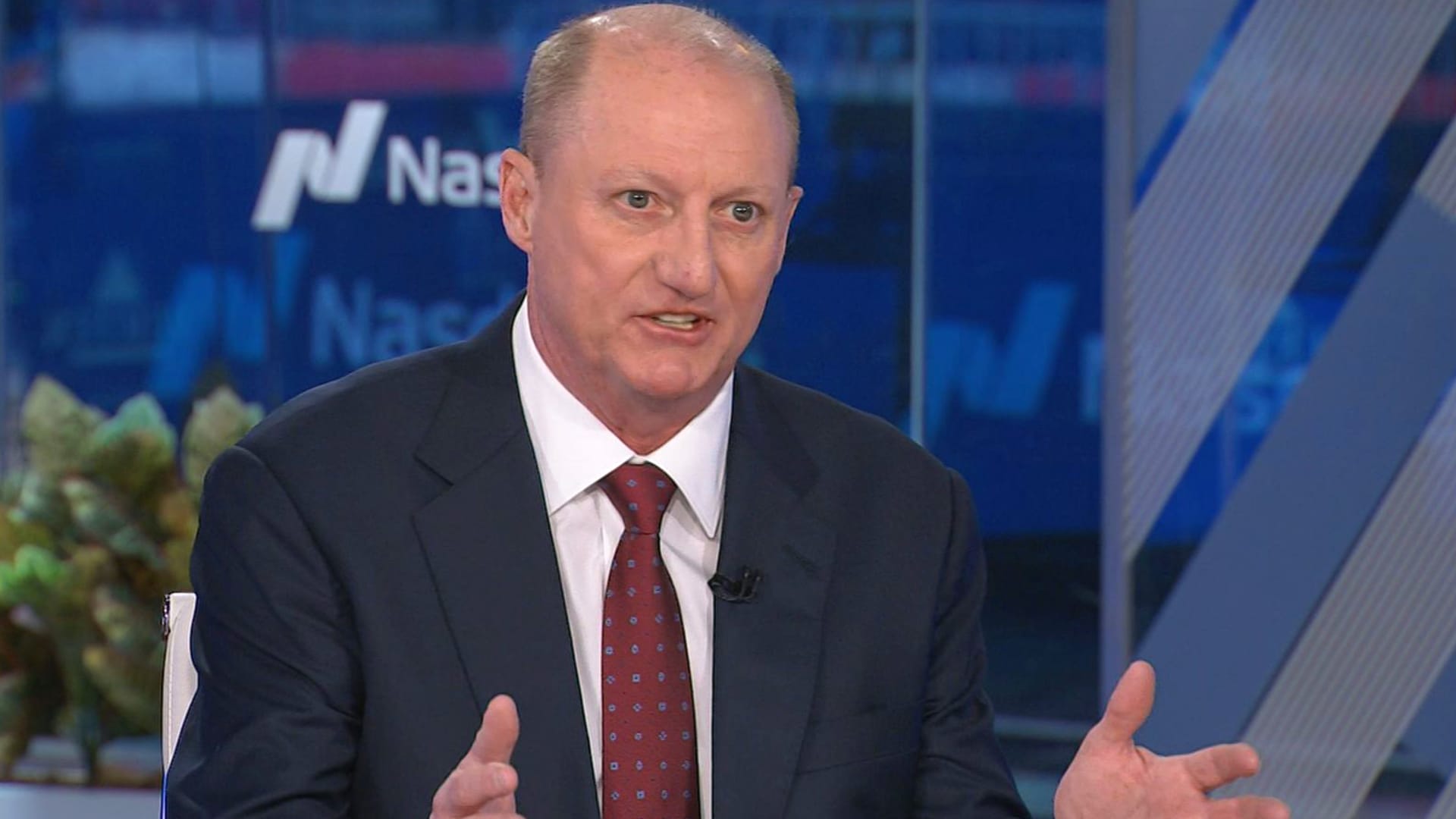
Abel Reshapes Berkshire Hathaway's Investment Portfolio


- Portfolio Restructuring: New CEO Greg Abel is swiftly reshaping Berkshire Hathaway's investment portfolio by selling stocks associated with former manager Todd Combs, demonstrating his control over the approximately $300 billion portfolio.
- Management Changes: Following Combs' departure at the end of 2025, Abel is unlikely to replace him, with Ted Weschler continuing to manage about 6% of the portfolio, indicating a preference for maintaining the existing management structure.
- Core Holdings Strategy: In his annual letter, Abel emphasized a focus on core holdings such as Apple, American Express, Coca-Cola, and Moody's, which are expected to compound value over decades, reflecting a long-term investment strategy.
- Amazon Stake Reduction: Berkshire nearly eliminated 80% of its stake in Amazon in Q4 2025, with market speculation linking this decision to Combs' investment style, raising further questions about the company's investment direction.
See More

Goldman Sachs Forecasts S&P 500 and Gold Prices

- S&P 500 Forecast: Goldman Sachs projects that the S&P 500 will reach 7,600 by April 2027, indicating a 7% upside from its current level of 7,126, reflecting optimism about the recovery of the U.S. economy.
- Gold Price Outlook: The firm anticipates that gold prices will rise to $5,445 per ounce in the coming months, suggesting a 13% upside from the current price of $4,830, indicating a potential increase in demand for safe-haven assets.
- Portfolio Diversification: The SPDR Gold Shares ETF offers a convenient way to invest in gold, as it is more liquid and does not require physical storage, making it suitable for diversification during geopolitical tensions and macroeconomic uncertainties.
- Economic Growth vs. Gold Performance: Despite gold's poor performance in 2026, with a 19% drop, Goldman Sachs and other institutions remain optimistic about its future, suggesting that gold's safe-haven attributes may re-emerge in the context of strong economic growth.
See More

Goldman Sachs Predicts 13% Rise in Gold Prices
- Gold Price Forecast: Goldman Sachs anticipates a 13% increase in gold prices over the next year, projecting a rise from the current $4,830 per ounce to $5,445, reflecting heightened demand for gold as a safe-haven asset amid increasing economic uncertainty.
- Competitor Predictions: UBS and JPMorgan Chase have raised their 2026 gold price targets to $6,200 and $6,300, respectively, indicating potential upsides of 28% and 30%, which suggests a growing confidence in gold as an investment, likely attracting more investor interest in this asset class.
- Market Performance Analysis: Despite gold's historical tendency to perform well during geopolitical tensions, it has paradoxically dropped 19% this year as investors took profits, contrasting with the S&P 500's 9% decline, highlighting the complexities of market sentiment and gold's atypical behavior as a safe-haven asset.
- Portfolio Diversification: The SPDR Gold Shares ETF offers investors a convenient way to invest in gold due to its high liquidity and lack of physical storage requirements, making it an effective diversification tool in the current economic climate, especially as gold's low correlation with other assets provides a hedge against risks.
See More
Private Credit Market Faces Strain Amid Rising Risks


- Market Size and Risks: The private credit market has reached $3 trillion, but current signs of strain raise concerns about its impact on private equity, especially as private credit has become a key financing source for buyouts following banks' retreat.
- Tightening Financing Conditions: Approximately 80% of private equity leveraged buyouts are funded by private credit; however, rising borrowing costs and stricter covenant protections are making financing more expensive and restrictive, directly affecting new deals and cash flows for existing portfolio companies.
- Decline in Investment Activity: Global private equity buyout activity declined 14% year-on-year in the first quarter, primarily due to geopolitical uncertainty and stress in the private credit market, creating a more challenging environment for investors.
- Structural Weaknesses Exposed: The current credit stress is exposing structural weaknesses in the private market model, leading investors to question the fundamental premise of high yields at low risk in private credit, which may result in more cautious future investment decisions.
See More
U.S. Corporate Borrowing Sees Significant Increase
- Corporate Borrowing Surge: U.S. banks reported a sharp increase in corporate borrowing last week, indicating resilience in parts of the economy despite inflationary pressures and fears of a slowdown, showcasing the ongoing demand for working capital.
- Strong Commercial Loan Growth: Bank of America reported over 12% growth in commercial loans, while Wells Fargo's commercial loans surged by 16.4%, highlighting companies' strategies to secure cheaper financing amid uncertain policy conditions.
- Stable Consumer Borrowing: While some banks reported flat or declining consumer loans, overall consumer borrowing balances grew steadily, reflecting resilience in consumer spending, particularly driven by wealthier households.
- Cautious Economic Outlook: Economists caution that prolonged war and persistent inflation could weigh on borrowing, although current financial health of businesses and consumers remains strong, with upcoming quarterly reports expected to provide clearer insights into consumer spending trends.
See More
U.S. Supreme Court Allows Class Action Lawsuit Against Major Banks to Proceed
- Lawsuit Progress: The U.S. Supreme Court's decision to decline the banks' appeal allows the class action lawsuit against JPMorgan Chase (JPM) and Bank of America (BAC) to proceed, potentially leading to a settlement of approximately $770 million, which could significantly impact the banks' financials.
- Allegations: The lawsuit, led by the city of Philadelphia, accuses the banks of conspiring to inflate interest rates on municipal bonds since 2008, which, if proven, could severely damage the banks' reputations and financial stability.
- Market Reaction: Following the lawsuit news, bank stocks showed mixed results, with Bank of America (BAC) falling 0.8% while JPMorgan Chase (JPM) rose 1.4%, indicating varying market expectations regarding the lawsuit's outcome.
- Legal Requirements: In their appeal, the banks argued that the municipalities failed to demonstrate that common issues among plaintiffs would predominate over individual questions, a critical legal requirement that could affect the viability of the class action.
See More
Abel Reshapes Berkshire Hathaway's Investment Portfolio
- Portfolio Restructuring: New CEO Greg Abel is swiftly reshaping Berkshire Hathaway's investment portfolio by selling stocks associated with former manager Todd Combs, demonstrating his control over the approximately $300 billion portfolio.
- Management Changes: Following Combs' departure at the end of 2025, Abel is unlikely to replace him, with Ted Weschler continuing to manage about 6% of the portfolio, indicating a preference for maintaining the existing management structure.
- Core Holdings Strategy: In his annual letter, Abel emphasized a focus on core holdings such as Apple, American Express, Coca-Cola, and Moody's, which are expected to compound value over decades, reflecting a long-term investment strategy.
- Amazon Stake Reduction: Berkshire nearly eliminated 80% of its stake in Amazon in Q4 2025, with market speculation linking this decision to Combs' investment style, raising further questions about the company's investment direction.
See More
Goldman Sachs Forecasts S&P 500 and Gold Prices
- S&P 500 Forecast: Goldman Sachs projects that the S&P 500 will reach 7,600 by April 2027, indicating a 7% upside from its current level of 7,126, reflecting optimism about the recovery of the U.S. economy.
- Gold Price Outlook: The firm anticipates that gold prices will rise to $5,445 per ounce in the coming months, suggesting a 13% upside from the current price of $4,830, indicating a potential increase in demand for safe-haven assets.
- Portfolio Diversification: The SPDR Gold Shares ETF offers a convenient way to invest in gold, as it is more liquid and does not require physical storage, making it suitable for diversification during geopolitical tensions and macroeconomic uncertainties.
- Economic Growth vs. Gold Performance: Despite gold's poor performance in 2026, with a 19% drop, Goldman Sachs and other institutions remain optimistic about its future, suggesting that gold's safe-haven attributes may re-emerge in the context of strong economic growth.
See More
Goldman Sachs Predicts 13% Rise in Gold Prices
- Gold Price Forecast: Goldman Sachs anticipates a 13% increase in gold prices over the next year, projecting a rise from the current $4,830 per ounce to $5,445, reflecting heightened demand for gold as a safe-haven asset amid increasing economic uncertainty.
- Competitor Predictions: UBS and JPMorgan Chase have raised their 2026 gold price targets to $6,200 and $6,300, respectively, indicating potential upsides of 28% and 30%, which suggests a growing confidence in gold as an investment, likely attracting more investor interest in this asset class.
- Market Performance Analysis: Despite gold's historical tendency to perform well during geopolitical tensions, it has paradoxically dropped 19% this year as investors took profits, contrasting with the S&P 500's 9% decline, highlighting the complexities of market sentiment and gold's atypical behavior as a safe-haven asset.
- Portfolio Diversification: The SPDR Gold Shares ETF offers investors a convenient way to invest in gold due to its high liquidity and lack of physical storage requirements, making it an effective diversification tool in the current economic climate, especially as gold's low correlation with other assets provides a hedge against risks.
See More
Private Credit Market Faces Strain Amid Rising Risks
- Market Size and Risks: The private credit market has reached $3 trillion, but current signs of strain raise concerns about its impact on private equity, especially as private credit has become a key financing source for buyouts following banks' retreat.
- Tightening Financing Conditions: Approximately 80% of private equity leveraged buyouts are funded by private credit; however, rising borrowing costs and stricter covenant protections are making financing more expensive and restrictive, directly affecting new deals and cash flows for existing portfolio companies.
- Decline in Investment Activity: Global private equity buyout activity declined 14% year-on-year in the first quarter, primarily due to geopolitical uncertainty and stress in the private credit market, creating a more challenging environment for investors.
- Structural Weaknesses Exposed: The current credit stress is exposing structural weaknesses in the private market model, leading investors to question the fundamental premise of high yields at low risk in private credit, which may result in more cautious future investment decisions.
See More