Bally's Shares Decline Following Approval of New York City Casino Plan; $115 Million Debt to Trump Looms.
Written by Emily J. Thompson, Senior Investment Analyst
Updated: Dec 01 2025
0mins

Should l Buy NYT?
Source: Barron's
New York City's Casino Expansion: New York City is progressing towards the establishment of three new casinos.
Donald Trump's Involvement: President Donald Trump is highlighted as a significant beneficiary of this casino expansion initiative.
Trade with 70% Backtested Accuracy
Stop guessing "Should I Buy NYT?" and start using high-conviction signals backed by rigorous historical data.
Sign up today to access powerful investing tools and make smarter, data-driven decisions.
Analyst Views on NYT
Wall Street analysts forecast NYT stock price to fall
6 Analyst Rating
4 Buy
2 Hold
0 Sell
Moderate Buy
Current: 80.340

Low
55.00
Averages
69.33
High
81.00
Current: 80.340
Low
55.00
Averages
69.33
High
81.00
About NYT
The New York Times Company is a global media company focused on creating and distributing news and information that helps its audience understand and engage with the world. Its core news product, The New York Times (The Times), is available on its mobile application, on its website (NYTimes.com) and as a printed newspaper, and associated content, such as its podcasts. Its other interest-specific products, including The Athletic (its sports media product), Audio (its audio offering available as a separate subscription through its news app), Cooking (its recipes and cooking content product) and Games (its puzzle games product), which are available on mobile applications and websites, and Wirecutter (its product review and recommendation offering). Its related businesses, such as its licensing operations, its commercial printing operations and other products and services under The Times brand. The Times’s print edition newspaper is published seven days a week in the United States.
About the author

Emily J. Thompson
Emily J. Thompson, a Chartered Financial Analyst (CFA) with 12 years in investment research, graduated with honors from the Wharton School. Specializing in industrial and technology stocks, she provides in-depth analysis for Intellectia’s earnings and market brief reports.
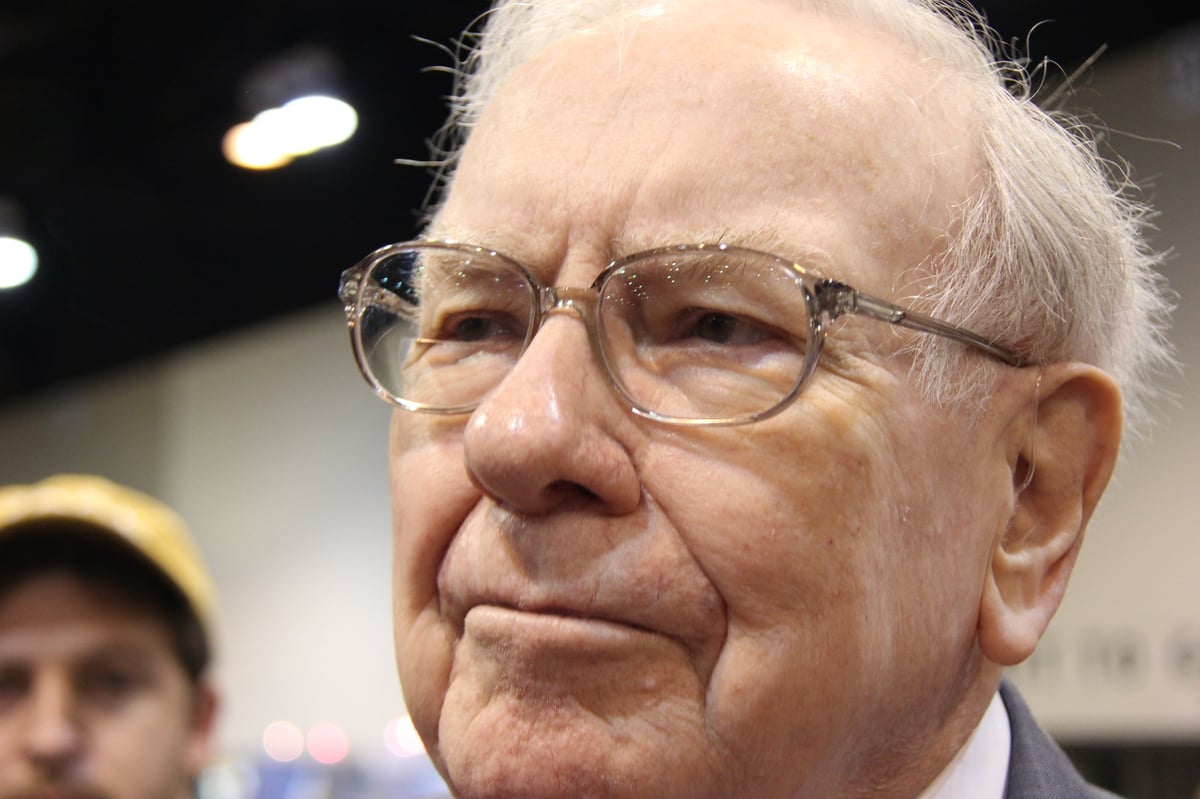
Buffett Retires, Abel Takes Over as CEO of Berkshire Hathaway


- Leadership Transition: Warren Buffett retired on December 31, 2025, with Greg Abel stepping in to manage Berkshire Hathaway's $320 billion investment portfolio, marking a significant new era for the company.
- Investment Concentration: Abel's portfolio is heavily weighted, with 10 core holdings accounting for nearly 79% of assets, including Apple at $60 billion, highlighting the company's focus on high-quality assets and long-term growth potential.
- Sustainable Competitive Advantages: Among the 20 billion-dollar investments Abel oversees, many companies like Visa and Sirius XM operate as legal monopolies, ensuring stable revenue streams and risk resilience, reflecting Berkshire's investment strategy.
- Smaller Holdings Adjustment: Abel also manages 18 relatively smaller investments, with significant reductions like the 77% cut in Amazon's stake, indicating a focus on optimizing the portfolio and potentially paving the way for future trading opportunities.
See More

Warren Buffett Retires, Greg Abel Takes Over as CEO of Berkshire Hathaway
- Leadership Transition: Warren Buffett retired as CEO on December 31, 2025, with Greg Abel taking over the management of a $320 billion investment portfolio, marking a new era for Berkshire Hathaway, although Buffett remains as chairman of the board.
- Investment Philosophy Continuity: Abel shares a similar investment philosophy with Buffett, emphasizing value investing and sustainable competitive advantages, particularly by allocating a significant portion of the company's capital to their best ideas.
- Core Holdings Concentration: The ten core positions account for nearly 79% of Berkshire's invested assets, all of which pay dividends and engage in share repurchases, demonstrating strong capital return capabilities, with Abel's management style reflected in these choices.
- Smaller Investment Dynamics: Abel oversees 18 smaller holdings ranging from $5 million to approximately $692 million, many of which are being reduced or removed from the portfolio, indicating a dynamic adjustment strategy in response to market conditions.
See More
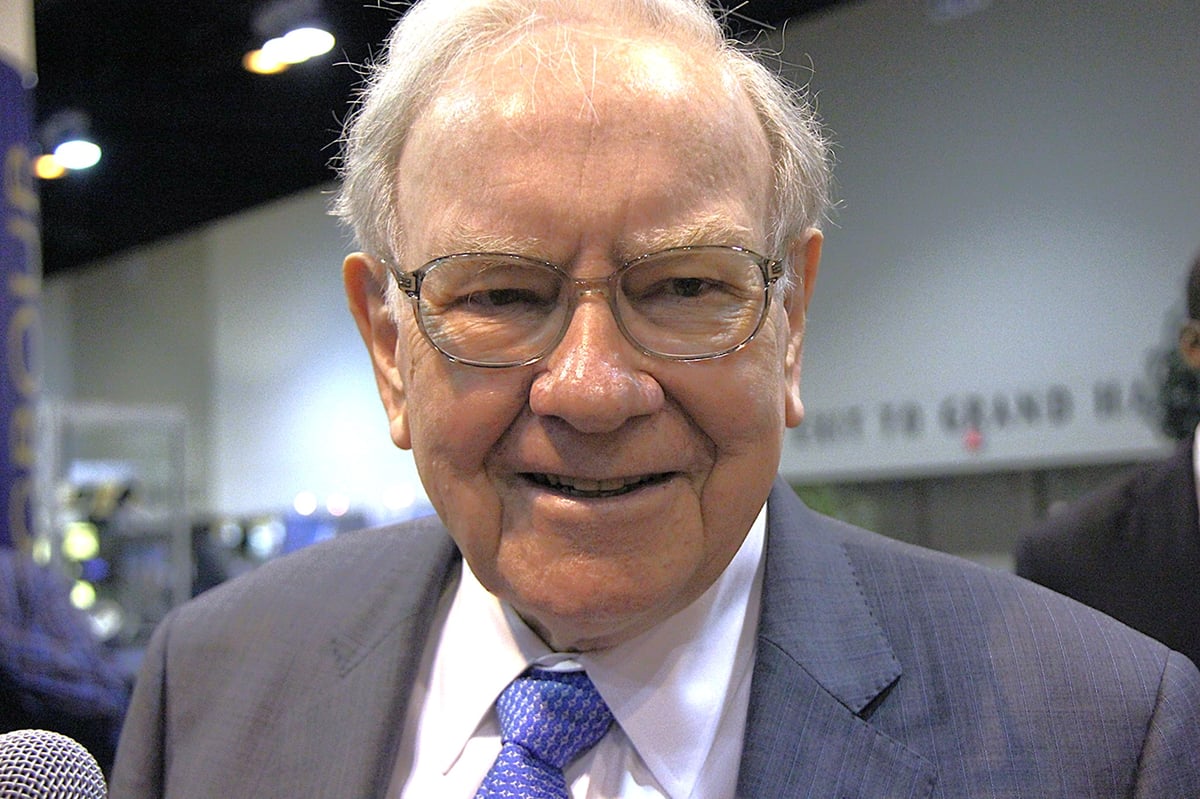
Buffett Sells Amazon, Invests in New York Times

- Amazon Share Shift: Berkshire Hathaway sold over 7 million shares of Amazon, valued at approximately $1.8 billion, shortly before Buffett stepped down as CEO, indicating a cautious stance towards tech stocks while paving the way for portfolio diversification.
- New Investment Choice: Berkshire opened a new position in The New York Times Company, acquiring over 5 million shares at an average price of $61.09, with current trading around $78, showcasing potential returns and Buffett's confidence in digital media.
- Digital Subscription Growth: The New York Times reported 12.21 million digital subscribers in its latest quarter, an increase of 450,000, with digital subscriptions accounting for 47.5% of total quarterly revenue, reflecting successful transformation towards digitalization.
- Ad Revenue Surge: Digital ad revenue increased by 24.9% year-over-year to $147.2 million, further driving overall revenue growth, indicating strong performance and future growth potential in the digital media sector.
See More

Buffett Sells Amazon Shares and Buys New York Times Stock
- Amazon Stock Sale: In his final quarter as CEO, Warren Buffett approved the sale of over 7 million shares of Amazon, valued at approximately $1.8 billion, reflecting a reassessment of tech stocks that could impact Berkshire's portfolio diversity.
- New Investment Position: Berkshire opened a new position in The New York Times Company, acquiring over 5 million shares at an average price of $61.09, with current trading around $78, indicating potential gains and Buffett's confidence in digital media.
- Digital Subscription Growth: The New York Times reported 12.78 million subscribers, with 12.21 million being digital-only, meaning digital subscriptions account for 47.5% of quarterly revenue, showcasing the company's success in digital transformation and enhancing its market competitiveness.
- Ad Revenue Surge: Digital ad revenue increased by 24.9% year-over-year to $147.2 million, further driving overall revenue growth and demonstrating the effectiveness of the digital strategy and future growth potential.
See More
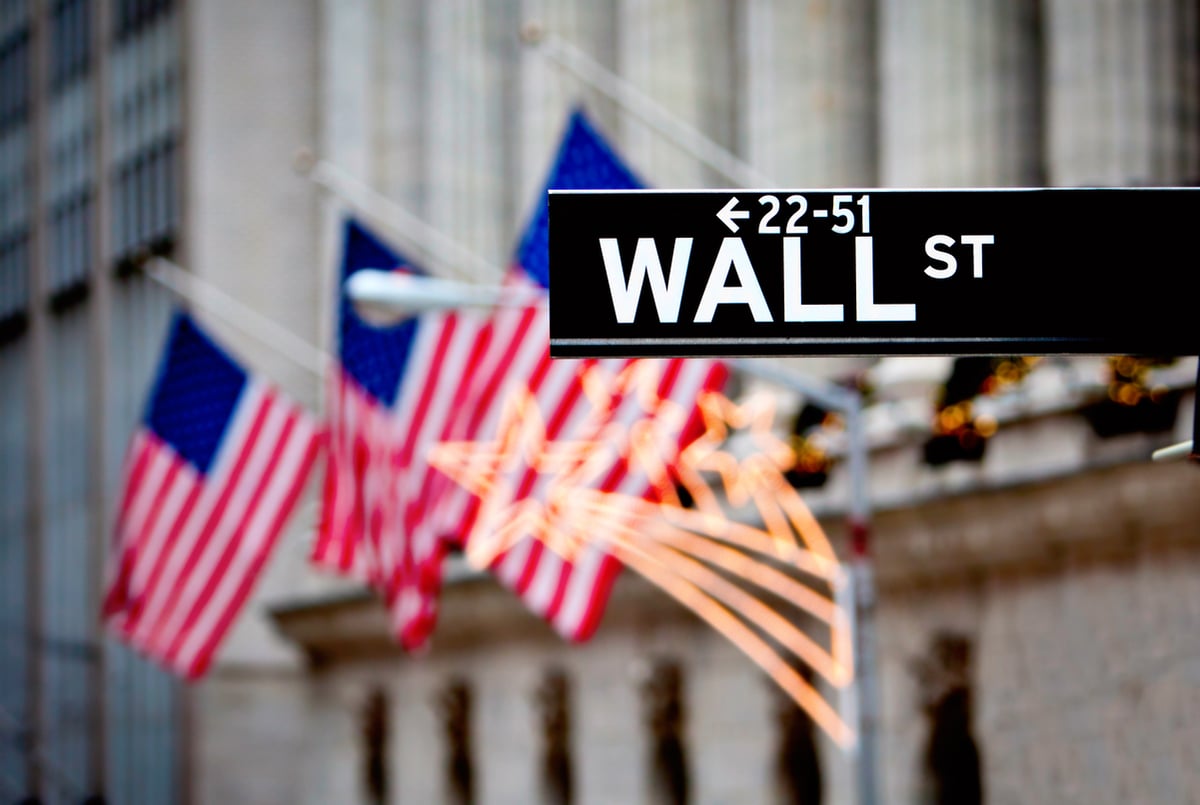
Trump Threatens 50% Tariff on China Amid Trade Tensions


- Tariff Threat Escalation: President Trump threatened a staggering 50% tariff on China during a Fox News interview, which could significantly impact multinational companies like Apple that rely heavily on Chinese supply chains, further escalating trade tensions.
- Increased Economic Risks: This tariff threat not only poses operational challenges for global retail giants like Nike but also raises investor concerns about the economic repercussions of the ongoing Middle East conflict, adding layers of uncertainty to the market.
- Market Reaction: Although Trump labeled the underlying reports as potentially 'fake news', the market's reaction indicates a heightened sensitivity among investors regarding future trade relations, which could lead to increased volatility in stock prices.
- Geopolitical Implications: Against the backdrop of rising tensions in the Middle East, Trump's tariff threat introduces new risks to the global economy, potentially affecting U.S.-China diplomatic relations and their competitiveness in international markets.
See More
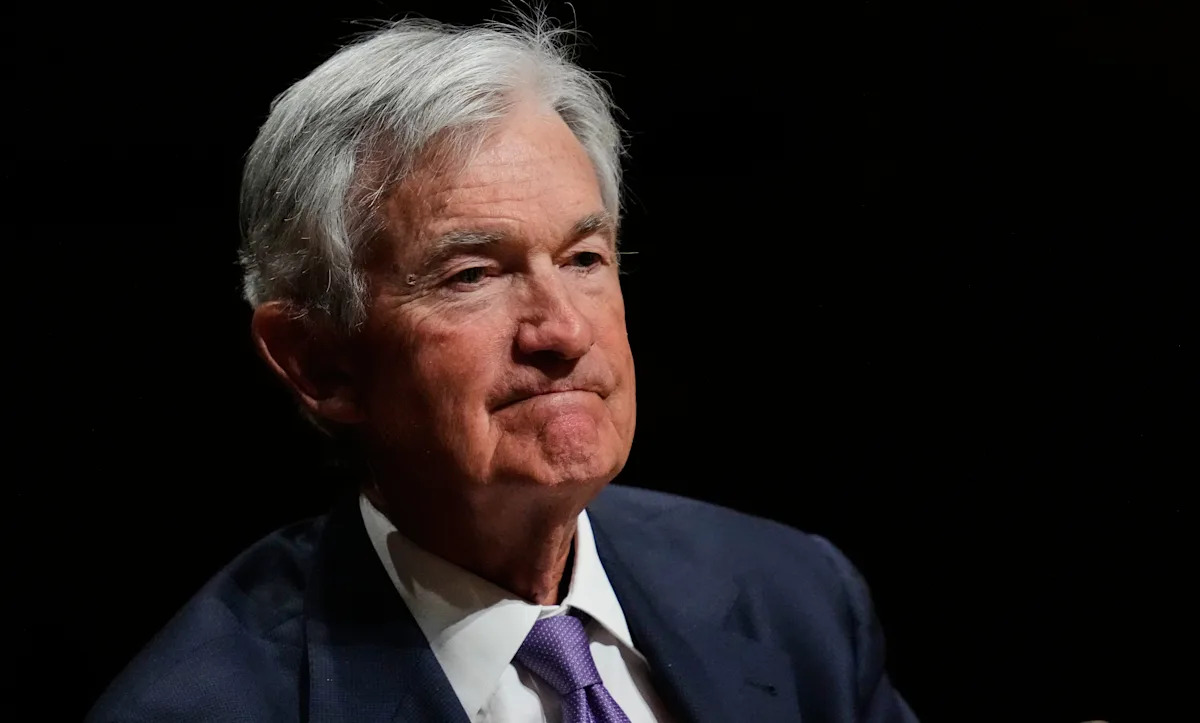
Oil Prices Surge Amid Ceasefire Uncertainty, Markets Recover


- Oil Price Fluctuations: Oil prices surged on Thursday as clarity emerged regarding the precariousness of the ceasefire negotiations between Israel and Lebanon, yet the stock market rebounded with the S&P 500 gaining 0.6%.
- Persistent Inflation Pressure: The Fed's core inflation gauge indicated a 3% inflation rate for February, significantly above the 2% target, with the last three months' readings stuck around 3%, highlighting ongoing economic pressures.
- Optimistic Semiconductor Outlook: Bank of America analysts raised the 2026 global semiconductor revenue forecast to $1.3 trillion, with expectations that the market will reach $2 trillion in four years, reflecting a robust 20% annual growth rate driven by AI advancements.
- Software Industry Concerns Resurface: As AI hardware heats up, the software sector faces renewed challenges, with investor anxiety over AI's potential to replace software companies leading to declines in related stocks on Thursday.
See More
Buffett Retires, Abel Takes Over as CEO of Berkshire Hathaway
- Leadership Transition: Warren Buffett retired on December 31, 2025, with Greg Abel stepping in to manage Berkshire Hathaway's $320 billion investment portfolio, marking a significant new era for the company.
- Investment Concentration: Abel's portfolio is heavily weighted, with 10 core holdings accounting for nearly 79% of assets, including Apple at $60 billion, highlighting the company's focus on high-quality assets and long-term growth potential.
- Sustainable Competitive Advantages: Among the 20 billion-dollar investments Abel oversees, many companies like Visa and Sirius XM operate as legal monopolies, ensuring stable revenue streams and risk resilience, reflecting Berkshire's investment strategy.
- Smaller Holdings Adjustment: Abel also manages 18 relatively smaller investments, with significant reductions like the 77% cut in Amazon's stake, indicating a focus on optimizing the portfolio and potentially paving the way for future trading opportunities.
See More
Warren Buffett Retires, Greg Abel Takes Over as CEO of Berkshire Hathaway
- Leadership Transition: Warren Buffett retired as CEO on December 31, 2025, with Greg Abel taking over the management of a $320 billion investment portfolio, marking a new era for Berkshire Hathaway, although Buffett remains as chairman of the board.
- Investment Philosophy Continuity: Abel shares a similar investment philosophy with Buffett, emphasizing value investing and sustainable competitive advantages, particularly by allocating a significant portion of the company's capital to their best ideas.
- Core Holdings Concentration: The ten core positions account for nearly 79% of Berkshire's invested assets, all of which pay dividends and engage in share repurchases, demonstrating strong capital return capabilities, with Abel's management style reflected in these choices.
- Smaller Investment Dynamics: Abel oversees 18 smaller holdings ranging from $5 million to approximately $692 million, many of which are being reduced or removed from the portfolio, indicating a dynamic adjustment strategy in response to market conditions.
See More
Buffett Sells Amazon, Invests in New York Times
- Amazon Share Shift: Berkshire Hathaway sold over 7 million shares of Amazon, valued at approximately $1.8 billion, shortly before Buffett stepped down as CEO, indicating a cautious stance towards tech stocks while paving the way for portfolio diversification.
- New Investment Choice: Berkshire opened a new position in The New York Times Company, acquiring over 5 million shares at an average price of $61.09, with current trading around $78, showcasing potential returns and Buffett's confidence in digital media.
- Digital Subscription Growth: The New York Times reported 12.21 million digital subscribers in its latest quarter, an increase of 450,000, with digital subscriptions accounting for 47.5% of total quarterly revenue, reflecting successful transformation towards digitalization.
- Ad Revenue Surge: Digital ad revenue increased by 24.9% year-over-year to $147.2 million, further driving overall revenue growth, indicating strong performance and future growth potential in the digital media sector.
See More
Buffett Sells Amazon Shares and Buys New York Times Stock
- Amazon Stock Sale: In his final quarter as CEO, Warren Buffett approved the sale of over 7 million shares of Amazon, valued at approximately $1.8 billion, reflecting a reassessment of tech stocks that could impact Berkshire's portfolio diversity.
- New Investment Position: Berkshire opened a new position in The New York Times Company, acquiring over 5 million shares at an average price of $61.09, with current trading around $78, indicating potential gains and Buffett's confidence in digital media.
- Digital Subscription Growth: The New York Times reported 12.78 million subscribers, with 12.21 million being digital-only, meaning digital subscriptions account for 47.5% of quarterly revenue, showcasing the company's success in digital transformation and enhancing its market competitiveness.
- Ad Revenue Surge: Digital ad revenue increased by 24.9% year-over-year to $147.2 million, further driving overall revenue growth and demonstrating the effectiveness of the digital strategy and future growth potential.
See More
Trump Threatens 50% Tariff on China Amid Trade Tensions
- Tariff Threat Escalation: President Trump threatened a staggering 50% tariff on China during a Fox News interview, which could significantly impact multinational companies like Apple that rely heavily on Chinese supply chains, further escalating trade tensions.
- Increased Economic Risks: This tariff threat not only poses operational challenges for global retail giants like Nike but also raises investor concerns about the economic repercussions of the ongoing Middle East conflict, adding layers of uncertainty to the market.
- Market Reaction: Although Trump labeled the underlying reports as potentially 'fake news', the market's reaction indicates a heightened sensitivity among investors regarding future trade relations, which could lead to increased volatility in stock prices.
- Geopolitical Implications: Against the backdrop of rising tensions in the Middle East, Trump's tariff threat introduces new risks to the global economy, potentially affecting U.S.-China diplomatic relations and their competitiveness in international markets.
See More
Oil Prices Surge Amid Ceasefire Uncertainty, Markets Recover
- Oil Price Fluctuations: Oil prices surged on Thursday as clarity emerged regarding the precariousness of the ceasefire negotiations between Israel and Lebanon, yet the stock market rebounded with the S&P 500 gaining 0.6%.
- Persistent Inflation Pressure: The Fed's core inflation gauge indicated a 3% inflation rate for February, significantly above the 2% target, with the last three months' readings stuck around 3%, highlighting ongoing economic pressures.
- Optimistic Semiconductor Outlook: Bank of America analysts raised the 2026 global semiconductor revenue forecast to $1.3 trillion, with expectations that the market will reach $2 trillion in four years, reflecting a robust 20% annual growth rate driven by AI advancements.
- Software Industry Concerns Resurface: As AI hardware heats up, the software sector faces renewed challenges, with investor anxiety over AI's potential to replace software companies leading to declines in related stocks on Thursday.
See More