Apple Launches New MacBook Pro and Air Models with M5 Chips
Written by Emily J. Thompson, Senior Investment Analyst
Updated: Mar 03 2026
0mins
Should l Buy AAPL?
Source: Newsfilter
- New MacBook Launch: Apple has introduced new MacBook Pro and MacBook Air models featuring M5 chips, aiming to revive Mac demand, particularly targeting users still on older Intel systems.
- Price Increases: The new MacBook Air starts at $1,099, up $100 from before, while the 16-inch M5 Max MacBook Pro starts at $3,899, reflecting a $400 increase due to tight memory supply in the market.
- Performance Boost: The new MacBook Pro processes tasks nearly four times faster than M4 machines and maintains battery life, indicating Apple's push to establish the Mac as a credible platform for running advanced AI tools locally.
- Display Update: Apple has revamped its Studio Display lineup, with the base model starting at $1,599, catering to professional users while maintaining focus on high-end products, showcasing Apple's strategy to attract customers across multiple price points.
Trade with 70% Backtested Accuracy
Stop guessing "Should I Buy AAPL?" and start using high-conviction signals backed by rigorous historical data.
Sign up today to access powerful investing tools and make smarter, data-driven decisions.
Analyst Views on AAPL
Wall Street analysts forecast AAPL stock price to rise
27 Analyst Rating
17 Buy
9 Hold
1 Sell
Moderate Buy
Current: 270.230

Low
239.00
Averages
306.89
High
350.00
Current: 270.230
Low
239.00
Averages
306.89
High
350.00
About AAPL
Apple Inc. designs, manufactures and markets smartphones, personal computers, tablets, wearables and accessories, and sells a variety of related services. Its product categories include iPhone, Mac, iPad, and Wearables, Home and Accessories. Its software platforms include iOS, iPadOS, macOS, watchOS, visionOS, and tvOS. Its services include advertising, AppleCare, cloud services, digital content and payment services. The Company operates various platforms, including the App Store, that allow customers to discover and download applications and digital content, such as books, music, video, games and podcasts. It also offers digital content through subscription-based services, including Apple Arcade, Apple Fitness+, Apple Music, Apple News+, and Apple TV+. Its products include iPhone 16 Pro, iPhone 16, iPhone 15, iPhone 14, iPhone SE, MacBook Air, MacBook Pro, iMac, Mac mini, Mac Studio, Mac Pro, iPad Pro, iPad Air, AirPods, AirPods Pro, AirPods Max, Apple TV, Apple Vision Pro and others.
About the author

Emily J. Thompson
Emily J. Thompson, a Chartered Financial Analyst (CFA) with 12 years in investment research, graduated with honors from the Wharton School. Specializing in industrial and technology stocks, she provides in-depth analysis for Intellectia’s earnings and market brief reports.
Apple's WWDC 2026 to Redesign Siri Experience

- Major Siri Overhaul: The WWDC 2026 invitations suggest a significant redesign of Siri, expected to feature a chatbot-style interface across iOS 27, iPadOS 27, and macOS 27, enhancing user interaction.
- Enhanced Multi-Tasking: The new Siri version is anticipated to better handle multiple commands, support external AI agents, and effectively utilize personal data and on-screen content to answer queries, increasing the assistant's utility.
- Performance Improvement Focus: Apple plans to emphasize performance enhancements in the next software cycle, including bug fixes, faster operations, and improved battery life, particularly optimizing for enterprise users, schools, and developing markets.
- Hardware Release Delays: Due to industry-wide memory shortages, the launch of new Mac Studio models is expected to be delayed until October, while the redesigned touchscreen MacBook Pro with M6 chips may also be postponed to late 2026 or early 2027.
See More
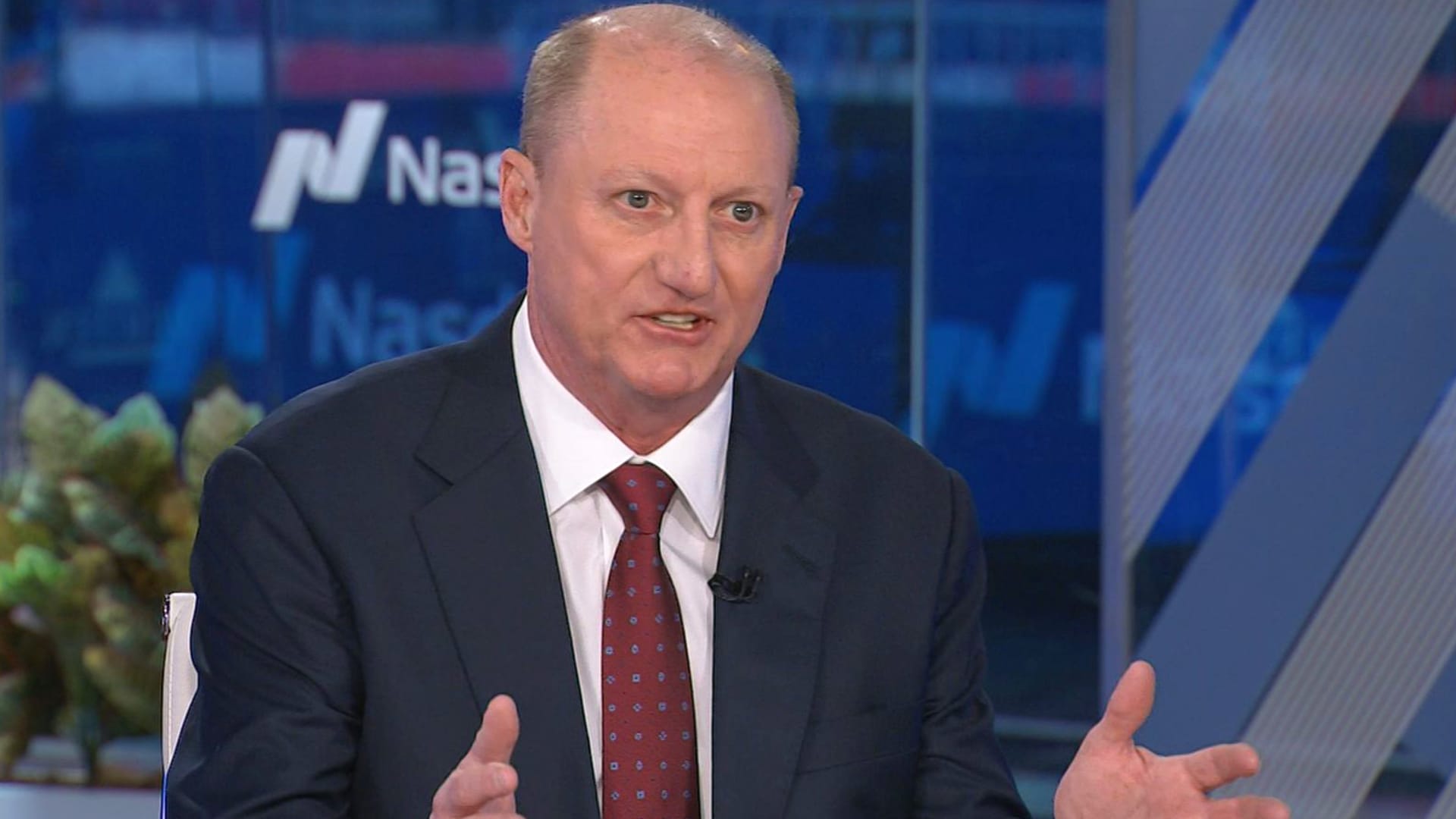
Abel Reshapes Berkshire Hathaway's Investment Portfolio


- Portfolio Restructuring: New CEO Greg Abel is swiftly reshaping Berkshire Hathaway's investment portfolio by selling stocks associated with former manager Todd Combs, demonstrating his control over the approximately $300 billion portfolio.
- Management Changes: Following Combs' departure at the end of 2025, Abel is unlikely to replace him, with Ted Weschler continuing to manage about 6% of the portfolio, indicating a preference for maintaining the existing management structure.
- Core Holdings Strategy: In his annual letter, Abel emphasized a focus on core holdings such as Apple, American Express, Coca-Cola, and Moody's, which are expected to compound value over decades, reflecting a long-term investment strategy.
- Amazon Stake Reduction: Berkshire nearly eliminated 80% of its stake in Amazon in Q4 2025, with market speculation linking this decision to Combs' investment style, raising further questions about the company's investment direction.
See More

Market Update: Rising Oil Prices and M&A Activity


- Oil Price Surge Amid Tensions: Renewed tensions in the Strait of Hormuz have led to rising oil prices, with the U.S. seizing an Iranian commercial ship attempting to evade a Navy blockade, potentially impacting global oil markets.
- M&A Activity on the Rise: Roofing and construction supplies distributor QXO has agreed to acquire installation firm TopBuild for $17 billion, positioning QXO as a leader in waterproofing and insulation, which is expected to significantly enhance its market share.
- Optimistic Apple Earnings Forecast: Morgan Stanley anticipates Apple will report quarterly earnings per share of $2.02 and revenue of $110.82 billion, exceeding market expectations, with analysts expressing confidence in Apple's supply chain management capabilities and maintaining a $300 price target.
- Airline Industry Hit by Fuel Costs: KLM has canceled over 150 European flights due to soaring jet fuel costs, indicating financial strain on the airline industry, which could negatively affect related companies like Boeing.
See More
Major Wall Street Rating Updates on Monday


- Tesla Rating Adjustment: Jefferies raised Tesla's price target from $300 to $350, anticipating Q1 results will show a widening gap between vision and execution, and concerns about funding may arise without a convincing robotaxi announcement, potentially leading to merger considerations with SpaceX.
- Apple's Positive Outlook: Morgan Stanley reiterated Apple as overweight, expecting a modest 1-2% upside in revenue and EPS in the upcoming earnings report, despite supply constraints, indicating the company's resilience in the market.
- Amazon Price Target Increase: Bank of America raised Amazon's price target from $275 to $298, believing that with strong assets and customer focus, Amazon is well-positioned to capitalize on the global growth of eCommerce and enterprise demand for AI capabilities, showcasing robust growth potential.
- Microsoft's Favorable Outlook: Deutsche Bank reiterated Microsoft as a buy, expecting Azure's performance and guidance to be focal points in the upcoming earnings report, indicating that the company's broad progress in AI initiatives will drive future growth.
See More
Anthropic Launches Advanced AI Model Mythos for Cybersecurity


- Mythos Model Launch: Anthropic debuted its latest AI model, Mythos, earlier this month, equipped with advanced cybersecurity capabilities that uncovered 'thousands' of major vulnerabilities across every major operating system and web browser, raising concerns about threats to traditional software security.
- Access Distribution: Through a controlled initiative called 'Project Glasswing', Anthropic granted preview access to tech giants including Amazon, Microsoft, Nvidia, and Apple, as well as over 40 additional organizations maintaining critical software infrastructure, highlighting its significant industry influence.
- Security Risks Warning: Experts have warned that Mythos can identify and exploit previously unknown vulnerabilities faster than companies can repair them, with its advanced coding and autonomous capabilities potentially accelerating sophisticated cyberattacks, particularly in sectors like banking that rely on complex technology systems.
- Government Attention and Regulation: The White House has engaged in discussions with Anthropic CEO Dario Amodei regarding collaboration, cybersecurity, and balancing AI innovation with safety, despite the Pentagon imposing a formal supply-chain risk designation on Anthropic, indicating high governmental concern over the model's potential risks.
See More
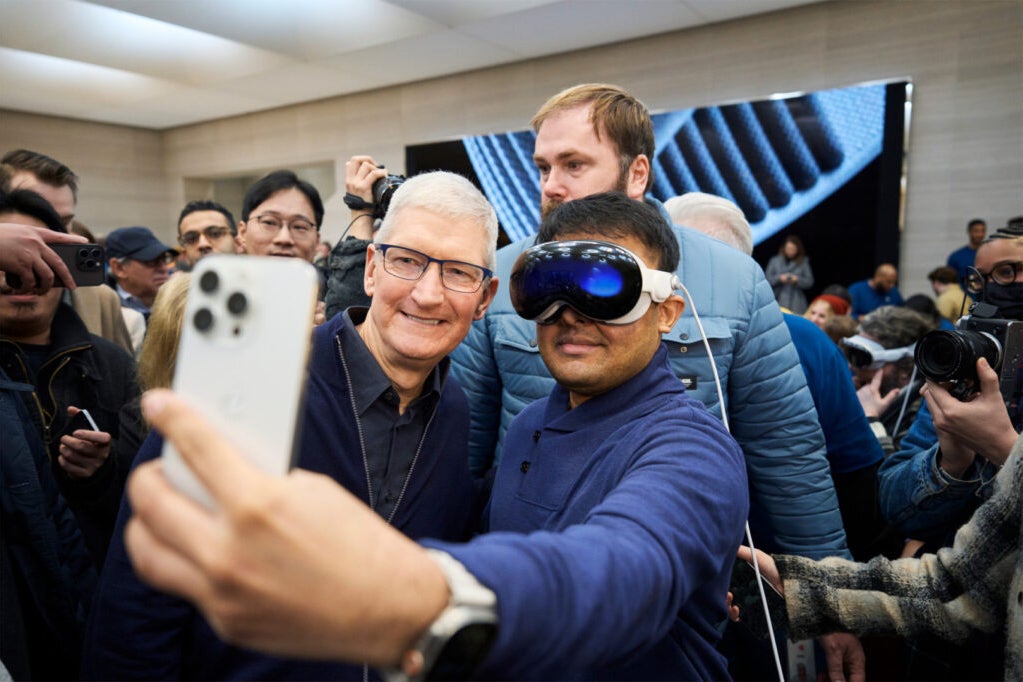
Apple Fails to Submit Antitrust Data to India
- Antitrust Investigation Progress: The Competition Commission of India (CCI) has found that Apple abused its dominant position in the iPhone apps market, prompting a fast-tracked final hearing on penalties scheduled for next month, indicating a tougher stance from regulators.
- Missing Financial Information: Since October 2024, Apple has failed to submit the required financial data and its views on the investigation, with the CCI noting that Apple has had multiple opportunities to file this information, and continued absence will constrain its defense capabilities.
- Potential Fine Risks: Apple could face fines up to $38 billion if the CCI calculates penalties based on its global turnover, a figure that could significantly impact Apple's financial health, especially as its market share in India has increased from 4% two years ago to 9% now.
- Legal Challenges and Hearing: Apple requested the CCI to pause proceedings while awaiting a ruling from the Delhi High Court on its challenge to the penalty law, but this was denied, with the CCI emphasizing that Apple is attempting to stall the antitrust case, and the setting of a final hearing date will limit Apple's defense options.
See More
Apple's WWDC 2026 to Redesign Siri Experience
- Major Siri Overhaul: The WWDC 2026 invitations suggest a significant redesign of Siri, expected to feature a chatbot-style interface across iOS 27, iPadOS 27, and macOS 27, enhancing user interaction.
- Enhanced Multi-Tasking: The new Siri version is anticipated to better handle multiple commands, support external AI agents, and effectively utilize personal data and on-screen content to answer queries, increasing the assistant's utility.
- Performance Improvement Focus: Apple plans to emphasize performance enhancements in the next software cycle, including bug fixes, faster operations, and improved battery life, particularly optimizing for enterprise users, schools, and developing markets.
- Hardware Release Delays: Due to industry-wide memory shortages, the launch of new Mac Studio models is expected to be delayed until October, while the redesigned touchscreen MacBook Pro with M6 chips may also be postponed to late 2026 or early 2027.
See More
Abel Reshapes Berkshire Hathaway's Investment Portfolio
- Portfolio Restructuring: New CEO Greg Abel is swiftly reshaping Berkshire Hathaway's investment portfolio by selling stocks associated with former manager Todd Combs, demonstrating his control over the approximately $300 billion portfolio.
- Management Changes: Following Combs' departure at the end of 2025, Abel is unlikely to replace him, with Ted Weschler continuing to manage about 6% of the portfolio, indicating a preference for maintaining the existing management structure.
- Core Holdings Strategy: In his annual letter, Abel emphasized a focus on core holdings such as Apple, American Express, Coca-Cola, and Moody's, which are expected to compound value over decades, reflecting a long-term investment strategy.
- Amazon Stake Reduction: Berkshire nearly eliminated 80% of its stake in Amazon in Q4 2025, with market speculation linking this decision to Combs' investment style, raising further questions about the company's investment direction.
See More
Market Update: Rising Oil Prices and M&A Activity
- Oil Price Surge Amid Tensions: Renewed tensions in the Strait of Hormuz have led to rising oil prices, with the U.S. seizing an Iranian commercial ship attempting to evade a Navy blockade, potentially impacting global oil markets.
- M&A Activity on the Rise: Roofing and construction supplies distributor QXO has agreed to acquire installation firm TopBuild for $17 billion, positioning QXO as a leader in waterproofing and insulation, which is expected to significantly enhance its market share.
- Optimistic Apple Earnings Forecast: Morgan Stanley anticipates Apple will report quarterly earnings per share of $2.02 and revenue of $110.82 billion, exceeding market expectations, with analysts expressing confidence in Apple's supply chain management capabilities and maintaining a $300 price target.
- Airline Industry Hit by Fuel Costs: KLM has canceled over 150 European flights due to soaring jet fuel costs, indicating financial strain on the airline industry, which could negatively affect related companies like Boeing.
See More
Major Wall Street Rating Updates on Monday
- Tesla Rating Adjustment: Jefferies raised Tesla's price target from $300 to $350, anticipating Q1 results will show a widening gap between vision and execution, and concerns about funding may arise without a convincing robotaxi announcement, potentially leading to merger considerations with SpaceX.
- Apple's Positive Outlook: Morgan Stanley reiterated Apple as overweight, expecting a modest 1-2% upside in revenue and EPS in the upcoming earnings report, despite supply constraints, indicating the company's resilience in the market.
- Amazon Price Target Increase: Bank of America raised Amazon's price target from $275 to $298, believing that with strong assets and customer focus, Amazon is well-positioned to capitalize on the global growth of eCommerce and enterprise demand for AI capabilities, showcasing robust growth potential.
- Microsoft's Favorable Outlook: Deutsche Bank reiterated Microsoft as a buy, expecting Azure's performance and guidance to be focal points in the upcoming earnings report, indicating that the company's broad progress in AI initiatives will drive future growth.
See More
Anthropic Launches Advanced AI Model Mythos for Cybersecurity
- Mythos Model Launch: Anthropic debuted its latest AI model, Mythos, earlier this month, equipped with advanced cybersecurity capabilities that uncovered 'thousands' of major vulnerabilities across every major operating system and web browser, raising concerns about threats to traditional software security.
- Access Distribution: Through a controlled initiative called 'Project Glasswing', Anthropic granted preview access to tech giants including Amazon, Microsoft, Nvidia, and Apple, as well as over 40 additional organizations maintaining critical software infrastructure, highlighting its significant industry influence.
- Security Risks Warning: Experts have warned that Mythos can identify and exploit previously unknown vulnerabilities faster than companies can repair them, with its advanced coding and autonomous capabilities potentially accelerating sophisticated cyberattacks, particularly in sectors like banking that rely on complex technology systems.
- Government Attention and Regulation: The White House has engaged in discussions with Anthropic CEO Dario Amodei regarding collaboration, cybersecurity, and balancing AI innovation with safety, despite the Pentagon imposing a formal supply-chain risk designation on Anthropic, indicating high governmental concern over the model's potential risks.
See More
Apple Fails to Submit Antitrust Data to India
- Antitrust Investigation Progress: The Competition Commission of India (CCI) has found that Apple abused its dominant position in the iPhone apps market, prompting a fast-tracked final hearing on penalties scheduled for next month, indicating a tougher stance from regulators.
- Missing Financial Information: Since October 2024, Apple has failed to submit the required financial data and its views on the investigation, with the CCI noting that Apple has had multiple opportunities to file this information, and continued absence will constrain its defense capabilities.
- Potential Fine Risks: Apple could face fines up to $38 billion if the CCI calculates penalties based on its global turnover, a figure that could significantly impact Apple's financial health, especially as its market share in India has increased from 4% two years ago to 9% now.
- Legal Challenges and Hearing: Apple requested the CCI to pause proceedings while awaiting a ruling from the Delhi High Court on its challenge to the penalty law, but this was denied, with the CCI emphasizing that Apple is attempting to stall the antitrust case, and the setting of a final hearing date will limit Apple's defense options.
See More