Corteva Shows Strong Relative Strength Alert
Corteva Inc's Stock Performance: Corteva Inc (CTVA) shares recently entered oversold territory, with a Relative Strength Index (RSI) of 25.7, indicating potential buying opportunities for investors as the stock price fell to $62.27.
Dividend Yield and Investment Considerations: The company's annualized dividend of $0.72 per share offers a yield of 1.06% based on a recent share price of $67.63, prompting dividend investors to assess CTVA's dividend history for future reliability.
Trade with 70% Backtested Accuracy
Analyst Views on CTVA

About CTVA
About the author


FMDE Stock Price Analysis and ETF Dynamics


- Price Fluctuation Analysis: FMDE's 52-week low is $26.9275 and high is $38.26, with the current trading price at $35.25, indicating cautious market sentiment as the stock fluctuates between these extremes.
- Technical Analysis Tool: Comparing FMDE's latest share price to the 200-day moving average provides investors with valuable insights for technical analysis, aiding in the assessment of price trends and potential buy or sell opportunities.
- ETF Trading Mechanism: Exchange-traded funds (ETFs) trade like stocks, where investors buy and sell 'units' that can be created or destroyed based on demand, impacting the underlying holdings of the ETF.
- Inflows and Outflows Monitoring: Weekly monitoring of changes in shares outstanding for ETFs helps identify those experiencing significant inflows or outflows, providing insights into market dynamics and potential impacts on individual stock components.

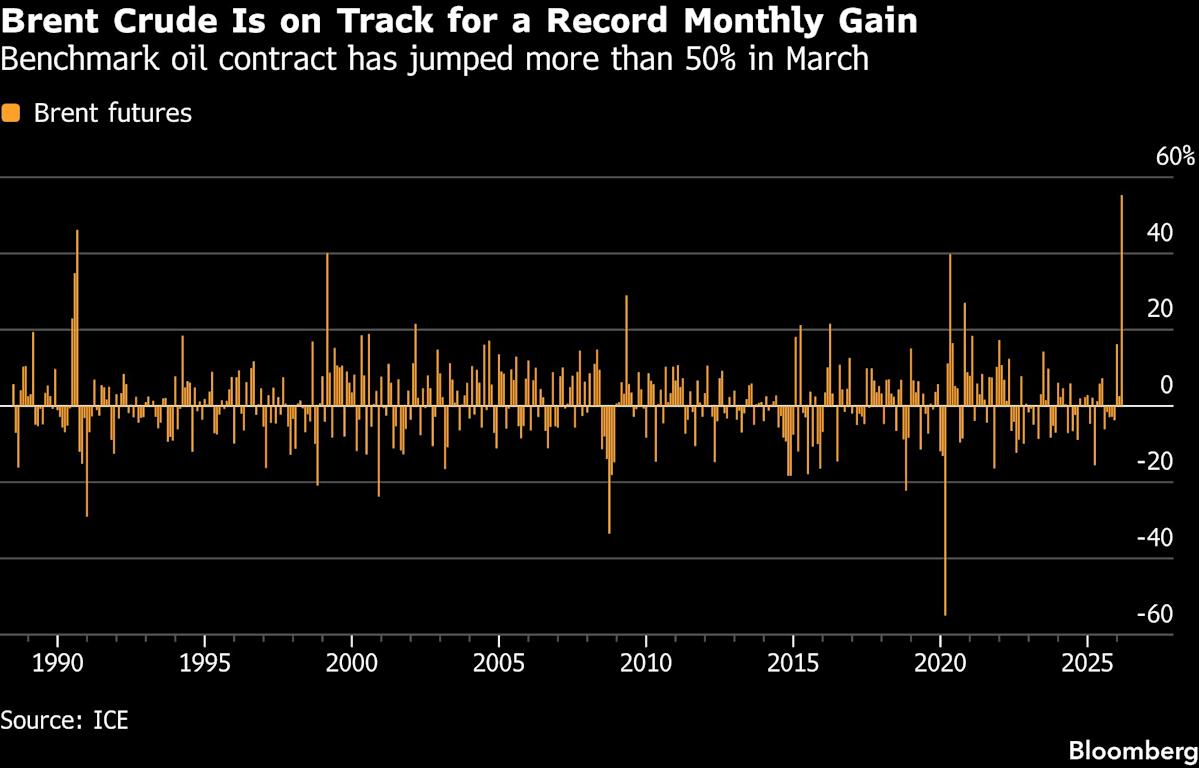
Closure of Strait of Hormuz Drives Fertilizer Prices Up


- Fertilizer Price Surge: The closure of the Strait of Hormuz has caused global nitrogen fertilizer prices to spike from $350 per ton to nearly $600, imposing significant economic strain on farmers and potentially leading to higher food prices that could disrupt farming decisions and profit margins.
- Political Ramifications: With midterm elections approaching, Democrats are leveraging the rise in fertilizer prices to criticize Trump and his economic policies, aiming to regain voter support in agricultural states like Iowa and Minnesota that have shifted Republican in recent years.
- Government Aid Discussions: Prior to the outbreak of war, Congress was discussing a $15 billion farmer bailout plan, which may now be bundled with supplemental spending for the Iran conflict, reflecting a growing concern for farmer support amid rising costs.
- Agricultural Security Risks: The President of the American Farm Bureau Federation warned that without prioritizing fertilizer supply issues, the U.S. risks crop shortages that threaten food security and economic stability, potentially exacerbating inflationary pressures across the economy.

AI Sparks Potential Blue-Collar Renaissance Amid Job Disruption Fears


- Blue-Collar Employment Revival: Oppenheimer analysts suggest that while AI may rapidly displace white-collar jobs, it could simultaneously drive demand for blue-collar roles, particularly in manufacturing, with employment projected to remain below pre-pandemic levels by 2026.
- Investment Theme Analysis: Oppenheimer outlined five investable themes, including the physical-to-digital connection, emphasizing the value of sensors and data pipelines, with companies in this space expected to benefit from automation trends, including Aeva Technologies and Tesla.
- Automation Tools Opportunity: The analysts identified automation tools that can reskill transitioning workforces, recommending companies like Caterpillar and Rockwell Automation, which enhance worksite experiences through task automation and AI agents.
- Autonomous Systems Development: Oppenheimer also highlighted companies supporting autonomous physical systems, such as Mobileye Global and Aurora Innovation, noting that as fully autonomous solutions are commercialized, human roles will still be essential for remote monitoring and maintenance to ensure safety and problem resolution.

XLB ETF 52-Week Price Analysis


- Price Range Analysis: The XLB ETF has a 52-week low of $36.56 and a high of $54.14, with the last trade at $48.78, indicating relative stability in the ETF that may attract investor interest.
- Technical Analysis Tool: Comparing the current share price to the 200-day moving average can provide valuable insights for investors, aiding in more informed trading decisions, especially in volatile market conditions.
- ETF Unit Trading Mechanism: ETFs trade similarly to stocks, where investors buy and sell 'units' that can be created or destroyed based on investor demand, impacting the ETF's liquidity and market performance.
- Inflows and Outflows Monitoring: Weekly monitoring of changes in shares outstanding for ETFs helps identify those experiencing notable inflows or outflows, as these liquidity shifts can affect the underlying stocks held within the ETFs, influencing overall market dynamics.

Deere, Caterpillar, and 10 Additional Stocks Driving a Blue Collar Revival Fueled by AI


AI's Impact on Stock Trades: Artificial intelligence is significantly influencing stock market activities, acting as both a catalyst for growth and a source of concern for investors.
Hyperscaler Spending: Companies associated with hyperscalers are experiencing stock boosts due to increased spending on AI data centers.
Software Companies at Risk: Conversely, fears of obsolescence are causing declines in the stock prices of software companies that may not adapt to AI advancements.
Dual Nature of AI: The dual role of AI as both a beneficial and detrimental force highlights the volatility and uncertainty in the tech sector.

Analysis of XLB ETF Trading Dynamics
- Price Range Analysis: The XLB ETF has a 52-week low of $36.56 and a high of $54.14, with the last trade at $50.08, indicating stability and potential investment opportunities in the current market environment.
- Technical Analysis Tool: Comparing the current share price to the 200-day moving average provides investors with deeper insights for technical analysis, aiding in more informed trading decisions.
- ETF Unit Trading Mechanism: ETFs trade similarly to stocks, where investors buy and sell 'units' that can be created or destroyed based on demand, impacting liquidity and market performance.
- Inflows and Outflows Monitoring: Weekly monitoring of changes in ETF shares outstanding focuses on those experiencing notable inflows (new units created) or outflows (old units destroyed), assessing their impact on underlying assets and market trends.
FMDE Stock Price Analysis and ETF Dynamics
- Price Fluctuation Analysis: FMDE's 52-week low is $26.9275 and high is $38.26, with the current trading price at $35.25, indicating cautious market sentiment as the stock fluctuates between these extremes.
- Technical Analysis Tool: Comparing FMDE's latest share price to the 200-day moving average provides investors with valuable insights for technical analysis, aiding in the assessment of price trends and potential buy or sell opportunities.
- ETF Trading Mechanism: Exchange-traded funds (ETFs) trade like stocks, where investors buy and sell 'units' that can be created or destroyed based on demand, impacting the underlying holdings of the ETF.
- Inflows and Outflows Monitoring: Weekly monitoring of changes in shares outstanding for ETFs helps identify those experiencing significant inflows or outflows, providing insights into market dynamics and potential impacts on individual stock components.
Closure of Strait of Hormuz Drives Fertilizer Prices Up
- Fertilizer Price Surge: The closure of the Strait of Hormuz has caused global nitrogen fertilizer prices to spike from $350 per ton to nearly $600, imposing significant economic strain on farmers and potentially leading to higher food prices that could disrupt farming decisions and profit margins.
- Political Ramifications: With midterm elections approaching, Democrats are leveraging the rise in fertilizer prices to criticize Trump and his economic policies, aiming to regain voter support in agricultural states like Iowa and Minnesota that have shifted Republican in recent years.
- Government Aid Discussions: Prior to the outbreak of war, Congress was discussing a $15 billion farmer bailout plan, which may now be bundled with supplemental spending for the Iran conflict, reflecting a growing concern for farmer support amid rising costs.
- Agricultural Security Risks: The President of the American Farm Bureau Federation warned that without prioritizing fertilizer supply issues, the U.S. risks crop shortages that threaten food security and economic stability, potentially exacerbating inflationary pressures across the economy.
AI Sparks Potential Blue-Collar Renaissance Amid Job Disruption Fears
- Blue-Collar Employment Revival: Oppenheimer analysts suggest that while AI may rapidly displace white-collar jobs, it could simultaneously drive demand for blue-collar roles, particularly in manufacturing, with employment projected to remain below pre-pandemic levels by 2026.
- Investment Theme Analysis: Oppenheimer outlined five investable themes, including the physical-to-digital connection, emphasizing the value of sensors and data pipelines, with companies in this space expected to benefit from automation trends, including Aeva Technologies and Tesla.
- Automation Tools Opportunity: The analysts identified automation tools that can reskill transitioning workforces, recommending companies like Caterpillar and Rockwell Automation, which enhance worksite experiences through task automation and AI agents.
- Autonomous Systems Development: Oppenheimer also highlighted companies supporting autonomous physical systems, such as Mobileye Global and Aurora Innovation, noting that as fully autonomous solutions are commercialized, human roles will still be essential for remote monitoring and maintenance to ensure safety and problem resolution.
XLB ETF 52-Week Price Analysis
- Price Range Analysis: The XLB ETF has a 52-week low of $36.56 and a high of $54.14, with the last trade at $48.78, indicating relative stability in the ETF that may attract investor interest.
- Technical Analysis Tool: Comparing the current share price to the 200-day moving average can provide valuable insights for investors, aiding in more informed trading decisions, especially in volatile market conditions.
- ETF Unit Trading Mechanism: ETFs trade similarly to stocks, where investors buy and sell 'units' that can be created or destroyed based on investor demand, impacting the ETF's liquidity and market performance.
- Inflows and Outflows Monitoring: Weekly monitoring of changes in shares outstanding for ETFs helps identify those experiencing notable inflows or outflows, as these liquidity shifts can affect the underlying stocks held within the ETFs, influencing overall market dynamics.
Deere, Caterpillar, and 10 Additional Stocks Driving a Blue Collar Revival Fueled by AI
AI's Impact on Stock Trades: Artificial intelligence is significantly influencing stock market activities, acting as both a catalyst for growth and a source of concern for investors.
Hyperscaler Spending: Companies associated with hyperscalers are experiencing stock boosts due to increased spending on AI data centers.
Software Companies at Risk: Conversely, fears of obsolescence are causing declines in the stock prices of software companies that may not adapt to AI advancements.
Dual Nature of AI: The dual role of AI as both a beneficial and detrimental force highlights the volatility and uncertainty in the tech sector.
Analysis of XLB ETF Trading Dynamics
- Price Range Analysis: The XLB ETF has a 52-week low of $36.56 and a high of $54.14, with the last trade at $50.08, indicating stability and potential investment opportunities in the current market environment.
- Technical Analysis Tool: Comparing the current share price to the 200-day moving average provides investors with deeper insights for technical analysis, aiding in more informed trading decisions.
- ETF Unit Trading Mechanism: ETFs trade similarly to stocks, where investors buy and sell 'units' that can be created or destroyed based on demand, impacting liquidity and market performance.
- Inflows and Outflows Monitoring: Weekly monitoring of changes in ETF shares outstanding focuses on those experiencing notable inflows (new units created) or outflows (old units destroyed), assessing their impact on underlying assets and market trends.