WOODSIDE ENERGY - CO-OWNERS ASSESSING RESULTS TO DECIDE ON FUTURE ACTIONS
Written by Emily J. Thompson, Senior Investment Analyst
Updated: 2 days ago
0mins

Source: moomoo
- Current Evaluation: Woodside Energy is currently evaluating results to determine their next steps.
- Focus on Future Actions: The evaluation process is aimed at guiding future decisions and actions for the company.
Trade with 70% Backtested Accuracy
Stop guessing "Should I Buy CVX?" and start using high-conviction signals backed by rigorous historical data.
Sign up today to access powerful investing tools and make smarter, data-driven decisions.
Analyst Views on CVX
Wall Street analysts forecast CVX stock price to fall
19 Analyst Rating
15 Buy
4 Hold
0 Sell
Strong Buy
Current: 190.360

Low
158.00
Averages
176.95
High
206.00
Current: 190.360
Low
158.00
Averages
176.95
High
206.00
About CVX
Chevron Corporation is an integrated energy company. The Company produces crude oil and natural gas; manufactures transportation fuels, lubricants, petrochemicals and additives; and develops technologies that enhance its business and industry. The Company’s segments include Upstream and Downstream. Upstream operations consist primarily of exploring for, developing, producing and transporting crude oil and natural gas; liquefaction, transportation and regasification associated with LNG; transporting crude oil by major international oil export pipelines; processing, transporting, storage and marketing of natural gas; carbon capture and storage; and a gas-to-liquids plant. Downstream operations consist primarily of the refining of crude oil into petroleum products; marketing crude oil, refined products, and lubricants; manufacturing and marketing of renewable fuels, and transporting of crude oil and refined products by pipeline, marine vessel, motor equipment and rail car.
About the author

Emily J. Thompson
Emily J. Thompson, a Chartered Financial Analyst (CFA) with 12 years in investment research, graduated with honors from the Wharton School. Specializing in industrial and technology stocks, she provides in-depth analysis for Intellectia’s earnings and market brief reports.
Chevron Reports 6% Drop in Q1 Production Amid Middle East Conflict

- Production Decline Reasons: Chevron (CVX) disclosed in its latest 8-K filing that Q1 production is expected to fall by 6%, averaging 3.8M-3.9M boe/day, primarily due to the Middle East conflict and downtime at Kazakhstan's Tengizchevroil project, a decrease from 4.05M boe/day in Q4 2025.
- Financial Impact Estimates: The company anticipates that timing effects related to hedging and accounting will reduce Q1 earnings and operating cash flow by $2.7B-$3.7B (after tax), mainly affecting downstream operations, although this negative impact is expected to reverse in subsequent quarters.
- Rising Oil and Gas Price Expectations: Despite the production decline, Chevron expects surging oil and gas prices to boost quarterly earnings from its upstream segment by $1.6B-$2.2B, contingent on oil prices ranging between $130 and $140, which would positively influence the company's overall financial performance.
- Market Response and Strategy: Chevron's production and financial outlook mirrors that of ExxonMobil, highlighting common challenges faced across the industry, while proposals for windfall taxes on energy firms may impact future investment decisions, necessitating Chevron to adjust its strategy to maintain competitiveness.
See More

Tensions Rise in Strait of Hormuz Amid U.S.-Iran Talks

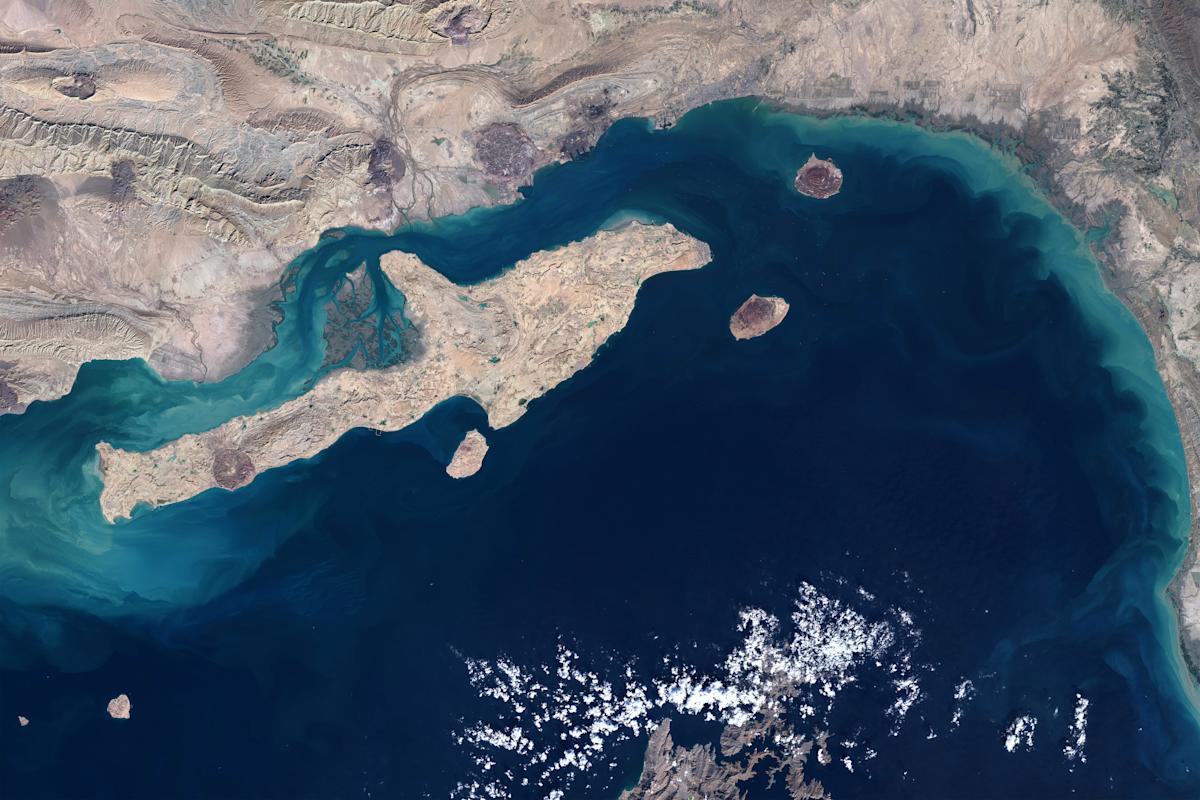
- Military Confrontation Escalates: The U.S. Navy's deployment of two destroyers through the Strait of Hormuz to challenge Iran's 'toll booth' control prompted a final warning from the IRGC, highlighting the fragility of global energy security.
- Freedom of Navigation Dispute: This naval incident underscores the core issue of the Islamabad summit regarding the reopening of a waterway that carries approximately 20% of the world's liquid energy, despite Centcom framing the transit as a rejection of Iran's blockade.
- Complex Negotiation Background: During several hours of talks with Iranian Parliament Speaker, no immediate breakthroughs were reported, but extending the two-week ceasefire appears contingent on reopening the Strait, with Iran seeking sanctions relief and the release of frozen assets.
- Balancing Economic and Security Needs: The U.S. delegation must navigate the immediate economic need for lower oil prices against long-standing demands for permanent restrictions on Iran's nuclear ambitions, even as substantive agreements on nuclear issues remain a 'long shot.'
See More

Geopolitical Risks Around Strait of Hormuz Drive Market Volatility
- Market Volatility Drivers: Geopolitical risks surrounding the Strait of Hormuz are causing significant market volatility, particularly threatening the global economy by potentially disrupting crude oil, LNG, and other commodity supplies, which investors should closely monitor.
- Portfolio Adjustment Recommendations: Investors are advised to adjust their portfolios to reflect current risks and opportunities; despite increasing market uncertainty, remaining invested is considered a rational choice to avoid missing potential market rebounds.
- Energy Flow Risks: The prolonged closure of the Strait of Hormuz could have lasting impacts on energy flows, with unclear insurance coverage for shipping, potentially damaging energy infrastructure and affecting global energy prices.
- Historical Insights: According to Hartford Funds, 48% of the best market days from 1996 to 2025 occurred during bear markets, indicating that trying to time the market could lead to missing critical upswings, significantly reducing investment returns.
See More

Threat to Global Economy from Strait of Hormuz Closure
- Market Volatility Drivers: The potential prolonged closure of the Strait of Hormuz poses a significant threat to the global economy, affecting not only crude oil and LNG but also substantial quantities of refined petroleum products and fertilizers, which could lead to rising global energy prices and impact economic stability across nations.
- Uncertainty in Energy Flows: The clear divide between Iran and the U.S. regarding the conditions for reopening the strait makes it difficult to predict when energy flows will normalize, while insurance companies' willingness to cover shipping is also in question, adding to market uncertainty.
- Portfolio Adjustment Recommendations: Given the current situation, investors are advised to increase allocations to stocks that benefit from a closure of the strait, such as Chevron (CVX), to mitigate potential market volatility and rising energy prices, while also considering gold allocations to hedge against growing geopolitical tensions.
- Timing Market Risks: Although timing the market can be tempting, historical data shows that many of the best market days occur during bear markets, and missing these opportunities can leave investors behind in bull markets, underscoring the importance of staying invested.
See More
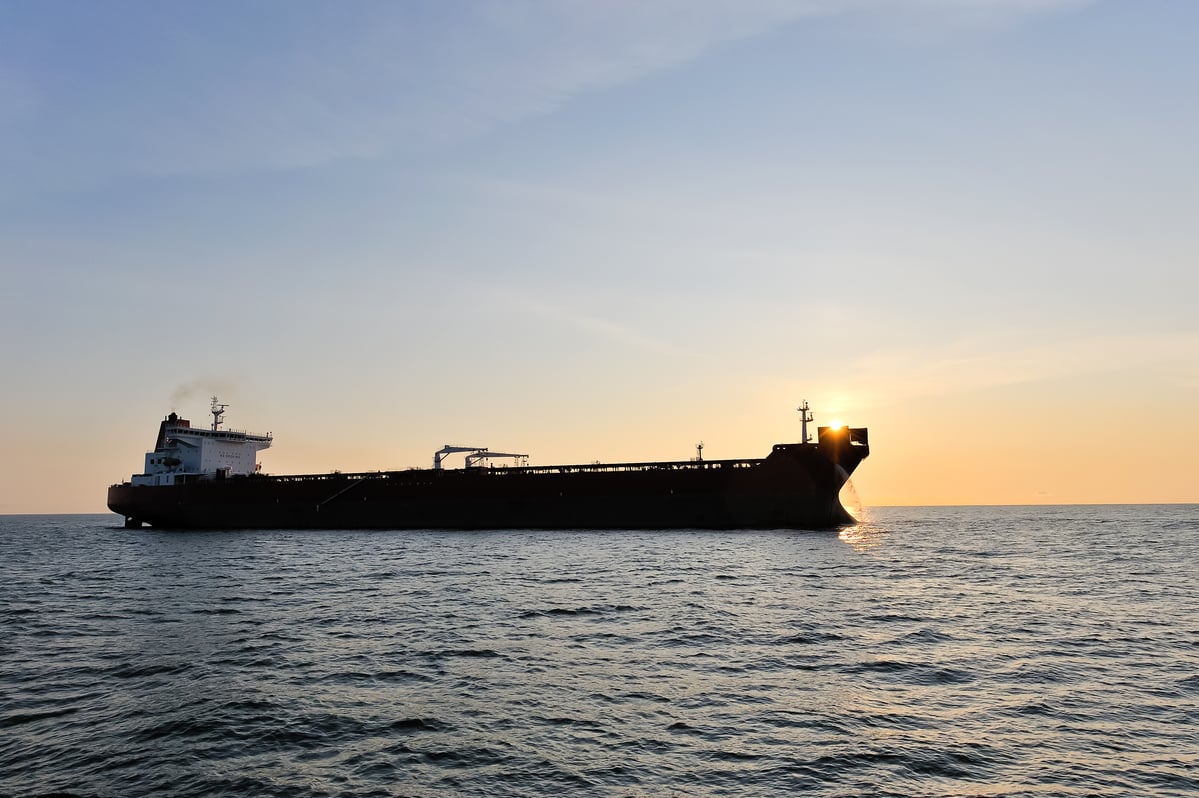
Energy Market's Response to Strait of Hormuz Conflict
- Oil Price Dynamics: The current oil futures market is in backwardation, reflecting the reality of crude oil flow disruptions through the Strait of Hormuz, where approximately 34% of global crude oil trade occurs, indicating market concerns over short-term supply scarcity.
- Optimistic Market Expectations: The shape of the futures curve suggests that the market believes the conflict issues are temporary, with investors generally expecting the U.S. and Asian countries to push for the reopening of the strait, thereby enhancing market confidence in future energy flows.
- Attractiveness of Energy Stocks: Despite the ongoing conflict, the optimistic sentiment towards energy stocks may be mirrored in the equity markets, encouraging investors to increase their allocation to energy stocks in the current environment for potential long-term gains.
- Historical Investment Strategy: Historical data suggests that staying invested during challenging times is a wise choice, particularly in the current environment where increasing allocations to energy stocks could yield higher returns.
See More

Persian Gulf Conflict Causes Oil Backwardation
- Market Expectation of Temporary Impact: The oil futures market is currently in backwardation due to the Persian Gulf conflict, where spot prices exceed futures prices, indicating concerns over short-term supply scarcity, although the market generally believes this impact will be temporary.
- Global Trade Dependency: According to the International Energy Agency, approximately 34% of global crude oil trade passes through the Strait of Hormuz, meaning any blockade of this waterway could significantly affect global energy supply, particularly impacting Asian countries.
- Attractiveness of Energy Stocks: Despite the ongoing conflict, the market remains optimistic about energy stocks, with analysts suggesting that increasing allocations to energy equities is prudent in the current uncertain environment, especially considering potential future price increases.
- Investor Confidence: While risks of a prolonged conflict persist, the market's optimistic outlook for future developments may drive energy stock performance, particularly if the Strait of Hormuz reopens, prompting investors to pay attention to the potential returns of related stocks.
See More
Chevron Reports 6% Drop in Q1 Production Amid Middle East Conflict
- Production Decline Reasons: Chevron (CVX) disclosed in its latest 8-K filing that Q1 production is expected to fall by 6%, averaging 3.8M-3.9M boe/day, primarily due to the Middle East conflict and downtime at Kazakhstan's Tengizchevroil project, a decrease from 4.05M boe/day in Q4 2025.
- Financial Impact Estimates: The company anticipates that timing effects related to hedging and accounting will reduce Q1 earnings and operating cash flow by $2.7B-$3.7B (after tax), mainly affecting downstream operations, although this negative impact is expected to reverse in subsequent quarters.
- Rising Oil and Gas Price Expectations: Despite the production decline, Chevron expects surging oil and gas prices to boost quarterly earnings from its upstream segment by $1.6B-$2.2B, contingent on oil prices ranging between $130 and $140, which would positively influence the company's overall financial performance.
- Market Response and Strategy: Chevron's production and financial outlook mirrors that of ExxonMobil, highlighting common challenges faced across the industry, while proposals for windfall taxes on energy firms may impact future investment decisions, necessitating Chevron to adjust its strategy to maintain competitiveness.
See More
Tensions Rise in Strait of Hormuz Amid U.S.-Iran Talks
- Military Confrontation Escalates: The U.S. Navy's deployment of two destroyers through the Strait of Hormuz to challenge Iran's 'toll booth' control prompted a final warning from the IRGC, highlighting the fragility of global energy security.
- Freedom of Navigation Dispute: This naval incident underscores the core issue of the Islamabad summit regarding the reopening of a waterway that carries approximately 20% of the world's liquid energy, despite Centcom framing the transit as a rejection of Iran's blockade.
- Complex Negotiation Background: During several hours of talks with Iranian Parliament Speaker, no immediate breakthroughs were reported, but extending the two-week ceasefire appears contingent on reopening the Strait, with Iran seeking sanctions relief and the release of frozen assets.
- Balancing Economic and Security Needs: The U.S. delegation must navigate the immediate economic need for lower oil prices against long-standing demands for permanent restrictions on Iran's nuclear ambitions, even as substantive agreements on nuclear issues remain a 'long shot.'
See More
Geopolitical Risks Around Strait of Hormuz Drive Market Volatility
- Market Volatility Drivers: Geopolitical risks surrounding the Strait of Hormuz are causing significant market volatility, particularly threatening the global economy by potentially disrupting crude oil, LNG, and other commodity supplies, which investors should closely monitor.
- Portfolio Adjustment Recommendations: Investors are advised to adjust their portfolios to reflect current risks and opportunities; despite increasing market uncertainty, remaining invested is considered a rational choice to avoid missing potential market rebounds.
- Energy Flow Risks: The prolonged closure of the Strait of Hormuz could have lasting impacts on energy flows, with unclear insurance coverage for shipping, potentially damaging energy infrastructure and affecting global energy prices.
- Historical Insights: According to Hartford Funds, 48% of the best market days from 1996 to 2025 occurred during bear markets, indicating that trying to time the market could lead to missing critical upswings, significantly reducing investment returns.
See More
Threat to Global Economy from Strait of Hormuz Closure
- Market Volatility Drivers: The potential prolonged closure of the Strait of Hormuz poses a significant threat to the global economy, affecting not only crude oil and LNG but also substantial quantities of refined petroleum products and fertilizers, which could lead to rising global energy prices and impact economic stability across nations.
- Uncertainty in Energy Flows: The clear divide between Iran and the U.S. regarding the conditions for reopening the strait makes it difficult to predict when energy flows will normalize, while insurance companies' willingness to cover shipping is also in question, adding to market uncertainty.
- Portfolio Adjustment Recommendations: Given the current situation, investors are advised to increase allocations to stocks that benefit from a closure of the strait, such as Chevron (CVX), to mitigate potential market volatility and rising energy prices, while also considering gold allocations to hedge against growing geopolitical tensions.
- Timing Market Risks: Although timing the market can be tempting, historical data shows that many of the best market days occur during bear markets, and missing these opportunities can leave investors behind in bull markets, underscoring the importance of staying invested.
See More
Energy Market's Response to Strait of Hormuz Conflict
- Oil Price Dynamics: The current oil futures market is in backwardation, reflecting the reality of crude oil flow disruptions through the Strait of Hormuz, where approximately 34% of global crude oil trade occurs, indicating market concerns over short-term supply scarcity.
- Optimistic Market Expectations: The shape of the futures curve suggests that the market believes the conflict issues are temporary, with investors generally expecting the U.S. and Asian countries to push for the reopening of the strait, thereby enhancing market confidence in future energy flows.
- Attractiveness of Energy Stocks: Despite the ongoing conflict, the optimistic sentiment towards energy stocks may be mirrored in the equity markets, encouraging investors to increase their allocation to energy stocks in the current environment for potential long-term gains.
- Historical Investment Strategy: Historical data suggests that staying invested during challenging times is a wise choice, particularly in the current environment where increasing allocations to energy stocks could yield higher returns.
See More
Persian Gulf Conflict Causes Oil Backwardation
- Market Expectation of Temporary Impact: The oil futures market is currently in backwardation due to the Persian Gulf conflict, where spot prices exceed futures prices, indicating concerns over short-term supply scarcity, although the market generally believes this impact will be temporary.
- Global Trade Dependency: According to the International Energy Agency, approximately 34% of global crude oil trade passes through the Strait of Hormuz, meaning any blockade of this waterway could significantly affect global energy supply, particularly impacting Asian countries.
- Attractiveness of Energy Stocks: Despite the ongoing conflict, the market remains optimistic about energy stocks, with analysts suggesting that increasing allocations to energy equities is prudent in the current uncertain environment, especially considering potential future price increases.
- Investor Confidence: While risks of a prolonged conflict persist, the market's optimistic outlook for future developments may drive energy stock performance, particularly if the Strait of Hormuz reopens, prompting investors to pay attention to the potential returns of related stocks.
See More