VxWorks Plays Critical Role for NASA's Return to the Moon
Written by Emily J. Thompson, Senior Investment Analyst
Updated: 1 hour ago
0mins
Should l Buy APTV?
Source: Newsfilter
- Successful Artemis II Mission: NASA's Artemis II mission successfully returned four astronauts, marking the first crewed lunar mission in over 50 years, which signifies a new chapter in human space exploration and boosts public confidence in space endeavors.
- VxWorks Software Platform: VxWorks serves as the critical operating system for NASA's Artemis missions, ensuring real-time performance for the rocket and astronauts in deep space, thereby reinforcing its leadership position in the aerospace sector through demonstrated reliability and safety in mission-critical applications.
- Simulation Validation Technology: Aptiv's digital twin simulation technology fully validates software before it runs on physical hardware, reducing dependency between development and hardware availability, with an expectation that 80-90% of simulation models can be reused for future missions, enhancing development efficiency.
- Safety System Design: The Orion Backup Flight System (BFS) acts as a crucial safety layer during the mission, designed with an independent architecture to ensure astronaut safety in case of primary flight system failure, reflecting a strong commitment to safety in space missions.
Trade with 70% Backtested Accuracy
Stop guessing "Should I Buy APTV?" and start using high-conviction signals backed by rigorous historical data.
Sign up today to access powerful investing tools and make smarter, data-driven decisions.
Analyst Views on APTV
Wall Street analysts forecast APTV stock price to rise
13 Analyst Rating
9 Buy
4 Hold
0 Sell
Moderate Buy
Current: 60.120

Low
84.00
Averages
100.80
High
110.00
Current: 60.120
Low
84.00
Averages
100.80
High
110.00
About APTV
Aptiv PLC is a Switzerland-based Company primarily engaged in automotive industry. The Company operates through two segments: Signal and Power Solutions and Advanced Safety and User Experience. The Signal and Power Solutions segment provides complete design, manufacture and assembly of the vehicle’s electrical architecture, including engineered component products, connectors, wiring assemblies and harnesses, cable management, electrical centers and high voltage power and safety-critical data distribution systems. The Advanced Safety and User Experience segment provides technologies and services to enhance vehicle safety, security, comfort and convenience, including sensing and perception systems, electronic control units, multi-domain controllers, vehicle connectivity systems, cloud-native software platforms, application software, autonomous driving technologies and end-to-end DevOps tools
About the author

Emily J. Thompson
Emily J. Thompson, a Chartered Financial Analyst (CFA) with 12 years in investment research, graduated with honors from the Wharton School. Specializing in industrial and technology stocks, she provides in-depth analysis for Intellectia’s earnings and market brief reports.
VxWorks Plays Critical Role for NASA's Return to the Moon

- Successful Artemis II Mission: NASA's Artemis II mission successfully returned four astronauts, marking the first crewed lunar mission in over 50 years, which signifies a new chapter in human space exploration and boosts public confidence in space endeavors.
- VxWorks Software Platform: VxWorks serves as the critical operating system for NASA's Artemis missions, ensuring real-time performance for the rocket and astronauts in deep space, thereby reinforcing its leadership position in the aerospace sector through demonstrated reliability and safety in mission-critical applications.
- Simulation Validation Technology: Aptiv's digital twin simulation technology fully validates software before it runs on physical hardware, reducing dependency between development and hardware availability, with an expectation that 80-90% of simulation models can be reused for future missions, enhancing development efficiency.
- Safety System Design: The Orion Backup Flight System (BFS) acts as a crucial safety layer during the mission, designed with an independent architecture to ensure astronaut safety in case of primary flight system failure, reflecting a strong commitment to safety in space missions.
See More
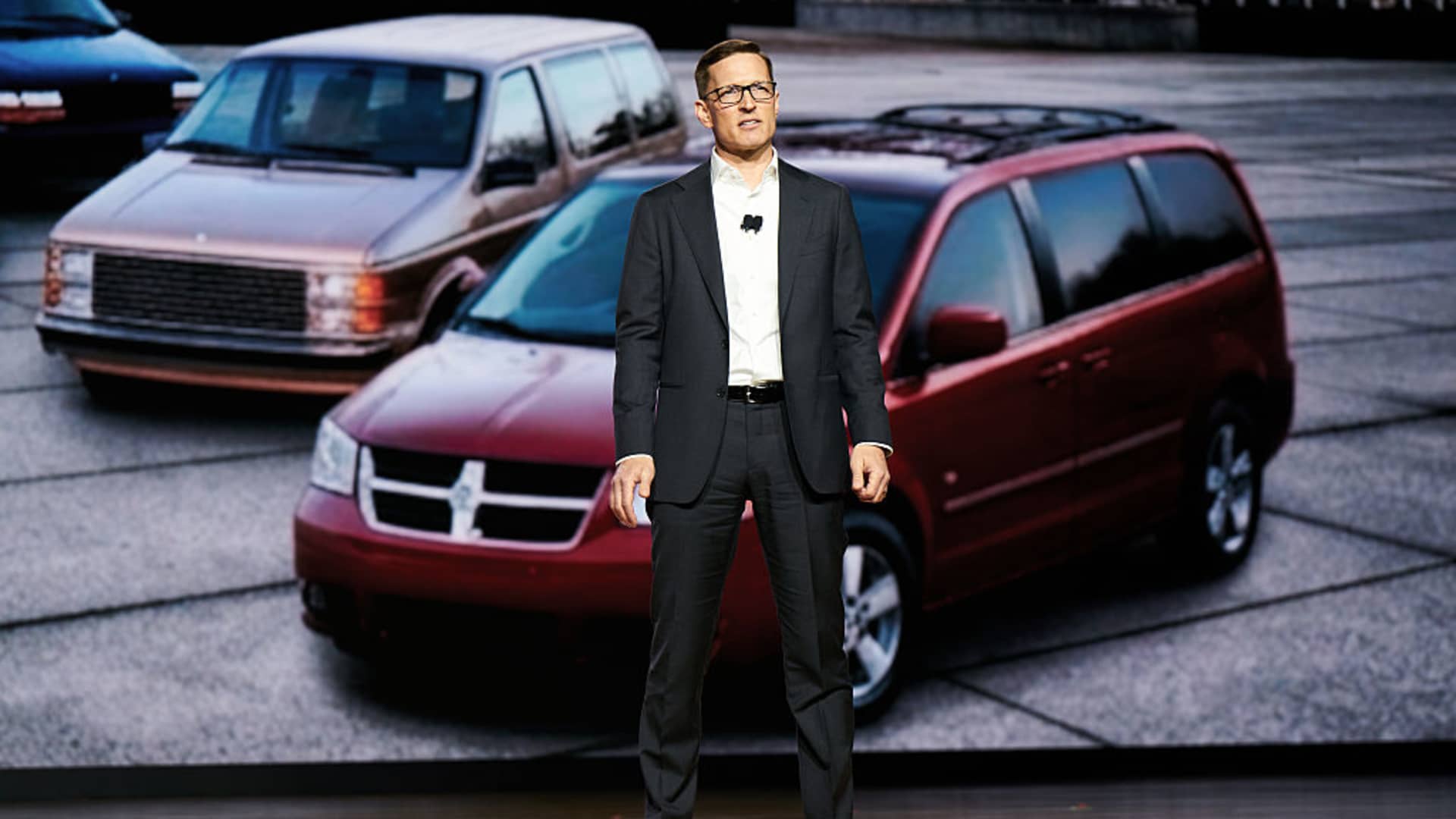
Chrysler Reaffirms Minivan Market Potential


- Market Growth Potential: Chrysler CEO Matt McAlear stated at the New York International Auto Show that despite past challenges, the minivan market is growing, with sales rising from 1.7% in 2017 to 2.4% in 2025, indicating a renewed consumer interest in multipurpose vehicles.
- New Model Launch: Chrysler unveiled the latest Pacifica Pinnacle model at the Auto Show, starting at over $56,000 and featuring entertainment options like rear-seat screens, aimed at attracting family-oriented consumers while showcasing the brand's innovation in the minivan segment.
- Sales Data Analysis: Although Pacifica sales dipped slightly in Q1 2026, March saw a nearly 84% year-over-year increase, indicating strong market demand, particularly for the more affordable Pacifica LX model, reflecting consumer emphasis on value.
- Competitor Dynamics: In the minivan market, competitors like Toyota's Sienna and Honda's Odyssey are also experiencing growth, with Sienna sales up 35% in 2025, while Kia's Carnival has seen sales increases in both 2025 and Q1 2026, highlighting intensifying competition in this segment.
See More

Insmed, First Solar, and Aptiv Form Death Cross, Signaling Bearish Trends

- Death Cross Signal: Insmed, First Solar, and Aptiv have all formed a death cross, where the 50-day moving average falls below the 200-day, indicating a potential long-term downtrend, leading to a broadly bearish sentiment among retail investors, which could trigger further selling pressure.
- Insmed's Strong Performance: Despite the death cross formation, Insmed's stock remains about 8% above its 200-day moving average, and has surged over 12% since reporting positive results for Arikayce, with analysts projecting a strong buy consensus and a price target of $214.32, suggesting a potential upside of approximately 32%.
- First Solar's Challenges: First Solar's stock has dropped over 7% since its February earnings report, with the spread between its 50-day and 200-day moving averages exceeding 2%, indicating a well-established death cross; analysts have set a price target of $250.57, implying about 28% upside, but ongoing uncertainty in U.S. energy policy remains a concern.
- Aptiv's Structural Shift: Aptiv has faced a dual blow from tariff hikes and the removal of EV tax incentives, leading to a 6% decline in stock price, although it has gained over 20% in the past year; the death cross is firmly in place, with analysts targeting $92.43, indicating a potential upside of around 51%, while the upcoming spin-off of its electrical business may impact market reactions.
See More

Nike Shares Plummet 13.3% Amid S&P 500 Decline


- Nike Stock Performance: Nike's shares are down 13.3% today, making it the worst-performing component of the S&P 500, reflecting market concerns about its future performance, which could impact investor confidence.
- Year-to-Date Decline: Year-to-date, Nike's performance has dropped approximately 28.1%, indicating challenges the company faces in the current economic environment, potentially leading to downward revisions in sales and profit expectations.
- Other Component Movements: In contrast to Nike, Aptiv's stock is down 11.8%, while Lumentum Holdings is up 7.3%, highlighting the market's varied reactions to different companies, which may influence portfolio allocations.
- Market Sentiment Fluctuations: Nike's significant decline may trigger investor concerns about the broader consumer goods sector, especially amid increasing economic uncertainty, potentially leading to wider market adjustments.
See More

Versigent Limited Debuts on NYSE After Spin-Off from Aptiv

- Public Listing Milestone: Versigent Limited (VGNT) rang the opening bell at the New York Stock Exchange, marking its transition to a standalone company after spinning off from Aptiv (APTV), with projected 2025 revenues of approximately $8.8 billion, net income of $528 million, and adjusted EBITDA of $893 million, indicating a robust financial foundation.
- Market Performance Review: Despite the company's industry-leading design and engineering capabilities, its stock fell 9% on debut to $28.99, with a market cap of about $2.26 billion, reflecting investor caution regarding the new auto supplier stock, potentially due to its low exposure to Chinese OEMs.
- Analyst Rating Insights: RBC Capital Markets initiated coverage on Versigent (VGNT) with a Sector Perform rating and a price target of $28, noting that its first-class engineering capabilities position it among the top three global players in automotive wire harnessing, while cautioning about potential selling pressure from low Chinese market exposure.
- Future Growth Potential: CEO Joseph Liotine emphasized that Versigent's global manufacturing capabilities and advanced expertise will help meet customer demands for greater capability with less complexity, with expectations for margin uplift from entering non-automotive markets, showcasing long-term growth opportunities.
See More
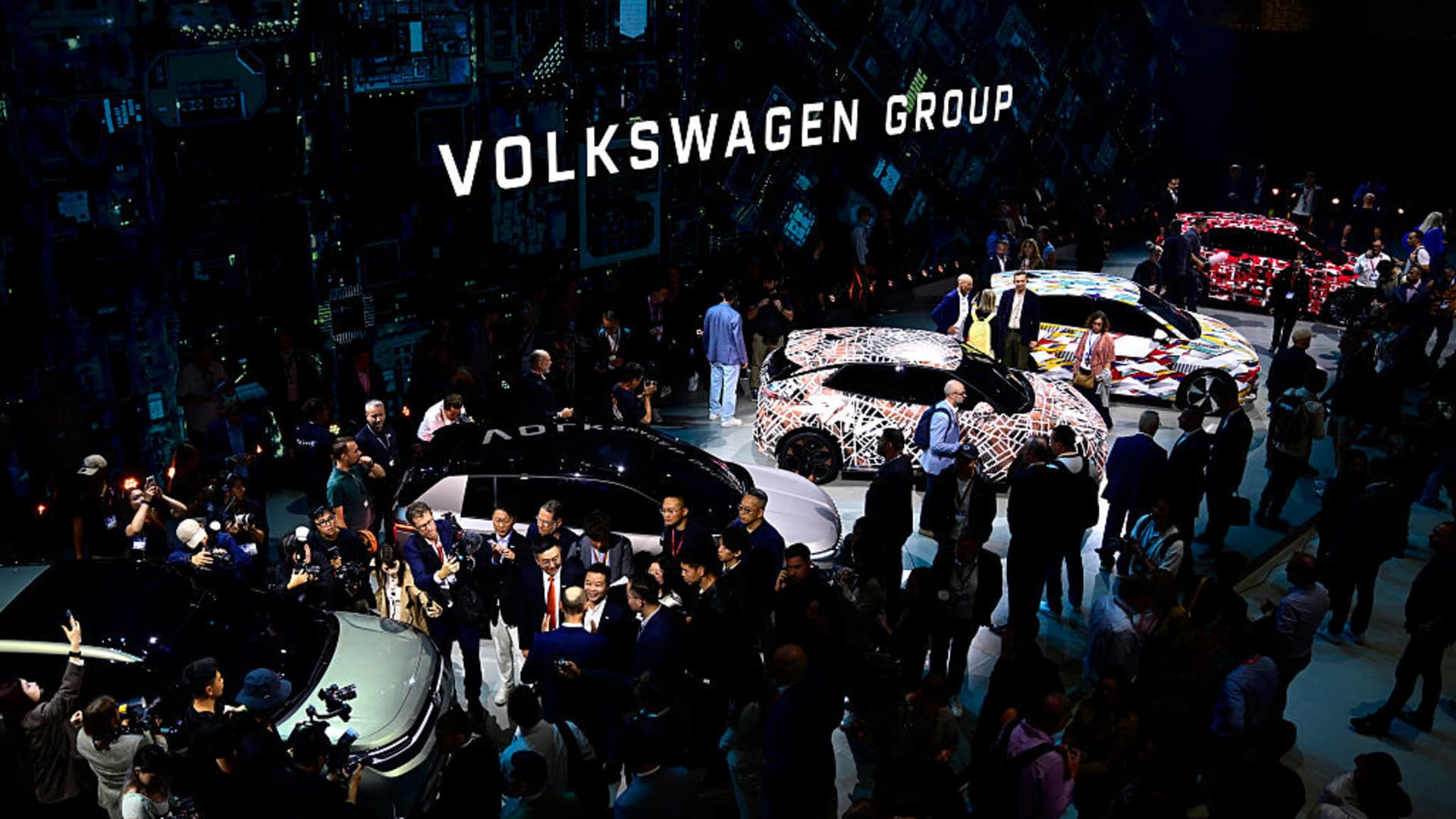
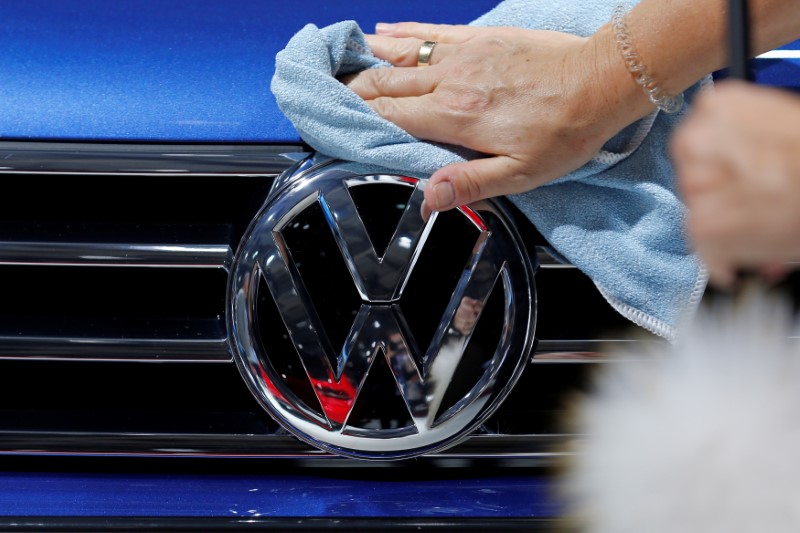
Volkswagen Partners with Xpeng to Accelerate Tech Transformation

- Intensified Market Competition: Volkswagen's profits in China fell approximately 45% in 2025, from $2 billion to $1.1 billion, highlighting fierce competition from local firms that forces a reassessment of market strategies to maintain share.
- Deepened Technological Collaboration: The partnership with Xpeng enables Volkswagen to rapidly build hardware and software architecture in China, particularly the CEA architecture completed in 18 months, significantly shortening new vehicle development cycles and enhancing market responsiveness.
- Product Innovation Speed: The jointly developed ID.UNYX 08 vehicle was produced in 24 months, a speed deemed 'unheard of' in the Western automotive industry, reflecting the high efficiency of Chinese manufacturing capabilities.
- Global Expansion Strategy: Xpeng's launch of new models in Mexico indicates its intent to compete globally, potentially posing a greater threat to Volkswagen and other non-Chinese automakers, especially in the competition for high-value technology components.
See More
VxWorks Plays Critical Role for NASA's Return to the Moon
- Successful Artemis II Mission: NASA's Artemis II mission successfully returned four astronauts, marking the first crewed lunar mission in over 50 years, which signifies a new chapter in human space exploration and boosts public confidence in space endeavors.
- VxWorks Software Platform: VxWorks serves as the critical operating system for NASA's Artemis missions, ensuring real-time performance for the rocket and astronauts in deep space, thereby reinforcing its leadership position in the aerospace sector through demonstrated reliability and safety in mission-critical applications.
- Simulation Validation Technology: Aptiv's digital twin simulation technology fully validates software before it runs on physical hardware, reducing dependency between development and hardware availability, with an expectation that 80-90% of simulation models can be reused for future missions, enhancing development efficiency.
- Safety System Design: The Orion Backup Flight System (BFS) acts as a crucial safety layer during the mission, designed with an independent architecture to ensure astronaut safety in case of primary flight system failure, reflecting a strong commitment to safety in space missions.
See More
Chrysler Reaffirms Minivan Market Potential
- Market Growth Potential: Chrysler CEO Matt McAlear stated at the New York International Auto Show that despite past challenges, the minivan market is growing, with sales rising from 1.7% in 2017 to 2.4% in 2025, indicating a renewed consumer interest in multipurpose vehicles.
- New Model Launch: Chrysler unveiled the latest Pacifica Pinnacle model at the Auto Show, starting at over $56,000 and featuring entertainment options like rear-seat screens, aimed at attracting family-oriented consumers while showcasing the brand's innovation in the minivan segment.
- Sales Data Analysis: Although Pacifica sales dipped slightly in Q1 2026, March saw a nearly 84% year-over-year increase, indicating strong market demand, particularly for the more affordable Pacifica LX model, reflecting consumer emphasis on value.
- Competitor Dynamics: In the minivan market, competitors like Toyota's Sienna and Honda's Odyssey are also experiencing growth, with Sienna sales up 35% in 2025, while Kia's Carnival has seen sales increases in both 2025 and Q1 2026, highlighting intensifying competition in this segment.
See More
Insmed, First Solar, and Aptiv Form Death Cross, Signaling Bearish Trends
- Death Cross Signal: Insmed, First Solar, and Aptiv have all formed a death cross, where the 50-day moving average falls below the 200-day, indicating a potential long-term downtrend, leading to a broadly bearish sentiment among retail investors, which could trigger further selling pressure.
- Insmed's Strong Performance: Despite the death cross formation, Insmed's stock remains about 8% above its 200-day moving average, and has surged over 12% since reporting positive results for Arikayce, with analysts projecting a strong buy consensus and a price target of $214.32, suggesting a potential upside of approximately 32%.
- First Solar's Challenges: First Solar's stock has dropped over 7% since its February earnings report, with the spread between its 50-day and 200-day moving averages exceeding 2%, indicating a well-established death cross; analysts have set a price target of $250.57, implying about 28% upside, but ongoing uncertainty in U.S. energy policy remains a concern.
- Aptiv's Structural Shift: Aptiv has faced a dual blow from tariff hikes and the removal of EV tax incentives, leading to a 6% decline in stock price, although it has gained over 20% in the past year; the death cross is firmly in place, with analysts targeting $92.43, indicating a potential upside of around 51%, while the upcoming spin-off of its electrical business may impact market reactions.
See More
Nike Shares Plummet 13.3% Amid S&P 500 Decline
- Nike Stock Performance: Nike's shares are down 13.3% today, making it the worst-performing component of the S&P 500, reflecting market concerns about its future performance, which could impact investor confidence.
- Year-to-Date Decline: Year-to-date, Nike's performance has dropped approximately 28.1%, indicating challenges the company faces in the current economic environment, potentially leading to downward revisions in sales and profit expectations.
- Other Component Movements: In contrast to Nike, Aptiv's stock is down 11.8%, while Lumentum Holdings is up 7.3%, highlighting the market's varied reactions to different companies, which may influence portfolio allocations.
- Market Sentiment Fluctuations: Nike's significant decline may trigger investor concerns about the broader consumer goods sector, especially amid increasing economic uncertainty, potentially leading to wider market adjustments.
See More
Versigent Limited Debuts on NYSE After Spin-Off from Aptiv
- Public Listing Milestone: Versigent Limited (VGNT) rang the opening bell at the New York Stock Exchange, marking its transition to a standalone company after spinning off from Aptiv (APTV), with projected 2025 revenues of approximately $8.8 billion, net income of $528 million, and adjusted EBITDA of $893 million, indicating a robust financial foundation.
- Market Performance Review: Despite the company's industry-leading design and engineering capabilities, its stock fell 9% on debut to $28.99, with a market cap of about $2.26 billion, reflecting investor caution regarding the new auto supplier stock, potentially due to its low exposure to Chinese OEMs.
- Analyst Rating Insights: RBC Capital Markets initiated coverage on Versigent (VGNT) with a Sector Perform rating and a price target of $28, noting that its first-class engineering capabilities position it among the top three global players in automotive wire harnessing, while cautioning about potential selling pressure from low Chinese market exposure.
- Future Growth Potential: CEO Joseph Liotine emphasized that Versigent's global manufacturing capabilities and advanced expertise will help meet customer demands for greater capability with less complexity, with expectations for margin uplift from entering non-automotive markets, showcasing long-term growth opportunities.
See More
Volkswagen Partners with Xpeng to Accelerate Tech Transformation
- Intensified Market Competition: Volkswagen's profits in China fell approximately 45% in 2025, from $2 billion to $1.1 billion, highlighting fierce competition from local firms that forces a reassessment of market strategies to maintain share.
- Deepened Technological Collaboration: The partnership with Xpeng enables Volkswagen to rapidly build hardware and software architecture in China, particularly the CEA architecture completed in 18 months, significantly shortening new vehicle development cycles and enhancing market responsiveness.
- Product Innovation Speed: The jointly developed ID.UNYX 08 vehicle was produced in 24 months, a speed deemed 'unheard of' in the Western automotive industry, reflecting the high efficiency of Chinese manufacturing capabilities.
- Global Expansion Strategy: Xpeng's launch of new models in Mexico indicates its intent to compete globally, potentially posing a greater threat to Volkswagen and other non-Chinese automakers, especially in the competition for high-value technology components.
See More