Venezuelan Opposition Leader Calls for Investment
Written by Emily J. Thompson, Senior Investment Analyst
Updated: 1 hour ago
0mins
Should l Buy COP?
Source: CNBC
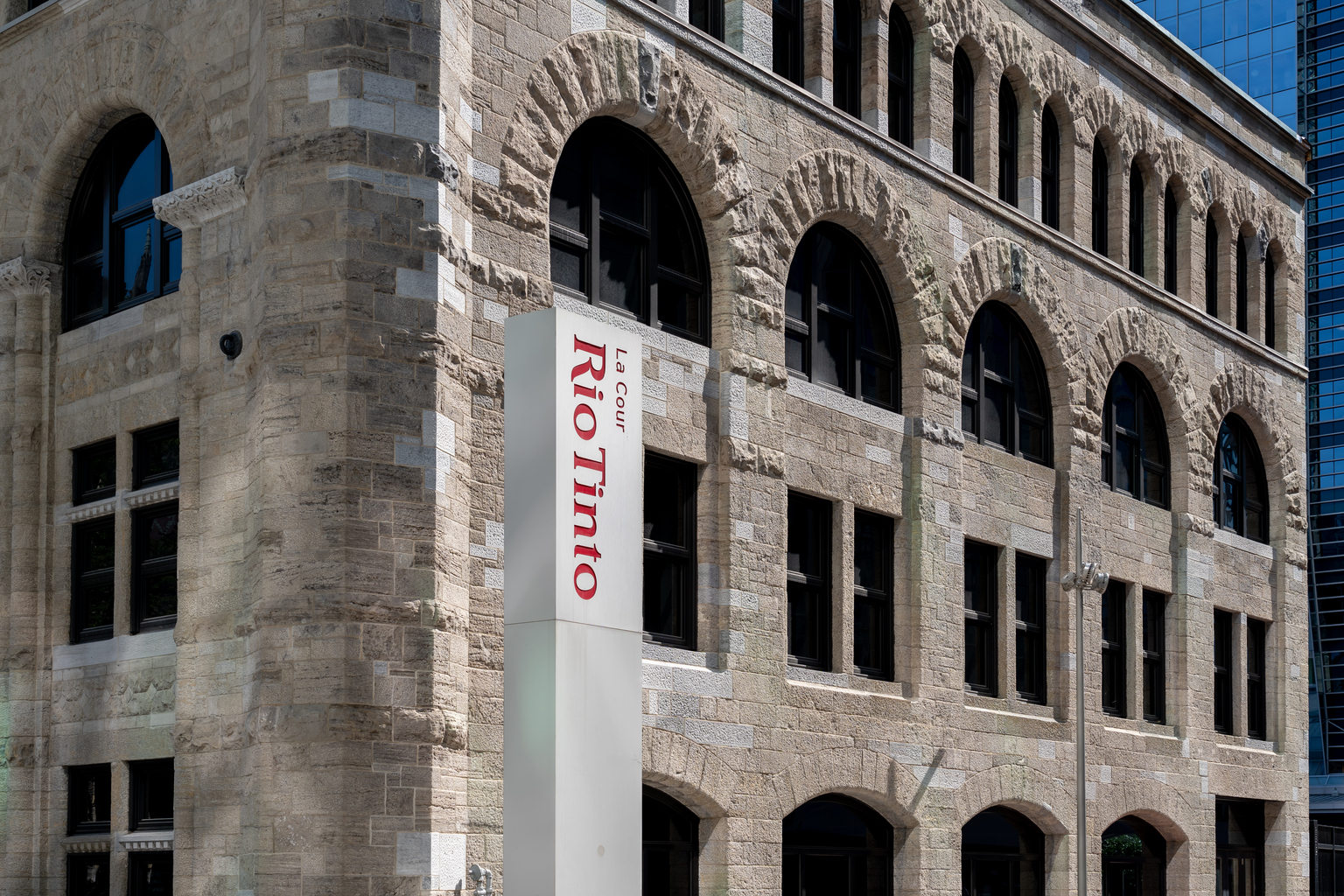
- Investment Hesitation: Venezuelan opposition leader María Corina Machado will address the S&P Global CERAWeek in Houston, yet the oil and gas industry remains hesitant to invest in the country despite the U.S. ousting former President Maduro, indicating deep concerns over political stability.
- Need for Political Reform: Machado's opposition movement seeks a transition to democracy and a market economy; however, industry leaders like ConocoPhillips and Exxon Mobil have made it clear they will only consider returning after significant political reforms are implemented to protect private sector investments, reflecting dissatisfaction with the current situation.
- Asset Compensation Issues: ConocoPhillips CEO Ryan Lance highlighted that the company lost $12 billion due to asset seizures by the Chávez government in 2007, emphasizing that they will not invest without a mechanism for compensation recovery, underscoring a lack of confidence in the investment environment.
- Policy Durability Challenges: Lance noted that attracting the billions needed for investment requires not only guarantees of physical security and contracts but also policy durability from both Venezuela and the U.S., indicating international investors' concerns about potential political shifts that could affect investment decisions.
Trade with 70% Backtested Accuracy
Stop guessing "Should I Buy COP?" and start using high-conviction signals backed by rigorous historical data.
Sign up today to access powerful investing tools and make smarter, data-driven decisions.
Analyst Views on COP
Wall Street analysts forecast COP stock price to fall
19 Analyst Rating
15 Buy
3 Hold
1 Sell
Moderate Buy
Current: 127.190

Low
98.00
Averages
115.67
High
133.00
Current: 127.190
Low
98.00
Averages
115.67
High
133.00
About COP
ConocoPhillips is an exploration and production company. Its Alaska segment primarily explores for, produces, transports and markets crude oil, natural gas and NGLs. The Lower 48 segment consists of operations located in the 48 contiguous states in the United States and the Gulf of Mexico. Canadian operations consist of the Surmont oil sands development in Alberta, the liquids-rich Montney unconventional play in British Columbia and commercial operations. The Europe, Middle East and North Africa segment consists of operations principally located in the Norwegian sector of the North Sea, the Norwegian Sea, Qatar, Libya, Equatorial Guinea and commercial and terminalling operations in the United Kingdom. Asia Pacific segment has exploration and production operations in China, Malaysia, Australia and commercial operations in China, Singapore and Japan. Other International segment includes interests in Colombia as well as contingencies associated with prior operations in other countries.
About the author

Emily J. Thompson
Emily J. Thompson, a Chartered Financial Analyst (CFA) with 12 years in investment research, graduated with honors from the Wharton School. Specializing in industrial and technology stocks, she provides in-depth analysis for Intellectia’s earnings and market brief reports.
Investors Should Cautiously Navigate U.S.-Iran Conflict


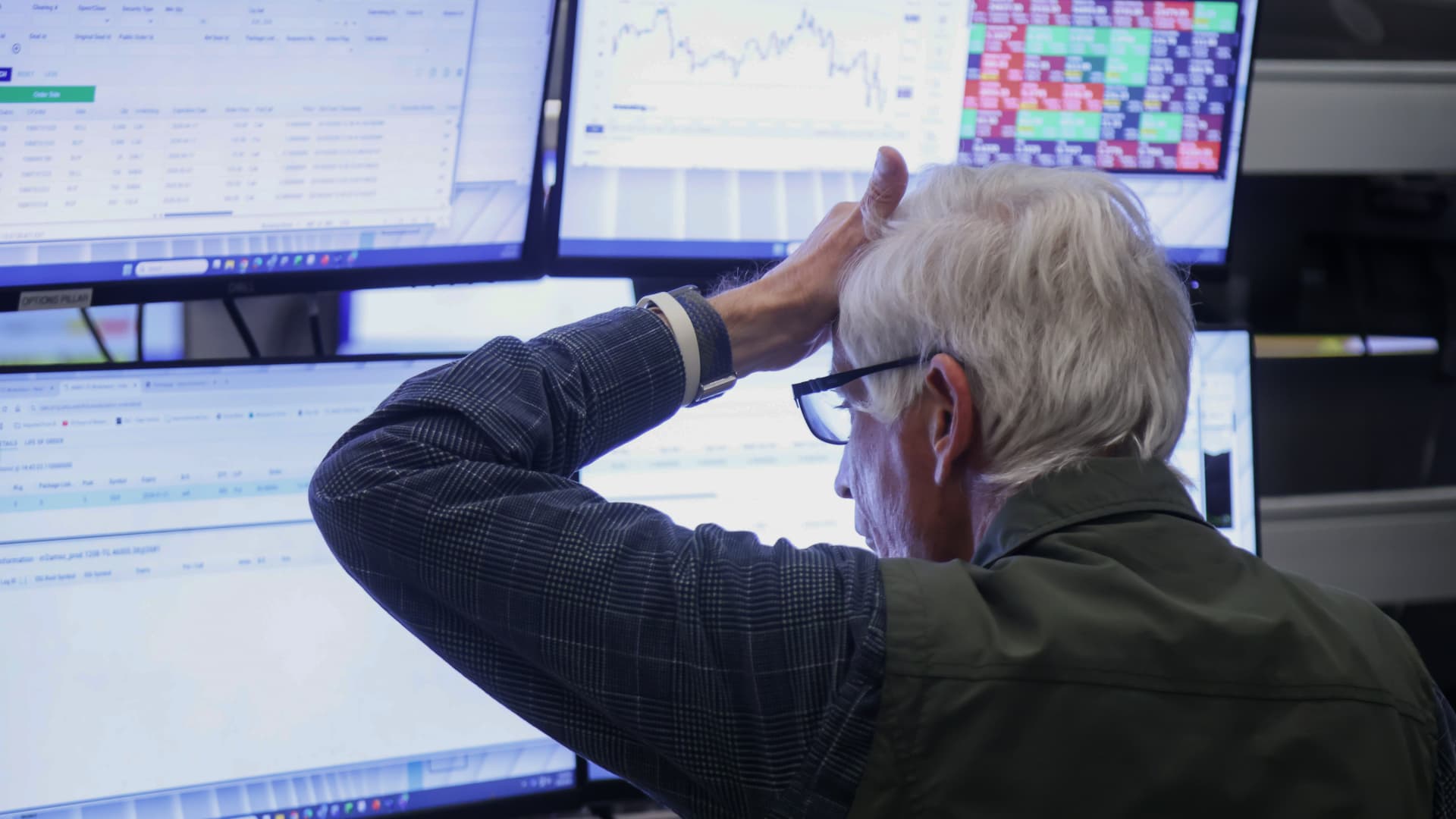
- Market Uncertainty: CNBC's Jim Cramer cautioned investors that trading on headlines related to the U.S.-Iran conflict may be a waste of time and money due to mixed signals and unpredictable market conditions, advising a hands-off approach to mitigate risks.
- Oil Stock Surge: Reports of the Pentagon nearing plans to deploy thousands of troops to the Middle East led to Exxon Mobil and Chevron shares rising nearly 3% and 1%, respectively, indicating market concerns over potential supply disruptions in energy.
- Financial and Retail Stocks Rally: Despite market volatility, JPMorgan and Walmart saw their shares increase by nearly 1%, reflecting investor optimism about a potential resolution to the conflict; however, Cramer noted the oddity of such simultaneous rallies, suggesting possible market misjudgments.
- Overall Market Weakness: The S&P 500 fell 0.3% on Tuesday, contrasting with a 1.3% rise on Monday, which Cramer attributed to fear-driven trading, emphasizing the need to monitor whether the Iranian regime will support Trump's claims to avoid further market instability.
See More

Venezuelan Opposition Leader Calls for Investment

- Investment Hesitation: Venezuelan opposition leader María Corina Machado will address the S&P Global CERAWeek in Houston, yet the oil and gas industry remains hesitant to invest in the country despite the U.S. ousting former President Maduro, indicating deep concerns over political stability.
- Need for Political Reform: Machado's opposition movement seeks a transition to democracy and a market economy; however, industry leaders like ConocoPhillips and Exxon Mobil have made it clear they will only consider returning after significant political reforms are implemented to protect private sector investments, reflecting dissatisfaction with the current situation.
- Asset Compensation Issues: ConocoPhillips CEO Ryan Lance highlighted that the company lost $12 billion due to asset seizures by the Chávez government in 2007, emphasizing that they will not invest without a mechanism for compensation recovery, underscoring a lack of confidence in the investment environment.
- Policy Durability Challenges: Lance noted that attracting the billions needed for investment requires not only guarantees of physical security and contracts but also policy durability from both Venezuela and the U.S., indicating international investors' concerns about potential political shifts that could affect investment decisions.
See More

CERAWEEK: CONOCOPHILLIPS EVP FOR LOWER 48 STATES STATES COMPANY IS NOT PLANNING TO BOOST PRODUCTION CURRENTLY
Company's Production Plans: ConocoPhillips' EVP for Lower 48, Cera Week, stated that the company is not considering increasing production at this time.
Market Context: The decision reflects the current market conditions and the company's strategic focus on maintaining stability rather than expanding output.
See More

Rising Oil Prices Impacting U.S. Economy
- Surging Oil Prices: The average gas price in the U.S. has surged over 30% in the past month, rising from $2.93 to $3.88 per gallon, which is likely to increase consumer pain at the pump and could lead to reduced spending in other areas of the economy.
- Dependence on Oil Imports: Despite being a net petroleum exporter, the U.S. remains reliant on imports of heavy sour crude oil from regions like the Middle East and Venezuela, which limits domestic refinery production capacity and creates a mismatch in the market for light sweet crude oil.
- Refinery Capacity Issues: U.S. refineries are primarily designed to process heavy sour crude, while the booming shale oil production is yielding light sweet crude, leading to a significant gap in refinery capacity that cannot be quickly addressed to lower gas prices in the short term.
- Lack of Policy Intervention: There is a notable absence of effective government interventions to control oil prices, and with gasoline demand not expected to rise significantly in the coming years, the U.S. remains vulnerable in the global oil market.
See More
US Stocks Decline Amid Ongoing Iran Conflict


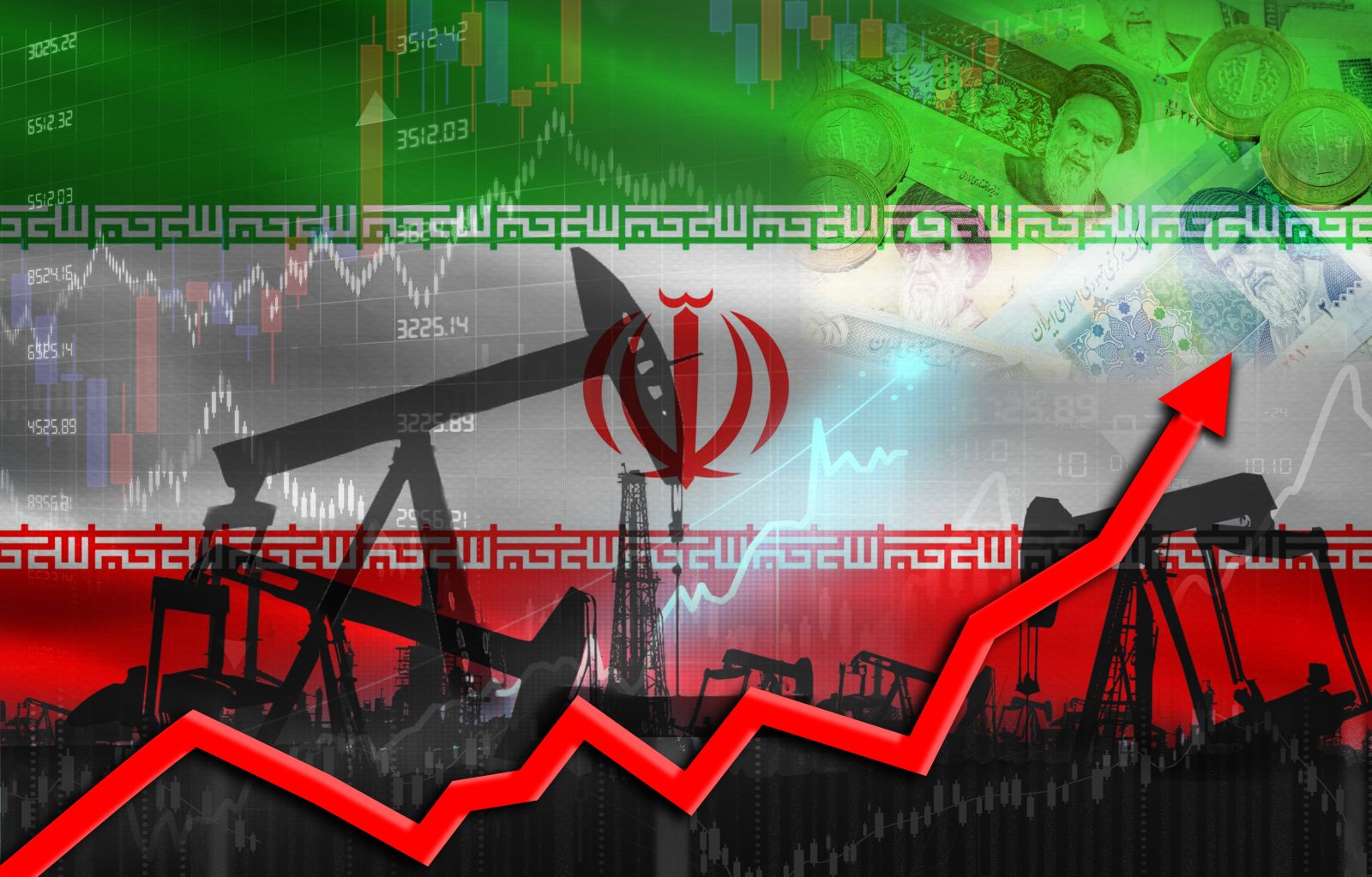
- Market Movement: The S&P 500 Index is down 0.16%, while the Dow Jones Industrial Average is up 0.13%, and the Nasdaq 100 Index has decreased by 0.50%, reflecting investor concerns over the ongoing Iran conflict, which is dampening market sentiment.
- Rising Energy Prices: WTI crude oil prices have surged over 4% due to Iran's missile strikes on Israel and US bases, which not only limits stock market declines but also raises inflation expectations, potentially influencing future monetary policy decisions.
- Economic Data Performance: The US Q4 nonfarm productivity remained unchanged at 1.8%, while unit labor costs were revised up to 4.4% from 2.8%, exceeding market expectations, indicating economic resilience that may support the stock market.
- International Tensions Impact: Saudi Arabia and the UAE have taken steps toward joining the Iran war, potentially escalating the conflict, which increases market concerns about future geopolitical risks and drives investors towards safer assets.
See More
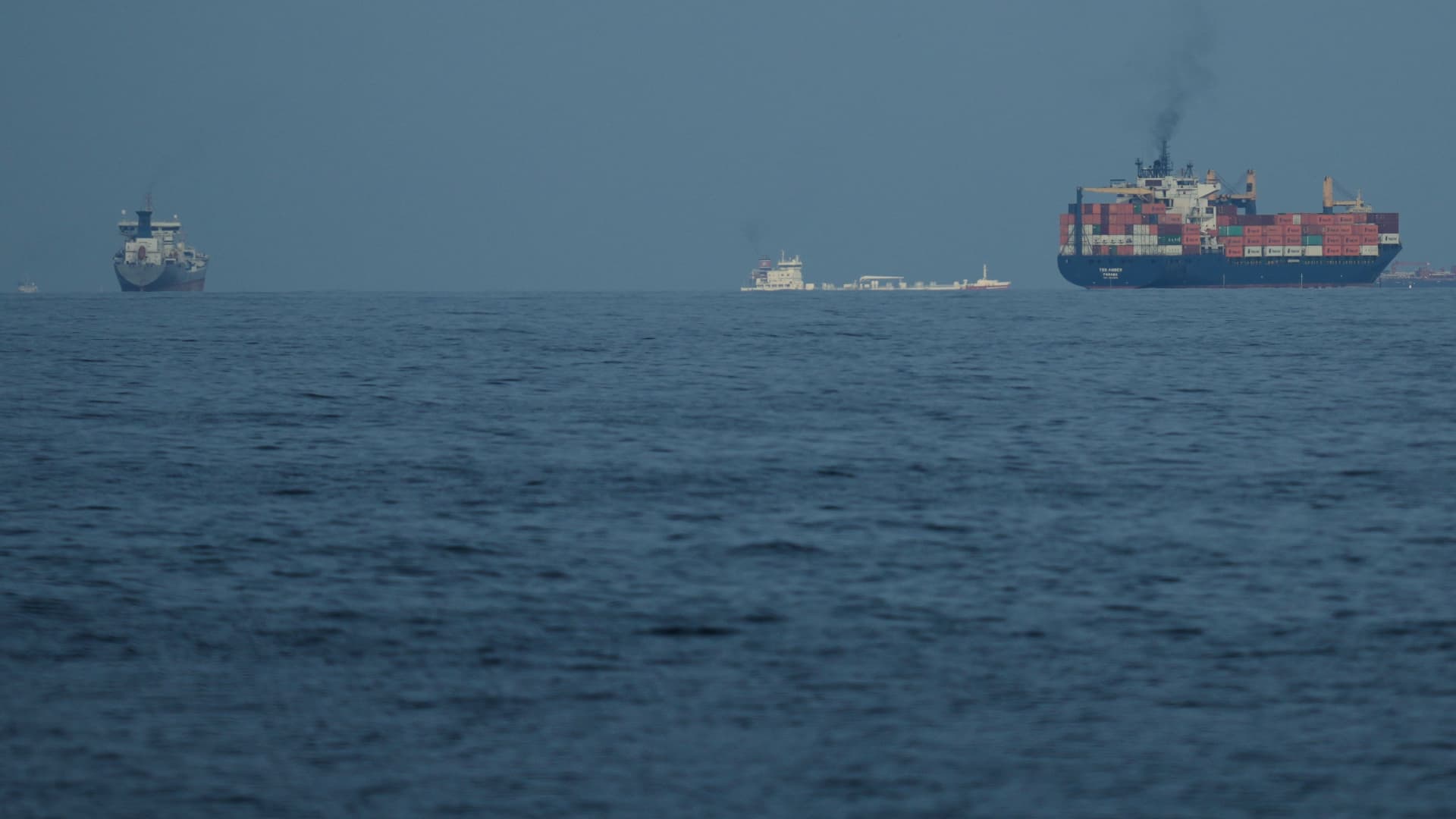
Uncertain Outlook for Tanker Traffic in Strait of Hormuz
- Tanker Traffic Odds Decline: Despite hopes for a U.S.-Iran agreement, the odds of tanker traffic in the Strait of Hormuz returning to normal before April 15 are below 25%, indicating market pessimism regarding the situation.
- Market Betting Trends: Approximately $100,000 has been wagered in the Kalshi market, with confidence in the Strait normalizing by June 1 rising to 67%, and further to 76% by July 1, reflecting changing investor sentiment.
- Geopolitical Impact: The Strait of Hormuz, a crucial passage for 20% of global crude oil, has seen trade halted due to U.S.-Israeli military actions, intensifying regional tensions and impacting global oil prices and market sentiment.
- Trump's Statements: President Trump indicated that the Strait could reopen “very soon” and described negotiations with Iran as “productive,” which sparked optimism on Wall Street, although the market continues to face significant uncertainty.
See More
Investors Should Cautiously Navigate U.S.-Iran Conflict
- Market Uncertainty: CNBC's Jim Cramer cautioned investors that trading on headlines related to the U.S.-Iran conflict may be a waste of time and money due to mixed signals and unpredictable market conditions, advising a hands-off approach to mitigate risks.
- Oil Stock Surge: Reports of the Pentagon nearing plans to deploy thousands of troops to the Middle East led to Exxon Mobil and Chevron shares rising nearly 3% and 1%, respectively, indicating market concerns over potential supply disruptions in energy.
- Financial and Retail Stocks Rally: Despite market volatility, JPMorgan and Walmart saw their shares increase by nearly 1%, reflecting investor optimism about a potential resolution to the conflict; however, Cramer noted the oddity of such simultaneous rallies, suggesting possible market misjudgments.
- Overall Market Weakness: The S&P 500 fell 0.3% on Tuesday, contrasting with a 1.3% rise on Monday, which Cramer attributed to fear-driven trading, emphasizing the need to monitor whether the Iranian regime will support Trump's claims to avoid further market instability.
See More
Venezuelan Opposition Leader Calls for Investment
- Investment Hesitation: Venezuelan opposition leader María Corina Machado will address the S&P Global CERAWeek in Houston, yet the oil and gas industry remains hesitant to invest in the country despite the U.S. ousting former President Maduro, indicating deep concerns over political stability.
- Need for Political Reform: Machado's opposition movement seeks a transition to democracy and a market economy; however, industry leaders like ConocoPhillips and Exxon Mobil have made it clear they will only consider returning after significant political reforms are implemented to protect private sector investments, reflecting dissatisfaction with the current situation.
- Asset Compensation Issues: ConocoPhillips CEO Ryan Lance highlighted that the company lost $12 billion due to asset seizures by the Chávez government in 2007, emphasizing that they will not invest without a mechanism for compensation recovery, underscoring a lack of confidence in the investment environment.
- Policy Durability Challenges: Lance noted that attracting the billions needed for investment requires not only guarantees of physical security and contracts but also policy durability from both Venezuela and the U.S., indicating international investors' concerns about potential political shifts that could affect investment decisions.
See More
CERAWEEK: CONOCOPHILLIPS EVP FOR LOWER 48 STATES STATES COMPANY IS NOT PLANNING TO BOOST PRODUCTION CURRENTLY
Company's Production Plans: ConocoPhillips' EVP for Lower 48, Cera Week, stated that the company is not considering increasing production at this time.
Market Context: The decision reflects the current market conditions and the company's strategic focus on maintaining stability rather than expanding output.
See More
Rising Oil Prices Impacting U.S. Economy
- Surging Oil Prices: The average gas price in the U.S. has surged over 30% in the past month, rising from $2.93 to $3.88 per gallon, which is likely to increase consumer pain at the pump and could lead to reduced spending in other areas of the economy.
- Dependence on Oil Imports: Despite being a net petroleum exporter, the U.S. remains reliant on imports of heavy sour crude oil from regions like the Middle East and Venezuela, which limits domestic refinery production capacity and creates a mismatch in the market for light sweet crude oil.
- Refinery Capacity Issues: U.S. refineries are primarily designed to process heavy sour crude, while the booming shale oil production is yielding light sweet crude, leading to a significant gap in refinery capacity that cannot be quickly addressed to lower gas prices in the short term.
- Lack of Policy Intervention: There is a notable absence of effective government interventions to control oil prices, and with gasoline demand not expected to rise significantly in the coming years, the U.S. remains vulnerable in the global oil market.
See More
US Stocks Decline Amid Ongoing Iran Conflict
- Market Movement: The S&P 500 Index is down 0.16%, while the Dow Jones Industrial Average is up 0.13%, and the Nasdaq 100 Index has decreased by 0.50%, reflecting investor concerns over the ongoing Iran conflict, which is dampening market sentiment.
- Rising Energy Prices: WTI crude oil prices have surged over 4% due to Iran's missile strikes on Israel and US bases, which not only limits stock market declines but also raises inflation expectations, potentially influencing future monetary policy decisions.
- Economic Data Performance: The US Q4 nonfarm productivity remained unchanged at 1.8%, while unit labor costs were revised up to 4.4% from 2.8%, exceeding market expectations, indicating economic resilience that may support the stock market.
- International Tensions Impact: Saudi Arabia and the UAE have taken steps toward joining the Iran war, potentially escalating the conflict, which increases market concerns about future geopolitical risks and drives investors towards safer assets.
See More
Uncertain Outlook for Tanker Traffic in Strait of Hormuz
- Tanker Traffic Odds Decline: Despite hopes for a U.S.-Iran agreement, the odds of tanker traffic in the Strait of Hormuz returning to normal before April 15 are below 25%, indicating market pessimism regarding the situation.
- Market Betting Trends: Approximately $100,000 has been wagered in the Kalshi market, with confidence in the Strait normalizing by June 1 rising to 67%, and further to 76% by July 1, reflecting changing investor sentiment.
- Geopolitical Impact: The Strait of Hormuz, a crucial passage for 20% of global crude oil, has seen trade halted due to U.S.-Israeli military actions, intensifying regional tensions and impacting global oil prices and market sentiment.
- Trump's Statements: President Trump indicated that the Strait could reopen “very soon” and described negotiations with Iran as “productive,” which sparked optimism on Wall Street, although the market continues to face significant uncertainty.
See More