Rio Tinto Secures Deal to Keep Boyne Aluminum Smelter Competitive
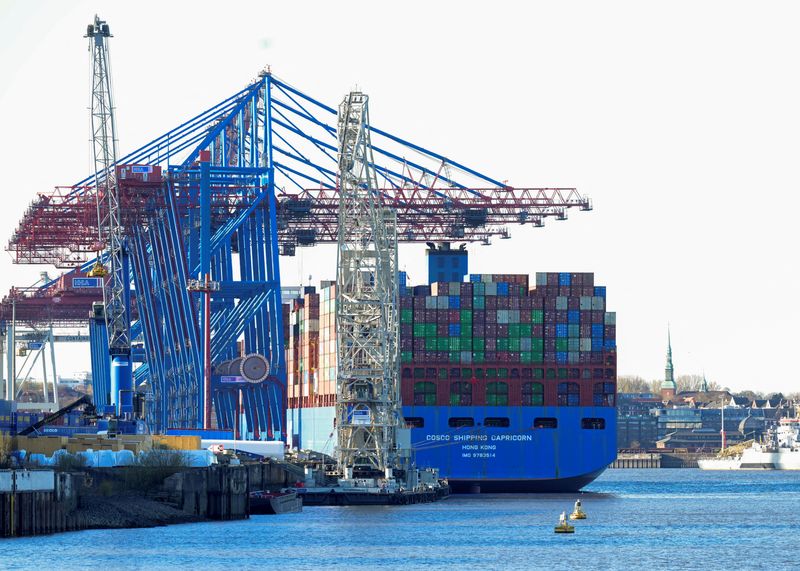
- Government Investment: The Queensland and Commonwealth governments have agreed to invest A$2 billion over the next 10 years to ensure Rio Tinto's Boyne aluminum smelter remains internationally competitive beyond its 2029 power contract expiration, thereby securing the facility's long-term operations.
- Renewable Energy Commitment: This agreement builds on Rio Tinto's recent power purchase agreements, supporting A$7.5 billion (~US$5.25 billion) in new renewable energy and storage projects in Queensland, further advancing sustainability initiatives.
- Job Security: Since its operation began in 1982, the Boyne aluminum smelter has created over 3,000 jobs in the Gladstone region, with 1,000 positions directly at the smelter, ensuring economic stability and growth in the local community.
- Green Transition Outlook: As fossil fuel costs rise, this investment positions Boyne to be among the world's first aluminum smelters powered by solar and wind energy, enhancing its competitiveness in the global aluminum market.
Trade with 70% Backtested Accuracy
Analyst Views on RIO

About RIO
About the author

Rio Tinto and LCL Resources Sign Agreement for Ono Project

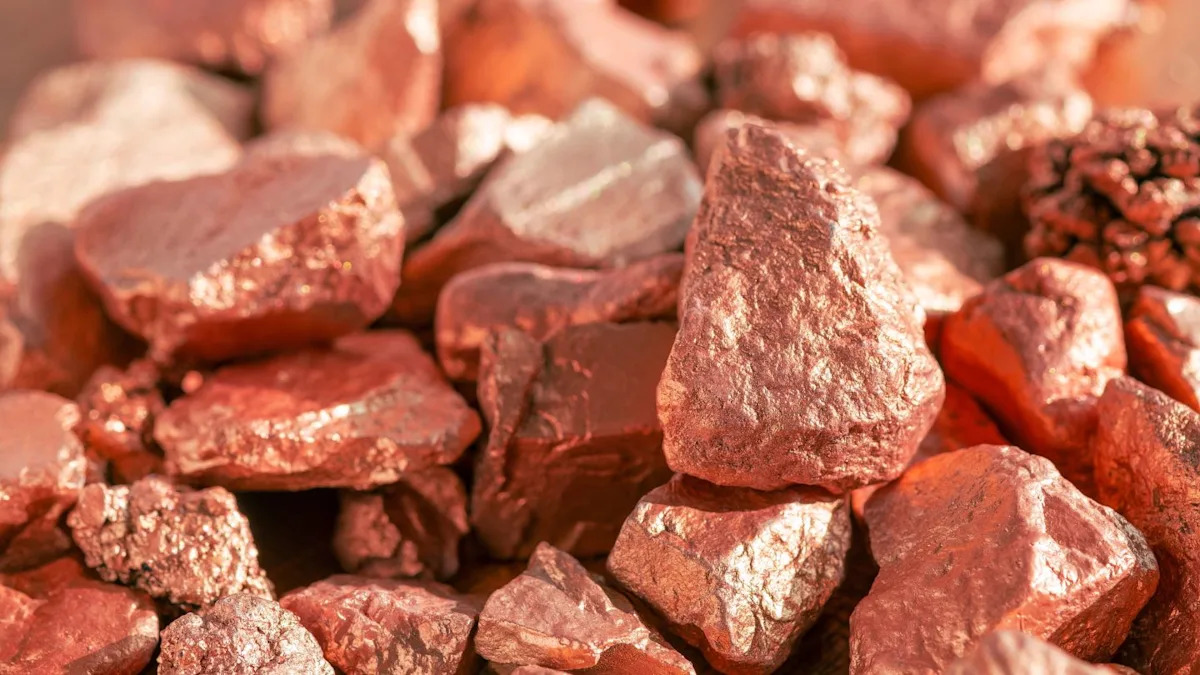
- Project Collaboration Agreement: Rio Tinto has signed an agreement with LCL Resources to earn an initial 51% interest in the Ono Project by investing at least A$8 million (approximately $5.61 million) in exploration activities, which will include a minimum of 4,000 meters of drilling aimed at uncovering porphyry copper-gold deposits, highlighting the project's potential value.
- Equity Increase Opportunity: Rio Tinto can increase its stake to 80% by committing an additional A$40 million or by defining a mineral resource compliant with JORC standards, significantly enhancing its mining footprint and resource control capabilities in the region.
- Management and Fee Structure: LCL will manage the project and receive a management fee equivalent to 10% of the expenditure, ensuring a steady cash flow for LCL while allowing its shareholders to retain significant exposure to exploration success and potential discoveries funded by Rio Tinto.
- Strategic Significance and Outlook: The Ono Project is located within the mineral-rich Owen Stanley Metamorphic Belt, and Rio Tinto's involvement is expected to bring substantial exploration funding, driving the potential for high-grade gold and silver discoveries, thereby reinforcing its position in the global mining market.
Rio Tinto Secures Deal to Keep Boyne Aluminum Smelter Competitive
- Government Investment: The Queensland and Commonwealth governments have agreed to invest A$2 billion over the next 10 years to ensure Rio Tinto's Boyne aluminum smelter remains internationally competitive beyond its 2029 power contract expiration, thereby securing the facility's long-term operations.
- Renewable Energy Commitment: This agreement builds on Rio Tinto's recent power purchase agreements, supporting A$7.5 billion (~US$5.25 billion) in new renewable energy and storage projects in Queensland, further advancing sustainability initiatives.
- Job Security: Since its operation began in 1982, the Boyne aluminum smelter has created over 3,000 jobs in the Gladstone region, with 1,000 positions directly at the smelter, ensuring economic stability and growth in the local community.
- Green Transition Outlook: As fossil fuel costs rise, this investment positions Boyne to be among the world's first aluminum smelters powered by solar and wind energy, enhancing its competitiveness in the global aluminum market.

Rio Tinto Temporarily Shuts Bauxite Mines in Australia
- Mine Shutdown: Rio Tinto has temporarily closed its Amrun and Andoom bauxite mines in Australia due to the impact of a tropical cyclone, which is expected to cause short-term disruptions in bauxite production and supply chains, potentially leading to fluctuations in global aluminum prices.
- Safety First: The closure prioritizes employee safety as Rio Tinto implements precautionary measures to address extreme weather, reflecting the company's strong commitment to safety in operations, which may affect its short-term output.
- Market Reaction: The shutdown of bauxite production could lead to tighter aluminum supply, impacting price trends in the aluminum market, especially against the backdrop of sustained global demand, which may negatively affect Rio Tinto's financial performance.
- Recovery Plans: Rio Tinto has not disclosed a specific timeline for resuming production, and the weather conditions in the coming days will determine when the mines can reopen, making the company's adaptive response capabilities crucial.

The Copper Barbell: Strategies for Capitalizing on the Shortage While Steering Clear of Dilution Risks


Global Copper Market Trends: The global copper market is facing severe supply shocks, with spot prices stabilizing between $5.72 and $5.90 per pound, driven by chronic underinvestment in mining infrastructure and increasing demand from sectors like artificial intelligence and decarbonization.
Projected Supply Deficits: The refined copper market is projected to experience a deficit of approximately 330,000 tonnes by 2026, exacerbated by rising demand from data centers and geopolitical conflicts affecting supply chains.
Investment Strategies: Investors are advised to adopt a barbell strategy, focusing on cash-flowing producers for stability while allocating smaller amounts to advanced developers for potential high returns, particularly in the context of rising copper prices.
Risks and Opportunities: The article highlights the importance of diversifying investments through exchange-traded funds (ETFs) to mitigate risks associated with single mine failures, while also emphasizing the need for strategic growth in the copper sector to capture long-term wealth generation opportunities.

Rio Tinto and BHP Finalize Land Exchange for Copper Mine Development

- Land Exchange Completed: Rio Tinto and BHP's joint venture has finalized a land exchange with the U.S. Forest Service and Bureau of Land Management, transferring over 5,400 acres of environmentally and culturally sensitive land, thereby paving the way for the full development of the Resolution Copper project.
- Copper Resource Potential: The exchange grants Resolution over 2,400 acres adjacent to the historic Magma Copper mine, which is estimated to contain approximately 40 billion pounds of copper, significantly enhancing the project's resource base and future profitability.
- Legal Battle Concluded: The U.S. Court of Appeals for the Ninth Circuit ruled in favor of Resolution Copper and the federal government, denying plaintiffs' requests to halt the land exchange, marking the end of a long-running legal dispute with the San Carlos Apache people.
- Drilling Campaign Initiated: Resolution Copper plans to launch a ~$500 million drilling campaign over the next two years to support enabling works, including surface drilling to gather additional resource information, which is expected to further advance the project and its commercialization.
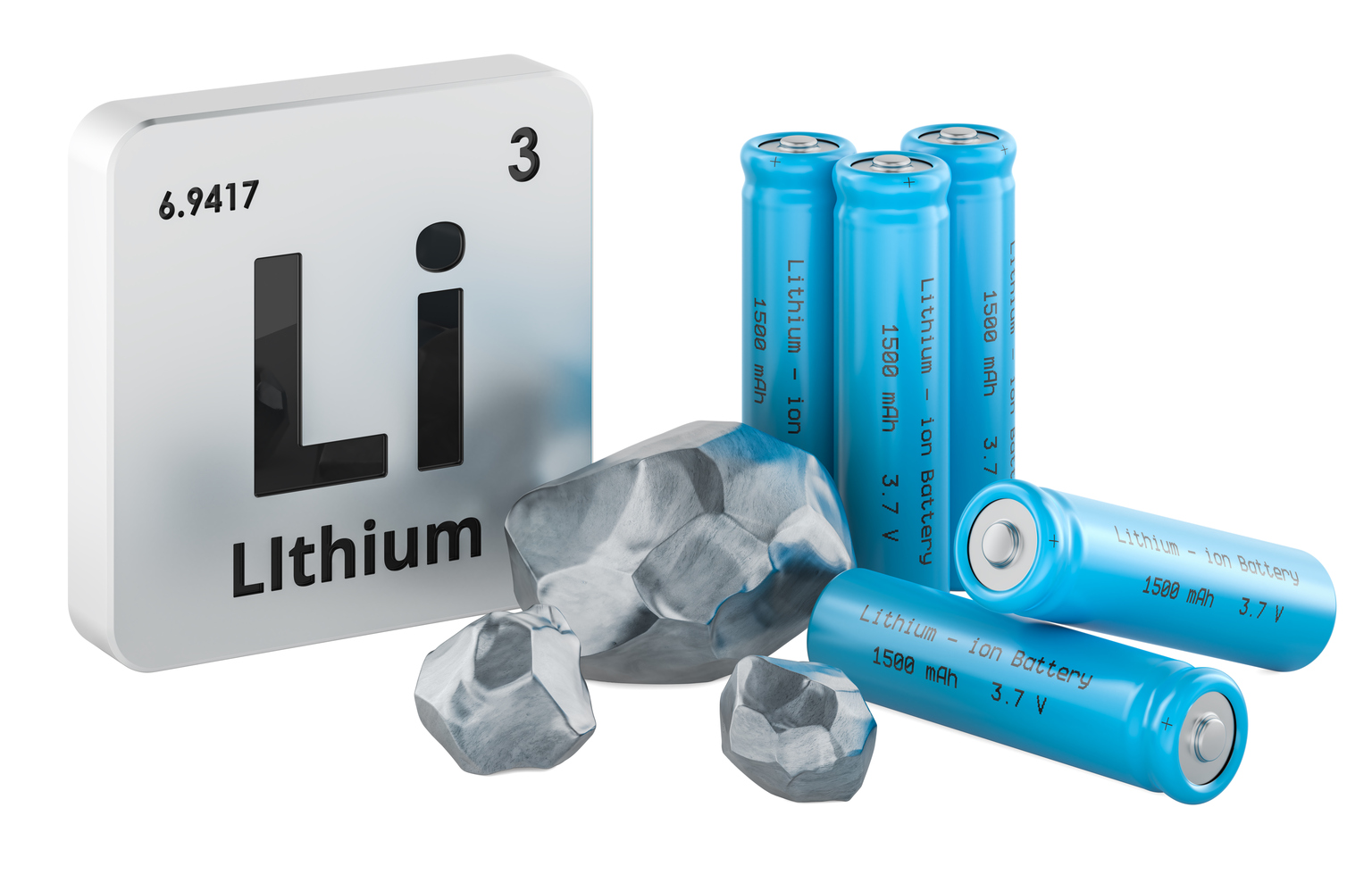
Rio Tinto Slows Construction Pace at Quebec Lithium Plant
- Construction Slowdown: Rio Tinto announced it will slow the construction pace at the Nemaska lithium processing plant in Quebec, with full construction expected to restart in 2027, as several contractors will halt work due to surging costs, leaving only a minimal number of workers on site.
- Investment Commitment: Despite the slowdown, Rio Tinto plans to invest over $300 million in its Quebec lithium business in 2026, demonstrating the company's long-term confidence in the regional lithium market, although no major changes to the overall project timeline are anticipated.
- Project Progress: The Becancour facility is over 70% completed, with operations expected to commence in 2028, indicating Rio Tinto's significant role in the lithium battery supply chain.
- Potential Evaluation: Rio Tinto is reviewing the potential of its Galaxy hard rock lithium development in the James Bay region versus Nemaska’s Whabouchi mine, with an evaluation expected to be completed in H1 2026 to determine future investment directions.
Rio Tinto and LCL Resources Sign Agreement for Ono Project
- Project Collaboration Agreement: Rio Tinto has signed an agreement with LCL Resources to earn an initial 51% interest in the Ono Project by investing at least A$8 million (approximately $5.61 million) in exploration activities, which will include a minimum of 4,000 meters of drilling aimed at uncovering porphyry copper-gold deposits, highlighting the project's potential value.
- Equity Increase Opportunity: Rio Tinto can increase its stake to 80% by committing an additional A$40 million or by defining a mineral resource compliant with JORC standards, significantly enhancing its mining footprint and resource control capabilities in the region.
- Management and Fee Structure: LCL will manage the project and receive a management fee equivalent to 10% of the expenditure, ensuring a steady cash flow for LCL while allowing its shareholders to retain significant exposure to exploration success and potential discoveries funded by Rio Tinto.
- Strategic Significance and Outlook: The Ono Project is located within the mineral-rich Owen Stanley Metamorphic Belt, and Rio Tinto's involvement is expected to bring substantial exploration funding, driving the potential for high-grade gold and silver discoveries, thereby reinforcing its position in the global mining market.
Rio Tinto Secures Deal to Keep Boyne Aluminum Smelter Competitive
- Government Investment: The Queensland and Commonwealth governments have agreed to invest A$2 billion over the next 10 years to ensure Rio Tinto's Boyne aluminum smelter remains internationally competitive beyond its 2029 power contract expiration, thereby securing the facility's long-term operations.
- Renewable Energy Commitment: This agreement builds on Rio Tinto's recent power purchase agreements, supporting A$7.5 billion (~US$5.25 billion) in new renewable energy and storage projects in Queensland, further advancing sustainability initiatives.
- Job Security: Since its operation began in 1982, the Boyne aluminum smelter has created over 3,000 jobs in the Gladstone region, with 1,000 positions directly at the smelter, ensuring economic stability and growth in the local community.
- Green Transition Outlook: As fossil fuel costs rise, this investment positions Boyne to be among the world's first aluminum smelters powered by solar and wind energy, enhancing its competitiveness in the global aluminum market.
Rio Tinto Temporarily Shuts Bauxite Mines in Australia
- Mine Shutdown: Rio Tinto has temporarily closed its Amrun and Andoom bauxite mines in Australia due to the impact of a tropical cyclone, which is expected to cause short-term disruptions in bauxite production and supply chains, potentially leading to fluctuations in global aluminum prices.
- Safety First: The closure prioritizes employee safety as Rio Tinto implements precautionary measures to address extreme weather, reflecting the company's strong commitment to safety in operations, which may affect its short-term output.
- Market Reaction: The shutdown of bauxite production could lead to tighter aluminum supply, impacting price trends in the aluminum market, especially against the backdrop of sustained global demand, which may negatively affect Rio Tinto's financial performance.
- Recovery Plans: Rio Tinto has not disclosed a specific timeline for resuming production, and the weather conditions in the coming days will determine when the mines can reopen, making the company's adaptive response capabilities crucial.
The Copper Barbell: Strategies for Capitalizing on the Shortage While Steering Clear of Dilution Risks
Global Copper Market Trends: The global copper market is facing severe supply shocks, with spot prices stabilizing between $5.72 and $5.90 per pound, driven by chronic underinvestment in mining infrastructure and increasing demand from sectors like artificial intelligence and decarbonization.
Projected Supply Deficits: The refined copper market is projected to experience a deficit of approximately 330,000 tonnes by 2026, exacerbated by rising demand from data centers and geopolitical conflicts affecting supply chains.
Investment Strategies: Investors are advised to adopt a barbell strategy, focusing on cash-flowing producers for stability while allocating smaller amounts to advanced developers for potential high returns, particularly in the context of rising copper prices.
Risks and Opportunities: The article highlights the importance of diversifying investments through exchange-traded funds (ETFs) to mitigate risks associated with single mine failures, while also emphasizing the need for strategic growth in the copper sector to capture long-term wealth generation opportunities.
Rio Tinto and BHP Finalize Land Exchange for Copper Mine Development
- Land Exchange Completed: Rio Tinto and BHP's joint venture has finalized a land exchange with the U.S. Forest Service and Bureau of Land Management, transferring over 5,400 acres of environmentally and culturally sensitive land, thereby paving the way for the full development of the Resolution Copper project.
- Copper Resource Potential: The exchange grants Resolution over 2,400 acres adjacent to the historic Magma Copper mine, which is estimated to contain approximately 40 billion pounds of copper, significantly enhancing the project's resource base and future profitability.
- Legal Battle Concluded: The U.S. Court of Appeals for the Ninth Circuit ruled in favor of Resolution Copper and the federal government, denying plaintiffs' requests to halt the land exchange, marking the end of a long-running legal dispute with the San Carlos Apache people.
- Drilling Campaign Initiated: Resolution Copper plans to launch a ~$500 million drilling campaign over the next two years to support enabling works, including surface drilling to gather additional resource information, which is expected to further advance the project and its commercialization.
Rio Tinto Slows Construction Pace at Quebec Lithium Plant
- Construction Slowdown: Rio Tinto announced it will slow the construction pace at the Nemaska lithium processing plant in Quebec, with full construction expected to restart in 2027, as several contractors will halt work due to surging costs, leaving only a minimal number of workers on site.
- Investment Commitment: Despite the slowdown, Rio Tinto plans to invest over $300 million in its Quebec lithium business in 2026, demonstrating the company's long-term confidence in the regional lithium market, although no major changes to the overall project timeline are anticipated.
- Project Progress: The Becancour facility is over 70% completed, with operations expected to commence in 2028, indicating Rio Tinto's significant role in the lithium battery supply chain.
- Potential Evaluation: Rio Tinto is reviewing the potential of its Galaxy hard rock lithium development in the James Bay region versus Nemaska’s Whabouchi mine, with an evaluation expected to be completed in H1 2026 to determine future investment directions.