Middle East Conflict Drives Oil and Gas Price Surge
Written by Emily J. Thompson, Senior Investment Analyst
Updated: 1 hour ago
0mins
Source: Fool
- Surge in Energy Prices: The geopolitical conflict in the Middle East has led to a significant rise in oil and gas prices, with ExxonMobil and Chevron seeing stock increases of 2.54% and 0.77% respectively, making them top picks for long-term investors.
- Integrated Value Chain: Both Exxon and Chevron operate across the entire energy value chain, including upstream production, midstream transportation, and downstream refining, which helps stabilize income during oil price fluctuations and reduces investment risk.
- Strong Financial Health: With debt-to-equity ratios around 0.2x and 0.25x, both companies have the flexibility to incur debt during downturns, allowing them to maintain operations and dividends, thus ensuring returns for investors.
- Consistent Dividend Yields: Exxon offers a dividend yield of 2.5% while Chevron provides 3.5%, with both companies having increased their dividends for over 25 years, demonstrating their commitment to shareholders and financial stability.
Trade with 70% Backtested Accuracy
Stop guessing "Should I Buy CVX?" and start using high-conviction signals backed by rigorous historical data.
Sign up today to access powerful investing tools and make smarter, data-driven decisions.
Analyst Views on CVX
Wall Street analysts forecast CVX stock price to fall
19 Analyst Rating
15 Buy
4 Hold
0 Sell
Strong Buy
Current: 205.210

Low
158.00
Averages
176.95
High
206.00
Current: 205.210
Low
158.00
Averages
176.95
High
206.00
About CVX
Chevron Corporation is an integrated energy company. The Company produces crude oil and natural gas; manufactures transportation fuels, lubricants, petrochemicals and additives; and develops technologies that enhance its business and industry. The Company’s segments include Upstream and Downstream. Upstream operations consist primarily of exploring for, developing, producing and transporting crude oil and natural gas; liquefaction, transportation and regasification associated with LNG; transporting crude oil by major international oil export pipelines; processing, transporting, storage and marketing of natural gas; carbon capture and storage; and a gas-to-liquids plant. Downstream operations consist primarily of the refining of crude oil into petroleum products; marketing crude oil, refined products, and lubricants; manufacturing and marketing of renewable fuels, and transporting of crude oil and refined products by pipeline, marine vessel, motor equipment and rail car.
About the author

Emily J. Thompson
Emily J. Thompson, a Chartered Financial Analyst (CFA) with 12 years in investment research, graduated with honors from the Wharton School. Specializing in industrial and technology stocks, she provides in-depth analysis for Intellectia’s earnings and market brief reports.

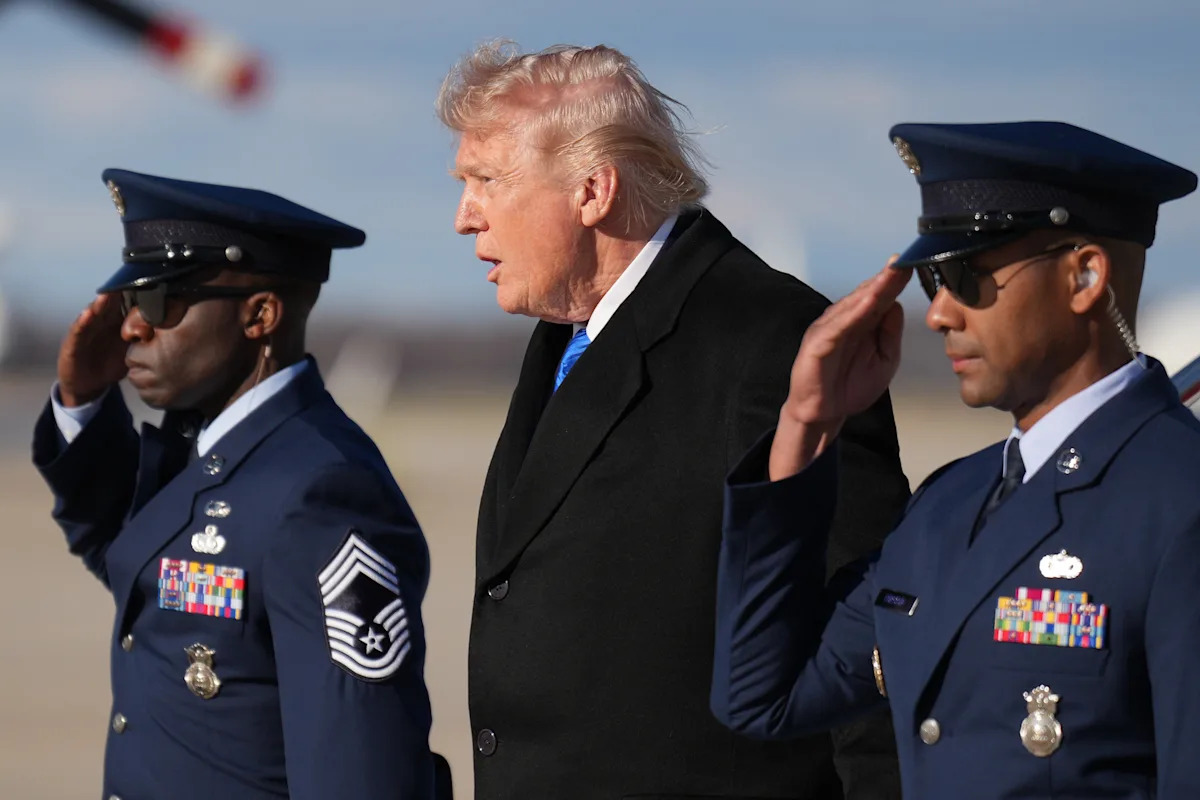
Trump Claims US and Iran Are in Negotiations Amid Conflict


- Negotiation Dynamics: Trump stated in the Oval Office that the U.S. and Iran are 'in negotiations right now,' despite Iran's denial of direct talks, creating confusion among investors regarding the Middle East situation, which could impact market sentiment.
- Peace Plan Delivery: According to The New York Times, the U.S. has sent a 15-point peace plan to Iran through Pakistan, aiming to facilitate negotiations between the warring parties, which could provide a new opportunity for conflict resolution.
- Military Deployment Preparations: Concurrently, The Wall Street Journal reported that the Pentagon is preparing to deploy about 3,000 soldiers from the Army's 82nd Airborne Division to the Middle East, a military move that could escalate regional tensions and further impact global markets.
- Global Energy Emergency: The Philippines has become the first country to declare a 'national energy emergency' due to the ongoing conflict, indicating that the conflict poses a growing threat to global energy supply chains, potentially leading to fluctuations in international oil prices.
See More
Chevron Warns of Potential Energy Crisis in California Due to Iran War

- Energy Crisis Warning: Chevron's head of oil refining cautioned that California may face an energy crisis due to the Iran war, stating that the company might exit refining in the state unless taxes and regulations are rolled back.
- Import Dependency Risks: California imports approximately 20% of its refined fuels from Asia, and with the effective shutdown of the Strait of Hormuz, shipments from China, South Korea, and Singapore are at risk of significant slowdown, potentially leading to fuel shortages in the state.
- Surging Prices: California consumers are paying an average of $5.82 per gallon for gasoline, significantly higher than the national average of just below $4, while diesel prices have reached an all-time high of $7.018 per gallon, highlighting the state's vulnerability to energy price fluctuations.
- Pessimistic Outlook: Chevron estimates that new emissions rules proposed by the California Air Resources Board could increase costs for remaining refineries by $500 million within five years, and if the tax on refineries remains, California could lose all its refineries in the next decade.
See More

Middle East Conflict Drives Oil and Gas Price Surge

- Surge in Energy Prices: The geopolitical conflict in the Middle East has led to a significant rise in oil and gas prices, with ExxonMobil and Chevron seeing stock increases of 2.54% and 0.77% respectively, making them top picks for long-term investors.
- Integrated Value Chain: Both Exxon and Chevron operate across the entire energy value chain, including upstream production, midstream transportation, and downstream refining, which helps stabilize income during oil price fluctuations and reduces investment risk.
- Strong Financial Health: With debt-to-equity ratios around 0.2x and 0.25x, both companies have the flexibility to incur debt during downturns, allowing them to maintain operations and dividends, thus ensuring returns for investors.
- Consistent Dividend Yields: Exxon offers a dividend yield of 2.5% while Chevron provides 3.5%, with both companies having increased their dividends for over 25 years, demonstrating their commitment to shareholders and financial stability.
See More

Middle East Conflict Drives Oil Prices Up, Investors Must Prepare
- Rising Oil Prices Context: The geopolitical conflict in the Middle East has led to a significant rise in oil and natural gas prices, drawing attention from investors in the energy sector, particularly those looking to hold investments long-term while considering the risks of future price declines.
- Business Advantage Analysis: Both ExxonMobil and Chevron benefit from high oil prices in upstream production, but they also diversify their income through midstream transportation and downstream chemical and refining operations, enhancing their ability to withstand oil price volatility.
- Financial Stability: With low debt-to-equity ratios (approximately 0.2x for Exxon and 0.25x for Chevron), both companies can increase debt during industry downturns, allowing them to continue supporting their operations and dividends, ensuring stable returns for investors.
- Dividend Appeal: Exxon offers a dividend yield of 2.5% and Chevron 3.5%, both having increased dividends for over 25 years, making them attractive for income-seeking investors, especially in the context of rising oil prices.
See More
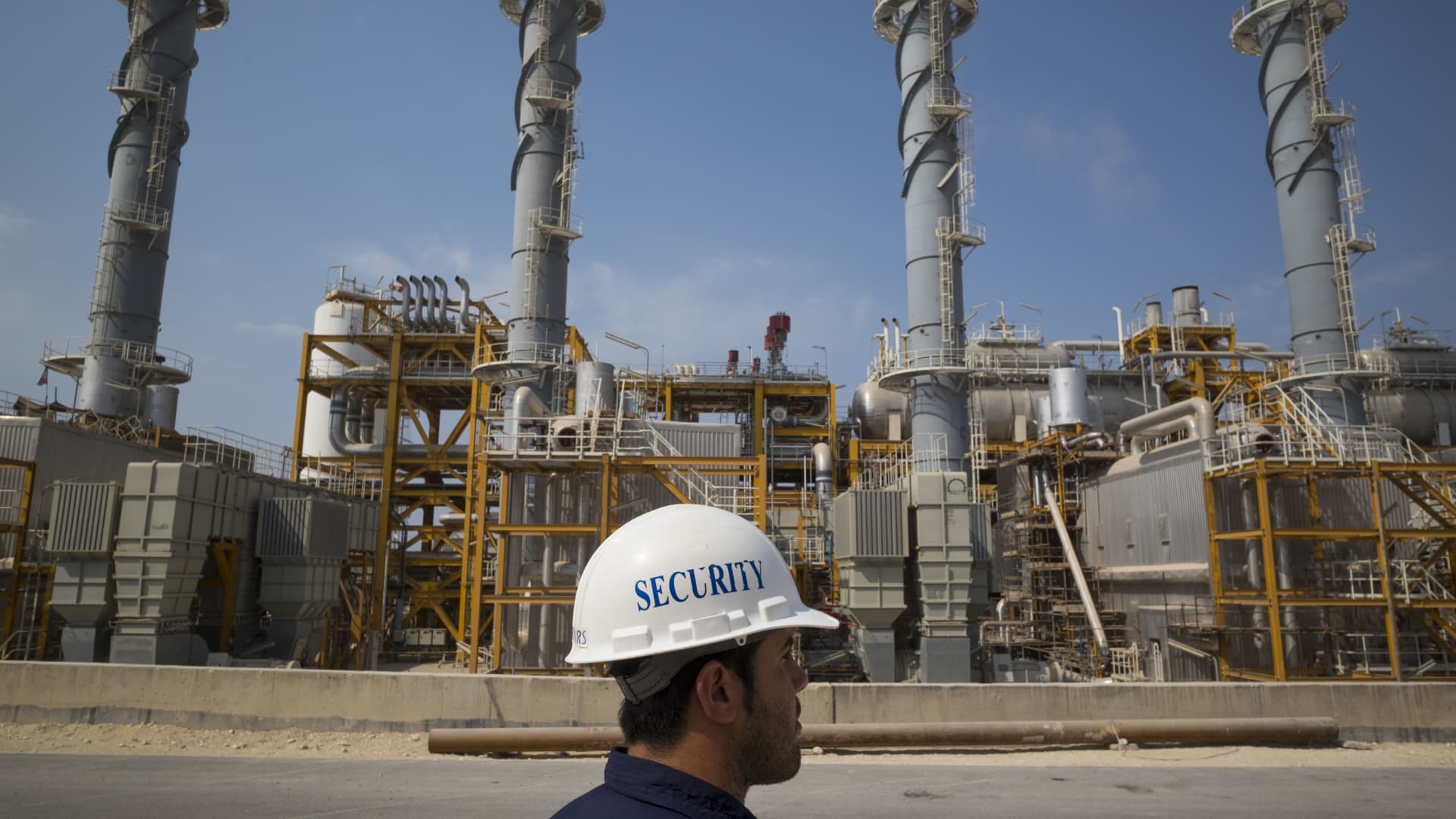
Oil Prices Drop Over 5% Amid U.S.-Iran Negotiations

- Significant Oil Price Drop: Oil prices fell over 5% after President Trump announced ongoing negotiations with Iran, with Brent crude futures declining nearly 6% to $98.31 per barrel and WTI down 5% to $87.65, reflecting market sensitivity to geopolitical risks.
- Negotiation Dynamics Shift: Trump indicated he had retracted threats to strike Iranian energy infrastructure based on negotiation progress, which could alter market expectations for future oil prices, despite Iran denying direct talks with the U.S.
- Supply Disruption Impact: Goldman Sachs highlighted that the current disruption in oil supplies represents the largest shock in decades, significantly affecting global supply shares and increasing market uncertainty, prompting investors to hedge against potential worst-case scenarios.
- Geopolitical Risk Premium: According to Goldman, short-term crude price movements are driven more by shifts in perceived worst-case probabilities rather than changes in the fundamental outlook, with expectations that flows through the Strait of Hormuz will normalize over a four-week period, further influencing oil price trends.
See More
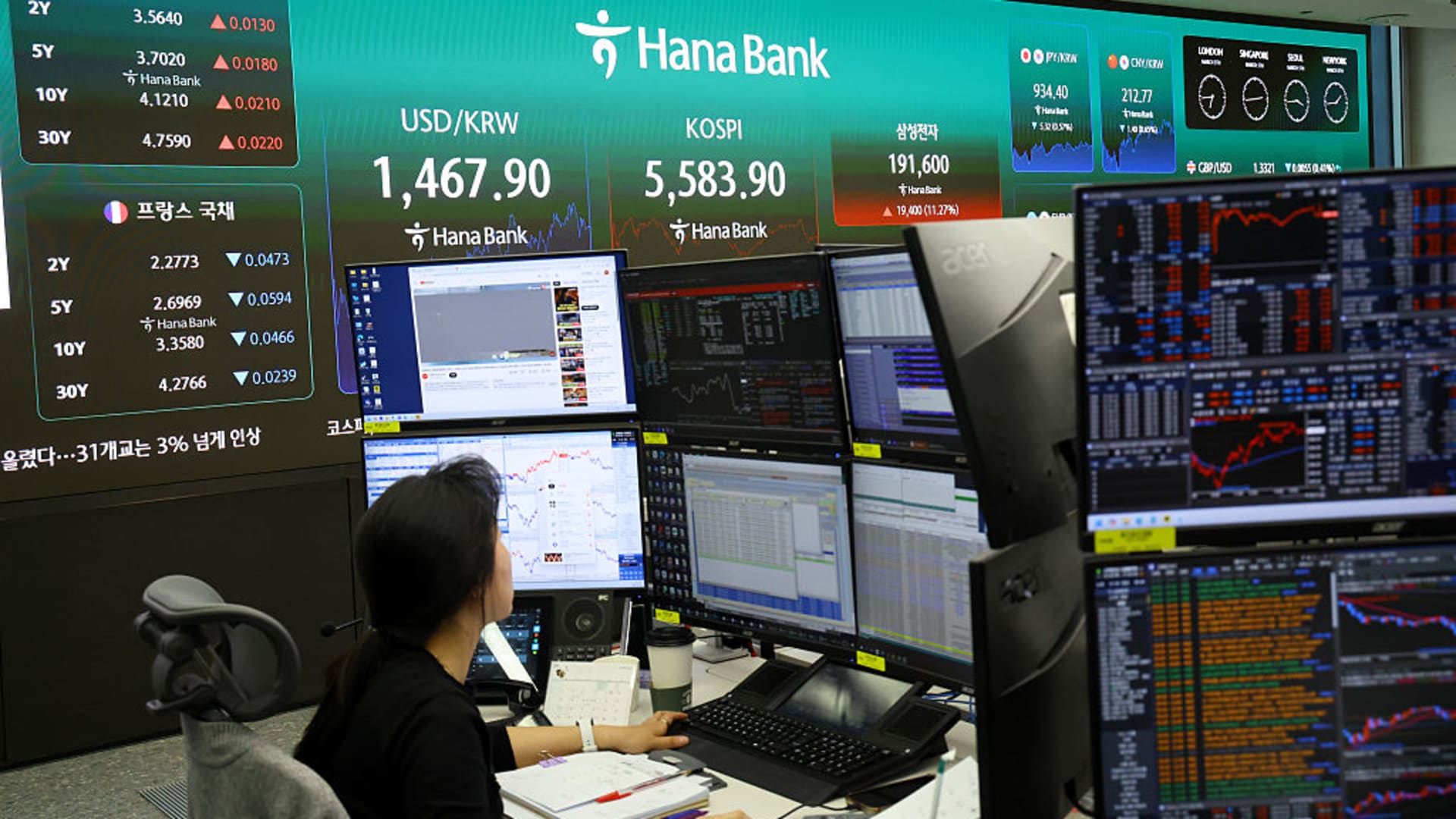
Iran Conflict Impacts Asia-Pacific Markets

- Market Reaction: The latest flare-up in the Iran conflict has severely impacted export-reliant markets in South Korea and Japan, with benchmark indexes sharply declining, reflecting investor concerns over surging energy costs and diminished risk appetite that could undermine corporate earnings and economic growth.
- U.S. Presidential Remarks: President Trump stated that the U.S. and Iran are currently negotiating, despite Tehran denying any direct talks with Washington, which has lifted market sentiment and may provide a short-term rebound for Asia-Pacific markets.
- Australian Market Performance: The S&P/ASX 200 index in Australia rose over 1.26% in early trading, indicating a positive response to Trump's comments, potentially attracting more investor interest in the market.
- Oil Price Fluctuations: West Texas Intermediate crude futures fell by 3.92% to $88.73 per barrel during early Asian trading hours, reflecting market concerns over the ongoing Iran conflict, which may further impact the global economy and energy markets.
See More
Trump Claims US and Iran Are in Negotiations Amid Conflict
- Negotiation Dynamics: Trump stated in the Oval Office that the U.S. and Iran are 'in negotiations right now,' despite Iran's denial of direct talks, creating confusion among investors regarding the Middle East situation, which could impact market sentiment.
- Peace Plan Delivery: According to The New York Times, the U.S. has sent a 15-point peace plan to Iran through Pakistan, aiming to facilitate negotiations between the warring parties, which could provide a new opportunity for conflict resolution.
- Military Deployment Preparations: Concurrently, The Wall Street Journal reported that the Pentagon is preparing to deploy about 3,000 soldiers from the Army's 82nd Airborne Division to the Middle East, a military move that could escalate regional tensions and further impact global markets.
- Global Energy Emergency: The Philippines has become the first country to declare a 'national energy emergency' due to the ongoing conflict, indicating that the conflict poses a growing threat to global energy supply chains, potentially leading to fluctuations in international oil prices.
See More
Chevron Warns of Potential Energy Crisis in California Due to Iran War
- Energy Crisis Warning: Chevron's head of oil refining cautioned that California may face an energy crisis due to the Iran war, stating that the company might exit refining in the state unless taxes and regulations are rolled back.
- Import Dependency Risks: California imports approximately 20% of its refined fuels from Asia, and with the effective shutdown of the Strait of Hormuz, shipments from China, South Korea, and Singapore are at risk of significant slowdown, potentially leading to fuel shortages in the state.
- Surging Prices: California consumers are paying an average of $5.82 per gallon for gasoline, significantly higher than the national average of just below $4, while diesel prices have reached an all-time high of $7.018 per gallon, highlighting the state's vulnerability to energy price fluctuations.
- Pessimistic Outlook: Chevron estimates that new emissions rules proposed by the California Air Resources Board could increase costs for remaining refineries by $500 million within five years, and if the tax on refineries remains, California could lose all its refineries in the next decade.
See More
Middle East Conflict Drives Oil and Gas Price Surge
- Surge in Energy Prices: The geopolitical conflict in the Middle East has led to a significant rise in oil and gas prices, with ExxonMobil and Chevron seeing stock increases of 2.54% and 0.77% respectively, making them top picks for long-term investors.
- Integrated Value Chain: Both Exxon and Chevron operate across the entire energy value chain, including upstream production, midstream transportation, and downstream refining, which helps stabilize income during oil price fluctuations and reduces investment risk.
- Strong Financial Health: With debt-to-equity ratios around 0.2x and 0.25x, both companies have the flexibility to incur debt during downturns, allowing them to maintain operations and dividends, thus ensuring returns for investors.
- Consistent Dividend Yields: Exxon offers a dividend yield of 2.5% while Chevron provides 3.5%, with both companies having increased their dividends for over 25 years, demonstrating their commitment to shareholders and financial stability.
See More
Middle East Conflict Drives Oil Prices Up, Investors Must Prepare
- Rising Oil Prices Context: The geopolitical conflict in the Middle East has led to a significant rise in oil and natural gas prices, drawing attention from investors in the energy sector, particularly those looking to hold investments long-term while considering the risks of future price declines.
- Business Advantage Analysis: Both ExxonMobil and Chevron benefit from high oil prices in upstream production, but they also diversify their income through midstream transportation and downstream chemical and refining operations, enhancing their ability to withstand oil price volatility.
- Financial Stability: With low debt-to-equity ratios (approximately 0.2x for Exxon and 0.25x for Chevron), both companies can increase debt during industry downturns, allowing them to continue supporting their operations and dividends, ensuring stable returns for investors.
- Dividend Appeal: Exxon offers a dividend yield of 2.5% and Chevron 3.5%, both having increased dividends for over 25 years, making them attractive for income-seeking investors, especially in the context of rising oil prices.
See More
Oil Prices Drop Over 5% Amid U.S.-Iran Negotiations
- Significant Oil Price Drop: Oil prices fell over 5% after President Trump announced ongoing negotiations with Iran, with Brent crude futures declining nearly 6% to $98.31 per barrel and WTI down 5% to $87.65, reflecting market sensitivity to geopolitical risks.
- Negotiation Dynamics Shift: Trump indicated he had retracted threats to strike Iranian energy infrastructure based on negotiation progress, which could alter market expectations for future oil prices, despite Iran denying direct talks with the U.S.
- Supply Disruption Impact: Goldman Sachs highlighted that the current disruption in oil supplies represents the largest shock in decades, significantly affecting global supply shares and increasing market uncertainty, prompting investors to hedge against potential worst-case scenarios.
- Geopolitical Risk Premium: According to Goldman, short-term crude price movements are driven more by shifts in perceived worst-case probabilities rather than changes in the fundamental outlook, with expectations that flows through the Strait of Hormuz will normalize over a four-week period, further influencing oil price trends.
See More
Iran Conflict Impacts Asia-Pacific Markets
- Market Reaction: The latest flare-up in the Iran conflict has severely impacted export-reliant markets in South Korea and Japan, with benchmark indexes sharply declining, reflecting investor concerns over surging energy costs and diminished risk appetite that could undermine corporate earnings and economic growth.
- U.S. Presidential Remarks: President Trump stated that the U.S. and Iran are currently negotiating, despite Tehran denying any direct talks with Washington, which has lifted market sentiment and may provide a short-term rebound for Asia-Pacific markets.
- Australian Market Performance: The S&P/ASX 200 index in Australia rose over 1.26% in early trading, indicating a positive response to Trump's comments, potentially attracting more investor interest in the market.
- Oil Price Fluctuations: West Texas Intermediate crude futures fell by 3.92% to $88.73 per barrel during early Asian trading hours, reflecting market concerns over the ongoing Iran conflict, which may further impact the global economy and energy markets.
See More