U.S. Treasury Yields Rise Amid Trump’s Threats on Iran
Written by Emily J. Thompson, Senior Investment Analyst
Updated: 1 hour ago
0mins
Source: CNBC
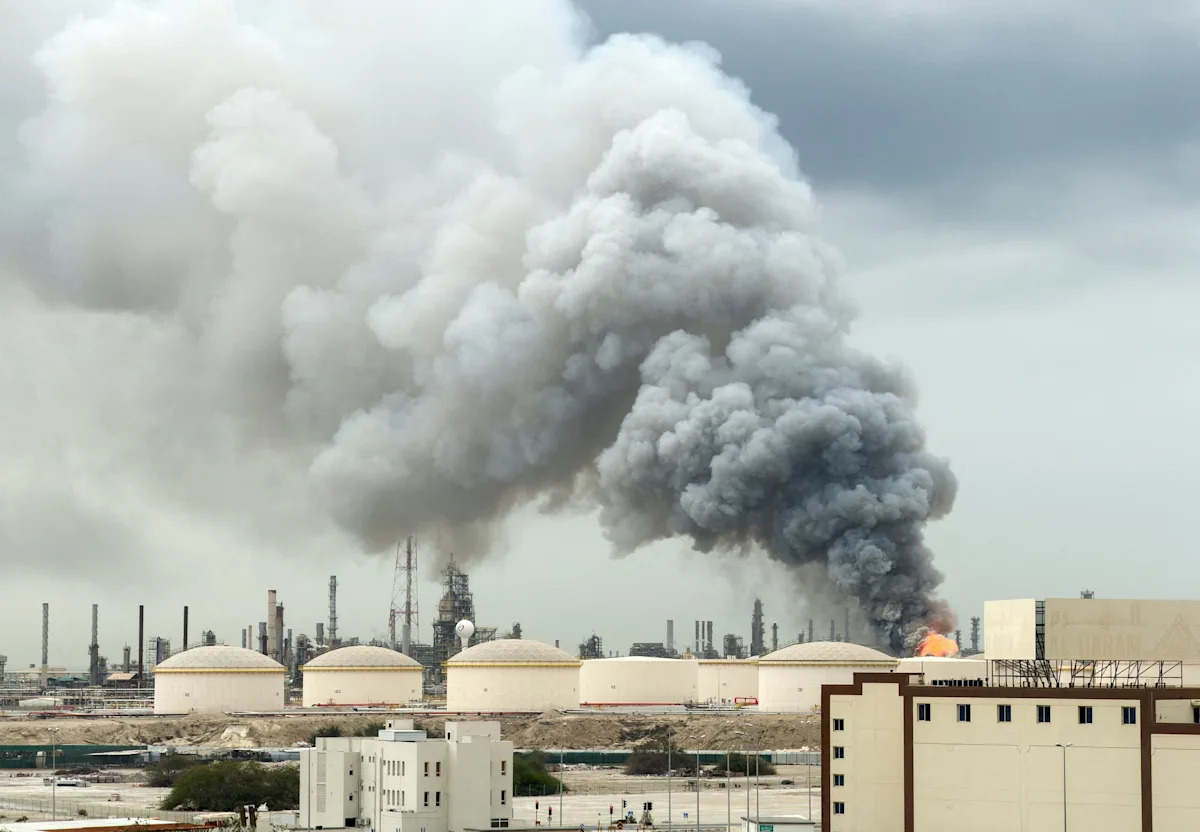
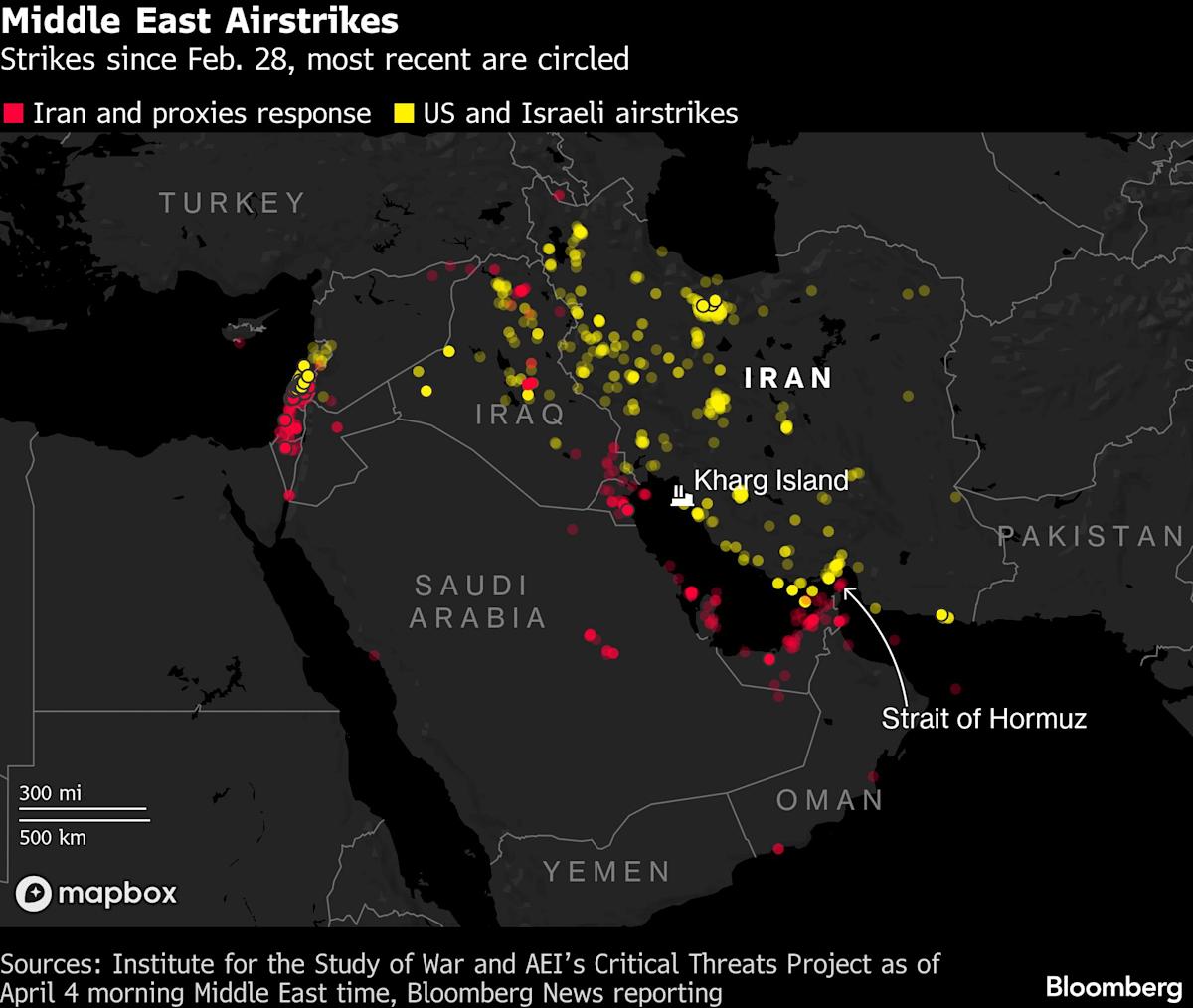
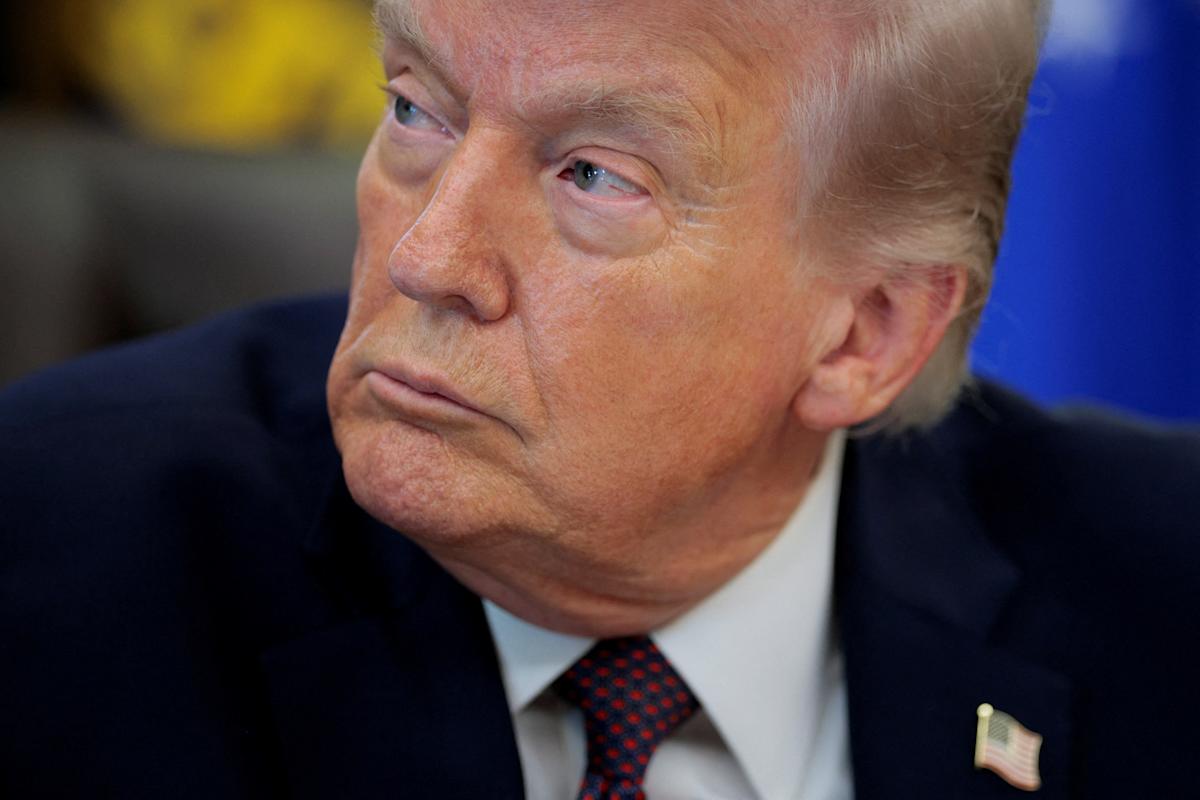
- Treasury Yield Increase: U.S. 10-year Treasury yields rose over 1 basis point to 4.3466% as President Trump reiterated threats to bomb Iranian infrastructure if Tehran fails to reopen the Strait of Hormuz by the deadline, indicating heightened market concerns over borrowing costs.
- Short-term Rate Sensitivity: The 2-year Treasury yield also increased by 1 basis point to 3.8622%, reflecting market sensitivity to Federal Reserve's short-term rate decisions, which could influence future monetary policy directions.
- Energy Price Surge: As the deadline approaches, Brent crude prices rose by 1.4% to $111.27 per barrel, while WTI crude increased by 2.1% to $114.81, demonstrating market reactions to geopolitical risks.
- Economic Data Focus: Investors are set to monitor upcoming U.S. durable goods orders data, which are expected to come in lower than January's flat print, potentially impacting market perceptions of the economic outlook.
Trade with 70% Backtested Accuracy
Stop guessing "Should I Buy CVX?" and start using high-conviction signals backed by rigorous historical data.
Sign up today to access powerful investing tools and make smarter, data-driven decisions.
Analyst Views on CVX
Wall Street analysts forecast CVX stock price to fall
19 Analyst Rating
15 Buy
4 Hold
0 Sell
Strong Buy
Current: 198.970

Low
158.00
Averages
176.95
High
206.00
Current: 198.970
Low
158.00
Averages
176.95
High
206.00
About CVX
Chevron Corporation is an integrated energy company. The Company produces crude oil and natural gas; manufactures transportation fuels, lubricants, petrochemicals and additives; and develops technologies that enhance its business and industry. The Company’s segments include Upstream and Downstream. Upstream operations consist primarily of exploring for, developing, producing and transporting crude oil and natural gas; liquefaction, transportation and regasification associated with LNG; transporting crude oil by major international oil export pipelines; processing, transporting, storage and marketing of natural gas; carbon capture and storage; and a gas-to-liquids plant. Downstream operations consist primarily of the refining of crude oil into petroleum products; marketing crude oil, refined products, and lubricants; manufacturing and marketing of renewable fuels, and transporting of crude oil and refined products by pipeline, marine vessel, motor equipment and rail car.
About the author

Emily J. Thompson
Emily J. Thompson, a Chartered Financial Analyst (CFA) with 12 years in investment research, graduated with honors from the Wharton School. Specializing in industrial and technology stocks, she provides in-depth analysis for Intellectia’s earnings and market brief reports.

Three High-Potential Stocks to Boost Returns


- United Therapeutics Performance: With a remarkable 16.9% annual revenue growth over the past two years, United Therapeutics has expanded its market share in pulmonary hypertension treatments, while a strong free cash flow margin of 34.2% allows for consistent reinvestment or capital return, enhancing profitability and investment opportunities.
- Coastal Financial Growth: The company has achieved an impressive 40.1% annual net interest income growth over the last five years, indicating significant market share gains, with a strong loan book performance reflected in a best-in-class net interest margin of 7.1%, and an annual EPS growth of 19.6%, far surpassing its peers.
- Chevron's Steady Revenue: Chevron's annual revenue growth of 14.8% over the past five years exceeds the sector average, supported by a massive revenue base of $189 billion that solidifies its market influence, while an 11% free cash flow margin provides flexibility for reinvestment or shareholder returns, further strengthening its market position.
- Market Trend Analysis: These companies exhibit strong revenue growth potential, with five-year returns of 192%, 199%, and 90.7% for United Therapeutics, Coastal Financial, and Chevron respectively, highlighting their competitiveness and future growth prospects in their respective sectors.
See More

U.S. Treasury Yields Rise Amid Trump’s Threats on Iran

- Treasury Yield Increase: U.S. 10-year Treasury yields rose over 1 basis point to 4.3466% as President Trump reiterated threats to bomb Iranian infrastructure if Tehran fails to reopen the Strait of Hormuz by the deadline, indicating heightened market concerns over borrowing costs.
- Short-term Rate Sensitivity: The 2-year Treasury yield also increased by 1 basis point to 3.8622%, reflecting market sensitivity to Federal Reserve's short-term rate decisions, which could influence future monetary policy directions.
- Energy Price Surge: As the deadline approaches, Brent crude prices rose by 1.4% to $111.27 per barrel, while WTI crude increased by 2.1% to $114.81, demonstrating market reactions to geopolitical risks.
- Economic Data Focus: Investors are set to monitor upcoming U.S. durable goods orders data, which are expected to come in lower than January's flat print, potentially impacting market perceptions of the economic outlook.
See More
Trump Escalates Threats Against Iran Amid Negotiations


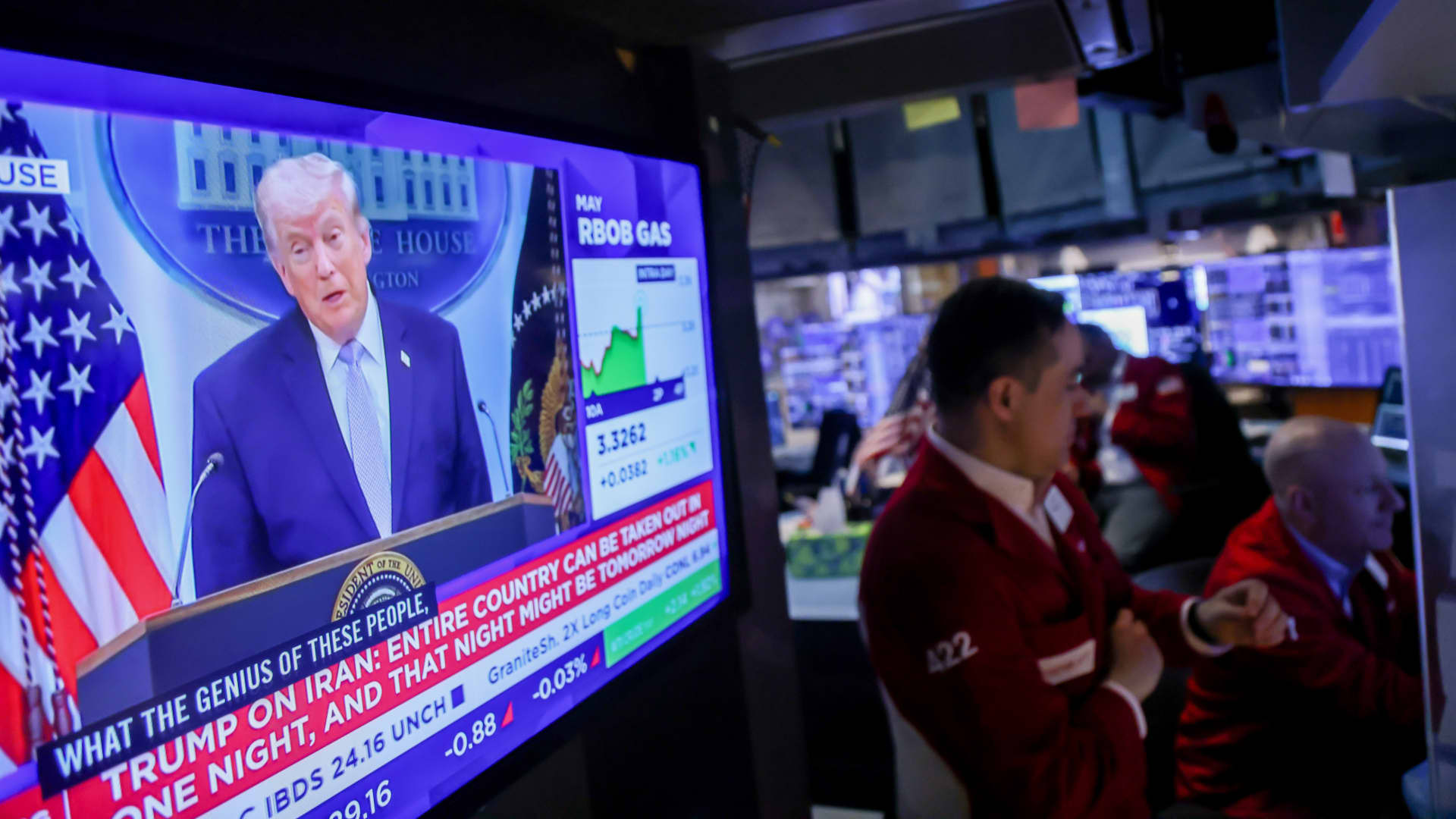
- Trump's Tough Stance: President Trump stated in a press conference that he might attack Iran's energy and transportation infrastructure if the Strait of Hormuz is not reopened by Tuesday night, intensifying market uncertainty surrounding geopolitical tensions.
- Iran's Ceasefire Proposal: Although the U.S. has received Iran's latest ceasefire proposal, Trump described it as 'not good enough,' indicating significant divisions remain in negotiations that could impact future diplomatic efforts.
- Oil Price Surge: Oil prices continued to rise amid these developments, with shipping through the Strait of Hormuz gradually resuming as eight tankers transited on Monday, up from an average of fewer than two per day in March, yet still a fraction of the 20 million barrels per day seen in 2025.
- Market Volatility: Asia-Pacific markets experienced volatile trading on Tuesday, with major indexes flipping to losses in the morning session, reflecting investor concerns over geopolitical developments, while U.S. futures indicated a mixed opening ahead.
See More
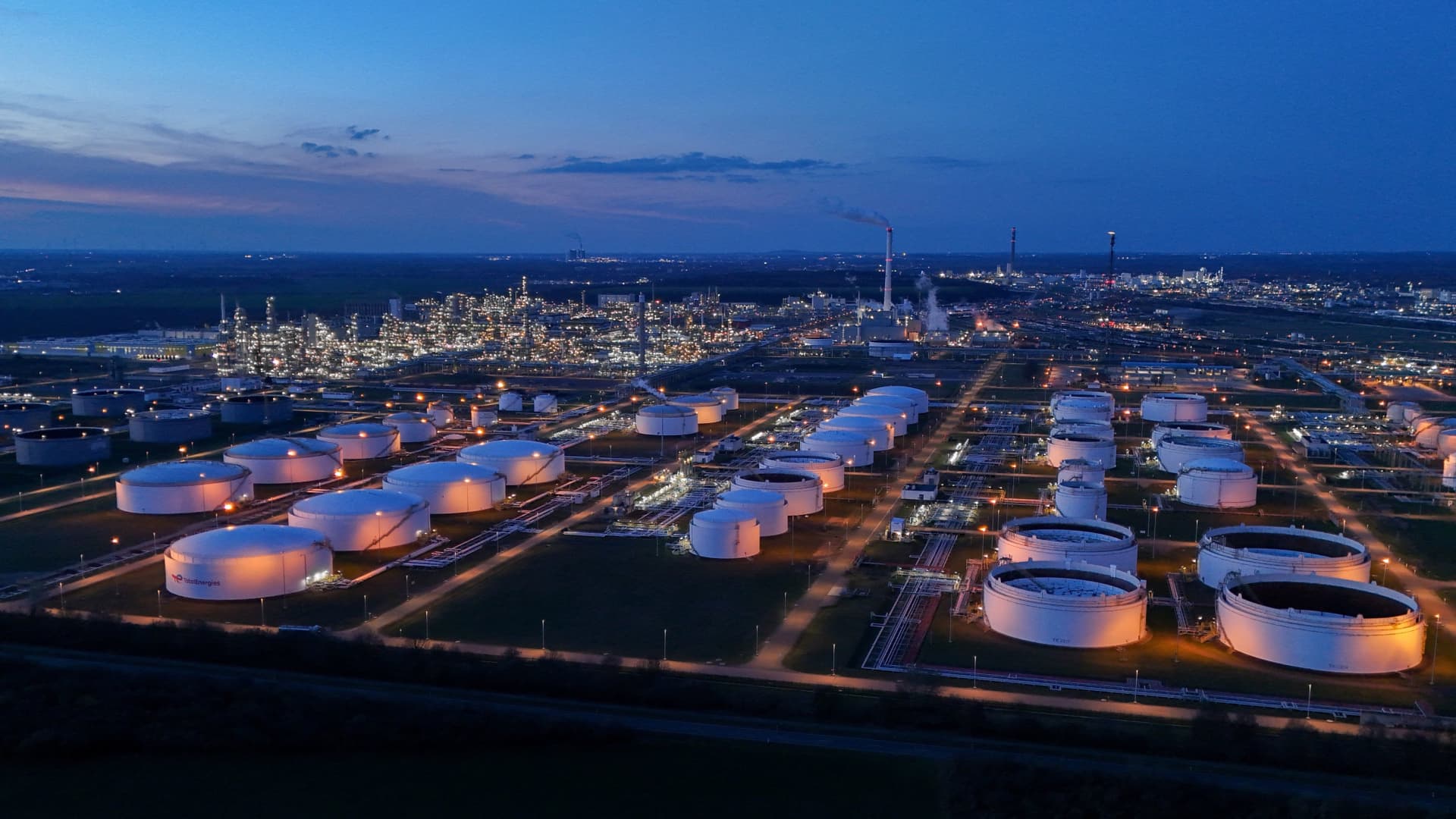
Oil Prices Rise as Trump Threatens Iran Over Strait of Hormuz

- Oil Price Surge: Oil prices rose as U.S. President Trump threatened to attack Iran's infrastructure, with West Texas Intermediate crude futures increasing by 0.93% to $113.46 per barrel, reflecting market sensitivity to geopolitical tensions.
- Strait of Hormuz Situation: Trump reiterated that the U.S. would destroy Iran's power plants and bridges if the Strait of Hormuz was not reopened by the deadline, intensifying market concerns over supply disruptions and driving prices higher.
- Negotiation Dynamics: Despite Trump's pressure, Iran proposed a 10-point plan to end hostilities, including a permanent ceasefire and lifting sanctions, indicating the complexity and uncertainty of negotiations that could impact future energy supplies.
- Shipping Resumption: Shipping through the Strait of Hormuz is slowly resuming, with 8 tankers transiting on Monday, although this remains significantly below the pre-war average of 20 million barrels per day in 2025, indicating ongoing adjustments to supply shocks in the market.
See More
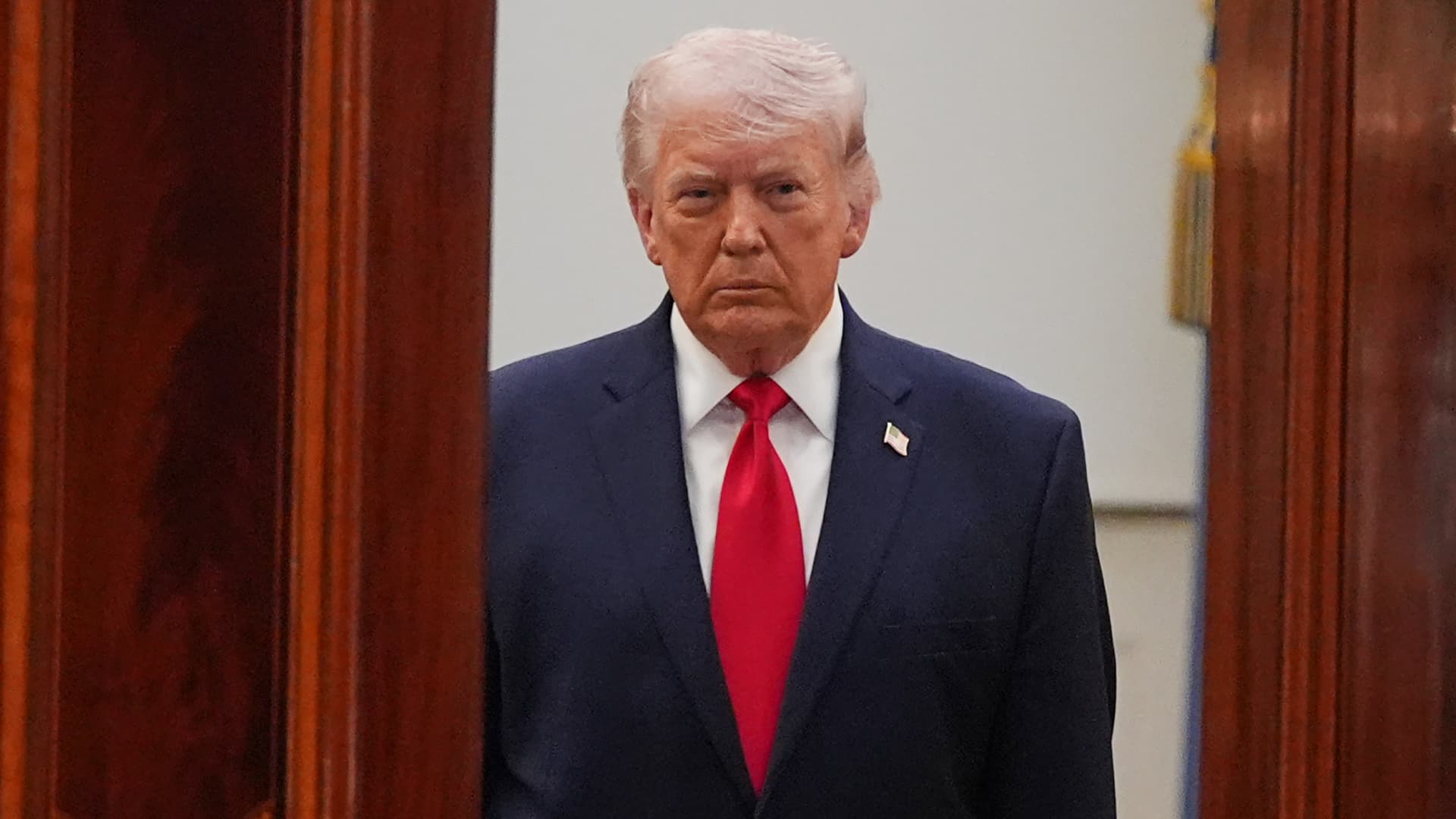
Trump's Pressure on Iran Influences Market Reactions
- Escalating Threats: Trump reiterated threats against Iran, demanding the reopening of the Strait of Hormuz by 8 p.m. ET Tuesday or face attacks on its infrastructure, potentially increasing market uncertainty.
- Cautious Market Response: Despite Trump's threats causing a slight rise in oil prices, the S&P 500 rose for the fourth consecutive day as investors weighed the possibility of de-escalation, indicating cautious optimism in the market.
- AI Momentum: Broadcom's expanded chip partnership with Google and Anthropic underscores strong demand for AI infrastructure, becoming a key market driver that may influence the performance of related tech stocks.
- Field Observation Report: Citrini Research sent an analyst to the Strait of Hormuz, discovering that despite tensions, around 15 ships are still passing daily, suggesting that the critical oil artery's transport activity is not completely halted, which could affect market expectations for oil prices.
See More

Asia-Pacific Markets Set to Open Higher Amid Mixed Messaging on Iran Conflict


- Positive Market Reaction: Asia-Pacific markets are set to open higher on Tuesday, influenced by gains on Wall Street, reflecting investor optimism about market prospects, especially during this critical time for global energy supplies.
- Escalating Iran Tensions: President Trump has threatened to target Iran's civilian infrastructure if a peace deal is not reached within 24 hours, a hardline stance that could heighten market uncertainty and impact energy price volatility.
- Rising Energy Prices: As of 7:20 PM ET, West Texas Intermediate crude futures rose by 0.7% to $113.25 per barrel, while Brent crude gained about 0.68%, indicating market concerns over potential supply disruptions.
- Optimistic Outlook for Japan: Japan's Nikkei 225 index is poised for gains, with the Chicago contract at 53,915, showcasing investor confidence in the Japanese market, which may drive overall regional market performance.
See More
Three High-Potential Stocks to Boost Returns
- United Therapeutics Performance: With a remarkable 16.9% annual revenue growth over the past two years, United Therapeutics has expanded its market share in pulmonary hypertension treatments, while a strong free cash flow margin of 34.2% allows for consistent reinvestment or capital return, enhancing profitability and investment opportunities.
- Coastal Financial Growth: The company has achieved an impressive 40.1% annual net interest income growth over the last five years, indicating significant market share gains, with a strong loan book performance reflected in a best-in-class net interest margin of 7.1%, and an annual EPS growth of 19.6%, far surpassing its peers.
- Chevron's Steady Revenue: Chevron's annual revenue growth of 14.8% over the past five years exceeds the sector average, supported by a massive revenue base of $189 billion that solidifies its market influence, while an 11% free cash flow margin provides flexibility for reinvestment or shareholder returns, further strengthening its market position.
- Market Trend Analysis: These companies exhibit strong revenue growth potential, with five-year returns of 192%, 199%, and 90.7% for United Therapeutics, Coastal Financial, and Chevron respectively, highlighting their competitiveness and future growth prospects in their respective sectors.
See More
U.S. Treasury Yields Rise Amid Trump’s Threats on Iran
- Treasury Yield Increase: U.S. 10-year Treasury yields rose over 1 basis point to 4.3466% as President Trump reiterated threats to bomb Iranian infrastructure if Tehran fails to reopen the Strait of Hormuz by the deadline, indicating heightened market concerns over borrowing costs.
- Short-term Rate Sensitivity: The 2-year Treasury yield also increased by 1 basis point to 3.8622%, reflecting market sensitivity to Federal Reserve's short-term rate decisions, which could influence future monetary policy directions.
- Energy Price Surge: As the deadline approaches, Brent crude prices rose by 1.4% to $111.27 per barrel, while WTI crude increased by 2.1% to $114.81, demonstrating market reactions to geopolitical risks.
- Economic Data Focus: Investors are set to monitor upcoming U.S. durable goods orders data, which are expected to come in lower than January's flat print, potentially impacting market perceptions of the economic outlook.
See More
Trump Escalates Threats Against Iran Amid Negotiations
- Trump's Tough Stance: President Trump stated in a press conference that he might attack Iran's energy and transportation infrastructure if the Strait of Hormuz is not reopened by Tuesday night, intensifying market uncertainty surrounding geopolitical tensions.
- Iran's Ceasefire Proposal: Although the U.S. has received Iran's latest ceasefire proposal, Trump described it as 'not good enough,' indicating significant divisions remain in negotiations that could impact future diplomatic efforts.
- Oil Price Surge: Oil prices continued to rise amid these developments, with shipping through the Strait of Hormuz gradually resuming as eight tankers transited on Monday, up from an average of fewer than two per day in March, yet still a fraction of the 20 million barrels per day seen in 2025.
- Market Volatility: Asia-Pacific markets experienced volatile trading on Tuesday, with major indexes flipping to losses in the morning session, reflecting investor concerns over geopolitical developments, while U.S. futures indicated a mixed opening ahead.
See More
Oil Prices Rise as Trump Threatens Iran Over Strait of Hormuz
- Oil Price Surge: Oil prices rose as U.S. President Trump threatened to attack Iran's infrastructure, with West Texas Intermediate crude futures increasing by 0.93% to $113.46 per barrel, reflecting market sensitivity to geopolitical tensions.
- Strait of Hormuz Situation: Trump reiterated that the U.S. would destroy Iran's power plants and bridges if the Strait of Hormuz was not reopened by the deadline, intensifying market concerns over supply disruptions and driving prices higher.
- Negotiation Dynamics: Despite Trump's pressure, Iran proposed a 10-point plan to end hostilities, including a permanent ceasefire and lifting sanctions, indicating the complexity and uncertainty of negotiations that could impact future energy supplies.
- Shipping Resumption: Shipping through the Strait of Hormuz is slowly resuming, with 8 tankers transiting on Monday, although this remains significantly below the pre-war average of 20 million barrels per day in 2025, indicating ongoing adjustments to supply shocks in the market.
See More
Trump's Pressure on Iran Influences Market Reactions
- Escalating Threats: Trump reiterated threats against Iran, demanding the reopening of the Strait of Hormuz by 8 p.m. ET Tuesday or face attacks on its infrastructure, potentially increasing market uncertainty.
- Cautious Market Response: Despite Trump's threats causing a slight rise in oil prices, the S&P 500 rose for the fourth consecutive day as investors weighed the possibility of de-escalation, indicating cautious optimism in the market.
- AI Momentum: Broadcom's expanded chip partnership with Google and Anthropic underscores strong demand for AI infrastructure, becoming a key market driver that may influence the performance of related tech stocks.
- Field Observation Report: Citrini Research sent an analyst to the Strait of Hormuz, discovering that despite tensions, around 15 ships are still passing daily, suggesting that the critical oil artery's transport activity is not completely halted, which could affect market expectations for oil prices.
See More
Asia-Pacific Markets Set to Open Higher Amid Mixed Messaging on Iran Conflict
- Positive Market Reaction: Asia-Pacific markets are set to open higher on Tuesday, influenced by gains on Wall Street, reflecting investor optimism about market prospects, especially during this critical time for global energy supplies.
- Escalating Iran Tensions: President Trump has threatened to target Iran's civilian infrastructure if a peace deal is not reached within 24 hours, a hardline stance that could heighten market uncertainty and impact energy price volatility.
- Rising Energy Prices: As of 7:20 PM ET, West Texas Intermediate crude futures rose by 0.7% to $113.25 per barrel, while Brent crude gained about 0.68%, indicating market concerns over potential supply disruptions.
- Optimistic Outlook for Japan: Japan's Nikkei 225 index is poised for gains, with the Chicago contract at 53,915, showcasing investor confidence in the Japanese market, which may drive overall regional market performance.
See More