U.S. Judge Approves $5.9 Billion Sale of Citgo Shares to Elliott Investment Management
Written by Emily J. Thompson, Senior Investment Analyst
Updated: Nov 30 2025
0mins

Source: Newsfilter
- Auction Completion: A U.S. judge has authorized the sale of Citgo's parent company PDV Holding shares for $5.9 billion, marking the near conclusion of a two-year auction aimed at repaying over 15 Venezuela-linked creditors, which is expected to provide significant cash proceeds.
- Debt Settlement: The transaction includes a $2.1 billion payment to holders of defaulted Venezuelan bonds, demonstrating a strong commitment to debt resolution while also presenting a significant investment opportunity for Elliott Investment Management.
- Legal Challenges: Despite objections to Amber Energy's bid, the judge confirmed its fairness, indicating a firm judicial stance in navigating complex debt auctions, which may influence future rulings in similar cases.
- Regulatory Approval: The sale is expected to close next year pending approvals from regulators and the U.S. Treasury Department, a process that will impact Citgo's operations and future strategic direction.
Trade with 70% Backtested Accuracy
Stop guessing "Should I Buy COP?" and start using high-conviction signals backed by rigorous historical data.
Sign up today to access powerful investing tools and make smarter, data-driven decisions.
Analyst Views on COP
Wall Street analysts forecast COP stock price to fall
19 Analyst Rating
15 Buy
3 Hold
1 Sell
Moderate Buy
Current: 133.800

Low
98.00
Averages
115.67
High
133.00
Current: 133.800
Low
98.00
Averages
115.67
High
133.00
About COP
ConocoPhillips is an exploration and production company. Its Alaska segment primarily explores for, produces, transports and markets crude oil, natural gas and NGLs. The Lower 48 segment consists of operations located in the 48 contiguous states in the United States and the Gulf of Mexico. Canadian operations consist of the Surmont oil sands development in Alberta, the liquids-rich Montney unconventional play in British Columbia and commercial operations. The Europe, Middle East and North Africa segment consists of operations principally located in the Norwegian sector of the North Sea, the Norwegian Sea, Qatar, Libya, Equatorial Guinea and commercial and terminalling operations in the United Kingdom. Asia Pacific segment has exploration and production operations in China, Malaysia, Australia and commercial operations in China, Singapore and Japan. Other International segment includes interests in Colombia as well as contingencies associated with prior operations in other countries.
About the author

Emily J. Thompson
Emily J. Thompson, a Chartered Financial Analyst (CFA) with 12 years in investment research, graduated with honors from the Wharton School. Specializing in industrial and technology stocks, she provides in-depth analysis for Intellectia’s earnings and market brief reports.
South Korea Proposes ₩26.2 Trillion Budget to Address Energy Crisis


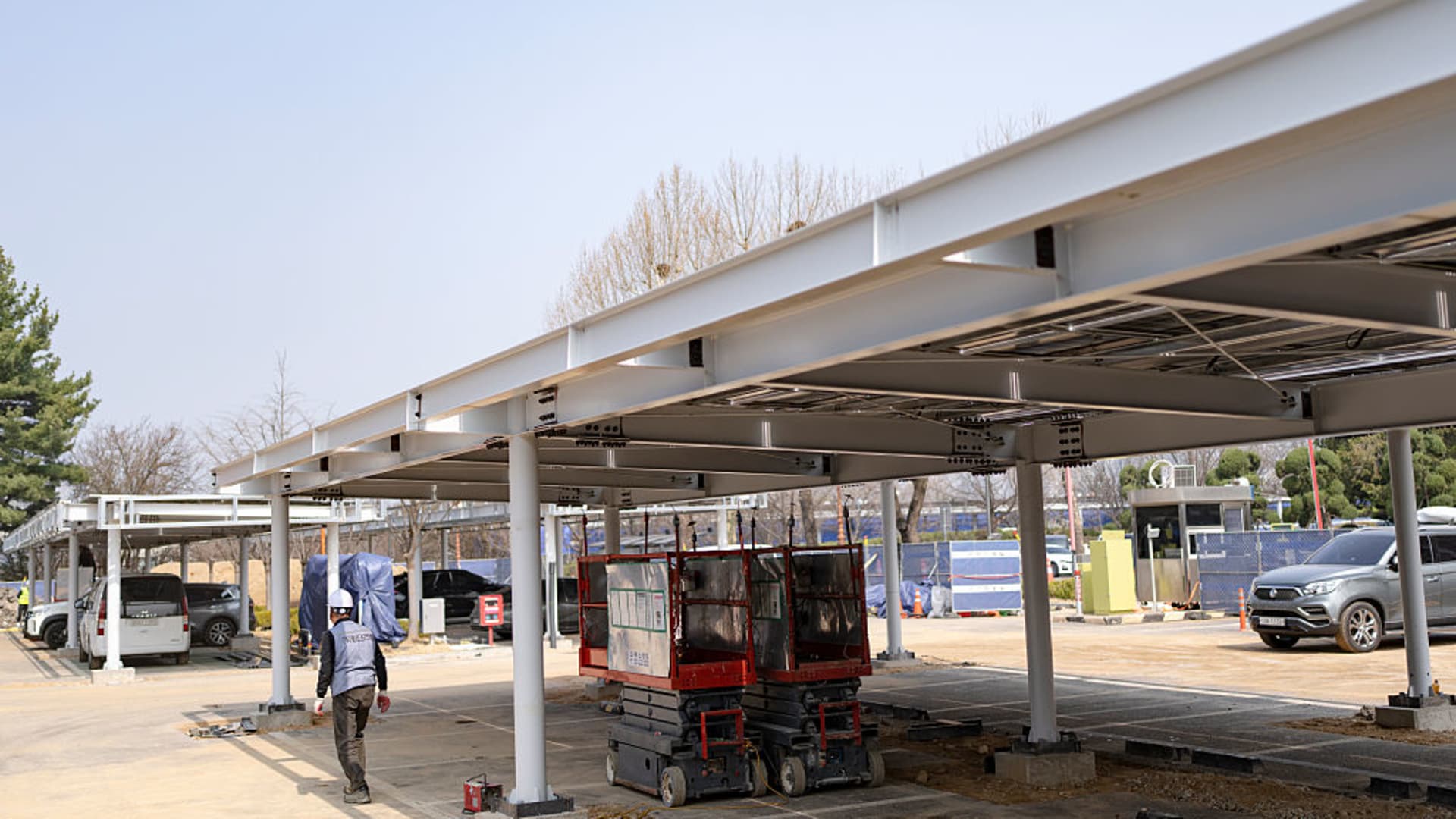
- Budget Proposal: The South Korean government has proposed a supplementary budget of ₩26.2 trillion (approximately $17.1 billion) to address rising energy prices due to the Middle East conflict, aiming to alleviate economic pressure on households and industries.
- Key Measures: Of this, ₩10.1 trillion will be specifically allocated to ease high oil prices, alongside support for exporters and increased grants to local governments, all aimed at fostering economic recovery.
- Need for Fiscal Support: Minister of Planning and Budget Park Hong-geun emphasized the necessity of swift fiscal support to alleviate hardships faced by citizens, ensuring that the momentum of economic recovery is not lost.
- Funding Sources: The budget will be financed through tax revenues from booming chip exports and a rally in the stock market, with expectations for parliamentary approval by April 10, reflecting the government's strong commitment to economic stability.
See More
Trump Considers Ending War in Iran Amid Oil Price Fluctuations

- Oil Price Fluctuations: Oil prices reversed course as traders reacted to Trump's statements about potentially ending U.S. operations against Iran, with WTI futures dropping 0.72% to $102.14 per barrel and Brent crude falling 1% to $111.55, indicating market sensitivity to geopolitical risks.
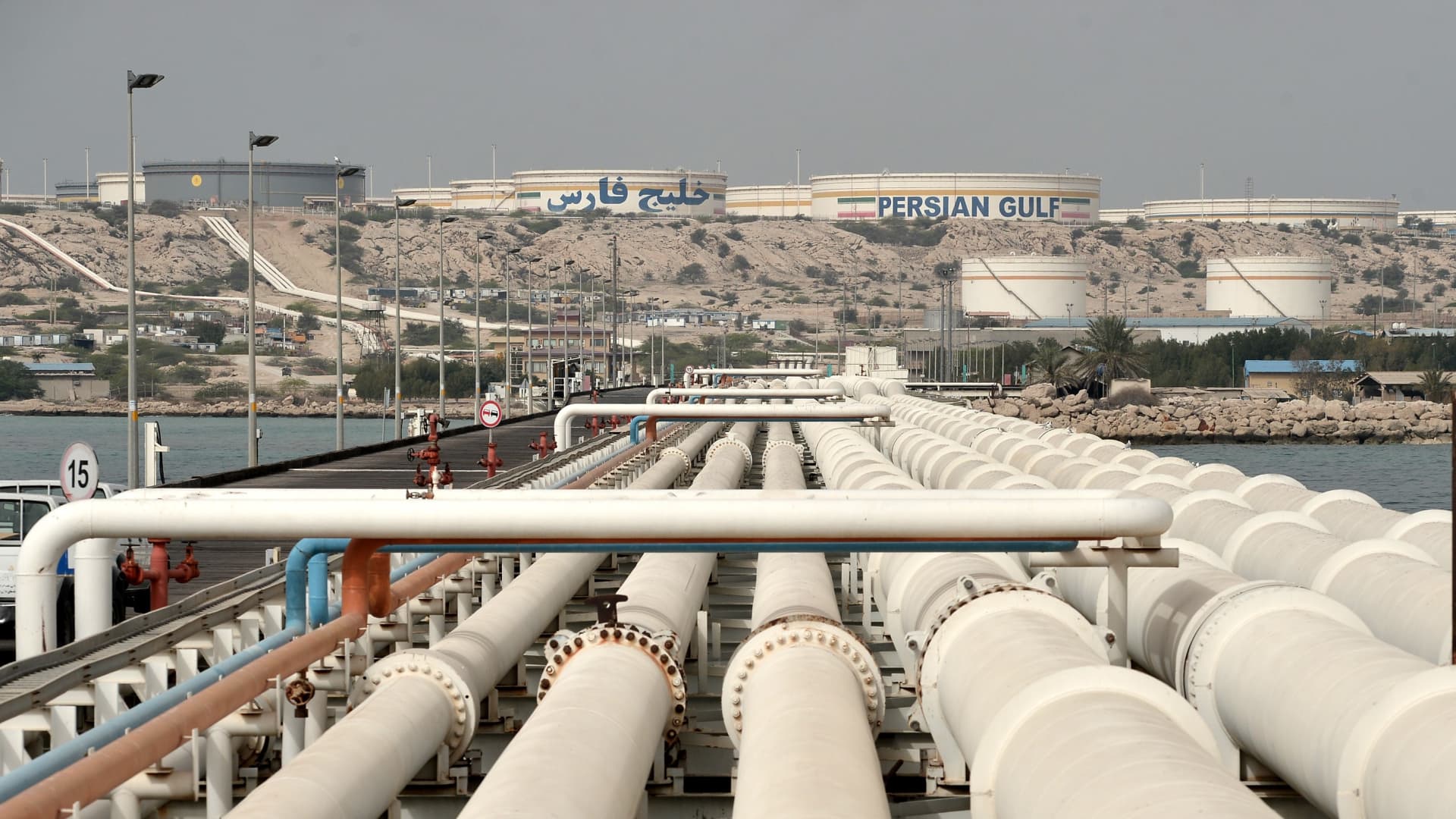
- Escalating Military Threats: Trump threatened to attack Iran's energy infrastructure if Tehran does not reopen the Strait of Hormuz, which could escalate regional tensions and disrupt global energy supply chains, reflecting the precarious balance of power in the region.
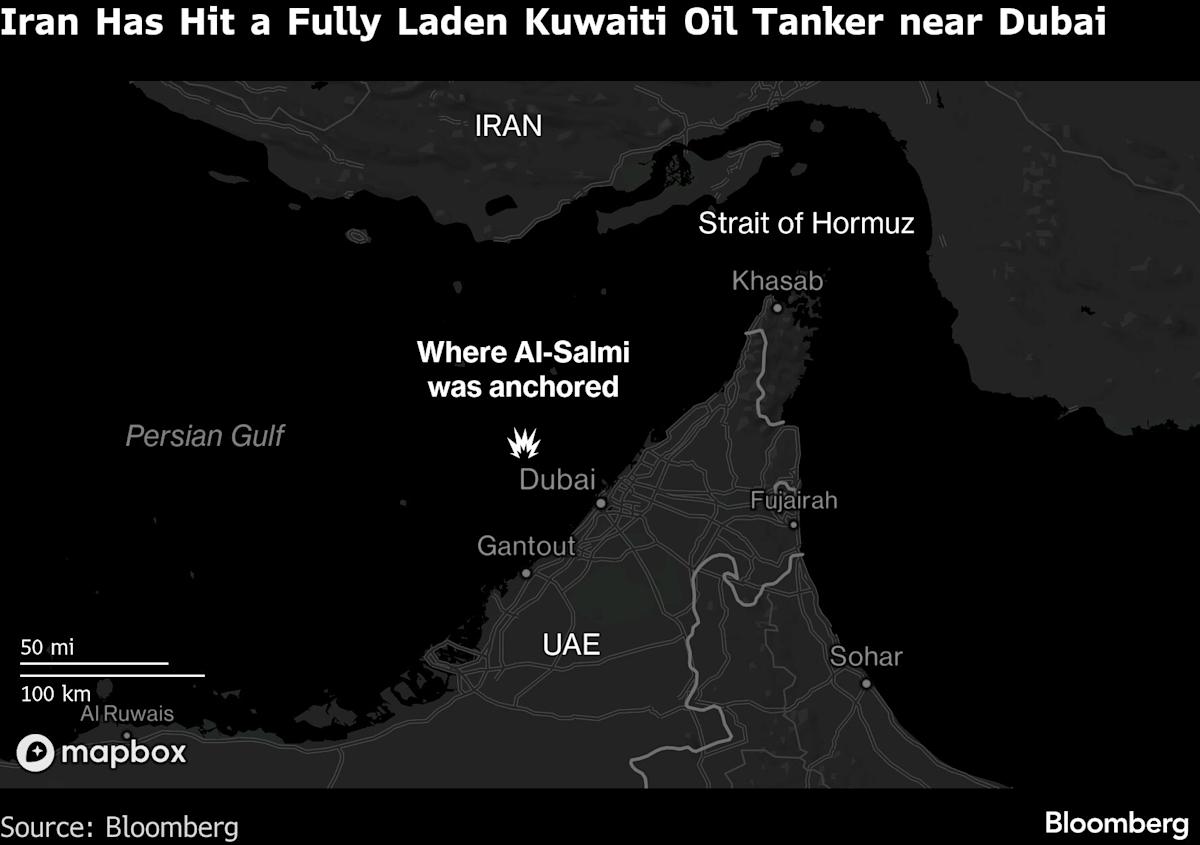
- Ongoing Conflict: The Iran war has entered its fifth week, with Tehran striking a fully laden Kuwaiti oil tanker, prompting firefighting operations in Dubai's port, although no injuries were reported, highlighting the conflict's expanding impact on maritime security.
- Ground Troop Considerations: Trump is reportedly weighing the option of deploying ground forces to seize Kharg Island, a critical fuel hub, which could increase U.S. casualties and extend the war's duration and costs, raising concerns among experts about the potential consequences of such actions.
See More

Strait of Hormuz Closure Triggers Oil Price Shock

- Energy Supply Crisis: The closure of the Strait of Hormuz significantly reduces global oil and natural gas supplies, leading to anticipated fuel shortages in regions like Europe, India, and East Asia, which in turn drives up oil prices and heightens market anxiety.
- Historical Parallel: This situation echoes the 1973 oil embargo when prices surged from $2.90 to $11.35 per barrel, resulting in recession and stagflation, with the stock market crashing by 50%, serving as a cautionary tale for today's economic landscape.
- Market Environment Shift: Unlike in 1973, the current global oil market is less reliant on Middle Eastern supplies, with the U.S. now the world's largest oil and gas producer, and a more diverse energy consumption landscape makes the impact of rising oil prices more manageable.
- Investment Strategy Advice: In light of a potential Middle East-induced energy crisis, investors are advised to focus on energy producers with significant exposure to more secure regions like the U.S., such as ConocoPhillips, Occidental Petroleum, and Diamondback Energy, to hedge their portfolios effectively.
See More

Analysis of Economic Impact from Rising Oil Prices
- Historical Oil Price Comparison: In 1973, oil prices surged nearly fourfold due to the Middle Eastern embargo, rising from $2.90 to $11.35 per barrel, which plunged the U.S. economy into stagflation and caused a 50% stock market crash, whereas current prices around $60 reflect a much milder increase.
- Reduced Market Dependence: Today, global reliance on Middle Eastern oil has significantly decreased, particularly as the U.S. has become the world's largest oil and natural gas producer, which mitigates the economic impact of current oil price increases.
- Diversified Energy Consumption: Investments in renewable energy and the adoption of efficient products like modern vehicles have made the economic repercussions of rising oil prices more manageable than they were 50 years ago, although worsening conditions in the Middle East could still lead to inflation and market volatility.
- Investment Strategy Recommendation: In light of a potential Middle Eastern energy crisis, investors are advised to focus on U.S. energy producers such as ConocoPhillips, Occidental Petroleum, and Diamondback Energy, which can serve as secure hedges for portfolio performance.
See More

Middle East Conflict Escalates Turmoil in Asia-Pacific Markets


- Escalating Middle East Tensions: As the conflict in the Middle East enters its fifth week, President Trump escalates threats to destroy Iran's electricity and oil facilities if the Strait of Hormuz remains closed, heightening market anxiety and diminishing investor confidence in Asia-Pacific markets.
- Surging Oil Prices: West Texas Intermediate crude prices rose over 3% to settle just below $103 per barrel, while Brent crude futures climbed to $112.78, marking the highest levels since 2022, reflecting concerns over potential supply disruptions.
- Declining Asia-Pacific Markets: Australia's S&P/ASX 200 index fell 0.30% in early trading, with Japan's Nikkei 225 and Hong Kong's Hang Seng index futures also indicating downward trends, suggesting a pessimistic outlook among investors regarding future market performance.
- Divergent U.S. Stock Performance: While the S&P 500 and Nasdaq Composite fell by 0.39% and 0.73% respectively, the Dow Jones Industrial Average managed a slight gain of 0.11%, indicating varied investor reactions across different sectors amidst ongoing uncertainty.
See More
S&P 500 Falls for Third Day; Bond Market Dynamics in Focus


- Bond Yield Movements: The 10-year Treasury yield stands at 4.35%, while the 2-year yield is at 3.838%, indicating investor expectations for a potential rate cut, which could impact stock market performance and trigger shifts in capital flows.
- Oil Price Surge: Amid concerns that the Houthi group in Yemen may attack Israel, both West Texas Intermediate and Brent crude oil futures have risen, reflecting market sensitivity to geopolitical risks that could lead to volatility in energy stocks.
- Palo Alto Networks Stock Fluctuation: The company's shares rose about 5% on Monday, yet they are down 31% from the October peak, highlighting the volatility in market demand for cybersecurity and its potential impact on future performance.
- McCormick Earnings Outlook: The company's stock has fallen 21.6% in the past three months and is down 35% from last March's high, reflecting cautious market sentiment regarding its future performance, which may affect investor confidence.
See More
South Korea Proposes ₩26.2 Trillion Budget to Address Energy Crisis
- Budget Proposal: The South Korean government has proposed a supplementary budget of ₩26.2 trillion (approximately $17.1 billion) to address rising energy prices due to the Middle East conflict, aiming to alleviate economic pressure on households and industries.
- Key Measures: Of this, ₩10.1 trillion will be specifically allocated to ease high oil prices, alongside support for exporters and increased grants to local governments, all aimed at fostering economic recovery.
- Need for Fiscal Support: Minister of Planning and Budget Park Hong-geun emphasized the necessity of swift fiscal support to alleviate hardships faced by citizens, ensuring that the momentum of economic recovery is not lost.
- Funding Sources: The budget will be financed through tax revenues from booming chip exports and a rally in the stock market, with expectations for parliamentary approval by April 10, reflecting the government's strong commitment to economic stability.
See More
Trump Considers Ending War in Iran Amid Oil Price Fluctuations
- Oil Price Fluctuations: Oil prices reversed course as traders reacted to Trump's statements about potentially ending U.S. operations against Iran, with WTI futures dropping 0.72% to $102.14 per barrel and Brent crude falling 1% to $111.55, indicating market sensitivity to geopolitical risks.
- Escalating Military Threats: Trump threatened to attack Iran's energy infrastructure if Tehran does not reopen the Strait of Hormuz, which could escalate regional tensions and disrupt global energy supply chains, reflecting the precarious balance of power in the region.
- Ongoing Conflict: The Iran war has entered its fifth week, with Tehran striking a fully laden Kuwaiti oil tanker, prompting firefighting operations in Dubai's port, although no injuries were reported, highlighting the conflict's expanding impact on maritime security.
- Ground Troop Considerations: Trump is reportedly weighing the option of deploying ground forces to seize Kharg Island, a critical fuel hub, which could increase U.S. casualties and extend the war's duration and costs, raising concerns among experts about the potential consequences of such actions.
See More
Strait of Hormuz Closure Triggers Oil Price Shock
- Energy Supply Crisis: The closure of the Strait of Hormuz significantly reduces global oil and natural gas supplies, leading to anticipated fuel shortages in regions like Europe, India, and East Asia, which in turn drives up oil prices and heightens market anxiety.
- Historical Parallel: This situation echoes the 1973 oil embargo when prices surged from $2.90 to $11.35 per barrel, resulting in recession and stagflation, with the stock market crashing by 50%, serving as a cautionary tale for today's economic landscape.
- Market Environment Shift: Unlike in 1973, the current global oil market is less reliant on Middle Eastern supplies, with the U.S. now the world's largest oil and gas producer, and a more diverse energy consumption landscape makes the impact of rising oil prices more manageable.
- Investment Strategy Advice: In light of a potential Middle East-induced energy crisis, investors are advised to focus on energy producers with significant exposure to more secure regions like the U.S., such as ConocoPhillips, Occidental Petroleum, and Diamondback Energy, to hedge their portfolios effectively.
See More
Analysis of Economic Impact from Rising Oil Prices
- Historical Oil Price Comparison: In 1973, oil prices surged nearly fourfold due to the Middle Eastern embargo, rising from $2.90 to $11.35 per barrel, which plunged the U.S. economy into stagflation and caused a 50% stock market crash, whereas current prices around $60 reflect a much milder increase.
- Reduced Market Dependence: Today, global reliance on Middle Eastern oil has significantly decreased, particularly as the U.S. has become the world's largest oil and natural gas producer, which mitigates the economic impact of current oil price increases.
- Diversified Energy Consumption: Investments in renewable energy and the adoption of efficient products like modern vehicles have made the economic repercussions of rising oil prices more manageable than they were 50 years ago, although worsening conditions in the Middle East could still lead to inflation and market volatility.
- Investment Strategy Recommendation: In light of a potential Middle Eastern energy crisis, investors are advised to focus on U.S. energy producers such as ConocoPhillips, Occidental Petroleum, and Diamondback Energy, which can serve as secure hedges for portfolio performance.
See More
Middle East Conflict Escalates Turmoil in Asia-Pacific Markets
- Escalating Middle East Tensions: As the conflict in the Middle East enters its fifth week, President Trump escalates threats to destroy Iran's electricity and oil facilities if the Strait of Hormuz remains closed, heightening market anxiety and diminishing investor confidence in Asia-Pacific markets.
- Surging Oil Prices: West Texas Intermediate crude prices rose over 3% to settle just below $103 per barrel, while Brent crude futures climbed to $112.78, marking the highest levels since 2022, reflecting concerns over potential supply disruptions.
- Declining Asia-Pacific Markets: Australia's S&P/ASX 200 index fell 0.30% in early trading, with Japan's Nikkei 225 and Hong Kong's Hang Seng index futures also indicating downward trends, suggesting a pessimistic outlook among investors regarding future market performance.
- Divergent U.S. Stock Performance: While the S&P 500 and Nasdaq Composite fell by 0.39% and 0.73% respectively, the Dow Jones Industrial Average managed a slight gain of 0.11%, indicating varied investor reactions across different sectors amidst ongoing uncertainty.
See More
S&P 500 Falls for Third Day; Bond Market Dynamics in Focus
- Bond Yield Movements: The 10-year Treasury yield stands at 4.35%, while the 2-year yield is at 3.838%, indicating investor expectations for a potential rate cut, which could impact stock market performance and trigger shifts in capital flows.
- Oil Price Surge: Amid concerns that the Houthi group in Yemen may attack Israel, both West Texas Intermediate and Brent crude oil futures have risen, reflecting market sensitivity to geopolitical risks that could lead to volatility in energy stocks.
- Palo Alto Networks Stock Fluctuation: The company's shares rose about 5% on Monday, yet they are down 31% from the October peak, highlighting the volatility in market demand for cybersecurity and its potential impact on future performance.
- McCormick Earnings Outlook: The company's stock has fallen 21.6% in the past three months and is down 35% from last March's high, reflecting cautious market sentiment regarding its future performance, which may affect investor confidence.
See More