U.S. International Development Finance Corporation Launches Maritime Reinsurance Plan

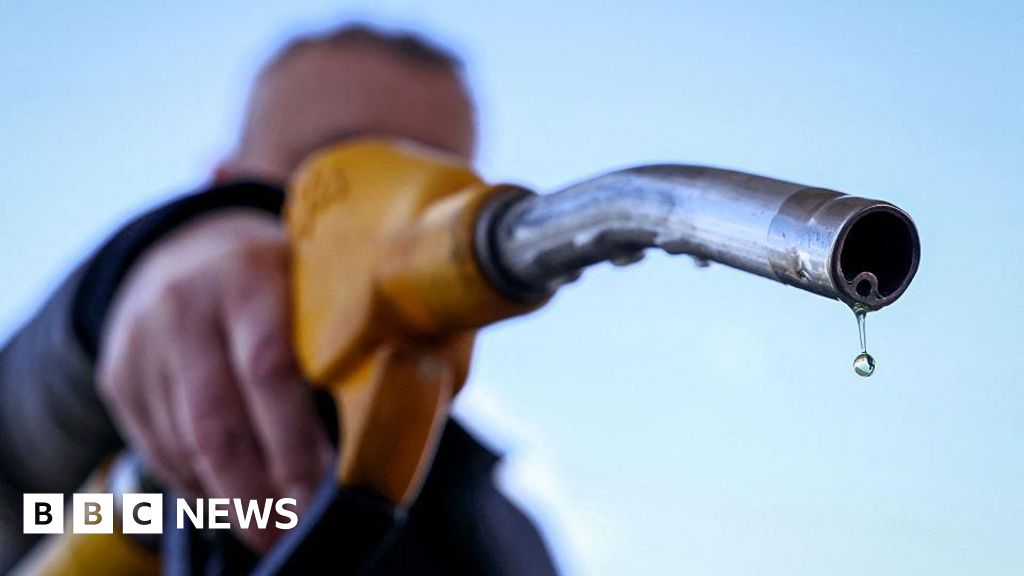
U.S. International Development Finance Corporation CEO Ben Black and U.S. Treasury Secretary Scott Bessent announced agreement on a detailed implementation plan approved by President Trump to deploy Maritime Reinsurance, including war risk, in the Gulf region. "In close coordination with CENTCOM, this plan will restore confidence in maritime trade, help stabilize international commerce, and support American and allied businesses operating in the Middle East during the conflict with Iran. This announcement marks a key milestone toward the rapid implementation of President Trump's directive to utilize DFC's innovative financial toolkit to safeguard the continued flow of trade," the DFC stated. Publicly traded oil production companies include BP (BP), Chevron (CVX), ConocoPhillips (COP), Exxon Mobil (XOM), Shell (SHEL) and TotalEnergies (TTE).
Trade with 70% Backtested Accuracy
Analyst Views on BP

About BP
About the author


Oil Prices Decline Amid Geopolitical Tensions


- Oil Price Decline: Oil prices continued to fall on Tuesday as investors assessed President Trump's comments about a potential end to the war, indicating market sensitivity to geopolitical risks that could negatively impact the energy sector's profitability.
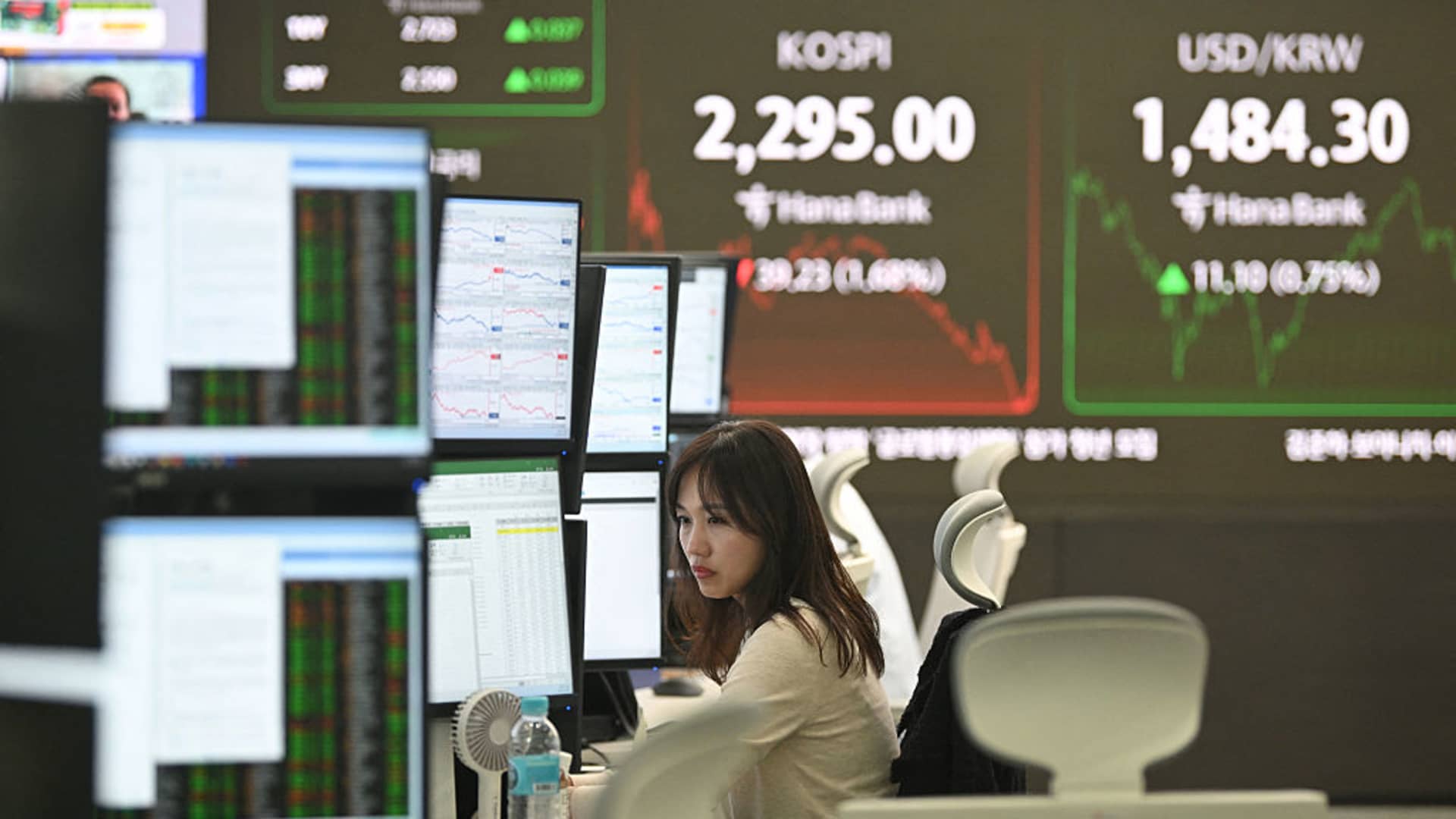
- Korean Market Recovery: The South Korean Kospi index surged over 5%, leading gains in the Asia-Pacific region, reflecting market optimism in response to Trump's remarks, although overall market uncertainty remains.
- Energy Price Controls: The South Korean government imposed a price cap on fuel products for the first time in 30 years to address soaring gasoline prices, a policy that may affect energy supply chains and consumer spending.
- Bank of England Policy Stalled: The outbreak of war in Iran has hindered the Bank of England's anticipated interest rate cut next week, demonstrating the direct impact of geopolitical events on monetary policy decisions.

Middle East Tensions Boost European Stock Market Open
- European Market Surge: European stock index futures are set to open higher, with the pan-European Stoxx 50 futures up 1.3%, and France's CAC 40 and Germany's DAX rising by 1.5% and 1.2% respectively, indicating a positive market sentiment amid Middle East tensions.
- Oil Price Fluctuations: Following President Trump's comments about potentially controlling the Strait of Hormuz, oil prices plummeted by 10%, with Brent crude falling to $92.25 per barrel; however, prices remain elevated above $100, reflecting concerns over supply chain security.
- U.S. Market Performance: While Asia-Pacific markets rebounded, U.S. stock futures declined, highlighting investor uncertainty regarding future market conditions, particularly in light of oil price volatility and geopolitical tensions.
- Upcoming Earnings Reports: Earnings reports from Saudi Aramco, Volkswagen, and Lindt are on the horizon, with the market closely monitoring these figures to assess corporate performance and outlook in the current economic climate.

Big Oil Stocks Remain Relatively Unchanged Since the Start of the War. What's Behind This?

Oil Price Surge: Oil prices have increased by 37% since the onset of the Iran war, reaching a significant high by Monday's close.
Oil Stocks Performance: Despite the rise in oil prices, major oil companies like Exxon Mobil, Chevron, TotalEnergies, BP, and Shell have only seen an average stock increase of 1.4% since the war began.
Market Expectations: The minimal movement in big oil stocks contrasts with the common expectation that stock prices of leading oil companies would rise in tandem with oil price increases.
Investor Sentiment: This discrepancy raises questions about investor sentiment and market dynamics in the oil sector amidst geopolitical tensions.

Oil Prices Decline Amid Strait of Hormuz Tensions
- Oil Price Decline: Oil prices fell in extended trading as President Trump considered seizing control of the Strait of Hormuz, reflecting market concerns over geopolitical tensions that could destabilize global energy supplies.
- South Korea Price Cap: In response to soaring fuel prices, South Korea's government imposed a price cap on fuel products for the first time in 30 years, indicating a strong focus on energy security that may impact domestic market supply and demand dynamics.
- Natural Gas Market Impact: The closure of the Strait of Hormuz may have more severe implications for the liquefied natural gas market, as approximately 20% of global LNG flows through this chokepoint, leading to surging prices and potential long-term supply chain risks.
- Increased Market Speculation: The rise in speculation regarding the Iran war has prompted public backlash against predictions of a nuclear detonation, highlighting shifts in investor sentiment towards uncertainty and risk in future geopolitical developments.

Oil Prices Surge and Plunge Amid U.S.-Iran Tensions

- Oil Price Volatility: Oil prices surged about 20% on Monday due to ongoing U.S.-Israeli tensions with Iran, but plummeted 10% on Tuesday after President Trump warned of severe repercussions for Iran, indicating market fears of prolonged energy supply disruptions.
- Brent Crude Prices: International Brent crude fell nearly 11% to $88.36 per barrel by Monday evening, while U.S. crude dropped to $85.17 per barrel, reflecting the market's sensitive response to geopolitical risks.
- Strait of Hormuz Significance: The Strait of Hormuz is a vital transit route for global energy markets, with approximately 13 million barrels passing through in 2025, accounting for about 31% of global seaborne oil flows, making its security crucial for oil prices.
- Market Optimism: Despite the volatility, the market remains optimistic following Trump's comments that the conflict will end soon and oil prices will drop, with analysts suggesting that such verbal interventions could influence market expectations.
Asia-Pacific Markets Rebound as Oil Prices Fall


- Market Rebound: Asia-Pacific markets are set to rise at open on Tuesday, with Australia's S&P/ASX 200 up 1.55% in early trade, indicating a strong rebound from Monday's rout and suggesting improved investor sentiment.
- Japanese Stocks Recovery: Japan's Nikkei 225 futures are at 54,575, up from the previous close of 52,728.72, reflecting a positive response to the recovery in U.S. stocks, which may attract more investors into the market.
- Oil Price Decline: Oil prices fell by 6.49% to $88.66 per barrel as Trump considers seizing control of the Strait of Hormuz, which could alleviate global inflationary pressures and impact earnings expectations in related sectors.
- U.S. Stock Market Bounce: U.S. stocks rebounded after significant declines, with the S&P 500 rising 0.83% to 6,795.99, demonstrating market resilience and potentially generating positive spillover effects for the Asia-Pacific markets.
Oil Prices Decline Amid Geopolitical Tensions
- Oil Price Decline: Oil prices continued to fall on Tuesday as investors assessed President Trump's comments about a potential end to the war, indicating market sensitivity to geopolitical risks that could negatively impact the energy sector's profitability.
- Korean Market Recovery: The South Korean Kospi index surged over 5%, leading gains in the Asia-Pacific region, reflecting market optimism in response to Trump's remarks, although overall market uncertainty remains.
- Energy Price Controls: The South Korean government imposed a price cap on fuel products for the first time in 30 years to address soaring gasoline prices, a policy that may affect energy supply chains and consumer spending.
- Bank of England Policy Stalled: The outbreak of war in Iran has hindered the Bank of England's anticipated interest rate cut next week, demonstrating the direct impact of geopolitical events on monetary policy decisions.
Middle East Tensions Boost European Stock Market Open
- European Market Surge: European stock index futures are set to open higher, with the pan-European Stoxx 50 futures up 1.3%, and France's CAC 40 and Germany's DAX rising by 1.5% and 1.2% respectively, indicating a positive market sentiment amid Middle East tensions.
- Oil Price Fluctuations: Following President Trump's comments about potentially controlling the Strait of Hormuz, oil prices plummeted by 10%, with Brent crude falling to $92.25 per barrel; however, prices remain elevated above $100, reflecting concerns over supply chain security.
- U.S. Market Performance: While Asia-Pacific markets rebounded, U.S. stock futures declined, highlighting investor uncertainty regarding future market conditions, particularly in light of oil price volatility and geopolitical tensions.
- Upcoming Earnings Reports: Earnings reports from Saudi Aramco, Volkswagen, and Lindt are on the horizon, with the market closely monitoring these figures to assess corporate performance and outlook in the current economic climate.
Big Oil Stocks Remain Relatively Unchanged Since the Start of the War. What's Behind This?
Oil Price Surge: Oil prices have increased by 37% since the onset of the Iran war, reaching a significant high by Monday's close.
Oil Stocks Performance: Despite the rise in oil prices, major oil companies like Exxon Mobil, Chevron, TotalEnergies, BP, and Shell have only seen an average stock increase of 1.4% since the war began.
Market Expectations: The minimal movement in big oil stocks contrasts with the common expectation that stock prices of leading oil companies would rise in tandem with oil price increases.
Investor Sentiment: This discrepancy raises questions about investor sentiment and market dynamics in the oil sector amidst geopolitical tensions.
Oil Prices Decline Amid Strait of Hormuz Tensions
- Oil Price Decline: Oil prices fell in extended trading as President Trump considered seizing control of the Strait of Hormuz, reflecting market concerns over geopolitical tensions that could destabilize global energy supplies.
- South Korea Price Cap: In response to soaring fuel prices, South Korea's government imposed a price cap on fuel products for the first time in 30 years, indicating a strong focus on energy security that may impact domestic market supply and demand dynamics.
- Natural Gas Market Impact: The closure of the Strait of Hormuz may have more severe implications for the liquefied natural gas market, as approximately 20% of global LNG flows through this chokepoint, leading to surging prices and potential long-term supply chain risks.
- Increased Market Speculation: The rise in speculation regarding the Iran war has prompted public backlash against predictions of a nuclear detonation, highlighting shifts in investor sentiment towards uncertainty and risk in future geopolitical developments.
Oil Prices Surge and Plunge Amid U.S.-Iran Tensions
- Oil Price Volatility: Oil prices surged about 20% on Monday due to ongoing U.S.-Israeli tensions with Iran, but plummeted 10% on Tuesday after President Trump warned of severe repercussions for Iran, indicating market fears of prolonged energy supply disruptions.
- Brent Crude Prices: International Brent crude fell nearly 11% to $88.36 per barrel by Monday evening, while U.S. crude dropped to $85.17 per barrel, reflecting the market's sensitive response to geopolitical risks.
- Strait of Hormuz Significance: The Strait of Hormuz is a vital transit route for global energy markets, with approximately 13 million barrels passing through in 2025, accounting for about 31% of global seaborne oil flows, making its security crucial for oil prices.
- Market Optimism: Despite the volatility, the market remains optimistic following Trump's comments that the conflict will end soon and oil prices will drop, with analysts suggesting that such verbal interventions could influence market expectations.
Asia-Pacific Markets Rebound as Oil Prices Fall
- Market Rebound: Asia-Pacific markets are set to rise at open on Tuesday, with Australia's S&P/ASX 200 up 1.55% in early trade, indicating a strong rebound from Monday's rout and suggesting improved investor sentiment.
- Japanese Stocks Recovery: Japan's Nikkei 225 futures are at 54,575, up from the previous close of 52,728.72, reflecting a positive response to the recovery in U.S. stocks, which may attract more investors into the market.
- Oil Price Decline: Oil prices fell by 6.49% to $88.66 per barrel as Trump considers seizing control of the Strait of Hormuz, which could alleviate global inflationary pressures and impact earnings expectations in related sectors.
- U.S. Stock Market Bounce: U.S. stocks rebounded after significant declines, with the S&P 500 rising 0.83% to 6,795.99, demonstrating market resilience and potentially generating positive spillover effects for the Asia-Pacific markets.