U.S. Futures Modestly Higher Amid Oil Volatility


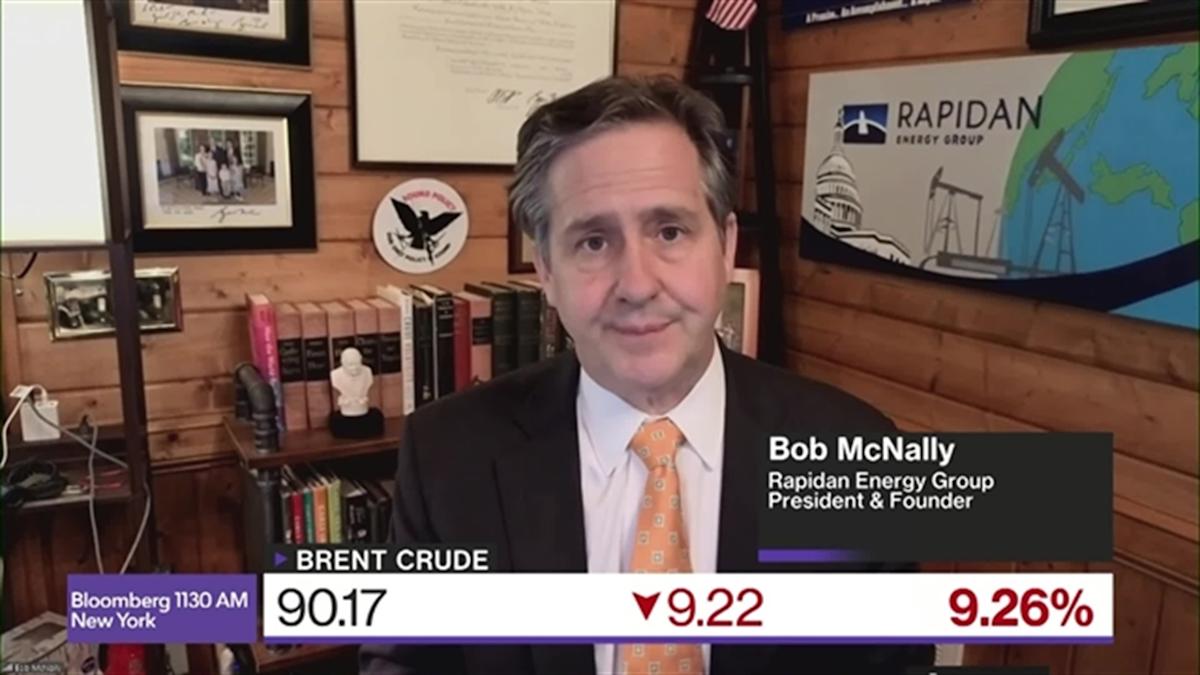
After last week's volatility, futures are modestly higher. Markets are starting the week in a cautious holding pattern, caught between tentative optimism and very real escalation risk. The core drivers remain geopolitics and oil. Over the weekend and into today, headlines have pulled in opposite directions. On one hand, there are reported to be active discussions around a potential 45-day ceasefire between the U.S. and Iran, which has helped stabilize sentiment and even push oil lower at moments. On the other hand, renewed threats around striking Iranian infrastructure are keeping crude elevated around the $110 range and preventing a full risk-on move.Oil remains the swing factor and is volatile. Meanwhile, bond yields are edging higher again, reflecting persistent inflation concerns tied to energy prices and a growing belief that the Federal Reserve will stay on hold longer than previously expected.Energy names are losing some momentum on any dip in oil, while crypto-linked stocks and risk assets are seeing inflows as Bitcoin pushes back toward recent highs. At the same time, broader equity participation remains uneven.In pre-market trading, S&P 500 futures rose 0.14%, Nasdaq futures rose 0.43% and Dow futures fell 0.02%.Check out this morning's top movers from around Wall Street, compiled by The Fly.HIGHER -Soleno Therapeuticsup 32% after Neurocrine Biosciencesentered into a definitive agreement to acquire Soleno for $53.00 per share in cashTwilioup 3% after Jefferies upgraded the stock to Buy from Hold with a price target of $160, up from $125Amkor Technologyup 2% after Melius Research upgraded shares to Buy from Hold with a $60 price targetNetflixup 2% after Goldman Sachs upgraded the stock to Buy from Neutral with a price target of $120, up from $100LOWER -Legencedown 3% after filing to sell 11M shares of Class A common stock for holdersDow Inc.and LyondellBasellboth down 3% after BofA downgraded the stocks to Underperform from NeutralNeurocrine Biosciencesdown 2% after the company and Soleno Therapeuticsannounced a takeover dealCarvanadown 1% after BofA downgraded shares to Neutral with a price target of $360, down from $400
Trade with 70% Backtested Accuracy
Analyst Views on CVNA

About CVNA
About the author


Family-Owned Dealership Sale Highlights Industry Consolidation Trends


- Family Business Sale: Derek Sylvester's family decided to sell Sylvester Chevrolet, a dealership they operated for 50 years in Pennsylvania, to a New York dealer group, highlighting the challenges faced by small dealers in a rapidly changing automotive retail landscape.
- Accelerating Industry Consolidation: According to NADA, the percentage of dealers owning 1 to 5 stores has decreased from 94.4% to 90.5%, indicating a rise in medium-sized dealerships and accelerating consolidation, particularly among those owning 6 to 25 stores.
- Increased Market Competition: Traditional dealers are facing heightened competitive pressures due to rapid advancements in electric vehicles and technologies like AI, prompting many small dealers to consider selling or merging to maintain competitiveness and profitability.
- Investor Interest: Major dealers like Lithia Motors and AutoNation have market caps exceeding $6 billion, drawing increased attention from investors, indicating the ongoing profitability potential and future growth opportunities within the automotive dealership sector.

Amazon Autos Expands, Threatening Traditional Auto Listings


- Online Car Buying Trend: According to Allied Market Research, online car buying is expected to triple by the end of the decade, indicating a significant shift in consumer acceptance that could transform traditional auto sales models.
- Amazon's Market Strategy: Amazon Autos is rapidly expanding from a niche pilot to a broad vehicle marketplace, aiming to enhance online sales capabilities through partnerships with dealerships, thereby shortening sales cycles and improving efficiency, while dealers retain control over transactions.
- Changing Competitive Landscape: Amazon's entry poses a threat to companies focused on vehicle listings and dealership leads, such as Cars.com and CarGurus, as these companies, despite their strong brand presence, may struggle against Amazon's vast consumer reach.
- Dealers' Role: While Amazon is not yet selling cars directly or taking a cut from dealership transactions, its platform allows consumers to complete transactions online more easily, which could have profound implications for traditional dealerships and auto sales models in the future.

Amazon Autos Rapidly Expands into Marketplace
- Market Expansion Plan: Amazon Autos is rapidly transitioning from a pilot program to a broad vehicle marketplace, with online car buying expected to triple by the end of this decade, indicating significant market potential and strategic value.
- Collaboration with Dealers: Rather than taking a cut from transactions, Amazon collaborates with dealerships to enhance their online presence and shorten sales cycles, thereby improving overall operational efficiency and strengthening dealers' competitive positions.
- Threat to Competitors: Amazon's entry poses a serious threat to vehicle listing and lead-generation companies like Cars.com and CarGurus, although it has yet to fully replicate Carvana's nationwide inventory and distribution capabilities.
- Shifts in Consumer Behavior: As consumers increasingly prefer online car buying, Amazon's model may transform traditional purchasing processes, with dealerships still controlling transactions and pricing, but Amazon's extensive reach will position it significantly in future markets.

Trump Announces Two-Week Ceasefire with Iran, Boosting Market Futures

- Market Reaction Positive: Following Trump's announcement of a two-week ceasefire with Iran, stock futures surged, with S&P 500 futures up over 1,300 points, indicating strong market optimism regarding reduced geopolitical risks.
- Oil Prices Plummet: Brent crude futures fell more than 13% and U.S. West Texas Intermediate futures dropped over 16% after the ceasefire news, alleviating fuel cost pressures for airlines and transportation sectors.
- Delta Airlines Adjusts Capacity: Delta Airlines scaled back its capacity growth plans due to soaring fuel costs, yet reported first-quarter earnings that exceeded Wall Street expectations, resulting in a stock price increase of over 12%, reflecting market confidence in its strategic response.
- Strong Demand in Used Car Market: Despite rising gas prices, Cox Automotive reported a 6.2% year-over-year increase in used vehicle prices in March, with inventory dropping below 40 days, indicating robust consumer demand and market resilience.
Carvana Stock Rebounds to $310 Amid Growth Prospects

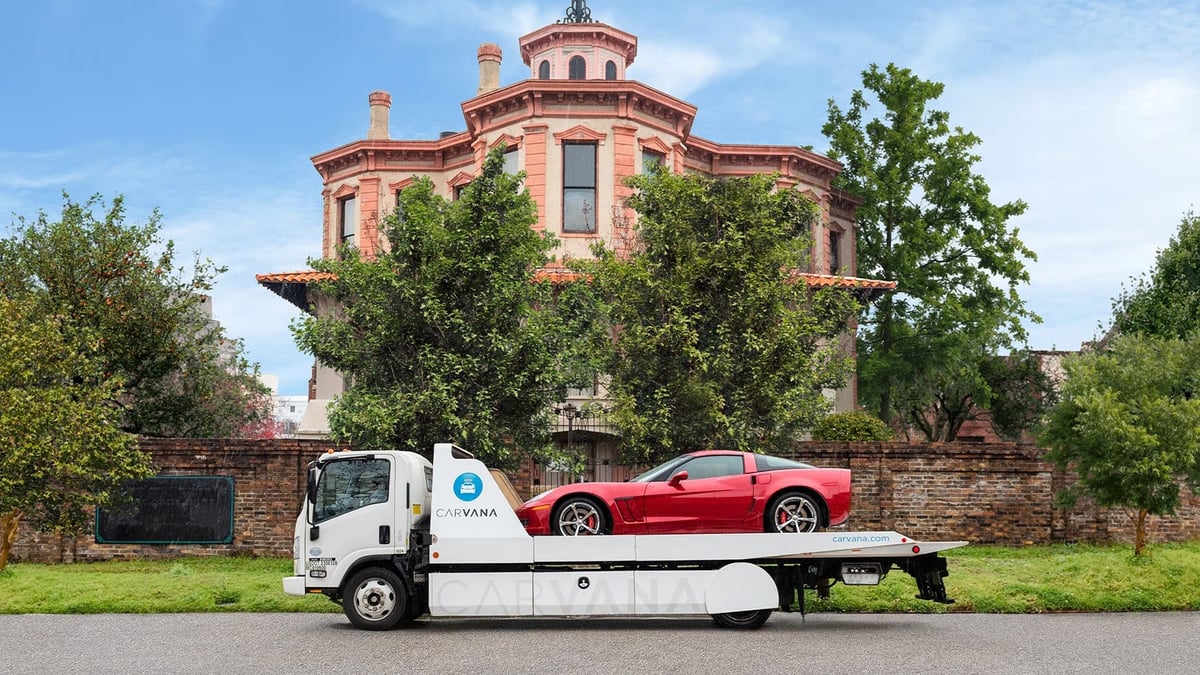
- Stock Recovery: Carvana's stock rebounded from an all-time low of $3.72 in December 2022 to about $310, reflecting market confidence in its growth potential, especially after its inclusion in the S&P 500, where it peaked at $478.45.
- Sales and Revenue Growth: From 2020 to 2025, Carvana's units sold surged from 244,111 to 596,641, while revenue skyrocketed from $5.6 billion to $20.3 billion, indicating strong performance and increased market share in the used car sector.
- Improved Profitability: Carvana achieved full-year profitability since 2023, with adjusted EBITDA margins rising from negative 4.6% in 2020 to 11% in 2025, showcasing significant advancements in cost control and operational efficiency.
- Optimistic Future Outlook: Despite macroeconomic challenges, analysts project Carvana's revenue and adjusted EBITDA to grow at CAGRs of 26% and 28% from 2025 to 2028, suggesting that long-term investment value remains intact.

March Used Vehicle Market Remains Strong

- Index Increase: The Manheim Used Vehicle Value Index rose to 215.3 in March, marking a 6.2% year-over-year increase and the highest level since summer 2023, indicating resilience and sustained pricing pressure in the used car market.
- Strong Prices: Non-adjusted wholesale prices increased by 5.7% year-over-year and 4.2% month-over-month, reflecting robust market demand and tight inventory, particularly bolstered by a strong tax refund season that further supports pricing.
- Healthy Demand: Cox Automotive noted that sales conversion rates were higher than in 2025 nearly every week, with March sales running ahead of typical spring patterns, showcasing positive consumer response, especially in luxury and midsize segments.
- EV Performance: The EV Index surged by 7.9% year-over-year and 3.7% month-over-month, standing out in the overall market and indicating rapidly growing demand for electric vehicles, which further enhances the overall performance of the used car market.
Family-Owned Dealership Sale Highlights Industry Consolidation Trends
- Family Business Sale: Derek Sylvester's family decided to sell Sylvester Chevrolet, a dealership they operated for 50 years in Pennsylvania, to a New York dealer group, highlighting the challenges faced by small dealers in a rapidly changing automotive retail landscape.
- Accelerating Industry Consolidation: According to NADA, the percentage of dealers owning 1 to 5 stores has decreased from 94.4% to 90.5%, indicating a rise in medium-sized dealerships and accelerating consolidation, particularly among those owning 6 to 25 stores.
- Increased Market Competition: Traditional dealers are facing heightened competitive pressures due to rapid advancements in electric vehicles and technologies like AI, prompting many small dealers to consider selling or merging to maintain competitiveness and profitability.
- Investor Interest: Major dealers like Lithia Motors and AutoNation have market caps exceeding $6 billion, drawing increased attention from investors, indicating the ongoing profitability potential and future growth opportunities within the automotive dealership sector.
Amazon Autos Expands, Threatening Traditional Auto Listings
- Online Car Buying Trend: According to Allied Market Research, online car buying is expected to triple by the end of the decade, indicating a significant shift in consumer acceptance that could transform traditional auto sales models.
- Amazon's Market Strategy: Amazon Autos is rapidly expanding from a niche pilot to a broad vehicle marketplace, aiming to enhance online sales capabilities through partnerships with dealerships, thereby shortening sales cycles and improving efficiency, while dealers retain control over transactions.
- Changing Competitive Landscape: Amazon's entry poses a threat to companies focused on vehicle listings and dealership leads, such as Cars.com and CarGurus, as these companies, despite their strong brand presence, may struggle against Amazon's vast consumer reach.
- Dealers' Role: While Amazon is not yet selling cars directly or taking a cut from dealership transactions, its platform allows consumers to complete transactions online more easily, which could have profound implications for traditional dealerships and auto sales models in the future.
Amazon Autos Rapidly Expands into Marketplace
- Market Expansion Plan: Amazon Autos is rapidly transitioning from a pilot program to a broad vehicle marketplace, with online car buying expected to triple by the end of this decade, indicating significant market potential and strategic value.
- Collaboration with Dealers: Rather than taking a cut from transactions, Amazon collaborates with dealerships to enhance their online presence and shorten sales cycles, thereby improving overall operational efficiency and strengthening dealers' competitive positions.
- Threat to Competitors: Amazon's entry poses a serious threat to vehicle listing and lead-generation companies like Cars.com and CarGurus, although it has yet to fully replicate Carvana's nationwide inventory and distribution capabilities.
- Shifts in Consumer Behavior: As consumers increasingly prefer online car buying, Amazon's model may transform traditional purchasing processes, with dealerships still controlling transactions and pricing, but Amazon's extensive reach will position it significantly in future markets.
Trump Announces Two-Week Ceasefire with Iran, Boosting Market Futures
- Market Reaction Positive: Following Trump's announcement of a two-week ceasefire with Iran, stock futures surged, with S&P 500 futures up over 1,300 points, indicating strong market optimism regarding reduced geopolitical risks.
- Oil Prices Plummet: Brent crude futures fell more than 13% and U.S. West Texas Intermediate futures dropped over 16% after the ceasefire news, alleviating fuel cost pressures for airlines and transportation sectors.
- Delta Airlines Adjusts Capacity: Delta Airlines scaled back its capacity growth plans due to soaring fuel costs, yet reported first-quarter earnings that exceeded Wall Street expectations, resulting in a stock price increase of over 12%, reflecting market confidence in its strategic response.
- Strong Demand in Used Car Market: Despite rising gas prices, Cox Automotive reported a 6.2% year-over-year increase in used vehicle prices in March, with inventory dropping below 40 days, indicating robust consumer demand and market resilience.
Carvana Stock Rebounds to $310 Amid Growth Prospects
- Stock Recovery: Carvana's stock rebounded from an all-time low of $3.72 in December 2022 to about $310, reflecting market confidence in its growth potential, especially after its inclusion in the S&P 500, where it peaked at $478.45.
- Sales and Revenue Growth: From 2020 to 2025, Carvana's units sold surged from 244,111 to 596,641, while revenue skyrocketed from $5.6 billion to $20.3 billion, indicating strong performance and increased market share in the used car sector.
- Improved Profitability: Carvana achieved full-year profitability since 2023, with adjusted EBITDA margins rising from negative 4.6% in 2020 to 11% in 2025, showcasing significant advancements in cost control and operational efficiency.
- Optimistic Future Outlook: Despite macroeconomic challenges, analysts project Carvana's revenue and adjusted EBITDA to grow at CAGRs of 26% and 28% from 2025 to 2028, suggesting that long-term investment value remains intact.
March Used Vehicle Market Remains Strong
- Index Increase: The Manheim Used Vehicle Value Index rose to 215.3 in March, marking a 6.2% year-over-year increase and the highest level since summer 2023, indicating resilience and sustained pricing pressure in the used car market.
- Strong Prices: Non-adjusted wholesale prices increased by 5.7% year-over-year and 4.2% month-over-month, reflecting robust market demand and tight inventory, particularly bolstered by a strong tax refund season that further supports pricing.
- Healthy Demand: Cox Automotive noted that sales conversion rates were higher than in 2025 nearly every week, with March sales running ahead of typical spring patterns, showcasing positive consumer response, especially in luxury and midsize segments.
- EV Performance: The EV Index surged by 7.9% year-over-year and 3.7% month-over-month, standing out in the overall market and indicating rapidly growing demand for electric vehicles, which further enhances the overall performance of the used car market.